Donghaksa Temple, Visiting for the First Time Between Munpilbong Peak and Donghaksa Valley
Located in a valley on the eastern side of Gyeryongsan Mountain, Donghaksa Temple is introduced as the oldest existing educational institution for Buddhist nuns. This guide organizes information on admission fees, parking fees, walks along the valley, and hikes to Eunsseon Falls, helping international visitors plan their actual route for a first visit.
I’ve been here?
Your check-in helps the next traveler.
No one has checked in yet Be the first
One tap — no writing needed
A Nunnery Training Center Built in the Eastern Valley of Gyeryongsan Mountain
Donghaksa Temple is located in Hakbong-ri, Banpo-myeon, Gongju-si, Chungcheongnam-do, in the eastern valley of Gyeryongsan Mountain. The Korea Tourism Organization introduces it as the oldest surviving educational institution for Buddhist nuns and describes it as a temple where approximately 150 monks study and practice.
Donghaksa Temple is said to have been founded during the reign of King Seongdeok of Silla. Its former name was Cheongnyangsa Temple. The surrounding area also has the Nammaetap Pagoda, Sameungak Shrine commemorating loyal subjects of Goryeo, and Sukmojeon Shrine housing memorial tablets for King Danjong and his loyal subjects, creating a historical route distinct from a place visited only for its natural scenery.
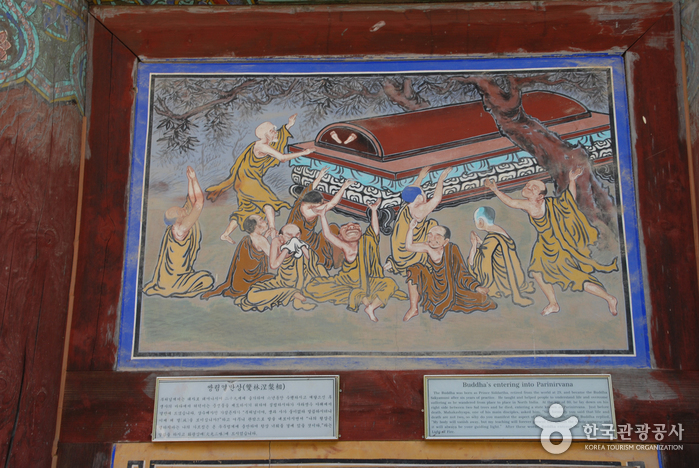
Check the Official Address and Admission Fees First
The address posted on the official Donghaksa Temple website is 462 Donghaksa 1-ro, Banpo-myeon, Gongju-si, Chungcheongnam-do, postal code 32626. Since this differs from the road-name address provided by the user, 1392 Gyeryong-daero, Banpo-myeon, Gongju-si, Chungcheongnam-do, it is safer to enter either the official address or the place name into a vehicle navigation system.
As of 2026, the individual admission fees listed by the Korea Tourism Organization are 3,000 won for adults, 1,500 won for teenagers, and 1,000 won for children. Adults are defined as ages 19 to 65, teenagers as ages 13 to 18, and children as ages 7 to 12. Visitors aged 66 or older enter free upon presenting identification. Groups of 30 or more are listed as receiving a 500-won discount per person.
Donghaksa Temple is listed as open year-round, but its seasonal operating hours and admission closing time have not been confirmed. The main telephone number is 042-825-2570, the fax number is 042-825-6068, and the official website is http://www.donghaksa.or.kr/.
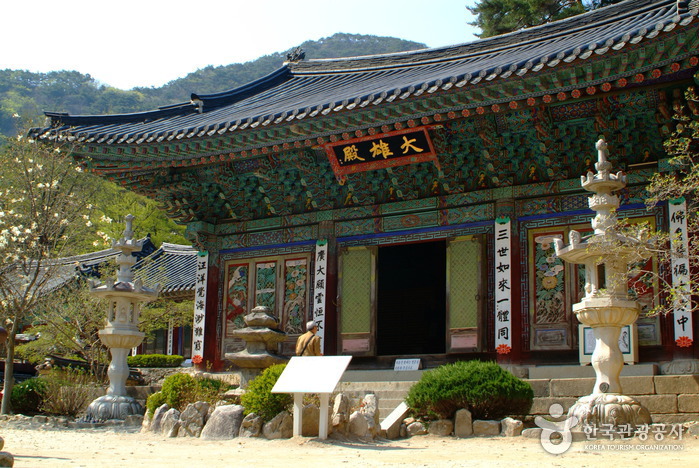
Visitors Arriving by Vehicle Should Distinguish Bus and Passenger-Car Parking Fees
Parking is available, with daily fees of 7,000 won for buses, 4,000 won for passenger cars, and 2,000 won for compact cars. The number of available spaces and the locations of individual parking lots have not been provided, so groups traveling in large vehicles should budget based on the bus fee.
The official website has a separate “Directions” page. However, the latest information on public-transportation station names, exit numbers, bus routes, stops, and service intervals has not been confirmed, so this article does not specify a particular bus number.
As of 2026, the National Park vehicle transfer service for visitors with mobility needs operates from 10:00 to 13:00. The meeting point is the Gyeryongsan National Park Office at 86 Donghaksa 2-ro, Banpo-myeon, Gongju-si, Chungcheongnam-do. Participants must register through the national park reservation system, and reservations may be canceled on the day because of weather conditions or trail closures.
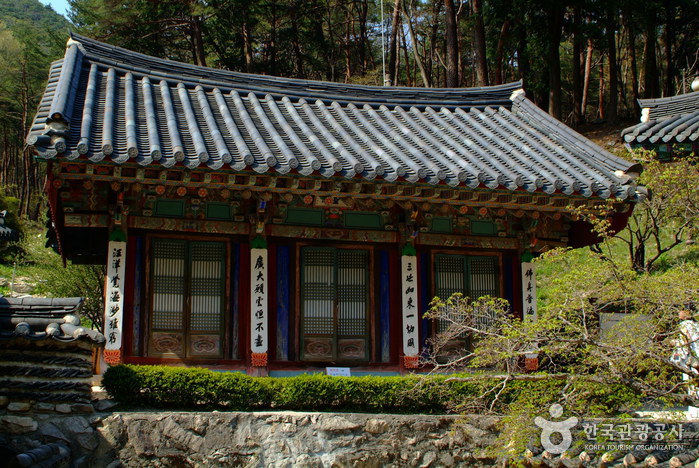
A 3 km Cherry Blossom Road Starting at Bakjeongja Junction
In spring, a cherry blossom tunnel extends for approximately 3 km from Bakjeongja Junction to Donghaksa Temple. Donghaksa is said to have held a spring flower festival every year since 1993, making this a suitable time to plan a temple visit and a seasonal event together.
Donghaksa Valley is located on the Donghaksa side of Gyeryongsan National Park and is introduced as the fifth scenic view of the Eight Views of Gyeryongsan. Wildflowers grow in the valley, and guides describe a setting of green forests, flowing water, and birdsong. However, the approximately 3 km spring flower route is a different distance from a short walk in front of the temple.
There are also photo spots around the valley, including Sejinjeong Pavilion and the Heart Tree. Although these are introduced as suitable places for photography, the permitted areas and restrictions for photography inside temple buildings, as well as the availability of English information or an audio guide, have not been confirmed.
Consider the 3.5 km Donghaksa Valley and the 1.5 km Route to Eunseon Falls Separately
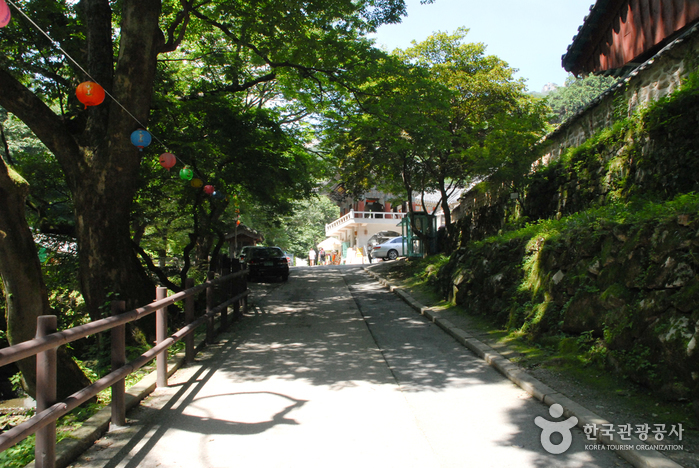
Donghaksa Valley extends approximately 3.5 km from in front of Hakbawi Rock to Gwaneumbong Pass. Eunseon Falls is reached by walking approximately 1.5 km uphill along the valley from Donghaksa Temple, so visitors who want to see both the temple and the waterfall should prepare for a longer hike than a simple valley walk.
The hiking trail from Eunseon Falls to Gwaneumbong Peak continues with relatively steep sections. Therefore, the route toward the summit of Gyeryongsan Mountain should not be considered a flat walking course and may not suit stroller users or travelers sensitive to slopes and stairs.
Donghaksa Valley is listed as open at all times throughout the year, and its contact number is 041-853-2111. Although parking facilities are available at the valley, credit-card use is listed as unavailable, so visitors planning to use the valley should prepare another payment method.
Admission-Fee Information May Differ on the Way to Nammaetap Pagoda
A circular hiking route around Donghaksa is described in visitor reviews as connecting the Donghaksa parking lot, Nammaetap Pagoda, Sambulbong Peak, Gwaneumbong Peak, Donghaksa Temple, and the Donghaksa parking lot. One account says the route may take approximately five hours including breaks, while the same review considers it manageable even for beginners.
However, reviews include both accounts of not being charged an admission fee when ascending toward Nammaetap Pagoda and mentions that an admission fee of around 3,000 won is charged when ascending toward Donghaksa Temple. Since the official admission fee for Donghaksa is 3,000 won for adults, it is safest not to interpret the Nammaetap example as a general exemption from temple admission.
This circular route is not an itinerary limited to viewing temple buildings; it is a hike that includes Nammaetap Pagoda, Sambulbong Peak, and Gwaneumbong Peak. Because the route toward Gwaneumbong has some steep sections, international travelers should not calculate a five-hour hike and a short visit in front of the temple as the same type of itinerary.
Restrooms Are Available, but Prepare Separately for Strollers and Accessibility
Donghaksa Temple has restrooms. The Donghaksa Valley information states that stroller rental is unavailable, and no official confirmation has been found regarding wheelchair accessibility, slopes and stairs, or surface conditions.
The areas inside the temple that are open to visitors and the restricted areas have also not been confirmed. Therefore, do not assume that you can freely enter the buildings; move quietly in practice areas and follow on-site signs and instructions first.
The availability of foreign-language information and audio guides at Donghaksa itself has also not been confirmed. Travelers who want to read the historical background in detail may find it helpful to note the names Sameungak, Sukmojeon, and Nammaetap in advance, making it easier to distinguish the sites on location.
What to Expect and What Not to Expect at Donghaksa
Donghaksa is introduced as the most visited attraction in Gyeryongsan, with its convenient location and visitor facilities cited as reasons. Munpilbong Peak is visible in front of the temple, while Sejinjeong Pavilion and the Heart Tree are located in the valley, allowing visitors to experience temple architecture, historical sites, and forest paths within one area.
On the other hand, detailed operating hours, admission closing times, the latest public transportation information, parking capacity, and photography regulations have not been confirmed. If you want a short temple visit, calculate the admission and parking fees first. If you plan to continue to Eunseon Falls or Gwaneumbong Peak, plan separately for the steep hike after approximately 1.5 km and the approximately five-hour course including breaks.
Before You Go
- Address
- 462 Donghaksa 1-ro, Banpo-myeon, Gongju-si, Chungcheongnam-do (Postal code 32626)
- Hours
- Donghaksa Temple’s own operating hours have not been confirmed separately; the Korea Tourism Organization lists it as open year-round. Donghaksa Valley is open at all times.
- Closed
- Open year-round
- Admission
- Individuals: adults 3,000 won / teenagers 1,500 won / children 1,000 won; groups of 30 or more receive a 500-won discount; visitors aged 66 or older enter free upon presenting identification
- Phone
- 042-825-2570
- Official site
- http://www.donghaksa.or.kr/
- Transport
- The national park vehicle transfer service for visitors with mobility needs operates from 10:00 to 13:00. The meeting point is the Gyeryongsan National Park Office at 86 Donghaksa 2-ro, Banpo-myeon, Gongju-si, Chungcheongnam-do, and registration through the national park reservation system is required. The latest general public transportation routes and stop information have not been confirmed.
- Parking
- Parking available. Daily fees: buses 7,000 won / passenger cars 4,000 won / compact cars 2,000 won
- Time needed
- According to reviews, the hiking course takes approximately five hours including breaks. The recommended duration for visiting the temple alone has not been confirmed.
- Accessibility
- Restrooms available. Donghaksa Valley information states that stroller rental is unavailable, and the route toward Gwaneumbong is described as a somewhat steep hiking trail.
The information above is current as of the time of writing. Check the official information again before visiting.

Places
Nearby Attractions 3
-
 1
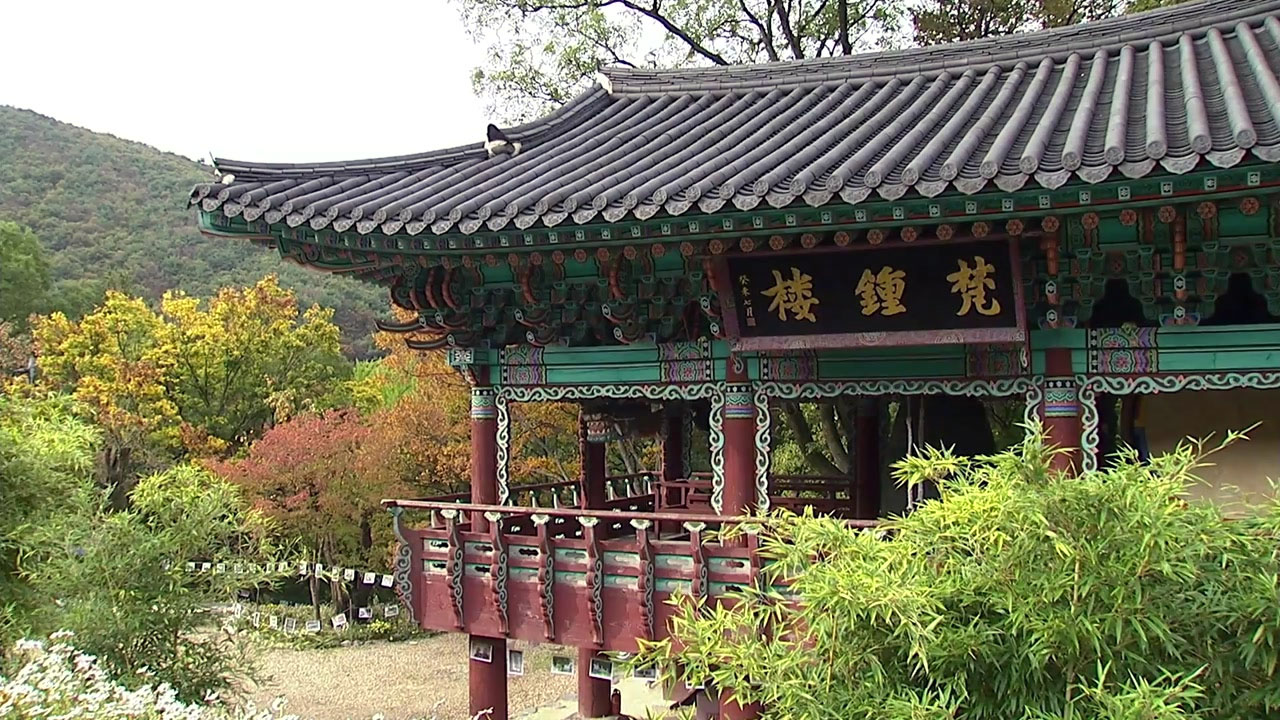
Gapsa TempleExplore the grounds of this thousand-year-old temple and the forest trails of Gyeryongsan Mountain.
1
Gapsa TempleExplore the grounds of this thousand-year-old temple and the forest trails of Gyeryongsan Mountain. -
 2
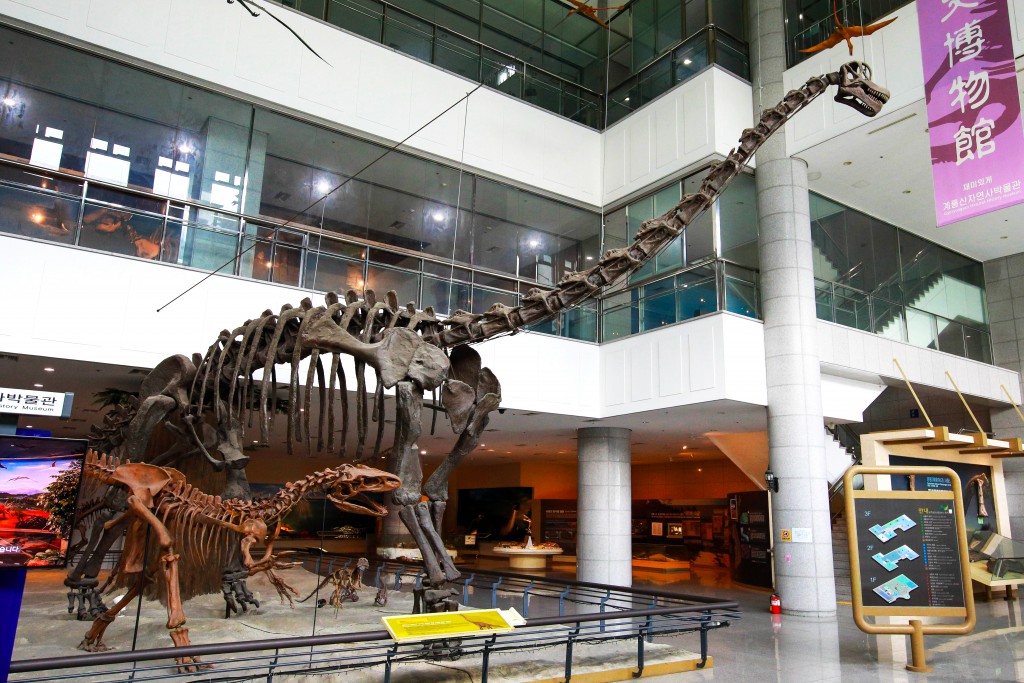
Gyeryongsan Natural History MuseumView exhibits of dinosaur fossils and natural and human history.
2
Gyeryongsan Natural History MuseumView exhibits of dinosaur fossils and natural and human history. -
 3
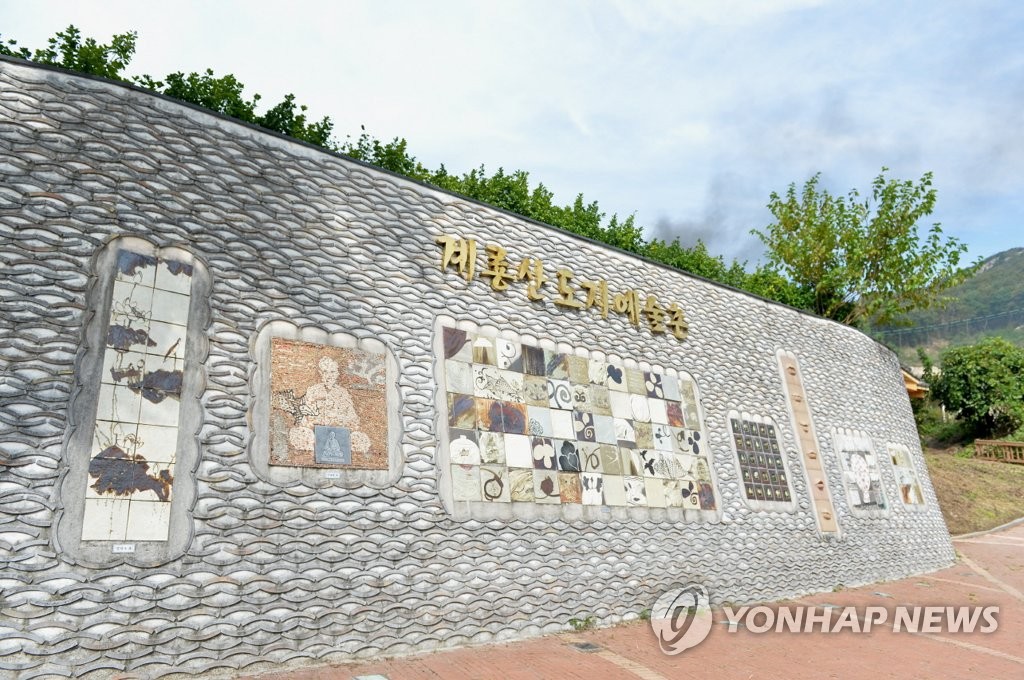
Gyeryongsan Ceramic VillageExplore traditional iron-painted Buncheong ware and observe ceramic artworks and the creative process.
3
Gyeryongsan Ceramic VillageExplore traditional iron-painted Buncheong ware and observe ceramic artworks and the creative process.
Food & Dining 2
-
 4
Seoul SikdangEnjoy mountain vegetable Korean cuisine, including duck soup and deodeok set meals.
4
Seoul SikdangEnjoy mountain vegetable Korean cuisine, including duck soup and deodeok set meals. -
 5
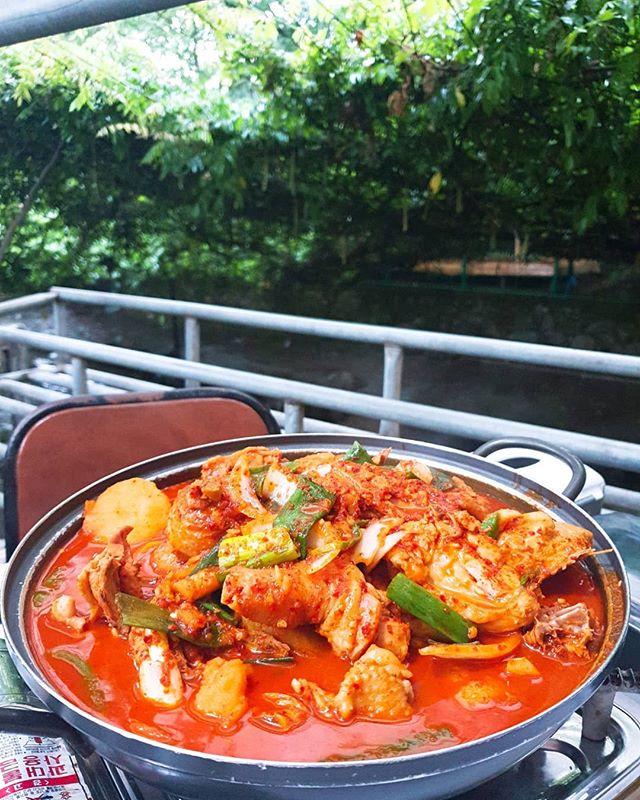
Donghwa SikdangEnjoy grilled deodeok, wild vegetable bibimbap, boiled whole chicken, and more.
5
Donghwa SikdangEnjoy grilled deodeok, wild vegetable bibimbap, boiled whole chicken, and more.
More Travel Guides in This Area
 Travel Guide
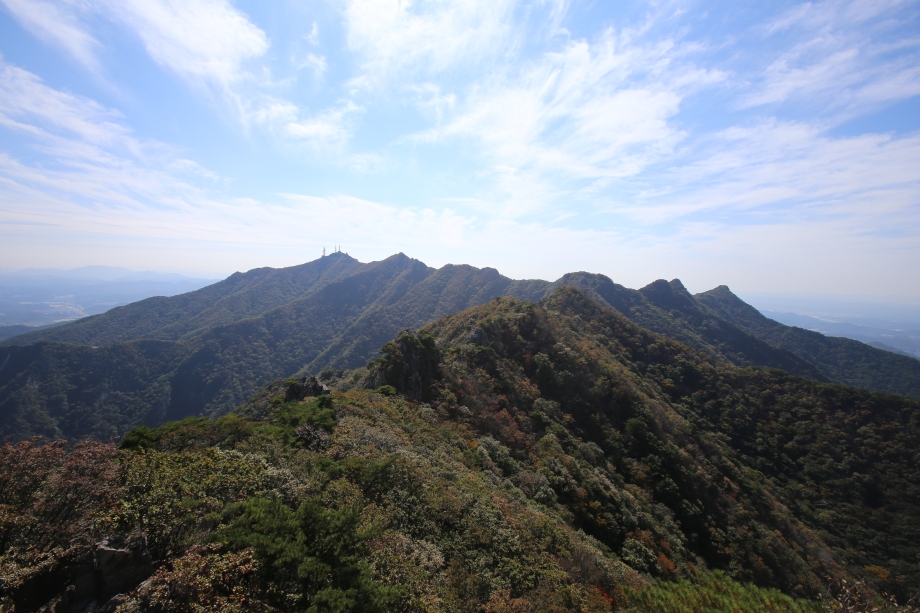
How to Get to Gwaneumbong from Gyeryongsan National Park with Cheonhwangbong Closed
 Travel Guide
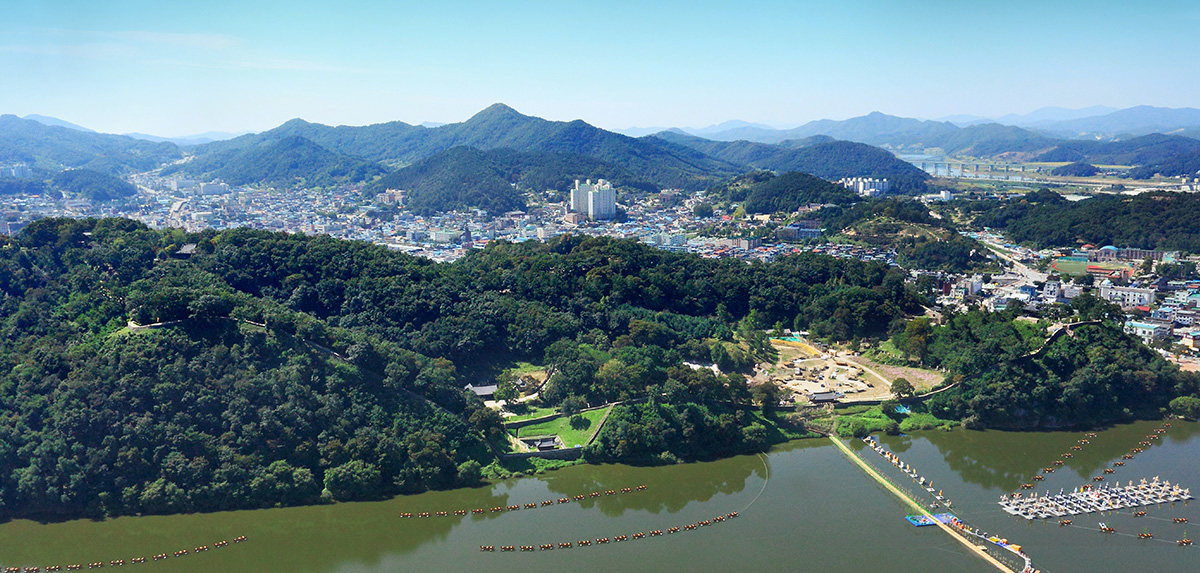
Gongsanseong, Baekje’s royal fortress overlooking the Geumgang River: a 2.6 km walk
 Travel Guide
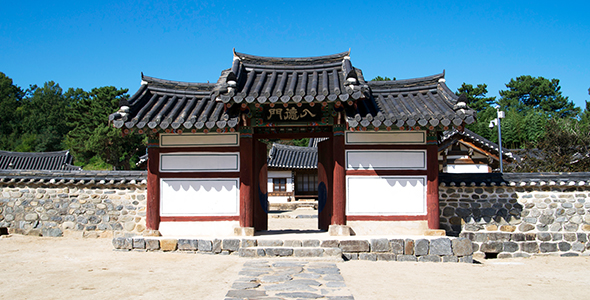
How to Read Eungdondang and the Floral Wall at Donamseowon Confucian Academy
 Travel Guide
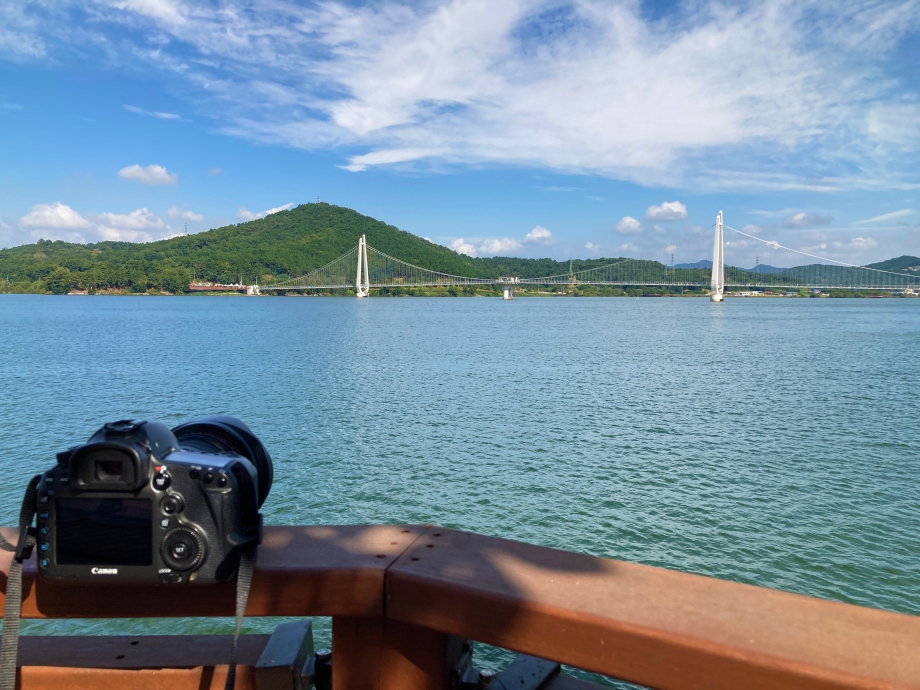
Nonsan Tapjeong Lake Suspension Bridge: Sunsets and Night Views over a 600 m Lake
Korea News
 News
News
TWS heightens comeback excitement with kitschy charm… Anticipation for “plot twist” rises
 News
News
BTS, Six Months After Its Release… ‘Arirang’ Climbs the U.S. Billboard 200
 News
News
'The Nation's Girl Group' RESCENE, Five Girls Transformed into Guardians… Additional Concept Photos for Their 4th Mini Album Revealed
 News
News