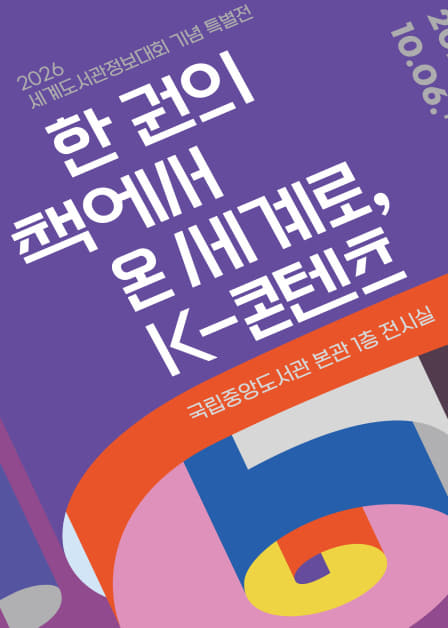
2026 K-BOOK to the WORLD, a four-part journey that begins with books
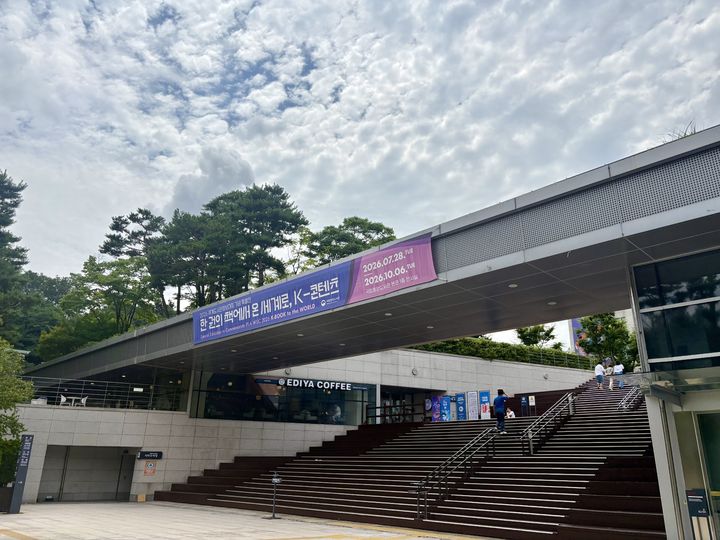
The special exhibition, “From a Single Book to the World, K-Content: K-BOOK to the WORLD,” held in the exhibition hall on the first floor of the National Library of Korea’s main building, ran from July 28 to October 6, 2026. Viewing hours were 09:00–18:00, and admission was free. Kwangwoon University international student visitor guide
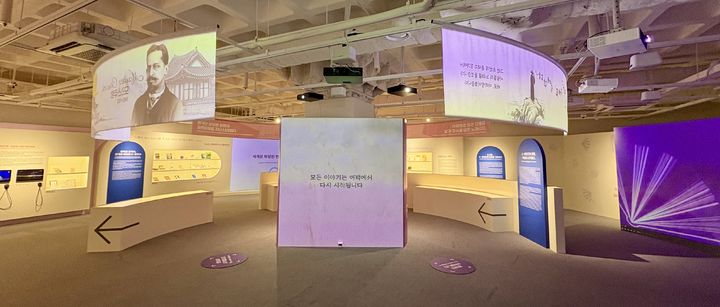
This exhibition was organized to commemorate the 2026 World Library and Information Congress (WLIC) in Busan, and consisted of four sections, a WLIC Special Zone, and an Interaction Zone. The exhibition hall was designed in a circular layout, allowing visitors to follow a flow from stories in books to K-dramas, films, webtoons, and music, before returning to the library archive. Newsis exhibition coverage
Old books, manuscripts, cheap popular books, magazines, records, and video materials were displayed together. Visitors could also see Maurice Courant’s “Korean Bibliography,” the Arirang sheet music published in the English-language magazine “The Korean Repository,” and Gale’s English translation of “The Cloud Dream of the Nine.” The connections between the Joseon-era anecdote collection “Eou Yadam” and the drama “My Love from the Star,” the classic novel “Unyeongjeon” and “Jewel in the Palace,” and “Korean Folk Games of Joseon” and “Squid Game” were especially memorable. It felt like slowly discovering that old books lie behind the familiar images on screen. NoCut News field report
A 10-minute route ideal for walking with international friends, between Eou Yadam and Squid Game
It was great to visit with friends who enjoy Korean content, as they could visually trace the roots of the original works. Part 3, “Translation and Korean Language: K-Content Expanded to the World,” featured Korean literature translated into various languages, the first German edition of Mirok Li’s “The Yalu Flows,” a learning record for the Japanese colonial-era “Joseoneodokbon,” and Korean-language learning materials such as “Myeongdowon Korean.” Exhibition panels and material descriptions were also translated into English, making it easy for friends who had difficulty reading titles in Korean to follow the exhibition’s flow.
The address is 201 Banpo-daero, Seocho-gu, Seoul. It was about a 10-minute walk from Exit 6 of Seocho Station on Subway Line 2, and also about 10 minutes from Exit 5 of Express Bus Terminal Station on Lines 3, 7, and 9. Seocho Bus 13 and Seocho Bus 21 stop at the “National Library of Korea” bus stop, which was useful when carrying luggage or when walking in the height of summer felt burdensome. National Library of Korea transportation guide
As this was a free exhibition, there was no admission procedure requiring cash, card, or mobile payment. After viewing the exhibition in the main building, visitors could stop by the CU convenience store next to the cafeteria in the Librarian Training Institute to buy coffee, drinks, bread, ramen, triangular kimbap, sandwiches, and lunch boxes. CU hours were 08:00–19:00 on Monday, Tuesday, Thursday, Friday, Saturday, and Sunday, and 08:00–22:00 on Wednesday. National Library of Korea convenience store guide
Although it was an indoor exhibition, visitors still had to walk about 10 minutes from the station, so comfortable shoes and water were recommended. Since the exhibition required quite a bit of quiet reading time, visitors with an itinerary focused on quickly viewing K-drama scenes could make the most of their time by starting with Part 2, featuring “Eou Yadam,” “Unyeongjeon,” and “Korean Folk Games of Joseon,” followed by the AI experience corner.
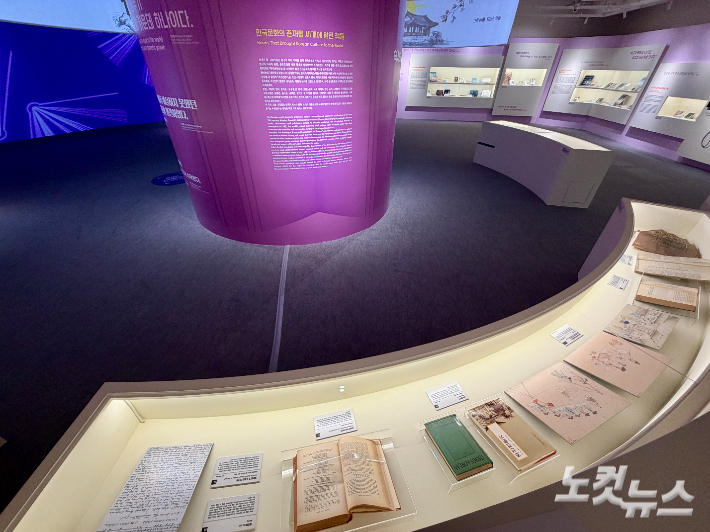
The AI four-shot photo booth and the main building’s first floor: useful things to know before visiting
At the AI interaction corner, “Four Shots of Life, Across 500 Years,” visitors could take four-shot photos using character images from four eras: Joseon-era genre paintings, modern cheap popular book covers, contemporary black-and-white film posters, and present-day K-dramas. Because the exhibition as a whole centered on reading materials, this corner provided a distinct break where visitors could take photos. Part 4 used media art to show the process through which Korean stories expand around the world and are then preserved again in library archives. Yonhap News exhibition introduction
One drawback was that the exhibition ended at 18:00, so visitors arriving late in the afternoon might not have enough time to slowly read through Part 4 and the WLIC Special Zone. In addition, for visitors arriving by car, vehicle entry was restricted on weekdays from 11:00 to 15:00 when the parking lot was full. The parking lot operated from 08:00 to 19:00 on weekdays and weekends, and from 08:00 to 21:00 on Wednesdays, with space for 374 vehicles. General users could park free for up to 30 minutes once per day; afterward, the fee was 500 won per 15 minutes, with a daily maximum of 10,000 won. National Library of Korea parking guide
The exhibition materials included many old documents and small explanatory texts, so it was better to read the titles and their connected content rather than simply glance at a single photograph and move on. Even with English translations available, the context of the classics itself could feel unfamiliar, so using one familiar work, such as “My Love from the Star” or “Squid Game,” as a starting point made the experience flow much more naturally.
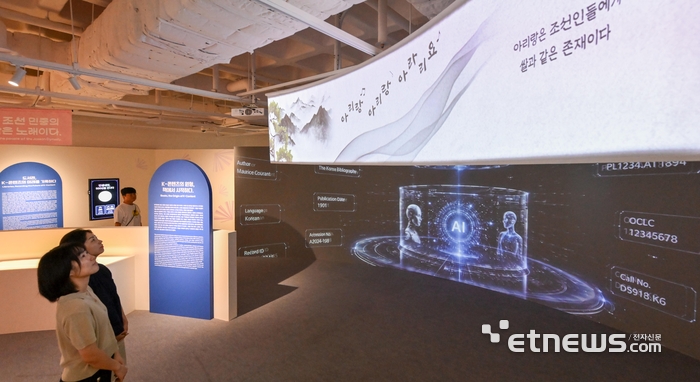
A K-content bookshelf ahead of WLIC 2026: travelers this exhibition suits
This exhibition was especially well suited to international visitors who enjoy K-dramas and K-pop but are curious about where earlier Korean stories came from, as well as literary travelers who want to see the traces of Korean literature translation and Korean-language learning. Rather than simply presenting a stream of flashy videos, it placed an old document, a translated book, and a record face-to-face with contemporary content, making it more enjoyable the more slowly one walked through it.
At the end of the exhibition, I felt the statement “K-content began with books” more clearly. Even without being able to read all of the Korean text, following the English explanations and links to familiar works made this into a walk through a long history in the heart of Seoul, where Korean stories have been recorded, translated, and created anew.
| Category | Score | Evaluation basis |
|---|---|---|
| Language accessibility | 3.5 points | Exhibition panels and material descriptions were translated into English. |
| Transportation accessibility | 4.5 points | It was about a 10-minute walk from Exit 6 of Seocho Station and Exit 5 of Express Bus Terminal Station, and Seocho Buses 13 and 21 were also available. |
| Facilities for international visitors | 3.0 points | Admission was free and English explanations were available, but the main text did not include information on separate interpretation services. |
| Local cultural experience | 5.0 points | Visitors could directly see the connections between “Eou Yadam,” “Unyeongjeon,” and “Korean Folk Games of Joseon” and K-dramas and “Squid Game.” |
| Value for money | 4.5 points | Visitors could view old books, translations, records, and media art for free between 09:00 and 18:00. |
| Cleanliness/Safety | 3.5 points | It was an indoor exhibition on the first floor of the main building, and vehicle entry restrictions were in operation when the parking lot was full from 11:00 to 15:00 on weekdays. |
| Food/Convenience facilities | 2.5 points | Drinks, bread, and lunch boxes were available at the CU next to the Librarian Training Institute cafeteria. |
| Average | 3.8 points | This was the arithmetic average of seven categories. |
This article was compiled by our editorial team from official announcements and coverage of previous editions; it is not a first-hand visit report. Please confirm the final schedule and fees on the official website.
Festival Details
-
Festival Period7/28/2026 ~ 10/6/2026
-
Festival VenueNational Library of Korea, Main Building, Exhibition Hall on the First Floor
-
Operating HoursMonday to Sunday 09:00–18:00 (Closed on the second and fourth Mondays of each month and on public holidays)
-
Admission FeeFree
-
TagsNational Library of Korea K-Content K-BOOK Record-and-Archiving Culture Exhibition K-Drama K-POP
More Festivals

Popular Concerts
![[Play&Stay]ILLIT LIVE ‘PRESS START♥’ ENCORE in KOREA + Hotels](https://kotourlive-images.s3.ap-northeast-1.amazonaws.com/concerts/1790560840067_340ff0d2_thumbnail.gif)
More Travel Guides in This Area
 Travel Guide
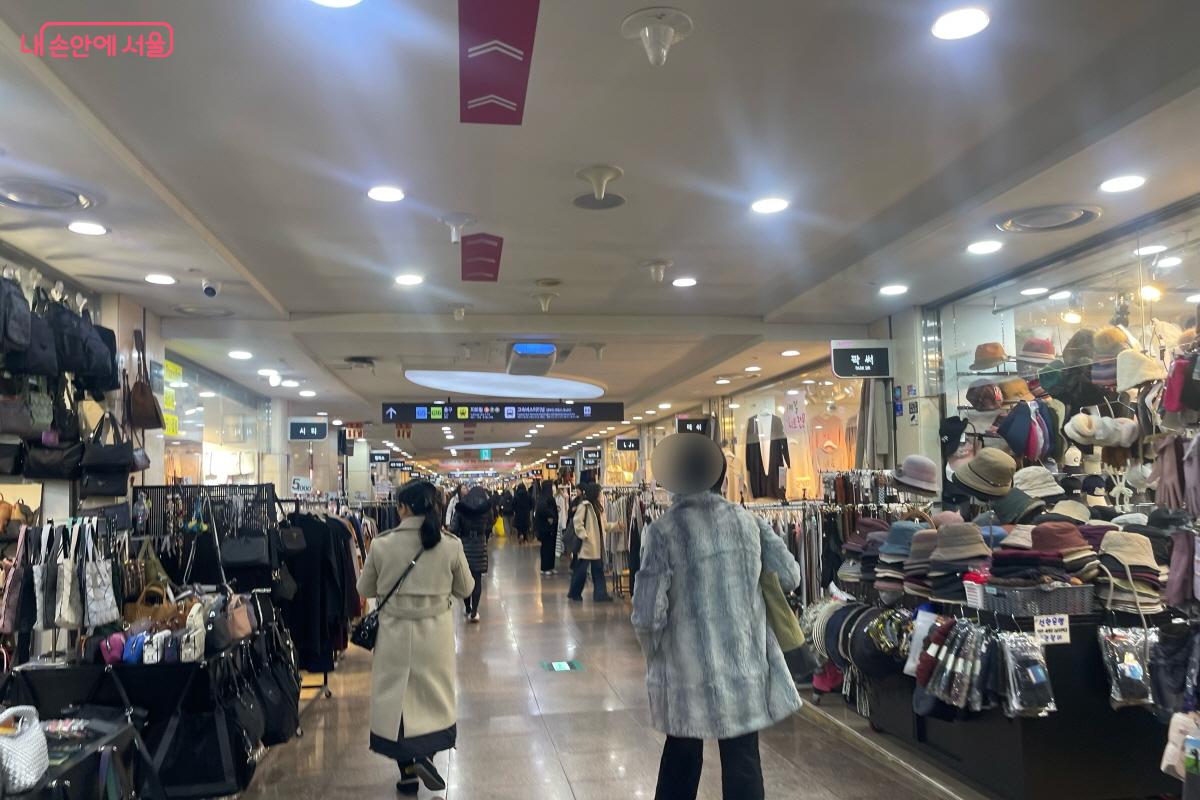
Gangnam Terminal Underground Shopping Mall Stretching 880 m Underground to the Han River
 Travel Guide
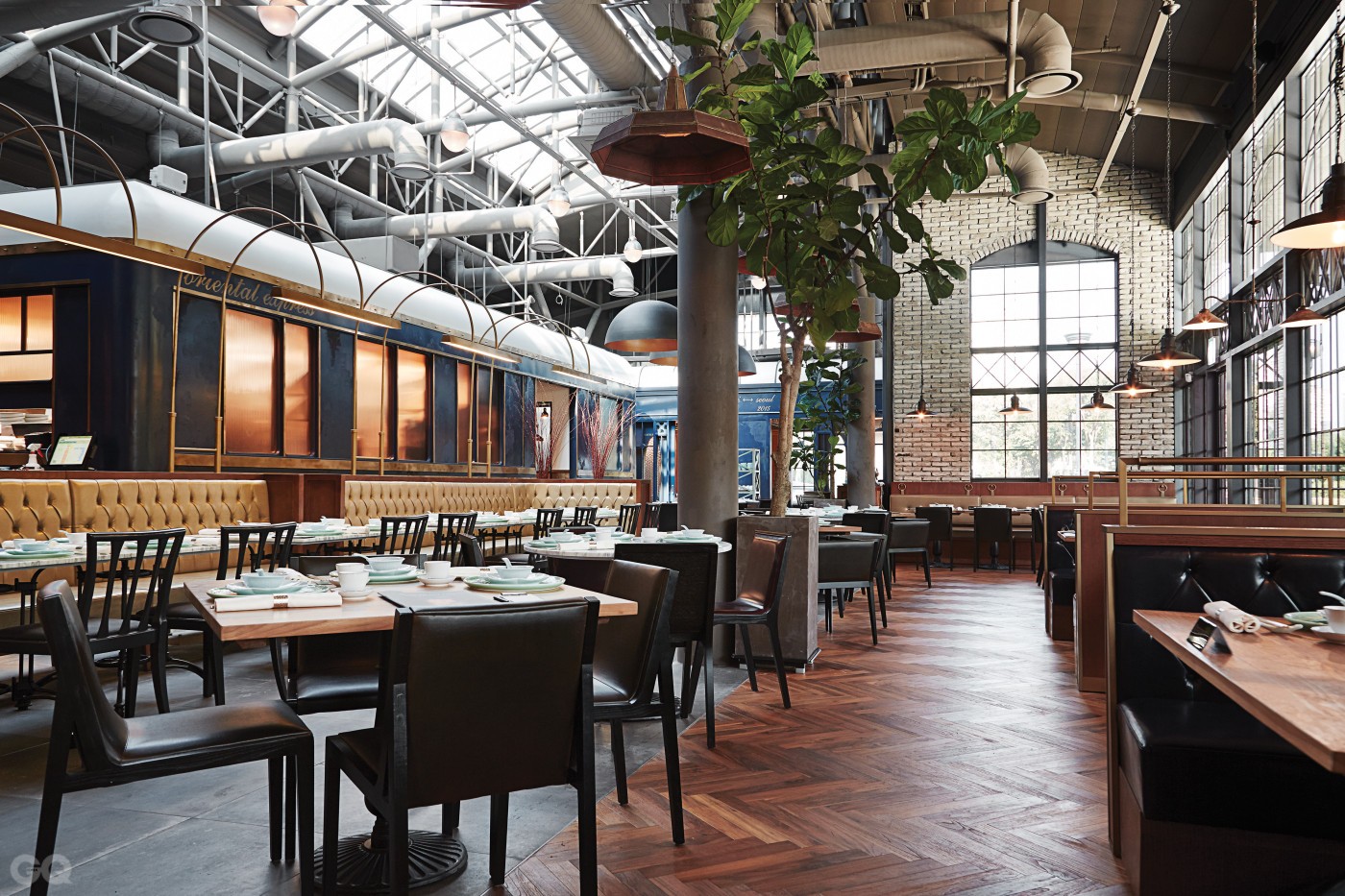
1930s Shanghai at the 4th Floor of Famille Garden: Modern Nulang Central City
 Travel Guide
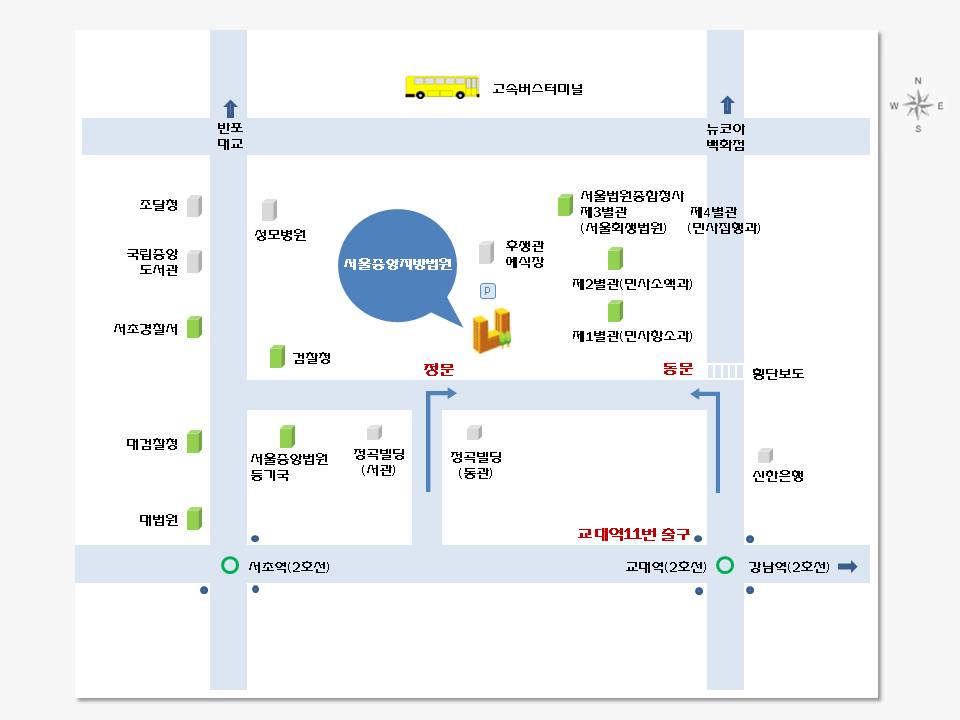
Reading the 8 Exits of Seocho Station Between the Courthouse Street and the Seoul Arts Center
 Travel Guide