Five days in Eumseong, Chungbuk, where Gakseori taryeong meets hip-hop
"Pumba" is the rhythmic onomatopoeia used in the chorus of Gakseori taryeong. It was the song of the wandering street vendors who roamed old marketplaces, in other words, the song of beggar-clowns. The Eumseong Pumba Festival is not a festival that simply treats Pumba as an old pastime; it is a festival built together with the spirit of philanthropy of the late Grandpa Choi Gwi-dong, a beggar-saint who, despite his own poor health, walked around the neighborhood to get food and feed beggars. That is why the slogan always includes "love and sharing." The 27th Eumseong Pumba Festival will be held for five days from June 10 to 14, 2026, at Seolseong Park in Eumseong-eup and around Maengdong-myeon's Flower Village. This year's slogan is "Eumseong is Pumba! Fun, love, sharing up, up, up." To be honest, I went there after hearing the words "beggar festival," and I was surprised to find my shoulders bouncing to the sound of the kwaenggwari and myself later mixing bibimbap beside strangers at the end.
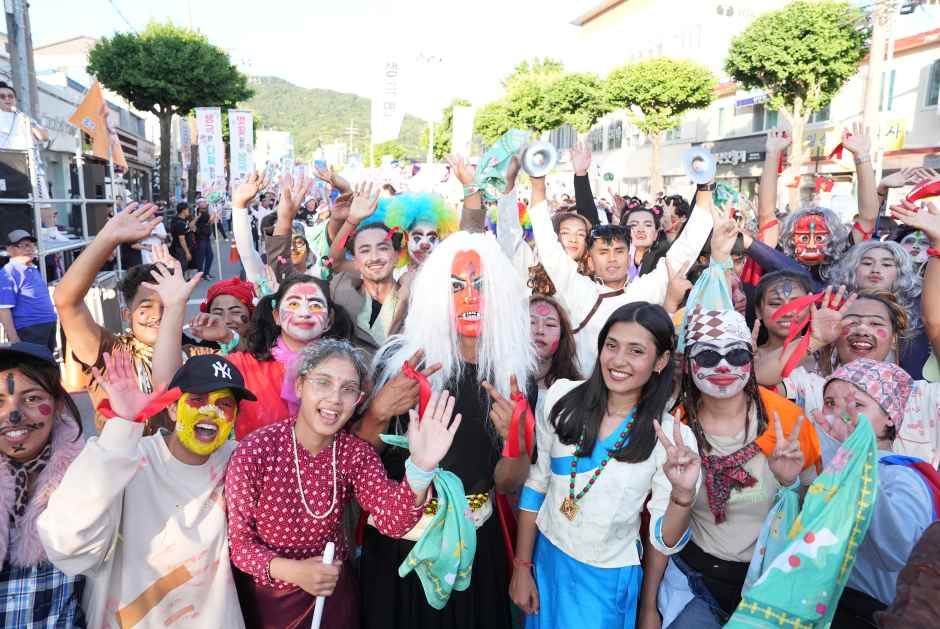
The scale is not small either. At the previous year's 26th festival, about 320,000 people visited from across the country, and it was analyzed to have generated an economic ripple effect of about 22.1 billion won, making it one of Chungbuk's signature cultural tourism festivals. On the street parade alone, over 2,000 residents and foreigners march together, so the boundary between spectator and performer blurs; that is the true charm of this festival.
A one-day route that even foreigners can enjoy on their own
First, something to feel reassured about. Seolseong Park is an open-air park-style festival with no separate admission fee. So there is almost no need to worry about "selling out." However, some programs, such as adult-only paid Pumba performances, require separate tickets, so you only need to check those on site. Participation-based contests like the song festival and rapper competition have separate advance registration, but visitors who just want to watch can enjoy them without reservation.
For transportation, if you are using public transit, aim for Eumseong Public Intercity Bus Terminal. Intercity buses from Seoul Nambu Terminal to Eumseong run about 10 times a day. From the terminal to Seolseong Park, it is close within Eumseong-eup, so a taxi gets you there quickly. However, city buses and rural buses in Eumseong do not run very frequently and tend to stop early because of the nature of countryside routes, so if you plan to see the night performances and head back, it is more comfortable to check your return bus time in advance during the day. If you are driving, it is a little over an hour from Seoul or Daejeon, so even a day trip is not burdensome.
The most reassuring new addition on site this year is the newly created 'Global Zone.' It is a space specially designed so foreigners can enjoy themselves without language or cultural barriers. In fact, Pumba performances are mostly in Korean, so it can be hard to understand every line, but the stage runs on gestures, rhythm, and back-and-forth interaction with the audience, so you can still laugh at more than half of it just by catching the mood. For food, local restaurants and food trucks are set up, and this year there is a new 'donation-style food truck' where part of the proceeds from food sales are delivered to underprivileged groups. Since prices are displayed in advance and hygiene is checked beforehand, there is much less to worry about being overcharged.
The 'thousand-person bibimbap' and yeot-chigi you won't see anywhere else
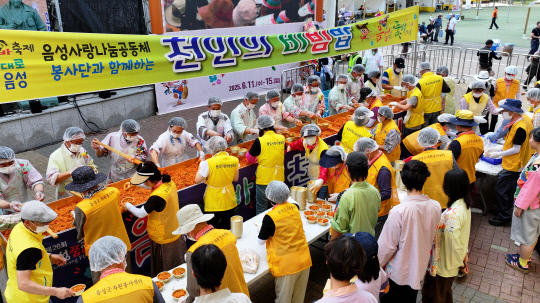
My favorite part was the 'Share Zone.' Here, the 'thousand-person bibimbap sharing' where 1,000 people each mix their own bowl at the same time, and the 'thousand-person yeot-chigi' where more than 1,000 people bite into malt candy all at once and the person whose candy gets the biggest hole wins a prize, are held. At first I just stood there blankly, but the lady next to me handed me a spoon. That was the moment when the spirit of sharing I had only heard about in words became something I could touch with my own hands. Since the festival also runs projects connecting homeless people to jobs, legal support, and psychological counseling, plus the upcycling experience 'Reutilization Workshop,' it is clearly different from a festival that is just about eating and having fun.
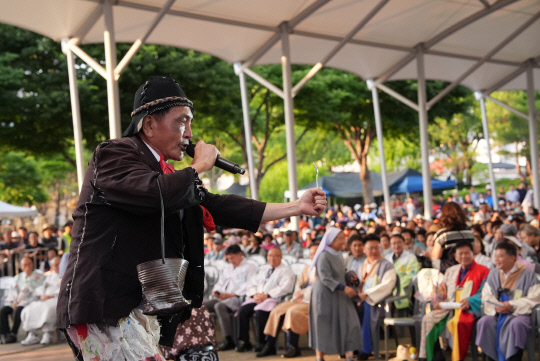
At the heart of the sights is, of course, the 'National Pumba Street Parade.' As it marches through the city center, spectators quietly blend into the colorful procession of costumes. In the 'High Zone' aimed at the MZ generation, the Global Pumba Rapper Competition is held, putting the kwaenggwari and hip-hop beats on the same stage. Last year, rappers such as Deepflow and QM served as judges, and there was also a celebratory performance by Wonstein, so the lineup was seriously impressive. From the Pumba costume fashion show, the Pumba King selection contest, and the trot Pumba musical to the Eumseong N Pumba competition, the schedule is so packed that it is hard to see everything in one day. The 'Pumba Village Experience,' where you can directly learn the costumes, makeup, and rhythms, is especially popular with families visiting with children.
Bring these things before you go so you won't regret it
It is mid-June, so the midday heat can be quite strong. Last year's festival also alternated between heat and rain, so a hat, water, and sunscreen are essential, and because it is outdoors, a small umbrella or rain poncho is a good idea in case of sudden showers. Since you will be moving between dirt paths and lawns in the park, sneakers are the right choice. More and more food trucks and local restaurants accept cards, but some market stalls and low-cost hands-on activities take cash only, so it is safer to keep some cash separately. Toilets and rest areas are available throughout the park, and safety and cleanliness management has been strengthened, but lines get long during the parade and main performance times when crowds gather, so I recommend using them in advance.
To avoid the crowds, the morning is the golden time. There are fewer people, so it is better for taking photos, and you can enjoy Pumba busking more leisurely. Popular programs with set times, such as the thousand-person bibimbap and yeot-chigi, may have their operating times changed day by day, so check the official page or on-site notice board once.
For those who want to experience the true liveliness of a Korean rural market with their whole body, or those who would rather be pulled onto the stage and laugh along than just watch politely, I recommend it with confidence. With one shoulder dance, you become friends even without understanding each other's language; that is Pumba. One of the five days I spent in Eumseong was, for me, the loudest and warmest Korea.
| Item | Score | Basis |
|---|---|---|
| Language accessibility | 3.0 | Pumba banter is mostly in Korean, but a Global Zone was newly created this year, and because it centers on gestures and rhythm, it can still be enjoyed by catching the vibe |
| Transport accessibility | 3.0 | Intercity buses from Seoul Nambu to Eumseong run 10 times a day and a day trip is possible, but city and rural bus services are sparse and stop early |
| Foreign visitor convenience | 3.5 | Global Zone and volunteer operations are available, but detailed foreign-language guidance is limited |
| Local culture experience | 4.5 | Unique participation programs not found at other festivals, such as Pumba rhythm and costume experiences, thousand-person bibimbap, and yeot-chigi |
| Value for money | 4.0 | Free park admission, with only some paid performances separate, and price display helps control overcharging |
| Cleanliness / safety | 4.0 | Police, fire services, and volunteers are involved, with stronger measures for waste reduction and food hygiene checks |
| Food / convenience facilities | 3.5 | Local food and donation-style food trucks are available, but wait times for toilets and stores occur during busy periods |
This article was compiled by our editorial team from official announcements and coverage of previous editions; it is not a first-hand visit report. Please confirm the final schedule and fees on the official website.
Festival Details
-
Festival Period6/10/2026 ~ 6/14/2026
-
Festival VenueSeolseong Park, 28 Seolseonggongwon-gil, Eumseong-eup, Eumseong-gun, Chungcheongbuk-do
-
Admission FeeFree
-
TagsEumseong Pumba Festival Choi Gwi-dong Pumba Gildnori parade Nationwide Pumba competition Love and sharing Pumba musical
More Festivals
Popular Concerts
![[Play&Stay]ILLIT LIVE ‘PRESS START♥’ ENCORE in KOREA + Hotels](https://kotourlive-images.s3.ap-northeast-1.amazonaws.com/concerts/1790560840067_340ff0d2_thumbnail.gif)
More Travel Guides in This Area
 Travel Guide
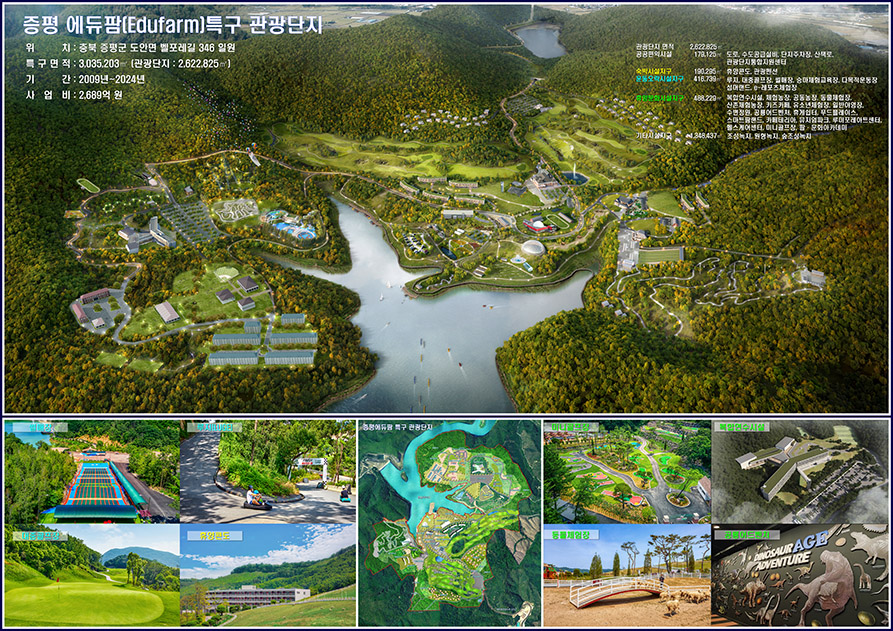
Jeungpyeong Edu-Farm Tourist Complex: Connecting Wonnam Reservoir and Moto Arena in One Day
 Travel Guide
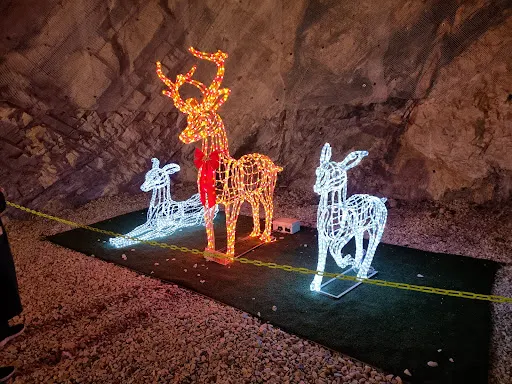
A Glass-Bottom Boat at Hwalok Cave, 57 km from the End of the Mine
 Travel Guide
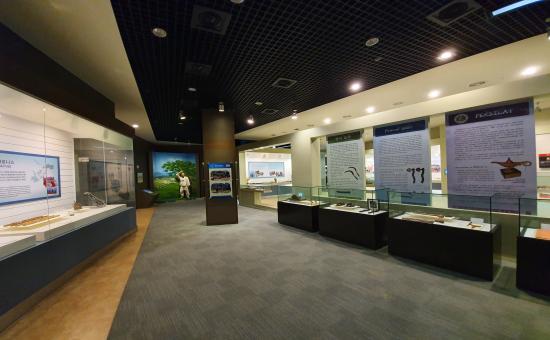
Reading Taekkyeon and World Martial Arts Under One Roof at the Chungju World Martial Arts Museum
 Travel Guide