Neolithic, Bronze Age, and Silla Records Layered Along 3 km of the Bangucheon Stream: Cheonjeon-ri Inscriptions and Petroglyphs
The Cheonjeon-ri Inscriptions and Petroglyphs in Ulju are a National Treasure where Neolithic animal imagery, Bronze Age geometric patterns, and Silla drawings and writing have accumulated on a single rock face. On July 12, 2025, they were inscribed on the UNESCO World Heritage List as “Petroglyphs along the Bangucheon Stream,” together with the Daegok-ri Bangudae Petroglyphs.

I’ve been here?
Your check-in helps the next traveler.
17 people viewed this week Be the first
One tap — no writing needed
Prehistoric Petroglyphs Discovered on December 24, 1970, and First Introduced to Korea
The Cheonjeon-ri Inscription and Petroglyphs in Ulju are a National Treasure located at San 210-2, Cheonjeon-ri, Dudong-myeon, Ulju-gun, Ulsan Metropolitan City. The excavation team from Dongguk University Museum identified them on December 24, 1970, after receiving a tip from a local resident while conducting a survey of Buddhist sites from 1968 to 1970. They were designated National Treasure No. 147 on May 4, 1973.
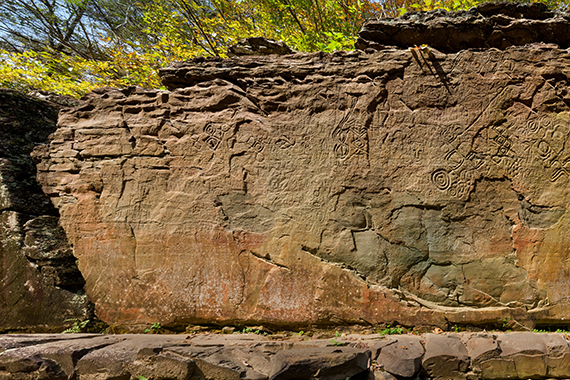
The site's special significance lies in the fact that it is not a relic containing drawings from just one era. Approximately 625 images and inscriptions remain on the central rock surface and four surrounding rock surfaces. People from the Neolithic period, Bronze Age, and Silla period successively added their marks without erasing what came before, creating the composition seen today.
Traces of Three Eras Read on a Rock Surface 9.8 m Wide and 2.7 m High
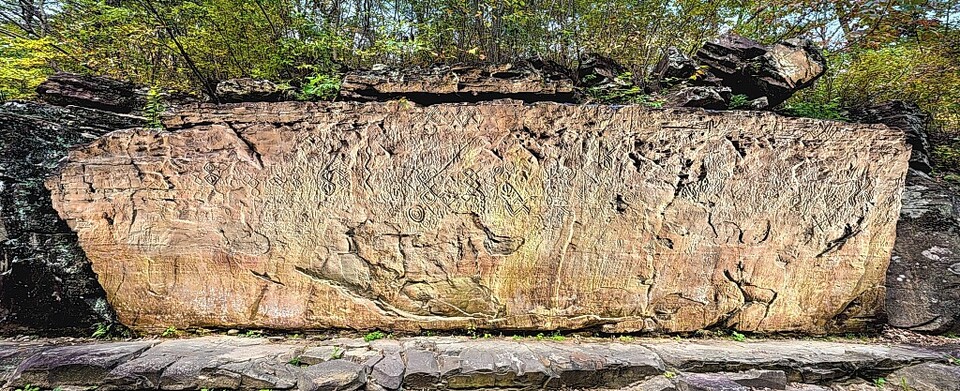
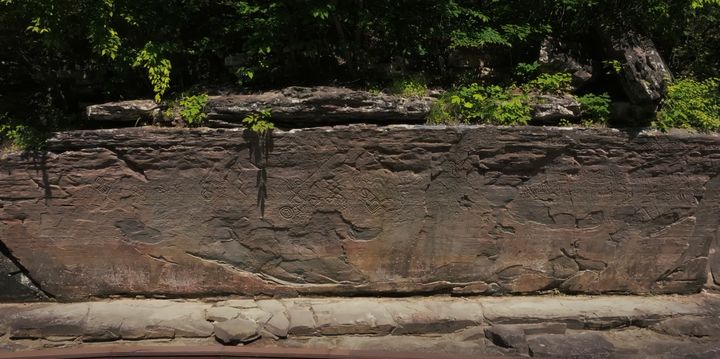
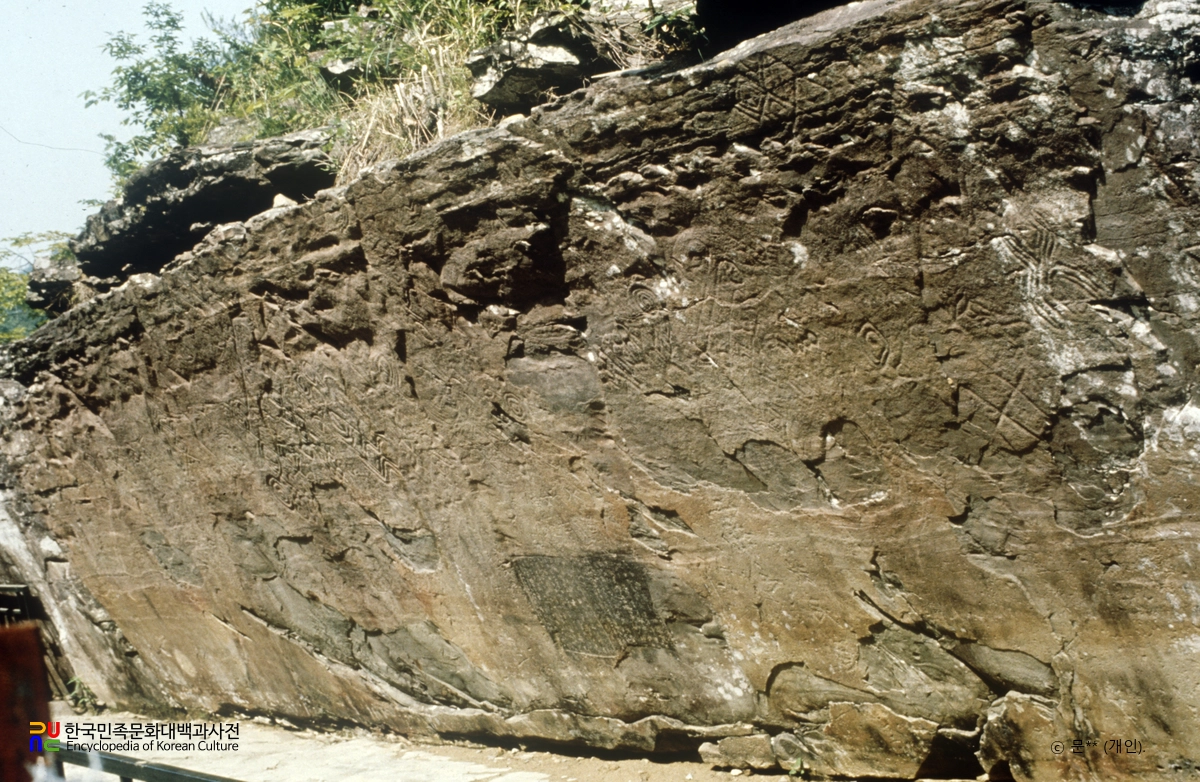
The central rock surface is approximately 9.8 m wide and 2.7 m high, with the upper section sloping forward by about 25 degrees. This natural rock overhang has protected the surface by reducing exposure to wind and rain. When viewing the site, first take in the entire rock, then move your gaze to the left, upper, and lower sections in that order to distinguish the expressions from each era.
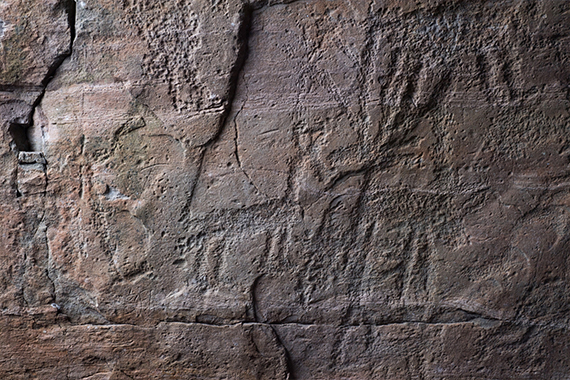
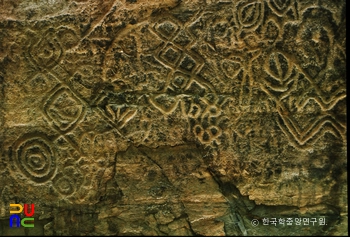
On the left are animals, including deer and sharks, thought to date from the Neolithic period, along with figures hunting deer with bows and arrows. The upper section contains abstract Bronze Age designs carved in stone, such as diamonds, concentric circles, and spirals. The lower section contains Silla-period fine-line engravings made with metal tools, depicting people, horses, boats, dragons, and processions.
The Names of Seoseokgok, Left by the Silla Royal Family in the 525 and 539 Inscriptions
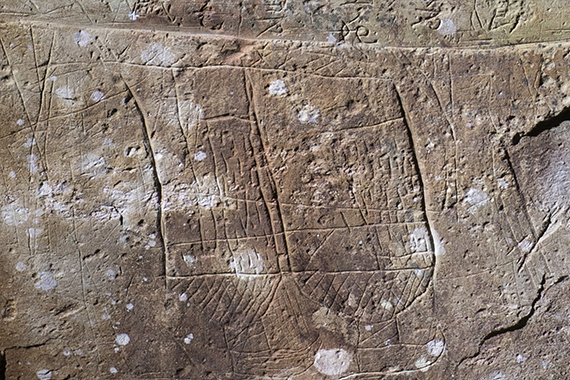
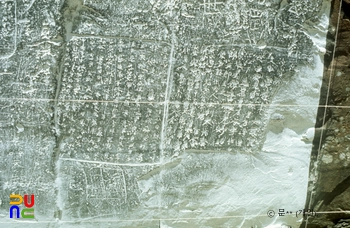
A total of 127 Silla-period inscriptions have been identified. They range from short records consisting of a single character to lengthy texts of more than ten lines, generally recording who visited the site, when, and why. The site's core value is that, together with the prehistoric images, it allows visitors to read records of Silla's official ranks, royal family, and visits in the sixth century.
In 525, King Beopheung's younger brother, Prince Sabuji Galmunwang, visited this place with his sister Eosachu-yeorang and their attendants, named the valley Seoseokgok, and left the original inscription. In 539, Jimolsi Hyebi returned with her son Simmakbuji, the future King Jinheung, and carved the additional inscription. The two records connect royal visits made 14 years apart on the rock surface.
The 3-km Bangucheon Petroglyphs, Designated a World Heritage Site on July 12, 2025
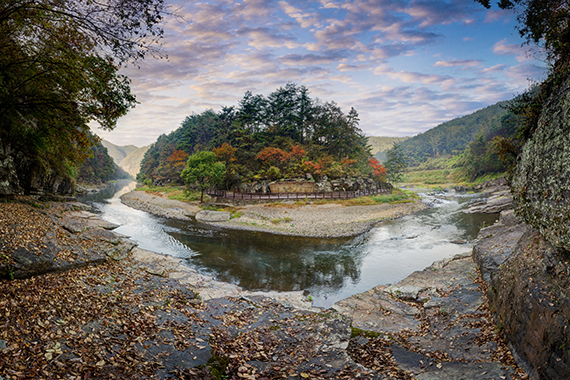
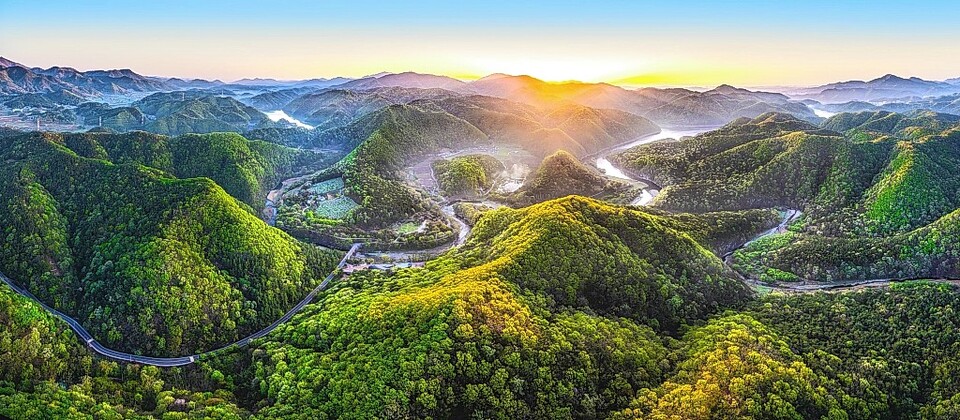
The Cheonjeon-ri Inscription and Petroglyphs were inscribed on the UNESCO World Heritage List on July 12, 2025, together with the Daegok-ri Bangudae Petroglyphs in Ulju, under the name “Petroglyphs along the Bangucheon Stream.” The two heritage sites lie along approximately 3 km of the Bangucheon Stream. Following the valley, the distance from the Cheonjeon-ri site to Bangudae is about 1.4 km, and to the Daegok-ri Petroglyphs about 2.3 km.
Bangucheon is known as the former name of Daegokcheon, a main stream of the Taehwagang River. Therefore, the significance of this place becomes clearer when it is understood not simply as a destination for viewing one rock surface, but as a cultural landscape in a river valley where prehistoric depictions of animals and records of Silla royal visits continue through the landscape.
Open 24 Hours Year-Round: See the National Treasure Free of Charge
According to the Korea Tourism Organization's information, the Cheonjeon-ri Inscription and Petroglyphs are open 24 hours a day, have no closing days, and are free to enter. The inquiry telephone number is 052-204-0321. Since this is an outdoor archaeological site, the designs and inscriptions are difficult to read after sunset, so first-time visitors should plan to come during daylight hours.
Official information about the site is provided on Ulsan's Bangucheon Petroglyphs website, and the main telephone number for the Ulsan Petroglyph Museum is 052-229-4797. The museum is located between Bangudae and the Cheonjeon-ri site, making it a useful place to supplement an in-person visit with models and explanatory materials. Its address is 254 Bangudaean-gil, Dudong-myeon, Ulju-gun.
How to Use the Cheonjeon-ri 359-1 Public Parking Lot and Free Circulating Shuttle
According to the information provided, free parking is available for passenger cars. However, a notice from the Ulsan Petroglyph Museum dated May 6, 2026, states that large buses cannot park inside the museum grounds. Large buses must drop off passengers and then park at the public parking lot approximately 1.3 km away toward the main road.
The public parking lot is located at 359-1, Cheonjeon-ri, Dudong-myeon, Ulju-gun. A free circulating shuttle operates from there, connecting the Ulsan Petroglyph Museum, the Daegok-ri Bangudae Petroglyphs, and the Cheonjeon-ri Inscription and Petroglyphs. Since the shuttle schedule may change frequently, it is safest to confirm same-day operation before departure by calling the museum at 052-229-4797 or checking the information page.
- Site address: San 210-2, Cheonjeon-ri, Dudong-myeon, Ulju-gun, Ulsan Metropolitan City
- Museum address: 254 Bangudaean-gil, Dudong-myeon, Ulju-gun, Ulsan Metropolitan City
- Public parking lot address: 359-1, Cheonjeon-ri, Dudong-myeon, Ulju-gun, Ulsan Metropolitan City
- Large buses: Parking is not available inside the museum; use the public parking lot
A 60–90-Minute Route That Does Not Miss the Deer, Transverse Diamonds, and Procession Scene
A brief visit to the rock surface alone can be completed in 20–30 minutes, but it is better to allow 60–90 minutes if you want to look for the designs and visit the museum as well. On the rock surface, look in sequence for a pair of deer, a hunting scene with arrows aimed at a deer's nape, transverse diamonds extending horizontally in several layers, and three layers of concentric circles with a rock hole at the center.
Among the Silla-period fine-line engravings are processions of people on horseback, figures appearing to hold flagpoles, figures wearing hats with feather decorations and patterned one-piece trousers, and a dragon depicted with all four legs and scales. Rather than trying to read the small lines and characters up close, visitors should combine the on-site guidance with the museum exhibition. Since specific information about wheelchair and stroller accessibility and on-site foreign-language guidance could not be confirmed through the official information, inquiries before visiting are necessary.
Before You Go
- Address
- San 210-2, Cheonjeon-ri, Dudong-myeon, Ulju-gun, Ulsan Metropolitan City
- Hours
- 24 hours
- Closed
- Open year-round
- Admission
- Free
- Phone
- 052-204-0321
- Official site
- https://www.ulsan.go.kr/s/bangucheonpetroglyphs/contents.ulsan?mId=001001003000000000
- Transport
- A free circulating shuttle is reported to operate from the public parking lot at 359-1, Cheonjeon-ri, Dudong-myeon, Ulju-gun, connecting the Cheonjeon-ri Inscription and Petroglyphs, Ulsan Petroglyph Museum, and Daegok-ri Bangudae Petroglyphs. The operating schedule should be confirmed before visiting.
- Parking
- Free parking is available. Large buses cannot park inside the museum and must use the public parking lot approximately 1.3 km away at 359-1, Cheonjeon-ri, Dudong-myeon, Ulju-gun.
- Time needed
- 60–90 minutes recommended for the rock surface and Ulsan Petroglyph Museum
- Accessibility
- Specific information about wheelchair and stroller accessibility and on-site foreign-language guidance could not be confirmed. Please contact the Ulsan Petroglyph Museum at 052-229-4797 before visiting.
The information above is current as of the time of writing. Check the official information again before visiting.

Places
Nearby Attractions 5
-
 1
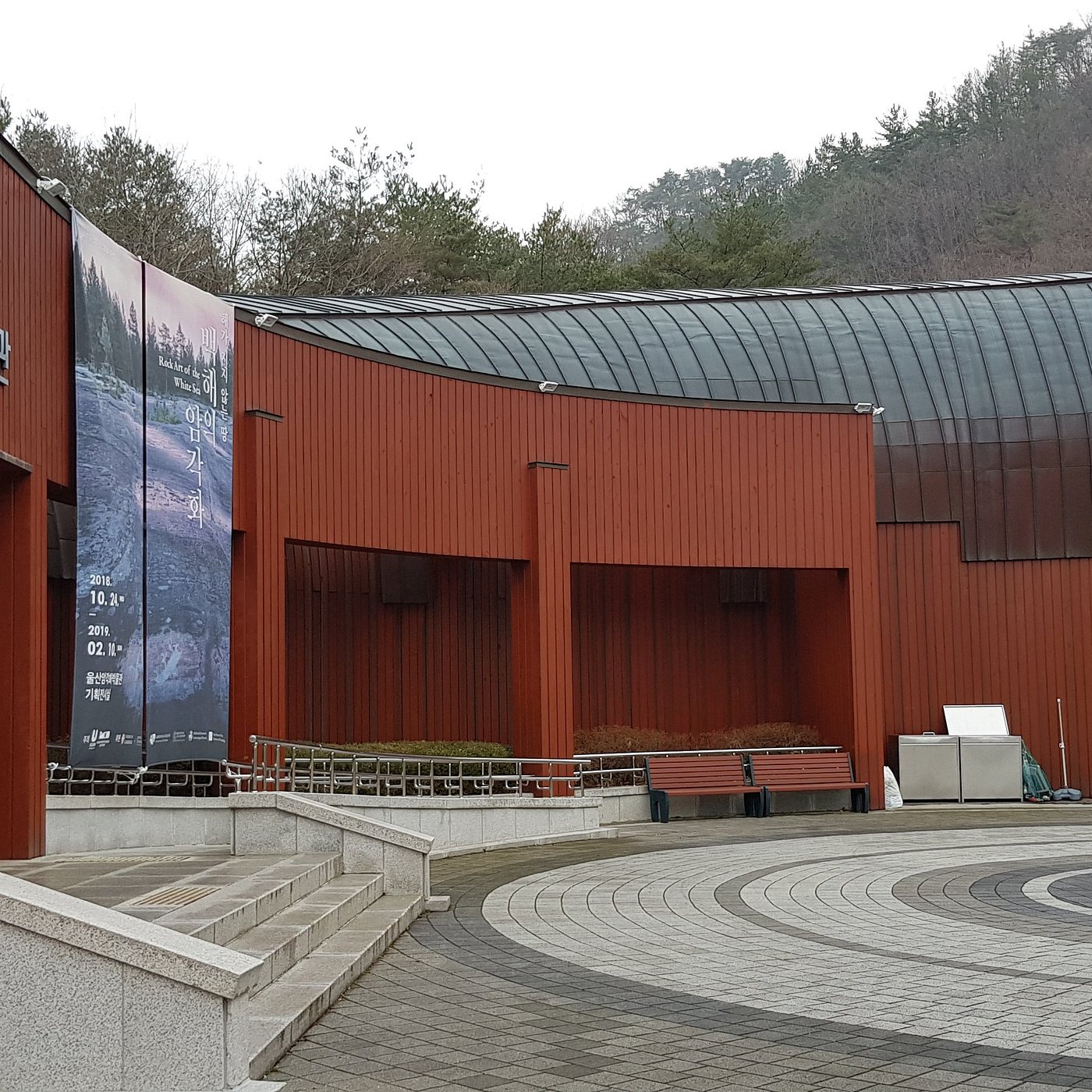
Ulsan Petroglyph MuseumThe museum exhibits models and historical materials related to the Bangudae Petroglyphs.
1
Ulsan Petroglyph MuseumThe museum exhibits models and historical materials related to the Bangudae Petroglyphs. -
 2
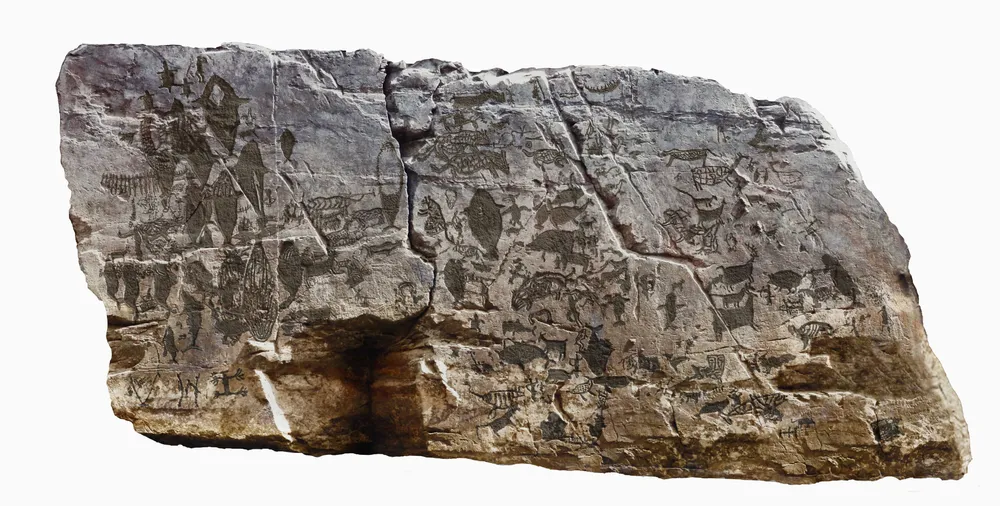
Ulju Daegok-ri Bangudae PetroglyphsExplore depictions of whales and animals carved by prehistoric people.
2
Ulju Daegok-ri Bangudae PetroglyphsExplore depictions of whales and animals carved by prehistoric people. -
 3
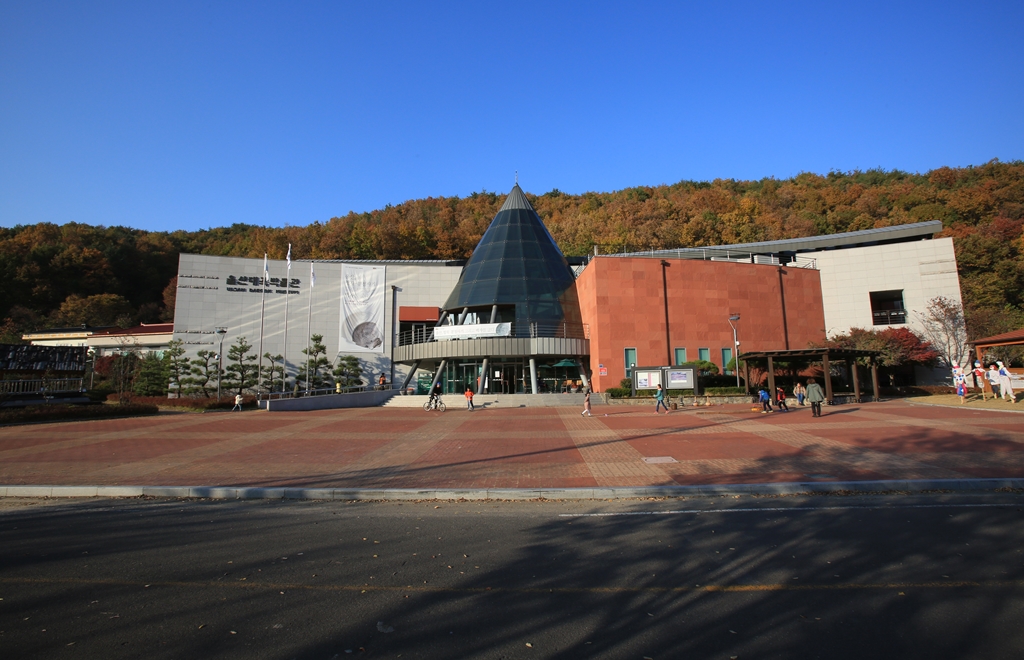
Ulsan Daegok MuseumThe museum exhibits the history of western Ulju and artifacts related to Daegok Dam.
3
Ulsan Daegok MuseumThe museum exhibits the history of western Ulju and artifacts related to Daegok Dam. -
 4
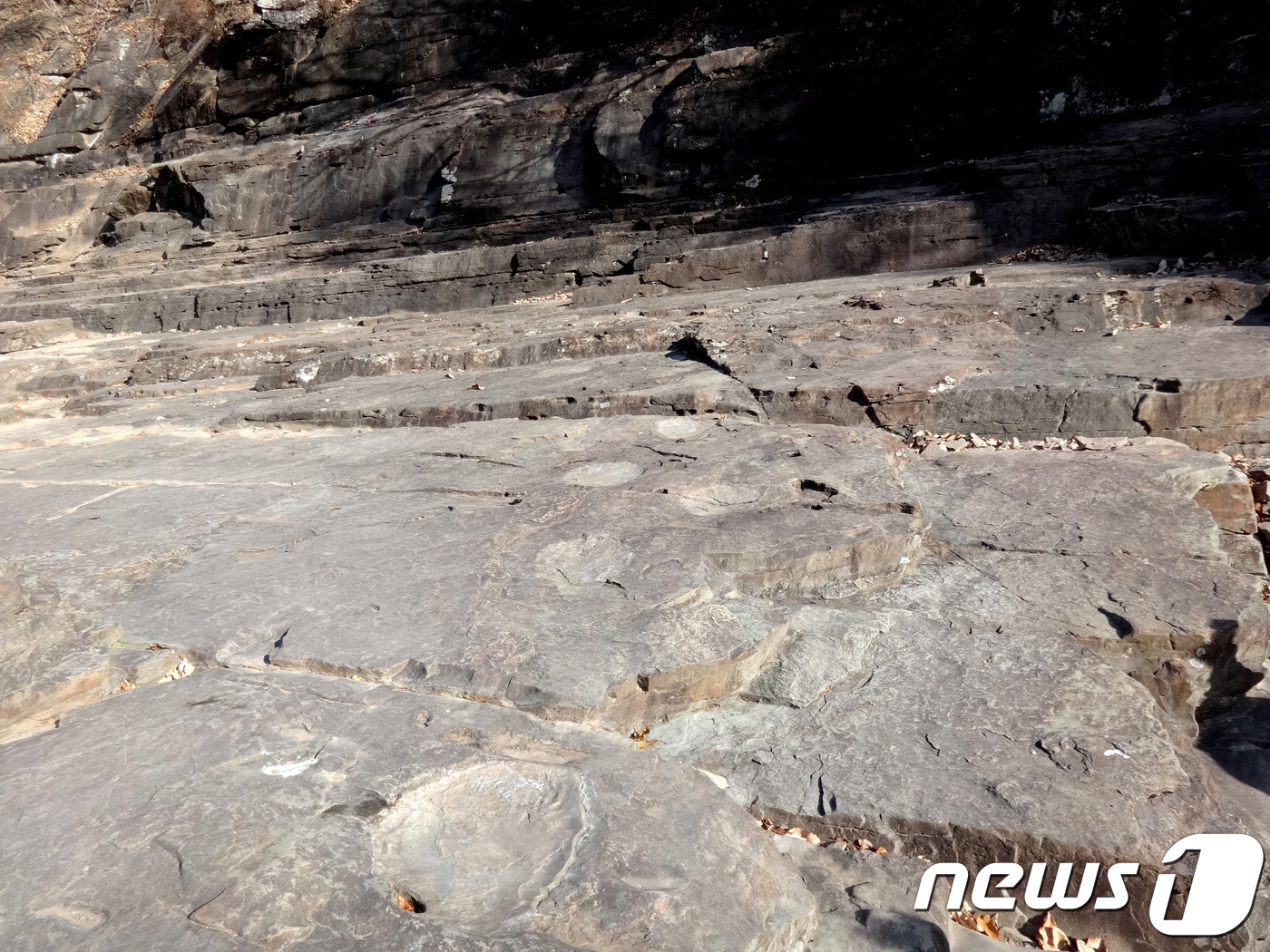
Cheonjeon-ri Dinosaur Footprint FossilsObserve the bedrock bearing dinosaur footprints left approximately 100 million years ago.
4
Cheonjeon-ri Dinosaur Footprint FossilsObserve the bedrock bearing dinosaur footprints left approximately 100 million years ago. -
 5
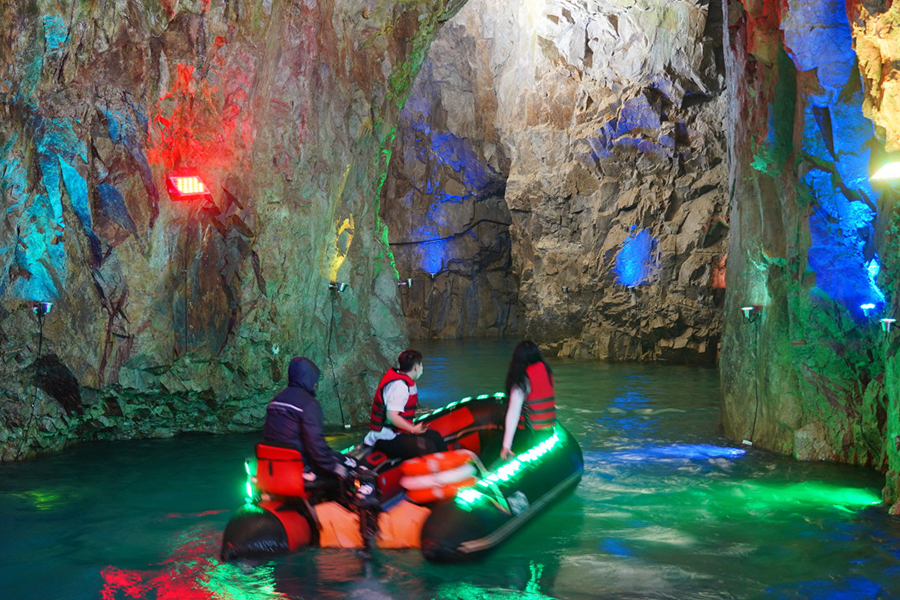
Amethyst Cave LandExperience amethysts and cave-themed attractions in the tunnels of an abandoned mine.
5
Amethyst Cave LandExperience amethysts and cave-themed attractions in the tunnels of an abandoned mine.
Food & Dining 1
-
 6
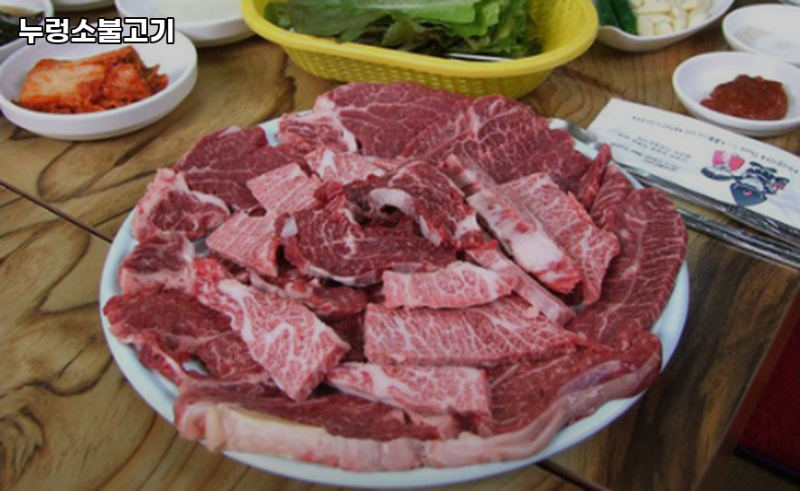
Nureongso BulgogiA restaurant serving Bonggye Korean beef bulgogi and charcoal-grilled dishes.
6
Nureongso BulgogiA restaurant serving Bonggye Korean beef bulgogi and charcoal-grilled dishes.
More Travel Guides in This Area
 Travel Guide
The Cliff Depicting Whale Hunting: How to View the Bangudae Petroglyphs
 Travel Guide
Reading Eonyang’s 636-Year Fortress Map at Yeonghwaru
 Travel Guide
Walking Along the Charcoal-Grill Aroma of Eonyang Bulgogi Street
 Travel Guide
Exploring Ulsan Ulju Culture and Arts Center Through Its 392-Seat Theater and 110㎡ Exhibition Hall
Korea News
 News
News
‘NewJeans Expulsion’ Danielle Releases Her First YouTube Video… “We Don’t Know What Will Happen Next”
![aespa’s North American Tour Has Remaining Seats Despite ‘$49’ Bargain Prices… A Stark Popularity Gap with KATSEYE [TEN Starfield]](https://kotourlive-images.s3.ap-northeast-1.amazonaws.com/news/1788485037424_a59b1932_naver_rank_thumb_0000774618_1788485037424.jpg) News
News
aespa’s North American Tour Has Remaining Seats Despite ‘$49’ Bargain Prices… A Stark Popularity Gap with KATSEYE [TEN Starfield]
![[Photo] TWICE’s Dahyun attends a film festival red carpet as an actress](https://kotourlive-images.s3.ap-northeast-1.amazonaws.com/news/1788485316508_edd43ecd_news_870a60a6-6f11-4d73-aa7c-48d91318a0f7.jpg) News
News
[Photo] TWICE’s Dahyun attends a film festival red carpet as an actress
![[On-Site Video] “We’re Departing Separately Together”… BIGBANG Begins ‘COSMOS’ World Tour](https://kotourlive-images.s3.ap-northeast-1.amazonaws.com/news/1788485226518_c5719641_news_fdd4764a-0f4e-4968-8e4e-e98a02872f88.jpg) News
News