Reading Eonyang’s 636-Year Fortress Map at Yeonghwaru
Ulju Eonyang Fortress began as an earthen fortress in 1390 and was expanded into a stone fortress in 1500 by Magistrate Yi Dam-ryong. It is a square, flatland walled town fortress. Walk along the restored Yeonghwaru south gate, barbican, and traces of the fortress walls, then continue on to Eonyang Bulgogi Street and Eonyang Catholic Church.

I’ve been here?
Your check-in helps the next traveler.
22 people viewed this week Be the first
One tap — no writing needed
Why the Earthen Fortress of 1390 Became Yi Dam-ryong’s Stone Fortress in 1500
Ulju Eonyang-eupseong was first built with earth in 1390 (the 2nd year of King Gongyang’s reign), then repaired and expanded with stone in 1500 (the 6th year of King Yeonsangun’s reign) by Yi Dam-ryong, the magistrate of Eonyang-hyeon. Located at a crossroads connecting Gyeongju, Ulsan, Miryang, and Yangsan, Eonyang had to serve both administrative and military defense functions, and the fortress formed the foundation for protecting residents and operating the local government office.
The fortress is not a mountain fortress but a square, flatland fortress built on a plain. According to historical sources, its original circumference was approximately 1,000 m and its height about 4 m, with four wells inside. As the entire fortress does not survive intact today, a visit focused on understanding the relationship between the restored sections and the old inner-fortress roads amid the city is more suitable than expecting a “massive fortress wall.”
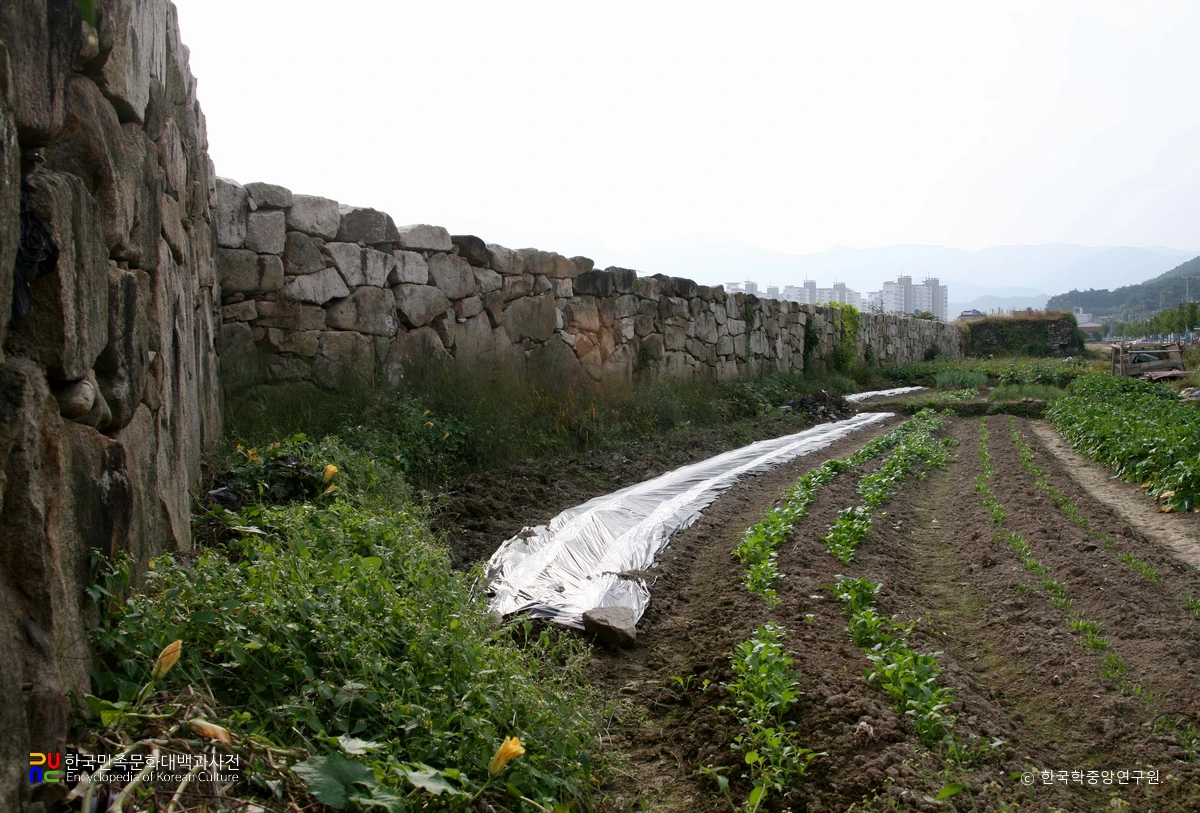
Defensive Features of a Square Flatland Fortress Revealed by Historic Site No. 153
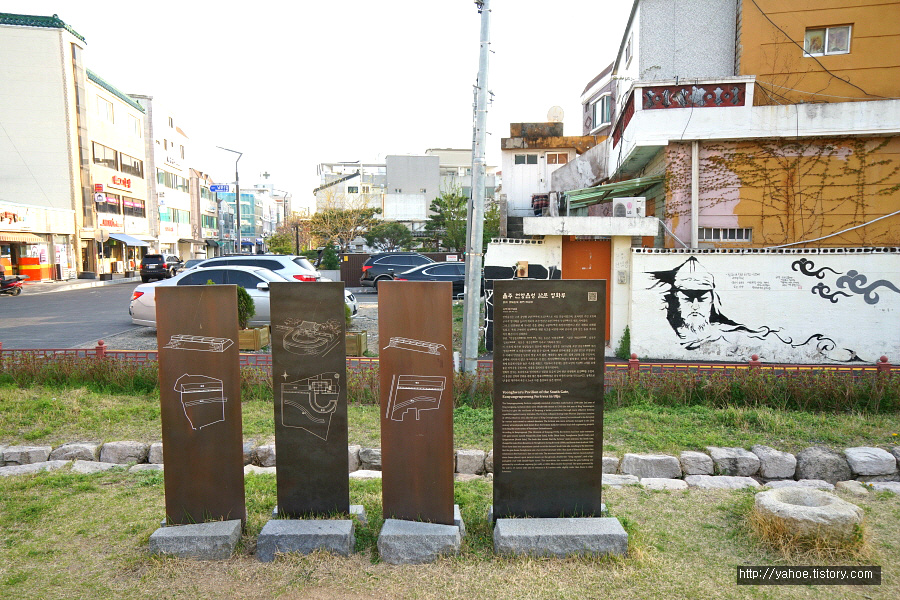
Eonyang-eupseong was designated Historic Site No. 153 on December 27, 1966. Gate sites with bastions in all four directions—east, west, south, and north—along with a moat outside the fortress walls and wooden stakes designed to block enemy approaches have been identified. It is therefore regarded as an example that illustrates the defense system of a Joseon-period flatland town fortress.
Projecting bastions were placed where the fortress walls turned and around the gates. The Ministry of Science and ICT’s science learning content describes the bastions as approximately 7–8 m × 8–10.4 m in size. The location of the moat has also been identified around the south gate, so rather than looking only at the gate, observe the direction in which the bastion surrounds it together with traces of the ditch outside the fortress to understand the structure more clearly.
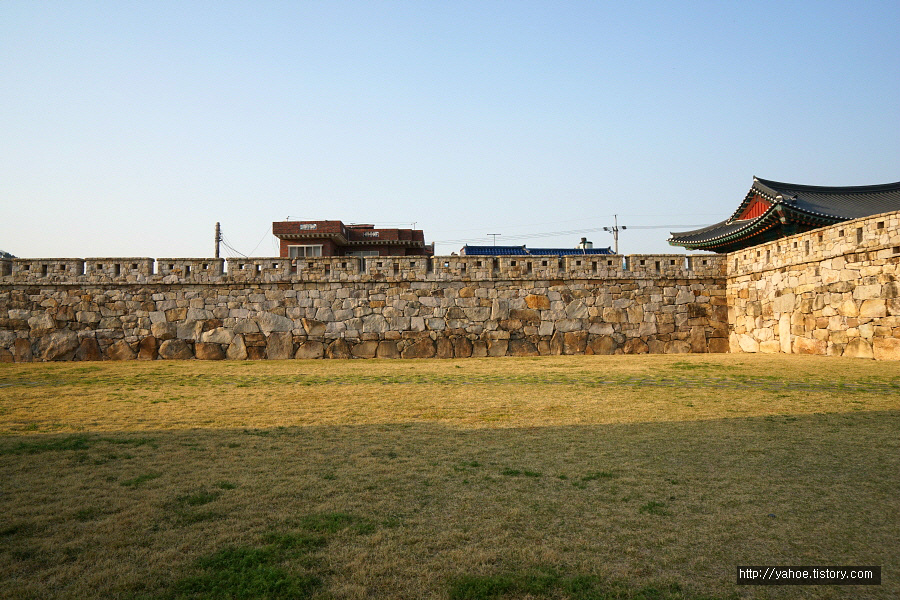
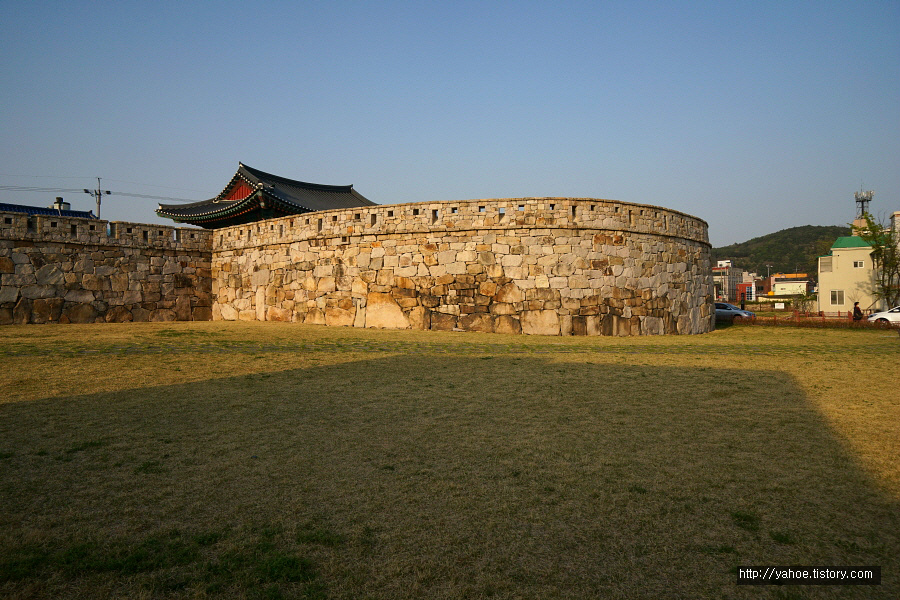
Yeonghwaru South Gate and Semicircular Bastion Restored in 2013
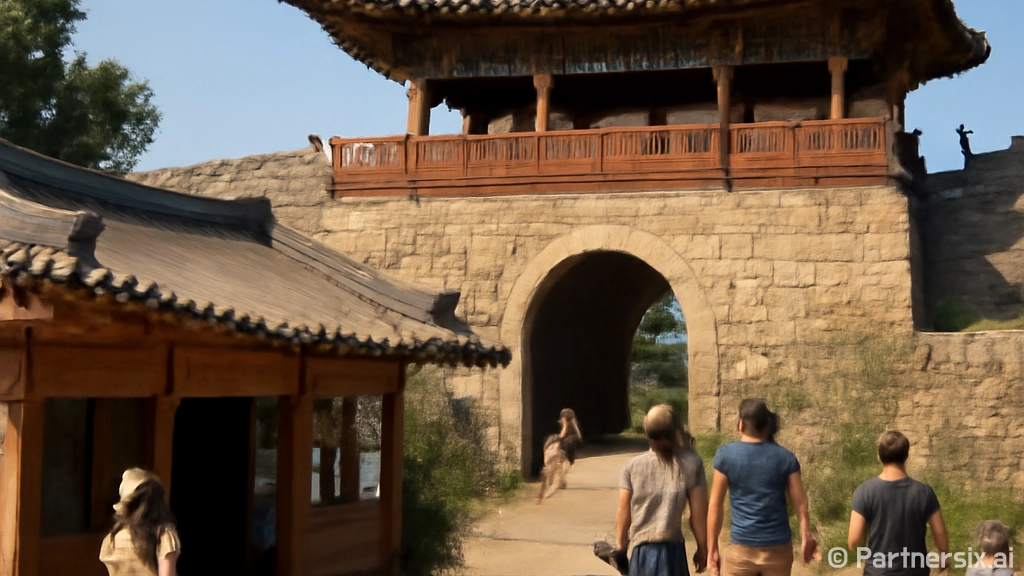
Yeonghwaru South Gate is the easiest starting point to recognize at Eonyang-eupseong. Construction began in November 2012 and was completed in October 2013. It was restored as a pavilion with three bays across the front, two bays on the side, and a hipped-and-gabled roof. The south gate is known to have been renamed from “Jinnamnu” to “Yeonghwaru” in the early 1800s.
The bastion in front of Yeonghwaru is a defensive structure that surrounds the gate in a semicircle to prevent direct attacks. There are sections where visitors can climb onto the bastion and fortress wall, but on-site guidance should take priority regarding the condition of railings and stairs and any construction areas. Rather than photographing only Yeonghwaru and leaving, view the bastion’s bends from outside the gate, then go inside and compare how the pavilion connects with the fortress wall.
A 60–90-Minute Route from 165 Eopseong-ro to Nammun-gil and the Inner-Fortress Alleys
The address is 165 Eopseong-ro, Eonyang-eup, Ulju-gun, Ulsan Metropolitan City, and the listed coordinates are 35.570130, 129.125364. The easiest route to understand begins at Yeonghwaru South Gate, continues through the bastion and restored fortress-wall sections, and then proceeds northward through the inner-fortress alleys. If you only want to take a few quick photos, allow around 30 minutes; to see the fortress structure and surrounding alleys, 60–90 minutes is more appropriate.
Eonyang-eupseong is an outdoor national heritage site, and no separate ticketing facility has been identified, so admission is listed as free. Although it is generally open at all times, lighting, construction, and safety conditions may differ at night, making a visit before sunset safer. As no regular closing day or official site telephone number could be confirmed, it is advisable to inquire about schedules with the Ulju County Cultural Library at 052-204-0323 before participating in cultural events or guided interpretation programs.
How to Reach It from Eonyang Bus Terminal and the Nammun 2-gil 2-2 Parking Lot
This is not a heritage site directly in front of a railway station. If you arrive in Eonyang by intercity or express bus, it is realistic to plan to take a taxi or walk into town from Eonyang Bus Terminal. From KTX Ulsan Station, you must take a bus or taxi toward Eonyang and then continue from the town center. Bus numbers and intervals may change, so reconfirm them in the Ulsan Bus Information System on the day of departure.
For drivers, the Eopseong Card-Only Parking Lot at 2-2 Nammun 2-gil, Eonyang-eup, Ulju-gun, Ulsan, is a convenient option close to the south gate. The parking information states that Eonyang-eupseong Village is about a one-minute walk away and Eonyang Bulgogi Street about a two-minute walk away. Parking fees and operating hours could not be confirmed as fixed information, so check the on-site signs and payment screen. On market days or weekend lunchtimes, vehicles belonging to restaurant customers may add to congestion.
A Route That Also Takes in the Area Outside the Fortress, Including Eonyang Catholic Church and Bulgogi Street
Eonyang Bulgogi Street is listed as about a two-minute walk from Yeonghwaru South Gate. If you plan to eat after touring the fortress, avoid the lunchtime rush by first spending 40–60 minutes at the fortress and then going to a restaurant. Eonyang-eupseong remains in a town center where farmland, residential areas, and commercial districts overlap, and the way the fortress meets the modern community is itself a distinctive feature.
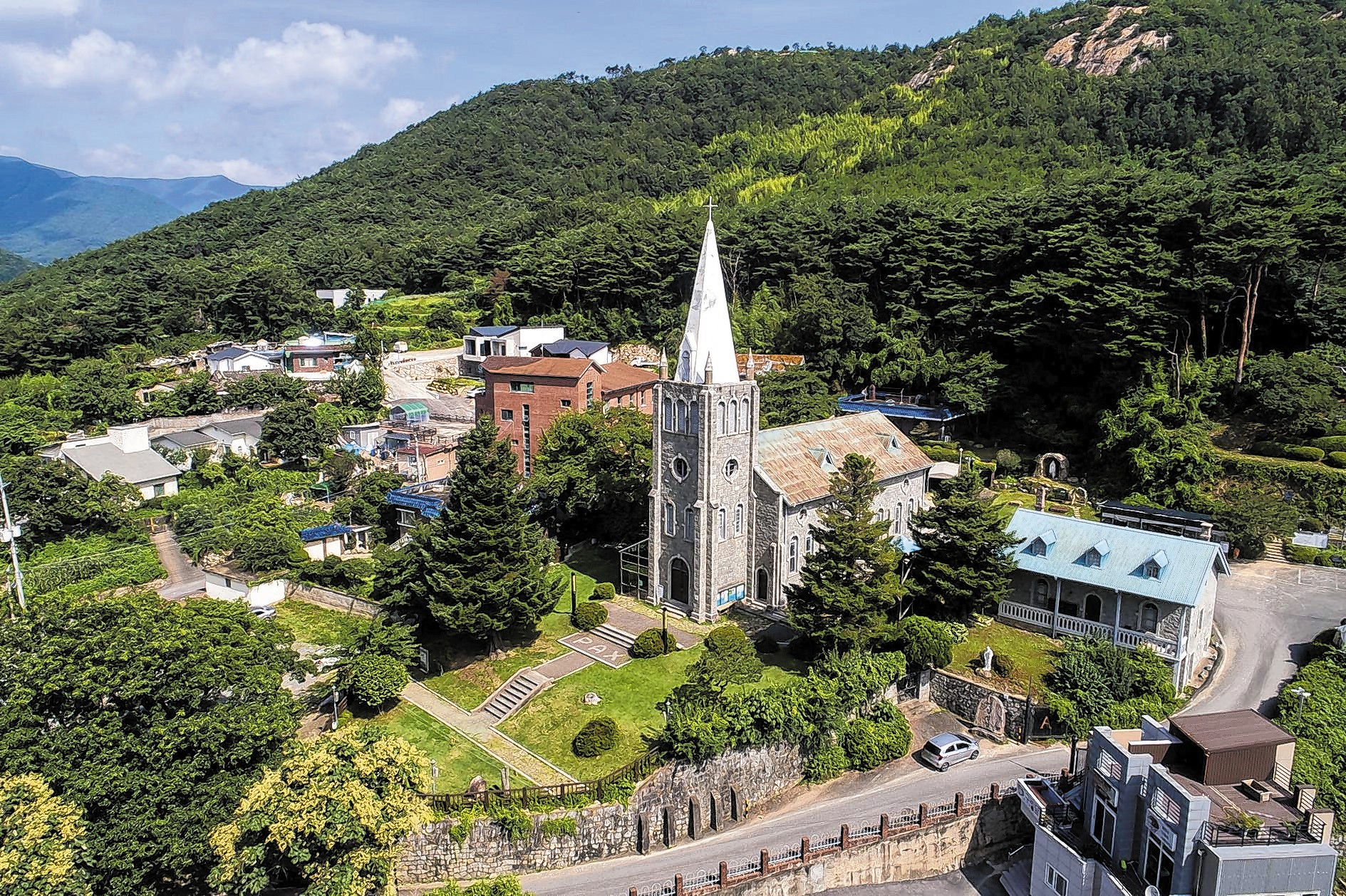
Eonyang Catholic Church, the first Catholic church in Ulsan, is National Registered Cultural Heritage No. 103. A recent tour route introduced by Ulsanjin recorded a walk of approximately 3 km from the Eonyang-eupseong Information Center through Yeonghwaru and the alleyways to Eonyang Catholic Church, taking 2 hours and 43 minutes. However, this duration included guided interpretation and cultural-space experiences, so it should be planned separately from a short visit centered on Yeonghwaru.
What Visitors Should Know About Restoration Work and Challenging Stairs
Investigations have continued into the south gate site, north wall, presumed site of the government offices inside the fortress, and moat, beginning with the restoration of 185 m of the northeastern fortress wall in 1996–1997. Restoration and maintenance projects are also ongoing. As a result, some sections may have restricted access or look different on the day of your visit. It may not be suitable for those expecting to walk around the entire fortress without interruption.
Wheelchairs and strollers can access the relatively flat road sections around the fortress, but independent movement to the upper parts of Yeonghwaru and the bastion is difficult because of stairs, slopes, and ground conditions. Detailed information about permanent foreign-language guidance and accessibility facilities could not be confirmed. If you need English information, check whether on-site QR guidance is available; if you need historical explanations, inquire in advance about the operating dates of cultural heritage programs.
Before You Go
- Address
- 165 Eopseong-ro, Eonyang-eup, Ulju-gun, Ulsan Metropolitan City
- Hours
- Outdoor heritage site generally open at all times (on-site guidance takes priority at night and in construction areas)
- Admission
- Free
- Official site
- https://tour.ulsan.go.kr/tour/kor/main.ulsan
- Transport
- Travel into town from Eonyang Bus Terminal, then visit. From KTX Ulsan Station, take a bus or taxi toward Eonyang and continue from there; reconfirm bus routes and intervals on the day of departure.
- Parking
- Eopseong Card-Only Parking Lot: 2-2 Nammun 2-gil, Eonyang-eup, Ulju-gun, Ulsan. Check parking fees and operating hours on site.
- Time needed
- 30–40 minutes centered on Yeonghwaru; 60–90 minutes including the fortress walls and alleys
- Accessibility
- Some surrounding flat roads are accessible. The stairs and slopes to Yeonghwaru and the top of the bastion may restrict wheelchair and stroller access. Permanent foreign-language guidance could not be confirmed.
The information above is accurate as of the time of writing. Check the official guidance again before visiting.

Places
Nearby Attractions 5
-
 1
1
-
 2
2
-
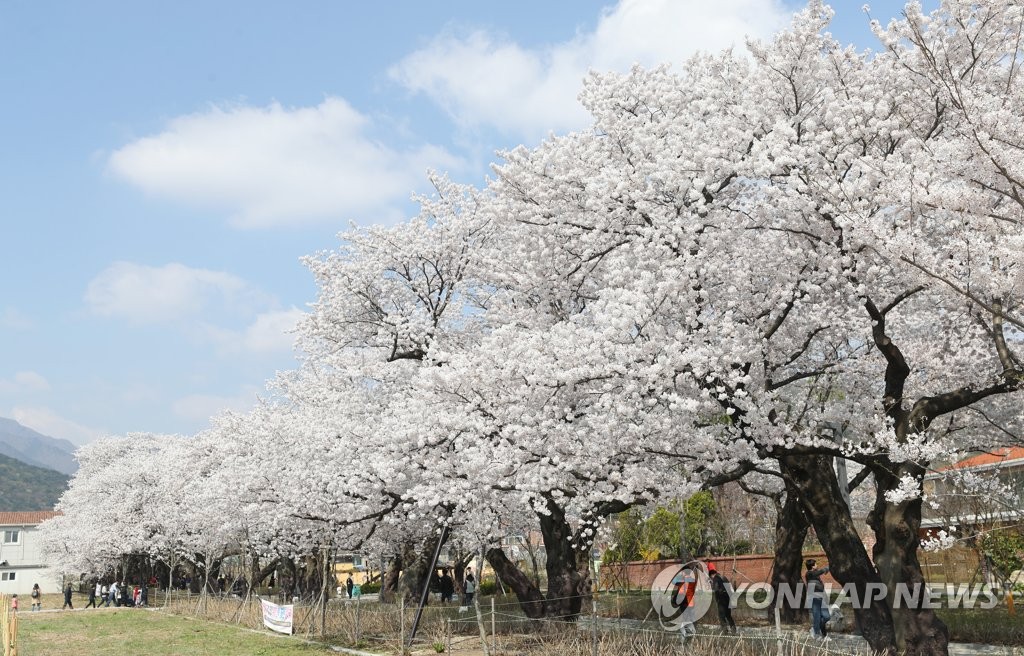 3
JakcheonjeongTake a stroll and enjoy playing in the water along the flat rocks and the valley.
3
JakcheonjeongTake a stroll and enjoy playing in the water along the flat rocks and the valley. -
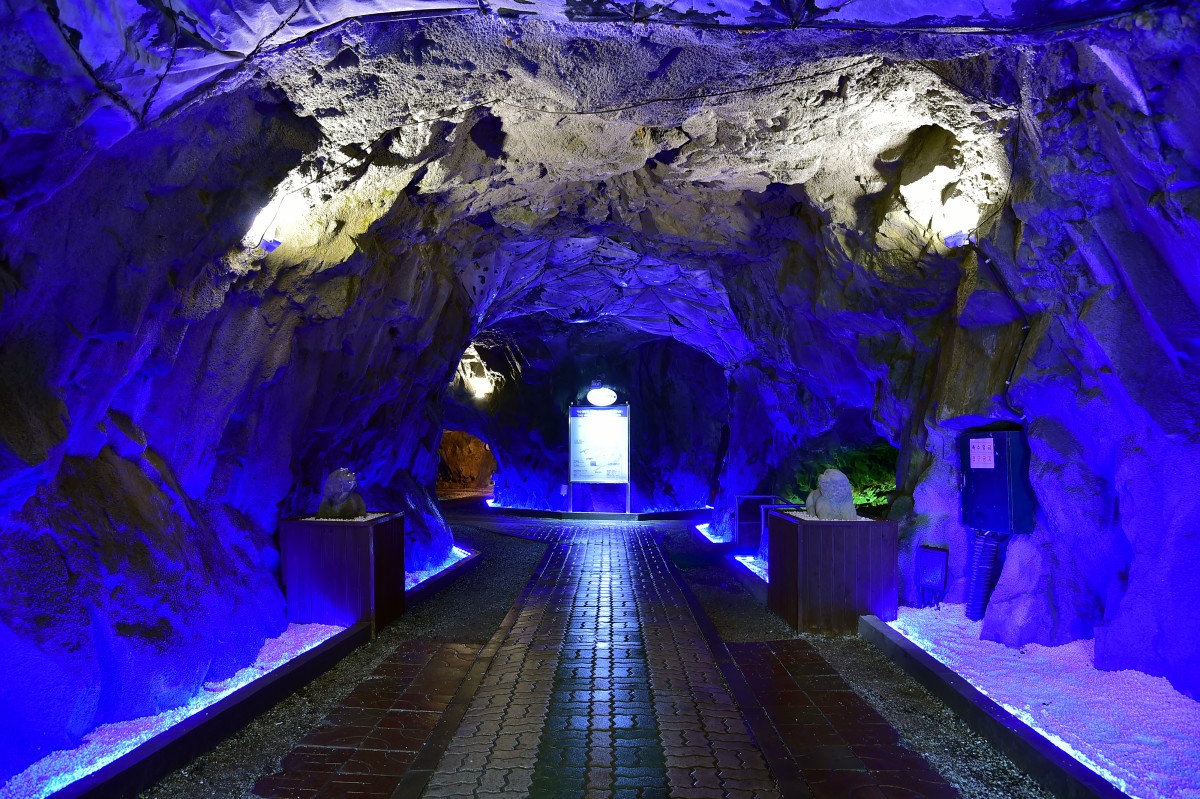 4
Amethyst Cavern ParkExplore a cave created from the tunnels of an abandoned mine and view exhibits.
4
Amethyst Cavern ParkExplore a cave created from the tunnels of an abandoned mine and view exhibits. -
 5
5
Food & Dining 3
-
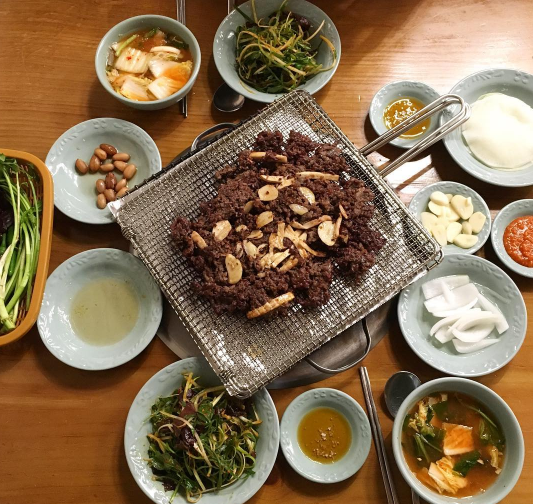 6
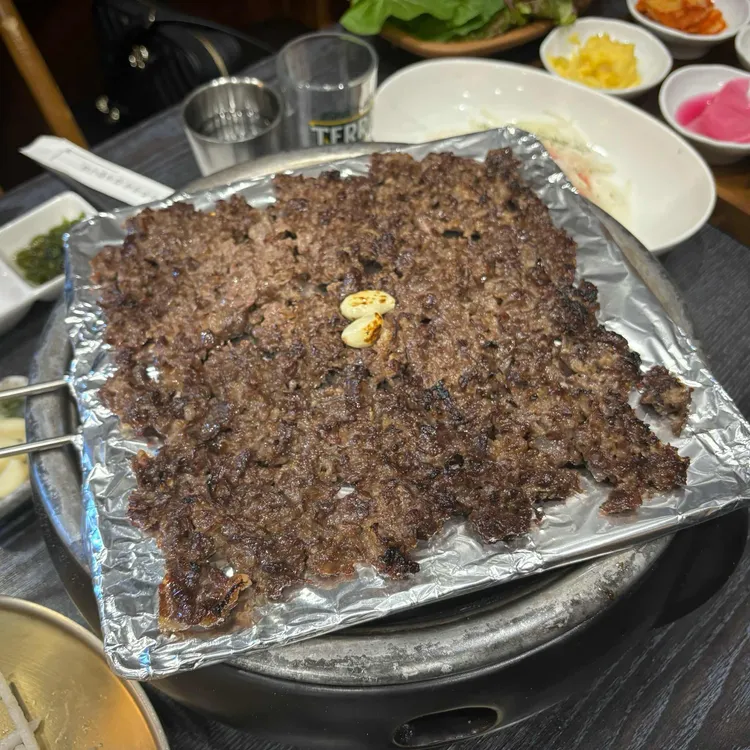
Eonyang Giwajip BulgogiEnjoy Eonyang bulgogi grilled over a wire rack, along with Hanwoo beef dishes.
6
Eonyang Giwajip BulgogiEnjoy Eonyang bulgogi grilled over a wire rack, along with Hanwoo beef dishes. -
 7
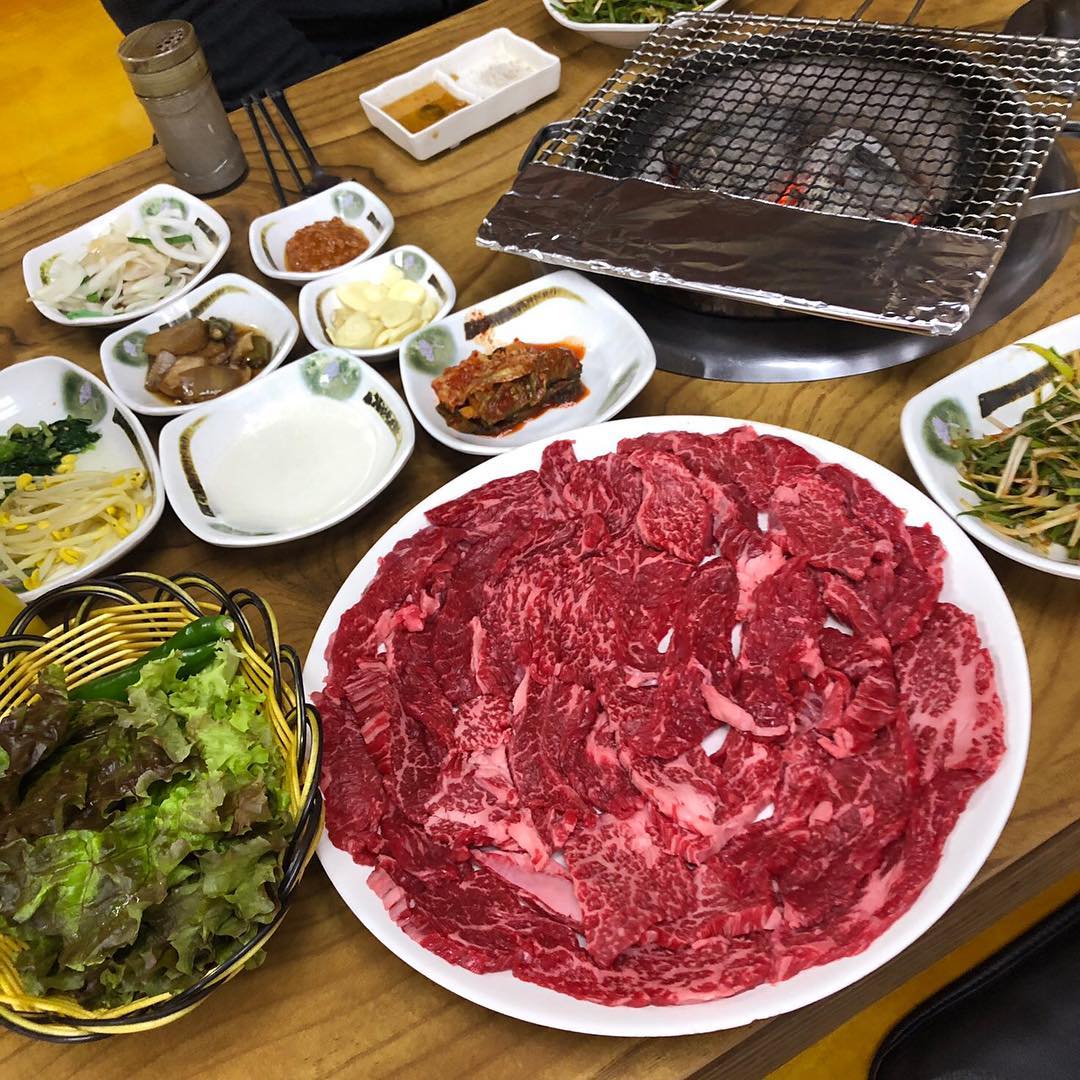
Eonyang Bulgogi Hanmadang Hanwoo VillageSavor Eonyang bulgogi and a variety of grilled Korean beef.
7
Eonyang Bulgogi Hanmadang Hanwoo VillageSavor Eonyang bulgogi and a variety of grilled Korean beef. -
 8
8
More Travel Guides in This Area
 Travel Guide
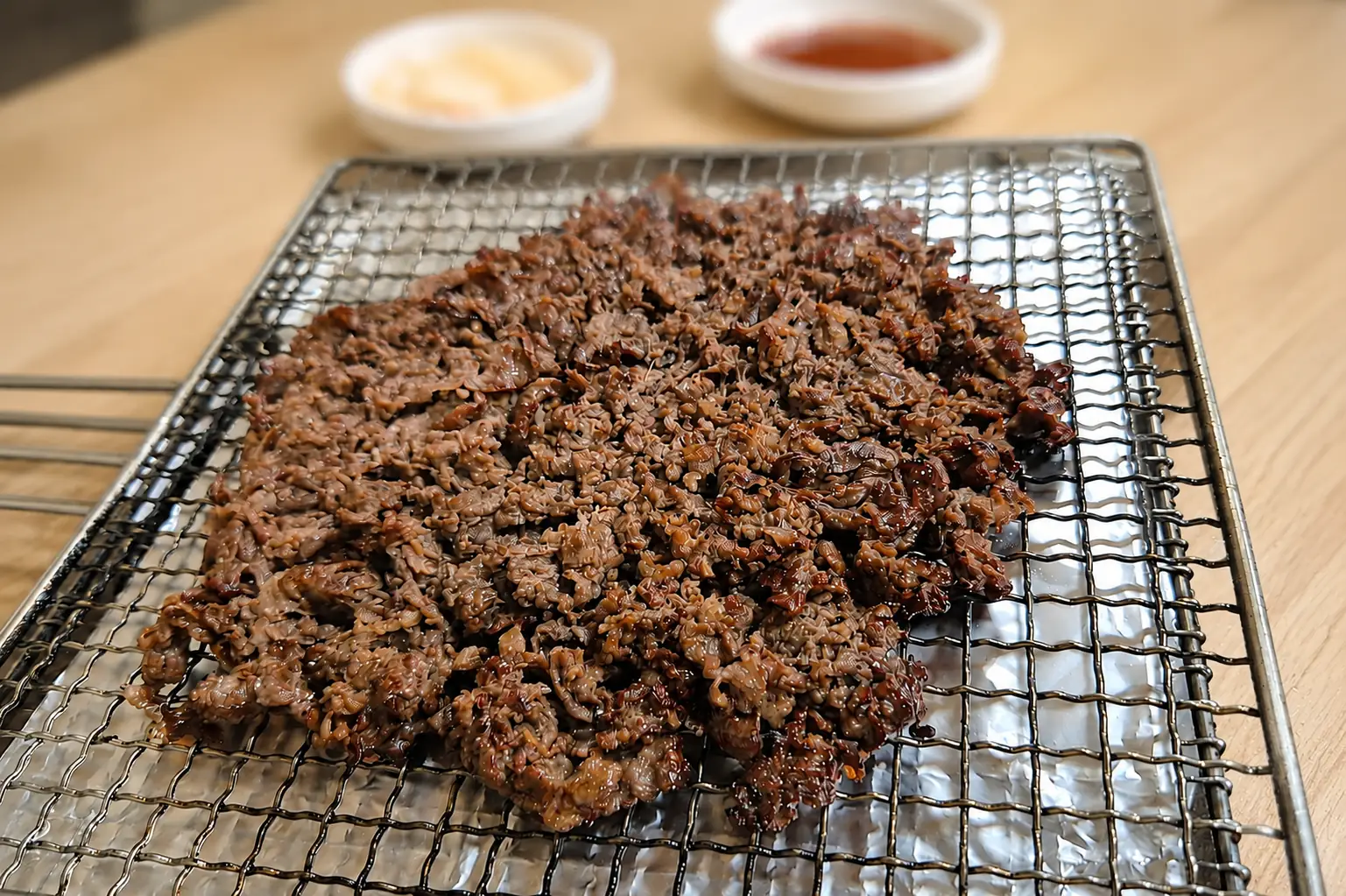
Walking Along the Charcoal-Grill Aroma of Eonyang Bulgogi Street
 Travel Guide
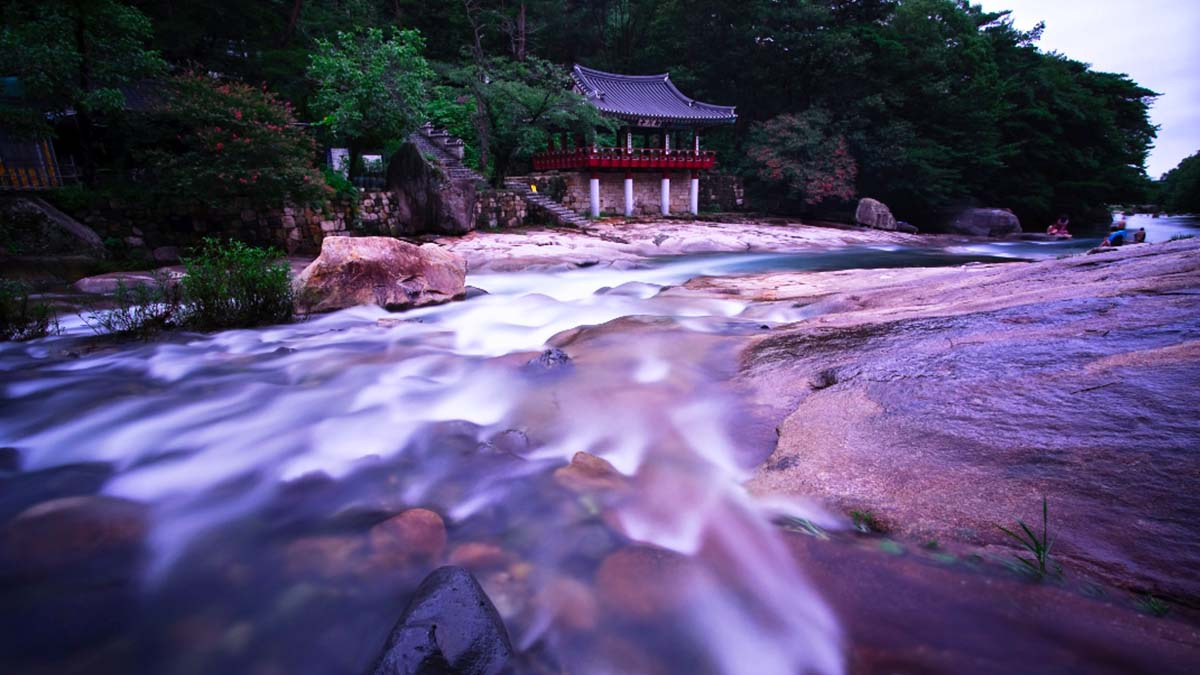
The Broad Rocks and Jakcheonjeong Pavilion at Ulsan’s Jakgwaecheon Stream, Sculpted by Water from Mt. Ganwolsan
 Travel Guide
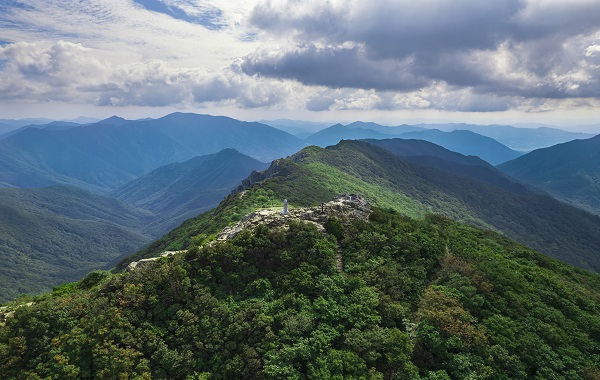
How to Explore the Yeongnam Alps, from Ganwoljae to the Seven-Peak Completion Certificate
 Travel Guide
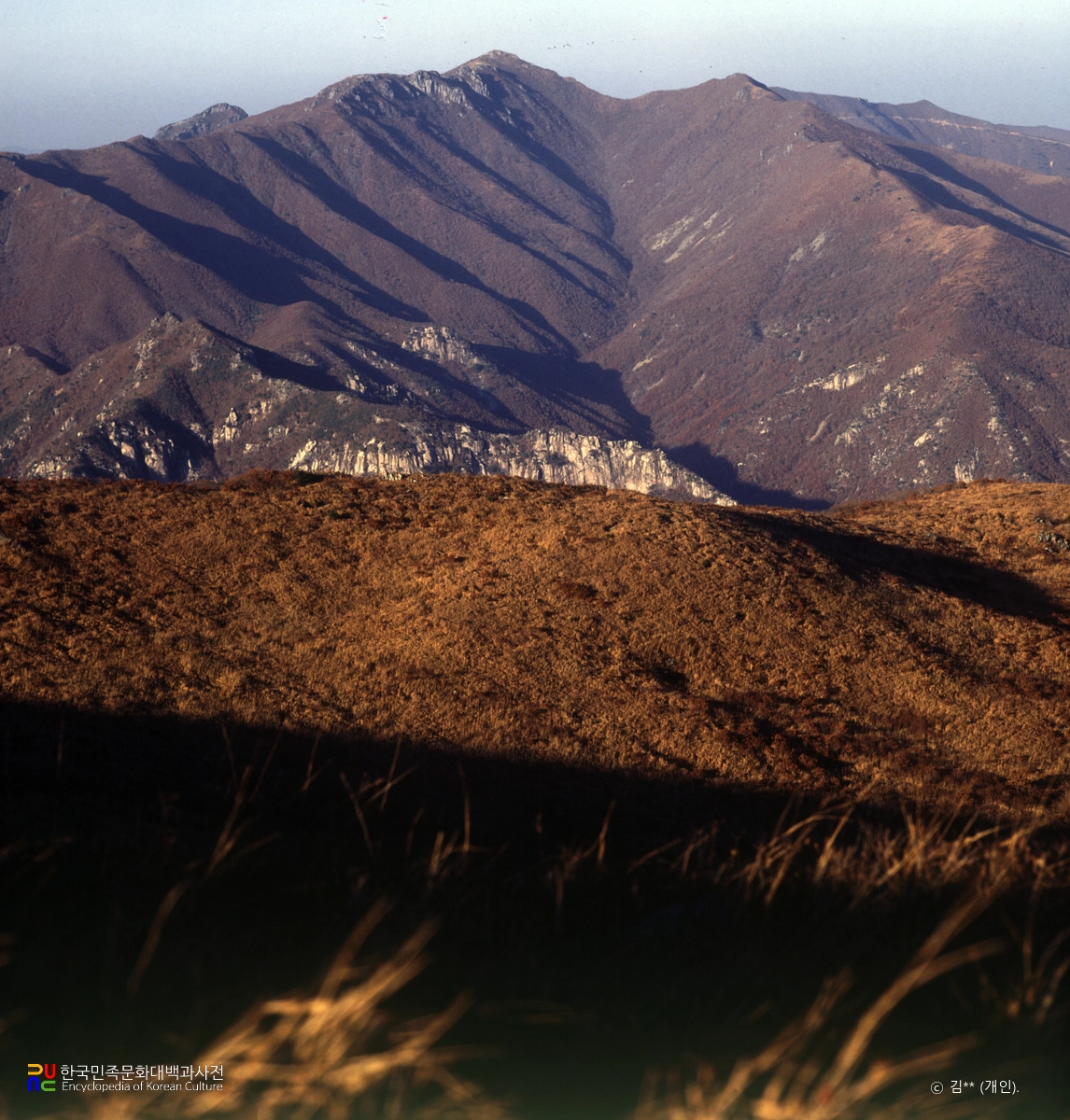
The Ulsan Yeongnam Alps Ridge from 1,240 m Gajisan to Seoknamsa Temple and Ssalbawi
Korea News
 News
News
‘NewJeans Expulsion’ Danielle Releases Her First YouTube Video… “We Don’t Know What Will Happen Next”
![aespa’s North American Tour Has Remaining Seats Despite ‘$49’ Bargain Prices… A Stark Popularity Gap with KATSEYE [TEN Starfield]](https://kotourlive-images.s3.ap-northeast-1.amazonaws.com/news/1788485037424_a59b1932_naver_rank_thumb_0000774618_1788485037424.jpg) News
News
aespa’s North American Tour Has Remaining Seats Despite ‘$49’ Bargain Prices… A Stark Popularity Gap with KATSEYE [TEN Starfield]
![[Photo] TWICE’s Dahyun attends a film festival red carpet as an actress](https://kotourlive-images.s3.ap-northeast-1.amazonaws.com/news/1788485316508_edd43ecd_news_870a60a6-6f11-4d73-aa7c-48d91318a0f7.jpg) News
News
[Photo] TWICE’s Dahyun attends a film festival red carpet as an actress
![[On-Site Video] “We’re Departing Separately Together”… BIGBANG Begins ‘COSMOS’ World Tour](https://kotourlive-images.s3.ap-northeast-1.amazonaws.com/news/1788485226518_c5719641_news_fdd4764a-0f4e-4968-8e4e-e98a02872f88.jpg) News
News