The Cliff Depicting Whale Hunting: How to View the Bangudae Petroglyphs
The Bangudae Petroglyphs in Daegok-ri, Ulju, are a core component of the “Petroglyphs along the Bangucheon Stream,” inscribed on the UNESCO World Heritage List in 2025. The easiest route to understand them is to first learn about the full-scale models and motifs at the Ulsan Petroglyph Museum, then view the actual rock face from the overlook across the Daegokcheon Stream.

I’ve been here?
Your check-in helps the next traveler.
25 people viewed this week Be the first
One tap — no writing needed
Why the ‘Petroglyphs of Bangucheon’ Became a World Heritage Site on July 12, 2025
The Daegok-ri Bangudae Petroglyphs in Ulju were grouped with the Cheonjeon-ri Inscription and Petroglyphs as the ‘Petroglyphs of Bangucheon’ and inscribed on the UNESCO World Heritage List on July 12, 2025. The UNESCO World Heritage Committee decided on the inscription at its 47th session, applying criteria (i) and (iii). It is Korea’s 17th World Heritage Site, and the official World Heritage property covers approximately 3 km of the winding Bangucheon stream.
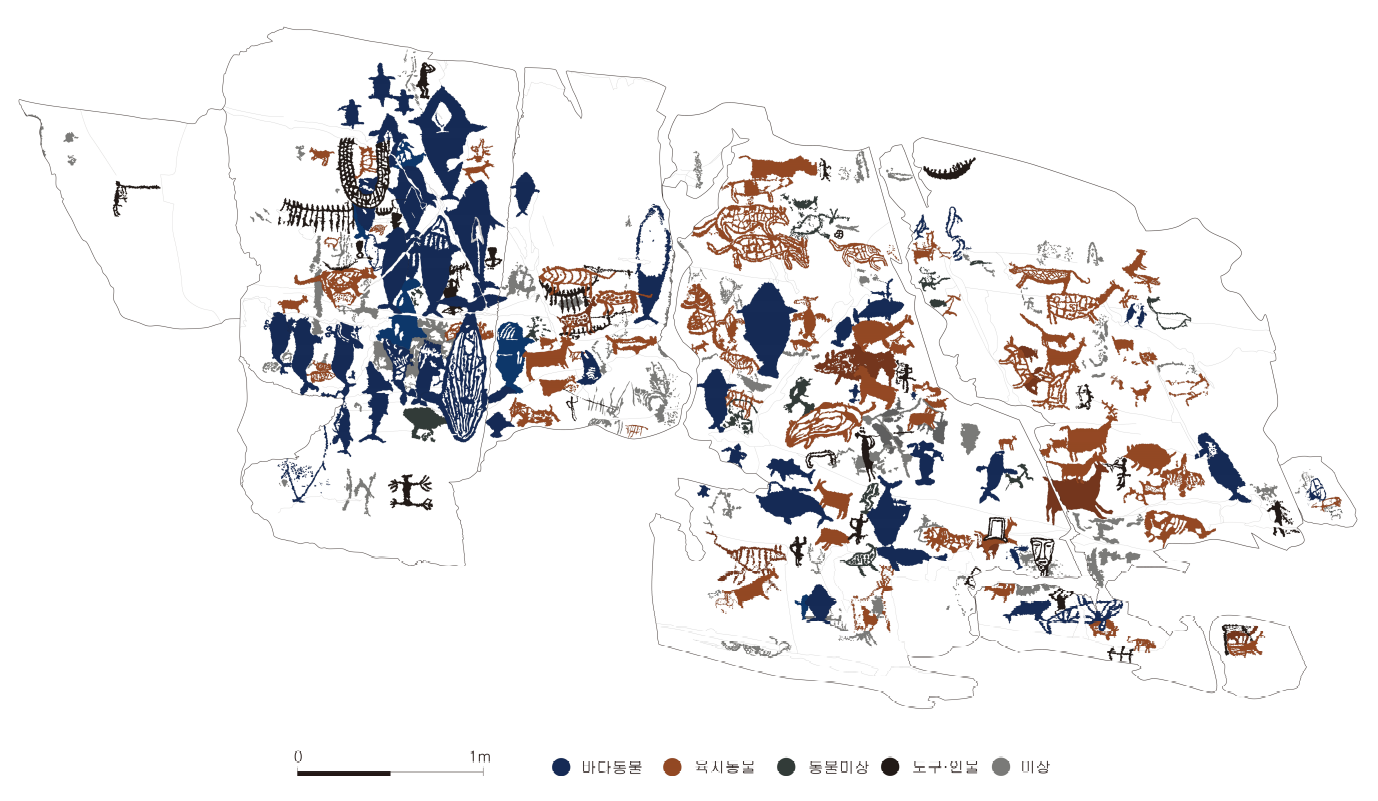
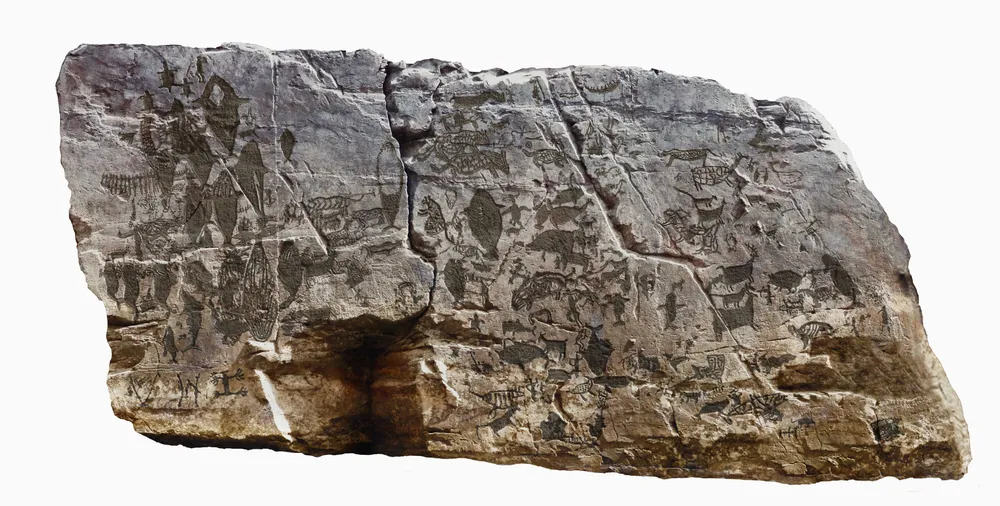
This property demonstrates a tradition of producing petroglyphs that continued from 5000 BCE to the 9th century CE. The Bangudae Petroglyphs feature marine animals such as whales, turtles, and seals; land animals such as tigers, deer, and wild boars; as well as people and hunting scenes. The Cheonjeon-ri Petroglyphs preserve geometric patterns and inscriptions from the Silla period. Visitors should first understand that the actual rock surface is a cultural heritage site to be observed from across the Daegokcheon River, not an exhibit that can be approached and touched.
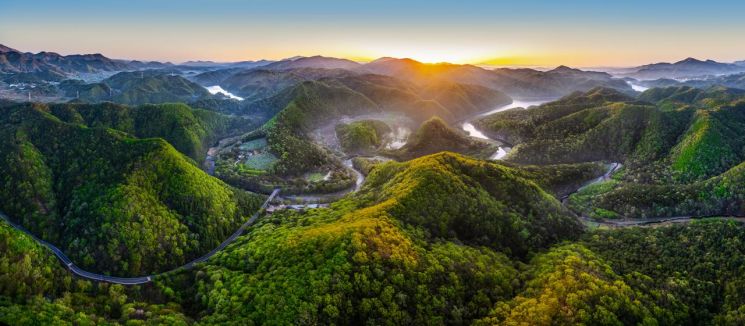
The Setting of the Petroglyphs Created by Turtle-Back Bangudae and the S-Shaped Valley
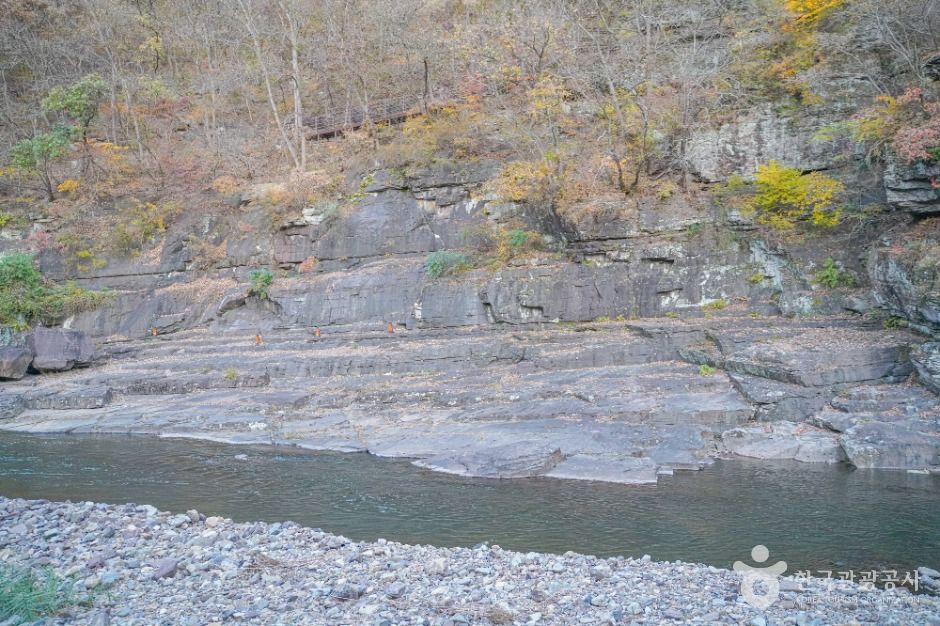
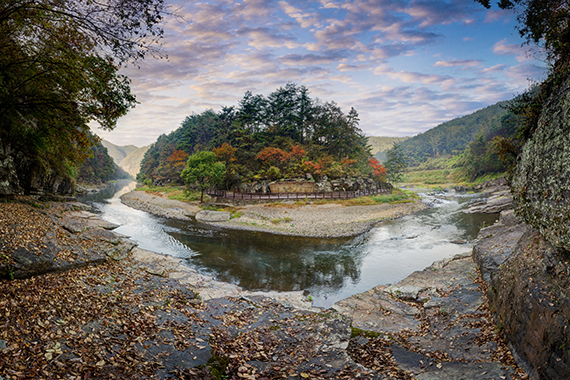
The name ‘Bangucheon’ comes from ‘Bangudae,’ a rocky protrusion resembling a turtle. An evaluation report by an advisory body to UNESCO explains that the topography of the Bangu area was formed by a ground uplift approximately 100 million years ago, while a deep S-shaped valley developed between the hills, exposing cliffside bedrock. This terrain allowed a large rock surface to remain where the Daegokcheon waterway meets the stratified cliff.
The Bangudae Petroglyphs are located on cliffside bedrock bent in an ‘L’ shape. At the site, visitors search for the patterns from a viewing point across the river with the help of telescopes and observation equipment. The lines may appear faint from a distance, so it is more efficient to first learn the locations of the whale, boat, and harpoon scenes from the life-size model at the Ulsan Petroglyph Museum before going to the viewing point. For visitors expecting only enlarged photographs, the museum exhibits may provide a clearer experience than outdoor viewing.
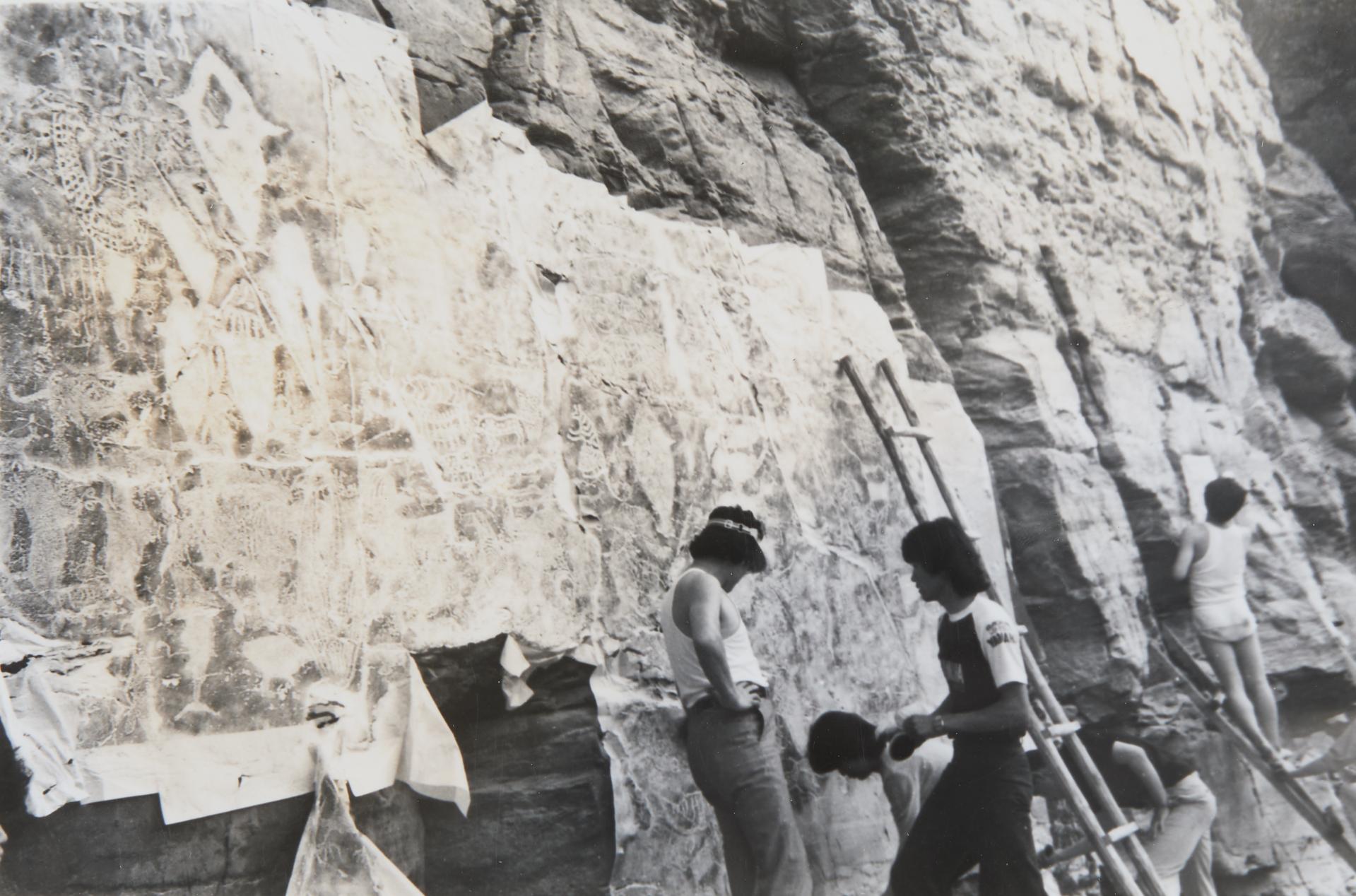
The Daegok-ri Cliff Discovered on December 25, 1971, and National Treasure No. 285
The Daegok-ri Bangudae Petroglyphs were discovered by a survey team from the Dongguk University Museum on December 25, 1971. The previous day, December 24, 1970, the nearby Cheonjeon-ri Petroglyphs became known to the academic community. Because records note that both discoveries took place around Christmas, local cultural events sometimes commemorate December as ‘Petroglyph Discovery Week.’
The Bangudae Petroglyphs are National Treasure No. 285. According to 2023 data analyzing three-dimensional scans and field measurements, 312 images have been identified. UNESCO particularly noted that prehistoric images depicting multiple stages of whale hunting are a rare subject in world petroglyphs and demonstrate observational and expressive abilities precise enough to distinguish different animal species.
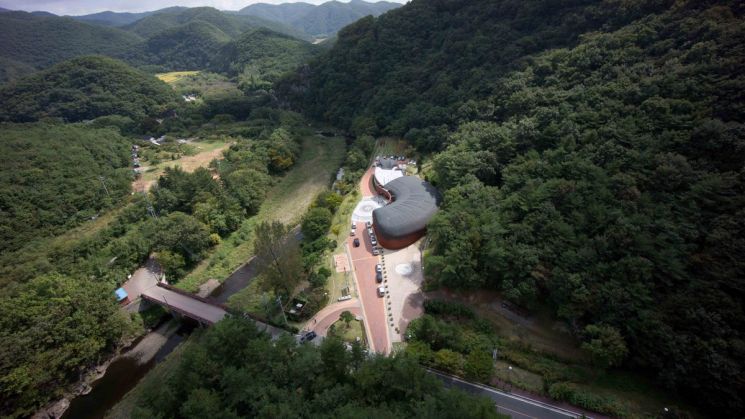
Why You Should First Stop at the Ulsan Petroglyph Museum from 09:00 to 18:00
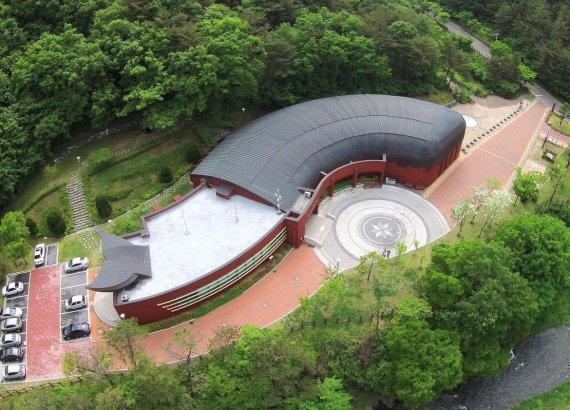
The starting point for an on-site visit is the Ulsan Petroglyph Museum. Its address is 254 Bangudaean-gil, Dudong-myeon, Ulju-gun, Ulsan, and its main telephone number is 052-229-4797. Visiting hours are 09:00–18:00, with last admission at 17:30. It is closed every Monday and January 1. If Monday is a public holiday, it closes the following day. Admission is free.
At the museum, visitors can examine animals and hunting scenes that are difficult to see outdoors through a life-size model of the Bangudae Petroglyphs. Group visits and educational programs have separate reservation menus on the museum website. The official website address is https://ulsan.go.kr/s/bangudae/main.ulsan, and it is safest to check the notices again before departure for the day’s closure, educational, and exhibition schedules.
Bangudae Petroglyphs Public Parking Lot and the 2026 Free Shuttle Bus Schedule
For visitors traveling by car, a practical option is to set the Bangudae Petroglyphs Public Parking Lot at 359-1 Cheonjeon-ri, Dudong-myeon, Ulju-gun, as the destination. The museum and the petroglyph viewing area are separated by a valley road, so visitors should calculate walking time and bring water separately, especially in summer or on rainy days. Because congestion at the public parking lot has been announced as possible on weekends and event days, arriving early is advisable.
In 2026, a free shuttle bus was announced to operate between the Bangudae Petroglyphs parking lot, the Petroglyph Museum, the Bangudae Entrance bus stop, the Ulsan Daegok Museum, and the entrance to the Cheonjeon-ri Inscription and Petroglyphs. Departures from the Bangudae Petroglyphs parking lot run hourly from 09:50 to 17:50. Departures from the Petroglyph Museum are listed as 09:55, 10:55, 12:55, 13:55, 14:55, 15:55, 16:55, and 17:55, so return times should account for the gap during the lunchtime period.
A 3 km Bangucheon Route Linking the Cheonjeon-ri Inscription and Petroglyphs
The World Heritage property of Bangucheon does not refer only to the Bangudae Petroglyphs. The Daegok-ri Bangudae Petroglyphs in the north and the Cheonjeon-ri Inscription and Petroglyphs in the south form the two ends of an approximately 3 km section of Bangucheon. In addition to prehistoric animals and geometric patterns, the Cheonjeon-ri Petroglyphs contain overlapping images of Silla-period figures, processions, and writing, providing information from a completely different era than the whale-hunting scenes at Bangudae.
The recommended order is to visit the Ulsan Petroglyph Museum, observe the Bangudae Petroglyphs, and then use the shuttle bus or a vehicle to connect with the Ulsan Daegok Museum and the Cheonjeon-ri Inscription and Petroglyphs area. To see both petroglyph sites, allow at least three hours including travel and exhibition viewing. If you plan to walk slowly along the valley road and read the explanations, it is better to allow half a day. Users of strollers or wheelchairs should ask the museum at 052-229-4797 about the day’s route, since the slope and surface conditions of the outdoor petroglyph trail may vary depending on the weather and section.
On Rainy Days and Days with High Water Levels, Include ‘Visibility’ in Your Expectations
The Bangudae Petroglyphs are a heritage property whose conservation has long been discussed because of water-level fluctuations since the construction of the Sayeon Dam. In its 2025 inscription decision, UNESCO stated that the dam had created considerable environmental pressure on parts of the property in the past, but that the negative impacts had been substantially mitigated. It also recommended that progress on construction related to Sayeon Dam be reported to the World Heritage Centre. Therefore, on-site visitors should approach the site with an attitude that considers both its state of conservation and the viewing conditions, rather than expecting the entire rock surface to be clearly visible.
On rainy days or days with weak light, it may be more difficult to make out the outline of the actual rock surface. In such cases, it is better to place greater emphasis on the museum’s model and video exhibits and regard telescope viewing as supplementary when the weather permits. Reports and visitor reviews from 2026 indicate that visitor numbers have increased since the World Heritage inscription, but also point out that rest areas, amenities, and public transportation in the outdoor section are still insufficient. For people who have difficulty walking or want to clearly appreciate the artifacts in a short time, a museum-centered itinerary is a better fit.
Before You Go
- Address
- San 234-1 Daegok-ri, Eonyang-eup, Ulju-gun, Ulsan
- Hours
- Ulsan Petroglyph Museum 09:00–18:00, last admission 17:30
- Closed
- Closed every Monday and January 1. If Monday is a public holiday, closed the following day
- Admission
- Free
- Phone
- 052-229-4797
- Official site
- https://ulsan.go.kr/s/bangudae/main.ulsan
- Transport
- 2026 free shuttle bus: departures from the Bangudae Petroglyphs parking lot 09:50–17:50, and from the Petroglyph Museum 09:55–17:55 (hourly, with some gaps from the 11:00 to 12:00 hour). Stops at Bangudae Entrance, Ulsan Daegok Museum, and the entrance to the Cheonjeon-ri Inscription and Petroglyphs.
- Parking
- Use the Bangudae Petroglyphs Public Parking Lot. Address: 359-1 Cheonjeon-ri, Dudong-myeon, Ulju-gun. Congestion possible on weekends and event days.
- Time needed
- Approximately 2 hours for the Bangudae Petroglyphs and Ulsan Petroglyph Museum; at least 3 hours to half a day including the Cheonjeon-ri Inscription and Petroglyphs
- Accessibility
- Museum-centered visits are relatively easy, but it is recommended to check with the museum at 052-229-4797 about the slope, trail surface, and same-day accessibility of the outdoor petroglyph route. Check in advance whether foreign-language assistance is available.
The information above is current as of the time of writing. Check the official information again before your visit.

Places
Nearby Attractions 4
-
 1
1
-
 2
2
-
 3
3
-
 4
4
Food & Dining 4
-
 5
5
-
 6
6
-
 7
Dodo-sanbang
7
Dodo-sanbang -
 8
Kyung Hee Restaurant
8
Kyung Hee Restaurant
More Travel Guides in This Area
 Travel Guide
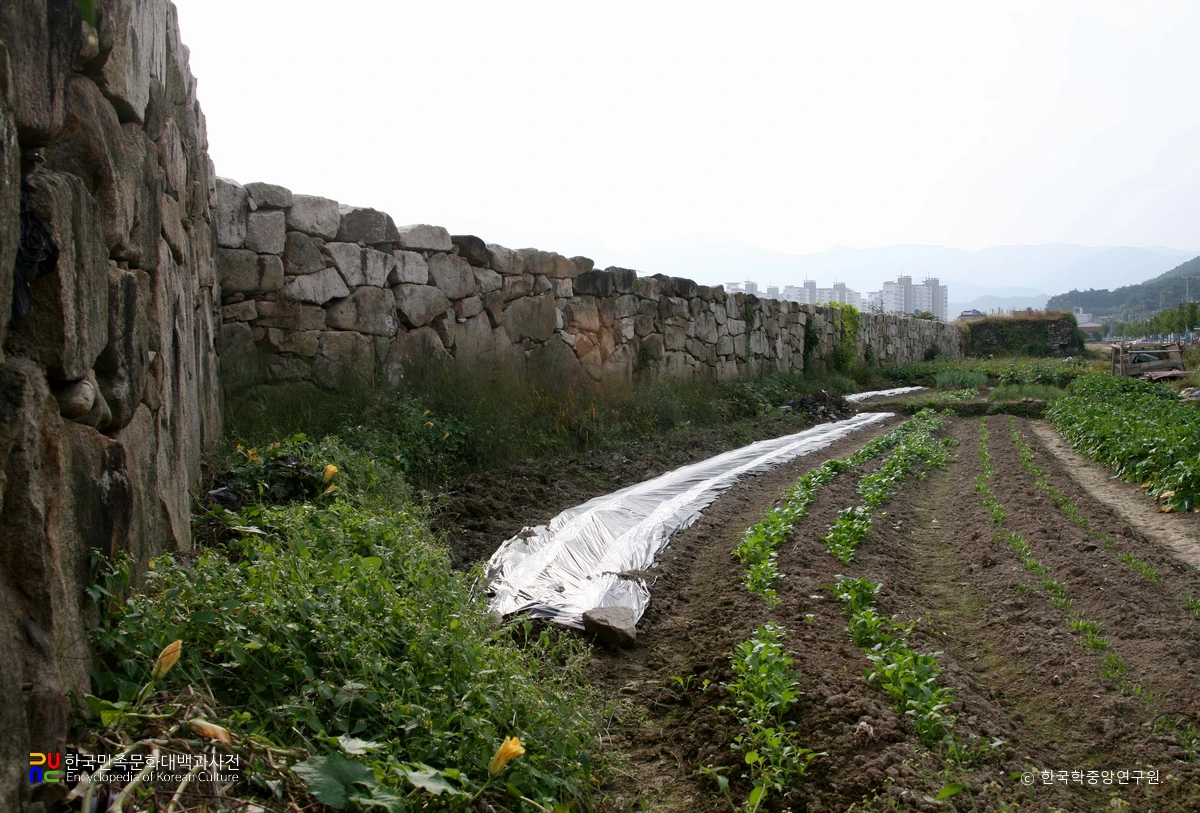
Neolithic, Bronze Age, and Silla Records Layered Along 3 km of the Bangucheon Stream: Cheonjeon-ri Inscriptions and Petroglyphs
 Travel Guide
Reading Eonyang’s 636-Year Fortress Map at Yeonghwaru
 Travel Guide
Exploring Ulsan Ulju Culture and Arts Center Through Its 392-Seat Theater and 110㎡ Exhibition Hall
 Travel Guide
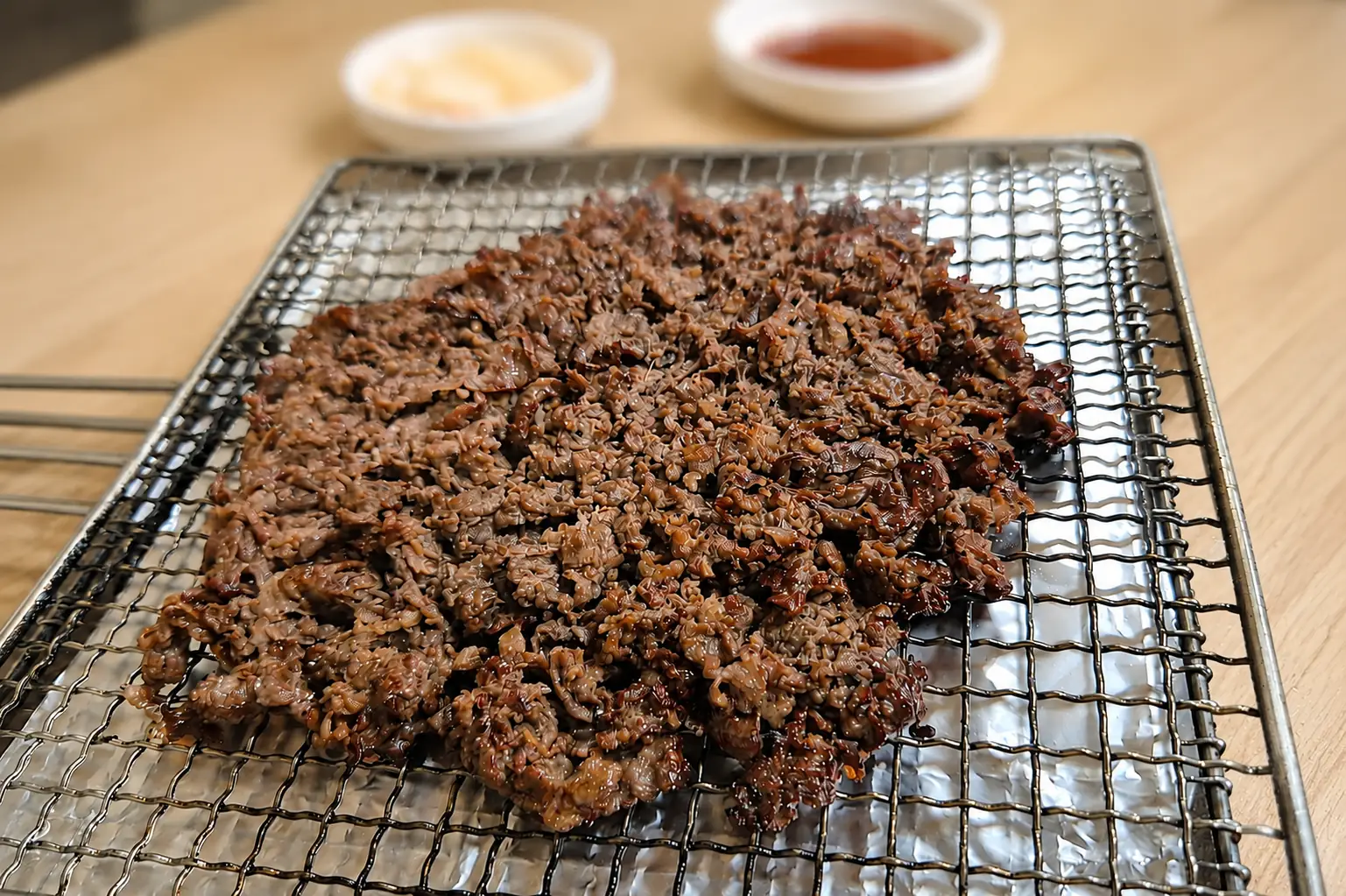
Walking Along the Charcoal-Grill Aroma of Eonyang Bulgogi Street
Korea News
 News
News
‘NewJeans Expulsion’ Danielle Releases Her First YouTube Video… “We Don’t Know What Will Happen Next”
![aespa’s North American Tour Has Remaining Seats Despite ‘$49’ Bargain Prices… A Stark Popularity Gap with KATSEYE [TEN Starfield]](https://kotourlive-images.s3.ap-northeast-1.amazonaws.com/news/1788485037424_a59b1932_naver_rank_thumb_0000774618_1788485037424.jpg) News
News
aespa’s North American Tour Has Remaining Seats Despite ‘$49’ Bargain Prices… A Stark Popularity Gap with KATSEYE [TEN Starfield]
![[Photo] TWICE’s Dahyun attends a film festival red carpet as an actress](https://kotourlive-images.s3.ap-northeast-1.amazonaws.com/news/1788485316508_edd43ecd_news_870a60a6-6f11-4d73-aa7c-48d91318a0f7.jpg) News
News
[Photo] TWICE’s Dahyun attends a film festival red carpet as an actress
![[On-Site Video] “We’re Departing Separately Together”… BIGBANG Begins ‘COSMOS’ World Tour](https://kotourlive-images.s3.ap-northeast-1.amazonaws.com/news/1788485226518_c5719641_news_fdd4764a-0f4e-4968-8e4e-e98a02872f88.jpg) News
News