Changnyeong Upo Wetland: 140 Million Years of Marshland at Sobul
The largest natural inland wetland in Korea, spanning Yueo-myeon, Ibang-myeon, and Daehap-myeon in Changnyeong County, Gyeongsangnam-do. Registered under the Ramsar Convention in 1998 and designated a natural reserve in 2011, it offers year-round ecotourism centered around the Upo Wetland Ecological Center, five walking trails, and the Crested Ibis Restoration Center.

I’ve been here?
Your check-in helps the next traveler.
17 people viewed this week Be the first
One tap — no writing needed
Sobeol, Mokpo, Sajipo, and Jjokjibeol — The Story Behind the Name Upo
Upo Wetland is Korea’s largest natural inland wetland, spanning Yureo-myeon, Ibang-myeon, and Daehap-myeon in Changnyeong-gun, with a total area of approximately 2.31㎢. It formed as a backswamp in the basin of Topyeongcheon, a tributary of the Nakdonggang River. Originally much larger than it is today, it extended as far as the Daeji-myeon area, but much of it was reclaimed as farmland after levees were built and drainage began in the 20th century, creating its present shape. The name Upo Wetland comes from “Sobeol,” meaning “cow plain,” so called because the wetland resembles a cow. Nearby Mokpo comes from “Namu-beol,” meaning “tree plain,” referring to trees washed downstream during floods, while Sajipo is the Chinese-character rendering of “Morae-beol,” a native Korean name meaning “sandy plain.”
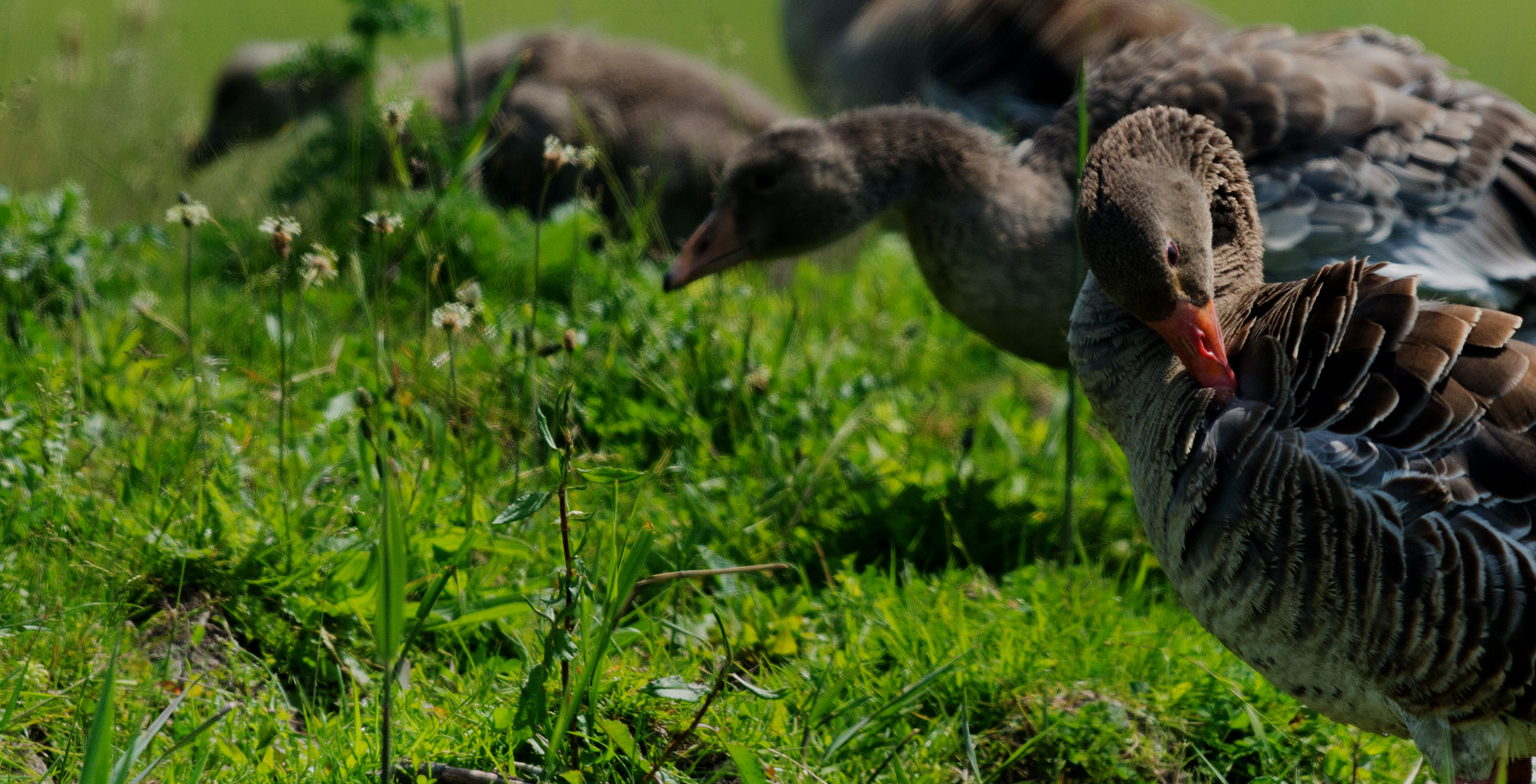
Although the name “Upo” itself does not appear in old documents, the locations referred to as “Nugutaek” in the Joseon-era geographical gazetteer <Dongguk Yeoji Seungnam> and “Nupo” on the <Daedong Yeojido> map almost coincide with the present-day Upo Wetland. This suggests that the wetland’s existence has been documented for several hundred years. After the Joseon Dynasty ended and the Japanese colonial period began, Sobeol, Namu-beol, and Morae-beol were changed into the Sino-Korean names Upo, Mokpo, and Sajipo, which became their official names. However, nearby village residents still commonly use the old names.
From Designation in 1933 to Deregistration in 1973 and Ramsar Listing in 1998 — Half a Century of Ups and Downs
Upo Wetland was designated a natural monument as early as 1933, during the Japanese colonial period. In 1962, after liberation and the enactment of the Cultural Heritage Protection Act, it was redesignated Natural Monument No. 15 under the name “Changnyeong Swan Habitat.” However, 11 years later, in 1973, its natural-monument designation was revoked because the number of migratory birds had declined. The surrounding wetlands then began to be reclaimed as farmland, and conflicts among local residents, environmental groups, and the government intensified.
Conservation discussions resumed, and the wetland was registered under the Ramsar Convention in March 1998. It was designated a wetland protection area by the Ministry of Environment in February 1999 and a natural conservation area (Natural Monument No. 524) in January 2011, establishing the protection system in place today. More than 10 species of endangered animals and plants are currently known to inhabit Upo Wetland. Its well-preserved condition also allows it to serve as a stopover for migratory birds moving among several wetlands scattered within a 15-kilometer radius.
A Wetland Divided by Levees, and Sanbakbeol, the Youngest Area Restored to Nature
Upo Wetland measures approximately 2.5 km from east to west and 1.6 km from north to south, with a total freshwater area of 2,312,926㎡. It is divided into four wetlands: Upo (Daedae-ri and Sejin-ri, Yureo-myeon, 1,278,285㎡), Mokpo (An-ri, Ibang-myeon, 530,284㎡), Sajipo (Jumae-ri, Daehap-myeon, 364,731㎡), and Jjokjibeol (Okcheon-ri, Ibang-myeon, 139,626㎡). It was originally one continuous wetland, but the construction of levees and conversion of the surrounding land into farmland divided it into several wetlands as seen today.
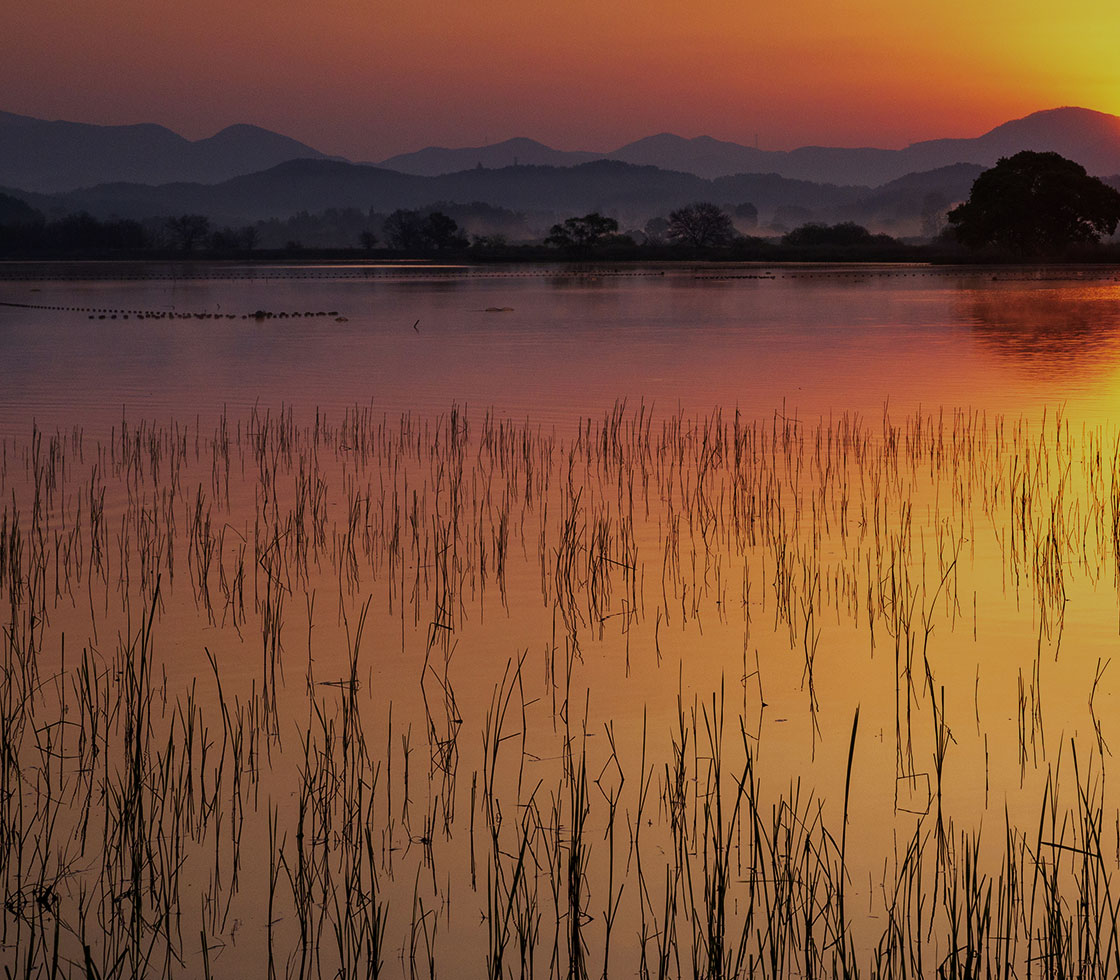
Sanbakbeol is known as “Upo’s youngest area,” a former agricultural site restored as a wetland. It was created below Jjokjibeol across an area of 192,250㎡, and the surrounding walking trail is 2.8 km long. The Upo Suspension Bridge, measuring 98.9 m long and 2 m wide for pedestrians, was installed to connect Sanbakbeol and Jjokjibeol and is considered a new landmark of Upo Wetland.
Upo Wetland Eco Center — From Completion in 2008 to Reopening in 2020
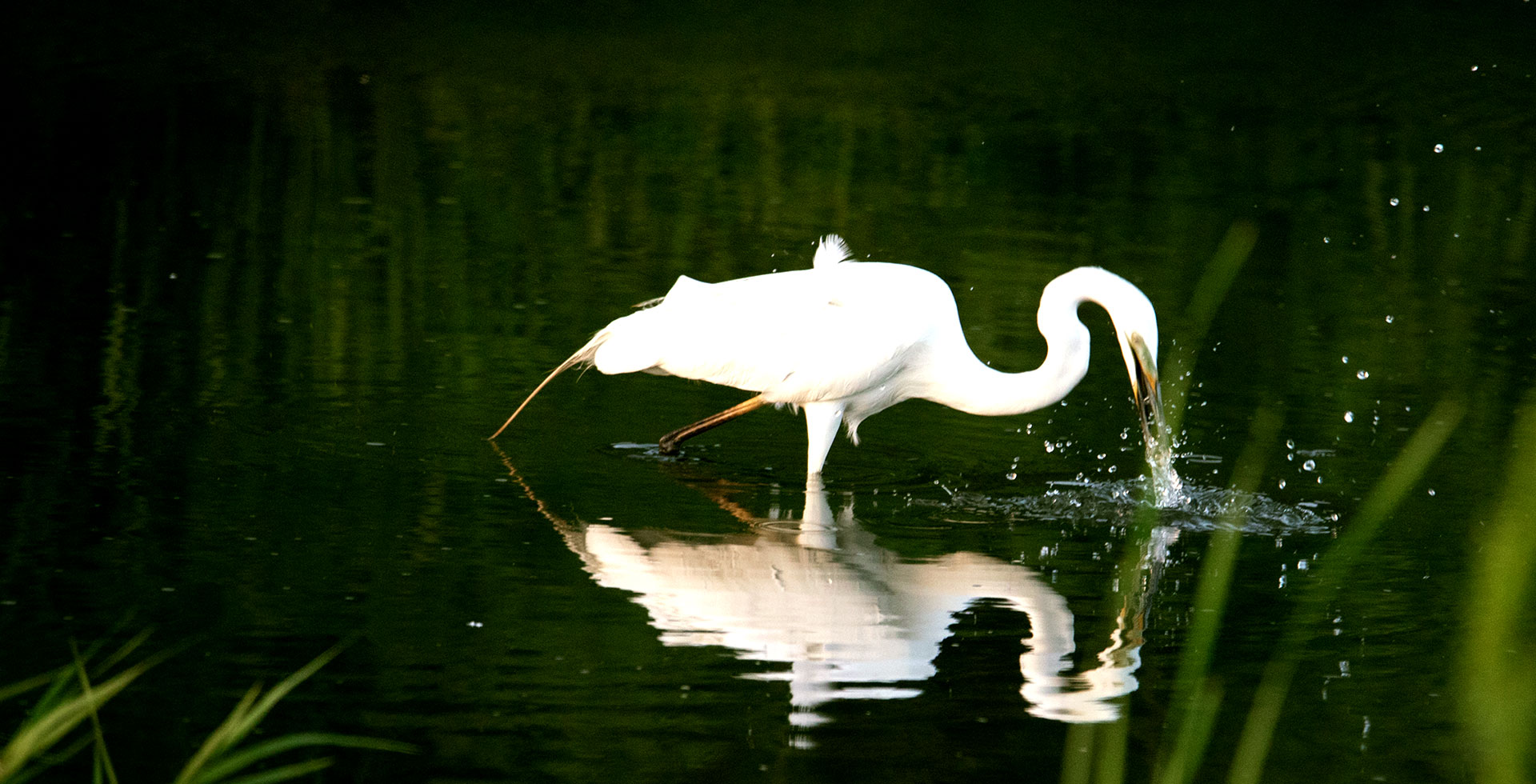
The Upo Wetland Eco Center first opened with support from the Ministry of Environment to commemorate the success of the Ramsar Convention meeting held in Changnyeong in 2008. After 10 years, concerns arose that the exhibition facilities had become outdated and that there was insufficient hands-on content. Changnyeong-gun therefore invested a total of 3.6 billion won from national, provincial, and county funds to renovate the entire exhibition hall, which reopened after refurbishment in early 2020. The renovated Eco Center is divided into five sections: “A Journey to Upo Wetland,” “Embracing Time,” “Embracing Life,” “A Landscape of Coexistence,” and “Embracing Culture.” The first floor features a prickly water lily symbol, a wetland boat, real-time CCTV footage of Upo Wetland, and exhibitions on the wetland’s formation process and peat layers. The second floor has a crested ibis dance and wetland boat experience zone, an aquarium, and a Changnyeong Nine Scenic Views gallery.
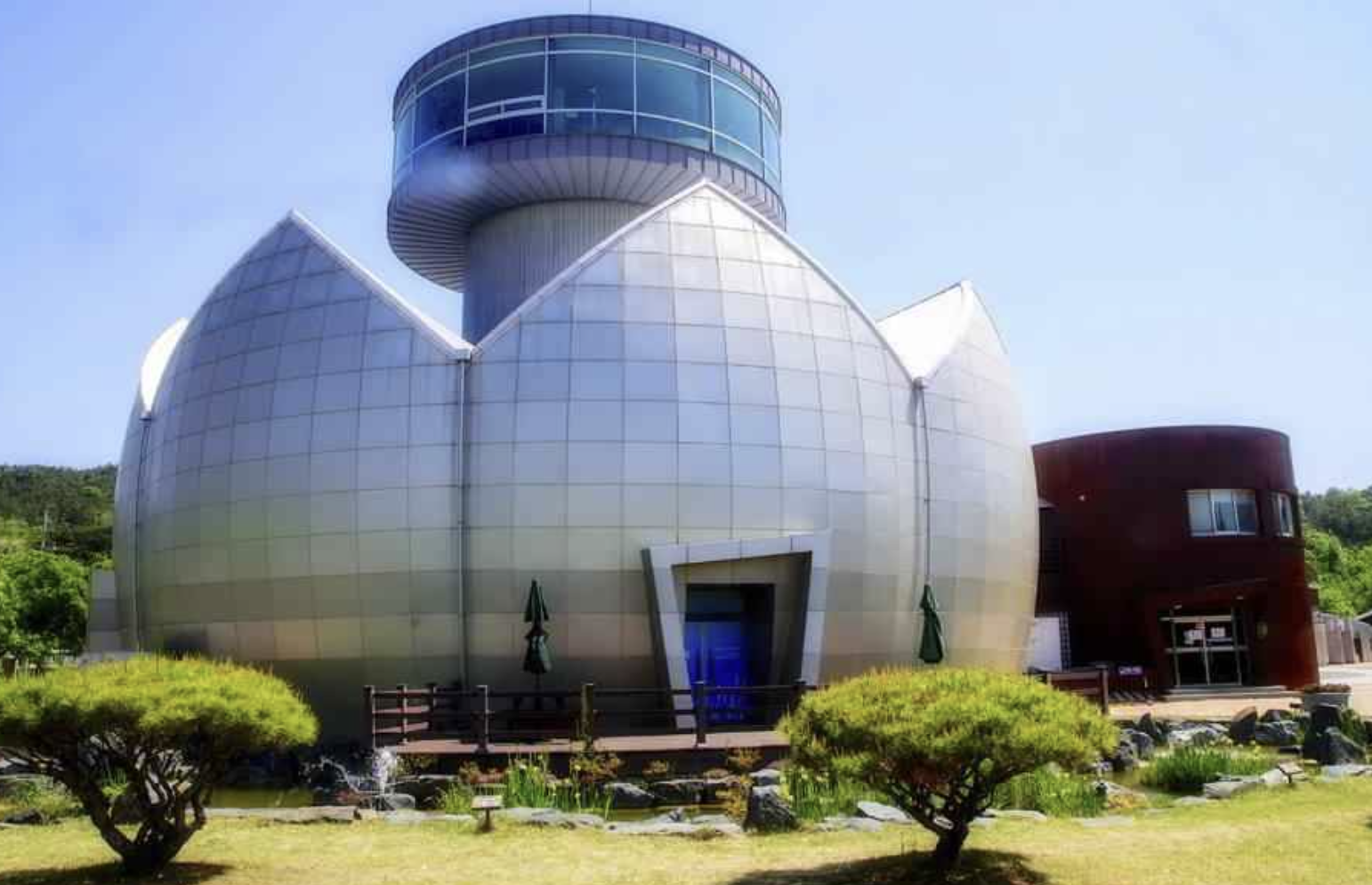
The Eco Center is open from 9 a.m. to 6 p.m. and closed every Monday. Admission costs 2,000 won for adults, 1,500 won for teenagers, and 1,000 won for children. Children aged three or under, the eligible person and one guardian accompanying a person of national merit, persons with disabilities of Grade 3 or higher and one guardian, and senior citizens aged 65 or over may enter free of charge. The address is 220 Uponeup-gil, Yureo-myeon, Changnyeong-gun, Gyeongsangnam-do (Sejin-ri). The main telephone number is 055-530-1556, and direct inquiries to the Eco Center can be made at 055-530-1551 (Korean) or 055-530-1553 (English).
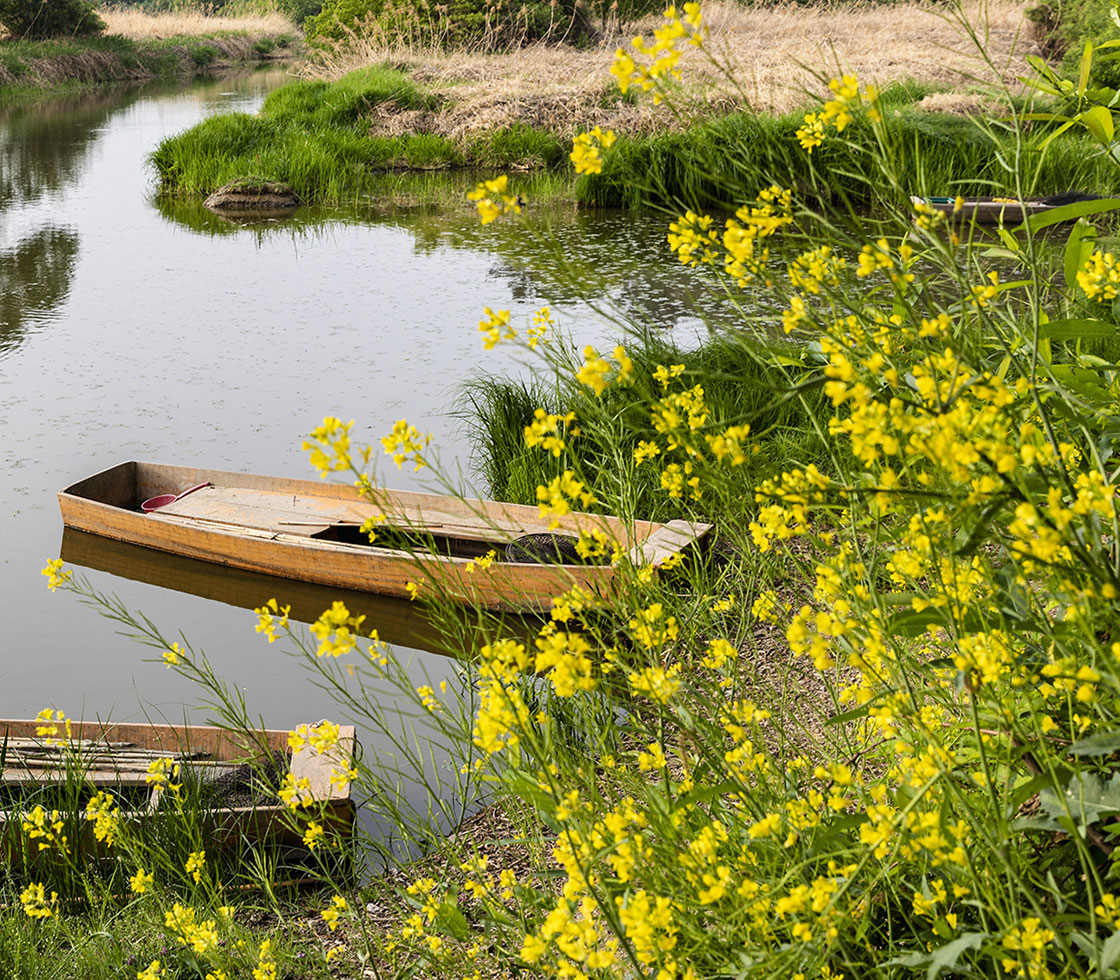
The Crested Ibis, Gone Since 1979, Flies Again from Dunteo Village
The crested ibis was once common throughout the rice fields and wetlands of the Korean Peninsula, appearing even in old children’s songs. However, its population fell sharply as its habitat was damaged by indiscriminate hunting, changes in farming methods, and the Korean War. It disappeared from the wild in Korea after the last observation in the Demilitarized Zone in 1979. The restoration project began with the 2008 summit between South Korea and China. Four crested ibises were brought from China as a symbol of friendship between the two countries, launching a breeding and restoration program based at Upo Wetland.
After 40 birds were first released into the wild in May 2019, releases continued twice a year, in spring and autumn. At the 11th release, held in May 2026, the cumulative number of released birds reached 440. The previous year, third-generation breeding born in the wild was confirmed for the first time, six years after releases began. The Restoration Center stands on the former site of Dunteo Village, which is said to be where the volunteer soldiers of General Gwak Jae-u established a military camp during the Japanese invasions of Korea. The address is 135 Changnyeong-daero, Changnyeong-eup, Changnyeong-gun. The telephone number is 055-530-3500, and reservations for Upo Wetland interpretation services are accepted at 055-530-1559.
Upo Wetland Life Trail — From a 30-Minute Observatory Course to a 9.7-km Full Circuit
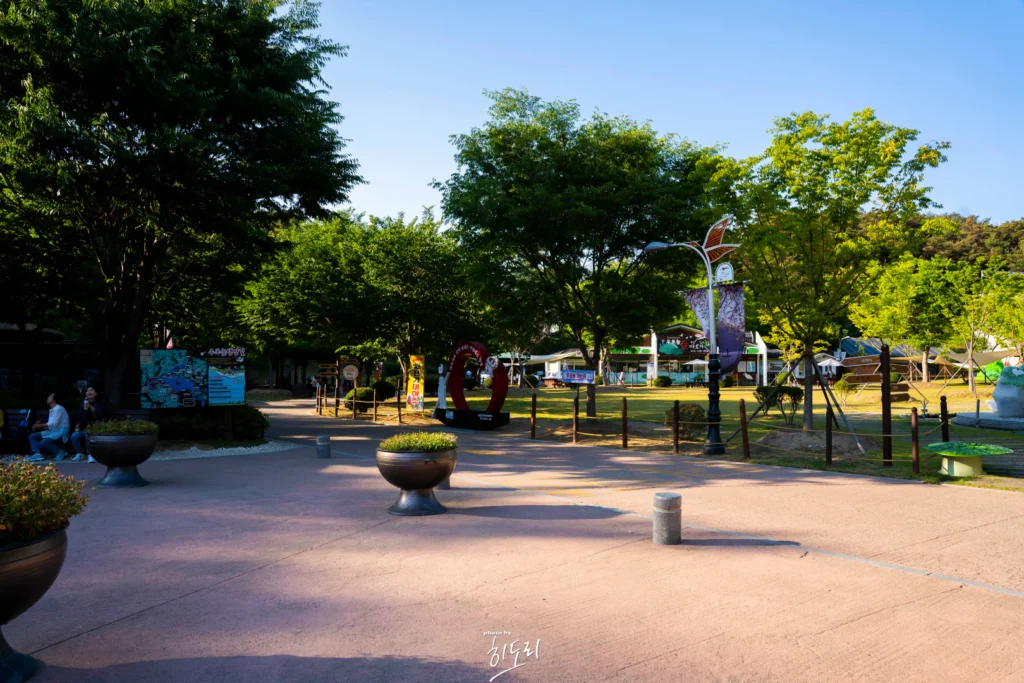
The Upo Wetland walking trail, called the “Upo Wetland Life Trail,” generally begins at the Upo Wetland Eco Center. It is divided into five courses, ranging from a 1-km, 30-minute route to the First Observatory and back to a 9.7-km, 3-hour-30-minute course that completely circles the wetland. For example, the 2-hour course starts at the Somok Village parking lot, passes through Forest Trail 3, the Second Observatory, Mokpo Levee, and the willow grove, and returns to the Somok Village parking lot. The 3-hour course is a loop beginning and ending at the Eco Center via Daedae Levee, Sajipo Levee, Somok Village, the Second Observatory, and Mokpo Levee.
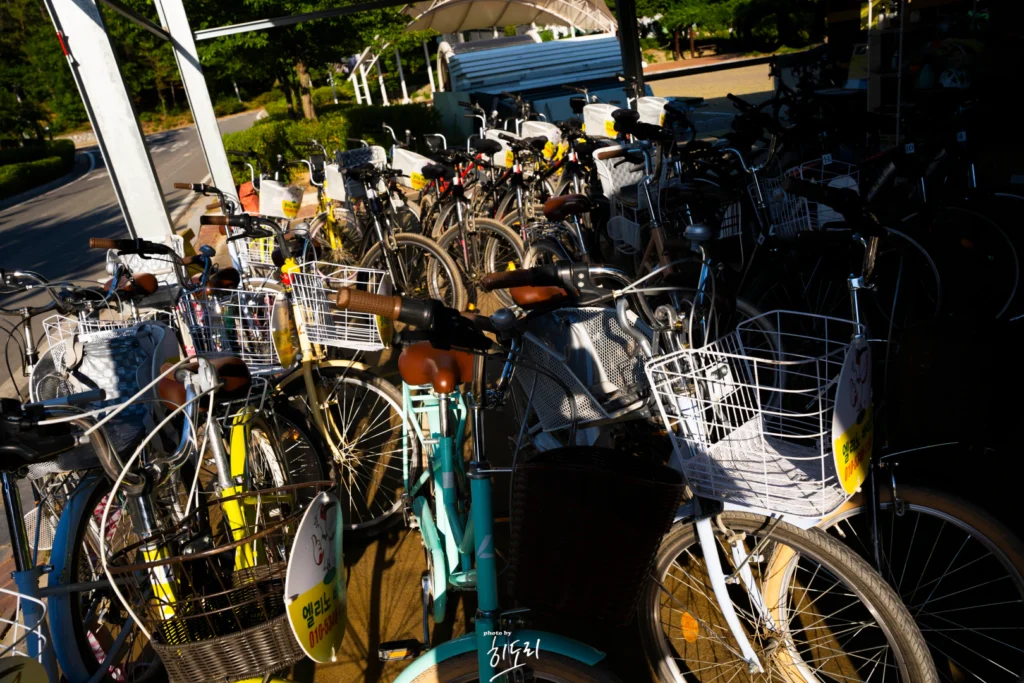
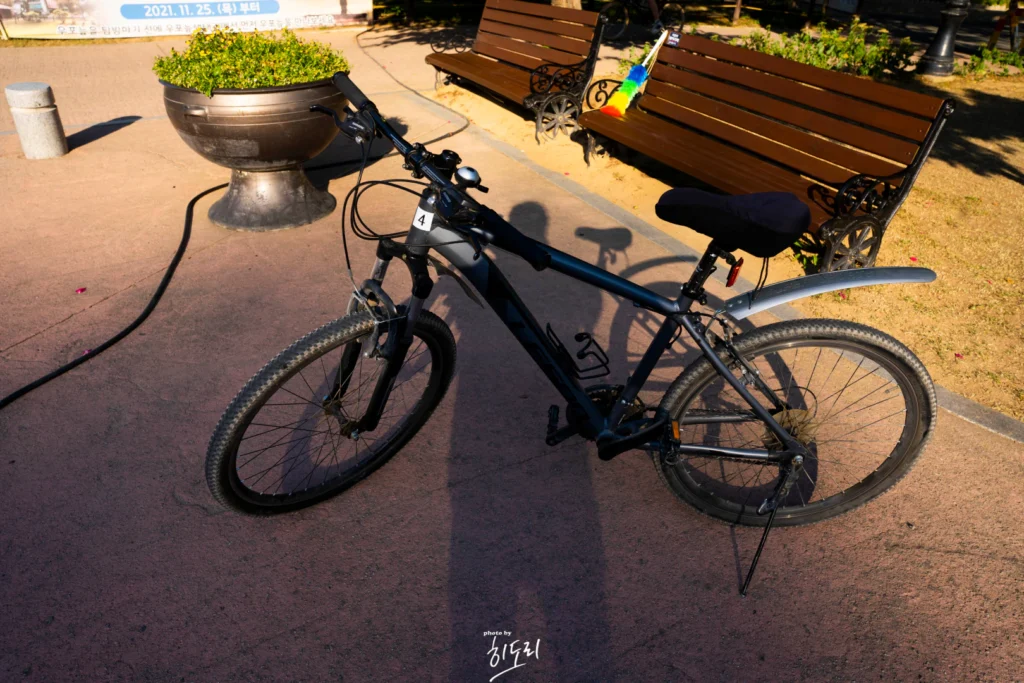
The area can also be explored by bicycle. There are two routes: one from the Eco Center through the observatory to the turnaround point of Bicycle Course 1, and another from the Eco Center through Daedae Levee to the turnaround point of Course 2. Bicycle rental costs 3,000 won per person or 4,000 won for two people for a 2-hour rental. Operating hours are the same as those of the Eco Center, from 9 a.m. to 6 p.m.
From Changnyeong IC to the Upo Wetland Eco Center — Driving and Public Transportation
By car, exit at Changnyeong IC on the Jungbu Naeryuk Expressway. At the intersection in front of the IC, turn left toward Changnyeong and drive approximately 1 km along Upo 1-daero. At Orijeong Intersection, turn left toward Hyeonpung (Daegu), then continue approximately 9 km along Upo 2-daero, Provincial Road 1080, to reach the Upo Wetland Ecological Experience Center. The parking lot accommodates 291 small vehicles, 21 large vehicles, and 13 vehicles for persons with disabilities.
Public transportation options include traveling by local bus or taxi from Changnyeong Bus Terminal or Miryang Station. From Seoul, intercity buses to Changnyeong depart six times a day (08:20–19:00) from Seoul Nambu Bus Terminal and take approximately four hours. For inquiries, contact the Changnyeong-gun Office Ecotourism Division at 055-530-1524. Applications for Upo Wetland interpretation services can be made at 055-530-1559.
Interpretive Programs and Seasonal Activities — From Weekend Reserved Tours to September Fireflies
For visitors who want to gain a deeper understanding of Upo Wetland, Changnyeong-gun operates reservation-only guided exploration programs every Saturday and Sunday, along with dedicated shuttle buses and sightseeing tour buses. Boarding locations and the exact operating schedule should be checked on the official website. Participants can receive a comprehensive explanation of Upo Wetland’s history, ecology, and conservation efforts.
Seasonal experience programs are also held regularly. In 2025, applications were accepted from September 2 to 19 for firefly experiences held from September 14 to 21, while applications for the Insect Exploration Team program were accepted from September 2 to 26 for programs held from September 7 to 21. Each program accommodated 40 teams. The scenery varies greatly by season. One visitor’s account noted that Upo Wetland was particularly quiet in November, after summer migratory birds had departed and before winter migratory birds arrived, with only a few egrets and geese standing out.
What to Prepare Before Exploring — Repeated Advice from Visitor Reviews
Visitor accounts from 2025 repeatedly mention that navigation systems sometimes direct drivers onto narrow, rough farm roads, making SUV-type vehicles more convenient than low-slung sedans. Several reviews also commonly point out that Upo Wetland is such a large wetland that properly exploring it on foot requires considerable time and stamina. Using a bicycle rental or choosing one of the shorter routes among the five courses is advisable if time is limited.
The trails themselves are open 24 hours a day, but visitors are advised to finish exploring before sunset for safety. If you arrive late in the afternoon, it is best to adjust your plan and choose a shorter course. Four wheelchairs and five strollers are available for free rental for visitors with limited mobility, so families traveling with someone who has mobility difficulties may wish to contact the Eco Center information desk in advance.
Before You Go
- Address
- 220 Uponeup-gil, Yureo-myeon, Changnyeong-gun, Gyeongsangnam-do (areas around Sejin-ri and Daedae-ri)
- Hours
- Trails open 24 hours / Upo Wetland Eco Center 09:00–18:00
- Closed
- Trails open year-round / Upo Wetland Eco Center closed every Monday (if Monday is a public holiday, closed the following day) and on New Year’s Day
- Admission
- Trails free / Eco Center: adults 2,000 won, teenagers 1,500 won, children 1,000 won (free for children aged 3 or under, eligible persons of national merit and one guardian, persons with disabilities of Grade 3 or higher and one guardian, and those aged 65 or over)
- Phone
- 055-530-1556 (main) / Upo Wetland Eco Center 055-530-1551 / Interpretation reservations 055-530-1559
- Official site
- https://www.cng.go.kr/tour/upo.web
- Transport
- Local bus or taxi from Changnyeong Bus Terminal or Miryang Station / Six intercity buses per day from Seoul Nambu Bus Terminal to Changnyeong (08:20–19:00, approximately 4 hours) / By car, via Changnyeong IC on the Jungbu Naeryuk Expressway
- Parking
- Parking available (291 small vehicles, 21 large vehicles, 13 vehicles for persons with disabilities); fee information unavailable
- Time needed
- 30 minutes–3 hours 30 minutes depending on the course (short observatory course to 9.7-km full circuit)
- Accessibility
- Four wheelchairs and five strollers available for free rental; website support in Korean, English, Chinese, and Japanese; English inquiries at the Eco Center: 055-530-1553
The information above is current as of the time of writing. Check the official guidance again before visiting.

Places
Nearby Attractions 5
-
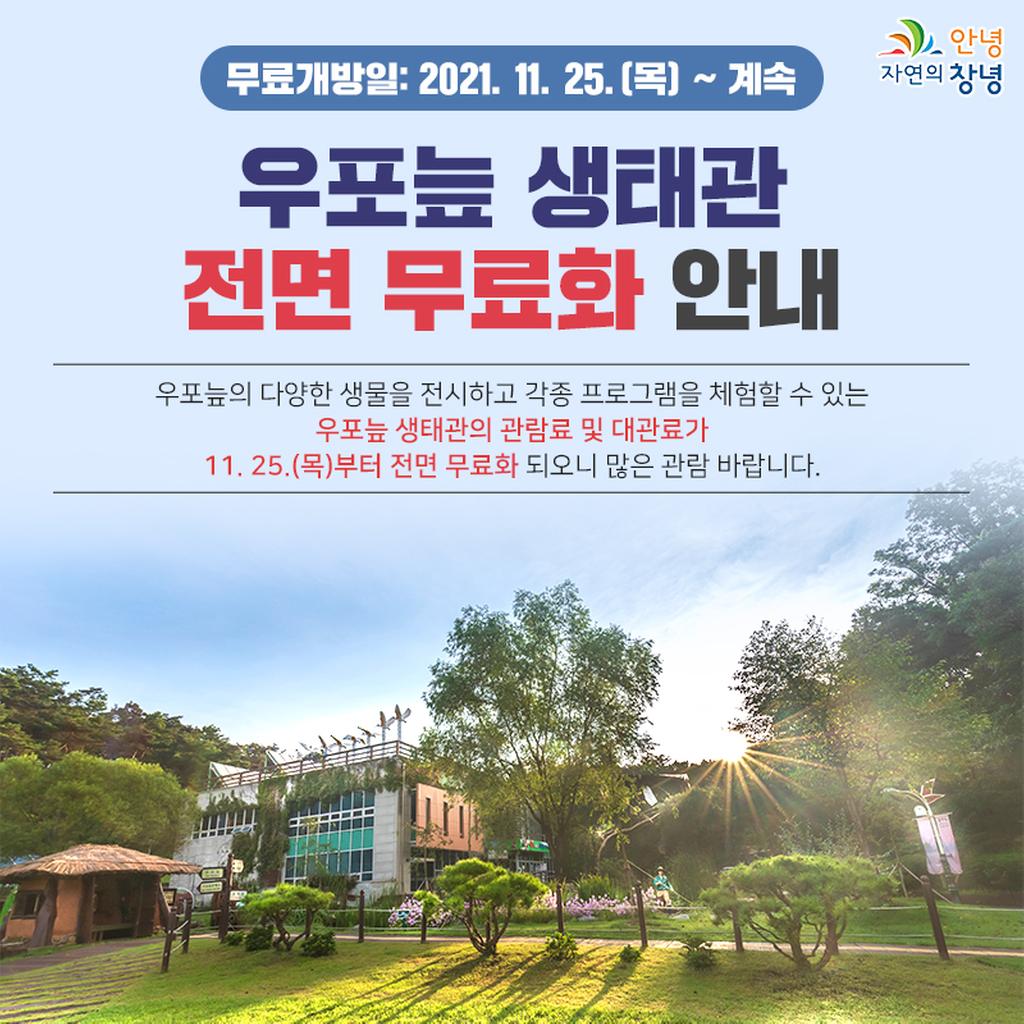 1
Upo Wetland Ecological CenterA space where visitors can learn about the formation and ecology of Upo Wetland through exhibitions.
1
Upo Wetland Ecological CenterA space where visitors can learn about the formation and ecology of Upo Wetland through exhibitions. -
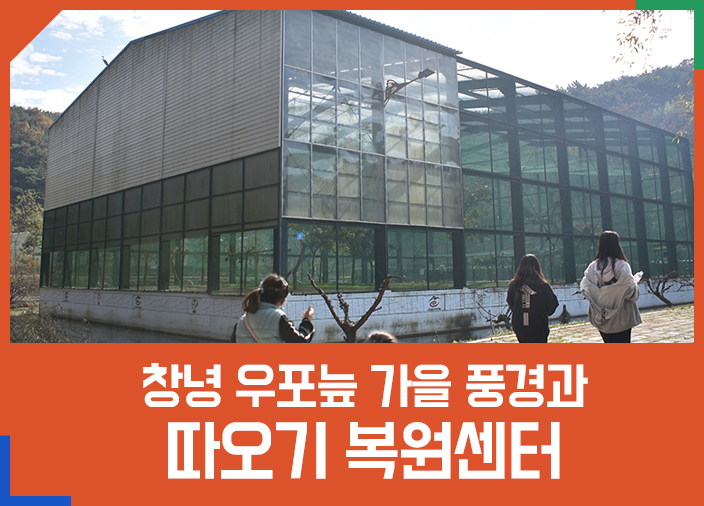 2
Upo Crested Ibis Restoration CenterA place where visitors can observe the breeding of crested ibises undergoing restoration and the process of releasing them into the wild.
2
Upo Crested Ibis Restoration CenterA place where visitors can observe the breeding of crested ibises undergoing restoration and the process of releasing them into the wild. -
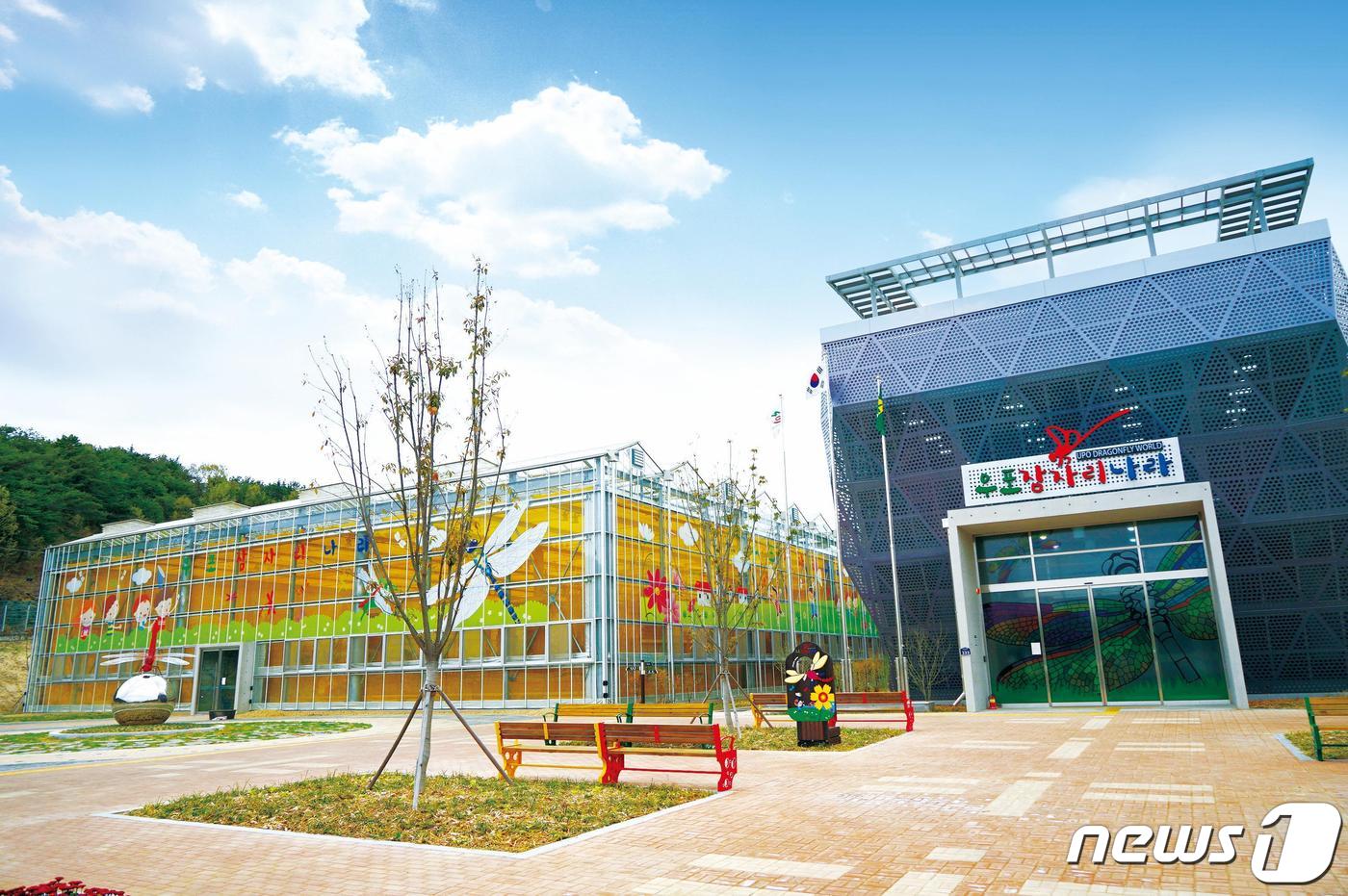 3
Changnyeong Upo Insect WorldAn ecological educational space featuring exhibitions and hands-on experiences with insects and various other living organisms.
3
Changnyeong Upo Insect WorldAn ecological educational space featuring exhibitions and hands-on experiences with insects and various other living organisms. -
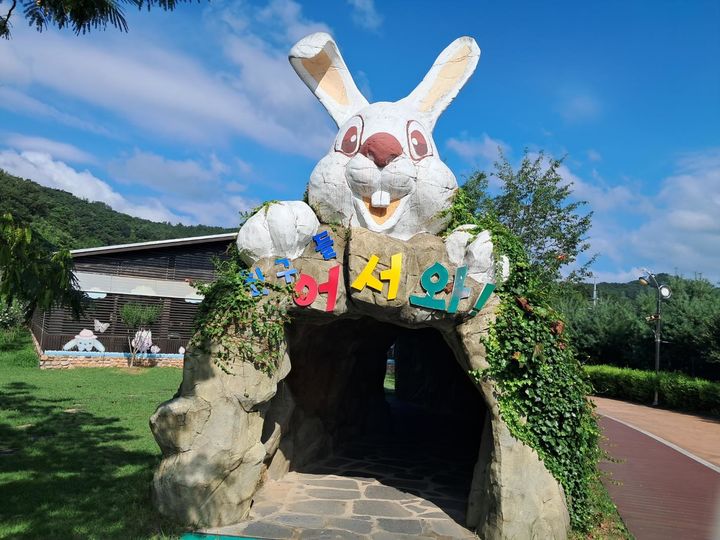 4
Santokki Norae DongsanA theme park where visitors can enjoy exhibitions and recreational activities centered on the children’s song “San Tokki” (“Mountain Rabbit”).
4
Santokki Norae DongsanA theme park where visitors can enjoy exhibitions and recreational activities centered on the children’s song “San Tokki” (“Mountain Rabbit”). -
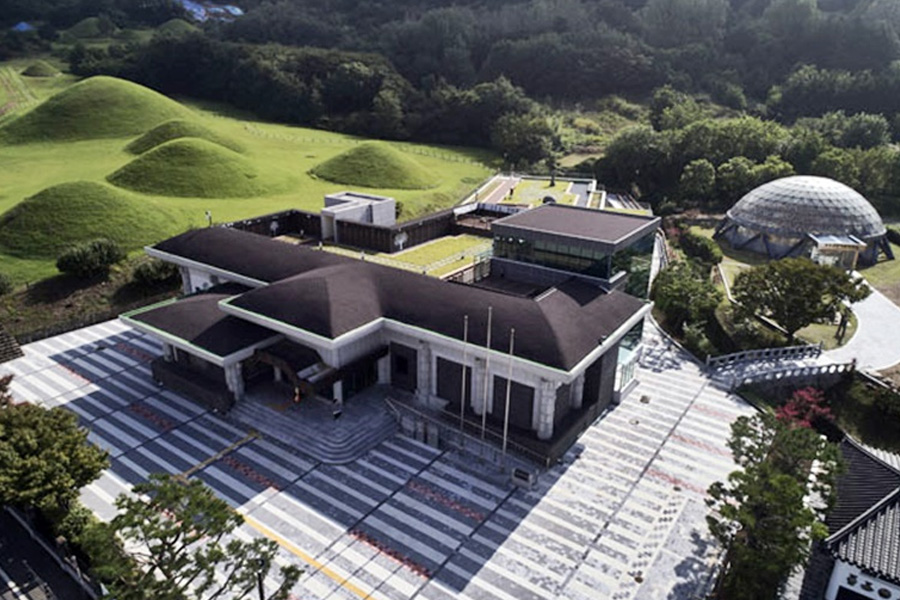 5
Changnyeong MuseumA museum showcasing artifacts excavated from ancient tombs in the Changnyeong area and the culture of Bihwa Gaya.
5
Changnyeong MuseumA museum showcasing artifacts excavated from ancient tombs in the Changnyeong area and the culture of Bihwa Gaya.
Events in This Area
Festivals in This Area

More Travel Guides in This Area
 Travel Guide
Hiking in Changnyeong along Hwawangsanseong Fortress and the Simni Silver Grass Field
 Travel Guide
Lee Byung-chul’s Uiryeong Origins, Read in a Hanok Built in 1851
 Travel Guide
Uiryeong Jeongam Pavilion Overlooking Sotbawi and Jeongamjin in 1592
 Travel Guide
Miryang Pyochungsa Temple: Encountering the Ideals of Master Samyeong at the Foot of Jaeyaksan Mountain
Korea News
 News
News
‘NewJeans Expulsion’ Danielle Releases Her First YouTube Video… “We Don’t Know What Will Happen Next”
![aespa’s North American Tour Has Remaining Seats Despite ‘$49’ Bargain Prices… A Stark Popularity Gap with KATSEYE [TEN Starfield]](https://kotourlive-images.s3.ap-northeast-1.amazonaws.com/news/1788485037424_a59b1932_naver_rank_thumb_0000774618_1788485037424.jpg) News
News
aespa’s North American Tour Has Remaining Seats Despite ‘$49’ Bargain Prices… A Stark Popularity Gap with KATSEYE [TEN Starfield]
![[Photo] TWICE’s Dahyun attends a film festival red carpet as an actress](https://kotourlive-images.s3.ap-northeast-1.amazonaws.com/news/1788485316508_edd43ecd_news_870a60a6-6f11-4d73-aa7c-48d91318a0f7.jpg) News
News
[Photo] TWICE’s Dahyun attends a film festival red carpet as an actress
![[On-Site Video] “We’re Departing Separately Together”… BIGBANG Begins ‘COSMOS’ World Tour](https://kotourlive-images.s3.ap-northeast-1.amazonaws.com/news/1788485226518_c5719641_news_fdd4764a-0f4e-4968-8e4e-e98a02872f88.jpg) News
News