Miryang Pyochungsa Temple: Encountering the Ideals of Master Samyeong at the Foot of Jaeyaksan Mountain
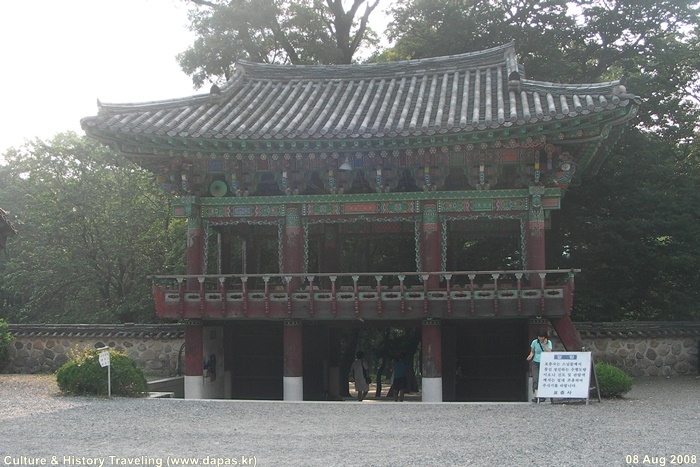
Miryang Pyochungsa Temple began as Juknimsa Temple, founded by Wonhyo in 654, and acquired its present name in 1839 when a shrine honoring the Buddhist masters Samyeong, Seosan, and Giheo was relocated there. Within this Buddhist temple at the foot of Jaeyaksan Mountain, Pyochung Seowon Confucian Academy coexists with the temple, allowing visitors to trace in one route the legacy of a state-protecting temple and the traces of Confucian-style memorial rites.
I’ve been here?
Your check-in helps the next traveler.
21 people viewed this week Be the first
One tap — no writing needed
Why the Name Changed from Juknims a in 654 to Pyochungsa in 1839
Miryang Pyochungsa’s official information explains that Wonhyo founded the temple in 654, the first year of King Muyeol of Silla, and that it was initially called Juknimsa. The temple’s name was later changed to Yeongjeongsa, and after Pyochung Sadang, a shrine honoring Samyeongdang Songun, a monk military commander during the Imjin War, was relocated here, the current name Pyochungsa became established.
The key turning point was 1839, the fifth year of King Heonjong’s reign. According to Miryang City’s tourism information, the temple’s name was also changed to Pyochungsa when Pyochung Sadang, which houses the spirit tablets and portraits of Seosan Daesa, Samyeong Daesa, and Giheo Daesa, was relocated here. Therefore, this is not simply an old Buddhist temple but a place where the memory of the monk army during the Imjin War is conveyed through both Buddhist and Confucian rites.
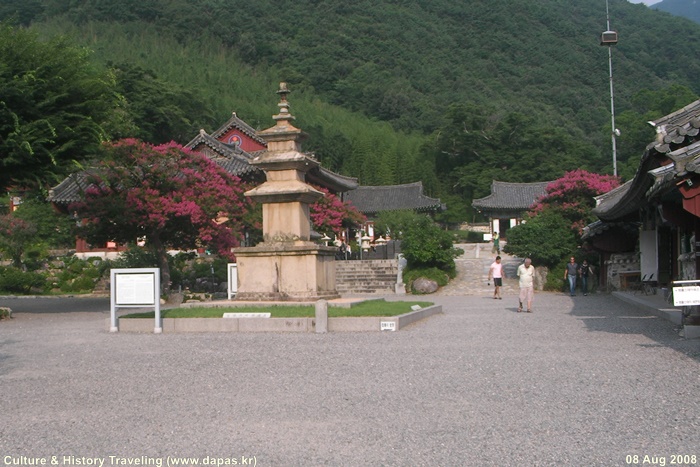
Pyochung Seowon and Pyochung Sadang: A Memorial Space for Three Great Masters within the Temple
Within the grounds of Pyochungsa are Pyochung Sadang and Pyochung Seowon, which honor not only Samyeong Daesa but also Seosan Daesa and Giheo Daesa. The temple’s official information introduces this space as a venue for state-sponsored memorial rites and describes it as a distinctive traditional temple where Buddhism and Confucianism coexist.
Samyeong Daesa Yujeong was born in 1544, led a monk army during the Imjin War, and entered nirvana at the age of 67 on August 26, 1610. At Pyochungsa, spring and autumn memorial rites honoring the patriotic spirit of the three masters have continued, so on ritual days the character of the ceremonial spaces may be more prominent than that of a typical temple sightseeing visit.
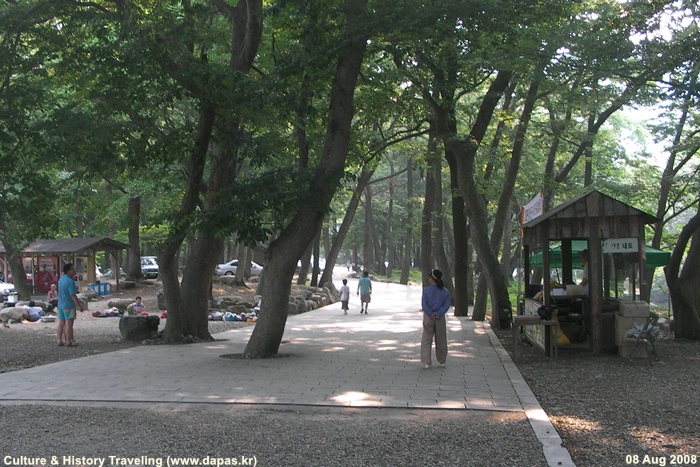
An Order for Viewing National Treasure No. 75 Hyangwan and Other Treasure Cultural Heritage
Official information states that Pyochungsa holds National Treasure No. 75 and Treasures No. 467 and No. 1944, among others. Open Tourism information summarizes that the temple preserves around 300 relics of Samyeong Daesa, along with the National Treasure bronze covered incense burner, a Treasure three-story stone pagoda, a stone lantern, Pyochung Seowon, and Daegwangjeon Hall.
For a first visit, it is easy to understand the site by passing through the mountain gate and first establishing the context of the patriotic memorial rites at Pyochung Sadang and Pyochung Seowon, then viewing the Buddhist cultural heritage along Daegwangjeon Hall, the three-story stone pagoda, and the stone lantern. Access to the interiors of the halls may be restricted depending on worship services, ceremonies, and conservation conditions, so visitors should follow posted notices and on-site instructions before crossing the thresholds.
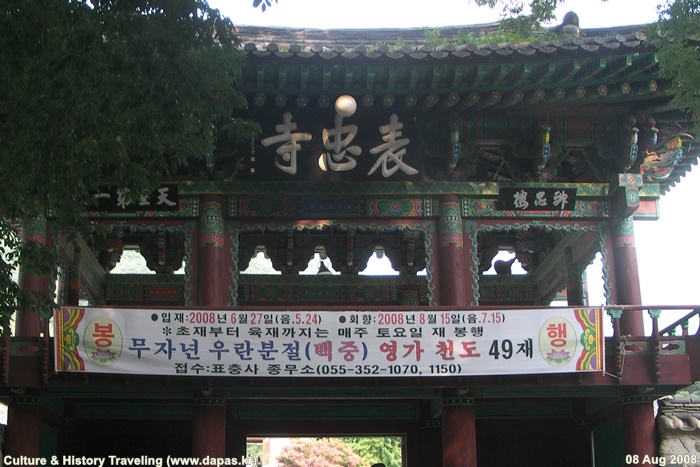
A 90-Minute Sightseeing Route from 1338 Pyochung-ro at the Foot of Jaeyaksan
The road-name address of Pyochungsa is 1338 Pyochung-ro, Danjang-myeon, Miryang-si, Gyeongsangnam-do. The provided address and coordinates for Beomchang Building are not the location of Pyochungsa, so it is safest to enter “1338 Pyochung-ro, Danjang-myeon, Miryang-si” or “Miryang Pyochungsa” as the destination in a navigation system or taxi.
About 60–90 minutes is appropriate for a leisurely tour of the temple grounds alone. Allowing at least 90 minutes is better if you want to read about Pyochung Sadang, Pyochung Seowon, Daegwangjeon Hall, and the cultural heritage. If you are combining the visit with a hike on Jaeyaksan, calculate hiking preparations and return transportation separately from the temple sightseeing time. Jaeyaksan belongs to the Yeongnam Alps mountain range, and Pyochungsa lies at its foot.
What to Confirm Before Visiting: Year-Round Opening and Inquiries at 055-353-1537
Open Tourism information lists Pyochungsa as open year-round, while the temple’s official website gives the consultation hours for its temple-stay program as 09:00–17:00 and the consultation phone number as 055-353-1537. The temple’s general visiting hours and the consultation and registration hours for the temple-stay program may differ, so it is advisable to call before departure to confirm early-morning or evening visits and access to specific halls or relic galleries.
The official website is https://www.pyochungsa.or.kr/. No separate admission fee for general visits to the temple grounds could be confirmed in the latest official or local-government public information, so the amount is left blank. Temple-stay participation fees and reservation conditions may vary by schedule; check by selecting a program on the official website.
Take Bus No. 22 from Miryang Station, and Start with the Parking Lot by Car
By public transportation, visitors can use a rural bus from Miryang Station toward Pyochungsa, and a visit record from autumn 2024 describes traveling from Miryang Station to Pyochungsa on Bus No. 22. However, rural bus routes and schedules may change, so be sure to check the stops and timetable again on the Miryang City Bus Information System on the day of departure.
Visitors arriving by car can use parking near the temple grounds, and Open Tourism information states that accessible parking is available. Parking fees and the number of regular parking spaces could not be confirmed in the latest public information. Since the central temple area may include stairs, slopes, and unpaved sections, wheelchair and stroller users should call 055-353-1537 in advance to ask about accessible routes after parking and the location of restrooms.
Temple-Stay Consultations from 09:00–17:00 and Three Daily Meal Times
Consultations for the Pyochungsa temple-stay program are listed as available year-round from 09:00–17:00. Meal times are breakfast at 06:40, lunch at 11:40, and dinner at 18:10, although the way meals are provided may vary depending on temple-stay participants and temple operations. Rather than planning a general sightseeing route around the meal times, participants with program reservations should prioritize their individual information sheet.
The temple’s official website introduces temple stays as programs offering an experience of daily life at a traditional temple. If you plan a one-night experience, check-in, clothing, required items, and the availability of foreign-language support may vary by schedule, so confirm them on the reservation page or by phone. A YouTube search was attempted, but no results were received because of service quota limitations, so no video list is provided.
If Continuing to Jaeyaksan behind Pyochungsa, Separate Temple Sightseeing from the Hike
Pyochungsa is also mentioned as a starting point or stopover for hikes on Jaeyaksan, but temple sightseeing and a long-distance hike are different activities. The temple grounds can be visited in comfortable sneakers, but if you plan to continue toward the Jaeyaksan summit or Sajapyeong, prepare windproof clothing, water, a headlamp, a map, and return transportation separately.
In autumn, visitor demand may increase as people come to see both autumn foliage and silver grass, and mountain weather can change differently from conditions in the city. If you are visiting only Pyochungsa, allocating 90 minutes in the morning or late afternoon is suitable. If you are adding a hike, it is more realistic to calculate the last bus and sunset time first. Online visit reviews from before 2025 mention parking and seasonal scenery as advantages, but the crowd levels and operating information in specific reviews may differ from current conditions.
Before You Go
- Address
- 1338 Pyochung-ro, Danjang-myeon, Miryang-si, Gyeongsangnam-do
- Hours
- Open year-round (Open Tourism information). Temple-stay consultations: 09:00–17:00.
- Closed
- Temple-stay consultations available year-round
- Phone
- 055-353-1537
- Official site
- https://www.pyochungsa.or.kr/
- Transport
- Rural buses toward Pyochungsa are available from Miryang Station. There is a record of using Bus No. 22, but the schedule must be checked on the Miryang City Bus Information System on the day of travel.
- Parking
- Parking is available. Accessible parking is available. The fee could not be confirmed.
- Time needed
- 60–90 minutes recommended for the temple grounds. Additional time is needed when combining the visit with a Jaeyaksan hike.
- Accessibility
- Accessible parking is available. Advance inquiries are recommended regarding slopes and stairs within the grounds, wheelchair and stroller routes, and foreign-language information.
The information above is current as of the time of writing. Check the official information again before visiting.

Places
Nearby Attractions 5
-
 1
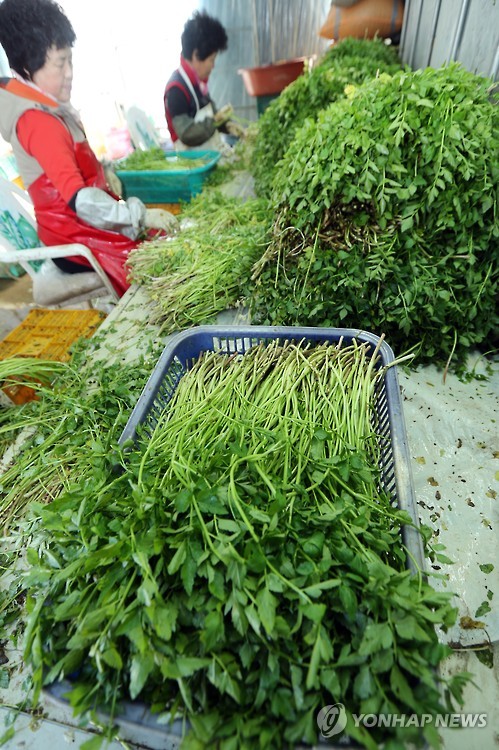
JaeyaksanA popular hiking destination linking the silver grass fields of Sajapyeong with waterfalls
1
JaeyaksanA popular hiking destination linking the silver grass fields of Sajapyeong with waterfalls -
 2
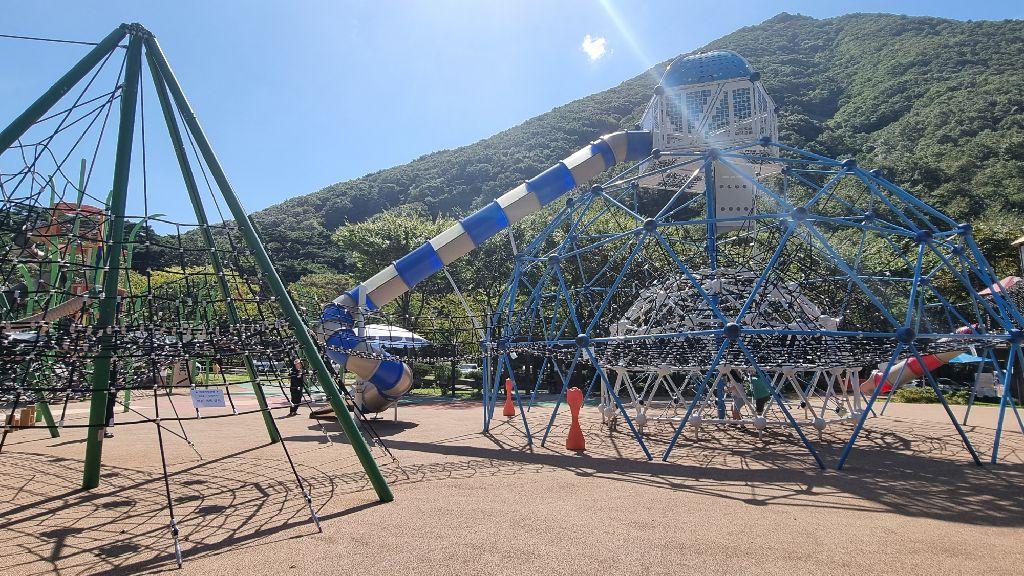
Our Children's Heart Forest PlaygroundAn experiential space where children can run and play in forest play facilities
2
Our Children's Heart Forest PlaygroundAn experiential space where children can run and play in forest play facilities -
 3
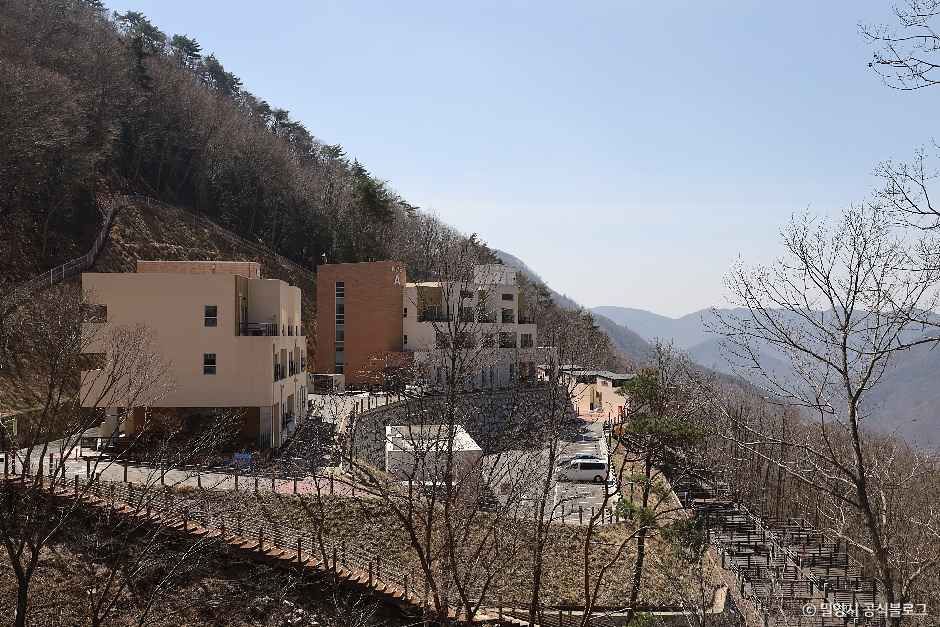
Dorejae Natural Recreation ForestA recreation forest where you can walk along forest paths and relax in nature
3
Dorejae Natural Recreation ForestA recreation forest where you can walk along forest paths and relax in nature -
 4
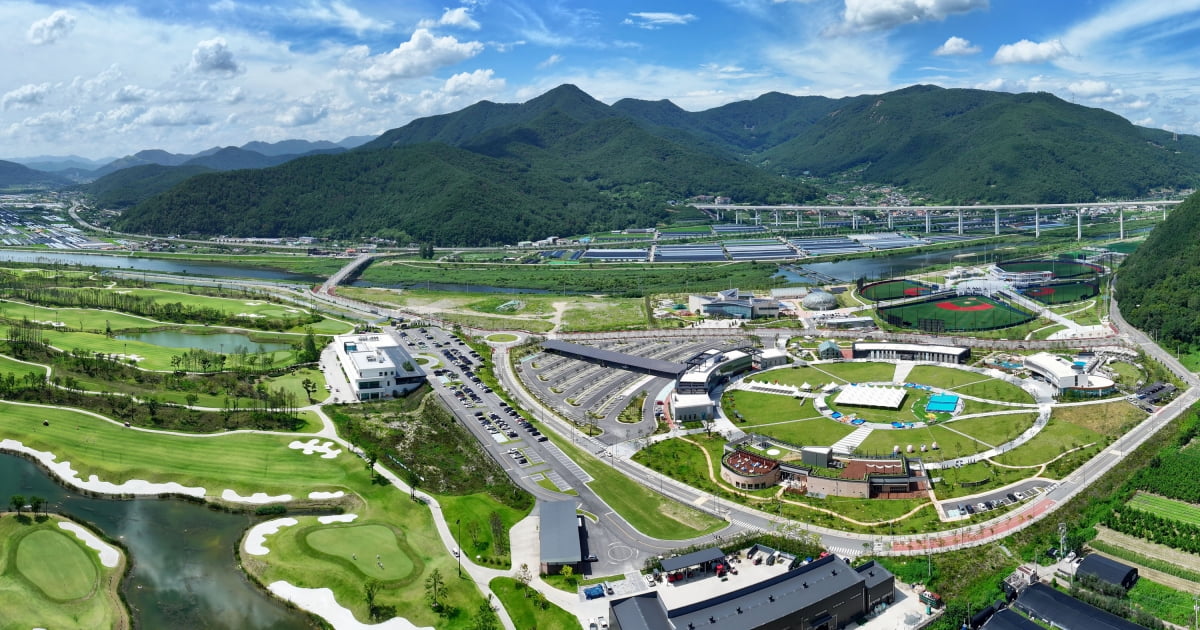
Sunshine Miryang Theme ParkA theme park where you can enjoy a variety of experiential facilities and outdoor spaces
4
Sunshine Miryang Theme ParkA theme park where you can enjoy a variety of experiential facilities and outdoor spaces -
 5
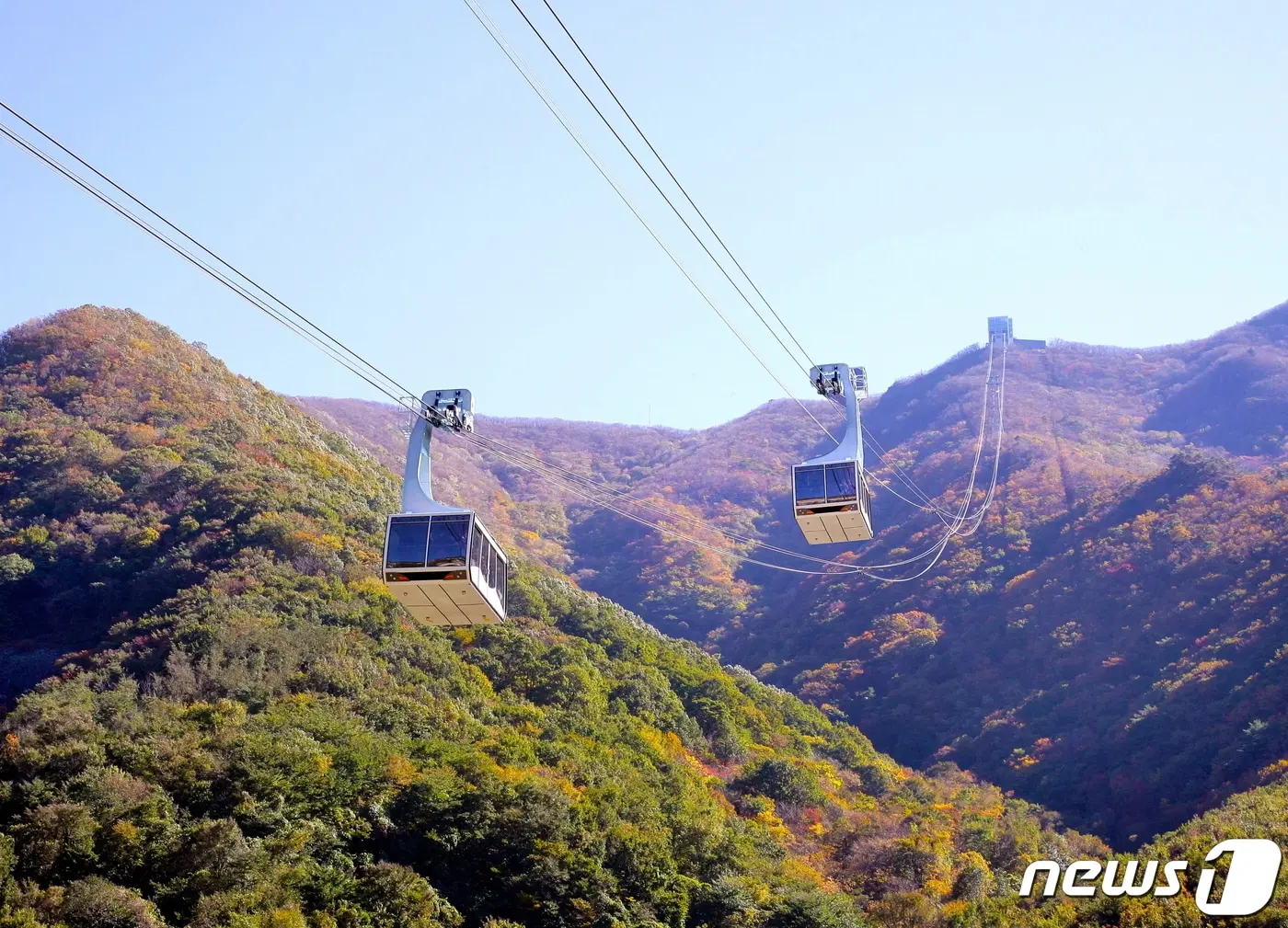
Miryang Alps Ice Valley Cable CarEnjoy the mountain scenery of the Yeongnam Alps while riding the cable car
5
Miryang Alps Ice Valley Cable CarEnjoy the mountain scenery of the Yeongnam Alps while riding the cable car
Food & Dining 2
-
 6
6
-
 7
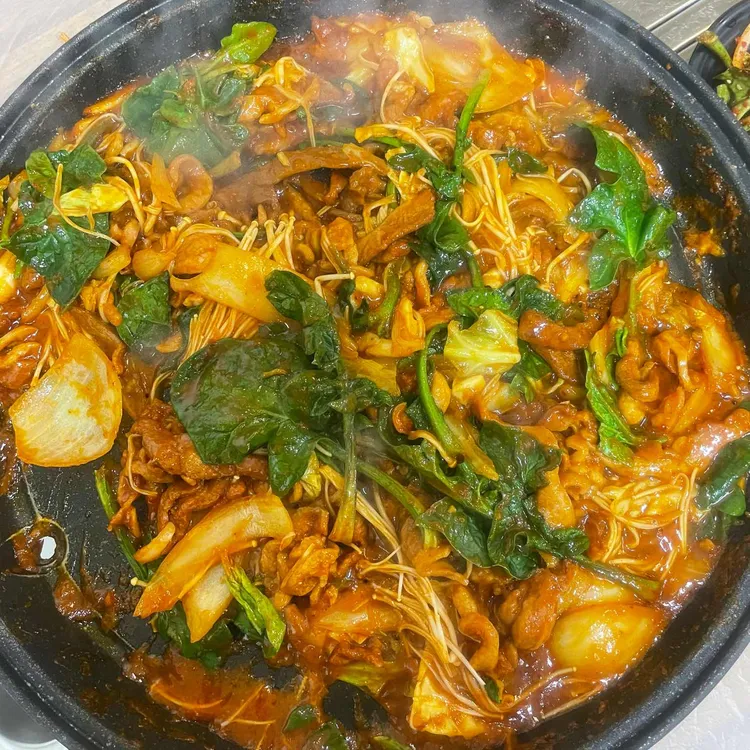
Jaeyaksan RestaurantA restaurant serving Korean food in the restaurant district of the Pyochungsa Tourist Area.
7
Jaeyaksan RestaurantA restaurant serving Korean food in the restaurant district of the Pyochungsa Tourist Area.
Events in This Area
Festivals in This Area
More Travel Guides in This Area
 Travel Guide
Between Wanjaejeong Pavilion and Five Islands: A Late-Spring Route at Wiyangji Reservoir in Miryang
 Travel Guide
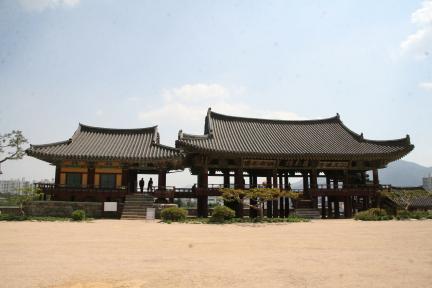
Reading the Four Pavilions of Yeongnamnu from 1844 Atop the Cliffs of the Miryang River
 Travel Guide
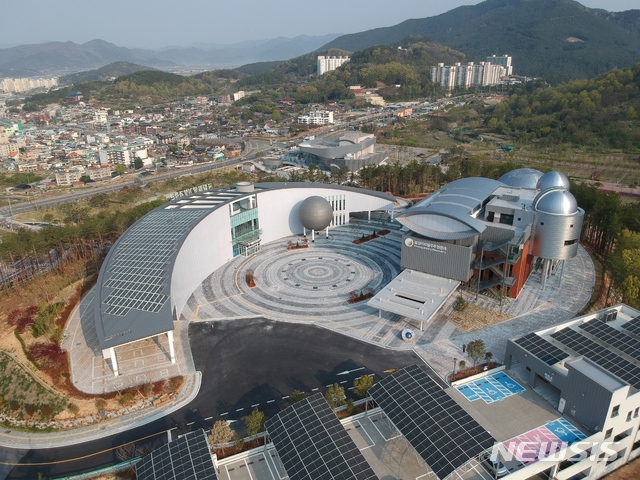
Miryang’s Four-Story Space Base Bound for the Exoplanets
 Travel Guide
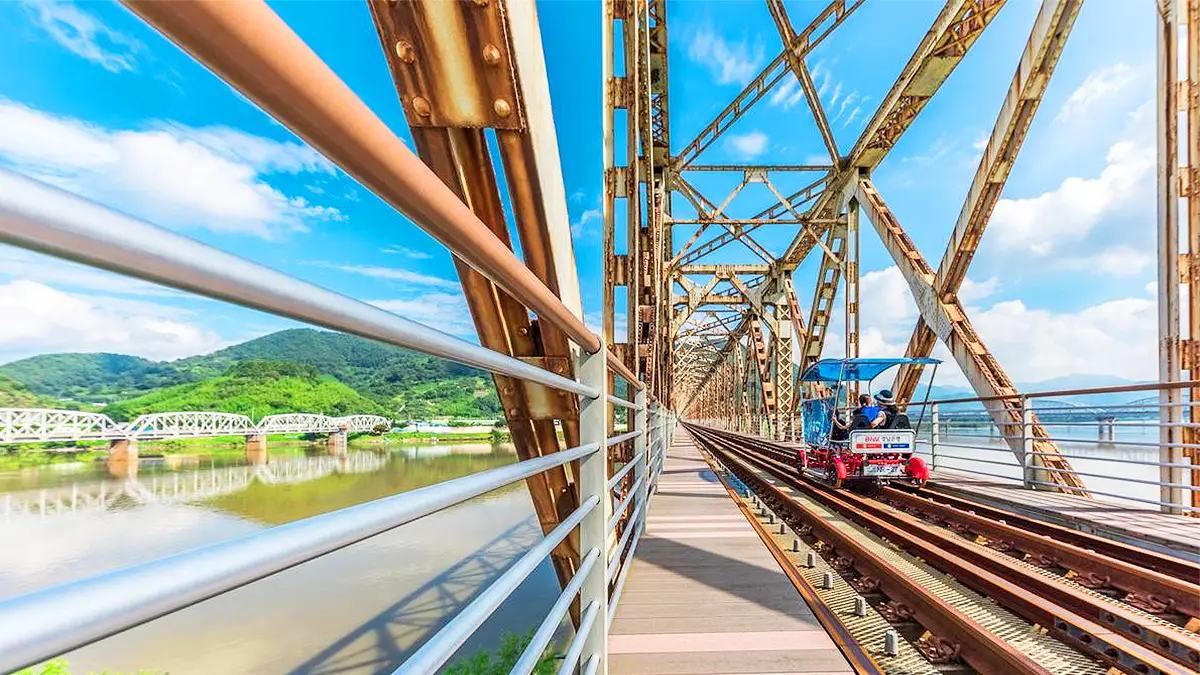
Gimhae Nakdonggang Rail Park — A Rail Bike Ride Across a Disused Gyeongjeon Line Railway Bridge and the Saengnim Tunnel Wine Cave
Korea News
 News
News
‘NewJeans Expulsion’ Danielle Releases Her First YouTube Video… “We Don’t Know What Will Happen Next”
![aespa’s North American Tour Has Remaining Seats Despite ‘$49’ Bargain Prices… A Stark Popularity Gap with KATSEYE [TEN Starfield]](https://kotourlive-images.s3.ap-northeast-1.amazonaws.com/news/1788485037424_a59b1932_naver_rank_thumb_0000774618_1788485037424.jpg) News
News
aespa’s North American Tour Has Remaining Seats Despite ‘$49’ Bargain Prices… A Stark Popularity Gap with KATSEYE [TEN Starfield]
![[Photo] TWICE’s Dahyun attends a film festival red carpet as an actress](https://kotourlive-images.s3.ap-northeast-1.amazonaws.com/news/1788485316508_edd43ecd_news_870a60a6-6f11-4d73-aa7c-48d91318a0f7.jpg) News
News
[Photo] TWICE’s Dahyun attends a film festival red carpet as an actress
![[On-Site Video] “We’re Departing Separately Together”… BIGBANG Begins ‘COSMOS’ World Tour](https://kotourlive-images.s3.ap-northeast-1.amazonaws.com/news/1788485226518_c5719641_news_fdd4764a-0f4e-4968-8e4e-e98a02872f88.jpg) News
News