From Gyeongseong Prison in 1908 to the History Hall in 1998: A Walking Route Through Seodaemun Prison History Hall
Seodaemun Prison History Hall is a Seoul modern and contemporary history site where the oppression of the independence movement during the Japanese colonial period and the history of the democratization movement after liberation overlap in one place. It is 50 meters from Exit 5 of Dongnimmun Station on Line 3, and this guide organizes a practical route to see the exhibition hall, central building, prison cells, execution site, and isolation wall over 90 to 120 minutes.
I’ve been here?
Your check-in helps the next traveler.
12 people viewed this week Be the first
One tap — no writing needed
Why Was Gyeongseong Prison Built Next to the Independence Gate on October 21, 1908?
The starting point of Seodaemun Prison was the “Gyeongseong Prison,” which opened on October 21, 1908. Built under Japan’s coercion in the late days of the Korean Empire, this prison had cells totaling 480 pyeong and about 80 pyeong of auxiliary facilities, and was planned to hold about 500 people. Since the period after the disbandment of the Korean military in 1907 saw a surge in righteous armies and anti-Japanese resistance, this place functioned not as a simple correctional facility but as a tool of repression for colonial rule.
Its name also changed with the shifts in power of the era. It became Seodaemun Prison in 1912, Seodaemun Penitentiary in 1923, Seoul Penitentiary in 1945, Seoul Prison in 1961, and Seoul Detention Center in 1967, and it ceased functioning as a prison when it was moved to Uiwang in November 1987. On August 15, 1992, Seodaemun Independence Park opened, and on November 5, 1998, the Seodaemun Prison History Hall opened.
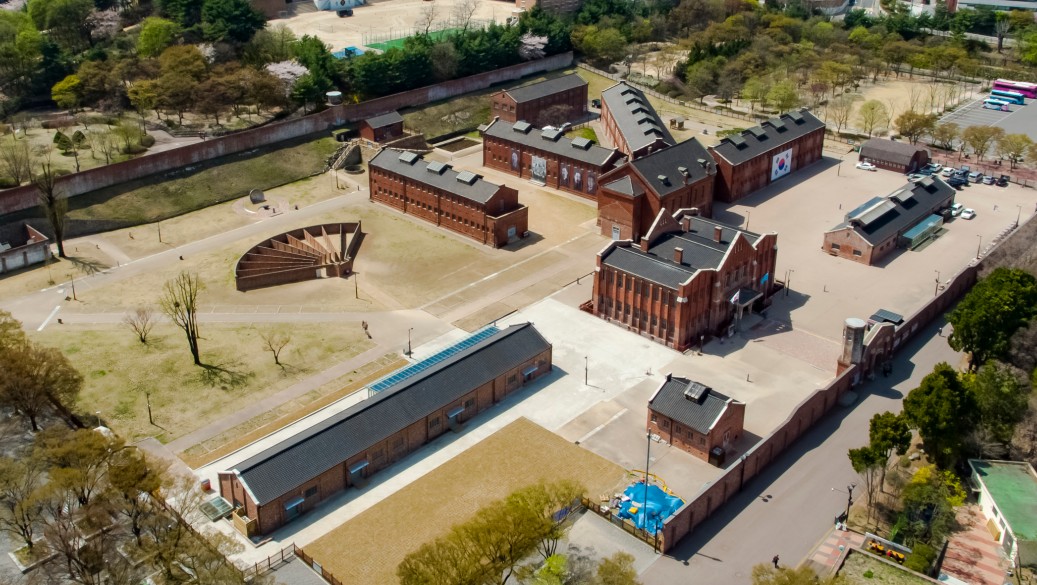
How Historic Site No. 324 Preserves 7 of the 15 Buildings
When Seoul Detention Center was relocated in 1987, there were 15 prison buildings in total. Today, 7 buildings have been preserved according to their historical value, and the 10th, 11th, and 12th cell blocks and the execution building were designated Historic Site No. 324 on February 20, 1988. Rather than a museum newly remodeled from a building, the history hall is a place where the structures of surveillance, confinement, forced labor, and execution have been left in place and exhibitions added on top.
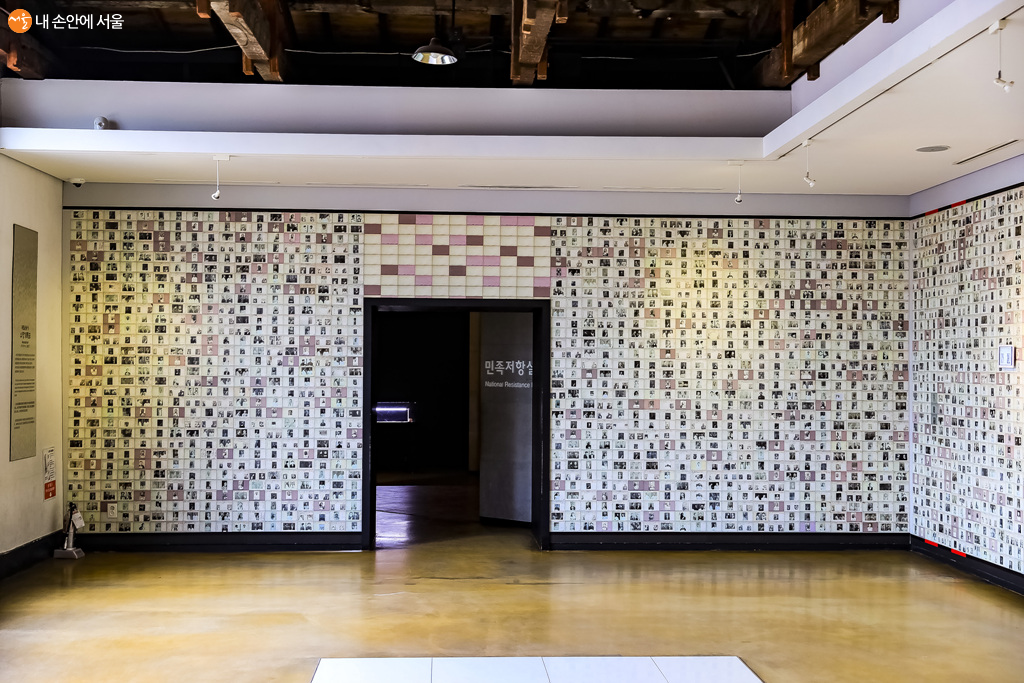
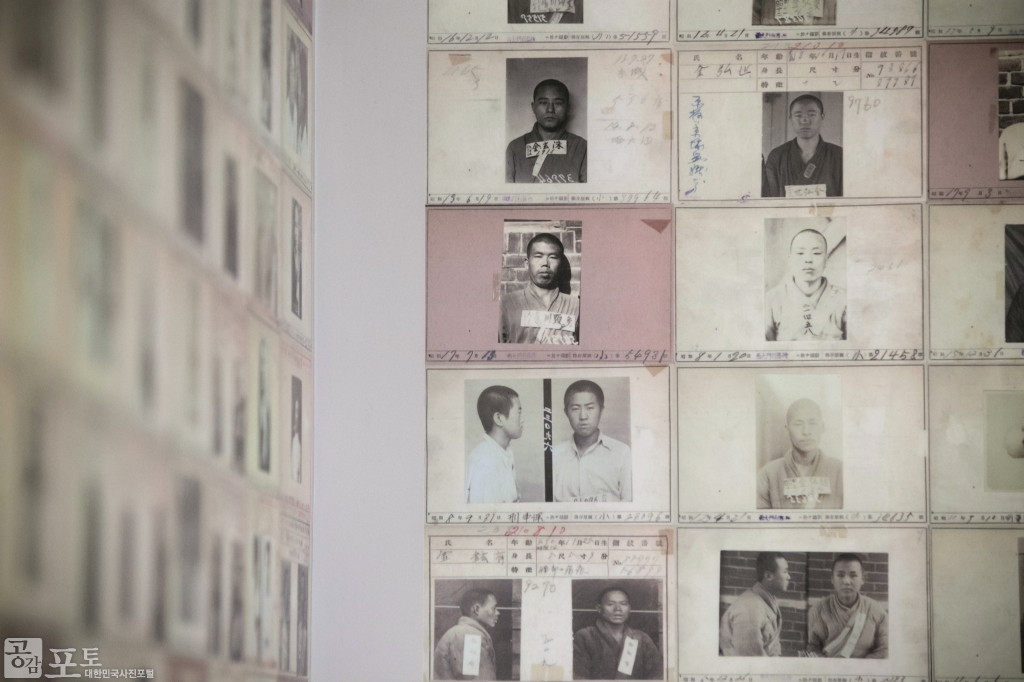
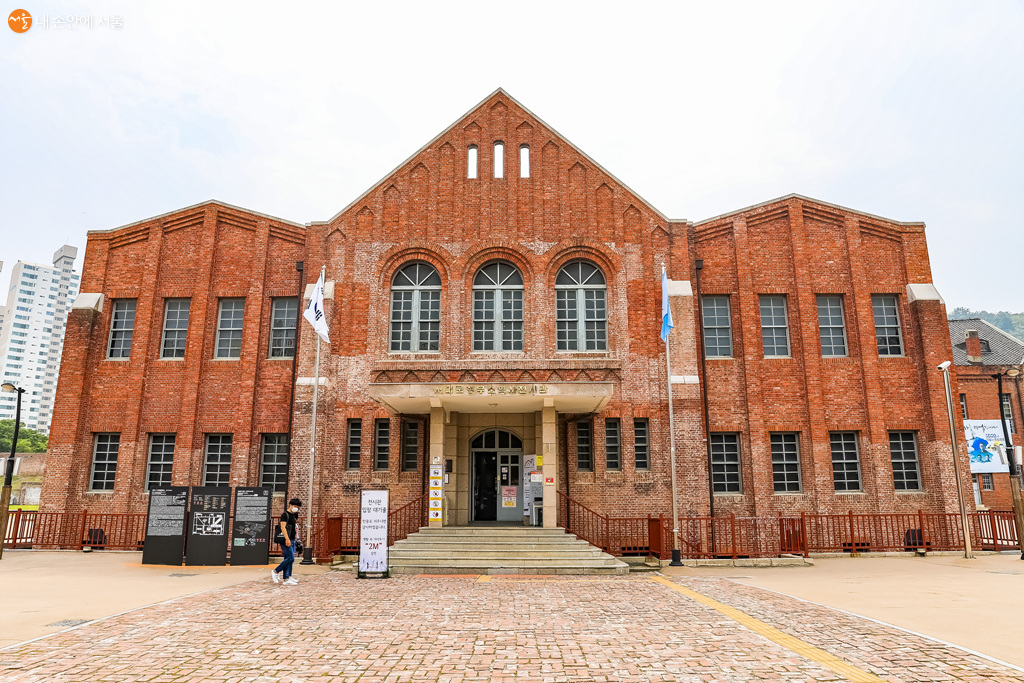
The first red-brick exhibition building you encounter is the former Security Bureau building. On the first and second floors above ground and in the basement, it houses the Prison History Hall, the National Resistance Halls I, II, and III, a video room, and an underground torture room. National Resistance Hall II on the second floor displays about 5,000 prisoner records cards of independence activists that still remain today, allowing visitors to read the scale of incarceration through names and faces.
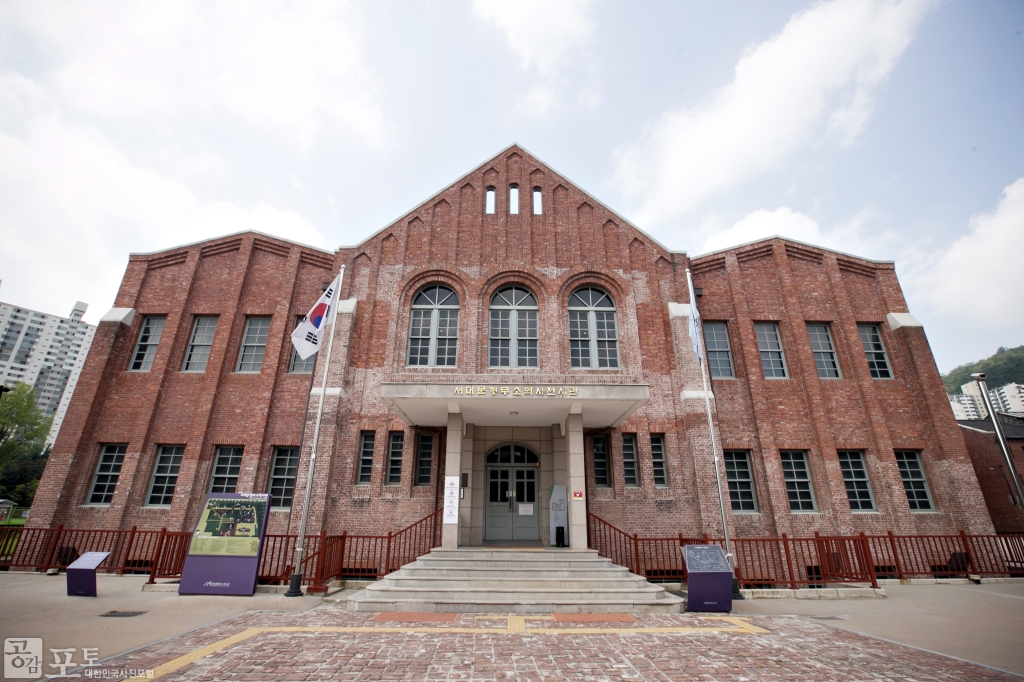
A 100-Minute Route from the Exhibition Hall Basement to the Central Hall and the 10th, 11th, and 12th Cell Blocks
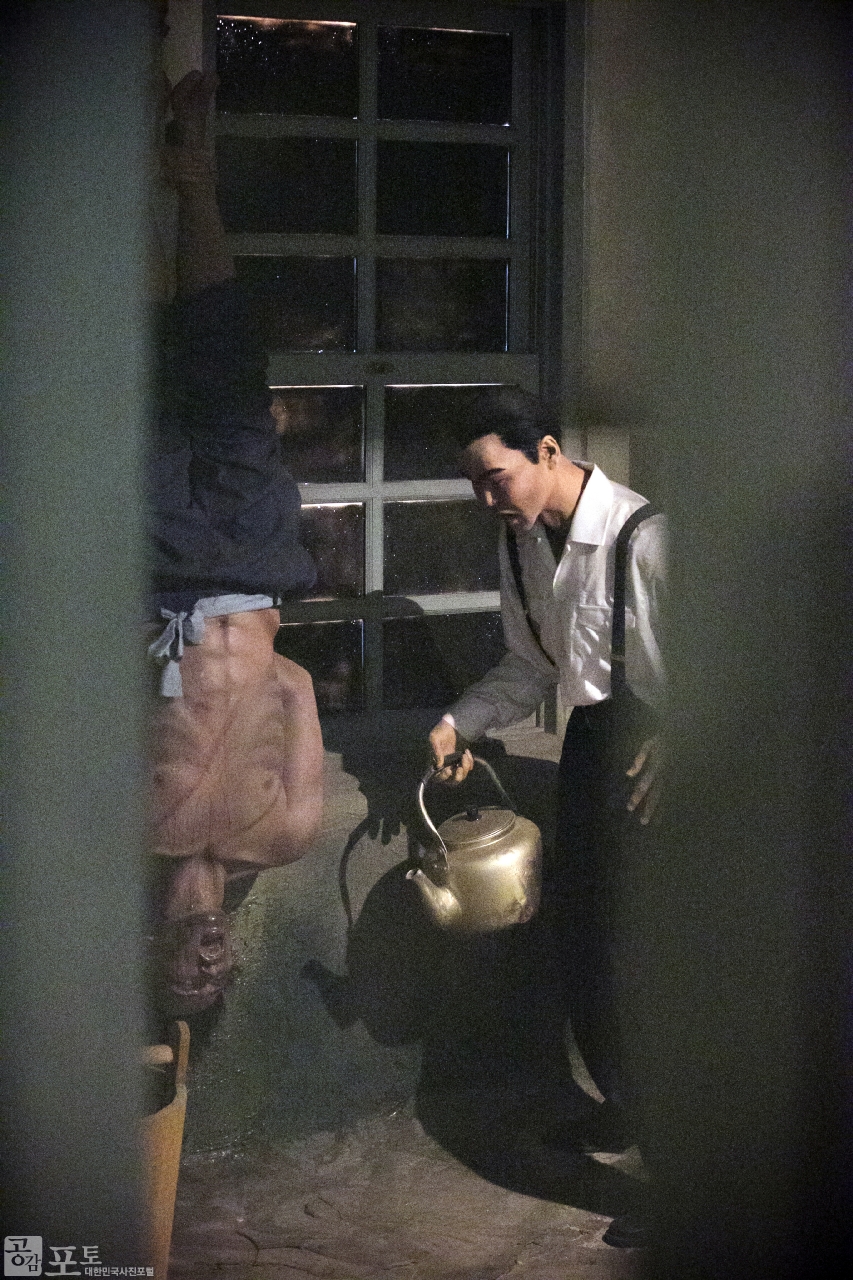
If this is your first visit, it is easiest to understand the sequence by starting with the Prison History Hall and video room on the first floor of the exhibition building, then moving through National Resistance Halls I, II, and III on the second floor before descending to the underground torture room. The underground torture room is a space that exhibits the reality of torture carried out during the Japanese colonial period and presents recorded testimony from surviving independence activists. Because the recreated scenes are heavy, it is better to explain them in advance if you are visiting with children.
After leaving the exhibition building, see the 10th, 11th, and 12th cell blocks with the Central Hall as your reference point. The Central Hall is a surveillance and control building built in the 1920s, and the three cell blocks are connected to it. The 10th, 11th, and 12th cell blocks were newly built as a two-story structure in February 1922 after the number of prisoners surged following the March 1 Movement in 1919, and their fan-shaped arrangement made them easy to manage from the central guard post.
- Exhibition hall: the section where you first read the prison’s history and materials on the independence and democratization movements
- Central Hall and the 10th, 11th, and 12th cell blocks: the section where you see the surveillance structure and the actual cells
- Execution building, gibun gate, and partition wall yard: the section where you check the traces of control and execution outdoors
What the 1923 Execution Building and the Secret Removal Passage Reveal
The execution building preserves the original form of the structure built in 1923. Independence activists and democratization activists were executed here, and the gibun gate behind the execution building was a passage dug by the Japanese Empire to secretly remove bodies outside in order to hide the fact of the executions. Rather than viewing only the execution building, if you continue on to the gibun gate as well, you can see that concealment after execution was also part of the spatial design.
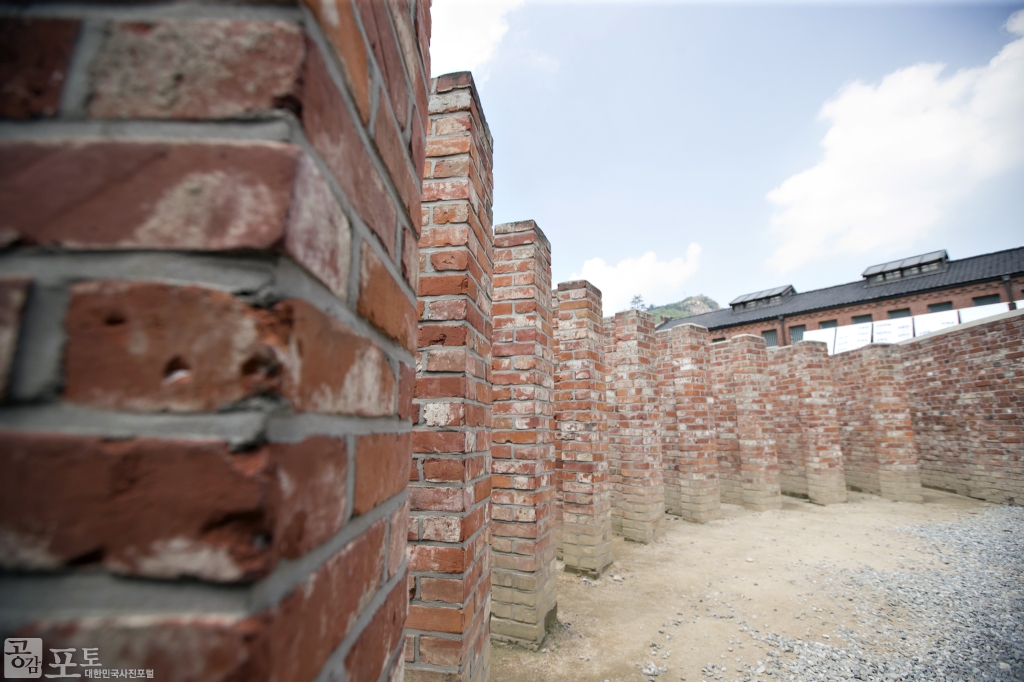
The partition wall yard was a facility where prisoners were forced to exercise separately, with brick partitions preventing them from speaking to one another. When moving between the cell blocks and the execution building, the route includes brick floors and outdoor paths, so shoes with a low heel and a firm grip are comfortable. Inside the history hall grounds, bringing in food, pets other than service dogs, bicycles and kickboards, and flash or tripod photography is prohibited.
The Women’s Cell Block Around 1918 and the 2025–2030 Permanent Exhibition
The women’s cell block was built around 1918 to imprison women independence activists, and it was used until 1979 even after liberation. Today, the history hall presents the history of female prisoners in a separate space, expanding the story of the women’s cell block beyond a single-person narrative centered on Yu Gwan-sun and instead showing the context of prison life and anti-Japanese activities of multiple women independence activists.
As of August 2026, on the basement level 1 of the Security Bureau building, the permanent exhibition “Prison Life of Women Independence Activists” runs from August 15, 2025, to January 1, 2030. The “Liberation, Glory, and What Remains ...” exhibition in the rest area and glass annex runs from January 13, 2024, to December 31, 2027. Viewing the current exhibits inside the exhibition hall together with the outdoor cell blocks allows you to read the time of the prison facility that continued even after independence as a distinct historical period.
50 Meters from Exit 5 of Dongnimmun Station, and How to Get Off for Buses and Airport Bus 6005
By subway, use Exit 5 of Dongnimmun Station on Line 3. According to the official guide, the history hall is within 50 meters from the exit, and when you come out toward Independence Park, the red-brick exhibition building and the wall are directly connected. Line 1 riders transfer at Jongno 3-ga Station, Line 2 riders at Euljiro 3-ga Station, Line 4 riders at Chungmuro Station, and Line 5 riders transfer to Line 3 at Jongno 3-ga Station to reach Dongnimmun Station.
For buses, get off at the central median stop “Dongnimmun Station Hansa University of Science and Technology.” Trunk buses 701, 702A, 702B, 703, 704, 705, 706, 707, 708, 709, 720, 741, and 752, branch buses 7019, 7021, and 7025, local buses 790 and 799, wide-area buses 9709 and 9710, village bus Seodaemun 11, and airport bus 6005 all stop there. Travelers arriving on international flights can also take the airport bus, get off at the Dongnimmun Station stop, and head toward Exit 5.
- Subway: Line 3, Dongnimmun Station Exit 5, within 50 meters of the history hall
- Bus: Get off at the Dongnimmun Station Hansa University of Science and Technology central median stop
- Airport bus: Use bus 6005 and get off at the Dongnimmun Station stop
Why 09:30 Admission, Sunday 1 PM Docent Tours, and Public Transit Are Better Than Parking
Operating hours are 09:30 to 18:00 from March to October, and 09:30 to 17:00 from November to February; admission closes 30 minutes before closing time. It is closed every Monday, on January 1, and on the days of Seollal and Chuseok. If Monday is a public holiday, it closes the following day. The admission fee for adults ages 19 to 64 is 3,000 won, for youth ages 13 to 18 is 1,500 won, and for children ages 7 to 12 is 1,000 won; groups of 20 or more pay 2,400 won, 1,200 won, and 800 won respectively. The main phone number is 02-360-8590, and the official website is https://sphh.sscmc.or.kr/.
Free docent tours are offered in four languages: Korean, English, Chinese, and Japanese, and are available for groups of 20 or fewer. Reservations can be made on a first-come, first-served basis starting 14 days before the desired date, and every Sunday there are also regular no-reservation guided tours at 13:00, 13:30, and 14:00 in front of the exhibition hall entrance. Visitors with hearing impairments can leave an ID at the information desk to borrow a sign-language interpretation system, or view sign-language videos via QR codes on the exhibition panels.
For vehicles, use the Seodaemun Independence Park curbside parking lot or the underground parking lot of Dongnimmun Cultural Park. The curbside lot charges 300 won per 10 minutes for passenger cars and 900 won per 10 minutes for large vehicles of 15 seats or more, while the underground lot charges 200 won per 5 minutes for passenger cars and has a height limit of 2.3 meters. Both parking lots are card only and may be full, so considering that Dongnimmun Station is only 50 meters away, the subway is the simplest choice.
Before You Go
- Address
- Seodaemun Prison History Hall, 251 Tongil-ro, Seodaemun-gu, Seoul
- Hours
- Mar-Oct 09:30-18:00 / Nov-Feb 09:30-17:00, admission closes 30 minutes before closing
- Closed
- Every Monday, January 1, Seollal and Chuseok; if Monday is a public holiday, closed the next day
- Admission
- Adults 3,000 won / Youth 1,500 won / Children 1,000 won / Groups of 20+ Adults 2,400 won, Youth 1,200 won, Children 800 won
- Phone
- 02-360-8590
- Official site
- https://sphh.sscmc.or.kr/
- Transport
- Within 50 meters from Exit 5 of Dongnimmun Station on Line 3. Dongnimmun Station Hansa University of Science and Technology central median stop: 701, 702A, 702B, 703, 704, 705, 706, 707, 708, 709, 720, 741, 752, 7019, 7021, 7025, 790, 799, 9709, 9710, Seodaemun 11, airport bus 6005.
- Parking
- Seodaemun Independence Park curbside lot: passenger cars 300 won per 10 minutes, large vehicles of 15 seats or more 900 won per 10 minutes / Dongnimmun Cultural Park underground lot: passenger cars 200 won per 5 minutes, height limit 2.3 m. Card only.
- Time needed
- Recommended 90-120 minutes (based on the exhibition hall, Central Hall, 10th-12th cell blocks, execution building, gibun gate, and partition wall yard)
- Accessibility
- Sign-language interpretation system rental and QR sign-language videos provided, public Wi-Fi zones operated. Docent tours are available in four languages: Korean, English, Chinese, and Japanese.
The information above is current as of the time of writing. Please check the official guidance again before visiting.

Places
Nearby Attractions 5
-
 1
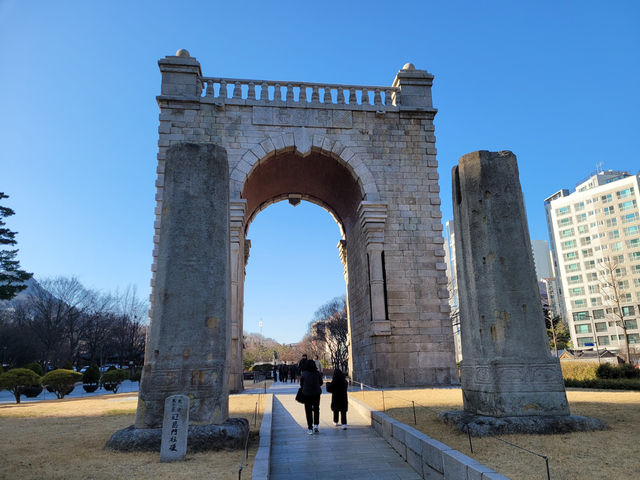
Dongnimmun Gate (Independence Gate)A symbol of the independence movement seen together with the Seodaemun Prison History Hall.
1
Dongnimmun Gate (Independence Gate)A symbol of the independence movement seen together with the Seodaemun Prison History Hall. -
 2
2
-
 3
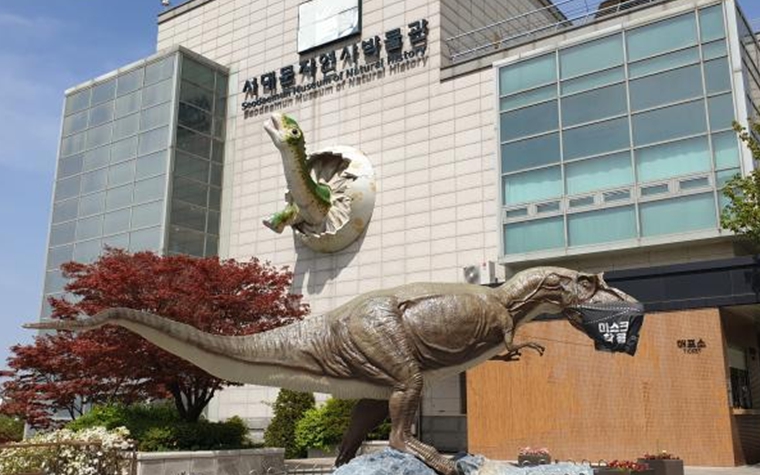
Seodaemun Natural History MuseumA family-friendly museum where you can view natural history exhibitions.
3
Seodaemun Natural History MuseumA family-friendly museum where you can view natural history exhibitions. -
 4
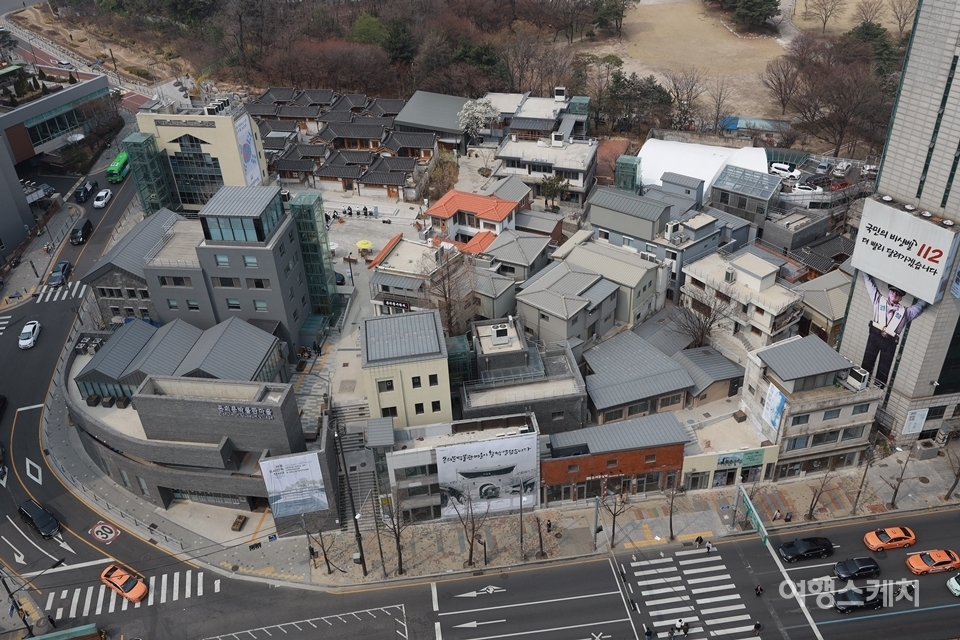
Donuimun Museum VillageA place to experience the alleys of modern and contemporary Seoul and old houses.
4
Donuimun Museum VillageA place to experience the alleys of modern and contemporary Seoul and old houses. -
 5
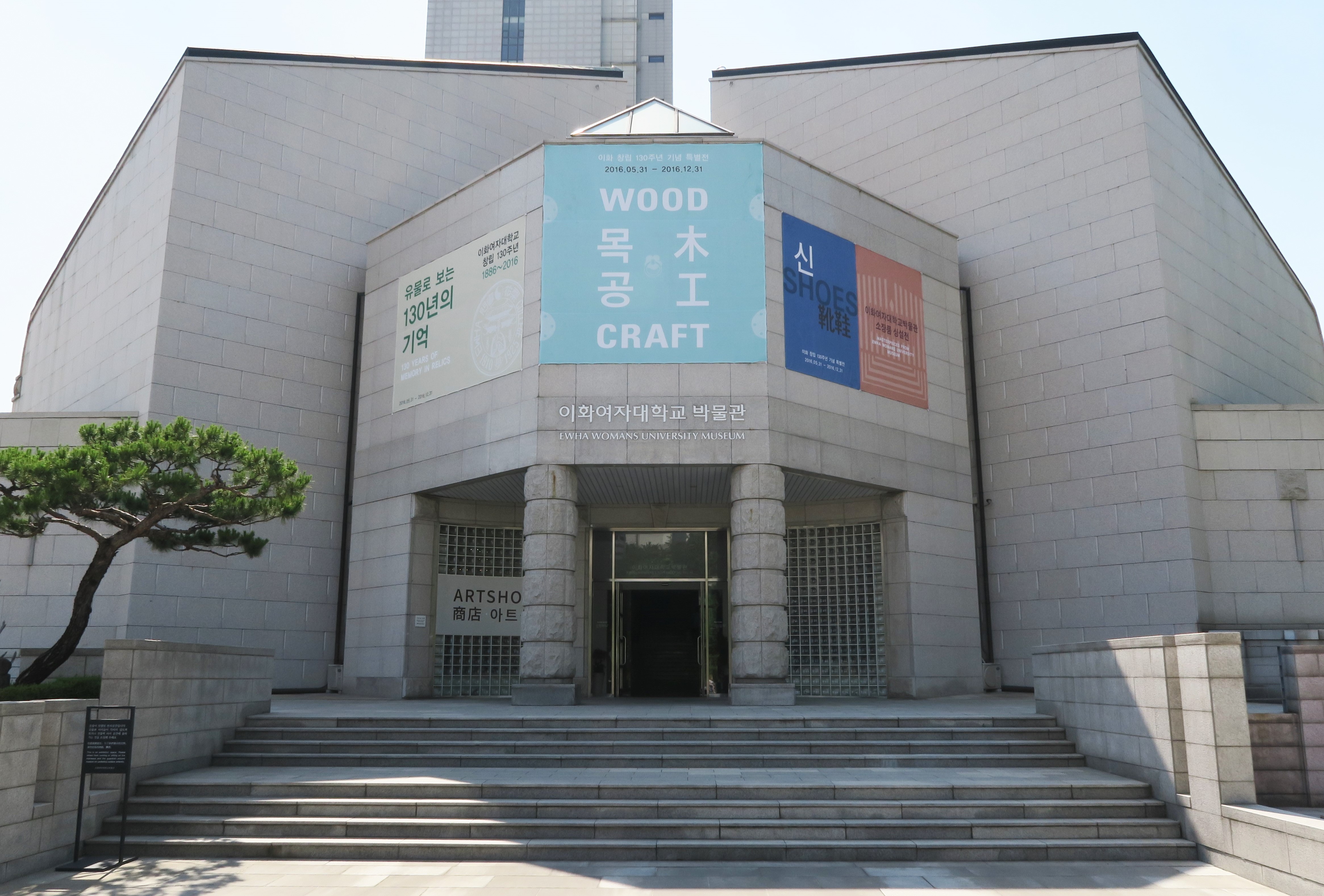
Ewha Womans University MuseumA history and culture exhibition space within Ewha Womans University’s campus.
5
Ewha Womans University MuseumA history and culture exhibition space within Ewha Womans University’s campus.
Events in This Area

Festivals in This Area

More Travel Guides in This Area
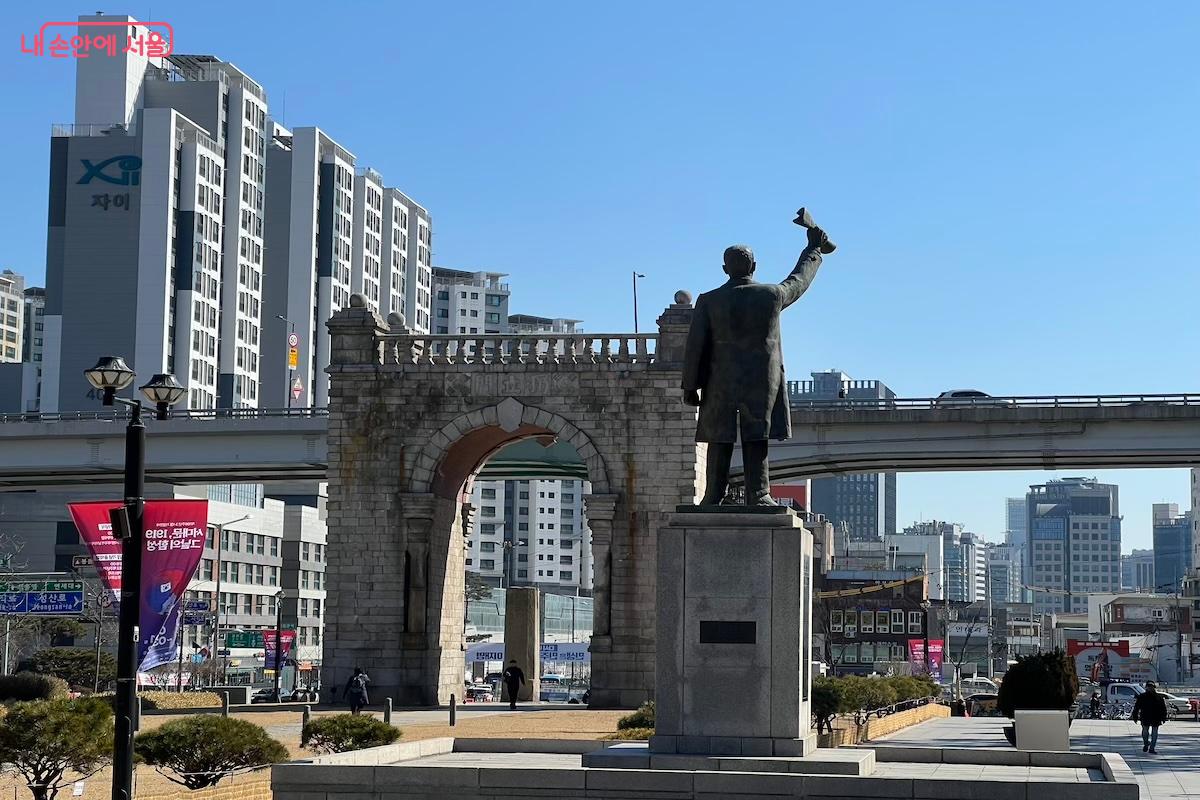 Travel Guide
From Independence Gate to Sigumun Gate: The Two-Layered History of Seodaemun Independence Park
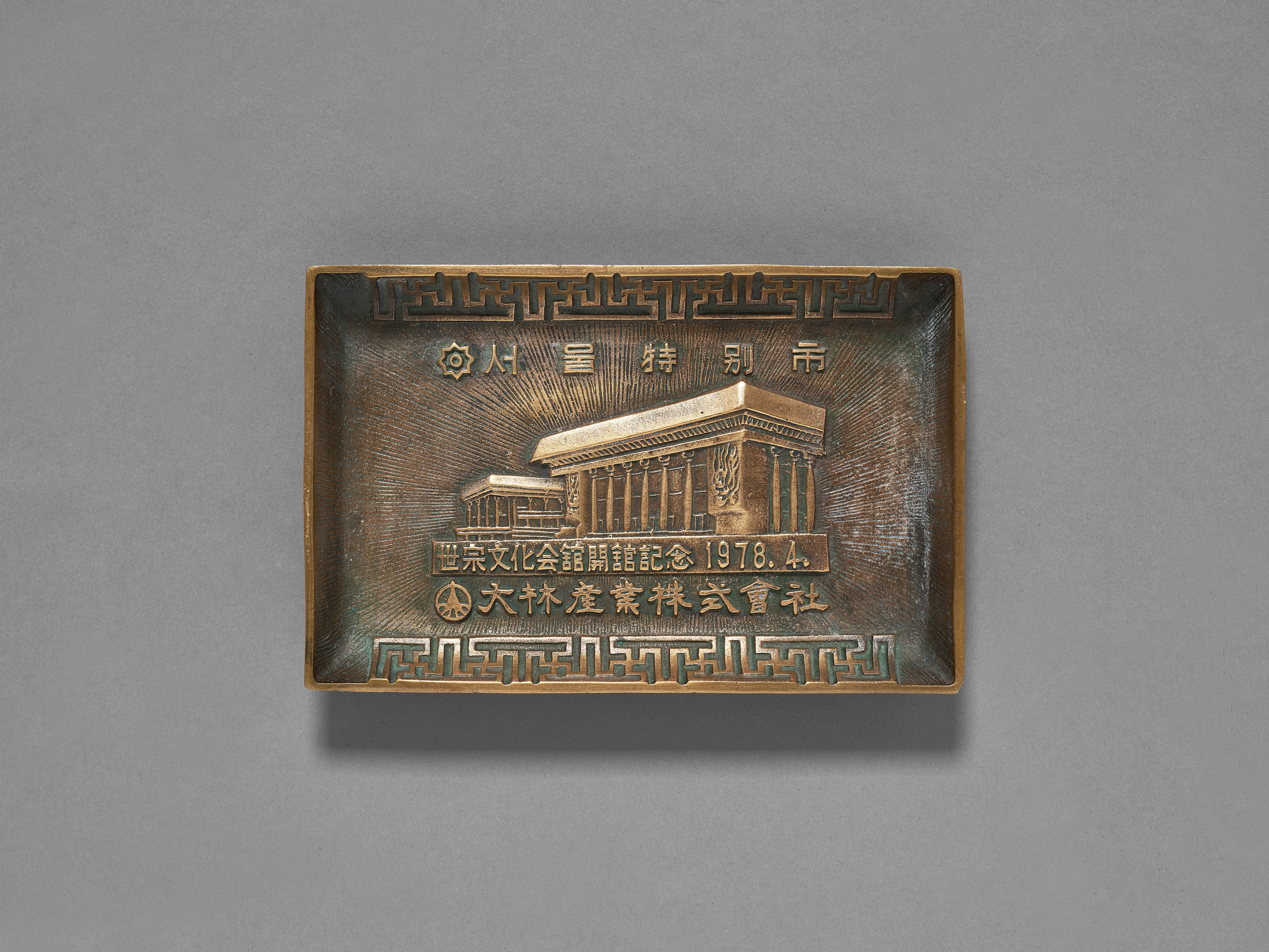 Travel Guide
Beside Gwanghwamun Square: Sejong Center, Seoul’s 1978 Performing Arts Venue
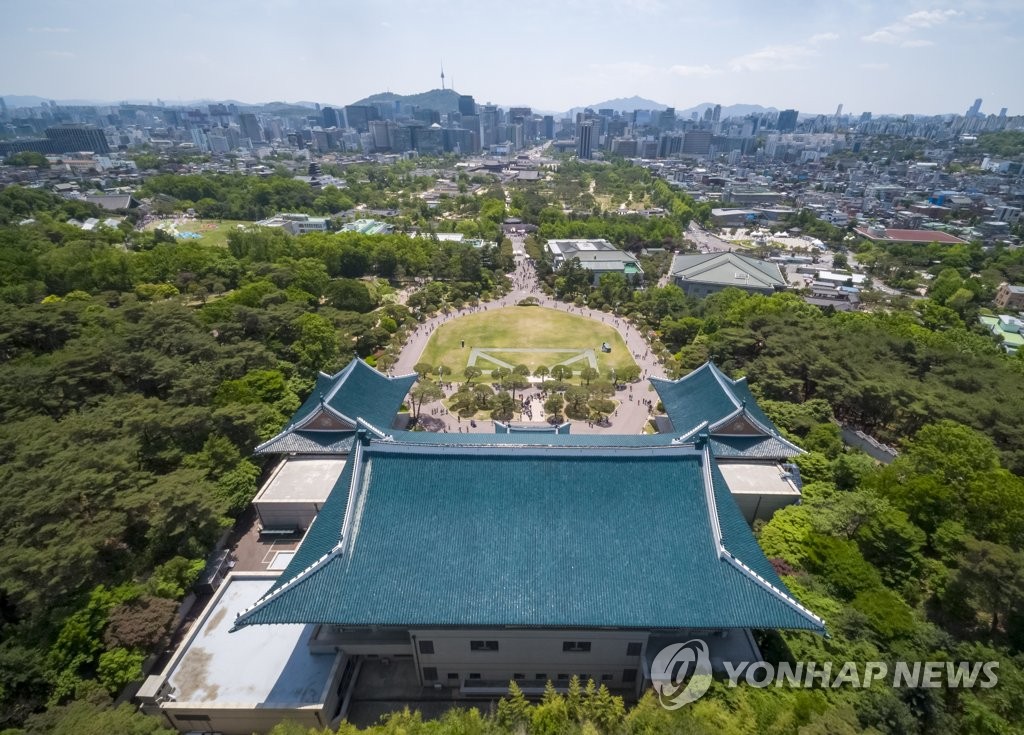 Travel Guide
How to Walk Through 74 Years of Power Beneath Bukaksan Mountain: A Visit to the Blue House
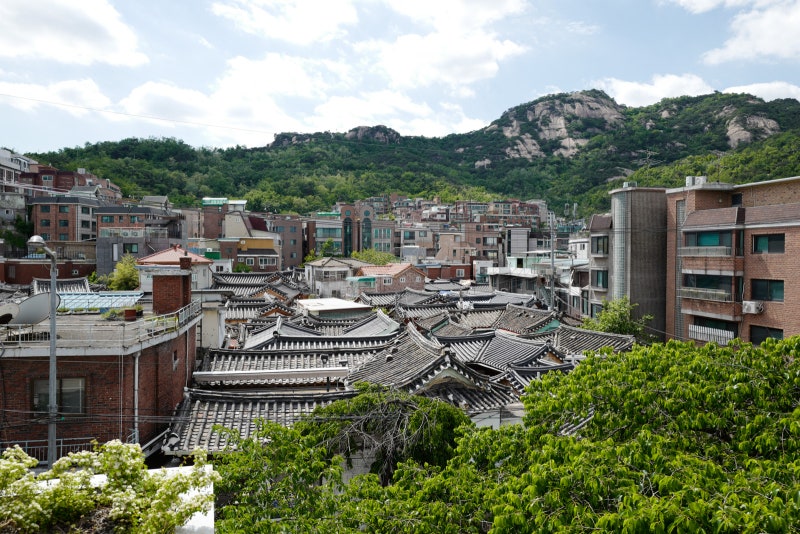 Travel Guide
From 24 Jahamun-ro 9-gil to Suseong-dong Valley — 2.5 km Through Seochon's Jungin Village
Korea News
 News
News
"Overcoming the Getty curse" Jang Wonyoung, with unreal proportions and beauty straight out of a Barbie doll
 News
News
A2O LITE Tops Melon TOP100 Just 29 Hours After Debut, Setting the Fastest Record for a Debut Song
![Billlie's Tsuki 'Makes an Entrance Showing Off Her Beautiful Figure' [MK Photo]](https://kotourlive-images.s3.ap-northeast-1.amazonaws.com/news/1792027947835_957f0cb8_news_5c0023c5-e9a0-4640-9154-cb0b69d810c4.jpg) News
News
Billlie's Tsuki 'Makes an Entrance Showing Off Her Beautiful Figure' [MK Photo]
![ENHYPEN ‘Fighting for the Macau performance too!’ [★Video]](https://kotourlive-images.s3.ap-northeast-1.amazonaws.com/news/1792027887815_5057637d_news_8041e5cd-8b22-4193-bb46-880c65d944f7.jpg) News
News