From Independence Gate to Sigumun Gate: The Two-Layered History of Seodaemun Independence Park
Seodaemun Independence Park is a historical park where two memories share one route: the pursuit of national sovereignty symbolized by Independence Gate during the Korean Empire in 1897, and the anti-Japanese resistance and democratization remembered at Seodaemun Prison from 1908 onward. The park itself is free to enter, and combining the paid Seodaemun Prison History Hall with the free National Museum of the Korean Provisional Government makes for a half-day historical excursion.

I’ve been here?
Your check-in helps the next traveler.
15 people viewed this week Be the first
One tap — no writing needed
Why the Independence Gate Stood on the Site of Yeongeunmun in 1897
The starting point of Seodaemun Independence Park is Historic Site No. 32, the Independence Gate. The gate was built near the site where Yeongeunmun, the gate used to receive Chinese envoys, had been demolished to express the determination for self-reliance and independence after the Gabo Reform. Seo Jae-pil proposed its construction after organizing the Independence Club, and it was completed on November 20, 1897, following the cornerstone-laying ceremony on November 21, 1896.
The Independence Gate is 14.28 m high and 11.48 m wide, and was designated Historic Site No. 32 on January 21, 1963. The two Yeongeunmun pillars directly in front are traces of the ceremonial space once used for tributary diplomacy. Rather than ending this section with “a single photo of the Independence Gate,” it is easier to understand the change in symbolism by starting at the Yeongeunmun pillars and then looking toward the gate.
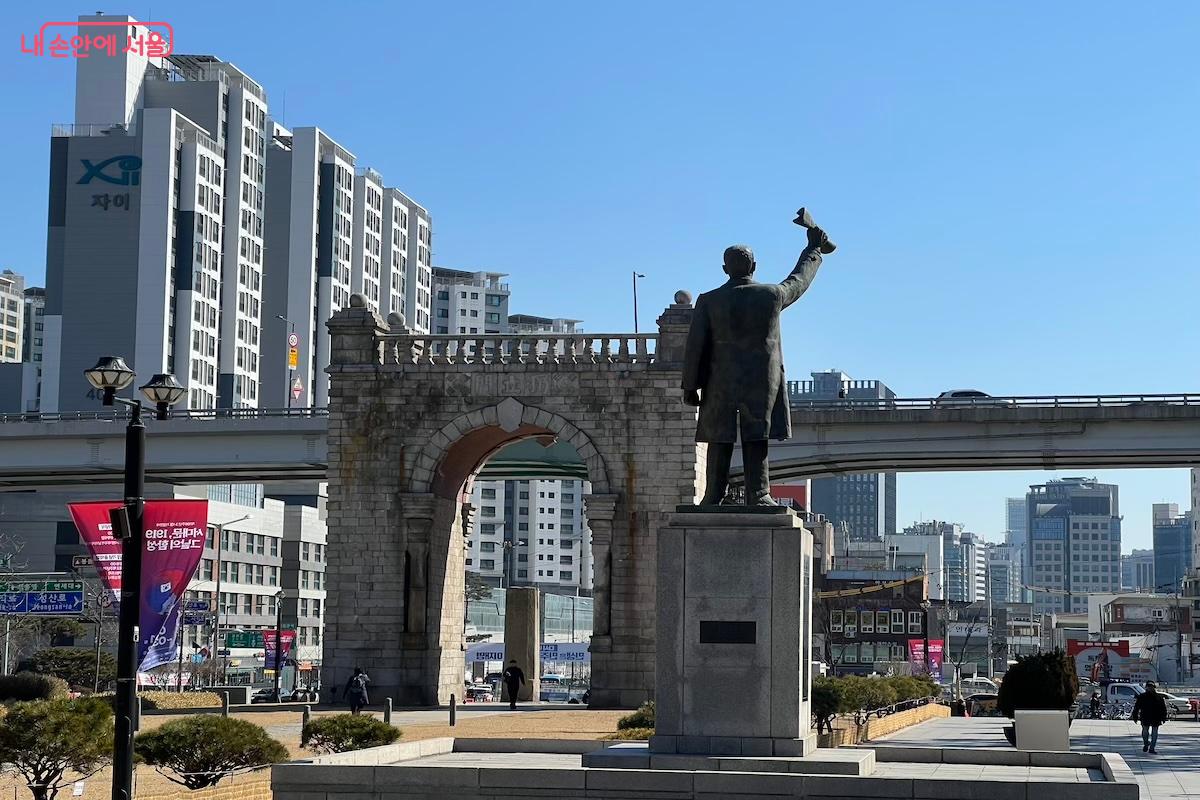
A 113,022-square-meter memorial space that opened on August 15, 1992
The park's official name is Independence Neighborhood Park, but Seodaemun Independence Park or Independence Park is more widely used on-site and in visitor information. According to Seoul Metropolitan Government data, the park covers 113,022 square meters and opened on August 15, 1992. The park was created while preserving the historic spaces left behind after Seoul Detention Center was relocated to Uiwang, Gyeonggi-do, in 1987, including prison buildings, walls, and watchtowers.
A redevelopment project began in 2007, and the park reopened on October 28, 2009. During the process, the Independence Gate, Independence Hall, the Memorial Tower for the Patriotic Martyrs, and Seodaemun Prison History Hall were connected, aging facilities were improved, and the Independence Gate, whose access had previously been restricted, was opened to the public. Rather than simply passing quickly through the lawn plaza, keeping in mind that the monuments and prison-building area have different characteristics makes the route easier to understand.
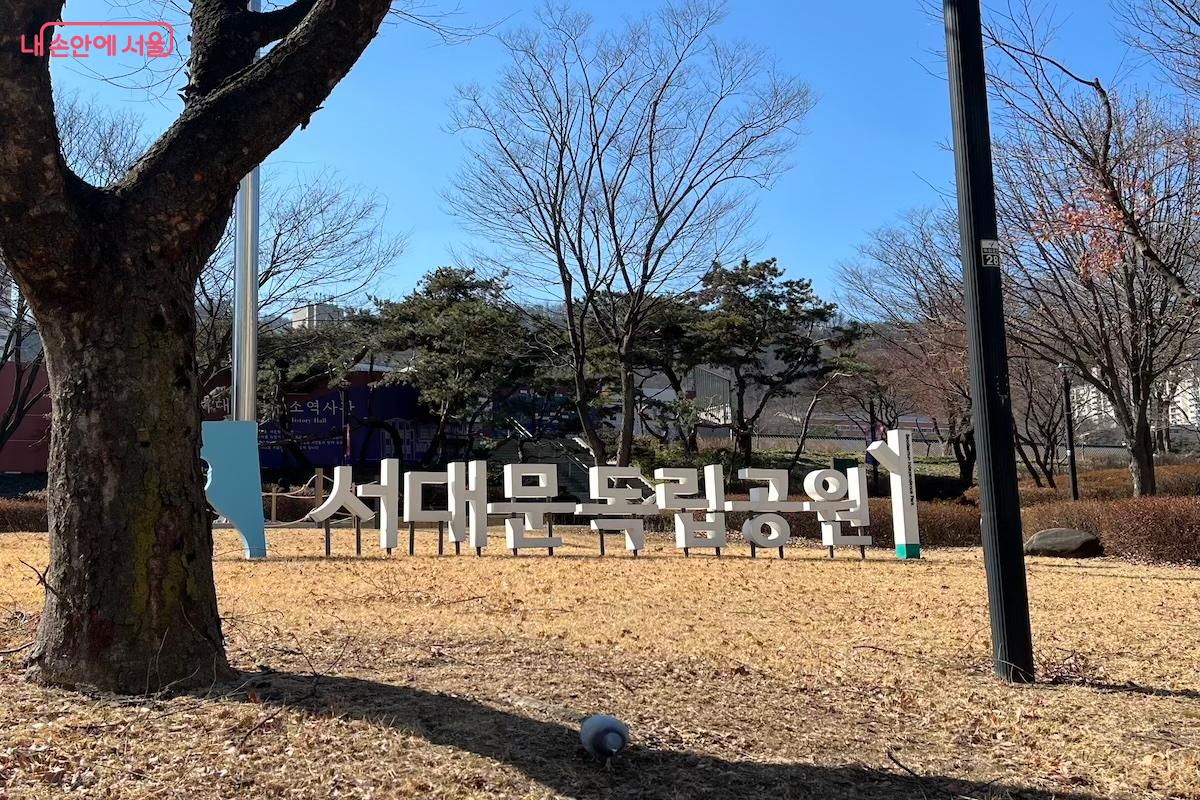
A 90-minute route from Independence Hall and the March 1st Independence Declaration Memorial Tower to the prison walls
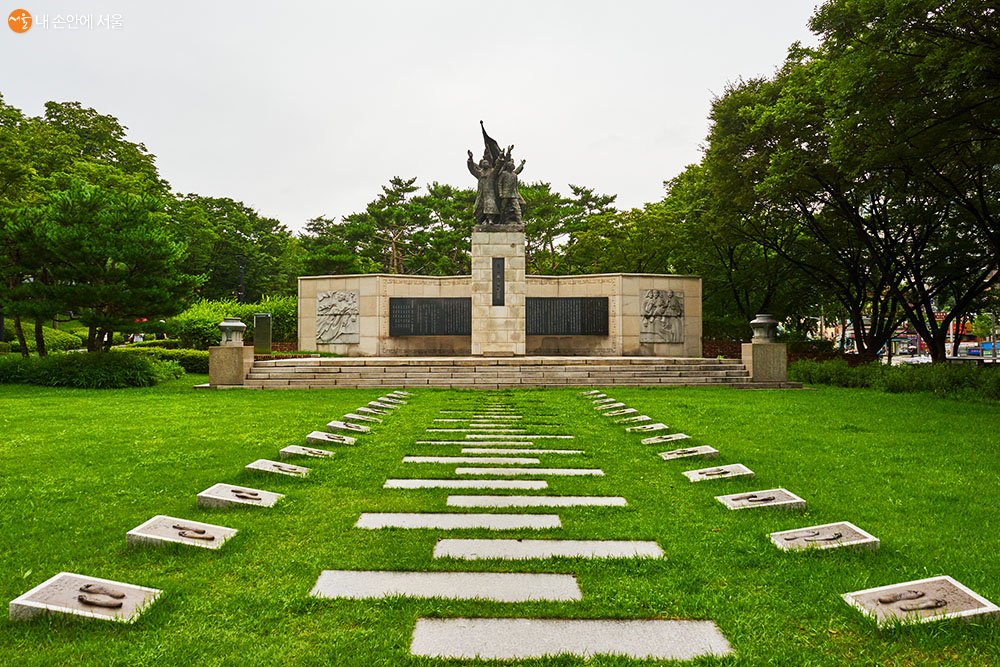
For first-time visitors, an easy-to-follow route is to see the Independence Gate and the Yeongeunmun pillars from the Independence Gate Station side, then pass Independence Hall, the statue of Seo Jae-pil, and the March 1st Independence Declaration Memorial Tower before entering Seodaemun Prison History Hall. Independence Hall is a facility that carries on the historical significance of the space formerly known as Mohwagwan, which was renamed in 1897. Today, it is used for paying respects to patriotic martyrs and as an exhibition space.
The March 1st Independence Declaration Memorial Tower was erected in 1963 with donations from the public. Walking around the park alone takes approximately 40–60 minutes, while adding the recommended viewing route at the Prison History Hall takes about 60 additional minutes. The Independence Gate and memorial area are outdoors and free, but a separate ticket is required to visit the interior of the history hall, so allowing 90–150 minutes is appropriate.
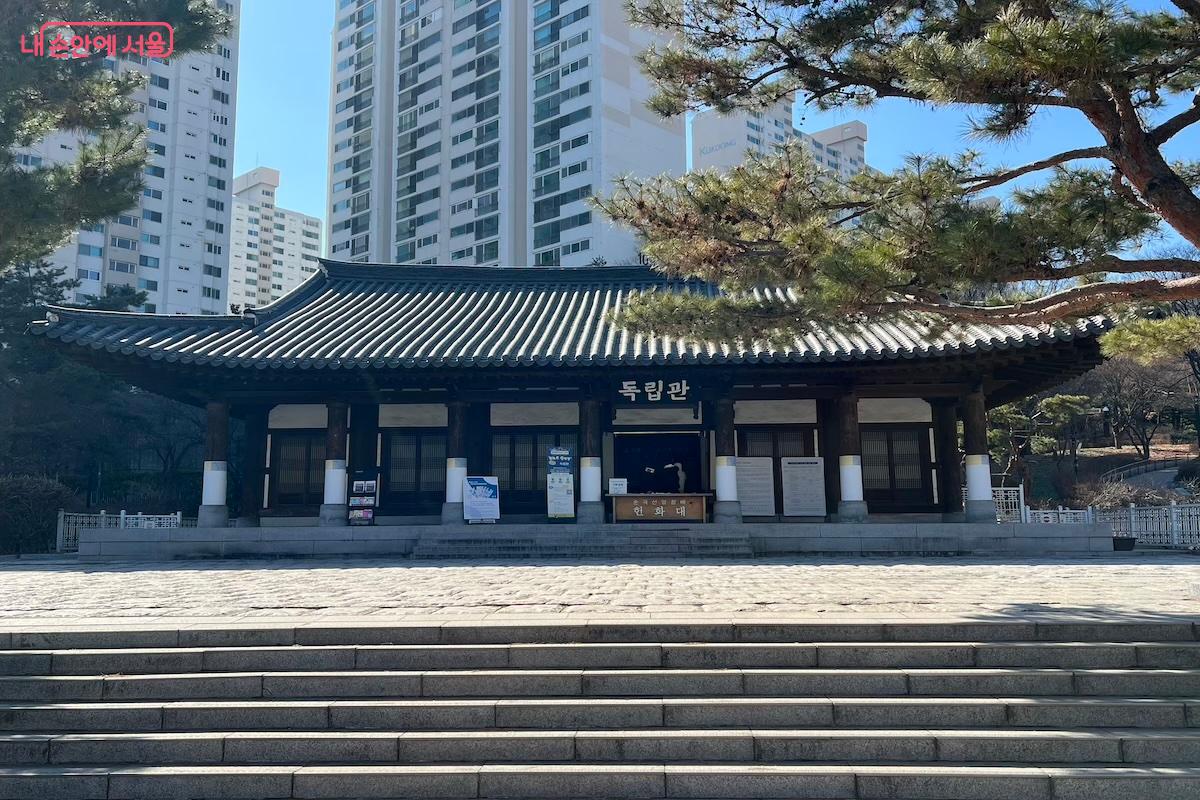
The passage of time from Gyeongseong Prison in 1908 to the history hall in 1998
Seodaemun Prison History Hall preserves the prison buildings and execution site of the correctional facility that operated from 1908 to 1987. During the Japanese colonial period, it was known as Gyeongseong Prison and held many independence activists. Even after liberation, it was a place where people connected with the democratization movement who resisted state power were imprisoned. The history hall opened on November 5, 1998.
The viewing area includes the Security and Administration Building exhibition hall, several prison buildings, the women's prison, the execution site, a watchtower, and the secret passage. Because the secret passage was used to move bodies from beside the execution site, it is more appropriate to take time to read the exhibition explanations than to focus on casual photography. Visitors with children should also consider in advance that the exhibitions include material related to torture and executions.
09:30–18:00 from March to October; entry to the history hall ends 30 minutes before closing
The outdoor area of Seodaemun Independence Park is free to use, with no separate admission fee. However, Seodaemun Prison History Hall inside the park operates from 09:30 to 18:00 from March to October and from 09:30 to 17:00 from November to February, with admission ending 30 minutes before closing. The regular closing day is Monday; if Monday is a public holiday, it closes the following day. It is also closed on January 1, Lunar New Year's Day, and Chuseok Day.
Individual admission to the history hall costs 3,000 won for adults, 1,500 won for teenagers and military personnel up to the rank of sergeant, and 1,000 won for children. Visitors aged 65 and over enter free of charge. Group admission is 2,400 won for adults, 1,200 won for teenagers and military personnel, and 800 won for children. For inquiries, call 02-360-8590; the official website is https://sphh.sscmc.or.kr/. Free admission on commemorative days and special exhibition schedules may change from year to year, so it is safest to check the notices again before visiting.
The simplest approach, starting at Exit 5 of Independence Gate Station on Line 3
The address is 247 Tongil-ro, Seodaemun-gu, Seoul, in the area around Independence Gate Station; the street address of Seodaemun Prison History Hall is 251 Tongil-ro, Seodaemun-gu, Seoul. By subway, Exit 5 of Independence Gate Station on Line 3 is the most direct option. After leaving the exit, see the Independence Gate and the park entrance first, then continue inward to the history hall to reduce backtracking.
There is an information map at the park entrance, and visitors can obtain a park map and basic information at the visitor center. The outdoor area mainly consists of paved walkways, but the history hall includes old facilities such as prison buildings and the execution site, so there may be slopes or changes in level. If you require specific arrangements, such as wheelchair or stroller access, accessible parking, or language support for tours, it is best to confirm with the history hall at 02-360-8590 before setting out. Because parking availability and fees may change, visitors arriving by car should also inquire in advance.
How to take in the history of the independence movement at once by adding the free Provisional Government Memorial Hall
By also visiting the National Museum of the Provisional Government of the Republic of Korea inside the park area, you can connect, in a single visit, the self-reliance and independence movement of the 1890s represented by the Independence Gate, the violence of colonial rule left behind by Seodaemun Prison, and the history of the Provisional Government after 1919. The National Museum of the Provisional Government of the Republic of Korea opened in March 2022. Its visiting hours are 10:00–18:00, with last admission at 17:00.
The memorial hall is free and closed on Mondays, January 1, Lunar New Year's Day, and Chuseok Day. If Monday is a public holiday, it closes on the first weekday after the holiday. Therefore, on Mondays, seeing only the outdoor monuments in the park is an option; from Tuesday to Sunday, an efficient plan is to allow approximately 2 hours 30 minutes to 3 hours 30 minutes for the route “Independence Gate → Prison History Hall → Provisional Government Memorial Hall.”
Before You Go
- Address
- 247 Tongil-ro, Seodaemun-gu, Seoul, Independence Gate Station
- Hours
- Park outdoor area available at all times. Seodaemun Prison History Hall: 09:30–18:00 from March to October, 09:30–17:00 from November to February (last admission 30 minutes before closing)
- Closed
- No closure for the park outdoor area. Seodaemun Prison History Hall: every Monday (the following day if Monday is a public holiday), January 1, Lunar New Year's Day, and Chuseok Day
- Admission
- Park: free. Seodaemun Prison History Hall: adults 3,000 won, teenagers and military personnel 1,500 won, children 1,000 won
- Phone
- 02-360-8590
- Official site
- https://sphh.sscmc.or.kr/
- Transport
- Use Exit 5 of Independence Gate Station on Subway Line 3. Seodaemun Prison History Hall is at 251 Tongil-ro, Seodaemun-gu, Seoul.
- Parking
- Visitors are advised to confirm parking availability and fees at Seodaemun Prison History Hall (02-360-8590) before visiting
- Time needed
- Park outdoors: 40–60 minutes; including Seodaemun Prison History Hall: 90–150 minutes; including the National Museum of the Provisional Government of the Republic of Korea: 150–210 minutes
- Accessibility
- The outdoor area mainly has paved walkways, but the history hall may contain changes in level and sloped sections, including old prison buildings. Advance inquiries are recommended for wheelchair and stroller access, accessible parking, and tours in foreign languages
The information above is current as of the time of writing. Check the official information again before visiting.

Places
Nearby Attractions 5
-
1
-
 2
2
-
 3
3
-
 4
4
-
 5
5
Food & Dining 5
-
 6
6
-
 7
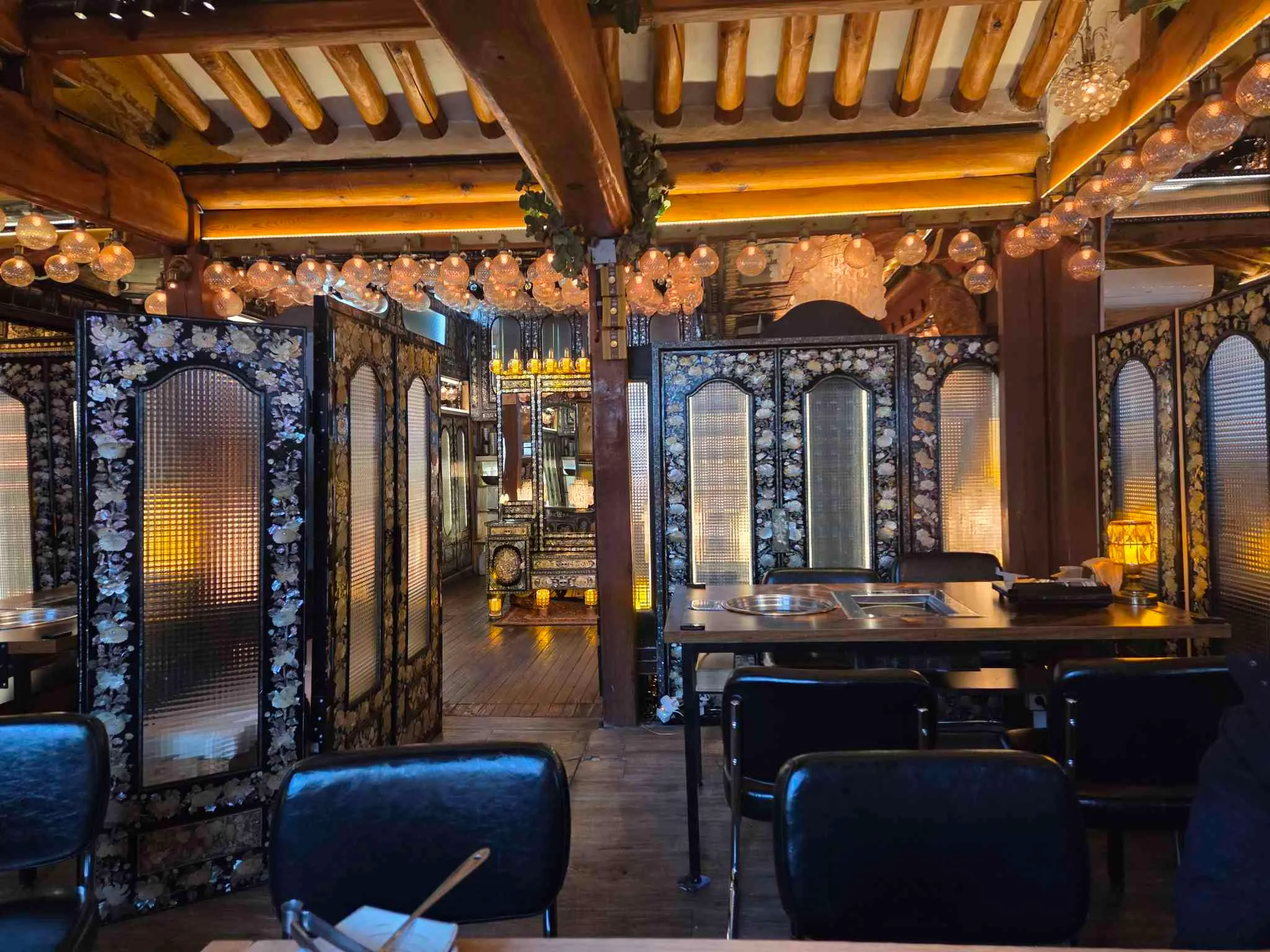
Hanok Grace
7
Hanok Grace -
 8
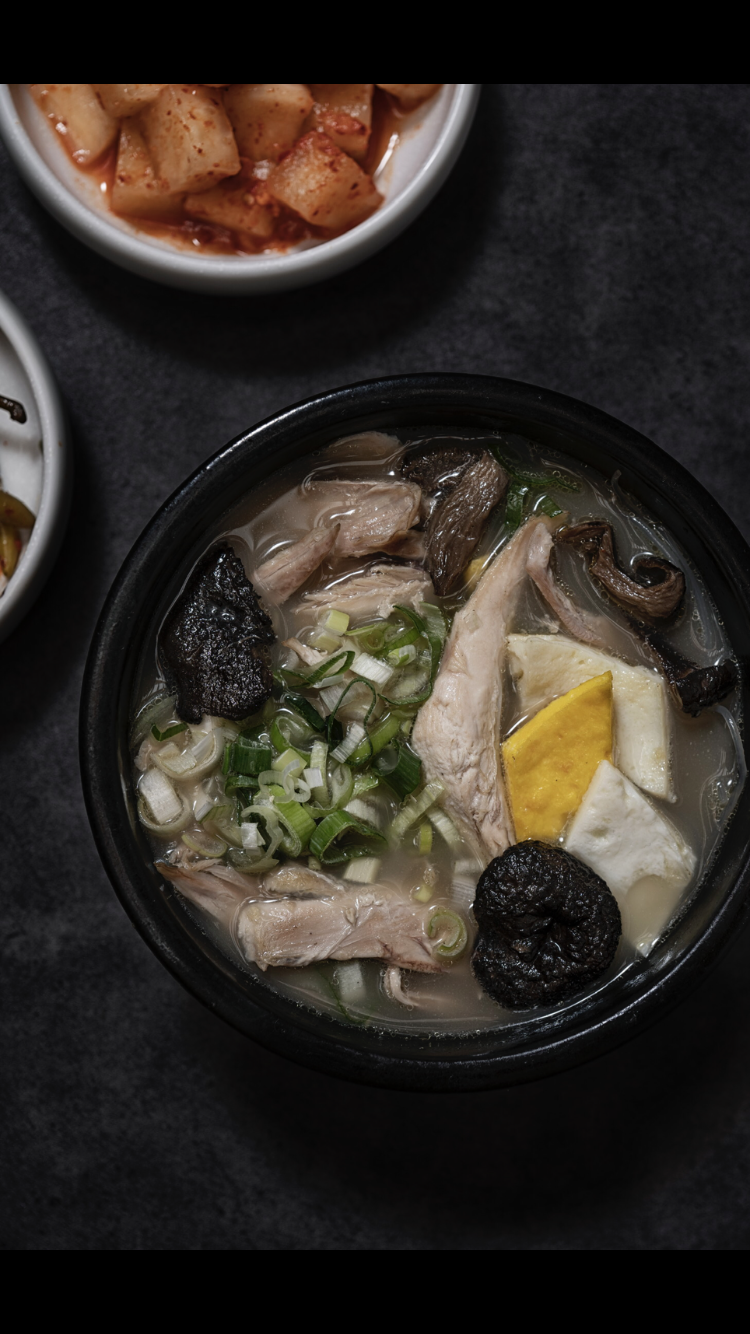
Pyeongyang Ok
8
Pyeongyang Ok -
 9
9
-
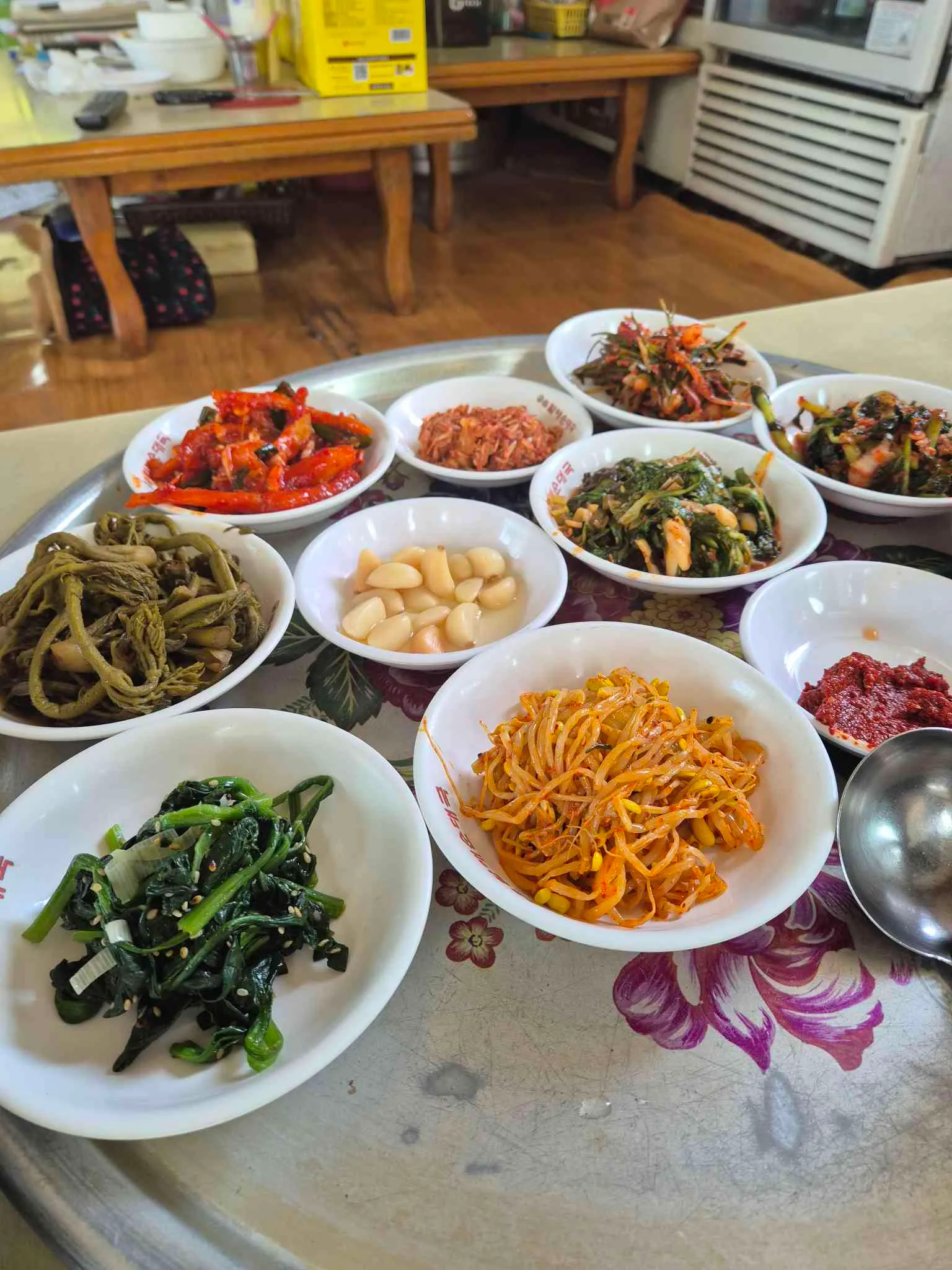 10
Myeongji Sikdang
10
Myeongji Sikdang
Events in This Area

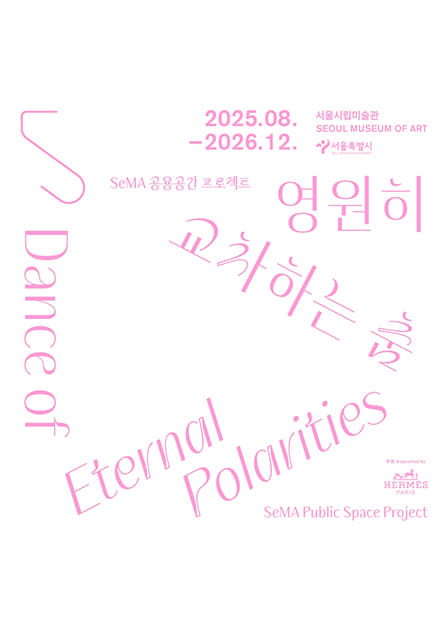
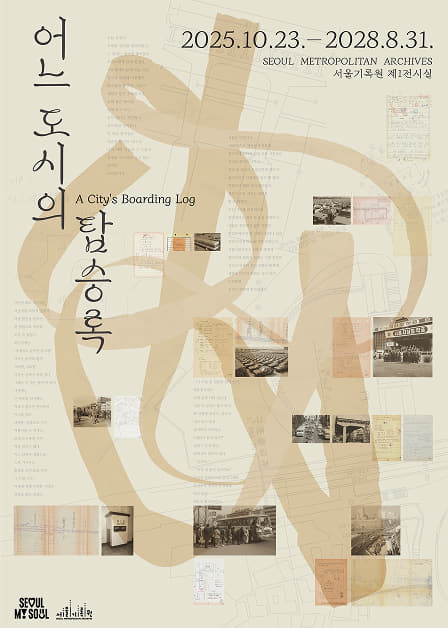
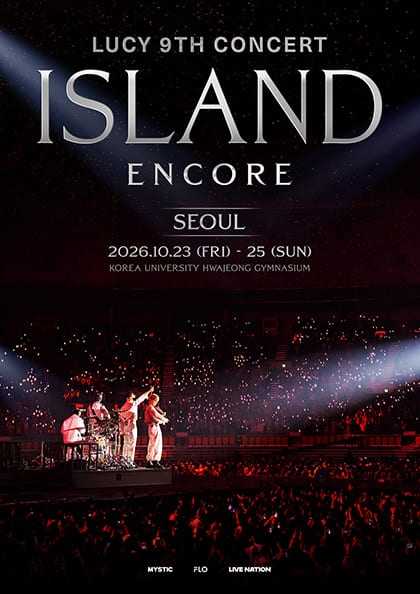

Festivals in This Area

More Travel Guides in This Area
 Travel Guide
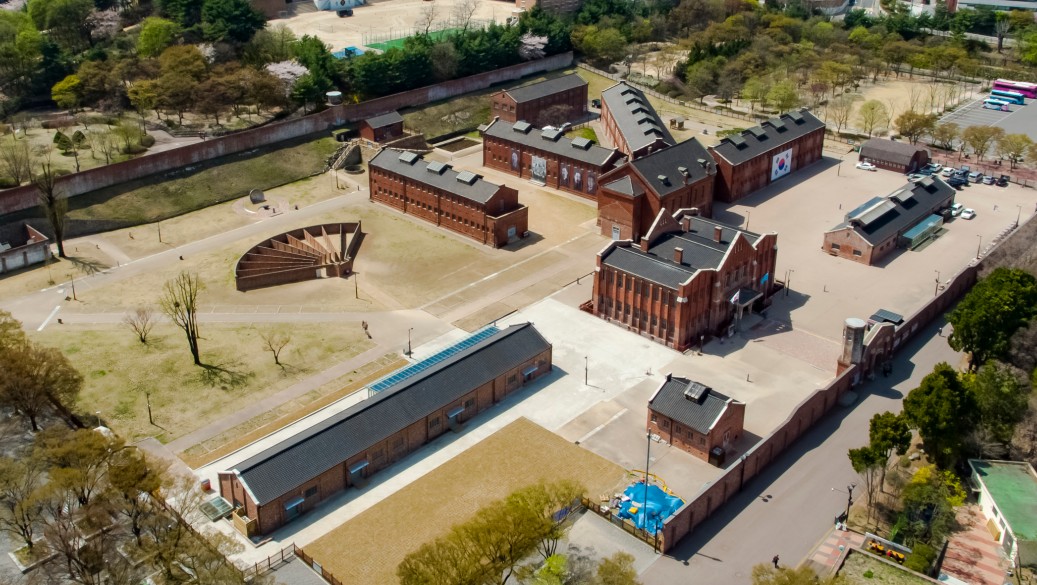
From Gyeongseong Prison in 1908 to the History Hall in 1998: A Walking Route Through Seodaemun Prison History Hall
 Travel Guide
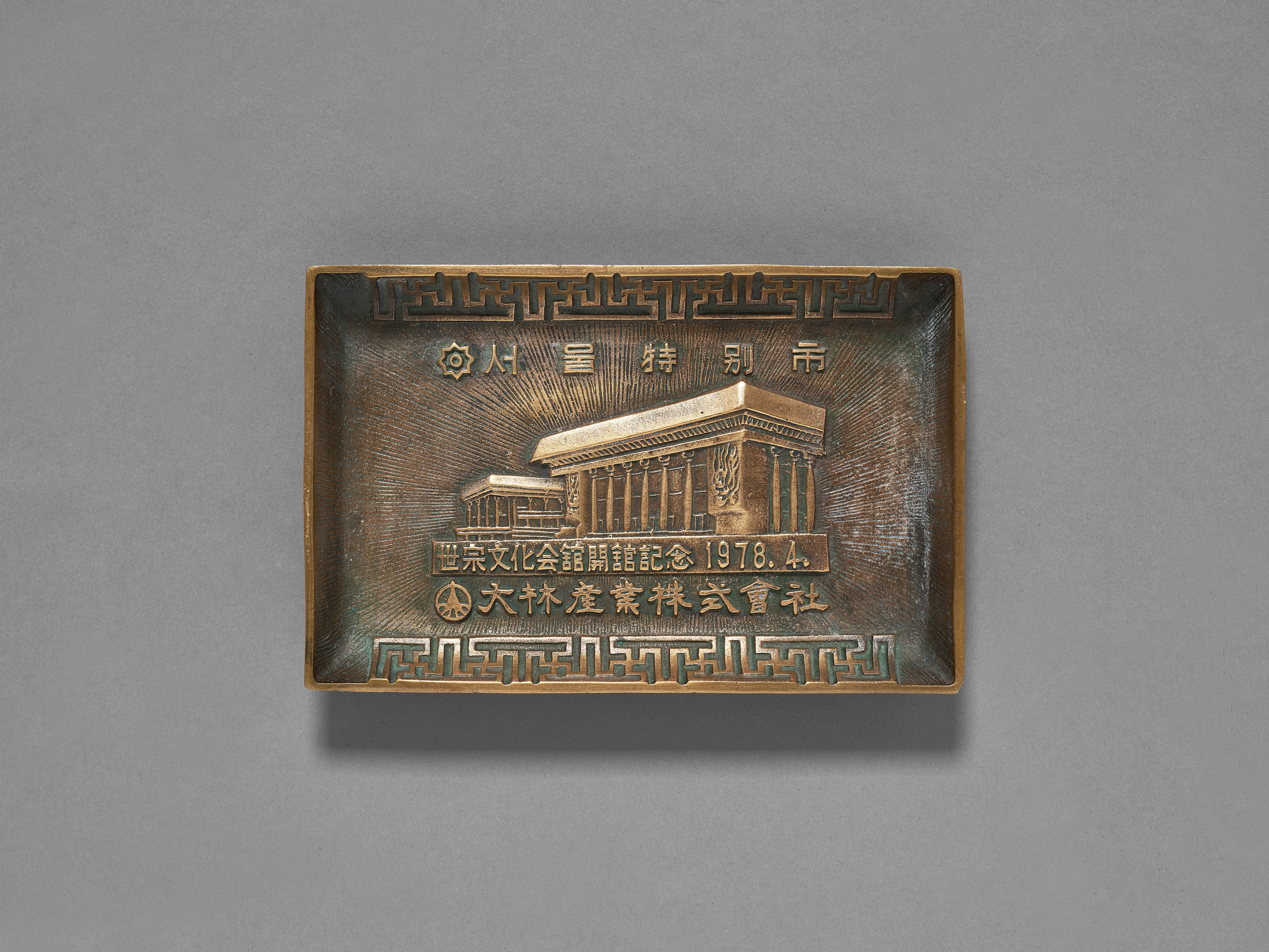
Beside Gwanghwamun Square: Sejong Center, Seoul’s 1978 Performing Arts Venue
 Travel Guide
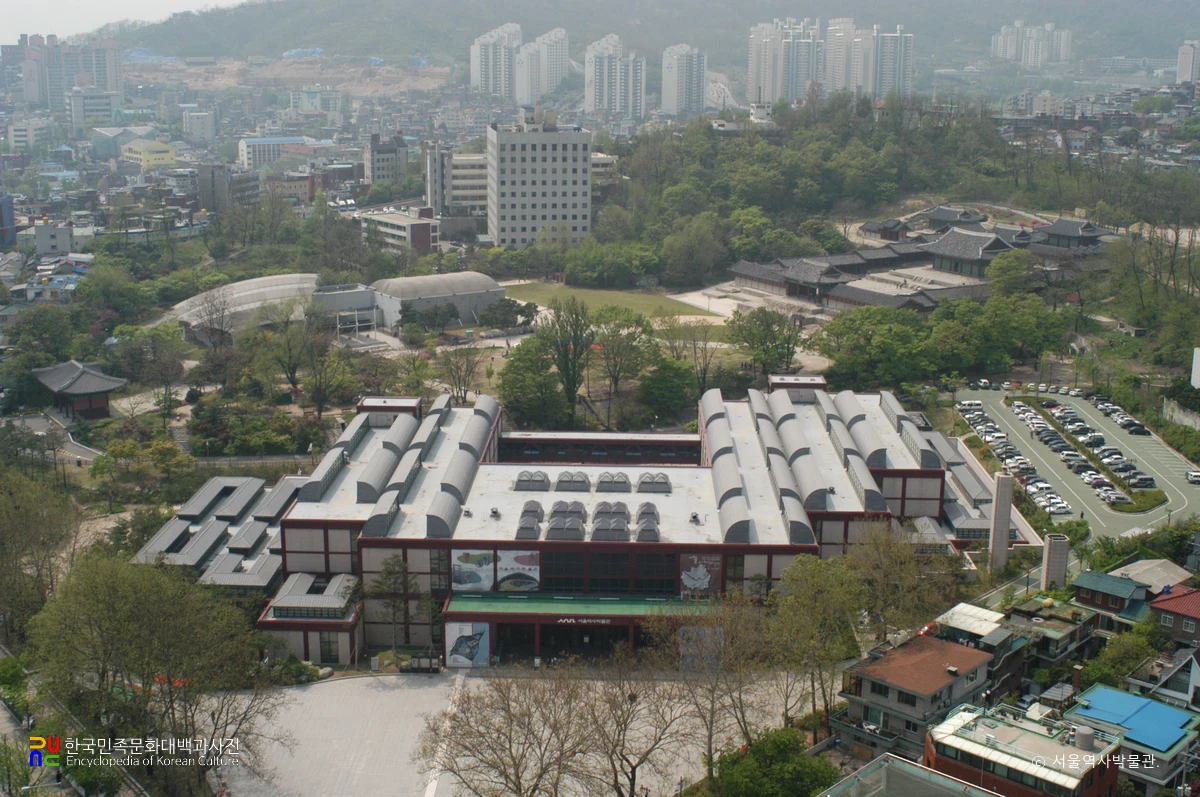
600 Years of Seoul’s Urban Transformation at the Seoul Museum of History
 Travel Guide
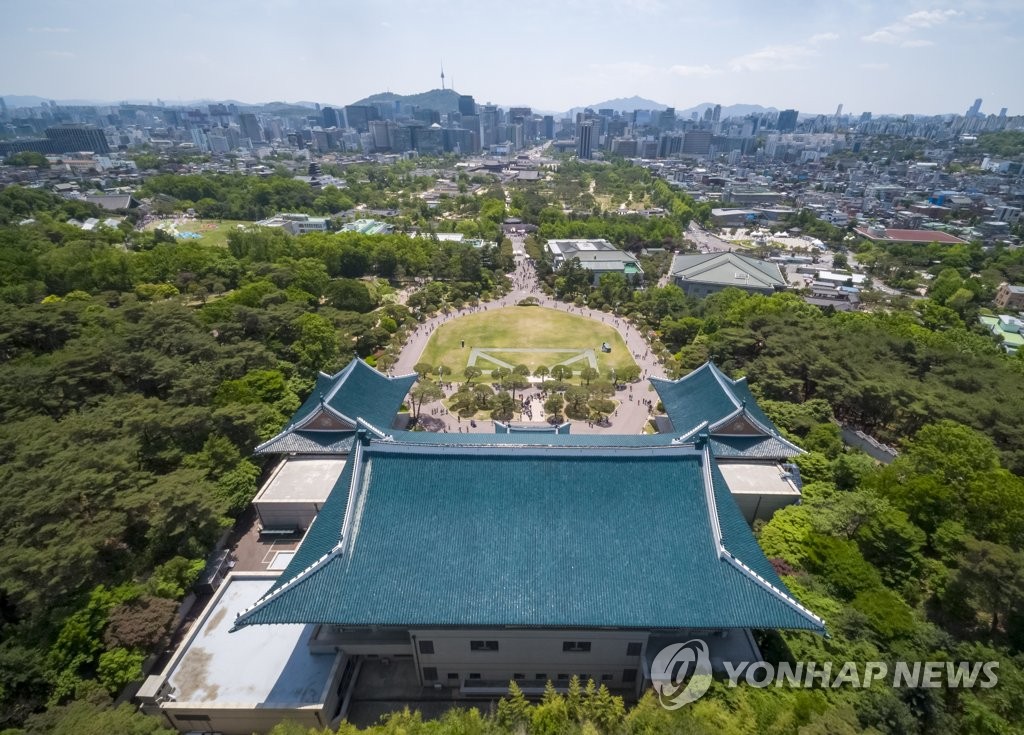
How to Walk Through 74 Years of Power Beneath Bukaksan Mountain: A Visit to the Blue House
Korea News
 News
News
"Overcoming the Getty curse" Jang Wonyoung, with unreal proportions and beauty straight out of a Barbie doll
 News
News
A2O LITE Tops Melon TOP100 Just 29 Hours After Debut, Setting the Fastest Record for a Debut Song
![Billlie's Tsuki 'Makes an Entrance Showing Off Her Beautiful Figure' [MK Photo]](https://kotourlive-images.s3.ap-northeast-1.amazonaws.com/news/1792027947835_957f0cb8_news_5c0023c5-e9a0-4640-9154-cb0b69d810c4.jpg) News
News
Billlie's Tsuki 'Makes an Entrance Showing Off Her Beautiful Figure' [MK Photo]
![ENHYPEN ‘Fighting for the Macau performance too!’ [★Video]](https://kotourlive-images.s3.ap-northeast-1.amazonaws.com/news/1792027887815_5057637d_news_8041e5cd-8b22-4193-bb46-880c65d944f7.jpg) News
News