The 6.2-Meter Statue of King Sejong Facing North Toward Gwanghwamun: A 40-Minute Exploration of Hangul and Science
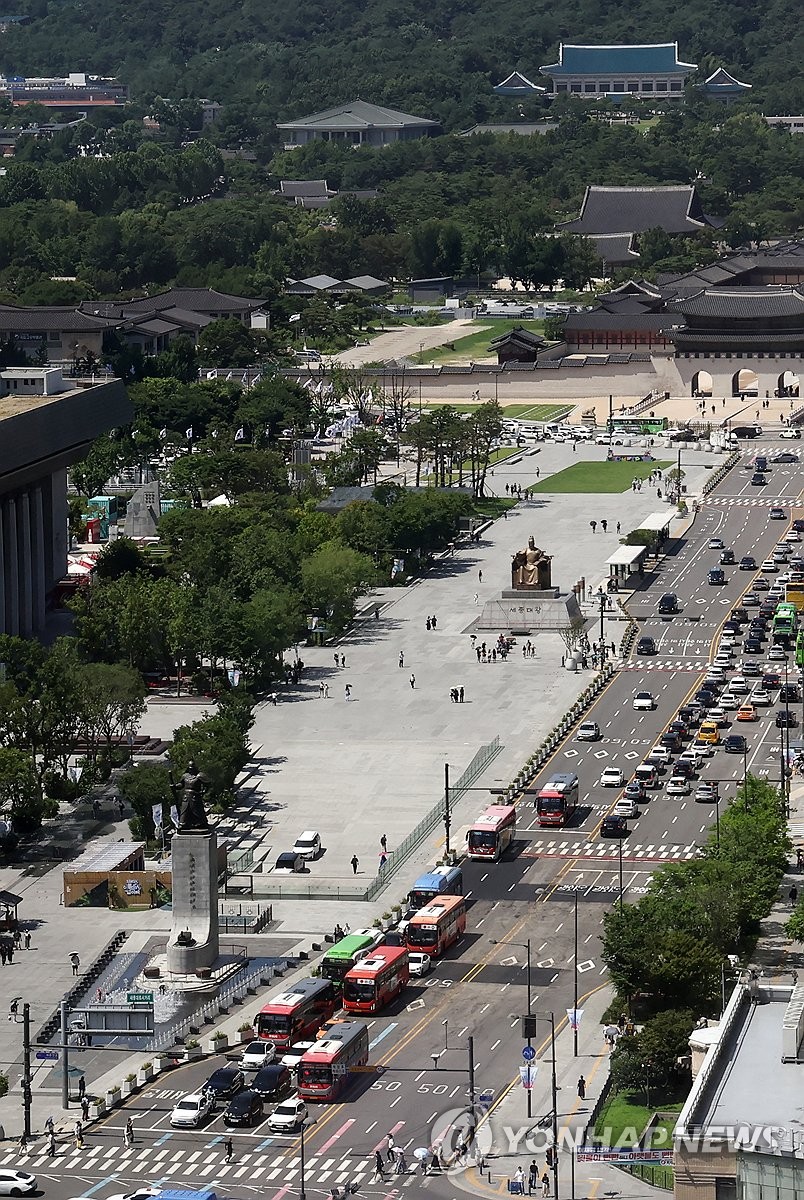
The statue of King Sejong, erected on October 9, 2009, in Gwanghwamun Square in front of Gwanghwamun Gate at Gyeongbokgung Palace, is a Seoul Future Heritage site. By exploring the scientific instruments in front of the statue together with “The Story of King Sejong” underground behind it, you can gain a multidimensional understanding of governance during the King Sejong era beyond the simple description of him as the creator of Hangul.

I’ve been here?
Your check-in helps the next traveler.
No one has checked in yet Be the first
One tap — no writing needed
A 6.2 m Seated Statue Reinstalled in Front of Gwanghwamun on October 9, 2009
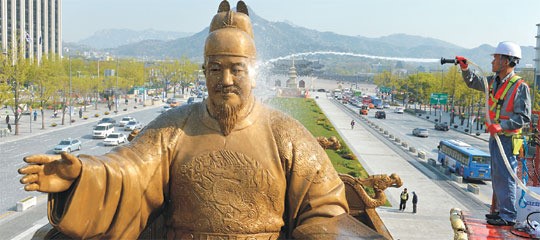
The statue of King Sejong the Great stands at 172 Sejong-daero, Jongno-gu, Seoul, in the northern section of Gwanghwamun Square. It was unveiled on October 9, 2009, on the 563rd Hangeul Day, and measures 6.2 m in height, 4.3 m in width, and approximately 20 tonnes in weight. Created by Kim Yeong-won, a professor at Hongik University, the statue depicts the king seated facing south while holding a book.
This site is connected not only to a popular photo spot but also to the central axis of Joseon administration. The road in front of Gyeongbokgung Palace was Yukjo Street during the Joseon period and was developed in 1395 along with Gyeongbokgung Palace, Jongmyo Shrine, and government offices. Gwanghwamun Square first took its current plaza form in 2009 and reopened in August 2022 after incorporating the restoration of the woldae platform and other features.
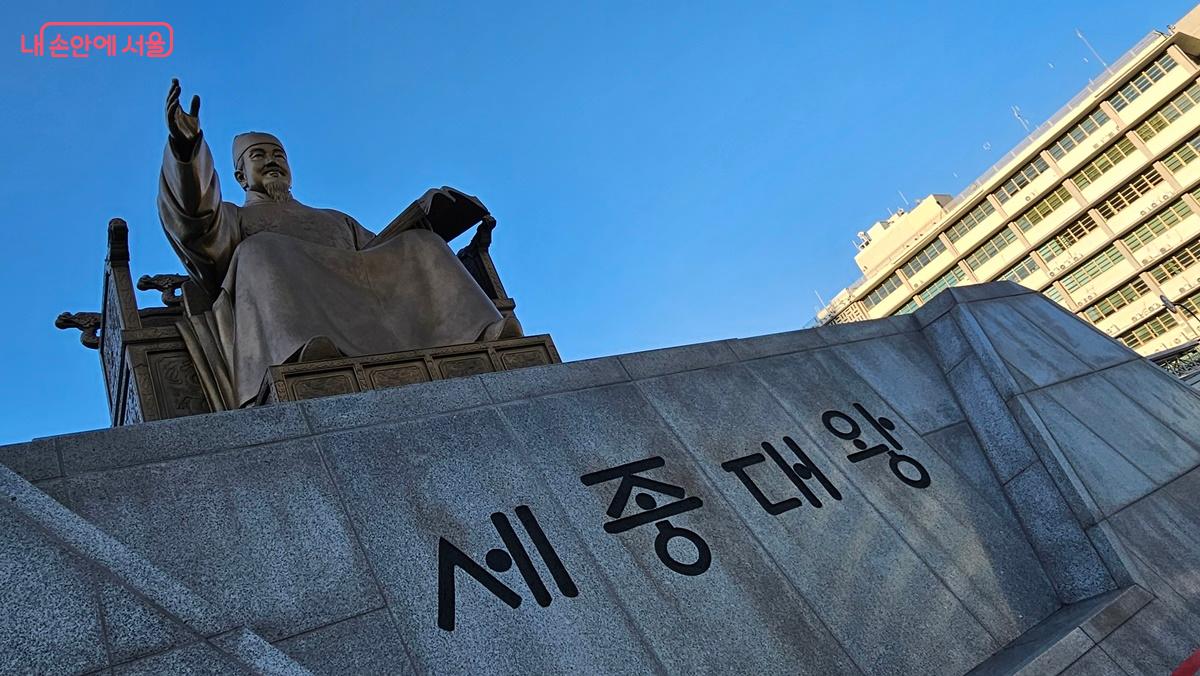
Reading Sejong’s National Projects Through Books, the Armillary Sphere, the Rain Gauge, and the Angbuilgu Sundial
In front of the statue are sculptures modeled after an armillary sphere, a rain gauge, and an Angbuilgu sundial. An armillary sphere is an instrument for observing the positions and movements of celestial bodies, a rain gauge is used to measure precipitation, and an Angbuilgu is a sundial. At this one location, visitors can see how the state sought to systematize knowledge not only through Hangeul but also through astronomy, meteorology, and time measurement for the daily lives and agriculture of the people.
The six columns behind the statue feature reliefs depicting scholars of Jiphyeonjeon, the Jujaso royal printing office, the pioneering of the Six Garrisons, the conquest of Tsushima, Jieun, and Seoungwando. The most efficient way to view the site is therefore to look at the scientific instruments in front of the statue, then read the reliefs behind it in sequence as symbols of scholarship, publishing, national defense, music, and astronomy. Visitors who only take photos and move on may easily miss these six themes.
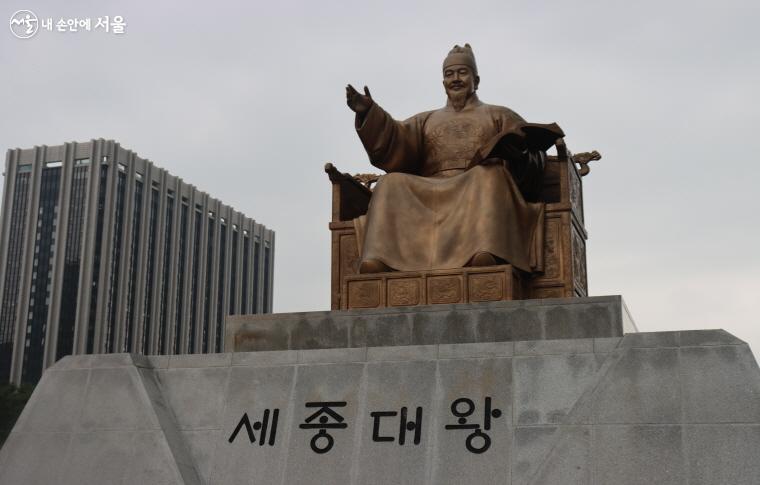
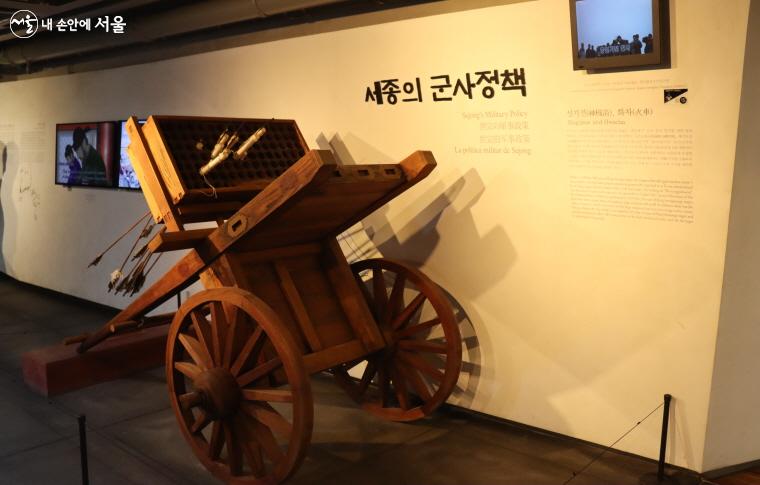
Why You Should Descend Behind the Statue to the Underground “The Story of King Sejong”
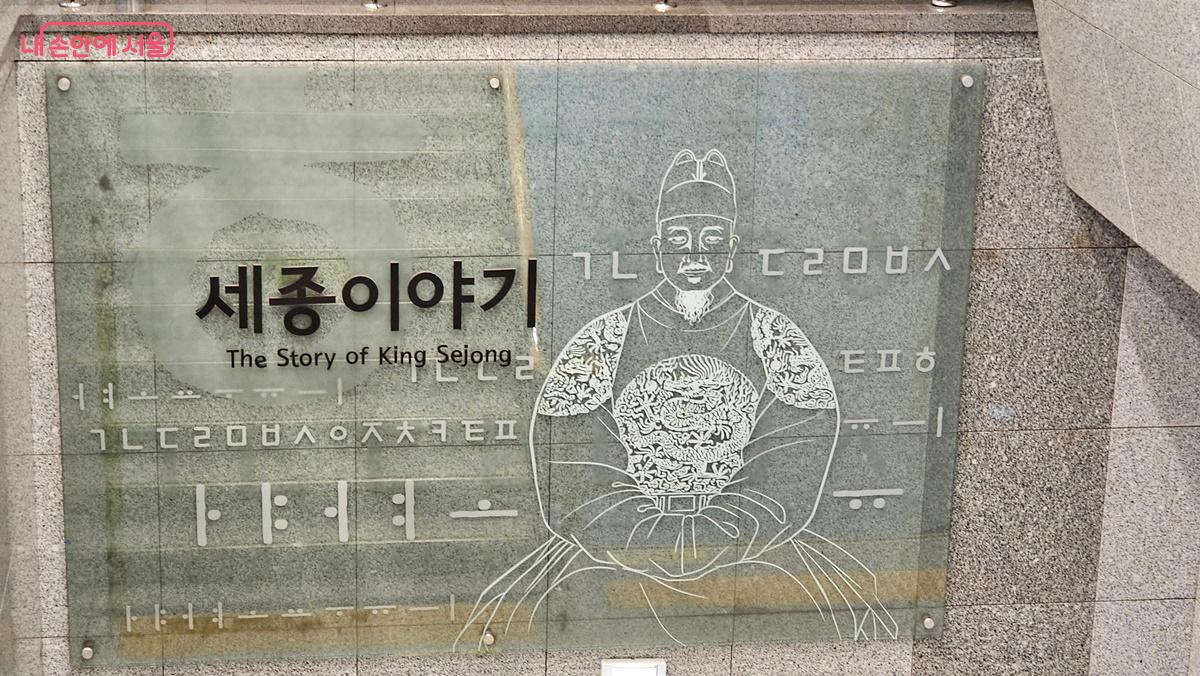
Behind the statue is an entrance leading to the underground exhibition space “The Story of King Sejong.” Seoul’s recommended tour route begins at the Chungmugong Yi Sun-sin Story information center on the second basement level of the Sejong Center for the Performing Arts, passes through the King Sejong Story exhibition hall, and then comes up to the statue of King Sejong the Great. Combining the above-ground statue with the underground exhibition takes approximately 40–60 minutes, while viewing only the statue and scientific instruments takes about 15–20 minutes.
At The Story of King Sejong, visitors can explore exhibitions connecting Sejong’s life with Hangeul, science, traditional Korean music, and national defense policies. For international visitors who need an explanation of what the book and scientific instruments visible at the statue represent, it is more useful to visit the exhibition hall either before or after viewing the statue rather than leaving immediately. Exhibition schedules may change depending on events and facility conditions, so it is safest to check announcements on the official Gwanghwamun Square website on the day of your visit.
291 m from Exit 1 of Gwanghwamun Station on Line 5, with a Route Continuing to Gyeongbokgung Palace
The simplest subway route is approximately 291 m, or about a 4-minute walk, from Exit 1 of Gwanghwamun Station on Line 5. Visitors using an elevator can travel approximately 100 m from Exit 8 of Gwanghwamun Station. From Exit 6 of Gyeongbokgung Station on Line 3, the distance is approximately 481 m, or about an 8-minute walk; using the elevator, the distance from Exit 4 is approximately 500 m.
Buses 703 stop at the Sejong Center for the Performing Arts stop, while buses 101, 103, 150, 160, 260, 270, 271, 273, 370, 470, 601, 720, 721, and 741, as well as late-night buses N26 and N37, stop at the Gwanghwamun (Central) stop. From the statue, pedestrian routes connect north to Gwanghwamun and Gyeongbokgung Palace and south toward the statue of Admiral Yi Sun-sin and Cheonggyecheon Stream, making it easy to combine with a visit to Gyeongbokgung Palace before or after.
Free and Open at All Times, but Plaza Routes Change on Event Days
Gwanghwamun Square, where the statue of King Sejong the Great stands, is free to enter and open at all times, with no regular closing days. The main information number is the Seoul Dasan Call Center at 02-120, and official information is available at https://gwanghwamun.seoul.go.kr. The area around the statue can be visited without a separate reservation.
Gwanghwamun Square also hosts large-scale events such as Seoul Light, parades, commemorative events, and rallies. Access around the statue and photo compositions may change due to event installations and safety controls, so it is advisable to check the event schedule on the official website before visiting, particularly on weekends, public holidays, and evenings. If you want to view the statue and reliefs in a quieter setting, early morning before an event begins or weekday afternoons are more suitable.
Take the Subway Rather Than Parking; Elevator at Exit 8 for Wheelchairs and Strollers
Gwanghwamun Square has no dedicated parking lot, so public transportation is the most practical option. Drivers must find paid parking around the Sejong Center for the Performing Arts and Sejong-ro, and should consider possible congestion and full capacity during performances, festivals, and weekends. Parking fees and operating hours vary by facility, so they are not specified here; check the same-day information for the parking facility you plan to use.
For wheelchair and stroller access, the recommended route is to use the elevator at Exit 8 of Gwanghwamun Station and then travel approximately 100 m. The above-ground section of the square is a level pedestrian space, but if you also plan to visit The Story of King Sejong, it is best to check the locations of the entrance and elevator on the site information boards first. If foreign-language information is needed, you can use both the Seoul tourism information service and the language-selection function on the official Gwanghwamun Square website.
The Next Scene on Sejong-ro: Hangeul Letter Garden and 11,172 Handwritten Characters
Walk toward the Sejong Center for the Performing Arts from the statue of King Sejong the Great to reach Hangeul Letter Garden. Here, the Memorial Tower for the Korean Language Society’s Hangeul Preservation Movement and a poetry monument for poet Ju Yo-han’s “Sound of Rain” stand together, allowing visitors to connect the creation of Hunminjeongeum in the 15th century with the modern and contemporary movement to preserve Hangeul along a single street.
The dice-shaped sculpture in Hangeul Letter Garden is engraved with 11,172 different examples of handwriting. After examining the creation of writing during Sejong’s era in front of the statue, ending by viewing citizens’ handwriting today in this space allows the visit to move beyond simply seeing a “king’s monument.” If you have 20 additional minutes, a walk from the statue to Hangeul Letter Garden and then to the exterior of the Sejong Center for the Performing Arts is a suitable route.
Before You Go
- Address
- 172 Sejong-daero, Jongno-gu, Seoul
- Hours
- Open at all times
- Closed
- Open year-round
- Admission
- Free
- Phone
- 02-120
- Official site
- https://gwanghwamun.seoul.go.kr
- Transport
- About a 4-minute walk from Exit 1 of Gwanghwamun Station on Line 5 (291 m); for the elevator, walk about 100 m after Exit 8. About an 8-minute walk from Exit 6 of Gyeongbokgung Station on Line 3 (481 m). Numerous buses stop at the Sejong Center for the Performing Arts and Gwanghwamun (Central).
- Parking
- No dedicated parking lot at Gwanghwamun Square. Paid parking is available around the Sejong Center for the Performing Arts and Sejong-ro; check fees and congestion by facility.
- Time needed
- 15–20 minutes for the statue and scientific instruments; 40–60 minutes including The Story of King Sejong exhibition
- Accessibility
- A route of approximately 100 m is recommended after using the elevator at Exit 8 of Gwanghwamun Station. The above-ground section of the square is a level pedestrian space.
The information above is accurate as of the time of writing. Check the official information again before visiting.

Places
Nearby Attractions 1
-
 1
1
Food & Dining 5
-
 2
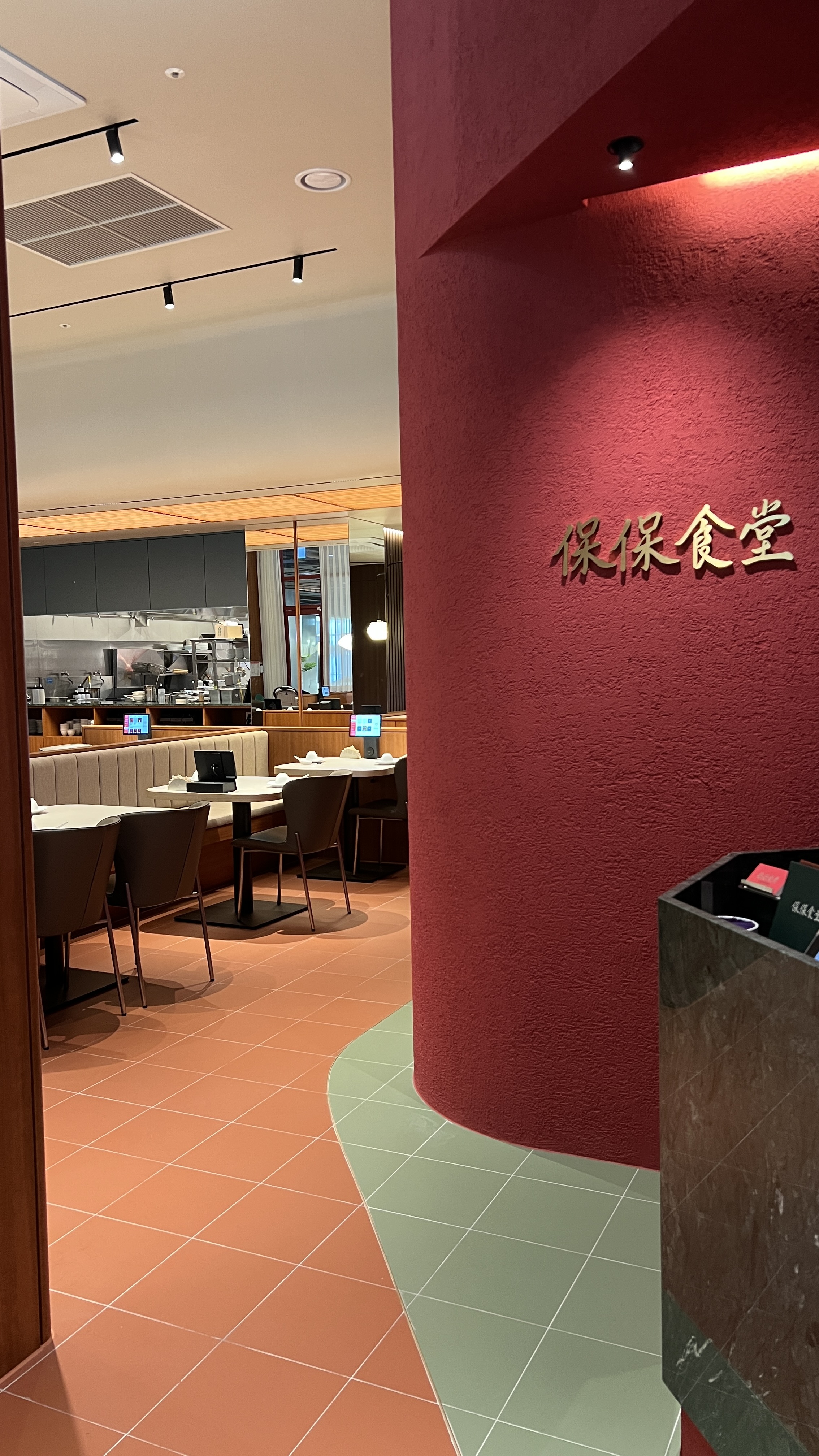
Bobo Sikdang Gwanghwamun
2
Bobo Sikdang Gwanghwamun -
 3
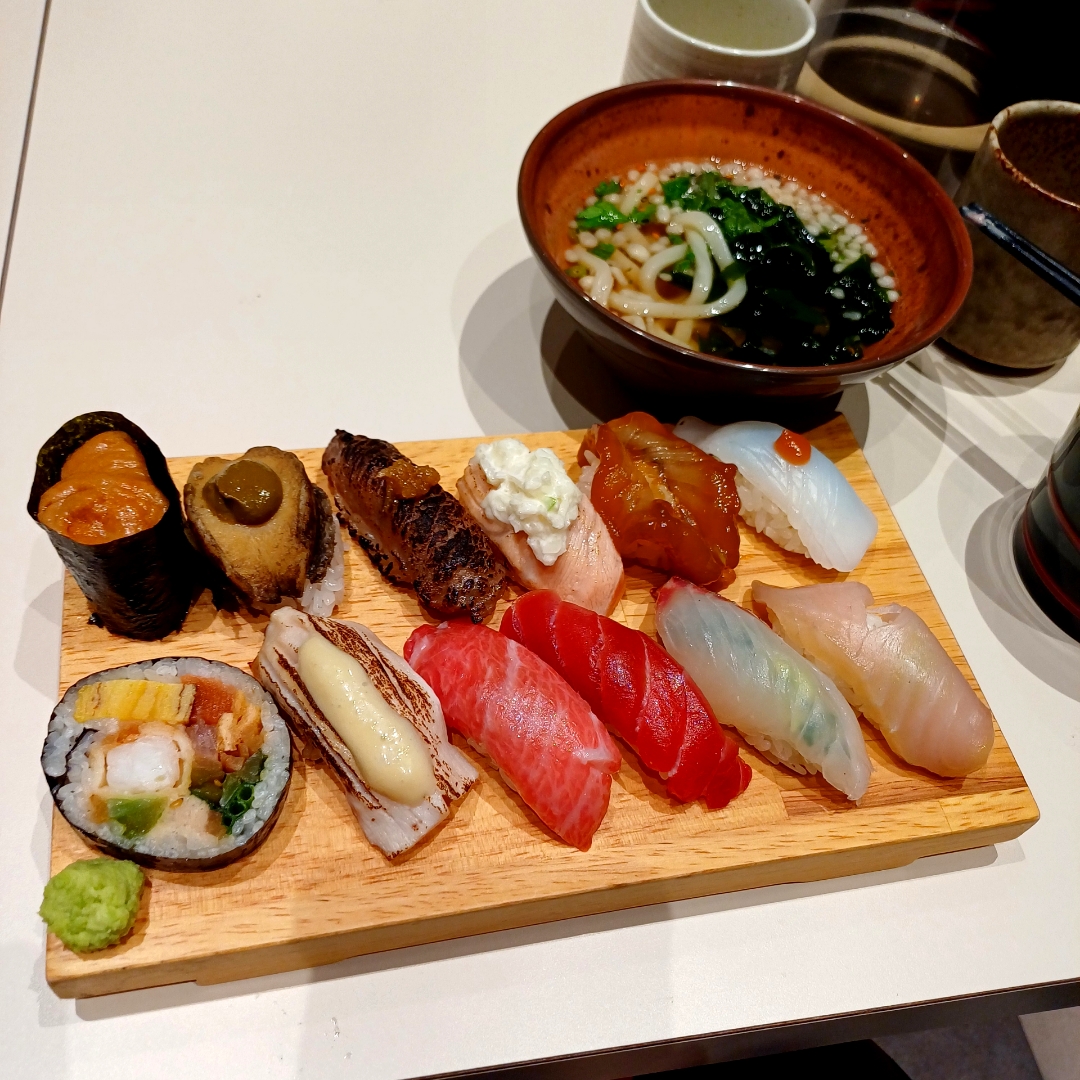
Kkokki-ri Sushi
3
Kkokki-ri Sushi -
 4
4
-
 5
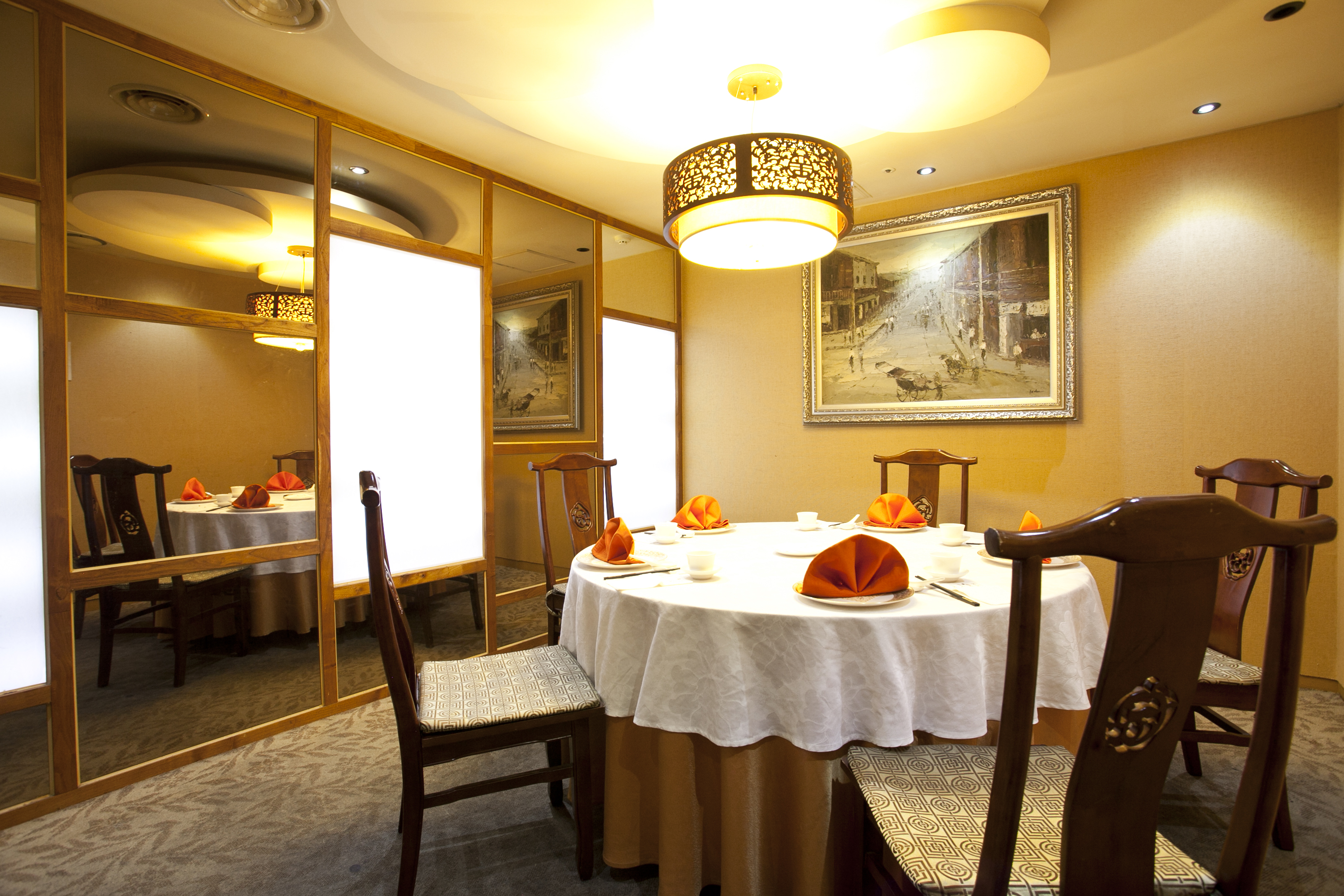
Chinni
5
Chinni -
 6
Statue of King Sejong
6
Statue of King Sejong
Events in This Area


Festivals in This Area

More Travel Guides in This Area
 Travel Guide
90 Minutes Reading Gwanghwamun Square, from the Yukjo Street of 1395 to the Woldae of 2023
 Travel Guide
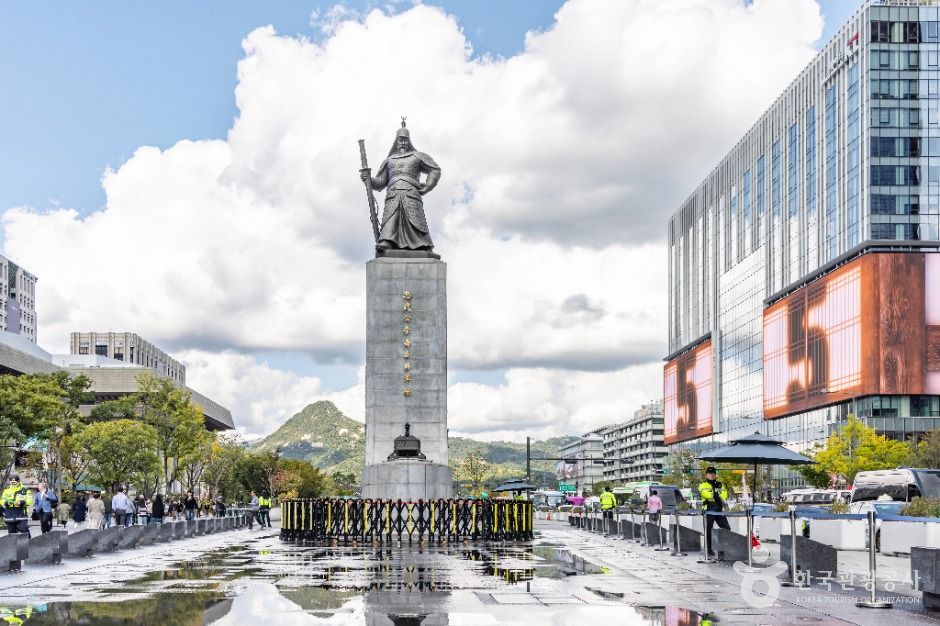
Statue of Admiral Yi Sun-sin Standing 17 m in the Middle of Gwanghwamun
 Travel Guide
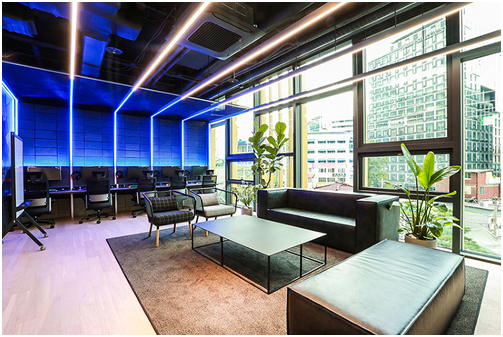
LCK’s Stage Beneath Jonggak Station: LoL Park
 Travel Guide
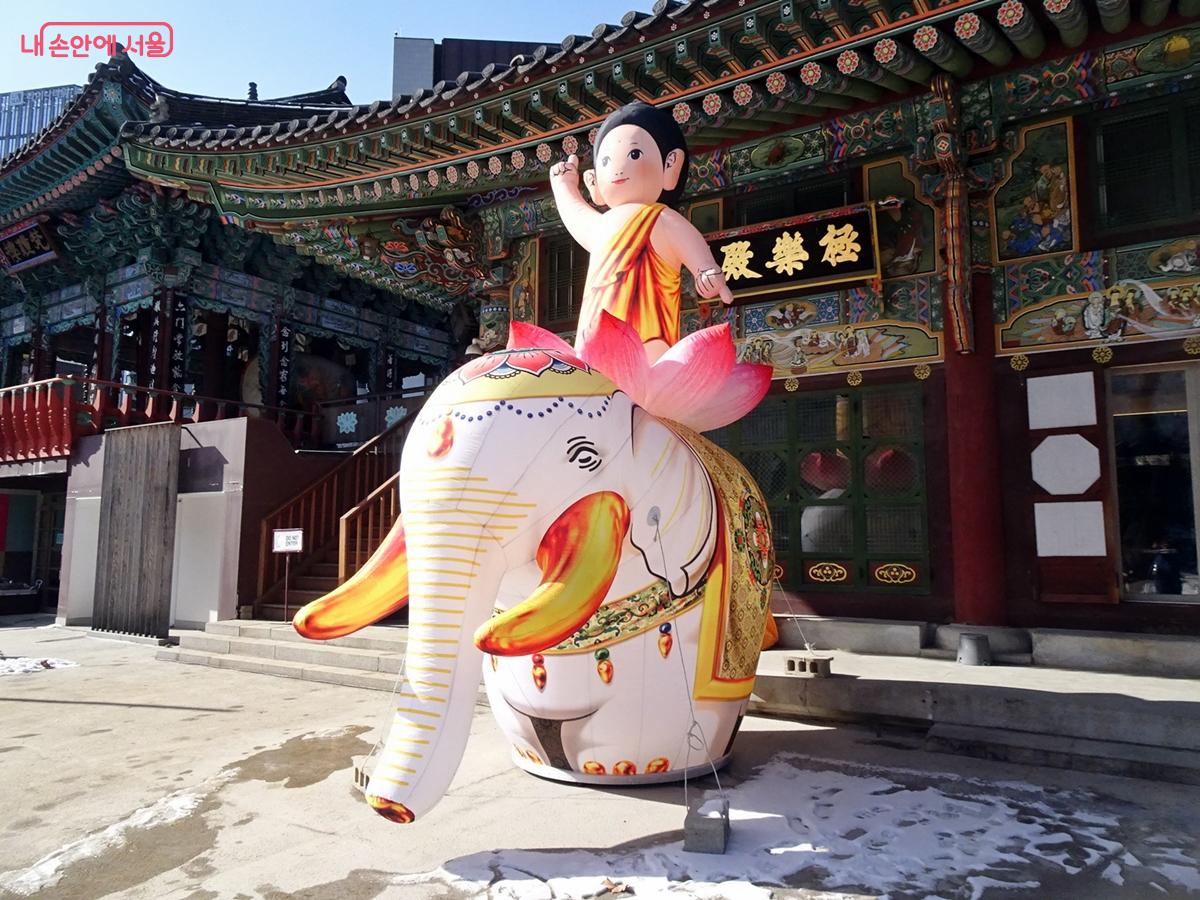
Jogyesa Temple, the heart of Korean Buddhism in 1910, in the middle of Jongno
Korea News
 News
News
aespa’s Winter—Can a Person Really Be This Cute? A Daily Life Full of Pure Charm
 News
News
Tom Cruise Spotted Taking a Late-Night Walk at Hangang Park… Strolled for an Hour in a Black Suit
 News
News
'Jimin, We'll always be with you' Peru Embraced 'Jimtober' Birthday Celebrations... "I'm Happy"
 News
News