Jogyesa Temple, the heart of Korean Buddhism in 1910, in the middle of Jongno
Jogyesa Temple began as Gakhwangsa in 1910, was reorganized as Taegosa at its current site in 1938, and took its present name in 1962 with the establishment of the Jogye Order of Korean Buddhism. This urban temple in Seoul is about 400 meters from Jonggak Station, making it easy to connect with an itinerary covering Insadong and Gwanghwamun. However, as it remains an active place of worship, visitors should observe quiet and respectful etiquette.
I’ve been here?
Your check-in helps the next traveler.
No one has checked in yet Be the first
One tap — no writing needed
From Gakhwangsa in 1910 to Jogyesa in 1962: How it became the central temple in the city
Jogyesa was founded in 1910 during the Japanese colonial period as a Buddhist temple named Gakhwangsa by monks who sought the independence of Korean Buddhism and the restoration of national pride. The official history of Jogyesa explains that Gakhwangsa was the first propagation center of modern Korean Buddhism and the first temple built within the Four Great Gates of Seoul.
Construction for the relocation to its current site began in 1937, and in 1938 the temple was renamed Taegosa under the pretext of moving Taegosa from Samgaksan Mountain. The Daeungjeon Hall was rebuilt using materials from the Sipiljeon Hall of Bocheongyo in Jeongeup, and a completion and Buddha-enshrinement ceremony was held on October 25, 1938. When the Jogye Order of Korean Buddhism was launched in 1962, the temple was renamed Jogyesa.
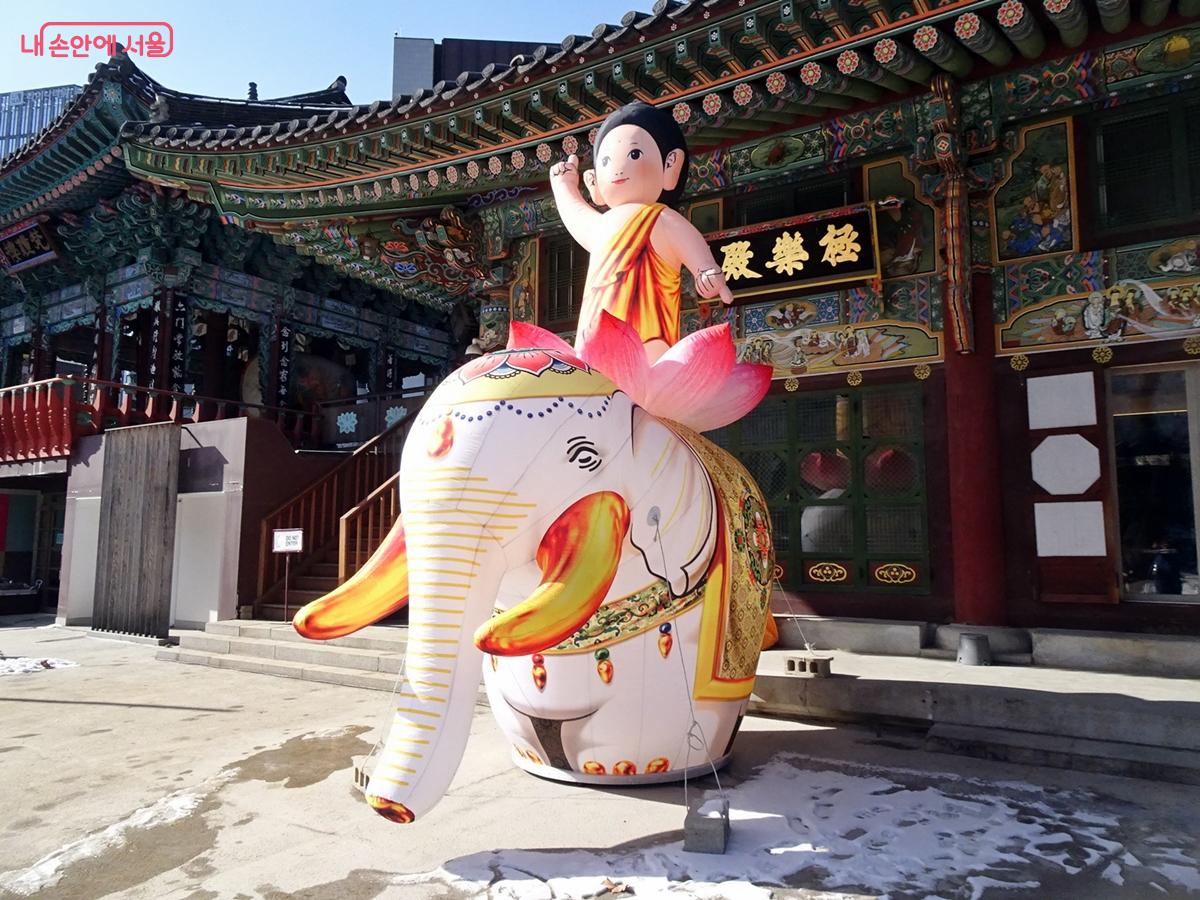
Visitor etiquette to observe in front of the 1938 Daeungjeon Hall and the National Treasure wooden seated Buddha
The center of the temple grounds is Daeungjeon Hall, completed in 1938. Seoul Metropolitan Government materials explain that the hall enshrines a wooden seated Buddha designated as a National Treasure. Foreign visitors should remove their hats and sunglasses when entering, and during services or sutra chanting, it is best not to cross the central aisle or speak loudly.
Jogyesa is not a museum-style exhibition space; it remains an active temple where services and Dharma assemblies are held. Admission is free and the temple is open year-round, but official Seoul tourism guidance states that detailed visiting hours may vary according to services and temple schedules. Before taking photographs, follow any on-site instructions inside the worship hall.
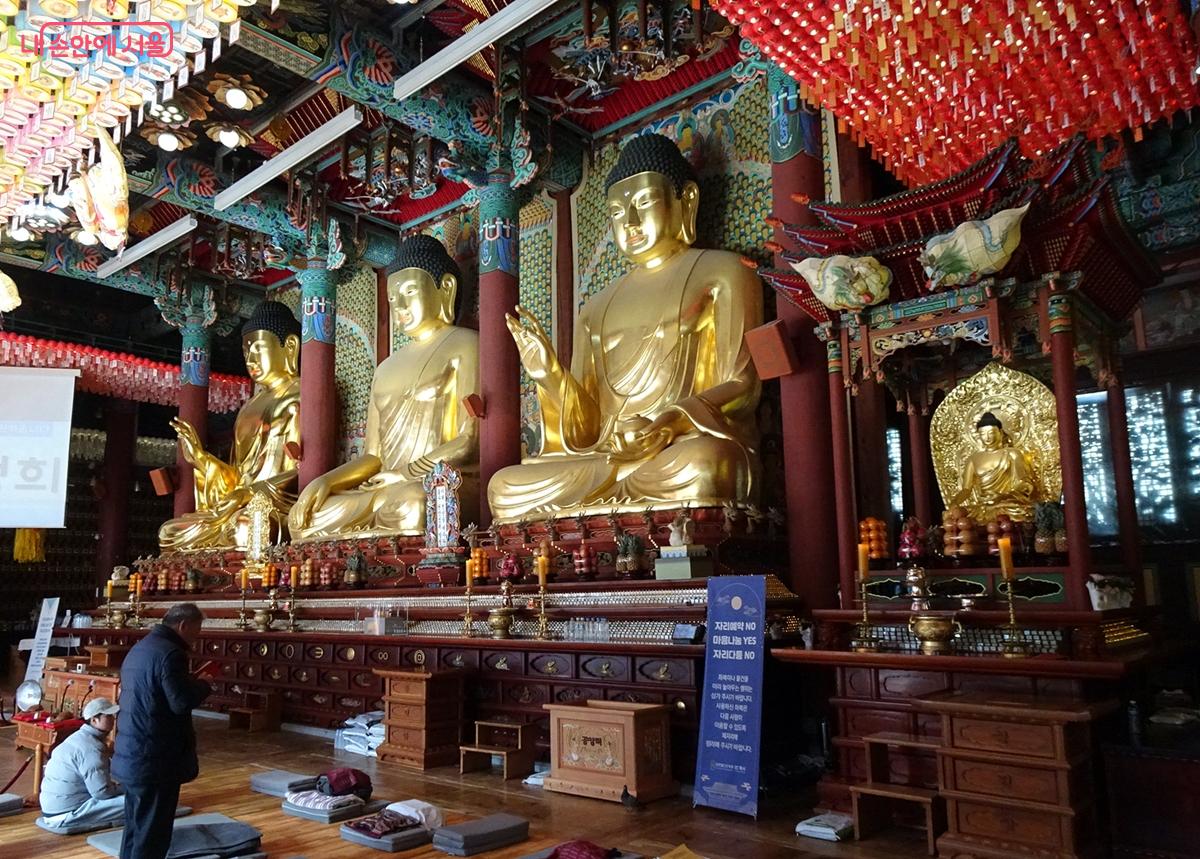
Order for viewing the Natural Monument No. 9 white pine and the 450-year-old pagoda tree
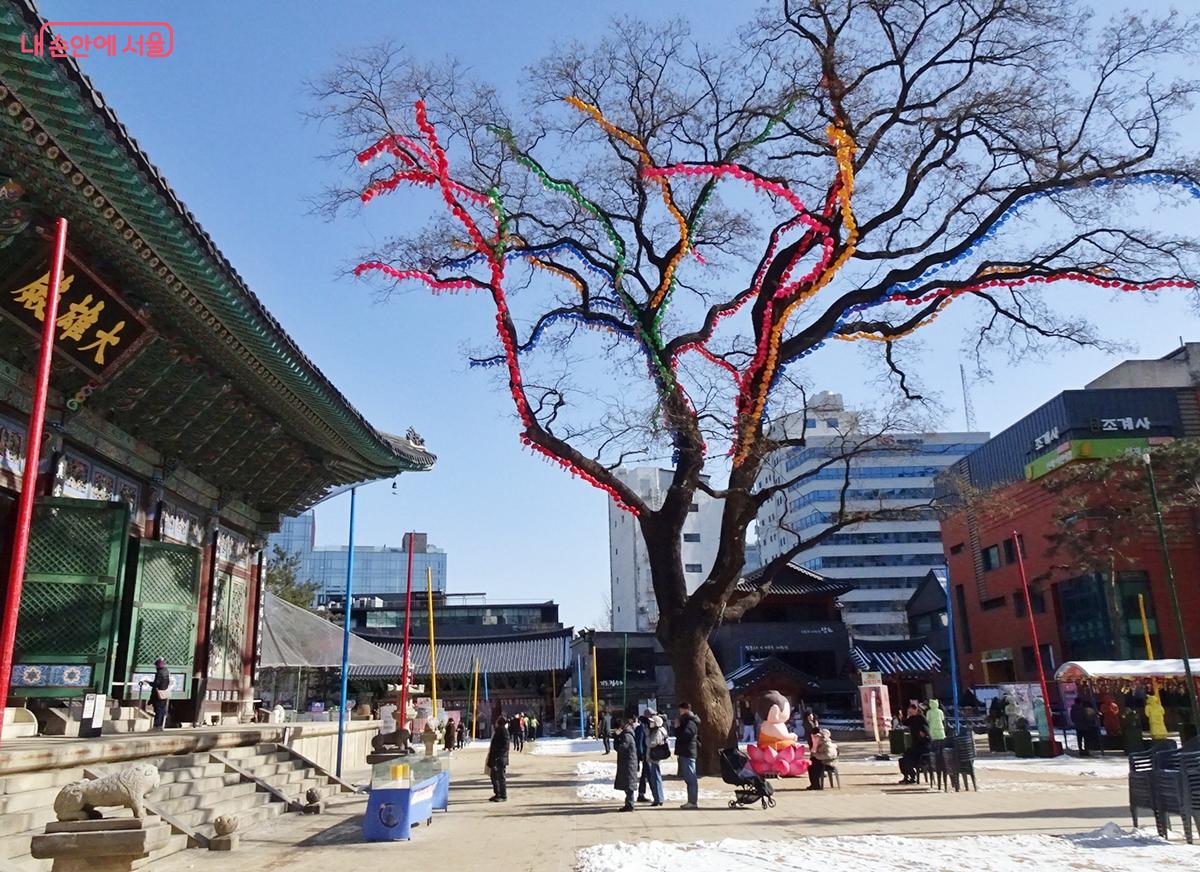
In the courtyard of Jogyesa, it is worth looking beyond the buildings and observing the two old trees as well. According to Seoul Metropolitan Government materials, the white pine is Natural Monument No. 9, and both the pagoda tree and the white pine are introduced as being more than 450 years old. The white pine is a pine species distinguished by bark that peels to reveal a white surface, making seasonal changes in the trunk’s color particularly noticeable.
The pagoda tree is known as Seoul-Designated Protected Tree No. 78 and is described as approximately 450 years old. Traditionally called the scholar tree, it was planted in association with palaces and Confucian academies. At Jogyesa, it serves as a landmark that shapes the sense of space in front of Daeungjeon Hall. It is best not to enter the protected area around the tree roots.
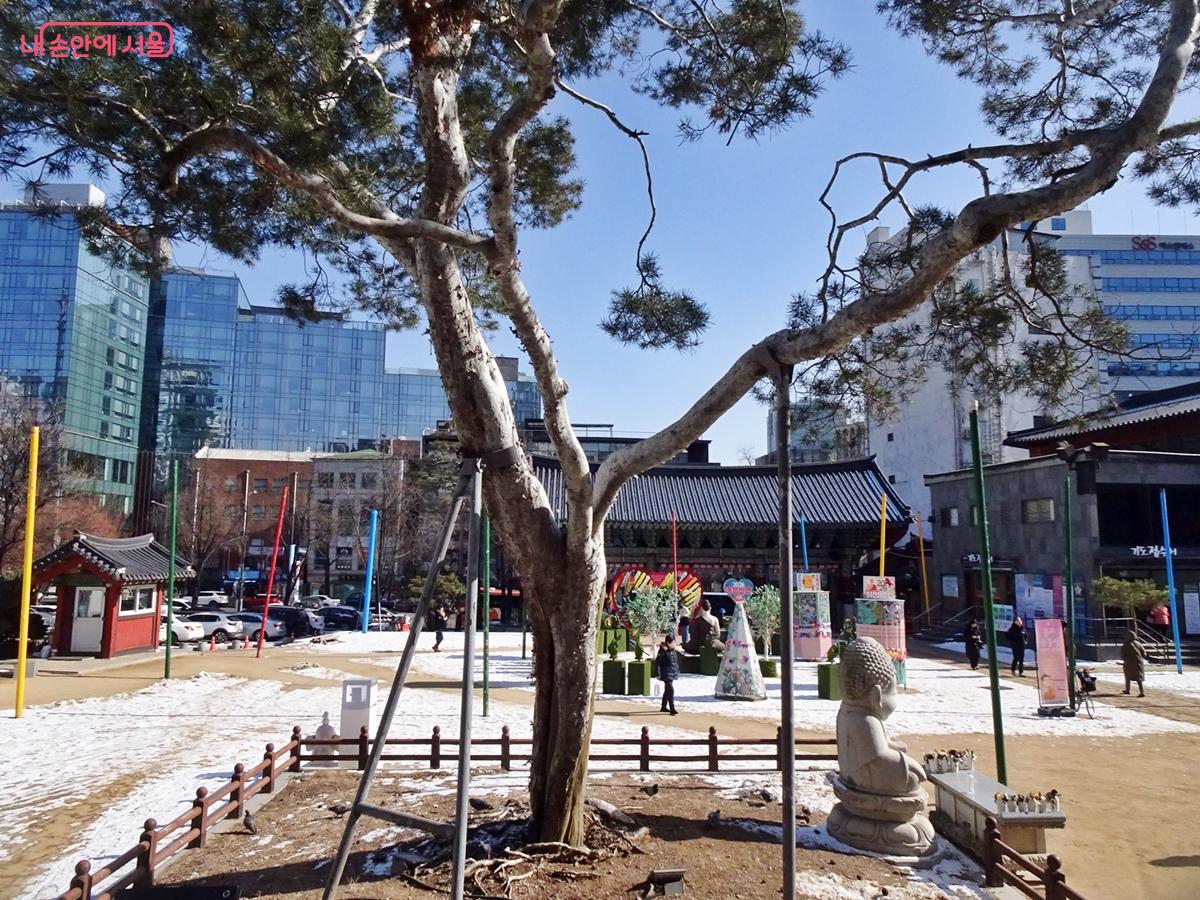
From the octagonal 10-story pagoda to the Central Buddhist Museum: a 45–70-minute route
For a brief visit, enter the courtyard from the gate near the Iljumun and proceed in the order of the white pine, octagonal 10-story pagoda, pagoda tree, and Daeungjeon Hall. Seoul Metropolitan Government materials explain that the pagoda contains relics of Shakyamuni Buddha. Allow about 45 minutes for the exterior of the worship hall and the old trees, or 60–70 minutes to read the information panels and explore the grounds at a leisurely pace.
The Central Buddhist Museum next to Jogyesa is convenient to visit at the same time if the exhibition schedule works out. However, the museum’s operating hours, closing days, and exhibition admission requirements may differ from the temple’s visitor information, so check them on the day of your visit. Strollers and wheelchairs can use the flat routes within the grounds, but access to the interior of the worship hall and congestion in passageways during events may vary depending on on-site conditions.
413 meters from Exit 2 of Jonggak Station on Line 1, with a route extending to Insadong
Jogyesa’s street address is 55 Ujeongguk-ro, Jongno-gu, Seoul, and its main telephone number is 02-768-8600. Official Seoul tourism guidance places it approximately 413 meters from Exit 2 of Jonggak Station on Subway Line 1. After leaving the station, walk toward Ujeongguk-ro; depending on your walking speed, the journey takes about 6–8 minutes.
Official Yeondeunghoe guidance directs visitors approaching the event area on Ujeongguk-ro in front of Jogyesa to walk 100 meters straight from Exit 2 or Exit 3-1 of Jonggak Station toward the stage at Gongpyeong Intersection. From Exit 6 of Anguk Station, walk 100 meters, turn left, and continue straight for approximately 300 meters. Since road closures may make bus travel difficult on the day of Yeondeunghoe, taking the subway is the safer choice.
Factoring in lanterns and parking restrictions around Buddha’s Birthday
Jogyesa is a major venue for Yeondeunghoe, the lantern festival held around Buddha’s Birthday. Official Yeondeunghoe guidance states that events take place around Ujeongguk-ro in front of Jogyesa and that traffic controls may be implemented on the day of the event. When lanterns fill the temple grounds, photographers and worshippers gather at the same time, so visitors seeking a quiet experience may realistically choose to avoid major event days.
Parking is limited, so public transportation is recommended. According to Korea Tourism Organization guidance, parking within the temple grounds costs 1,000 won per 10 minutes; the nearby Seoin-samarang Public Parking Lot costs 800 won per 10 minutes; and the Jogye Order General Headquarters parking lot costs 3,000 won for the first hour and 1,500 won for each subsequent 30 minutes. Rates and availability may change, so it is best to reconfirm by calling 02-768-8600 before arriving by car.
Visiting hours of 09:00–19:00 that should not be overlooked, even though admission is free and the temple is open year-round
Jongno-gu’s English tourism guide lists Jogyesa’s visiting hours as 09:00–19:00 from April through October and 09:00–18:00 from November through March. Seoul tourism guidance, however, specifies that operating hours may vary according to services and the temple schedule. If you plan to arrive at night, distinguish between general visiting hours and access to the worship hall.
Admission is free, there are no regular closing days, and the official website is https://www.jogyesa.kr. Seoul tourism guidance is also available in English, Japanese, and Korean, making it useful for foreign visitors visiting a Korean temple for the first time. Temple-stay participation and program hours are separate from general visits to the grounds, so check advance reservation requirements if you want an overnight stay or hands-on experience.
Before You Go
- Address
- 55 Ujeongguk-ro, Jongno-gu, Seoul (Gyeonji-dong)
- Hours
- April–October 09:00–19:00; November–March 09:00–18:00. May vary according to services and the temple schedule.
- Closed
- Open year-round
- Admission
- Free
- Phone
- 02-768-8600
- Official site
- https://www.jogyesa.kr
- Transport
- Approximately 413 meters from Exit 2 of Jonggak Station on Subway Line 1, about a 6–8-minute walk. During Yeondeunghoe events, Exit 6 of Anguk Station may also be recommended.
- Parking
- Limited parking available. 1,000 won per 10 minutes within the temple grounds; 800 won per 10 minutes at the nearby Seoin-samarang Public Parking Lot; 3,000 won for the first hour and 1,500 won per subsequent 30 minutes at the Jogye Order General Headquarters parking lot.
- Time needed
- 45 minutes for the highlights within the grounds; 60–70 minutes including the old trees, exterior of the worship hall, and nearby museum
- Accessibility
- Flat routes are available within the grounds. Check on-site conditions for access to the interior of the worship hall and passageway congestion during events.
The information above is current as of the time of writing. Check the official guidance again before your visit.

Places
Nearby Attractions 4
-
 1
1
-
 2
2
-
 3
3
-
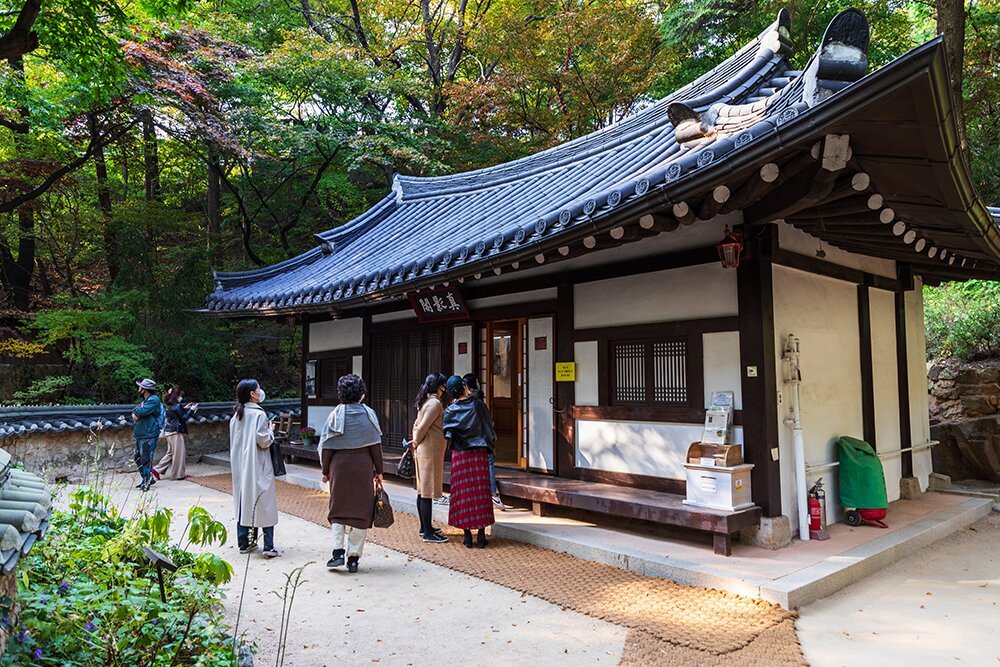 4
4
Food & Dining 5
-
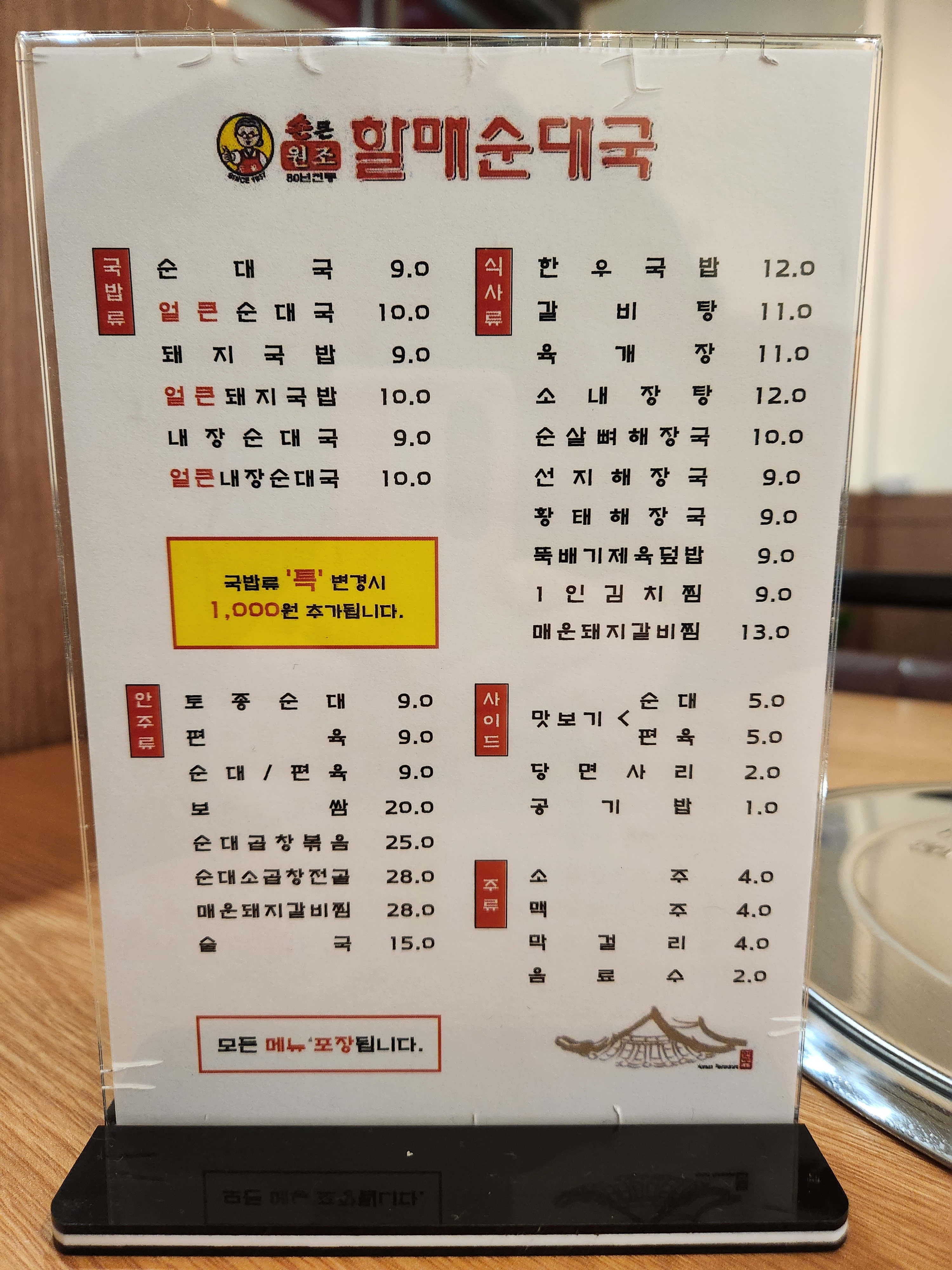 5
Sonkeon Original Halme Sundae Soup (Gyeonji-dong Branch)
5
Sonkeon Original Halme Sundae Soup (Gyeonji-dong Branch) -
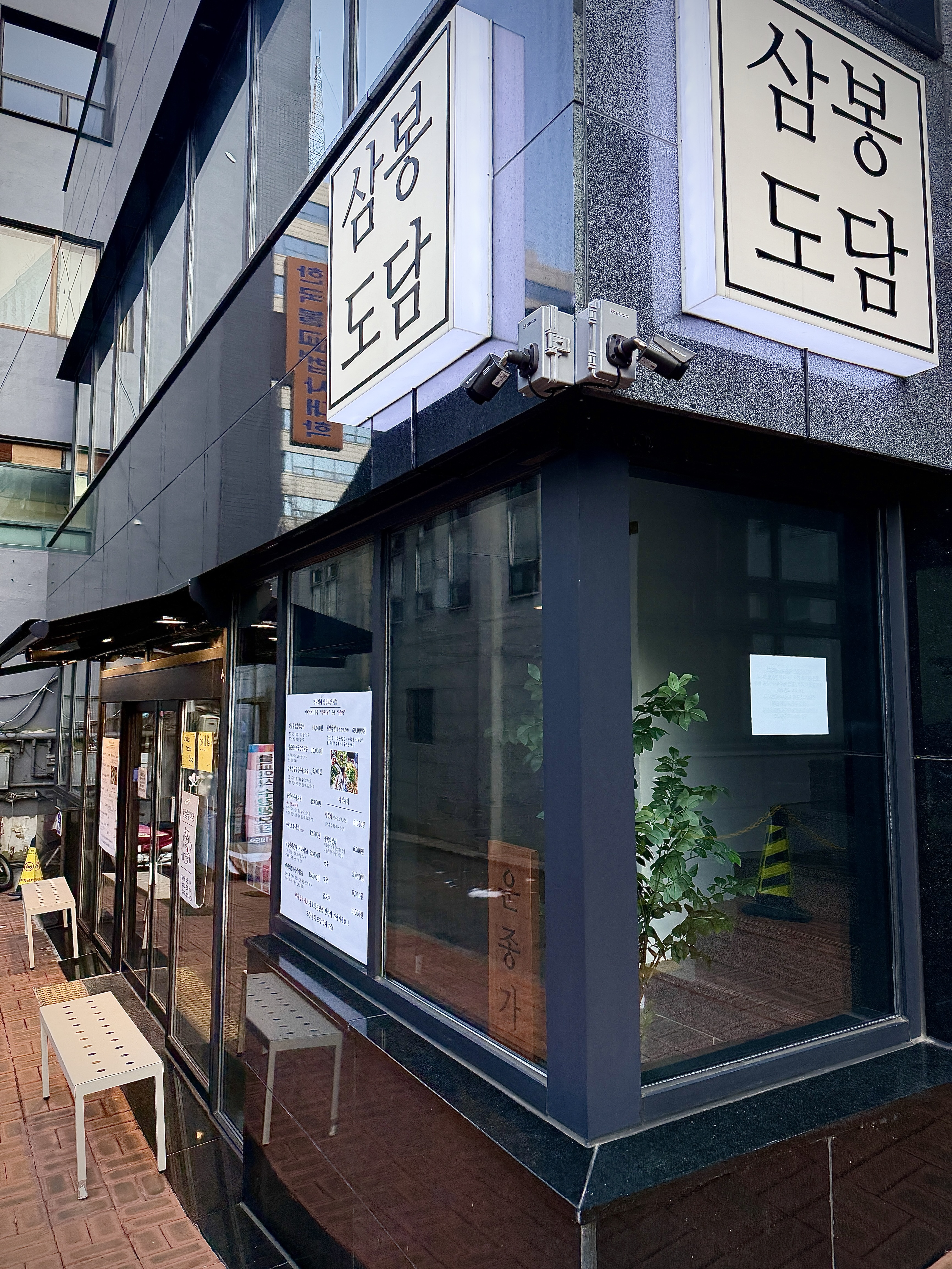 6
6
-
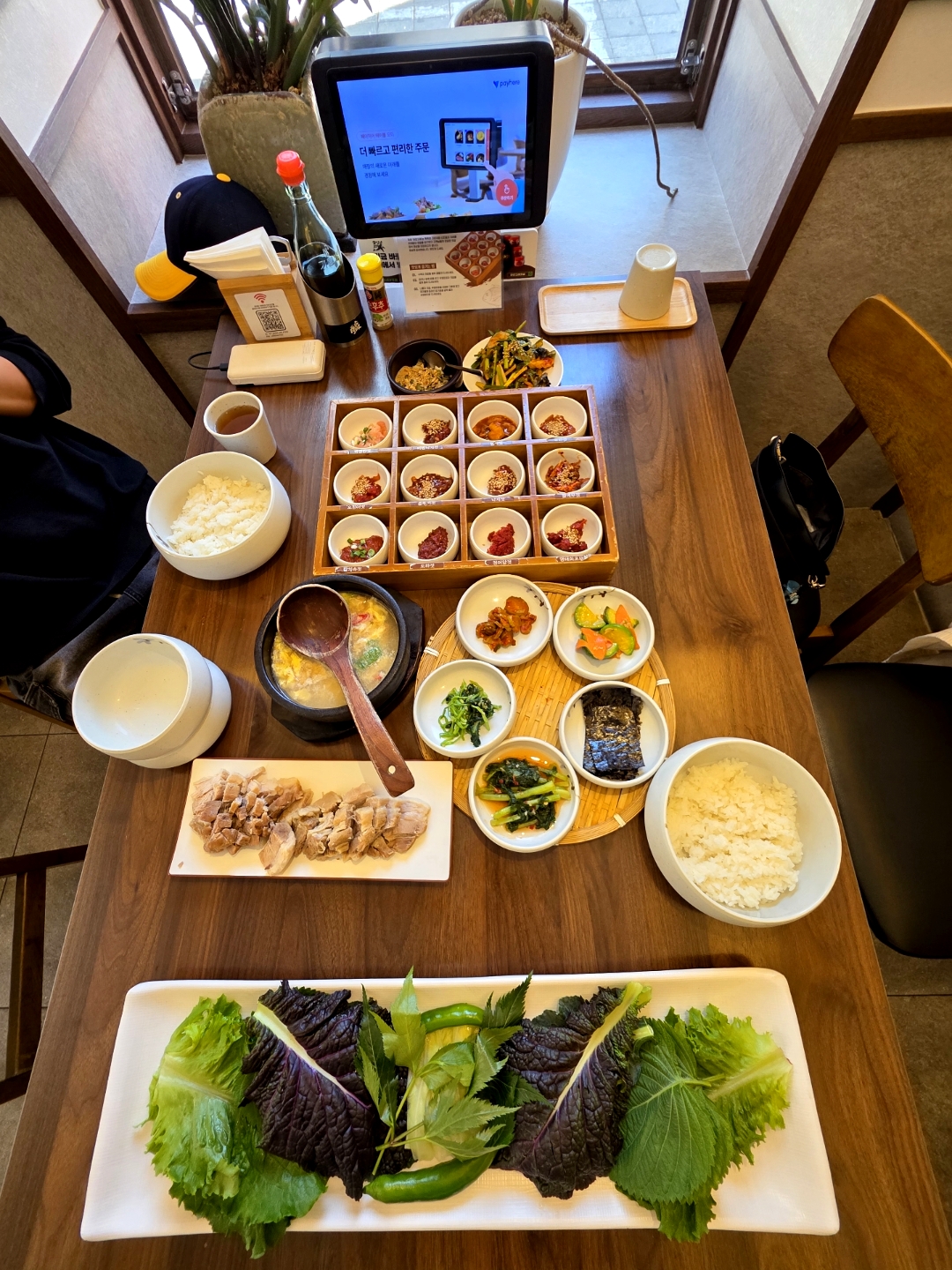 7
7
-
 8
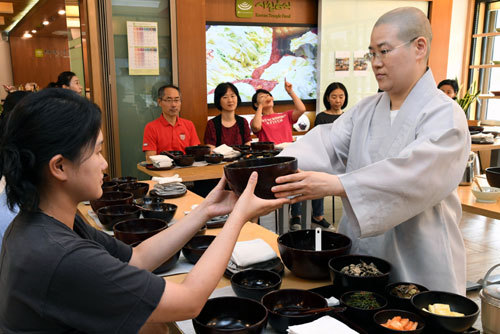
Balwoo Gongyang
8
Balwoo Gongyang -
 9
Menzuru Jongno Branch
9
Menzuru Jongno Branch
Events in This Area

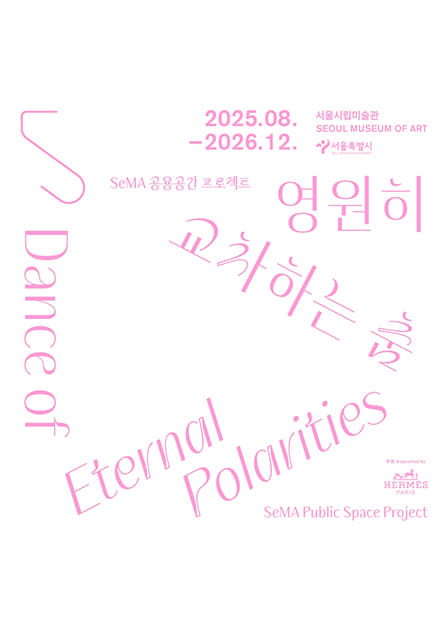
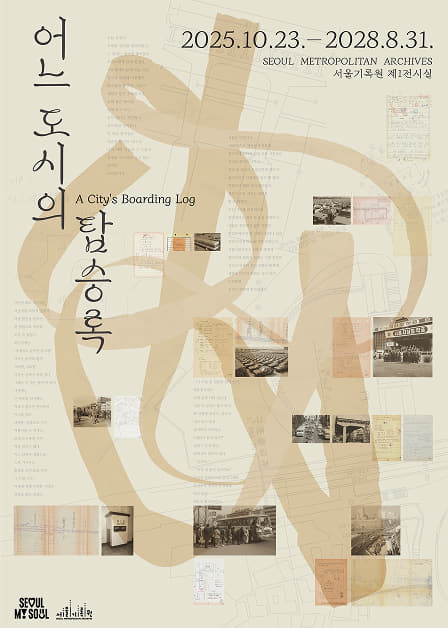
Festivals in This Area
More Travel Guides in This Area
 Travel Guide
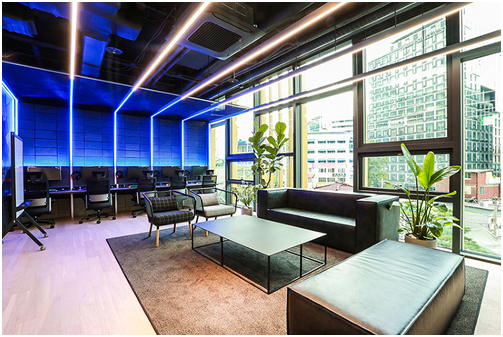
LCK’s Stage Beneath Jonggak Station: LoL Park
 Travel Guide
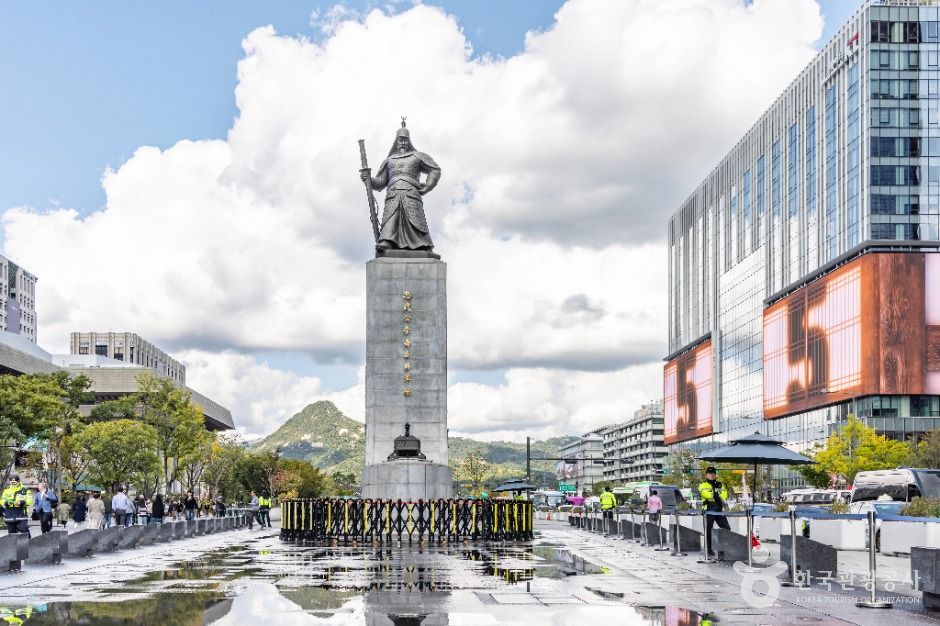
Statue of Admiral Yi Sun-sin Standing 17 m in the Middle of Gwanghwamun
 Travel Guide
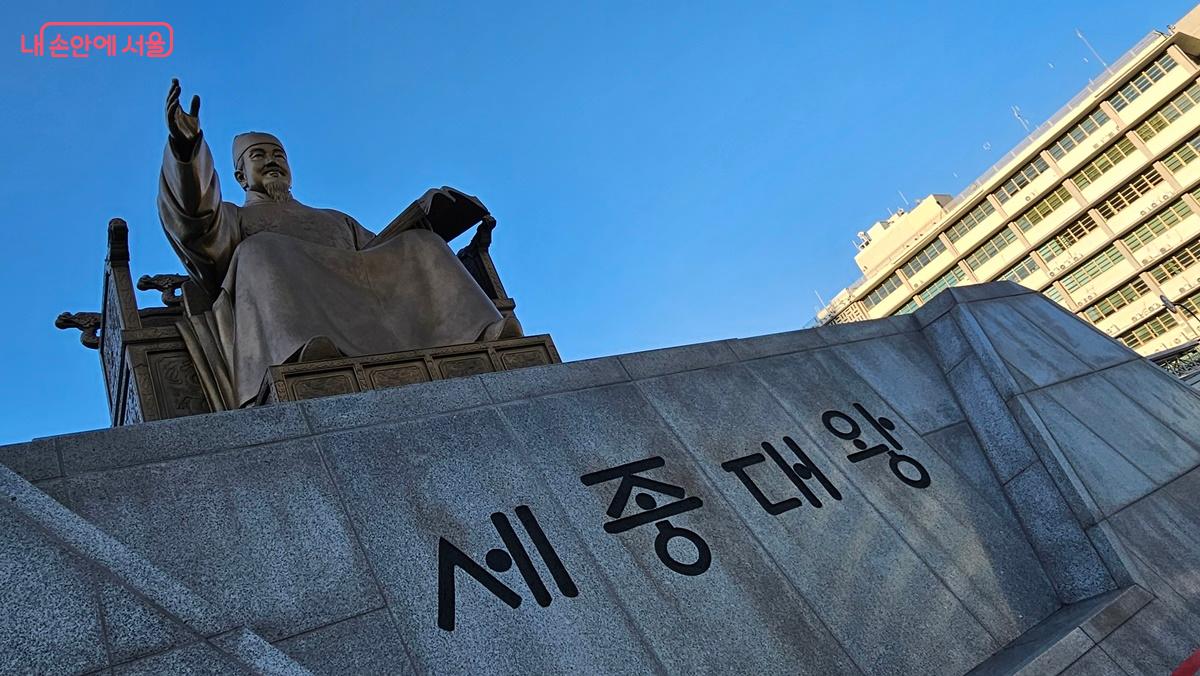
The 6.2-Meter Statue of King Sejong Facing North Toward Gwanghwamun: A 40-Minute Exploration of Hangul and Science
 Travel Guide
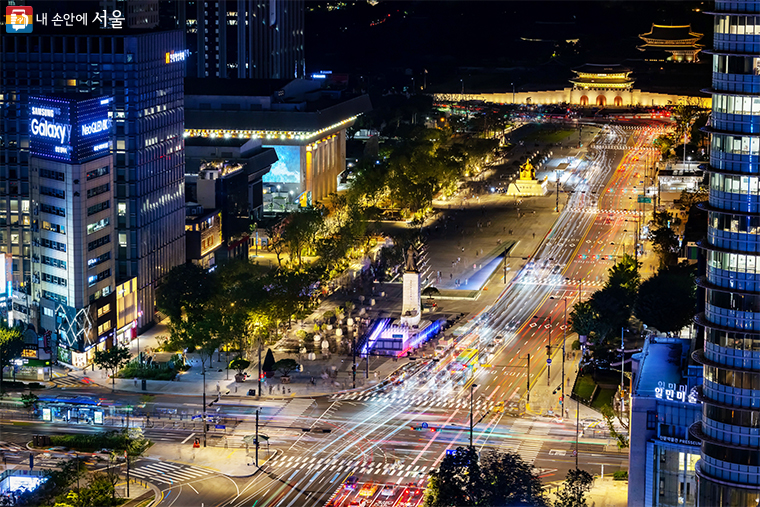
90 Minutes Reading Gwanghwamun Square, from the Yukjo Street of 1395 to the Woldae of 2023
Korea News
 News
News
aespa’s Winter—Can a Person Really Be This Cute? A Daily Life Full of Pure Charm
 News
News
Tom Cruise Spotted Taking a Late-Night Walk at Hangang Park… Strolled for an Hour in a Black Suit
 News
News
'Jimin, We'll always be with you' Peru Embraced 'Jimtober' Birthday Celebrations... "I'm Happy"
 News
News