90 Minutes Reading Gwanghwamun Square, from the Yukjo Street of 1395 to the Woldae of 2023
Gwanghwamun Square is a 40,300㎡ public square open 24 hours a day for free, located on Sejong-daero in front of Gwanghwamun Gate of Gyeongbokgung Palace. It connects the statues of King Sejong and Admiral Yi Sun-sin, the remains of the Joseon-era Yukjo Street, the Gwanghwamun Woldae, and Haechi Madang along one route, helping first-time visitors avoid getting lost.
I’ve been here?
Your check-in helps the next traveler.
11 people viewed this week Be the first
One tap — no writing needed
The symbol trail stretching from Yukjo Street in 1395 to the Gwanghwamun Woldae in 2023
Gwanghwamun Square is the space between Gyeongbokgung’s main gate, Gwanghwamun, and Sejong-daero. In 1395, Gyeongbokgung, Jongmyo, government offices, and Yukjo Street were established, and in front of Gwanghwamun were government offices handling state administration, including Uijeongbu and the Six Ministries: Ijo, Hojo, Yejo, Byeongjo, Hyeongjo, and Gongjo. The broad pedestrian space today is not simply a plaza in the middle of a road; it is a place built on the axis of state administration where Joseon’s royal palaces and government offices were linked.
The current form is the result of construction that began on November 26, 2020, opened Citizens’ Plaza first on August 6, 2022, and was completed with the addition of the Gwanghwamun Woldae and the Historic Plaza on October 15, 2023. The Woldae is the broad stone platform used by the king in front of Gwanghwamun for major palace ceremonies, and after restoration the line of sight facing Gwanghwamun head-on was aligned more with the pedestrian axis than with the roadway.
The order for walking the 40,300㎡ area from northern Gwanghwamun to the southern Admiral Yi Sun-sin statue
Gwanghwamun Square covers 40,300㎡. Starting from Gwanghwamun and the Woldae in the north and moving south in order past the Statue of King Sejong, Yukjo Madang, the Statue of Admiral Yi Sun-sin, the Myeongnyang Fountain, and the southern Haechi Madang, you can see the main highlights in about 60 to 90 minutes. If you include a visit inside Gyeongbokgung, it is best to allow more than 2 hours and 30 minutes in total, going from the north end of the square to Heungnyeomun of the palace.
Beneath the rear of the Statue of King Sejong is the entrance to "The Story of Sejong," and around the Statue of Admiral Yi Sun-sin are water features reflecting the naval-war narrative of Admiral Chungmugong. Rather than simply crossing the square from north to south, stop at the media glass behind the Statue of King Sejong, the front of the statue, and the victory monument in front of the Statue of Admiral Yi Sun-sin; the difference in how these two figures are commemorated becomes clear.
- North end: Views toward Gwanghwamun, the restored Woldae, and Gyeongbokgung
- Center: Statue of King Sejong, Yukjo Madang, Square Forest
- South end: Statue of Admiral Yi Sun-sin, Myeongnyang Fountain, Haechi Madang

Joseon administrative remains unearthed below the road: the site of Saheonbu’s gate and a well
Before the square was redeveloped, trial excavations were conducted from March to November 2019, and detailed excavations from October 2020 to June 2021. In the survey area, traces of Samgunbu, Saheonbu, Hyeongjo, Gongjo, and the southern area of Yukjo were identified, and about 13 building sites, wells, walls, gate sites, and drainage channels were uncovered. As a result, the historic space on the west side of the square overlaps with the actual site where old government offices once stood.
Near the gate site of Saheonbu, not only the gate, walls, servants’ quarters, and drainage channels, but also a well outside the building were identified. At the Samgunbu site, traces of an exterior servants’ quarter believed to have been rebuilt in 1869 during the reign of King Gojong, as well as a drainage channel about 80 cm wide and about 40 cm deep, were discovered. The reason for preserving and exposing the remains is not simply to recreate a model of Joseon’s "Yukjo Street," but to leave actual underground records within the square’s circulation route.
The excavation data show that the ground levels of the early Joseon period and the Gojong period were different. In downtown Hanyang, after fires and floods, people would sometimes cover the existing foundation with soil and rebuild the buildings, and this process remains as differences in the layers from each era. In the remains section, do not look only at the ground; it is better to also consider how the government offices were arranged when standing facing Gwanghwamun.
The 77-nozzle tunnel fountain and the adjusted water features schedule as of July 2026
The square has water features such as the Myeongnyang Fountain, the Hangeul Fountain, the Tunnel Fountain, the Spring Water Table, and the Ground Well. The 133 nozzles on the inner side of the Myeongnyang Fountain in front of the Statue of Admiral Yi Sun-sin represent the 133 Japanese warships defeated at the Battle of Myeongnyang, while the outer shape represents the crane-wing formation used at the Battle of Hansando. The Tunnel Fountain, with 77 streams forming an arch, was designed to symbolize the 77 years from liberation to the square’s reopening.
As of the notice dated July 2, 2026, the operation period for the water features is July 1 to October 31. On weekdays, they operate from 11:00 to 15:00, and on Saturdays, Sundays, and public holidays from 11:00 to 18:00. If your goal is water play, bring a towel and a change of clothes, and if you move between the Statue of Admiral Yi Sun-sin section on the south side of the square and Haechi Madang, it is convenient to use the restrooms and the subway connection passage together.
- Weekday water features: 11:00~15:00
- Sat/Sun/public holiday water features: 11:00~18:00
- Adjusted operation period in 2026: July 1 to October 31
Gwanghwamun Station Exit 7 and Gyeongbokgung Station Exit 6: entrances split by purpose
At Line 5 Gwanghwamun Station, use the Haechi Madang connection passage or exit through Exit 7 to enter toward Square Forest. If you plan to see the Statue of King Sejong, Haechi Madang, and The Story of Sejong first, Gwanghwamun Station is the shorter route. Conversely, if you want to see the Gwanghwamun Woldae and Gyeongbokgung first, it is better to walk from Line 3 Gyeongbokgung Station Exit 6 toward the Government Seoul Complex and Gwanghwamun, matching the north-end route.
Buses use the stop in front of the KT Gwanghwamun branch and stops around Gwanghwamun. The official guidance includes trunk routes 101, 103, 109, 150, 160, 260, 270, 271, 273, 370, 401, 406, 470, 600, 601, 602, 603, 606, 700, 702A, 702B, 703, 704, 705, 706, 707, 708, 709, 720, 721, 741, branch routes 1020, 1711, 7016, 7018, 7019, 7022, 7212, and airport bus 6002.
- Woldae/Gyeongbokgung first: Line 3 Gyeongbokgung Station Exit 6
- Haechi Madang/The Story of Sejong first: Line 5 Gwanghwamun Station connection passage or Exit 7
- Circulation bus: 01A, stop in front of the KT Gwanghwamun branch
The square is free and open 24 hours a day all year, while the Haechi Madang video window runs from 08:00 to 22:00
Gwanghwamun Square itself is open 24 hours a day throughout the year, and there is no admission fee. Because it is a public space that can be crossed at night without closure, no separate reservation is needed even if you want to see the view toward Gwanghwamun and Bukhansan at sunset. General guidance is provided by the Seoul Dasan Call Center at 02-120, and information about restricted sections due to events or construction is posted on the official Gwanghwamun Square notices.
However, even if the entire square is open 24 hours, the operating hours vary by facility. The Haechi Madang video window operates daily from 08:00 to 22:00, and it is a media art exhibition platform composed of 53 m-long Full HD panels. On days when large summer or year-end events, performances, or international sports cheering events are held, pedestrian and vehicle routes on parts of the square and Sejong-daero change, so if you check the official website’s "Gwanghwamun Square Events" calendar just before arriving, you can avoid the stage on that day or include the event itself in your schedule.
From July 31 to September 3, 2026, "Gwanghwamun Square Moonlight Yoga" is scheduled at Yukjo Madang, and from July 20 to August 9, the Summer Imagination Playground will operate in Square Forest. Considering that the square is not a single tourist facility but a shared urban stage where assemblies, exhibitions, performances, and seasonal events overlap, if you want a quiet visit, it is efficient to start with the north-end remains and the Woldae on weekday mornings.
Half a day linking The Story of Sejong, Gyeongbokgung, and Cheonggyecheon in one direction
The Story of Sejong and Chungmugong Story beneath the square are exhibition spaces you can visit by going down near the Statue of King Sejong and the Statue of Admiral Yi Sun-sin. If you are only strolling the square, 60 to 90 minutes is enough; if you include The Story of Sejong and Chungmugong Story, it takes about 2 hours; and if you add Gyeongbokgung, half a day is appropriate. The sequence of viewing the Gwanghwamun Woldae first at the north end of the square, entering Gyeongbokgung, then after the visit walking back south through the square toward Cheonggyecheon reduces backtracking.
There is no dedicated parking lot above ground at the square, so vehicles use nearby paid parking lots such as the Sejong-ro underground public parking lot. Since this area overlaps with central business districts and tourist spots in Seoul, subway access is simpler. Strollers and wheelchairs can move on the broad, flat pedestrian surface above ground and can access the square via the Gwanghwamun Station Haechi Madang connection passage. Haechi Madang has a video window, and the official English website for the square is also available, so foreign travelers can check subway exits and event information in English at the same time.
- Square only: 60~90 minutes
- Square + The Story of Sejong + Chungmugong Story: about 2 hours
- Square + Gyeongbokgung + Cheonggyecheon: about 4 to 5 hours
Before You Go
- Address
- 172 Sejong-daero, Jongno-gu, Seoul (Sejongno, Gwanghwamun Square) / The Story of Sejong entrance: 175 Sejong-daero
- Hours
- Square open 24 hours year-round; Haechi Madang video window 08:00~22:00; water features from July 1 to October 31, 2026, weekdays 11:00~15:00, Sat/Sun/public holidays 11:00~18:00
- Closed
- Open year-round (square)
- Admission
- Free
- Phone
- 02-120 (Seoul Dasan Call Center)
- Official site
- https://gwanghwamun.seoul.go.kr/ghm/main.do
- Transport
- Line 5 Gwanghwamun Station Haechi Madang connection passage or Exit 7, Line 3 Gyeongbokgung Station Exit 6. Trunk routes 101, 103, 150, 160, 270, 401, 406, 470, 600, 700, 704, 720, 721, 741, branch routes 1020, 1711, 7016, 7018, 7019, 7022, 7212, airport 6002, etc.
- Parking
- No dedicated above-ground parking lot at the square. Use nearby paid parking lots such as the Sejong-ro underground public parking lot.
- Time needed
- Key square highlights 60~90 min / about 2 hours including underground exhibitions / 4~5 hours for Gyeongbokgung and Cheonggyecheon combined
- Accessibility
- The above-ground square has a flat pedestrian route for wheelchairs and strollers, and can be accessed via the Gwanghwamun Station Haechi Madang connection passage. Official English website available.
The information above is current as of the time of writing. Please check the official guidance again before visiting.

Places
Nearby Attractions 4
-
 1
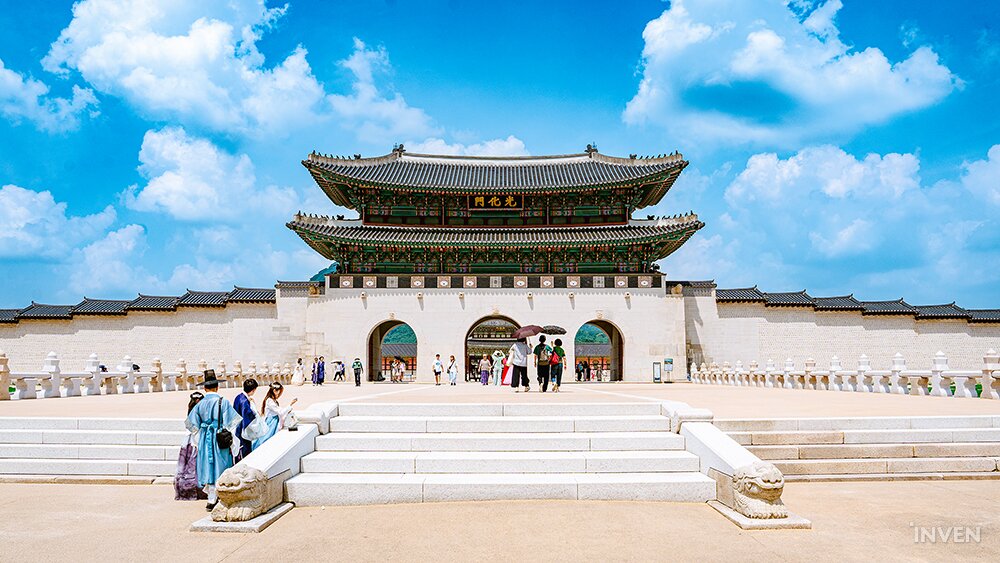
Gyeongbokgung PalaceA palace where you can explore the main throne hall and pavilions of the Joseon royal court
1
Gyeongbokgung PalaceA palace where you can explore the main throne hall and pavilions of the Joseon royal court -
 2
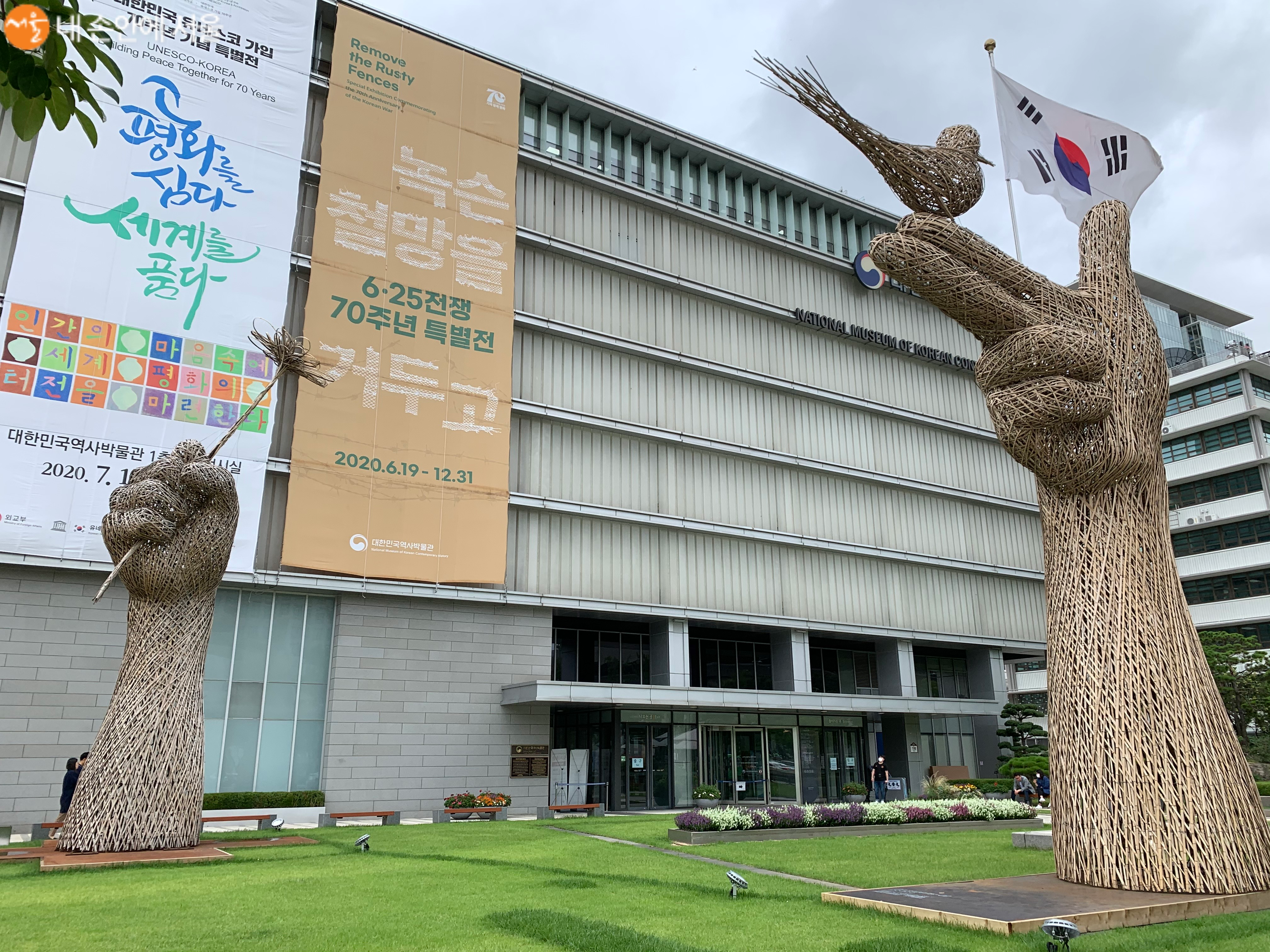
National Museum of Korean Contemporary HistoryA national museum showcasing Korea’s modern and contemporary history.
2
National Museum of Korean Contemporary HistoryA national museum showcasing Korea’s modern and contemporary history. -
 3
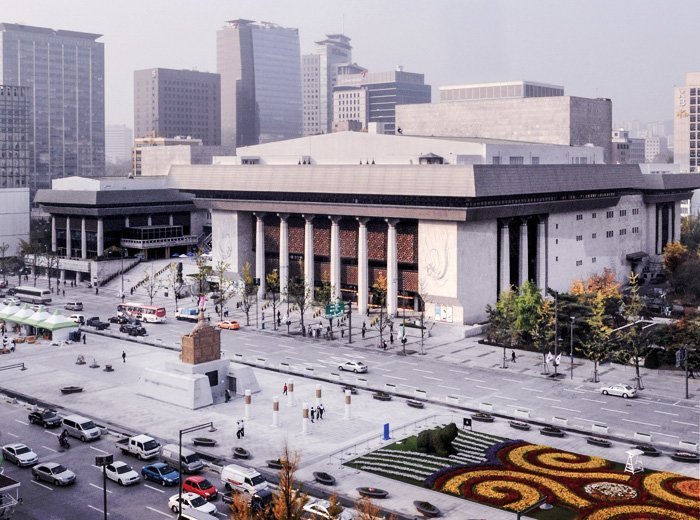
Sejong Center for the Performing ArtsA multifaceted cultural space where you can enjoy performances and exhibitions
3
Sejong Center for the Performing ArtsA multifaceted cultural space where you can enjoy performances and exhibitions -
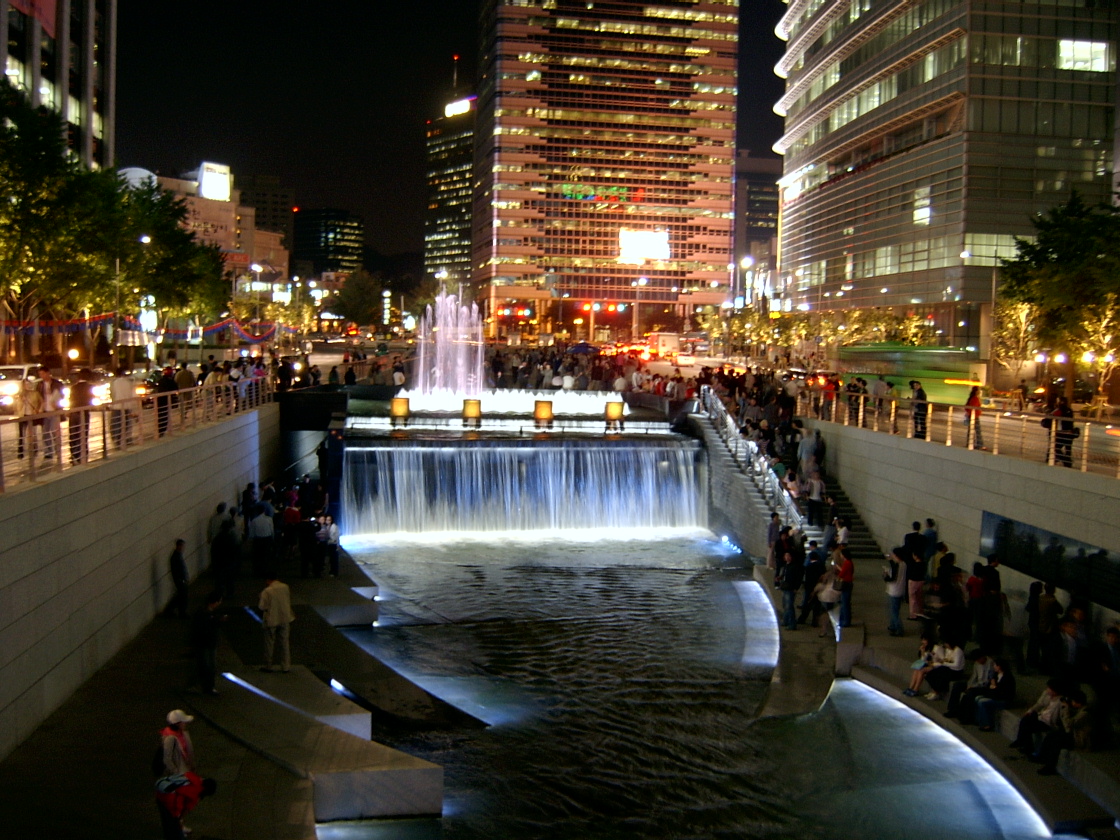 4
4
Events in This Area
Festivals in This Area
More Travel Guides in This Area
 Travel Guide
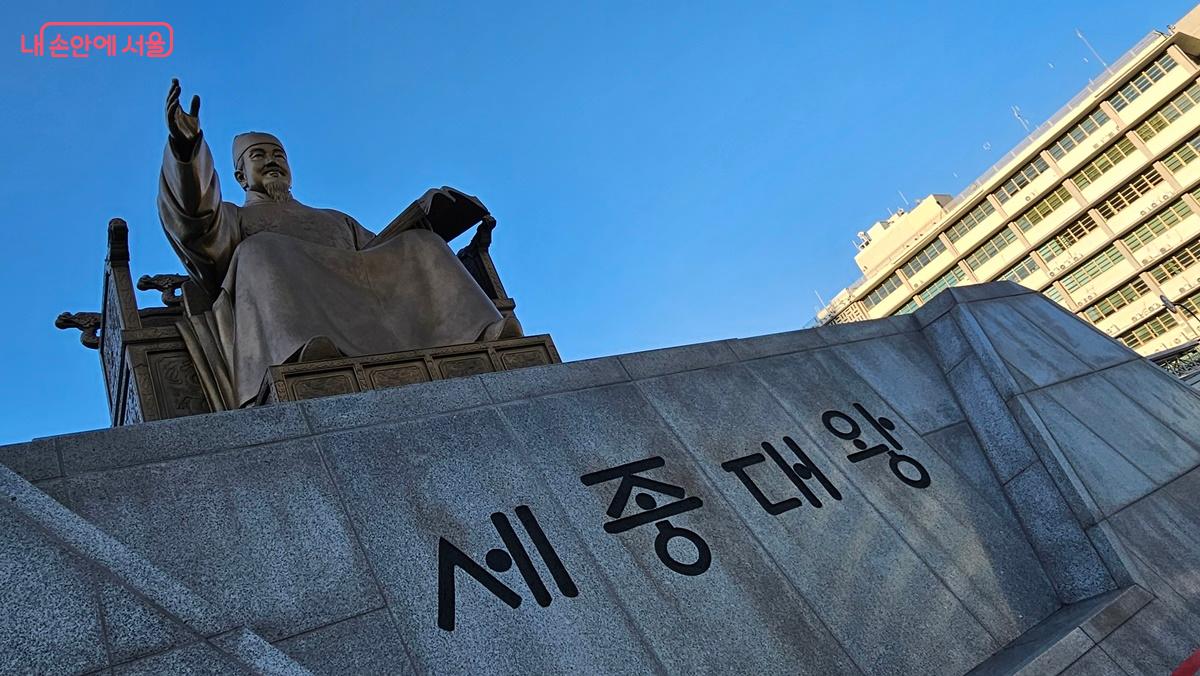
The 6.2-Meter Statue of King Sejong Facing North Toward Gwanghwamun: A 40-Minute Exploration of Hangul and Science
 Travel Guide
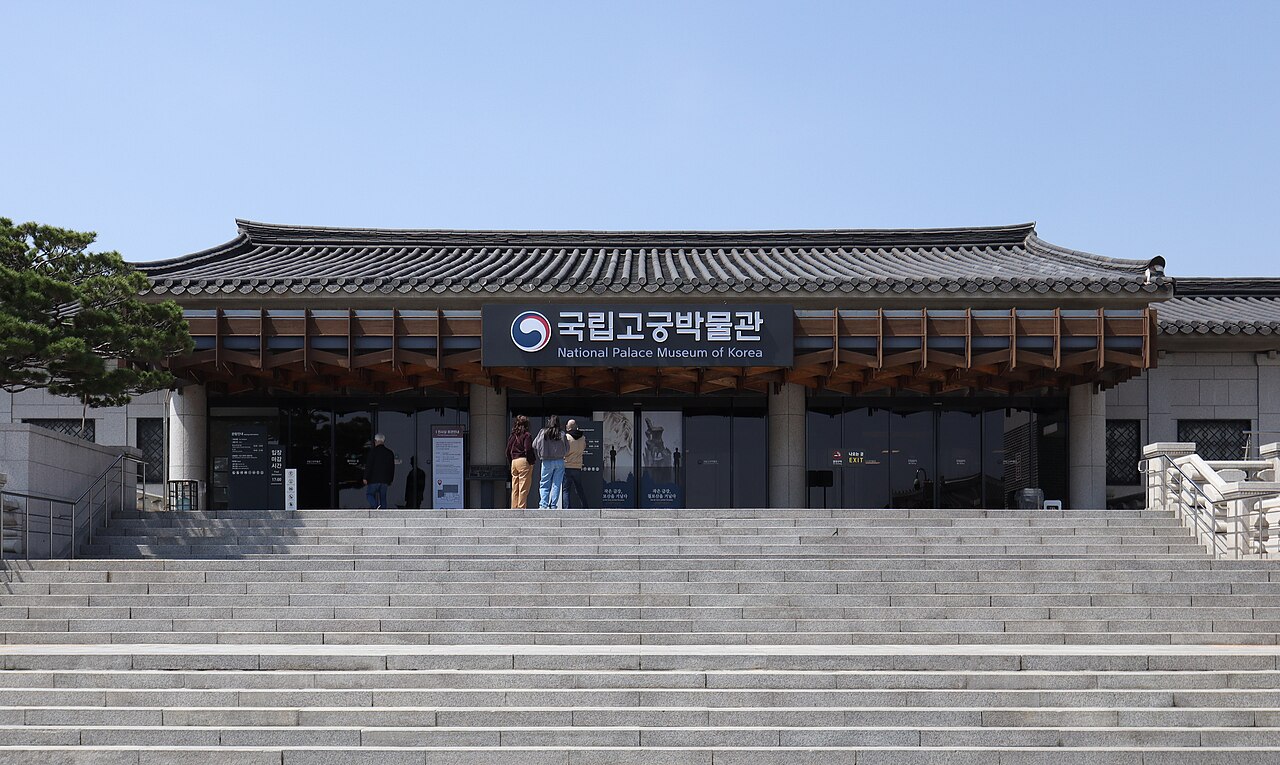
Hyoja-ro 12, National Palace Museum of Korea — Royal Collections at the Site of the Old Royal Residence Offices of Gyeongbokgung Palace
 Travel Guide
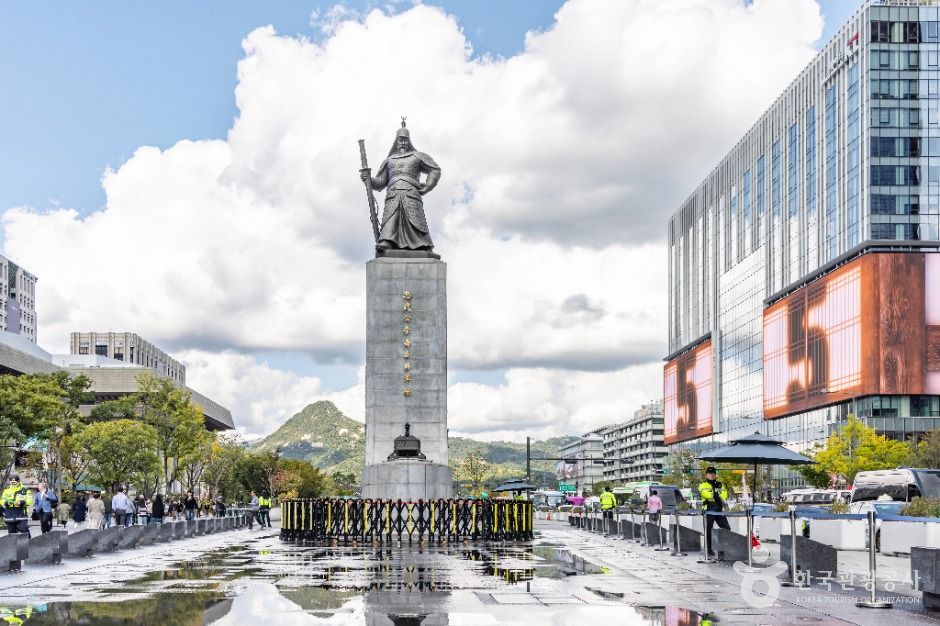
Statue of Admiral Yi Sun-sin Standing 17 m in the Middle of Gwanghwamun
 Travel Guide
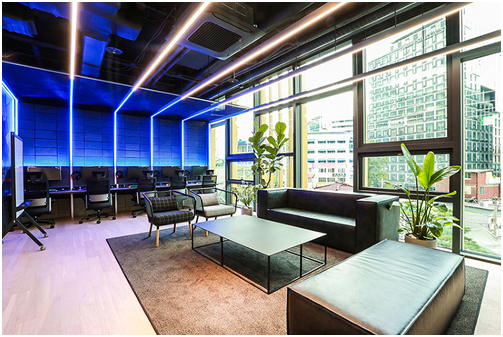
LCK’s Stage Beneath Jonggak Station: LoL Park
Korea News
 News
News
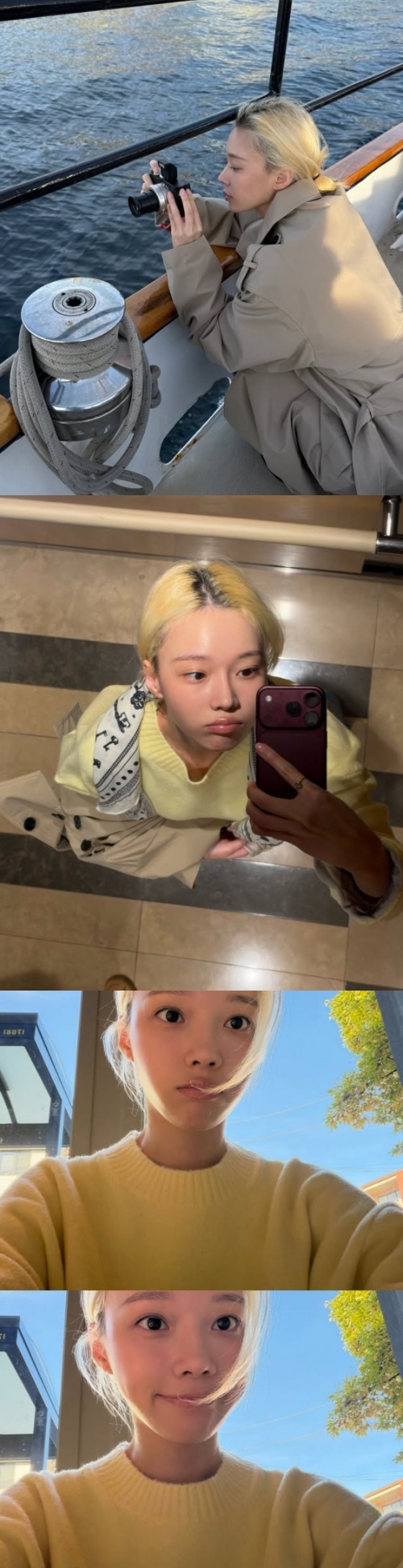
aespa’s Winter—Can a Person Really Be This Cute? A Daily Life Full of Pure Charm
 News
News
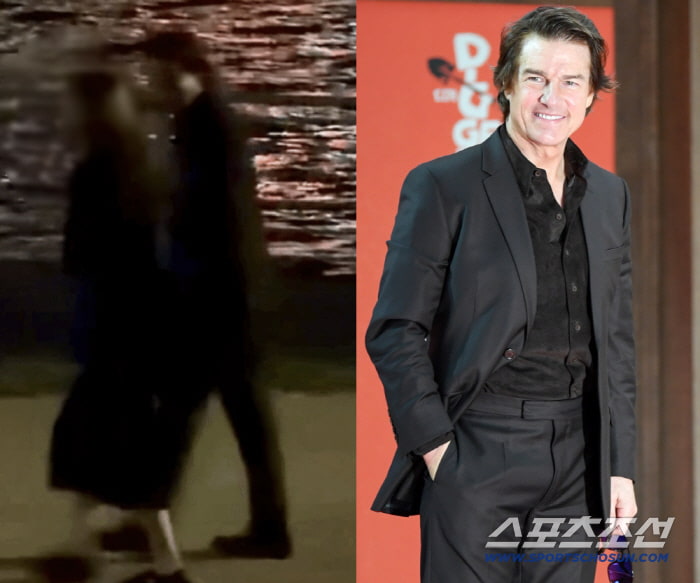
Tom Cruise Spotted Taking a Late-Night Walk at Hangang Park… Strolled for an Hour in a Black Suit
 News
News
'Jimin, We'll always be with you' Peru Embraced 'Jimtober' Birthday Celebrations... "I'm Happy"
 News
News