Seoul’s Gyeongui Line Forest Park: 6.3 km of forest laid over railway tracks dating from 1906
Gyeongui Line Forest Park is a 6.3 km linear park stretching from the vicinity of Gajwa Station to the Yongsan-gu Culture and Sports Center. It transformed the above-ground section of the Gyeongui Line, which had been placed underground, into a park between 2012 and 2016. On a first visit, you can choose just the section you want to walk, whether it is the lively area around Hongik University Station and Yeonnam-dong, Waugyo Book Street, the metasequoias of Yeomni-dong, or the old railway traces toward Gongdeok and Hyochang.

I’ve been here?
Your check-in helps the next traveler.
11 people viewed this week Be the first
One tap — no writing needed
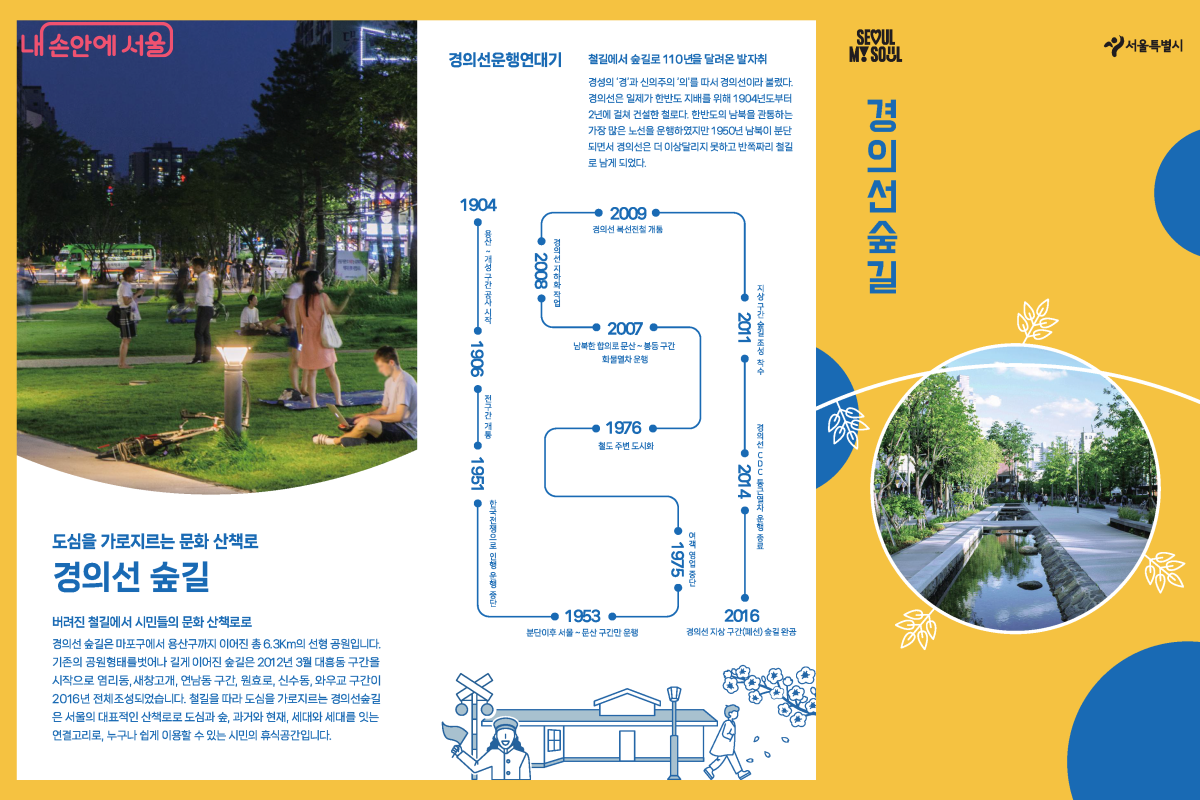
From the Gyeongui Line in 1906 to a 6.3 km park in 2016
Gyeongui Line Forest Park is a linear park stretching from Mapo-gu to Yongsan-gu in Seoul, with a total length of 6.3 km and an area of 102,008㎡. The name “Gyeongui” comes from “Gyeong” (京) in Gyeongseong and “Ui” (義) in Sinuiju. The Gyeongui Line opened in 1906 as a railway connecting Yongsan in Seoul with Sinuiju.
After the Korean War, the railway was affected by the division of the peninsula and operated mainly on the Seoul–Munsan section. After the Yongsan–Gajwa section was placed underground, the Seoul Metropolitan Government converted the remaining above-ground railway land into a park. Construction began with the Daeheung-dong section in March 2012, and the entire route was completed in 2016. Today, Gyeongui–Jungang Line trains run underground, while a forest trail follows the former railway alignment above ground.
How to choose and walk four sections from Gajwa Station to Hyochang Park Station
A Seoul Metropolitan Government guide leaflet introduces the forest trail as four sections: Yeonnam-dong, Waugyo, Sinsu–Daeheung–Yeomni-dong, and Saechanggogae–Wonhyoro. The Yeonnam-dong section is about 1.2 km and takes approximately 30 minutes on foot; the Waugyo section is about 370 m and takes about 15 minutes; the Sinsu–Daeheung–Yeomni-dong section is about 1.3 km and takes about 30 minutes; and the Saechanggogae–Wonhyoro section is about 960 m and takes about 25 minutes.
Roads and developed parcels lie between the sections, so the forest trail does not continue seamlessly throughout. To complete the entire route, you need to cross pedestrian crossings while consulting a map app, so it is safest to allow 2 hours 30 minutes to 3 hours. If you walk only one key section without taking photographs or visiting cafés, 30 to 60 minutes is sufficient.
- Yeonnam-dong: A section where you can see remaining railway tracks, grassy spaces, a ginkgo-lined path, and an 860 m waterway
- Waugyo: A roughly 370 m section featuring Ttaengttaeng Street, which recreates an old railway crossing, and Gyeongui Line Book Street
- Sinsu–Daeheung–Yeomni-dong: A section with railway boy and girl sculptures, Seontongmulcheon, spring cherry-blossom paths, and metasequoia and zelkova areas
- Saechanggogae–Wonhyoro: A section extending from Gongdeok Station toward Hyochang Park Station, where you encounter viewpoints and traces of the former railway
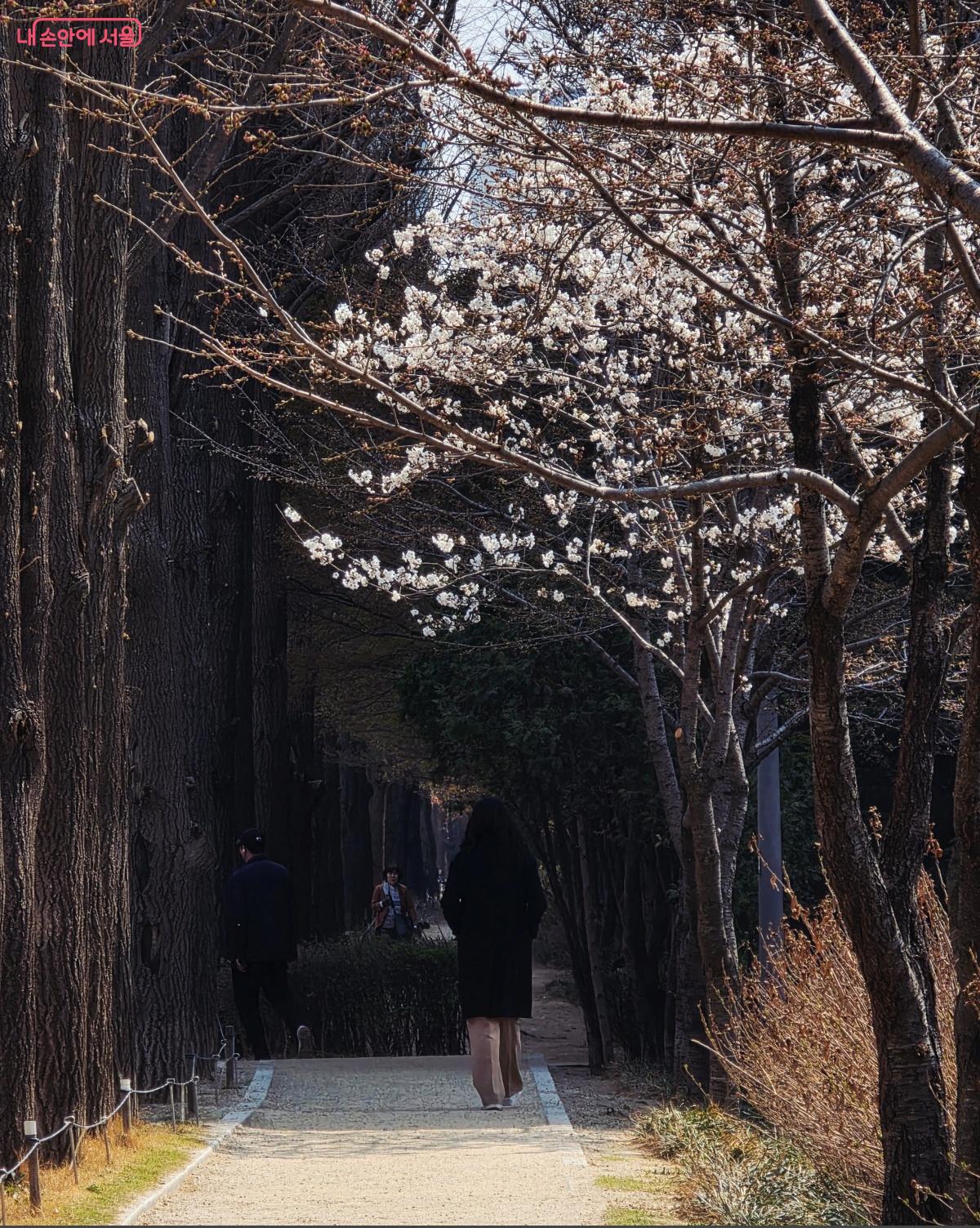
1.2 km through Yeonnam-dong starting from Exit 3 of Hongik University Station
For first-time visitors, the easiest access point to find is Hongik University Station. Exit 3 of Hongik University Station, where Subway Line 2, the Gyeongui–Jungang Line, and the Airport Railroad meet, is close to the Yeonnam-dong section. You can also access the western end of the forest trail from Exit 1 of Gajwa Station. If you arrive from Incheon International Airport via the Airport Railroad, you can get off at Hongik University Station without transferring.
The Yeonnam-dong section extends approximately 1.2 km from Yeonnam Sageori toward Hongik University Station. With old railway tracks, a rest area shaped like a small station, and grassy spaces remaining, it is a good section for understanding the character of this place as a “former railway site.” A Seoul citizen reporter’s article from spring 2025 introduced the Forest of Plum Blossoms in Yeonnam-dong as having been created in September 2020.
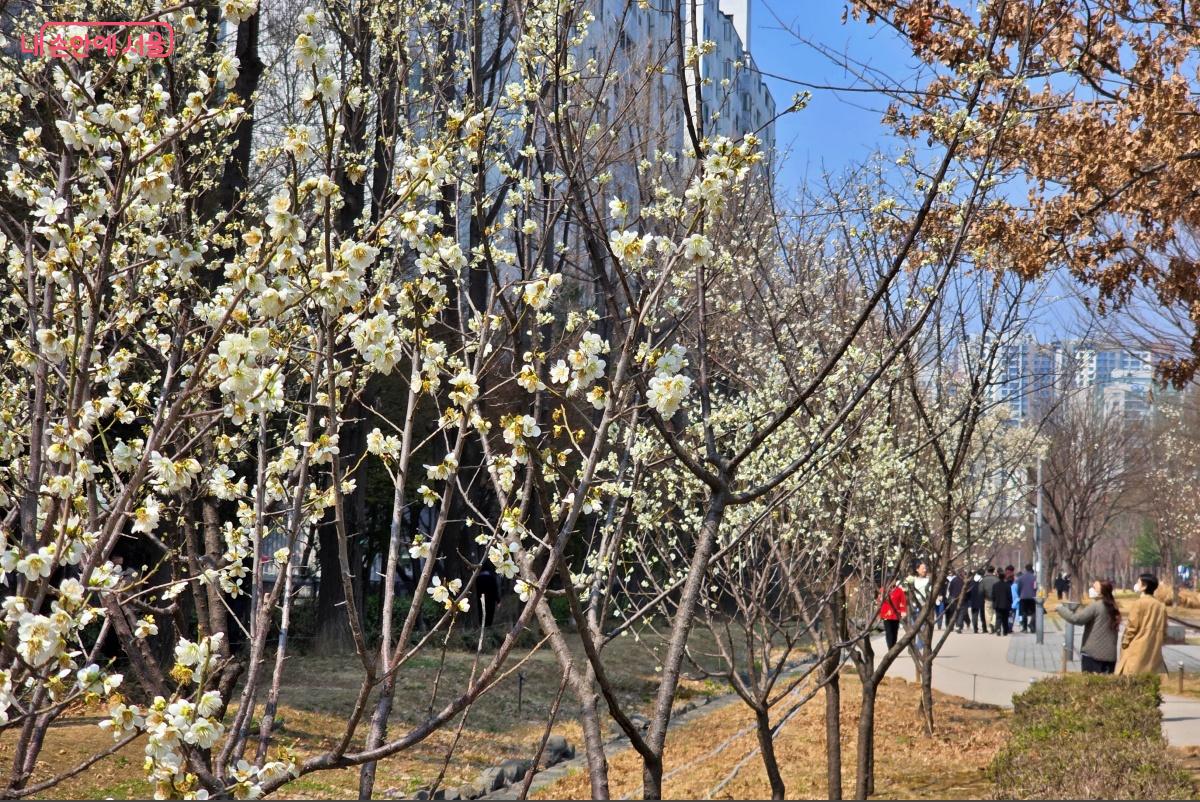
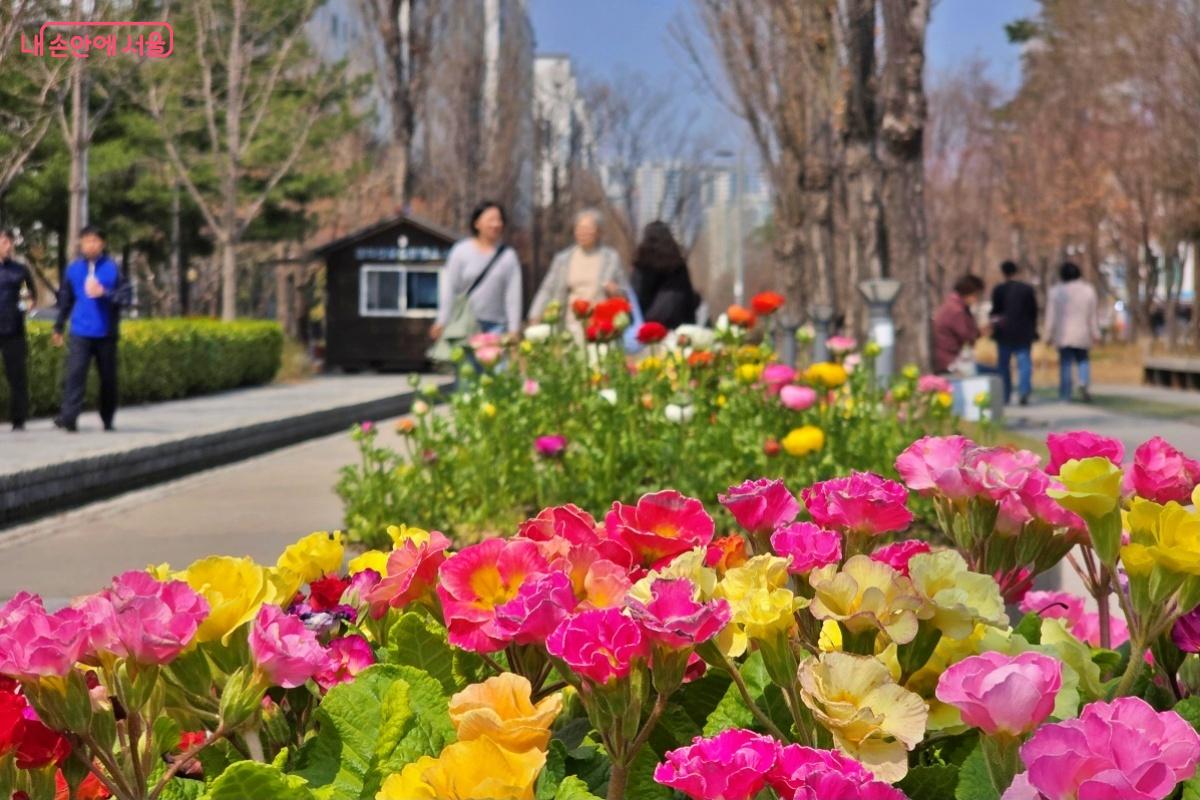
Ttaengttaeng Street and Gyeongui Line Book Street along Waugyo’s 370 m section
The Waugyo section, extending from Hongik University Station toward Sogang University Station, is about 370 m long and takes approximately 15 minutes on foot. The highlight of this section is Ttaengttaeng Street, which recreates an old railway crossing. Its name comes from the “ttaeng-ttaeng” sound made by the crossing bell as the barrier came down when a train passed.
Gyeongui Line Book Street is also worth visiting along the Waugyo section. With book-themed sculptures and rest areas, it reveals how the railway heritage was overlaid with a cultural space rather than restored exactly as it was. However, exhibitions, events, and the operation of individual facilities along the book street may vary by period, so it is best to follow on-site guidance on the day of your visit.
A 1.3 km section between Daeheung and Gongdeok stations for cherry blossoms and metasequoias
The Sinsu–Daeheung–Yeomni-dong section is about 1.3 km long and takes approximately 30 minutes on foot, connecting Sogang University Station with the areas around Daeheung and Gongdeok stations. The Seoul Metropolitan Government leaflet identifies the railway boy and girl sculptures, the small-station rest area, and Seontongmulcheon as major points of interest. This section reinterprets the former everyday scenery around the railway through sculptures and water features.
Daeheung-dong is a good section for viewing cherry blossoms in spring, while Yeomni-dong has a metasequoia path and a zelkova tree tunnel. A Seoul citizen reporter’s review from November 2024 reported that an old railway crossing barrier has been preserved at the Sinsu-dong Railway Rest Area. For railway facilities, prioritize Yeonnam-dong and Sinsu-dong; to enjoy the atmosphere created by tree-lined paths, prioritize Yeomni-dong.
960 m from Gongdeok Station to Hyochang Park Station: Railway memories in Wonhyoro
The Saechanggogae–Wonhyoro section extends from Gongdeok Station toward Hyochang Park Station. It is about 960 m long and takes approximately 25 minutes on foot. The Seoul Metropolitan Government leaflet describes winding paths, a viewing terrace, and natural stones as features of this section, whose Wonhyoro-side end adjoins the Yongsan-gu Culture and Sports Center.
Exit 4 of Hyochang Park Station provides access to the eastern end of the section. Gongdeok Station is convenient as a starting or finishing point because Subway Lines 5 and 6, the Gyeongui–Jungang Line, and the Airport Railroad intersect there, but reaching the forest trail entrance from the station exit involves crossing a road. If you have walked the entire route southwestward, taking Line 6 from Hyochang Park Station is a simple option.
Visitor guidelines and what to prepare for this always-open park
Gyeongui Line Forest Park is open year-round, and admission is free. The park management office can be reached at 02-719-8830, and official information is provided on the Seoul Parks Gyeongui Line Forest Park page. The official English leaflet lists the operating hours for the management office, Yeonnam-dong Community Service Center, and Gyeongui Line Book Street management office as 09:00–18:00, but these are not the park’s closing hours.
No official information confirming that the entire park operates with a single dedicated parking lot has been found. Rather than planning to park, it is better to use subway stations such as Gajwa, Hongik University, Sogang University, Daeheung, Gongdeok, and Hyochang Park as starting or finishing points. Some sections are shared by pedestrians and bicycles, so especially in the Yeonnam-dong and Hongik University-adjacent sections, pedestrians should walk in a single line and watch for bicycles.
- Park access: Open year-round; admission free
- Management inquiries: 02-719-8830
- Official information: https://parks.seoul.go.kr/template/sub/gyeongui.do
- Recommended starting stations: Exit 1 of Gajwa Station, Exit 3 of Hongik University Station, Exit 4 of Hyochang Park Station
- Accessibility: The linear park has many access points, but road breaks, pedestrian crossings, and shared pedestrian paths mean that wheelchair and stroller users may find it most practical to walk short sections out and back.
Spring flowers and autumn ginkgo trees: Visit on a weekday morning to avoid crowds
Spring is a good time to walk among the plum blossoms and magnolias of Yeonnam-dong and the cherry blossoms of Daeheung-dong, while autumn offers ginkgo-lined paths and fall foliage. A Seoul citizen reporter’s article from April 2025 recorded the spring flowers and ginkgo-lined path in the Yeonnam-dong section, while an article from December 2024 documented forest-trail scenery where fall foliage and the first snow remained together.
The sections near Hongik University Station and Yeonnam-dong tend to be crowded with restaurant and café visitors as well as walkers. If your goal is a quiet walk, it is more suitable to start in Yeonnam-dong on a weekday morning or choose the Sinsu–Daeheung–Yeomni-dong section between Daeheung and Gongdeok stations. Conversely, if you expect a large park with one uninterrupted forest trail, keep in mind in advance that some connecting sections require crossing roads.
Before You Go
- Address
- Yeonnam-dong, Mapo-gu, Seoul to Wonhyoro, Yongsan-gu, Seoul
- Hours
- Open year-round
- Closed
- None
- Admission
- Free
- Phone
- 02-719-8830
- Official site
- https://parks.seoul.go.kr/template/sub/gyeongui.do
- Transport
- Access to individual sections is available from Exit 1 of Gajwa Station, Exit 3 of Hongik University Station, and Exit 4 of Hyochang Park Station
- Time needed
- Key section: 30–60 minutes; entire route: approximately 2 hours 30 minutes–3 hours
- Accessibility
- There are many access points, but road breaks, pedestrian crossings, and shared pedestrian and bicycle sections make short out-and-back walks recommended for wheelchair and stroller users
The information above is based on the time of writing. Please check the official information again before visiting.

Places
Nearby Attractions 4
-
 1
1
-
 2
Seoul Battleship ParkView a decommissioned warship and submersible, and experience life in the navy.
2
Seoul Battleship ParkView a decommissioned warship and submersible, and experience life in the navy. -
 3
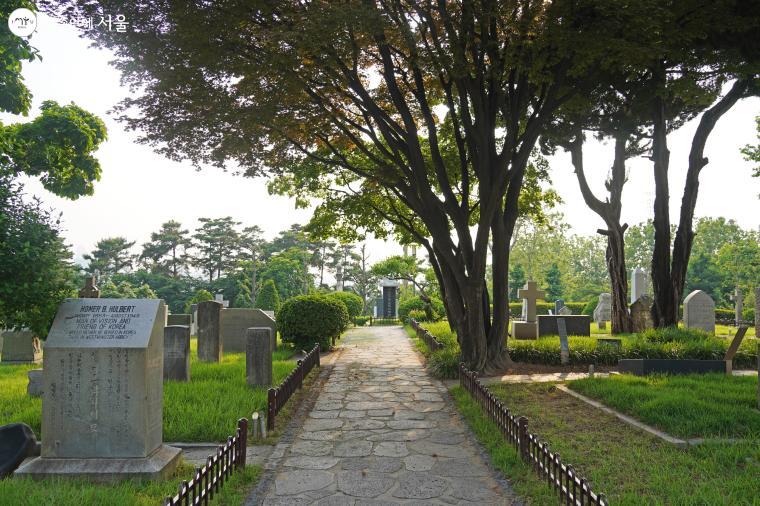
Yanghwajin Foreign Missionary CemeteryExplore the graves of foreign missionaries and the history of modern Korea.
3
Yanghwajin Foreign Missionary CemeteryExplore the graves of foreign missionaries and the history of modern Korea. -
 4
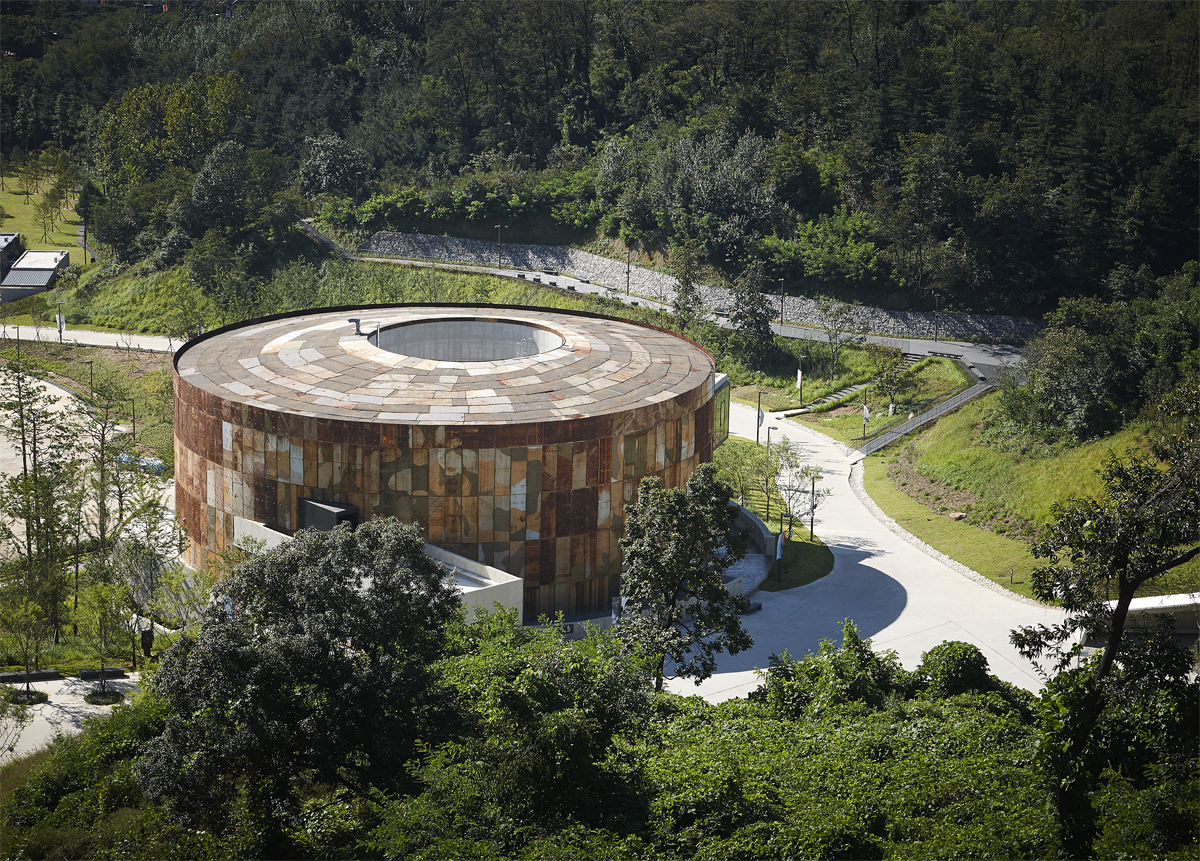
Oil Tank Culture ParkExplore exhibition and performance spaces created from former oil tanks.
4
Oil Tank Culture ParkExplore exhibition and performance spaces created from former oil tanks.
Events in This Area


Festivals in This Area


More Travel Guides in This Area
 Travel Guide
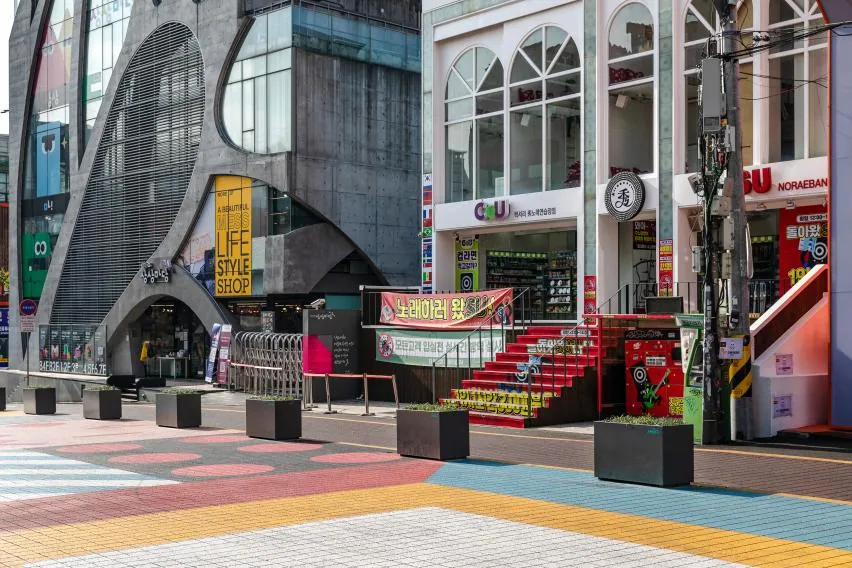
Yeonnam-dong, where a 1.2 km abandoned railway line transformed the neighborhood commercial district: a route starting from Hongik University Station
 Travel Guide
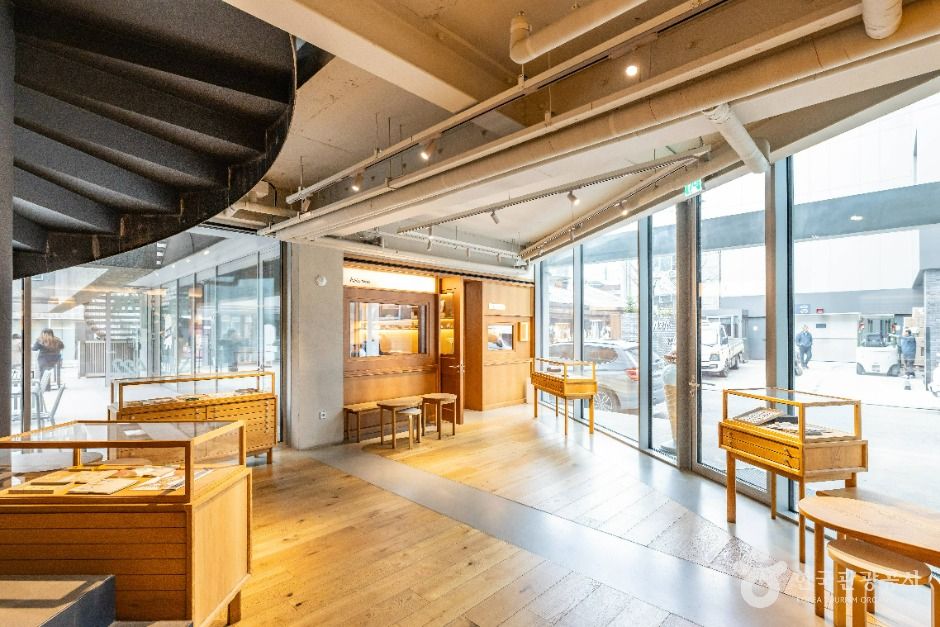
How to Use KT&G Sangsang Madang Hongdae: From the B4 Cinema to the 7th-Floor Academy
 Travel Guide
A Café and Performance Alley 2 Minutes from Exit 3 of Sangsu Station, Stretching Alongside the Danginri Power Plant
 Travel Guide
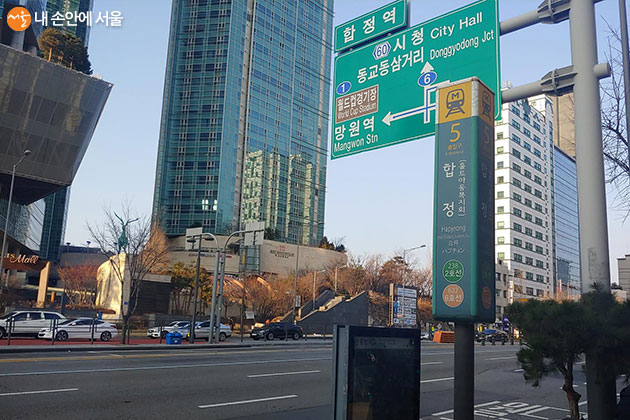
From Exit 7 of Hapjeong Station to Yanghwajin, a Half-Day Journey Linking the Memories of the Hangang Ferry and the Alleys of the Hongdae Area
Korea News
 News
News
Tom Cruise Spotted Taking a Late-Night Walk at Hangang Park… Strolled for an Hour in a Black Suit
 News
News
'Jimin, We'll always be with you' Peru Embraced 'Jimtober' Birthday Celebrations... "I'm Happy"
 News
News
BTS’s Jungkook stands alongside Messi and Ronaldo… No. 5 worldwide in TikTok views
 News
News