In front of Exit 4 of Jonggak Station, Bosingak, the gate of Hanyang in 1396
Jonggak is a historical point in downtown Seoul centered on Bosingak, right in front of Exit 4 of Jonggak Station on Subway Line 1. You can take in the bell that announced the opening and closing of the city gates from 1396, the regular noon bell ringing, and walking routes leading to Cheonggyecheon and Insa-dong.

I’ve been here?
Your check-in helps the next traveler.
No one has checked in yet Be the first
One tap — no writing needed
The Place Where the Bell Sound Moved the Eight Fortress Gates of Hanyang in 1396
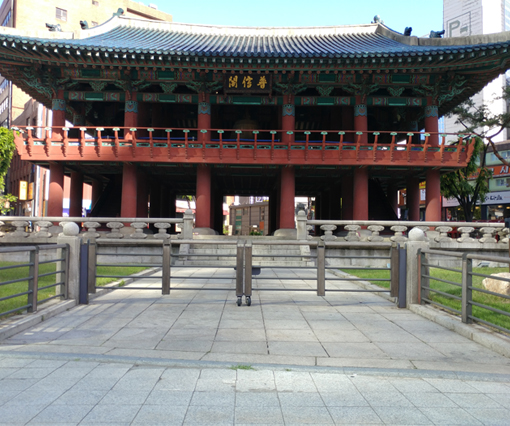
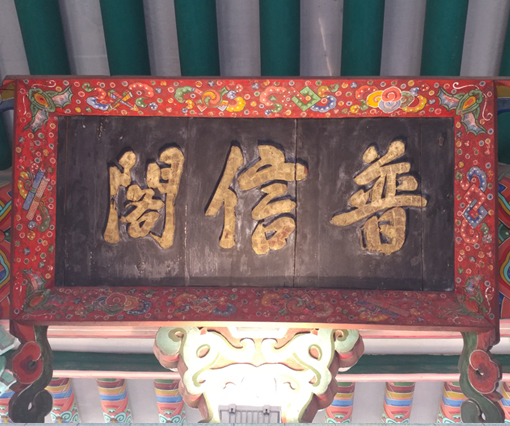
The place name “Jonggak” comes from Bosingak, the pavilion that hung the bell. From 1396, the 5th year of King Taejo of Joseon, the bell sound in this area served as an official signal for opening and closing the four major gates and four minor gates of the Hanyang Fortress. At 10:00 p.m., during “injeong,” it was struck 28 times to close the gates, and at 4:00 a.m. the next day, during “paru,” it was struck 33 times to open them. This means that today’s bustling Jongno intersection was, in the Joseon era, a key point for controlling the city’s time and movement.
The bell currently hanging at Bosingak is a new bell cast in 1985. The old bell was made in 1468, the 14th year of King Sejo, from the Wanggaksa bell, and was moved to the present Bosingak site in 1619. The old Bosingak bell, designated Treasure No. 2, is currently kept at the National Museum of Korea for preservation. The Bosingak building, destroyed during the Korean War, was rebuilt in 1979, and the current structure is a wooden pavilion with five bays on the front and four bays on the side.
12:10 p.m., the Civic Regular Bell-Ringing That Sounds 12 Times
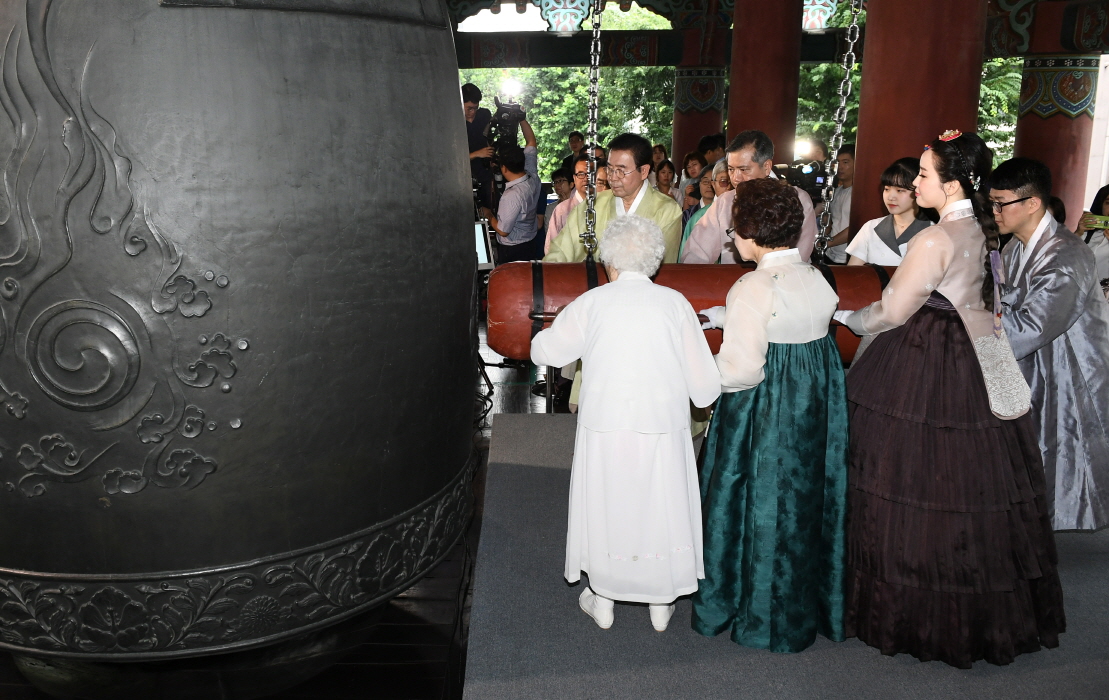
The Bosingak site itself is open 24 hours a day year-round, and admission is free. However, the signature regular bell-ringing event takes place daily from 12:00 to 12:10 p.m., and it is closed on Mondays. The guard ceremony runs from 11:00 to 12:20, so if you only want to hear the bell, arriving around 11:50 is best; if you want to see the full flow of the ceremony, it is better to arrive before 11:00. Korea Tourism Organization suggests about 30 minutes for a visit to Bosingak.
The civic regular bell-ringing can be applied for year-round through the Seoul Culture Portal, with no restrictions on applicants. It is stated that a foreigner participation program is operated on Tuesdays, so travelers who are not comfortable with Korean may want to prioritize that day. Inquiries for the event team: 02-737-6444, Bosingak site management office: 02-2133-0983, and the Seoul City cultural heritage preservation division phone number: 02-2133-2641. Since operations may change depending on official events and weather conditions, be sure to check the Seoul Culture Portal application calendar before departing.
30 m from Jonggak Station Exit 4, the Pavilion You Can See Before the Crosswalk
The simplest approach is Exit 4 of Jonggak Station on Line 1 of the Seoul Subway. When you come out of the exit, Bosingak is right in front of you, about 30 m away and within a 1-minute walk. In front of Exit 1 of Jonggak Station, there is also a marker for the former site of Uigeumbu, where criminals were interrogated by royal order in the Joseon era, so you can also see traces of Joseon administration around the station.
By bus, the stops “Jonggak · Youth Street” or nearby stops are served by routes 101, 103, 143, 150, 160, 201, loop buses 7212 and 8101, and wide-area routes 1101, 1102, 7101, and 9301. Jongno has wide roads and waiting times for pedestrian signals, so from the main branch of Jinjung Beef Noodle House at 75-2 Cheonggyecheon-ro, it is safer to follow a map app’s walking directions rather than move north toward Jongno and cross the signals.
How to Understand the New 1985 Bell and the Old 1468 Bell at the National Museum of Korea Together
The bell you see at Bosingak is not the original historical relic, but the new bell used for bell-ringing since 1985. The original bell was cast at Wanggaksa in 1468, moved to Namdaemun in 1536, to the area near today’s Myeongdong Cathedral in 1597, and to the Hwashin intersection area in 1619 before settling here. This relocation route shows how the center of Joseon’s capital commerce and Jongno overlapped.
If you spend only 5 to 10 minutes looking at Bosingak mainly from the outside, it is easy to miss the meaning of the bell. It is better to set aside 30 minutes around the noon event and look at the signboard, pavilion structure, and the flow of the Jongno intersection together. If you want to see the actual old bell, you need to include the National Museum of Korea in Yongsan as a separate itinerary. Bosingak and the museum are places that separately show the same bell’s “on-site function” and its “preserved original.”
Why You Need to Head to a Different Station, Not Jonggak Station, at 11:00 p.m. on December 31
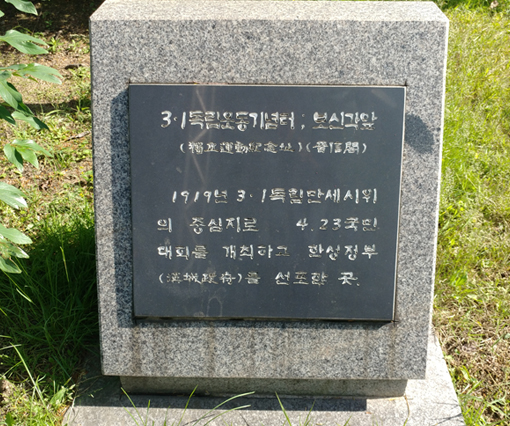
The New Year’s Eve bell at Bosingak is a year-end event in which the bell rings 33 times at midnight on December 31 every year. This event has continued since December 31, 1953, and commemorative bell-ringing at noon for March 1st Movement Day began on March 1, 1946, while Liberation Day bell-ringing began on August 15, 1949. Unlike the weekday noon regular bell-ringing, the year-end event assumes a large crowd and traffic restrictions.
In a recent year-end Seoul City notice, there was a case in which trains at Jonggak Station passed without stopping from 11:00 p.m. on December 31, 2024, to 1:00 a.m. on January 1, 2025. Next year-end schedules and station operations may change every year, but if you want to see the New Year’s Eve bell, do not set Jonggak Station as your only destination; instead, recheck alternative access routes such as Gwanghwamun Station, City Hall Station, and Euljiro 1(il)-ga Station, as well as the last train times, through official announcements on the day. For travelers sensitive to crowds and loud sounds, the noon event on days other than Monday is a far more practical choice than the year-end midnight event.
The Jongno Walking Route Connecting Cheonggyecheon, Insadong, and Tapgol Park in 5 Minutes
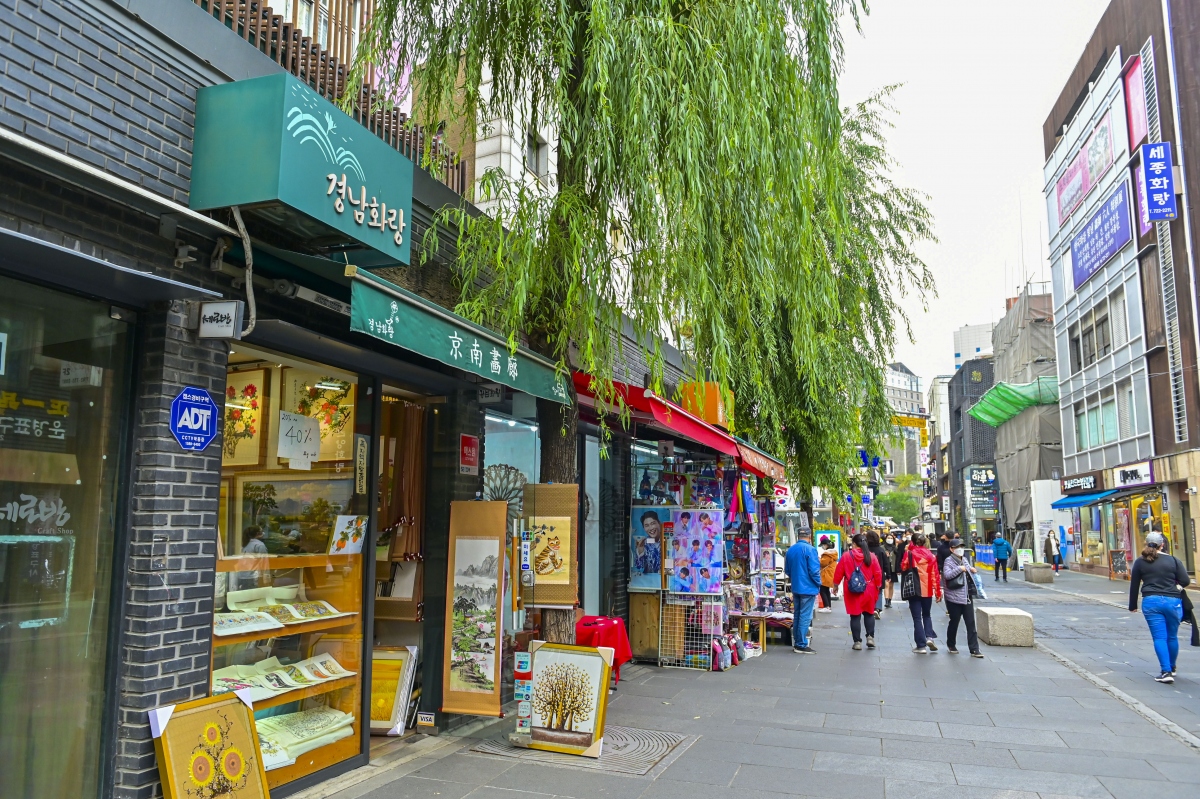
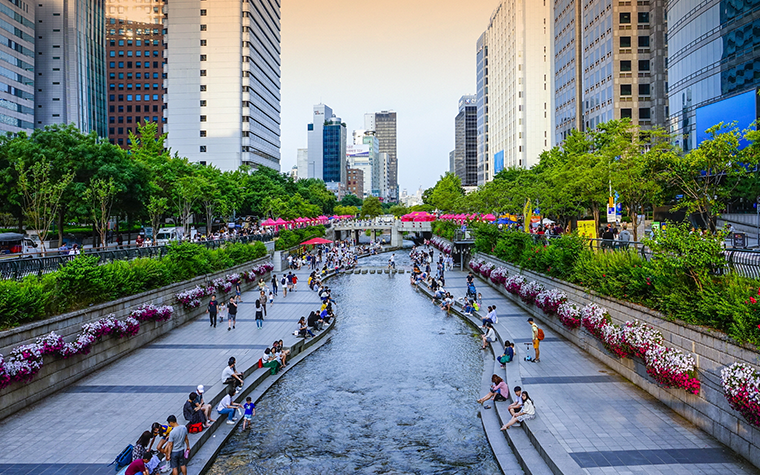
South of Bosingak is Cheonggyecheon, and the provided reference address, 75-2 Cheonggyecheon-ro, is also along Cheonggyecheon near Bosingak. After the noon bell-ringing, you can go down toward Cheonggyecheon, pass near Gwanggyo Bridge, or continue east toward Tapgol Park and Jongno 3-ga. To the west, Gwanghwamun and Deoksugung are connected, and to the northeast, Insadong and Jogyesa are connected, so it is a good place to create a half-day walking route without taking the subway again.
In front of Bosingak there is also a “subway benchmark” installed on October 30, 1970, as a reference for surveying during the construction of Seoul Subway Line 1. In that sense, the Joseon-era time signal and the reference point for modern Seoul subway construction overlap at one intersection. Rather than just taking photos and moving on, if you spend about 5 more minutes looking at the markers around the pavilion, the layers of meaning in the name Jonggak become much clearer.
- Recommended stay: 30–45 minutes including the regular bell-ringing, 1 hour 30 minutes to 2 hours including nearby walking
- Parking: Paid public parking lots nearby can be used, but subway access is preferable due to downtown congestion.
- Accessibility: Bosingak is on open flat ground, so exterior access is relatively easy, but for moving to the second floor for bell-ringing participation and for detailed facilities, it is safer to inquire with the event office in advance.
Before You Go
- Address
- 54 Jong-ro, Jongno-gu, Seoul
- Hours
- Bosingak site open 24 hours year-round; regular bell-ringing Tue-Sun 12:00-12:10, guard ceremony 11:00-12:20
- Closed
- Regular bell-ringing closed every Monday; may vary depending on official events and weather
- Admission
- Free
- Phone
- Bosingak site management office 02-2133-0983; event team 02-737-6444
- Official site
- https://culture.seoul.go.kr/culture/main/contents.do?menuNo=200147
- Transport
- Right in front of Exit 4 of Jonggak Station on Subway Line 1 (about 30 m, 1-minute walk); buses 101, 103, 143, 150, 160, 201, 7212, 8101, 1101, 1102, 7101, 9301, etc.
- Parking
- Nearby paid public parking lots available; public transit recommended due to downtown congestion
- Time needed
- About 30 minutes; 30-45 minutes including the regular bell-ringing and nearby markers
- Accessibility
- Exterior access is possible on open flat ground. For moving to the second floor for bell-ringing participation and for detailed conveniences, advance inquiry with the event office is recommended; foreigner participation program on Tuesdays is announced.
The information above is current as of the time of writing. Please check the official notice again before visiting.

Places
Nearby Attractions 5
-
 1
1
-
 2
2
-
 3
3
-
 4
4
-
 5
5
Food & Dining 5
-
 6
Obongjip Jongno Branch
6
Obongjip Jongno Branch -
 7
7
-
 8
8
-
 9
9
-
 10
10
Events in This Area

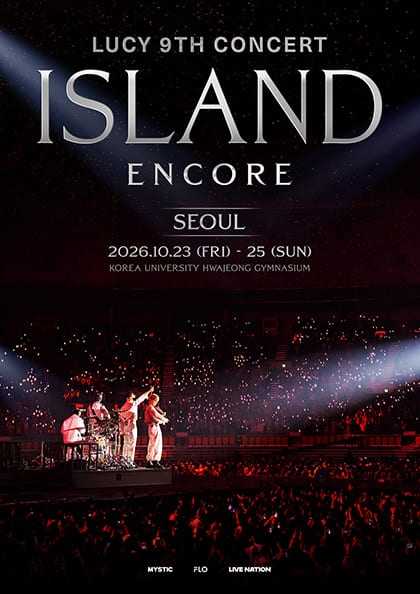

Festivals in This Area
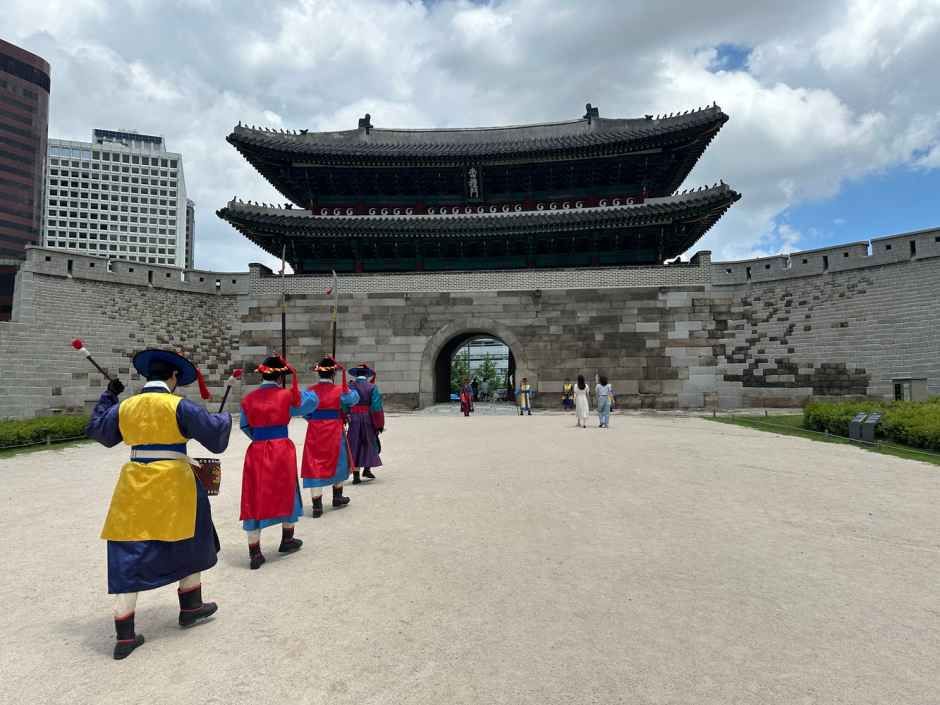
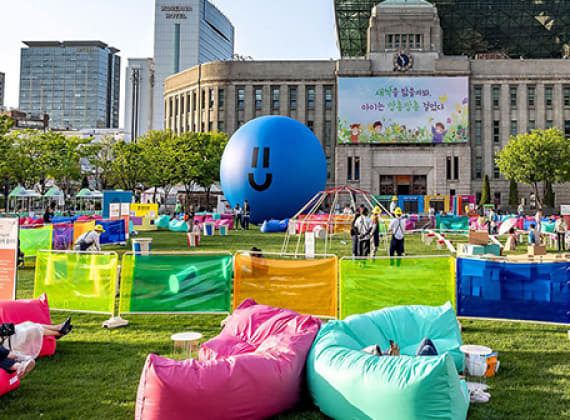
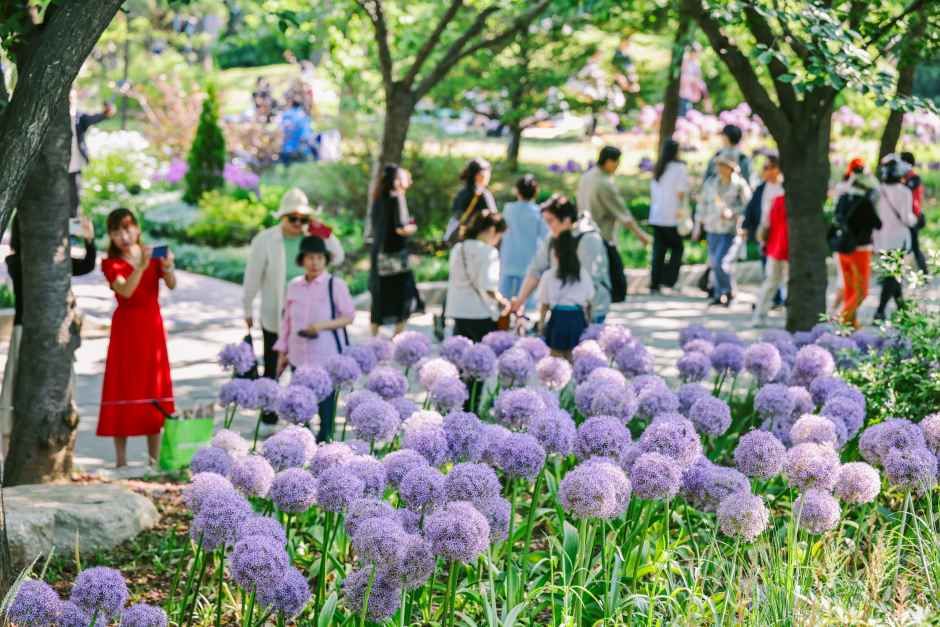

More Travel Guides in This Area
 Travel Guide
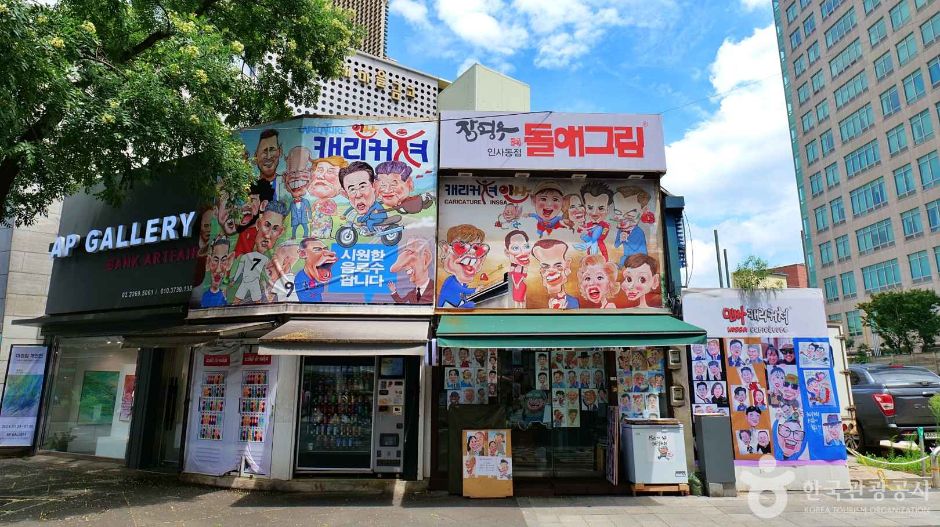
Seoul walk connecting the brush sculpture, the site of Taehwagwan, and Ssamzigil along the 700m Insadong-gil
 Travel Guide
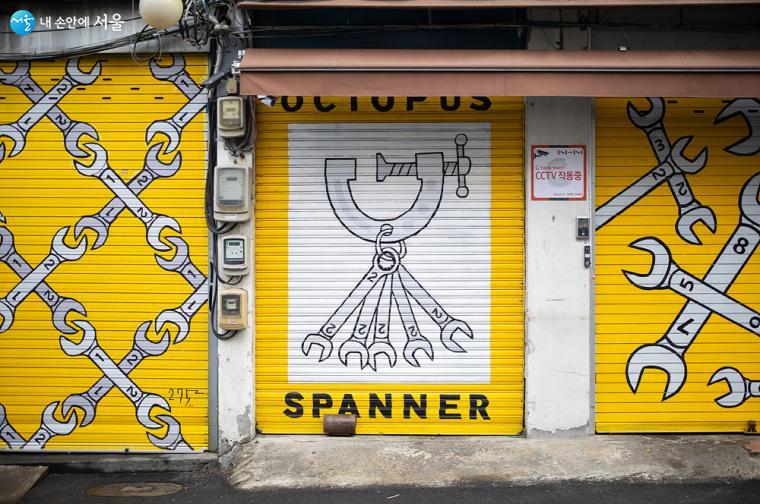
Euljiro 3(sam)-ga, a Seoul work district where printing, tile, and nogari alleys overlap in one block
 Travel Guide
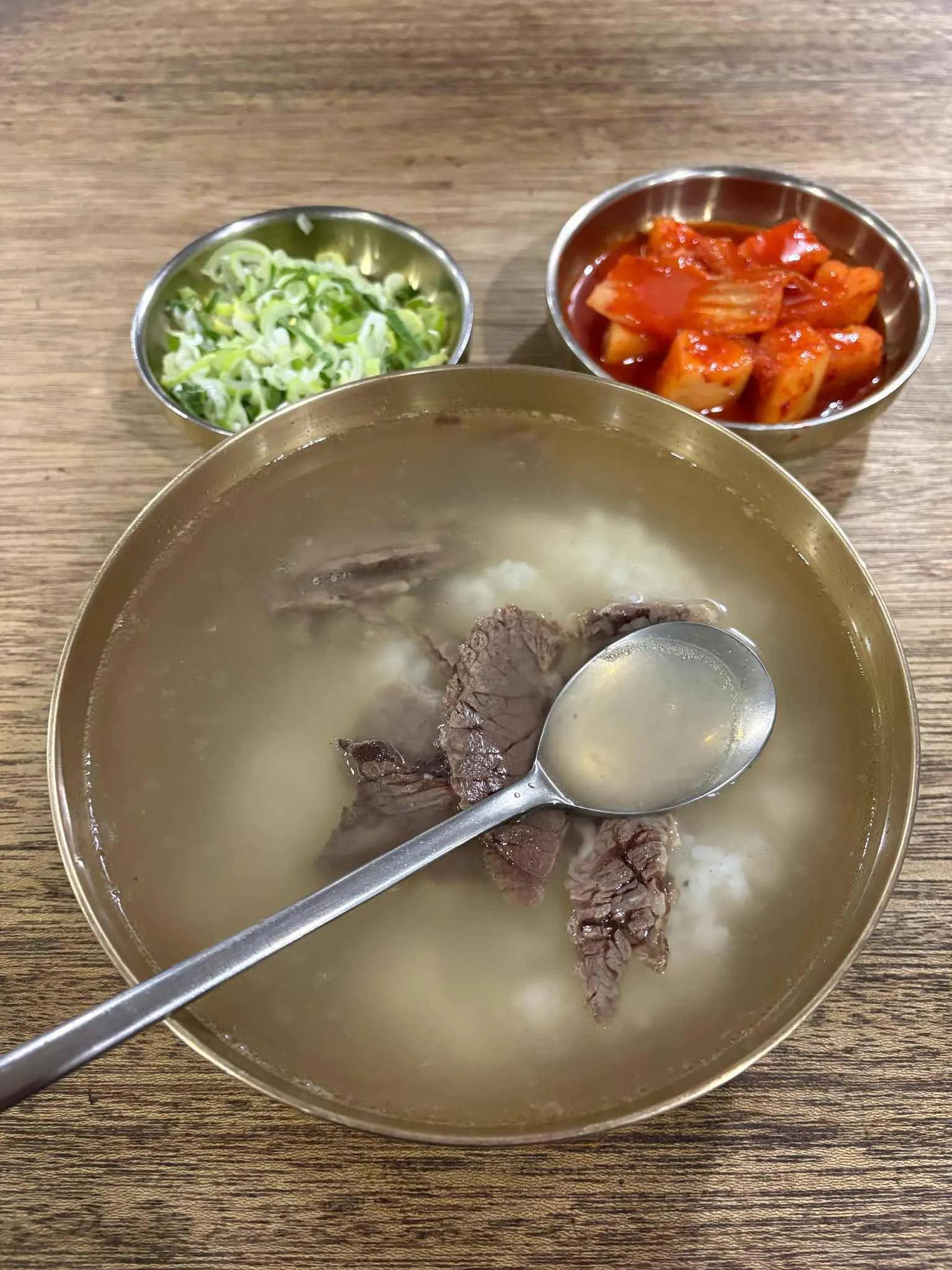
Gomtang at 7 a.m. in Myeongdong, Hadongkwan’s Original Location Since 1939
 Travel Guide
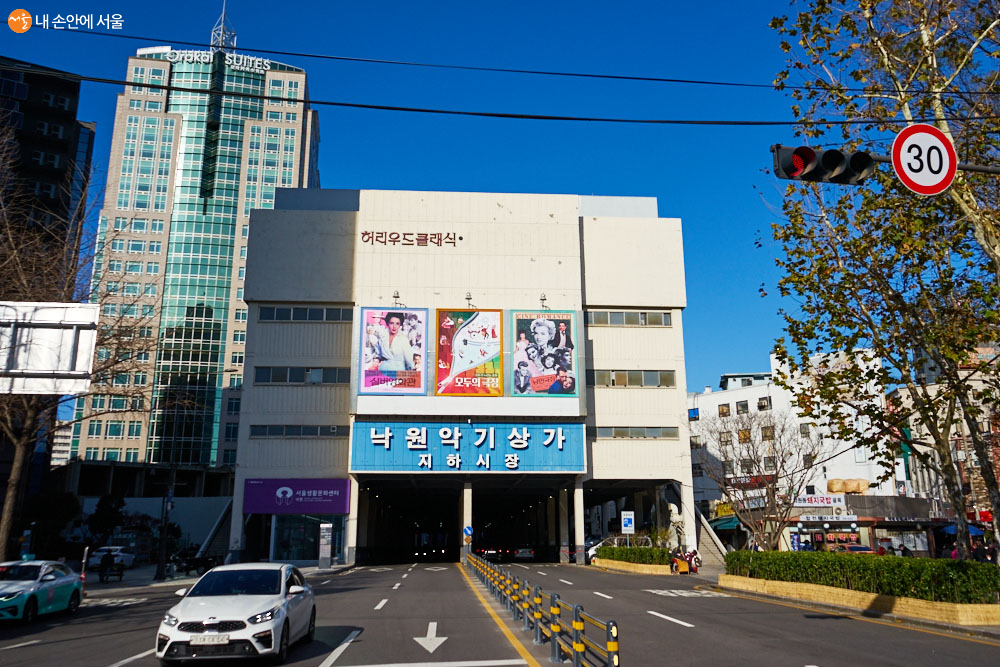
From a 1969 Mixed-Use Complex to a Street of More Than 300 Music Shops: How to Explore Nakwon Arcade
Korea News
 News
News
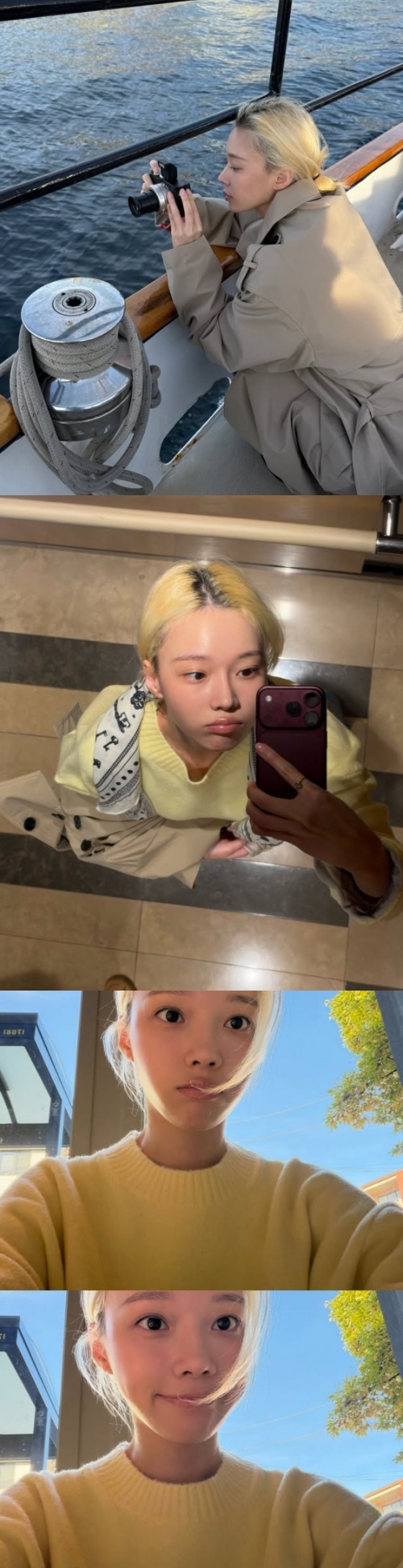
aespa’s Winter—Can a Person Really Be This Cute? A Daily Life Full of Pure Charm
 News
News
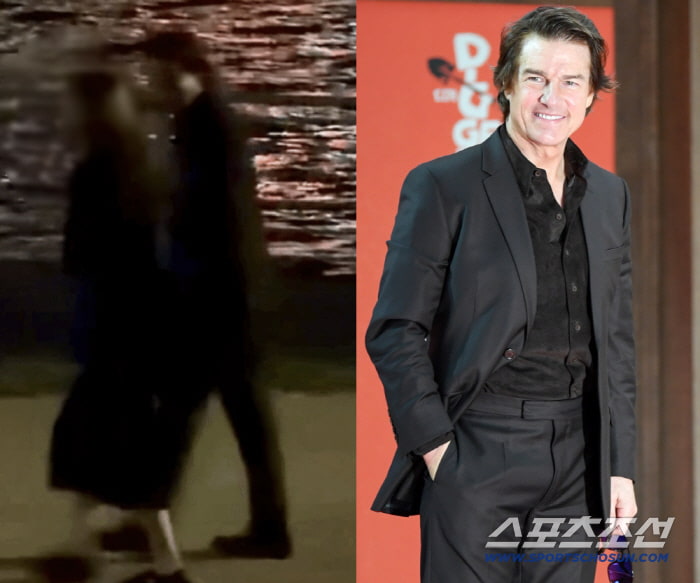
Tom Cruise Spotted Taking a Late-Night Walk at Hangang Park… Strolled for an Hour in a Black Suit
 News
News
'Jimin, We'll always be with you' Peru Embraced 'Jimtober' Birthday Celebrations... "I'm Happy"
 News
News