How to Follow the Path of Jikji and Metal Movable Type at the Cheongju Early Printing Museum
The Cheongju Early Printing Museum is a free museum showcasing Jikji, a UNESCO Memory of the World, and Korea’s Goryeo-era metal movable-type printing culture. This guide also covers bus routes from Cheongju Express and Intercity Bus Terminal and Cheongju Airport, as well as visiting hours, parking, and hands-on demonstration times.

I’ve been here?
Your check-in helps the next traveler.
21 people viewed this week Be the first
One tap — no writing needed
Admission is free from 09:00 to 18:00; closed on Mondays
Cheongju Early Printing Museum is open year-round from 09:00 to 18:00, and admission is free. The address is 713 Jikji-daero, Heungdeok-gu, Cheongju-si, Chungcheongbuk-do (Uncheon-dong), postal code 28472, and the official website is https://www.cheongju.go.kr/jikjiworld/index.do.
It is closed every Monday, on January 1, and until 14:00 on Lunar New Year's Day and Chuseok Day. On Lunar New Year's Day and Chuseok Day, it is closed until 14:00. The Operations Division can be reached at 043-201-4266, and the Curatorial Research Office at 043-201-4297.
Take bus 813 from the Cheongju Express and Intercity Bus Terminal
For travelers visiting Korea for the first time, starting from the Cheongju Express and Intercity Bus Terminal is the simplest option. Take bus 813 at the bus stop in front of the terminal, get off at the Arts Center stop, and cross the crosswalk to reach the museum. The official information does not specify the bus interval or the exact walking time from the stop to the museum.
If departing from Cheongju City Hall, take bus 832 in front of the Provincial Office and get off at the Early Printing Museum stop. From Cheongju Gymnasium, follow the side road beside the gymnasium toward Cheongju Medical Center; the walk takes 15–20 minutes. The distance from Cheongju Airport to the museum is 11 km.
At Cheongju Airport, take bus 407 (toward Sintanjin) or bus 747 (toward KTX Osong Station), get off at the Culture Factory C stop, and transfer to bus 813. This route requires a bus transfer rather than walking directly from the airport.
What to know about the 58-space parking lot and wheelchair access
The museum parking lot has a total capacity of 58 vehicles: 46 regular spaces, 3 bus spaces, 3 compact-car spaces, 3 accessible spaces, 1 expectant-mother space, and 2 electric-vehicle spaces. The official information does not list a separate parking fee.
If the parking lot is full, visitors are advised to use the Cheongju Arts Center parking lot and cross the road. When approaching by car from the expressway, the museum is 8 km from the Cheongju IC on the Gyeongbu Expressway and 5 km from the Seocheongju IC on the Jungbu Expressway.
There are 3 accessible parking spaces, accessible restrooms, and an elevator, and wheelchair and stroller access is possible. Accessible restrooms are located in the museum's outdoor area, on the first floor of the main building, and on the first floor of the Modern and Contemporary Printing Exhibition Hall. However, the walkway connecting the Early Printing Museum and Heungdeoksa Temple Site has drainage trenches with wide gaps, so wheelchair and stroller users should take care.
A 90-minute sequence for understanding Jikji today
The official website recommends approximately 90 minutes for the entire museum. Separate exhibition-hall information also mentions about 30 minutes, so allowing 30 minutes is realistic for a brief highlights visit, while 90 minutes is better if you plan to explore all the exhibition halls.
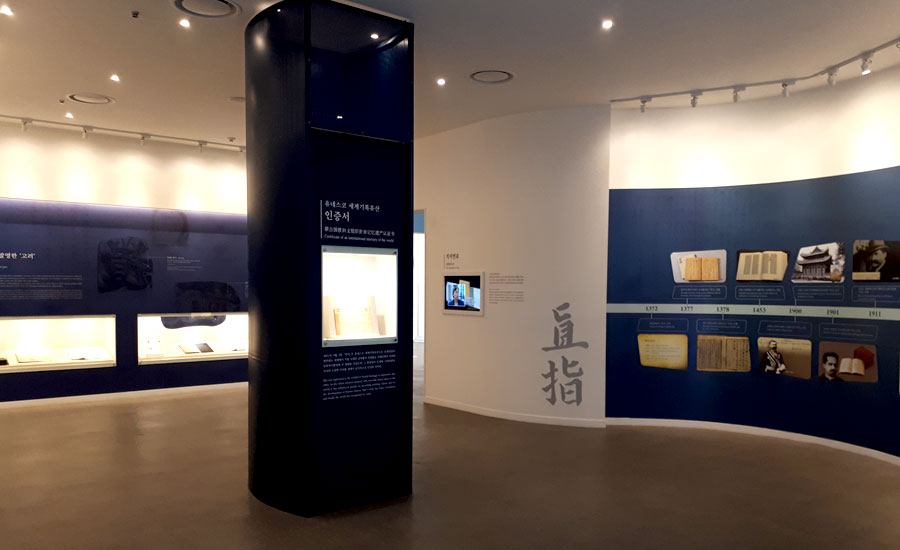
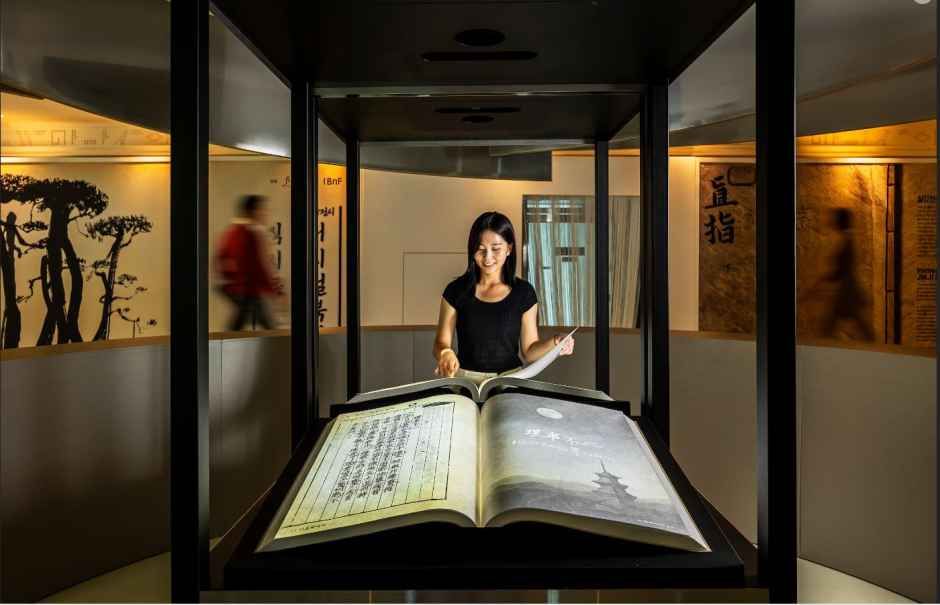
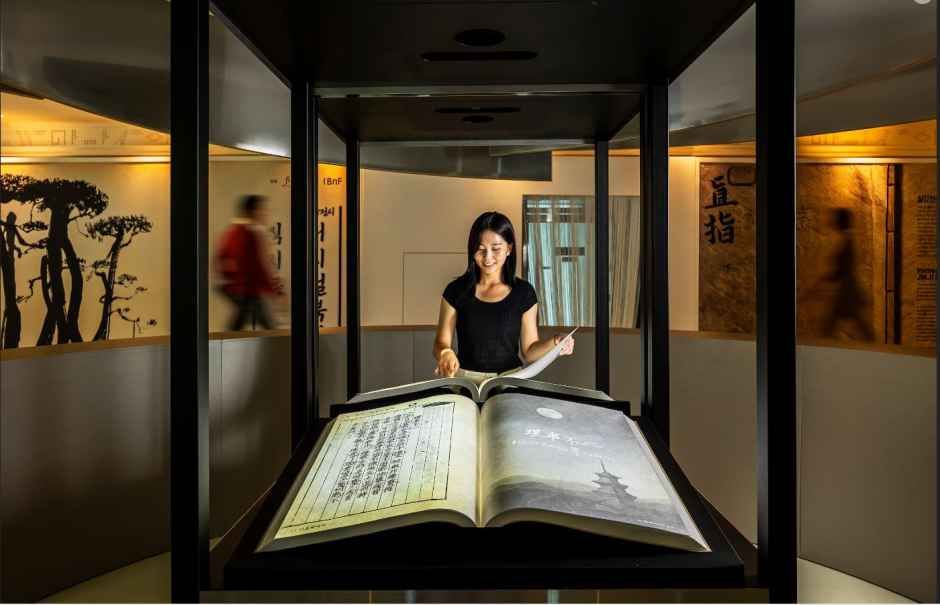
Exhibition Hall 1 consists of seven sections: “Encountering Jikji,” “Cheongju and Jikji,” “The Birth and Journey of Jikji,” “Heungdeoksa Temple,” “Jikji Born as Movable Type,” “Jikji That Will Shine Forever,” and the “UNESCO Jikji Prize.” Visitors can see symbols of Jikji represented through 3D holograms and sculpture art, and read the full original text or Korean translation in an e-book.
The surviving original of Jikji is the second volume, with 38 leaves remaining because the first leaf of the text is missing. Rather than viewing this as an exhibition of the original itself, approach it as a space for understanding the book's structure and printing methods through a facsimile of Jikji printed on hanji from photographs of the original, along with restoration materials.
More than 30,000 metal type pieces restored from 2011 to 2015
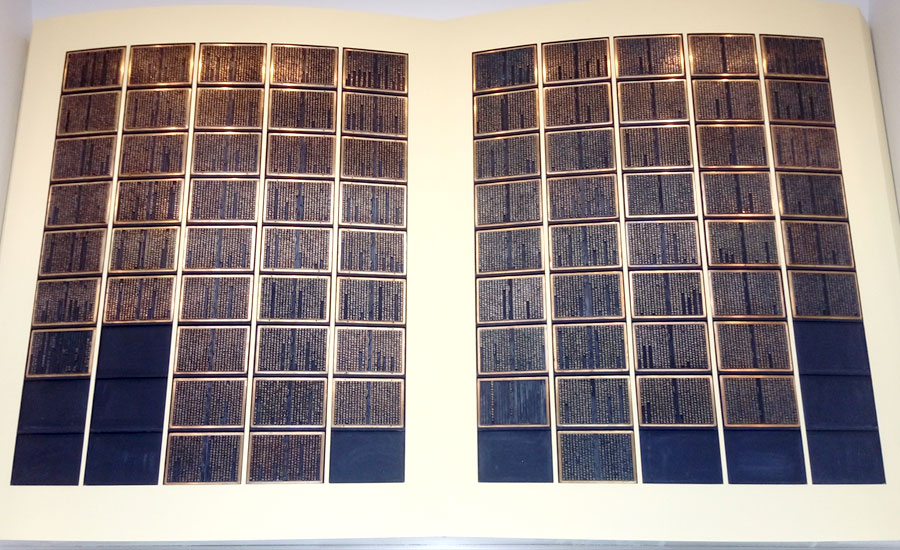
Exhibition Hall 1 focuses on Jikji, the world's oldest extant book printed with metal movable type and a UNESCO Memory of the World, and presents materials related to Goryeo metal movable-type printing technology and Heungdeoksa Temple in Cheongju. Jikji was inscribed on the UNESCO Memory of the World Register on September 4, 2001, and is introduced as the oldest extant metal-type book, dating at least 78 years earlier than Gutenberg's 42-Line Bible.
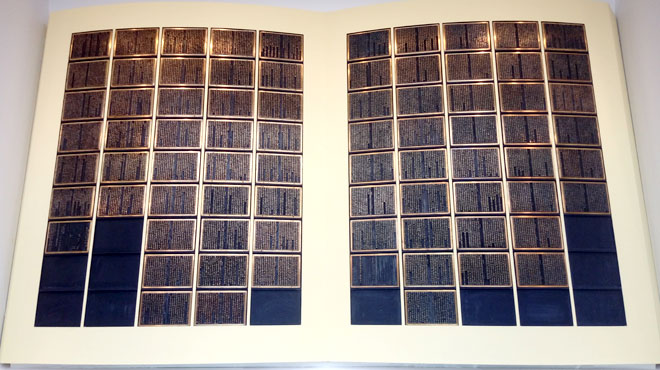
The 78 type plates for the upper and lower volumes of Jikji on display are sculptures restored using the traditional lost-wax casting technique and arranged in book form. The restoration project took place from 2011 to 2015 and involved composing more than 30,000 pieces of metal type.
The restoration was undertaken by Im In-ho, National Intangible Cultural Heritage No. 101 Metal Type Casting Master. Touching exhibits or display cases is prohibited, and photography with tripods or flashes is also restricted. When taking photographs, do not touch anything and avoid using a flash or tripod.
From a 755-year-old Buddhist manuscript to Gabinja in Exhibition Hall 2
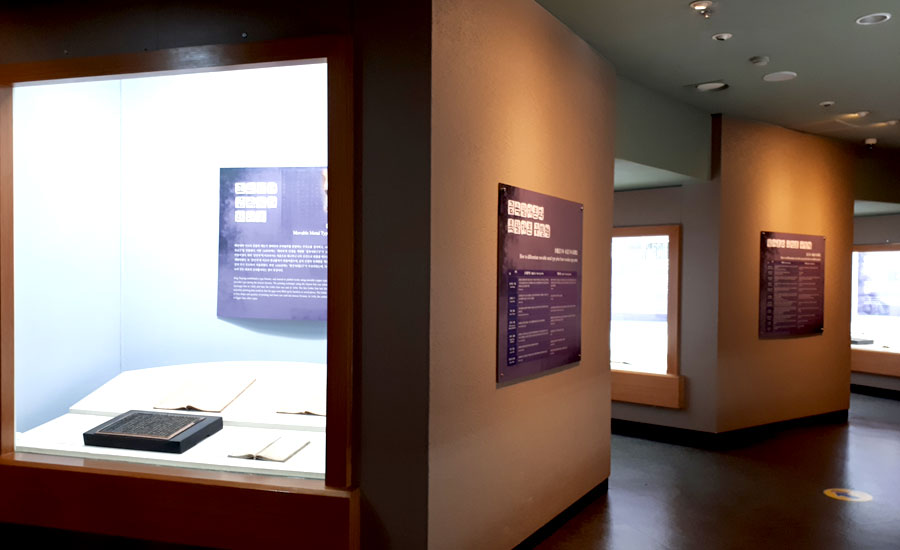
Exhibition Hall 2 introduces Korea's traditional printing culture as a whole, from Goryeo woodblock printing through the late 19th century. The exhibition is divided into the Goryeo period, Joseon period, and type casting and composition, allowing visitors to examine Jikji not merely as an isolated metal-type event but within the broader development of woodblocks and type production.
A replica of the “Avatamsaka Sutra Transcribed in Ink on White Paper from Silla” is introduced as Korea's oldest surviving Buddhist manuscript, written in 755, the 14th year of the reign of King Gyeongdeok of Silla. The “Sutra of the Dharani of the Precious Casket Seal” is a woodblock Dharani sutra published in 1007 by Hong Cheol, abbot of Chongjisa Temple in Gaeseong, to place inside a Buddhist pagoda as an offering for the deceased parents of the patron.
The “Sutra of the Original Vows of Ksitigarbha Bodhisattva” was published in 1340 at Donghaksa Temple on Gyeryongsan Mountain in Chungcheong-do, while the “Lotus Sutra” exhibition covers a woodblock edition from 1382. The “Zizhi Tongjian” is presented as a 15th-century metal-type edition printed with Gabinja, making it useful for comparing changes in printing technology from Goryeo to Joseon.
Compare printing in China, Japan, and Europe in Exhibition Hall 3
Exhibition Hall 3 introduces the printing cultures of Japan and China alongside Europe's early printing culture, represented by Gutenberg's 42-Line Bible. It is a section for comparing how printing developed in East and West, rather than looking at Korean metal movable type in isolation.
The exhibition also includes materials related to Korean wood-type composition, woodblock production, and hanji making. China's “Diamond Sutra” is introduced as the oldest woodblock-printed work in China, published in 868 by Wang Jie of the Tang dynasty to pray for the salvation of his parents.
The name “42-Line Bible” comes from the fact that each page consists of two columns of 42 lines. Gutenberg made 290 different metal types for printing, and 180 copies of the Bible were printed in total. Knowing this comparison makes it clearer, when you return to Exhibition Hall 1, why the date of Jikji's production is so important.
Metal-type demonstrations take place at 10:00, 13:30, and 15:00 on Fridays, Saturdays, and Sundays
Metal-type casting demonstrations are held three times a day every Friday, Saturday, and Sunday, at 10:00, 13:30, and 15:00. They are conducted by Im In-ho, a National Intangible Heritage metal-type casting master, and Im Gyu-heon, a transmission education instructor. If you want to attend a demonstration, plan your visit around these days and times.
The traditional book-making experience requires advance reservation and is operated by telephone registration. Activities include printing with metal type, rubbing patterns from a neunggwa woodblock, making hanji, and sewing books. There are no participant restrictions.
The book-making experience is free, but material costs are charged separately. The program operates from 09:00 to 17:00, excluding the lunch break from 12:00 to 13:00. For inquiries about metal-type casting demonstrations and experiences, call 043-260-2503–4.
If you expect English explanations, ask at the entrance first
Guided tours are offered from 10:00 to 17:00, except on closure days. You can request one on site or make a reservation by phone; the application point is the information desk at the entrance to the Early Printing Museum. Guides are volunteer docents.
The official information does not state whether English assistance or an audio guide is available. Foreign visitors who have difficulty reading the Korean exhibition explanations should first ask at the entrance information desk whether a guide is available; calling the Curatorial Research Office at 043-201-4297 before visiting is also advisable.
Visiting the museum alone may take about 90 minutes, and the visit will take longer if you add a metal-type demonstration or book-making experience. Exhibits cannot be touched, and flash and tripod photography are restricted, so the museum is best suited to travelers who want to focus less on photography and more on Jikji's restored type plates, e-book, and explanations of the printing process.
Before You Go
- Address
- 713 Jikji-daero, Heungdeok-gu, Cheongju-si, Chungcheongbuk-do (Uncheon-dong), postal code 28472.
- Hours
- Year-round, 09:00–18:00. Experience programs: 09:00–17:00, excluding lunch from 12:00–13:00. Guided tours: 10:00–17:00 year-round, except on closure days.
- Closed
- Every Monday, January 1, and until 14:00 on Lunar New Year's Day and Chuseok Day.
- Admission
- Free.
- Phone
- Operations Division: 043-201-4266; Curatorial Research Office: 043-201-4297; metal-type casting demonstrations and experiences: 043-260-2503–4.
- Official site
- https://www.cheongju.go.kr/jikjiworld/index.do
- Transport
- From the express and intercity bus terminal, take bus 813, get off at the Arts Center stop, and cross the crosswalk. From the Provincial Office, take bus 832 and get off at the Early Printing Museum stop. Walk 15–20 minutes from Cheongju Gymnasium. From Cheongju Airport, take bus 407 or 747 and transfer to bus 813.
- Parking
- 58 spaces total: 46 regular, 3 bus, 3 compact-car, 3 accessible, 1 expectant-mother, and 2 electric-vehicle spaces. If full, use the Cheongju Arts Center parking lot.
- Time needed
- Approximately 90 minutes according to the official website. Separate exhibition-hall information also mentions approximately 30 minutes.
- Accessibility
- There are 3 accessible parking spaces, accessible restrooms, and an elevator. Accessible restrooms are located in the museum's outdoor area, on the first floor of the main building, and on the first floor of the Modern and Contemporary Printing Exhibition Hall. Wheelchair and stroller access is possible. However, the walkway connecting the Early Printing Museum and Heungdeoksa Temple Site has drainage trenches with wide gaps, so wheelchair and stroller users should take care.
The information above is current as of the time of writing. Check the official information again before visiting.

Places
Nearby Attractions 3
-
 1
1
-
 2
2
-
 3
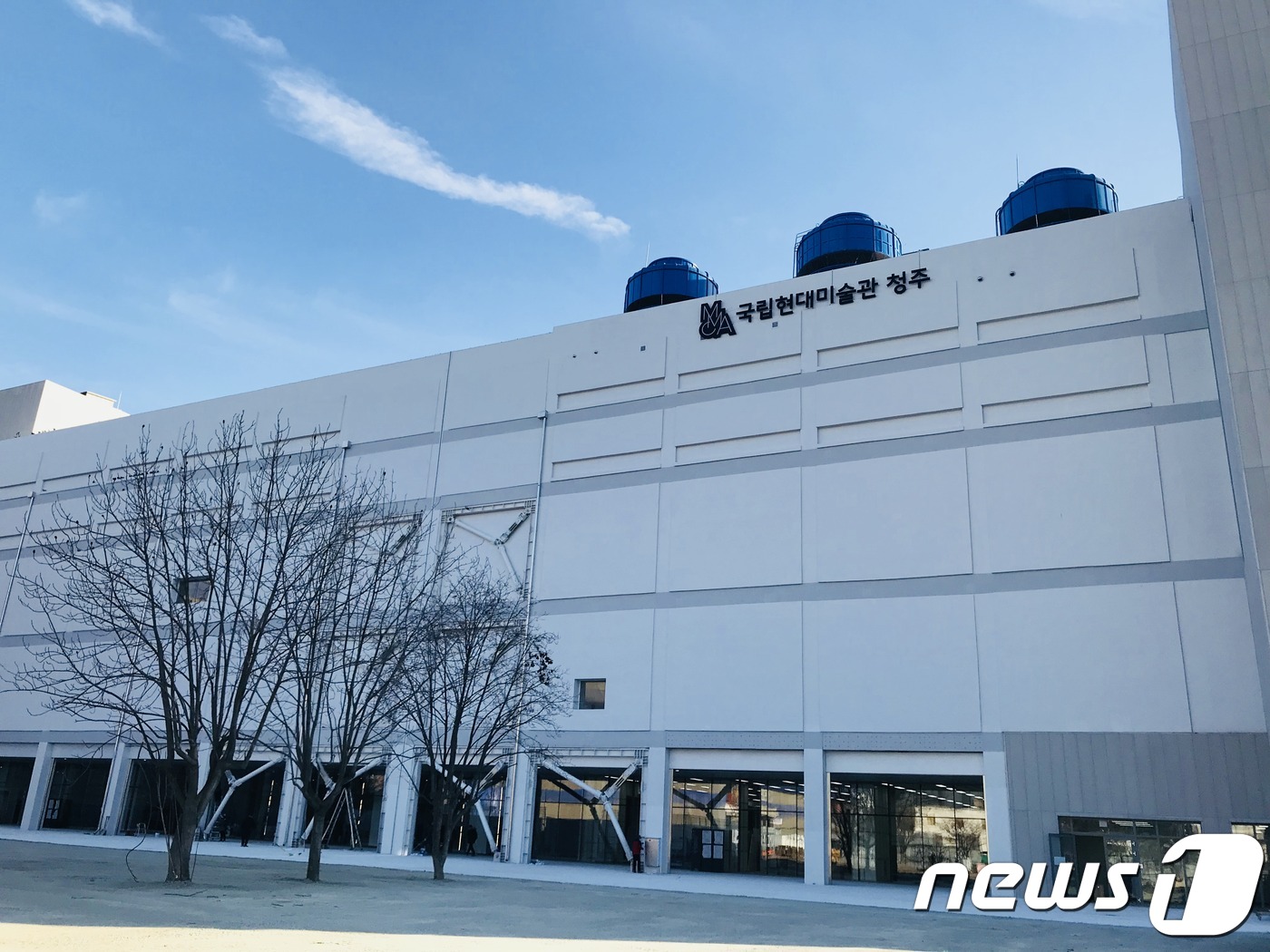
National Museum of Modern and Contemporary Art, CheongjuExplore exhibitions of contemporary art and open storage.
3
National Museum of Modern and Contemporary Art, CheongjuExplore exhibitions of contemporary art and open storage.
Food & Dining 2
-
 4
4
-
 5
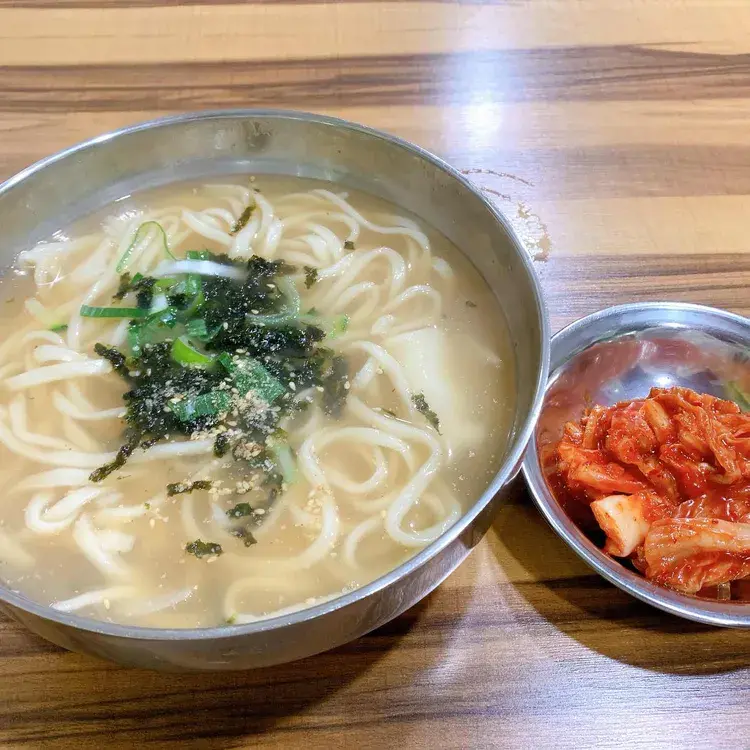
Mimi Charcoal Grilled Chicken GalbiA restaurant serving chicken galbi grilled over charcoal.
5
Mimi Charcoal Grilled Chicken GalbiA restaurant serving chicken galbi grilled over charcoal.
Events in This Area
Festivals in This Area
More Travel Guides in This Area
 Travel Guide
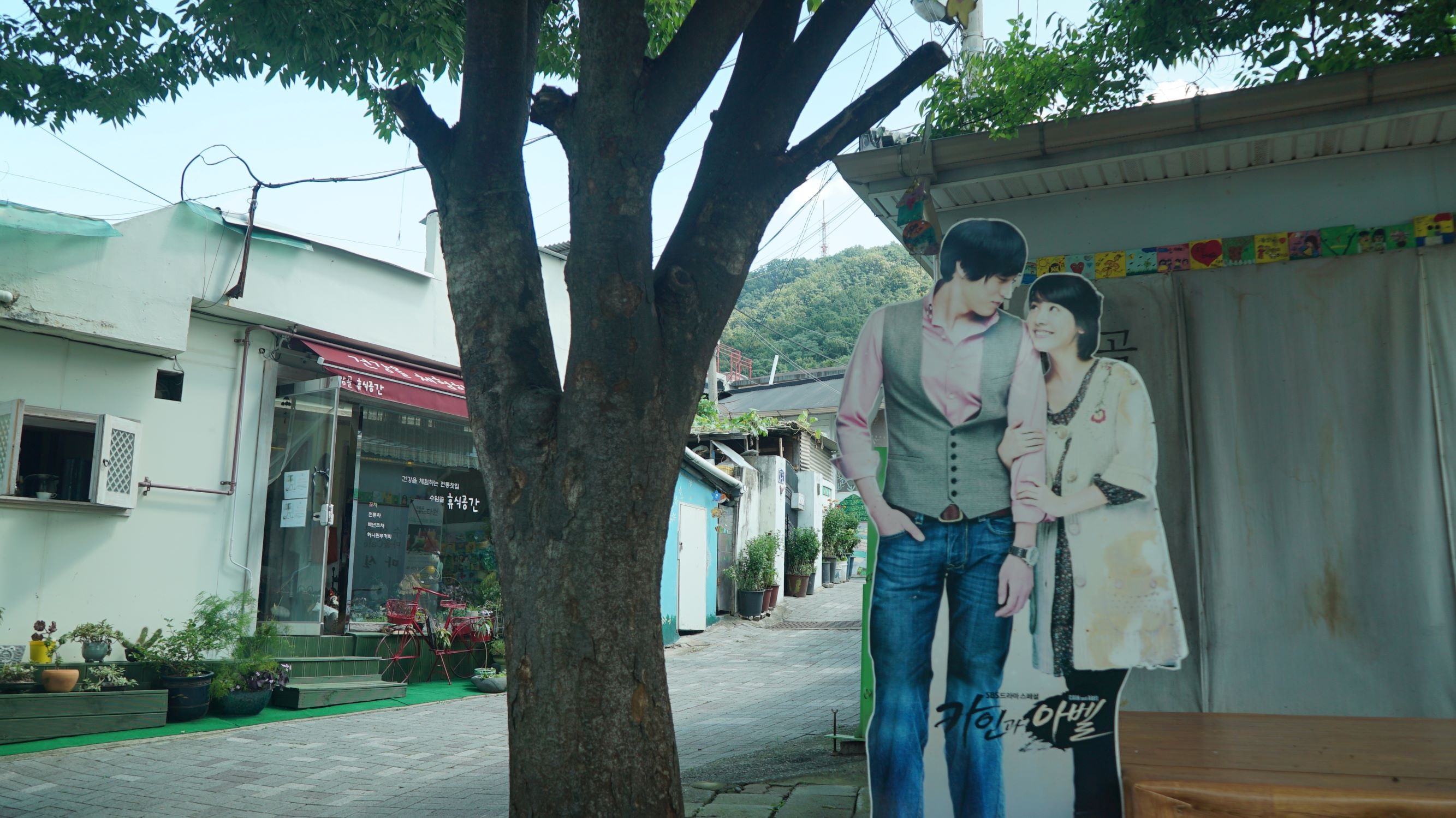
Cheongju Suamgol: A Refugee Hillside That Became a 2007 Mural Village and Drama Location
 Travel Guide
The 1939 Governor’s Residence Turned into a Literary and Exhibition Space: Chungbuk Cultural Center
 Travel Guide
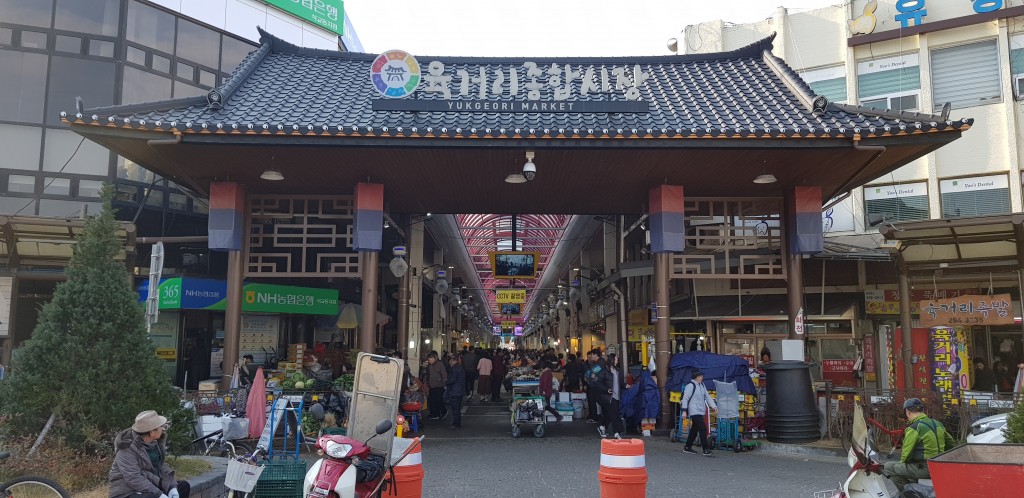
How to Walk Through Cheongju Yukgeori General Market’s 890 Shops
 Travel Guide
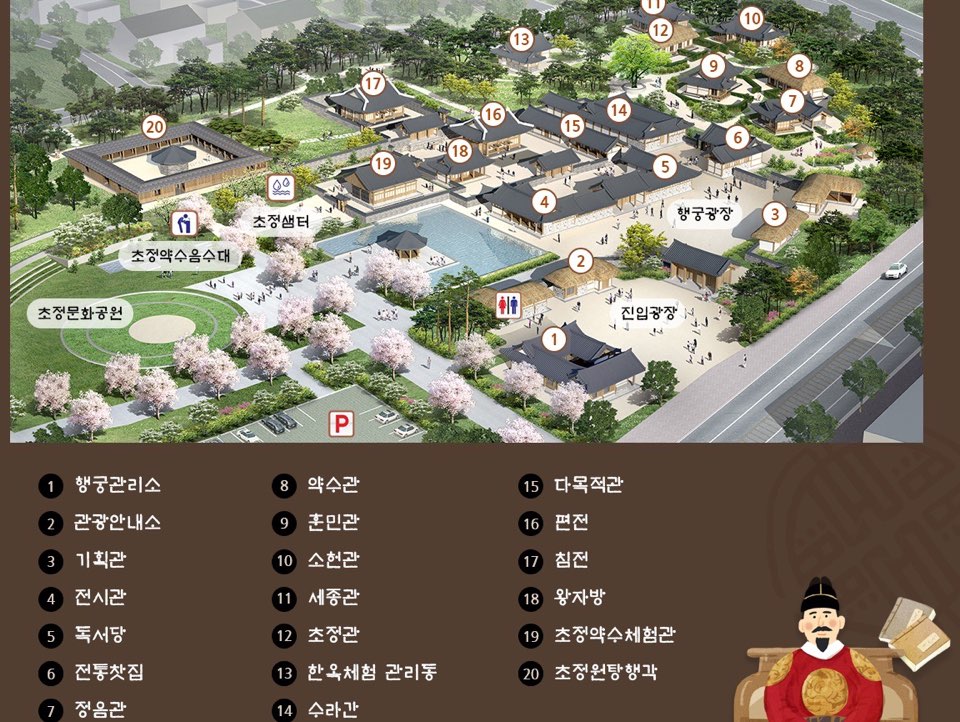
King Sejong’s 121 Days at Chojeong Haenggung and Chojeong Mineral Spring
Korea News
 News
News
During Stray Kids’ stage, a “thud” left him bleeding… Lee Know was taken to the hospital
 News
News
'Comeback' LE SSERAFIM holds a confident and relaxed press conference
 News
News
Jang Won-young: This girl has grown so much… Shares childhood photos to celebrate her birthday
 News
News