From the 1473 Market Outside Pungnammun Gate to the Dawn Goblin Market: Jeonju Nambu Market
Jeonju Nambu Market is Jeonju’s everyday market, continuing from the marketplace outside Pungnammun Gate. Its early-morning Goblin Market, second-floor Youth Mall, and market restaurants overlap along a single route. Walking in from Hanok Village via Pungnammun Gate lets you explore both the traditional market and the nighttime and youth-oriented commercial scene.

I’ve been here?
Your check-in helps the next traveler.
23 people viewed this week Be the first
One tap — no writing needed
The 1473 Jeonju Marketplace and the Location of ‘Nambakjang’ Outside Pungnammun Gate
Jeonju tourism information introduces Jeonju as the “birthplace of markets, 1473” and explains that Nambu Market is a historic market that has continued since that time. The market began as a marketplace formed outside the old Jeonju Fortress and was also called ‘Nambakjang,’ meaning the market outside Pungnammun Gate.
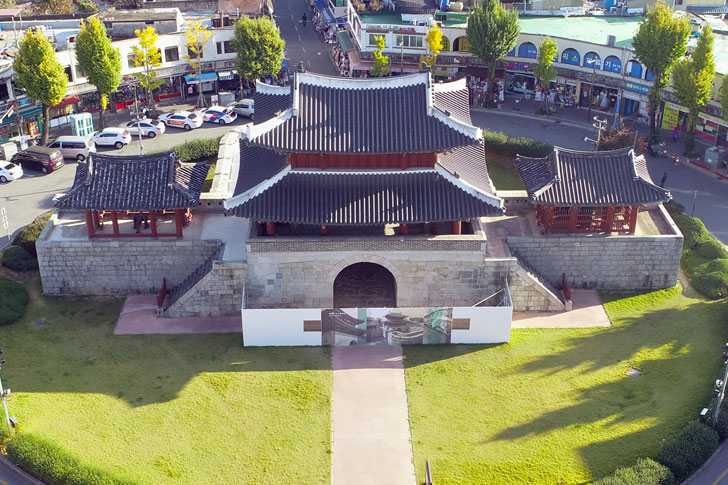
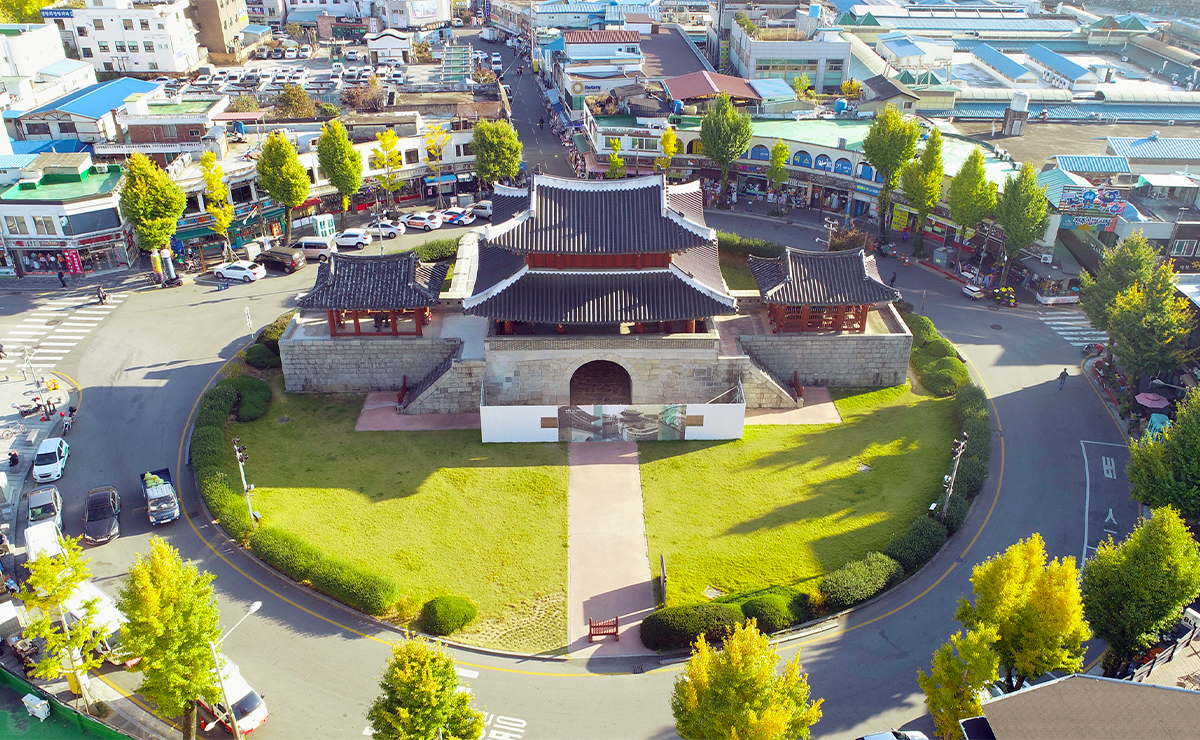
Pungnammun Gate beside the market is the southern gate of Jeonju Fortress and the only remaining gate among Jeonju’s four great gates. It was rebuilt after a fire in 1767, the 43rd year of King Yeongjo’s reign, and is now Treasure No. 308. Nambu Market was founded on the markets that gathered around this gate and is also described as the birthplace of the March 1st Movement in the Jeonju area.
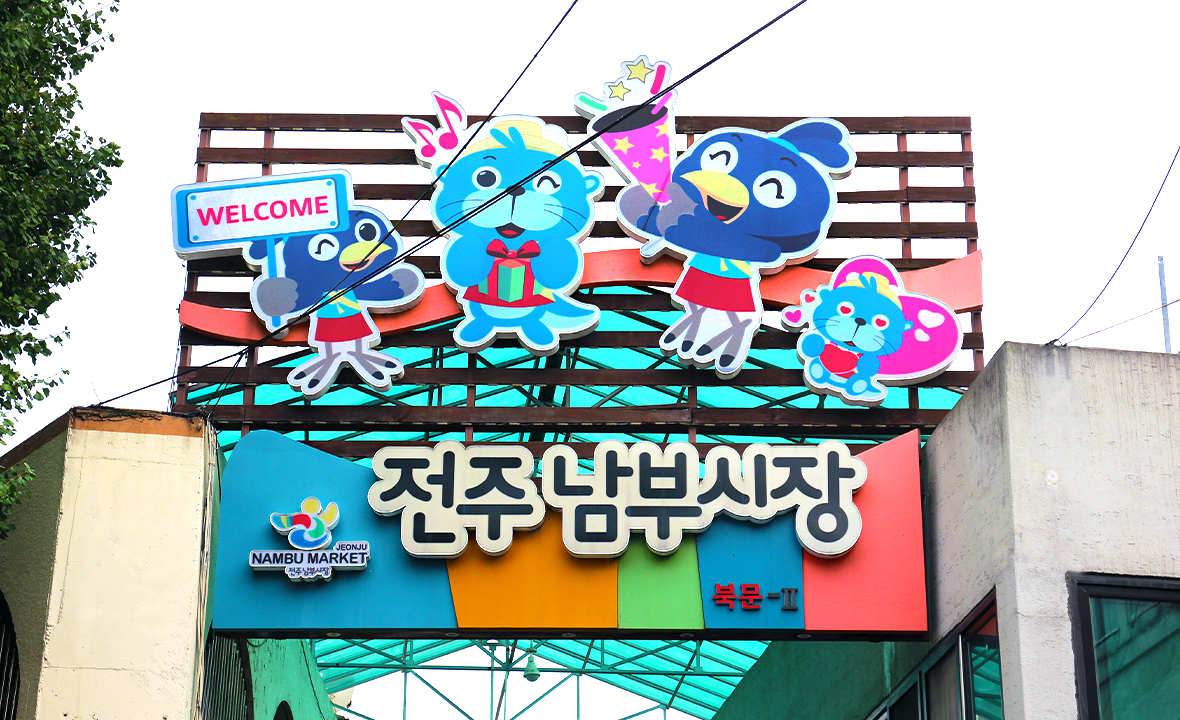
Three Minutes from Pungnammun: Entering the Market After Hanok Village
The tourism information address for Nambu Market is 19-3 Pungnammun 1-gil, Wansan-gu, Jeonju-si, Jeonbuk Special Self-Governing Province, while 63 Pungnammun 2-gil is also used as the address for individual shops inside the market. The market is located across a single street from Jeonju Hanok Village, and the walk from Pungnammun Gate to the market takes less than three minutes.
Bus passengers can get off at Nambu Market Bus Stop (30-573) or Pungnammun Bus Stop (30-589) and walk for two to three minutes. Rather than looking only for the market directly from Jeonju Station or the express/intercity bus terminal, use Pungnammun Gate as a reference point and connect your route through Hanok Village, Jeondong Cathedral, and Gyeonggijeon; this makes it less easy to get lost in the alleys.
- Recommended order: Hanok Village → Pungnammun Gate → Nambu Market, 1st floor → Youth Mall, 2nd floor
- Market merchants’ association representative phone: 063-284-1344
- Foreign-language travel inquiries: Tourist Information Hotline 1330
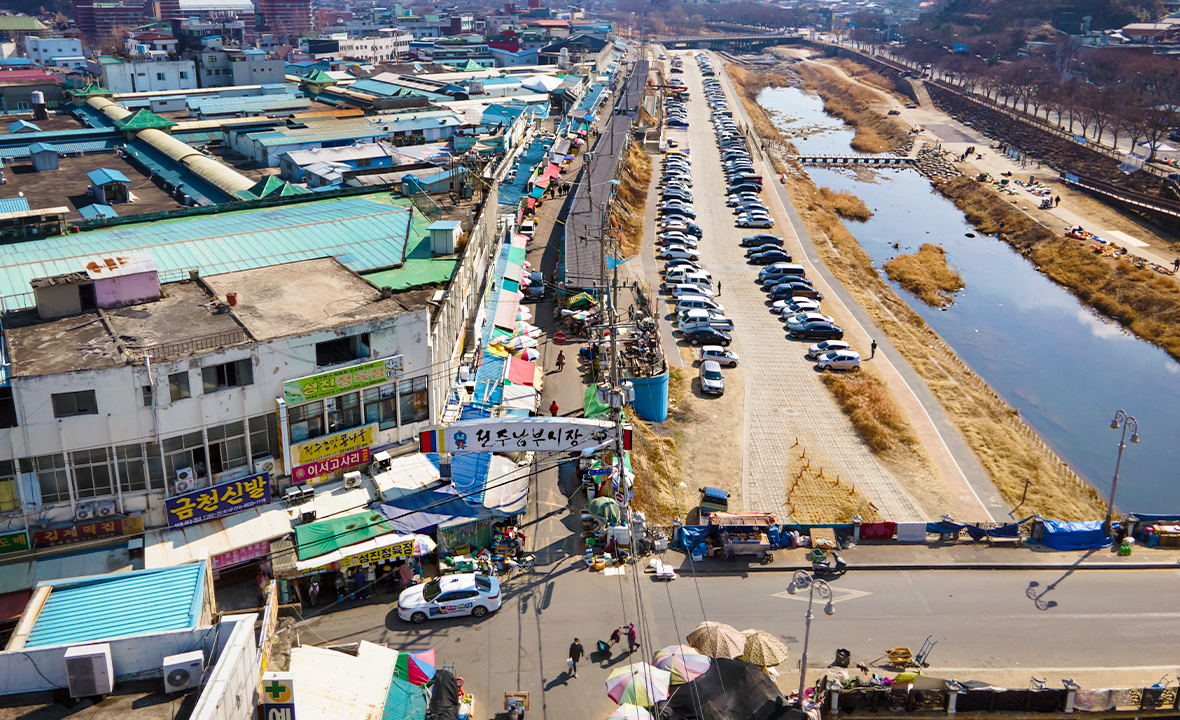
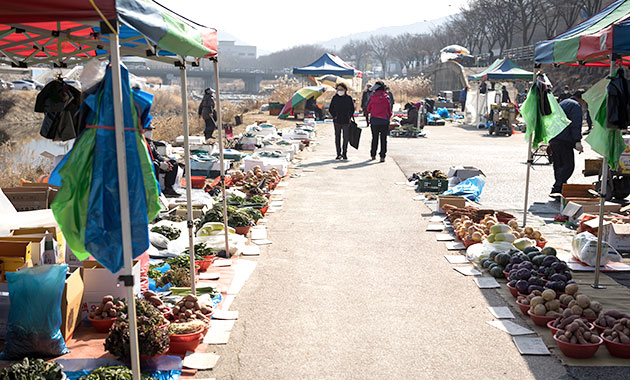
4–10 a.m.: The Goblin Market by Ssajeondari Bridge and the Streamside
The day at Nambu Market begins earlier than at the regular shops. Around Ssajeondari Bridge and along the Jeonjucheon stream, a temporary goblin market opens from 4 a.m. until around 10 a.m., centered on stalls selling vegetables and fruit grown by the vendors themselves, food ingredients, and snacks such as doughnuts and noodles.
If the goblin market is your destination, you need an early-morning itinerary because the stalls may be cleared after 10 a.m. Conversely, if you want to look around for souvenirs and have a meal, it is better to visit during the hours when the regular market shops are active. Jeonbuk tourism information lists the general hours as 09:30–22:00 daily, but operating hours vary by shop.
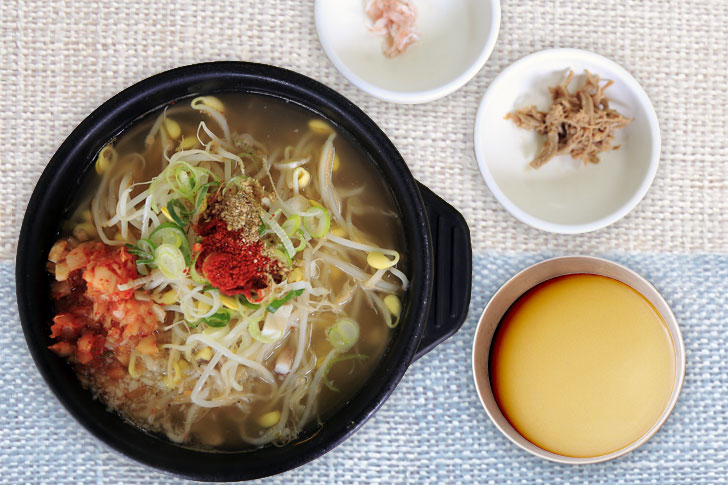
A Market-Style Meal of Bean Sprout Soup with Torean and Blood Sausage Filled with Seonji
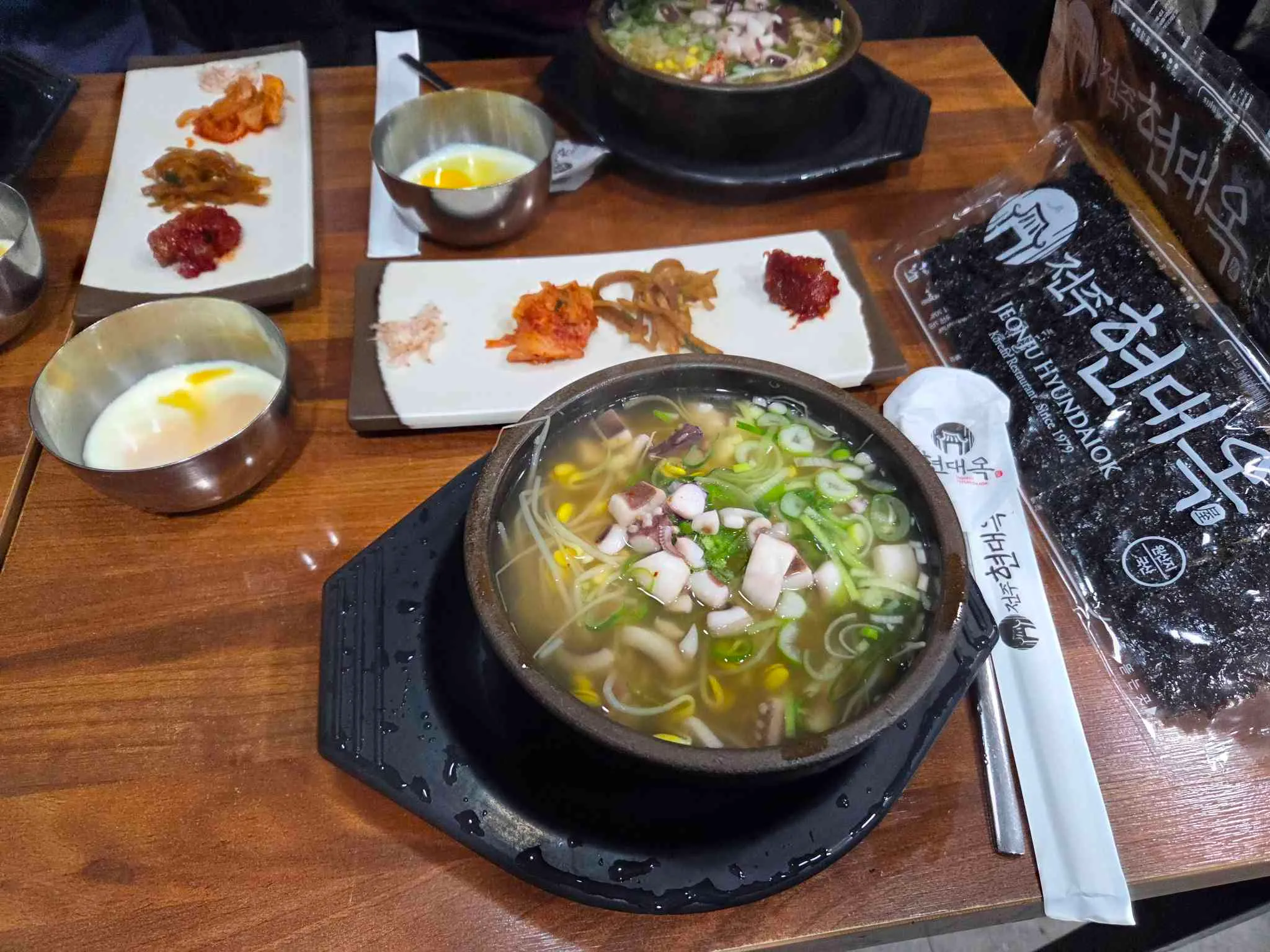
Nambu Market–style bean sprout soup with rice is characterized by the “toreum” method, in which rice and boiled bean sprouts are cooled and then dipped repeatedly into hot broth to adjust their temperature. It is widely known for being served with a poached egg topped with sesame oil and roasted seaweed, while pairing the meal with moju, a spiced rice wine, is also part of the market’s food culture.
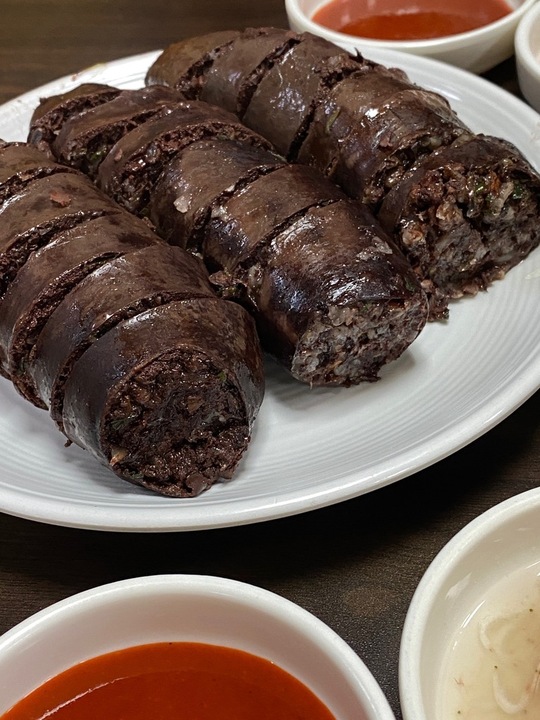
Blood sausage, or pisundae, is a type of sundae filled in pig intestines with seonji, or congealed pig’s blood, along with vegetables and meat instead of glass noodles. The regional term ‘sol,’ meaning chives, and the practice of serving it with cho-gochujang are also mentioned in Nambu Market information. Although the hours of one shop cannot be taken as the standard for the entire market, Jeonju’s tourism page lists Hanguk Chicken Restaurant inside the market as open daily from 08:00 to 21:00, with the phone number 063-231-1722.
The 2nd-Floor Youth Mall Is Open 11 a.m.–11 p.m.: Why Mondays Require Shop-by-Shop Checking
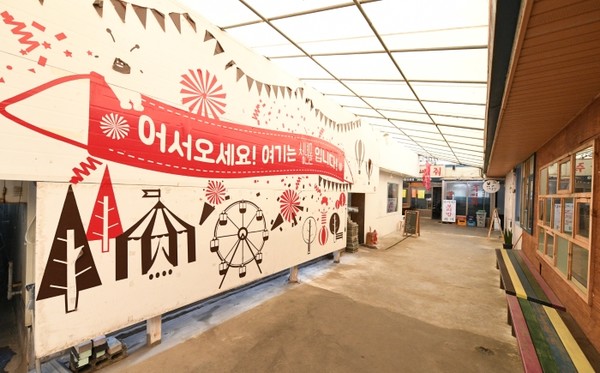
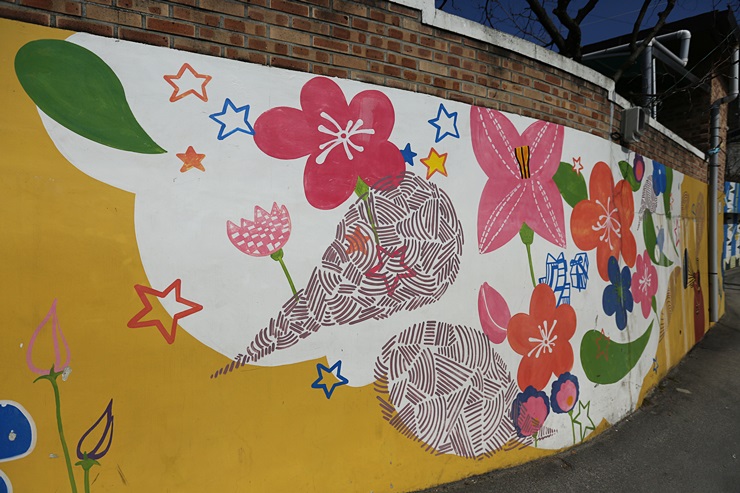
Nambu Market’s Youth Mall was created by making use of a second-floor space that had been left unused as a warehouse. Jeonju tourism information lists illustrated postcards, an independent bookstore, traditional knot-tying experiences, handmade goods, accessories, and restaurants among the Youth Mall’s offerings.
The listed operating hours for the Youth Mall are 11:00–23:00, with Monday designated as a regular closing day. However, hours vary by business type and shop, so if you plan to visit a particular restaurant or workshop, you should check its individual social media account. The Youth Mall address is 53 Pungnammun 2-gil, Wansan-gu, Jeonju-si, and the merchants’ association inquiry number is 063-288-1344.
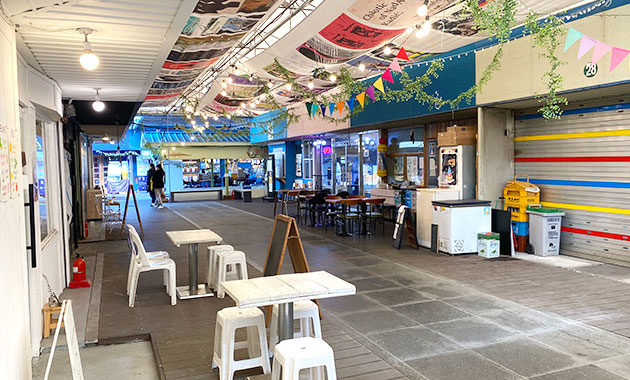
One Hour Free at Nambu Streamside Parking Lot and Four Parking Options
Visitors arriving by car can consider Nambu Streamside Parking Lot, Nambu Paid Parking Lot, Pungnammun Shopping District Customer Parking Lot, and Nambu Parking Lot. Jeonbuk tourism information states that one hour is free when using the market, so it is safest to check the on-site sign before entering for the actual free-parking procedure and any additional fees.
The market’s passageways and shops are designed primarily for pedestrians, so entering from the Pungnammun side after parking makes it easier to plan your route. No official detailed information about wheelchair- or stroller-accessible sections or accessibility facilities could be confirmed. If you need to visit the second-floor Youth Mall or move around during busy hours, it is more realistic to plan around the first floor with a companion.
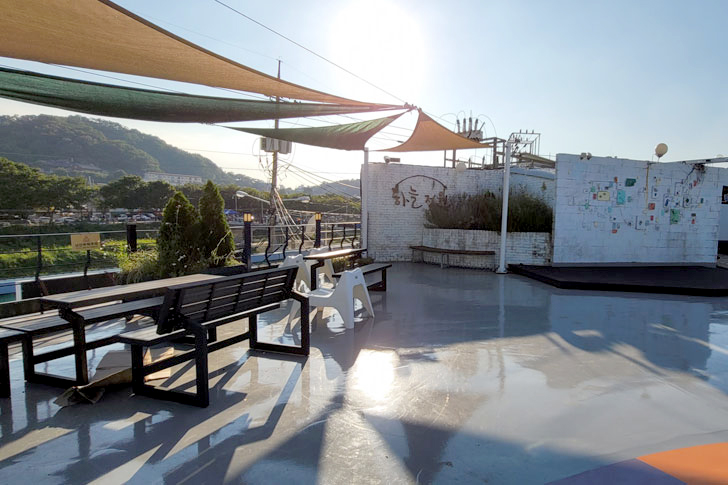
Weekend Evening Night Market and Sky Garden: Different Hours from the Day Market
Nambu Market’s night market is described as operating on weekend evenings, and Byeolbyeol Market information lists its hours as 18:00–23:00. However, actual operation may vary depending on events, the season, and weather, so if you arrive late specifically for the night market, it is best to check the announcement for that day.
The market also has the Global Park Sky Garden overlooking the Jeonjucheon direction. Jeonju City introduces activities held in this space, including visible radio broadcasts, merchants’ club practices, and cooking classes. During night-market hours, the closing times for the first-floor food stalls and the second-floor Youth Mall may differ, so it is better to plan to arrive at the Youth Mall before 11 p.m.
Continue to Pungnammun, Jeondong Cathedral, and Gyeonggijeon After 60–90 Minutes at the Market
If you are only exploring Nambu Market, allow 60–90 minutes to divide your time among the first-floor market, a meal, and the Youth Mall. If you include the early-morning goblin market, you need to separate the visit between 4 and 10 a.m. from your daytime market visit, so it is also possible to stop by twice on the same day—once early in the morning and once around lunchtime.
Outside the market, you can see Pungnammun Gate first and then head toward Hanok Village. Jeondong Cathedral is at 51 Taejo-ro, Wansan-gu, Jeonju-si, and Gyeonggijeon is at 44 Taejo-ro, making them easy to combine with Nambu Market as a route through Jeonju’s old downtown. Jeonju’s official tourism page describes Nambu Market as a tourism market that grew in connection with Hanok Village.
A Market with No Admission Fee, but Shop Closures and Business Hours Must Be Checked Separately
Nambu Market is a traditional market that can be entered without an admission fee. Official tourism information gives the market’s hours as 09:30–22:00 daily, but these are general hours that may vary by shop and do not guarantee each individual store’s closing days or closing times.
The market’s own regular closing day could not be separately confirmed on the official tourism page. The Youth Mall is listed as closed regularly on Mondays, but this also assumes differences in operating hours among individual stores. If you are visiting a particular restaurant or shop, the most accurate approach is to confirm its operating status for that day by calling the market’s representative number, 063-284-1344, or the shop directly.
Before You Go
- Address
- 19-3 Pungnammun 1-gil, Wansan-gu, Jeonju-si, Jeonbuk Special Self-Governing Province
- Hours
- Daily 09:30–22:00 (varies by shop); Youth Mall 11:00–23:00 (varies by store); goblin market approximately 04:00–10:00
- Closed
- The market’s regular closing day could not be confirmed; Youth Mall regularly closed on Mondays (varies by store)
- Admission
- Free
- Phone
- 063-284-1344
- Official site
- https://tour.jeonju.go.kr/index.jeonju?menuCd=DOM_000000104002001001
- Transport
- Get off at Nambu Market (30-573) or Pungnammun (30-589) bus stop and walk 2–3 minutes; less than a 3-minute walk from Pungnammun Gate
- Parking
- Nambu Streamside Parking Lot, Nambu Paid Parking Lot, Pungnammun Shopping District Customer Parking Lot, and Nambu Parking Lot. One hour free when using the market
- Time needed
- 60–90 minutes (including a meal and the Youth Mall); if visiting the goblin market, an additional early-morning itinerary is recommended
- Accessibility
- Official detailed information on wheelchair and stroller access could not be confirmed; Tourist Information Hotline 1330 is available
The information above is current as of the time of writing. Check the official information again before your visit.

Places
Nearby Attractions 5
-
 1
Nambu Market Youth Mall
1
Nambu Market Youth Mall -
 2
2
-
3
-
 4
4
-
 5
5
Food & Dining 5
-
 6
6
-
 7
7
-
 8
8
-
 9
9
-
 10
10
More Travel Guides in This Area
 Travel Guide
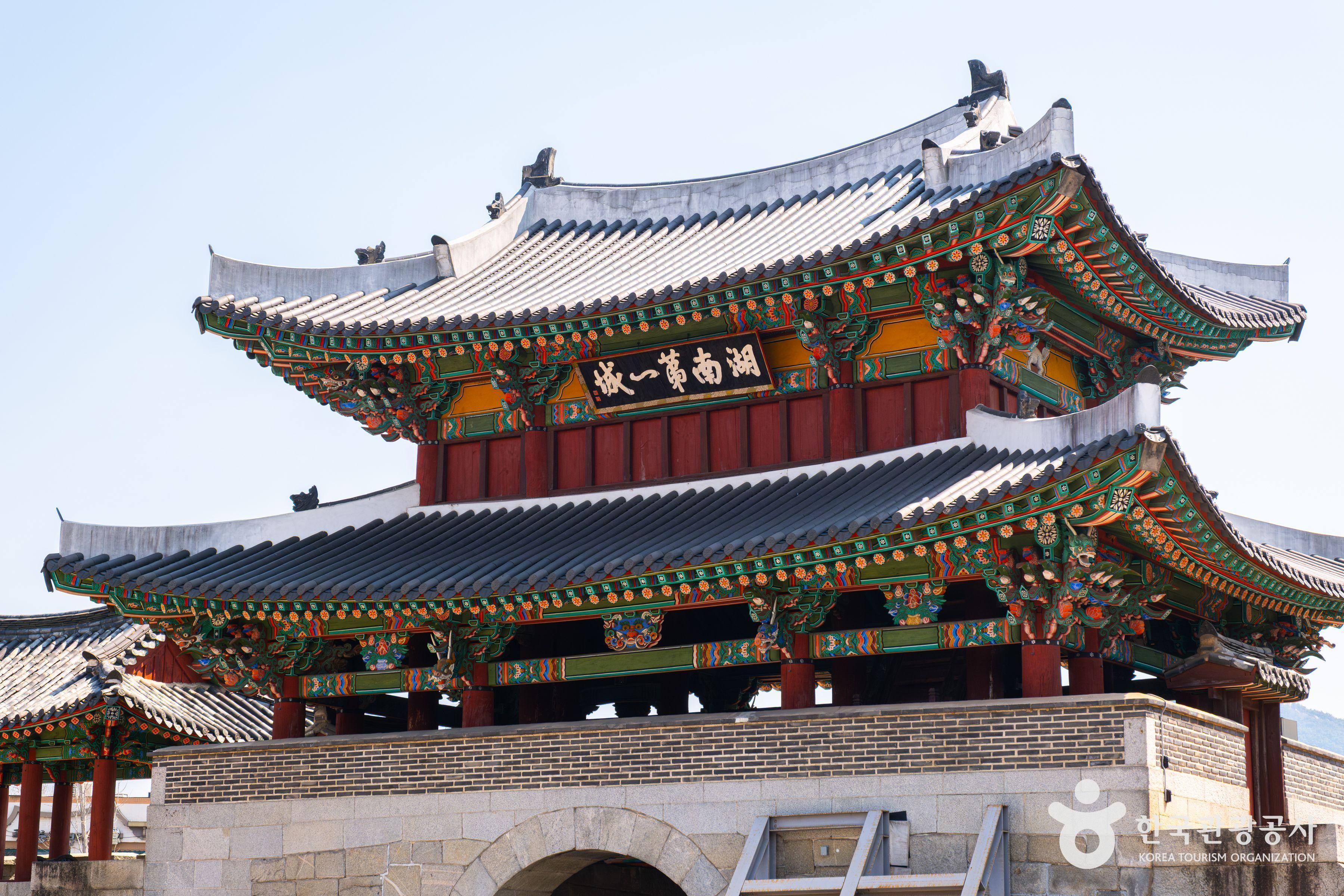
Jeonju Pungnammun Gate, the Site of Jeonju Fortress’s Southern Gate That Reclaimed Its 1768 Name
 Travel Guide
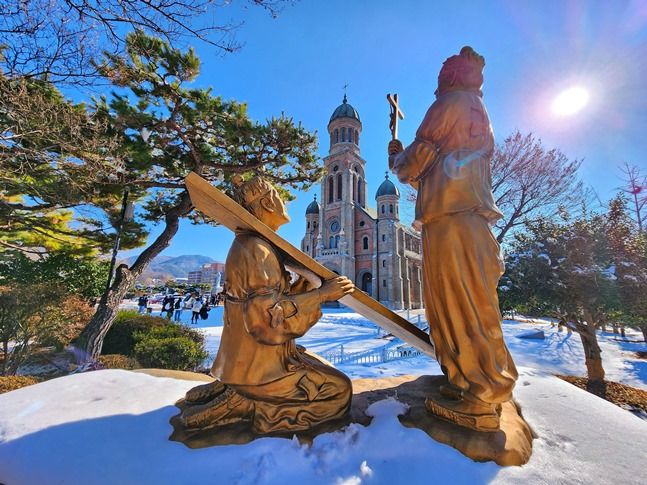
Jeondong Cathedral, where the red brick of the martyrdom site faces the tiled roofs of Gyeonggijeon
 Travel Guide
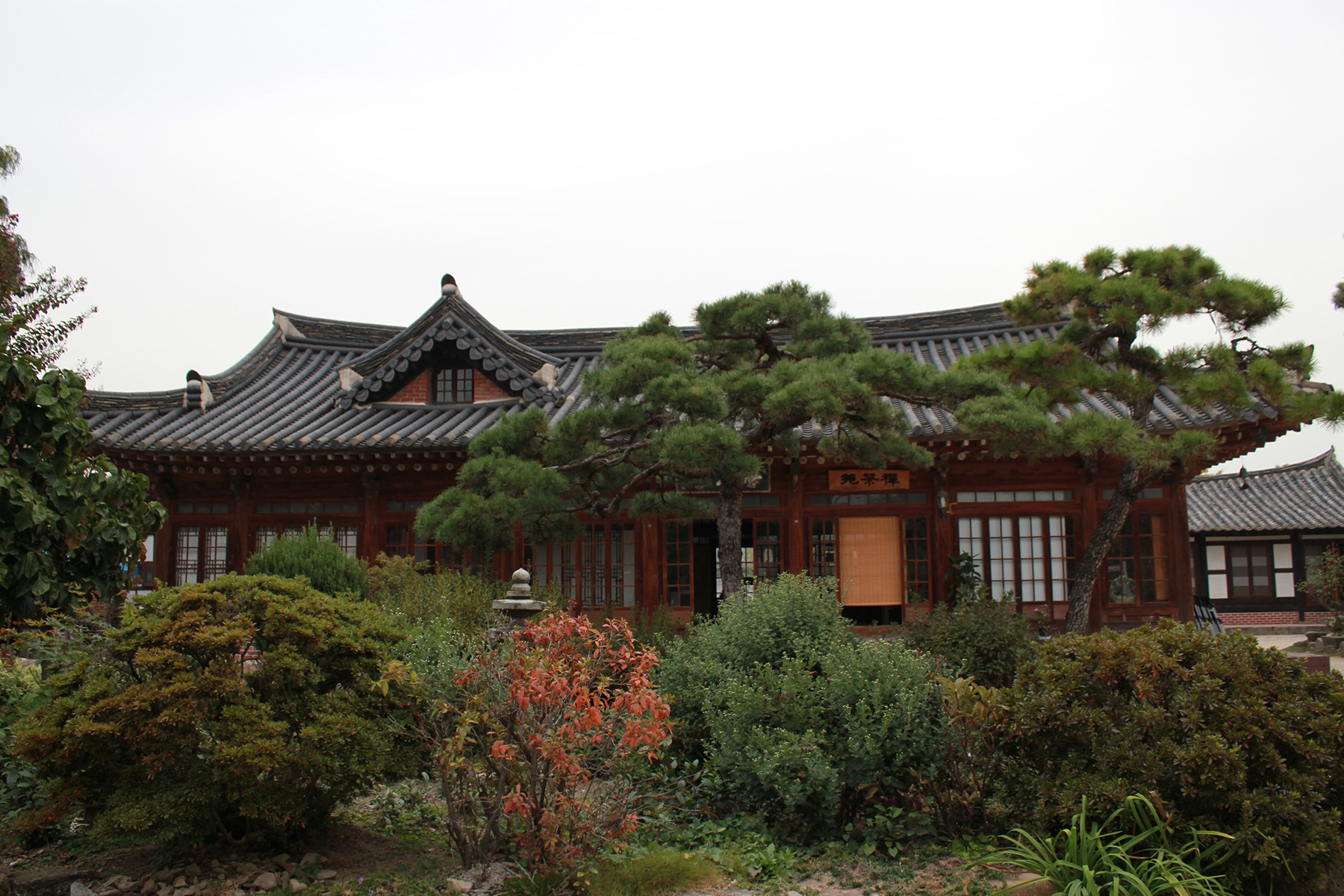
Jeonju Gyeonggijeon, where Taejo’s portrait and the Jeonju Archives remain within the same grounds
 Travel Guide
Memories of Hakindang’s 99 Rooms at 45 Hyanggyo-gil, Jeonju
Korea News
 News
News
‘NewJeans Expulsion’ Danielle Releases Her First YouTube Video… “We Don’t Know What Will Happen Next”
![aespa’s North American Tour Has Remaining Seats Despite ‘$49’ Bargain Prices… A Stark Popularity Gap with KATSEYE [TEN Starfield]](https://kotourlive-images.s3.ap-northeast-1.amazonaws.com/news/1788485037424_a59b1932_naver_rank_thumb_0000774618_1788485037424.jpg) News
News
aespa’s North American Tour Has Remaining Seats Despite ‘$49’ Bargain Prices… A Stark Popularity Gap with KATSEYE [TEN Starfield]
![[Photo] TWICE’s Dahyun attends a film festival red carpet as an actress](https://kotourlive-images.s3.ap-northeast-1.amazonaws.com/news/1788485316508_edd43ecd_news_870a60a6-6f11-4d73-aa7c-48d91318a0f7.jpg) News
News
[Photo] TWICE’s Dahyun attends a film festival red carpet as an actress
![[On-Site Video] “We’re Departing Separately Together”… BIGBANG Begins ‘COSMOS’ World Tour](https://kotourlive-images.s3.ap-northeast-1.amazonaws.com/news/1788485226518_c5719641_news_fdd4764a-0f4e-4968-8e4e-e98a02872f88.jpg) News
News