Jeonju Pungnammun Gate, the Site of Jeonju Fortress’s Southern Gate That Reclaimed Its 1768 Name
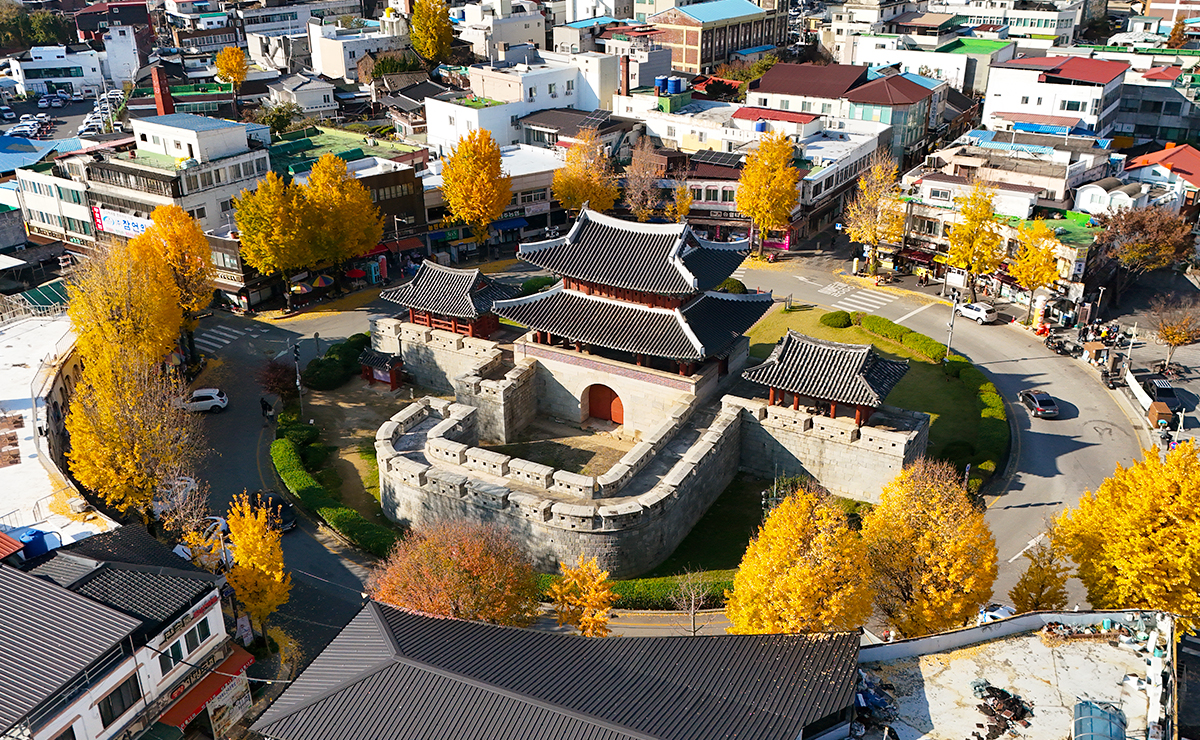
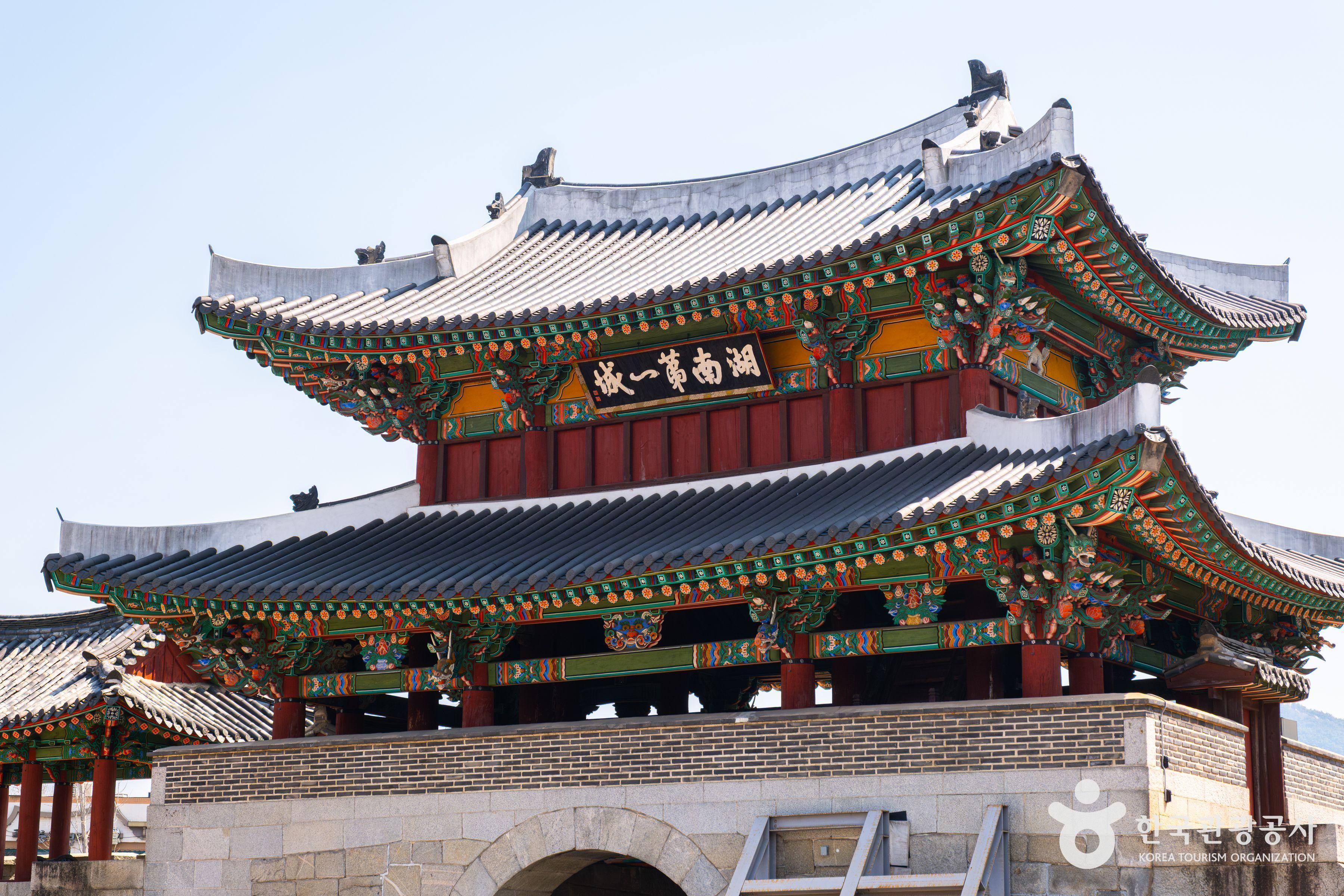
Jeonju Pungnammun Gate is the surviving southern gate among the four gates of Jeonju Fortress and the southern gateway of a walk connecting Jeonju Hanok Village, Nambu Market, and Jeondong Cathedral. As a national heritage site situated between a plaza and roads rather than an interior gatehouse attraction, it is best to plan separately for observing the architecture during the day and viewing the exterior after sunset.

I’ve been here?
Your check-in helps the next traveler.
13 people viewed this week Be the first
One tap — no writing needed
From the Southern Gate of Jeonjubuseong Fortress in 1389 to ‘Pungnammun’ in 1768
Pungnammun is introduced as the southern gate built together with Jeonjubuseong Fortress in 1389, the first year of King Gongyang’s reign during the Goryeo period, when Choe Yu-gyeong, the Jeolla governor, constructed the fortress. After Joseon was founded in 1392, Jeonju received special importance as the birthplace of the dynasty, and the southern gate of Jeonjubuseong served as the gateway into the walled city from the south.
After Jeonju Fortress was severely damaged in 1597 during the Second Japanese Invasion of Korea, the fortress was extensively repaired in 1731, the 10th year of King Yeongjo’s reign, and the pavilion above the southern gate was called Myeonggyeonru. After it was destroyed by fire in 1767, Hong Rak-in, the governor of Jeolla, rebuilt it in 1768, the 44th year of King Yeongjo’s reign, and gave it its current name, Pungnammun. “Pungnam” means “south of Pungpae,” comparing Jeonju, the birthplace of the Joseon dynasty, with Pungpae, the hometown of Emperor Gaozu of Han.
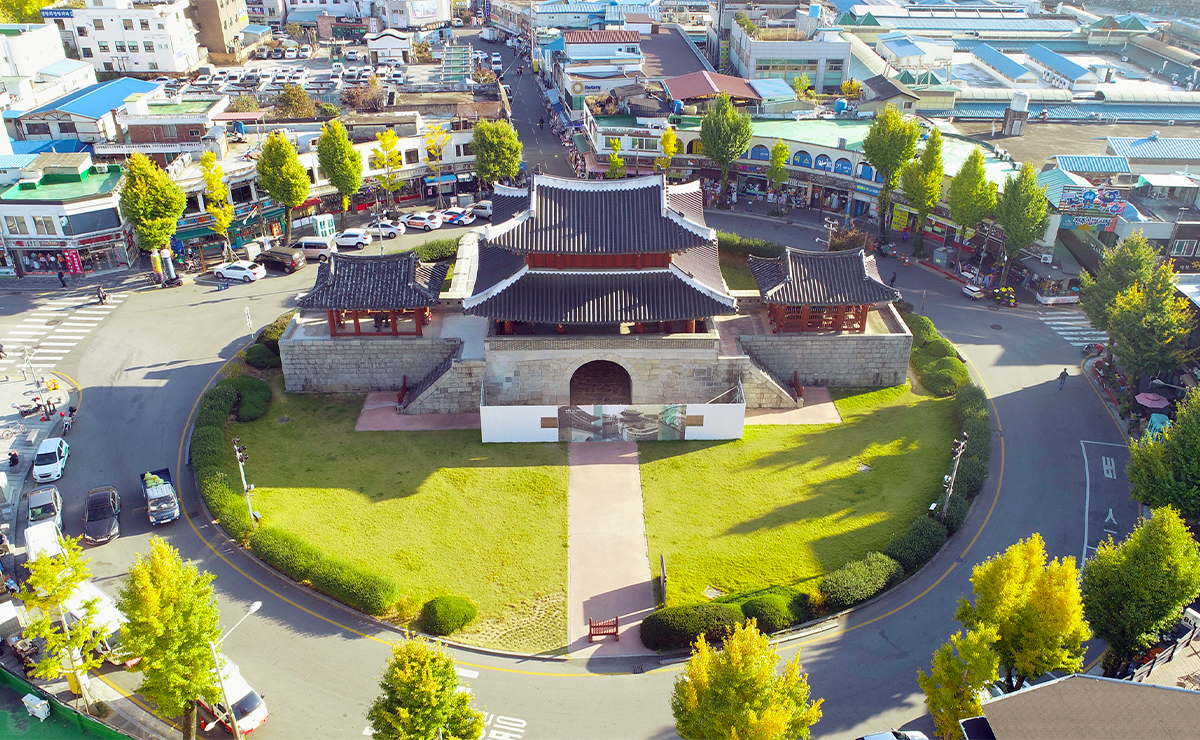
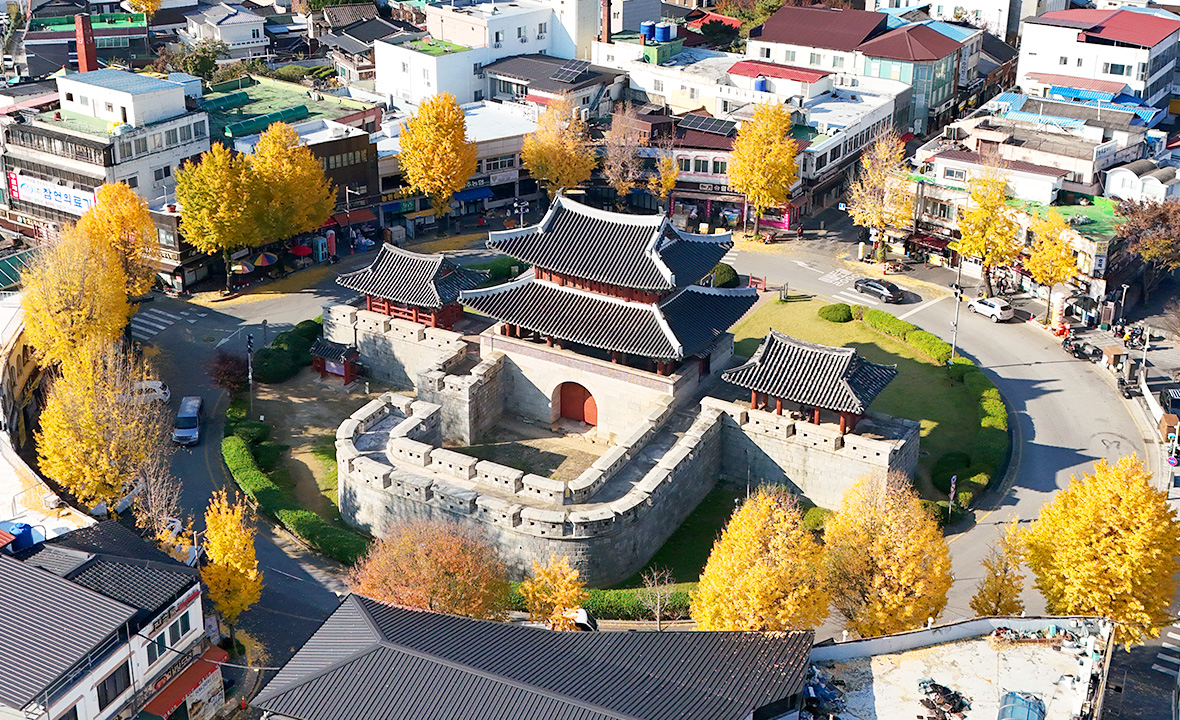
The Stone Passage and Gate Pavilion Seen at Treasure Pungnammun in Jeonju
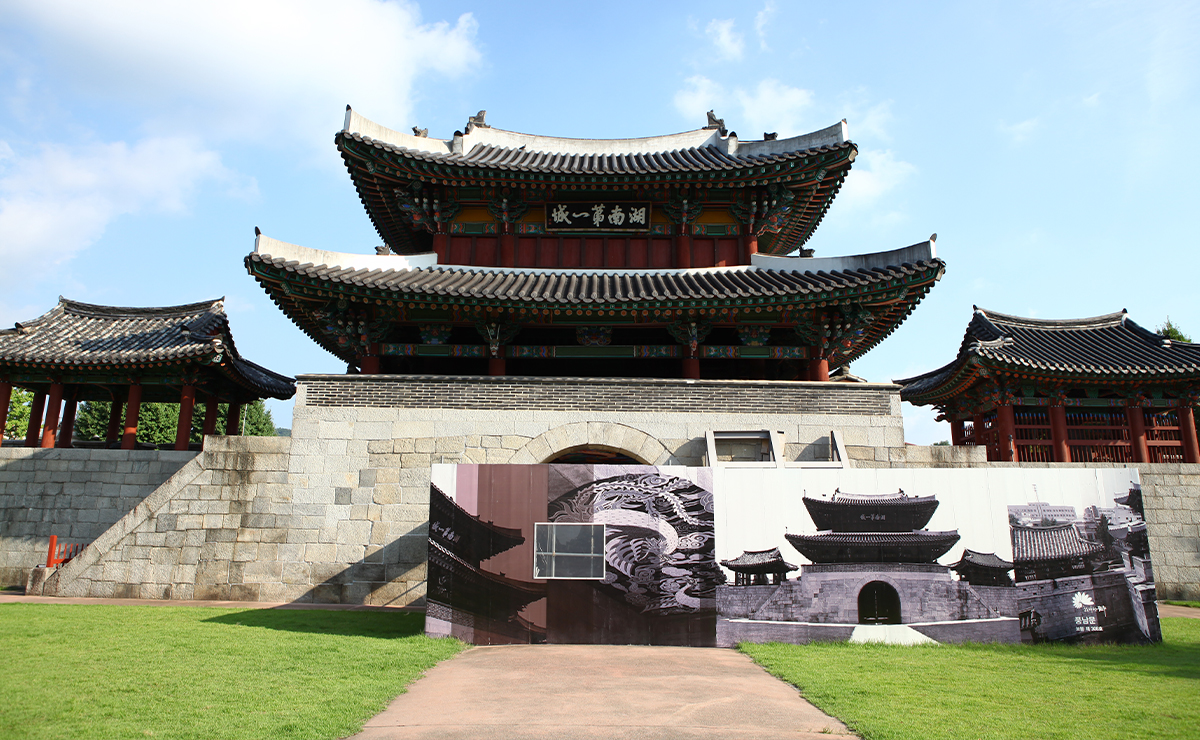
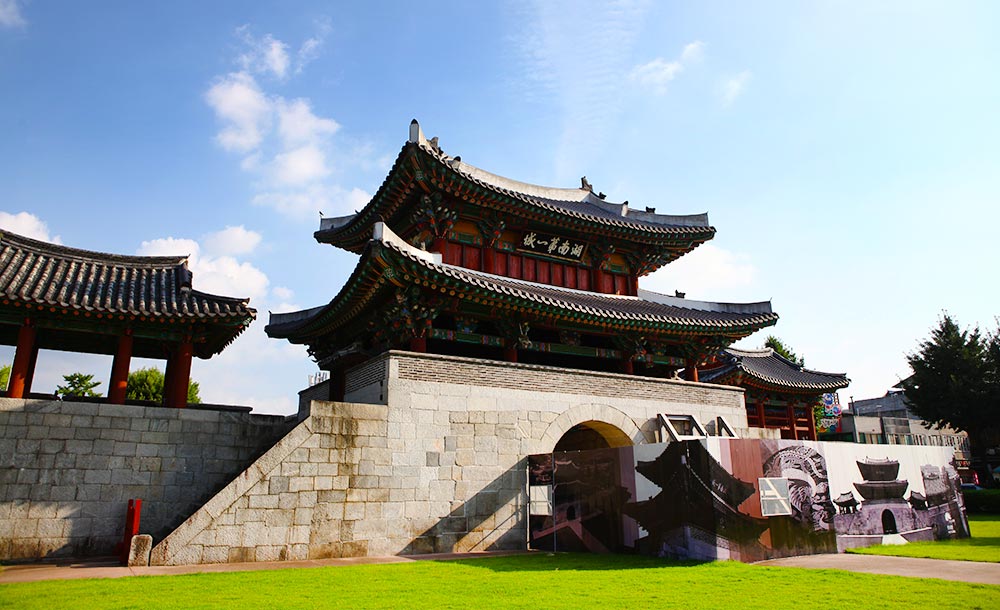
Jeonju Pungnammun is listed as a Treasure on the National Heritage Portal and is the only surviving gate among the four gates of Jeonjubuseong Fortress. Its structure consists of a passage through the center of a stone embankment, rainbow-shaped stonework, and a gate pavilion built above it. The best way to view it is to see the arched passage and stonework from below, then take in the hipped-and-gabled roof together from a little farther away.
The address is 1 Pungnammun 3-gil, Wansan-gu, Jeonju-si, Jeonbuk State (Jeondong). The address provided by the user, “53 Pungnammun 2-gil, 2nd floor of Nambu Market, Cheongnyeon Mall, Baeksu-ui Chan,” is for a separate shop inside Nambu Market, not Pungnammun itself. Therefore, the navigation destination must be set to “1 Pungnammun 3-gil.”
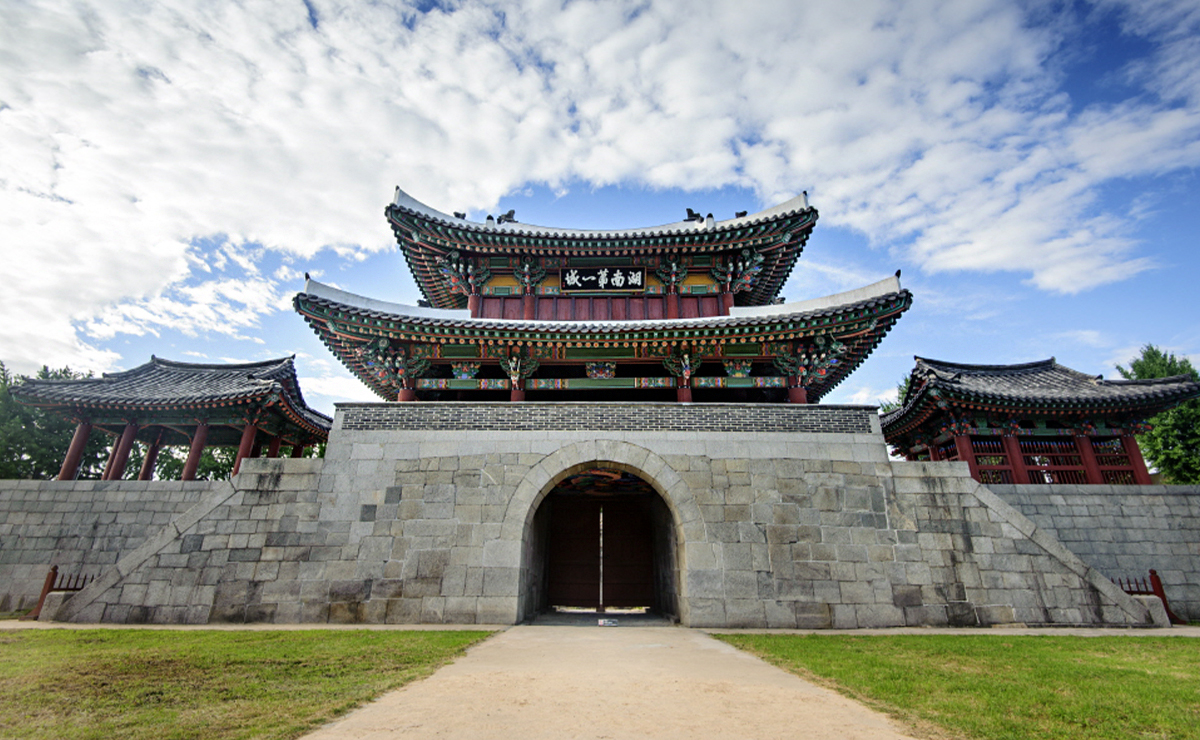
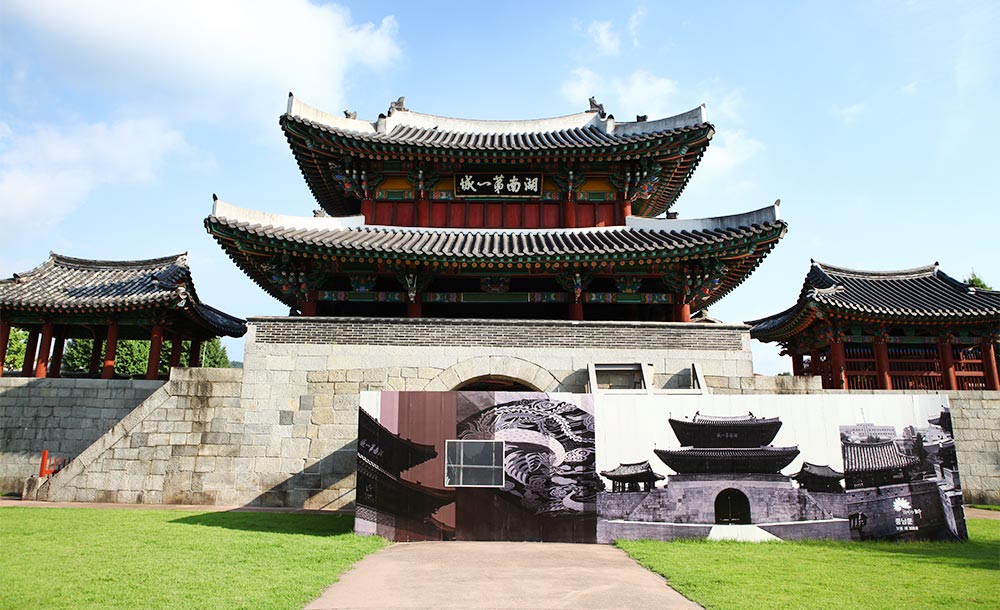
How to Visit This Outdoor National Heritage Site: Free Admission and Open Year-Round
Pungnammun is an outdoor national heritage site with no separate ticket booth, so admission is free. The Korea Tourism Organization lists it as open year-round. Since no fixed indoor viewing hours or regular closing days are announced, it should be planned as a place to view the architecture and surrounding scenery from outside rather than as a site where access to the inside of the gate pavilion is guaranteed.
The tourism information phone number is 063-287-6008, and the official Jeonju tourism page and Jeonbuk cultural tourism information can both be consulted. A stay of 10–20 minutes is suitable if you only view the gate, or about 40–60 minutes if you see the stonework and gate pavilion from several directions and continue on to Nambu Market. Since the gate is close to a road and roundabout, for safety, avoid approaching carelessly from the direction of moving traffic.
Two Minutes on Foot from Pungnammun Stop, Four Minutes from Nambu Market Stop
For public transportation, local market tourism information states that Pungnammun is about a two-minute walk from Pungnammun bus stop and about a four-minute walk from Nambu Market bus stop. Jeonju local bus route 13 begins and ends at Pungnammun stop and passes toward Nambu Market, Seohak-ro National University of Education, and Wonsekjang Village. Actual departure intervals and service status should be reconfirmed through Jeonju city bus information on the day of your visit.
It is difficult to lose your way when walking down from the southern end of Jeonju Hanok Village to Pungnammun and then entering Nambu Market. The entrance to Nambu Market is very close to Pungnammun, and market information also gives the distance between Pungnammun stop and the market as two minutes. Wheelchair and stroller users may find it more stable to use the surrounding sidewalks rather than the stone passage through the gate, and separate information about accessibility inside the gate pavilion was not available.
Pungnammun Shopping District Customer Parking Lot: 07:00–21:00, Plus Nambu Riverside Parking Lot
The information for Pungnammun itself states that there is no dedicated parking lot. If you are driving, using a nearby market parking lot is the practical option. Pungnammun Shopping District Customer Parking Lot is located at 60 Pungnammun 2-gil, Wansan-gu, Jeonju-si. It operates from 07:00 to 21:00, with a base fee of 600 won for 30 minutes and 200 won for each additional 10 minutes.
Nambu Riverside Parking Lot is located at 331 Jeondong, Wansan-gu, Jeonju-si. It charges 200 won per 10 minutes and offers one hour of free parking when using the market. Nambu Paid Parking Lot is at 109 Paldal-ro, with a base fee of 1,000 won for 30 minutes and 500 won for every additional 15 minutes; it is also introduced as offering one hour of free parking for market users. Parking discounts may vary depending on market-use conditions and on-site operating policies, so check the signs before entering.
One Hour from the Southern End of Jeonju Hanok Village to Nambu Market’s Food Culture
Pungnammun lies between Jeonju Hanok Village, Jeondong Cathedral, Gyeonggijeon, and Nambu Market. Jeonju tourism information suggests walking from Hanok Village to Pungnammun and then experiencing Jeonju’s food culture at Nambu Market. If you only want a quick view of the gate, allow one hour including Nambu Market; if you include the alleys at the southern end of Hanok Village, it is better to allow at least two hours.
Nambu Market is located around 19-3 Pungnammun 1-gil, Wansan-gu, Jeonju-si. Since the 2000s, it has strengthened its character as a tourist market by adding the Youth Mall and a night market. Jeonju tourism information explains the relationship between the market’s development and Jeonju’s bean sprout soup culture. If you plan to eat in the market, check separately whether the relevant establishments are open before or after viewing the gate.
Observing the Stonework by Day and Viewing the Exterior After Sunset: What Is Different?
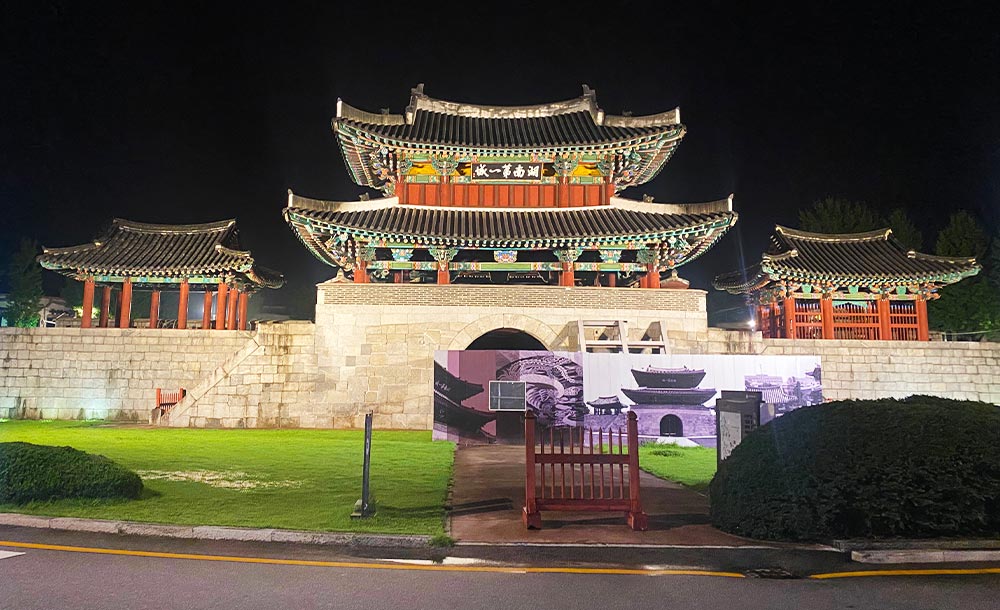
During the day, it is easy to distinguish the rainbow-shaped passage in the stonework, the brackets of the gate pavilion, and the roofline. By contrast, traveler reviews repeatedly express a preference for the illuminated exterior after sunset rather than the daytime view, because the site is surrounded by a roundabout and roads. If photography is your goal, instead of staying continuously from the afternoon until after sunset, it is better to choose either the daytime or nighttime period and keep your route simple.
Pungnammun is not a historic site where you walk along an extensive fortress wall; it is a place to view an independent gate and the surrounding urban scenery. Travelers expecting a fortress walk or indoor exhibits may find the visit brief. Conversely, for travelers who want to connect the southern end of Jeonju Hanok Village, a meal at Nambu Market, and nighttime street scenery in one outing, it serves as a useful landmark indicating the exact direction.
Before You Go
- Address
- 1 Pungnammun 3-gil, Wansan-gu, Jeonju-si, Jeonbuk State (Jeondong)
- Hours
- Outdoor viewing available at all times (no separate viewing hours announced)
- Closed
- Open year-round
- Admission
- Free
- Phone
- 063-287-6008
- Official site
- https://tour.jeonju.go.kr/board/view.jeonju?boardId=BBS_0000003&dataSid=9746&menuCd=DOM_000000101006001000
- Transport
- Two minutes on foot from Pungnammun stop; four minutes on foot from Nambu Market stop. Jeonju local bus 13 serves Pungnammun stop.
- Parking
- No dedicated parking lot. Nearby options include Pungnammun Shopping District Customer Parking Lot (60 Pungnammun 2-gil, 07:00–21:00, 600 won for the first 30 minutes and 200 won per additional 10 minutes) and Nambu Riverside Parking Lot.
- Time needed
- 10–20 minutes to view the exterior of Pungnammun; 40–60 minutes including Nambu Market
- Accessibility
- The exterior can be viewed from the surrounding sidewalks. Separate confirmation is needed regarding wheelchair and stroller access through the stone passage and inside the gate pavilion.
The information above is current as of the time of writing. Check the official information again before visiting.

Places
Nearby Attractions 5
-
1
-
 2
2
-
 3
3
-
 4
4
-
 5
5
Food & Dining 5
-
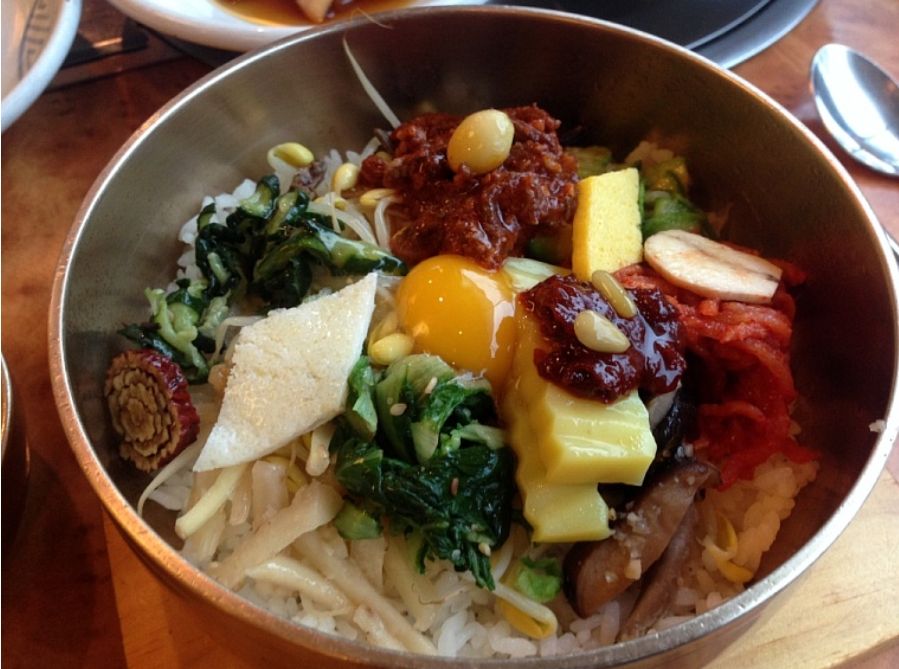 6
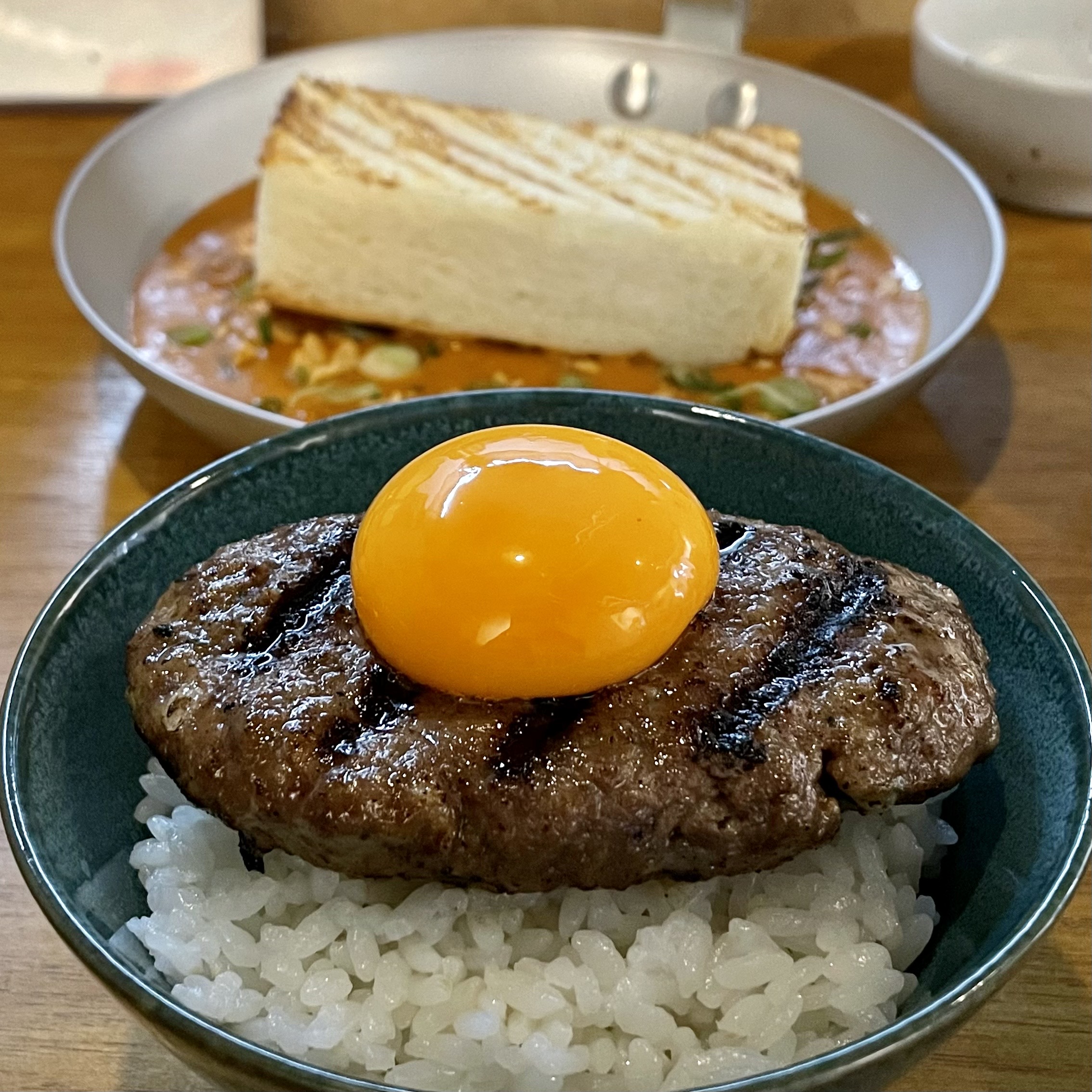
Jeonju Pungnammun Bibimbap
6
Jeonju Pungnammun Bibimbap -
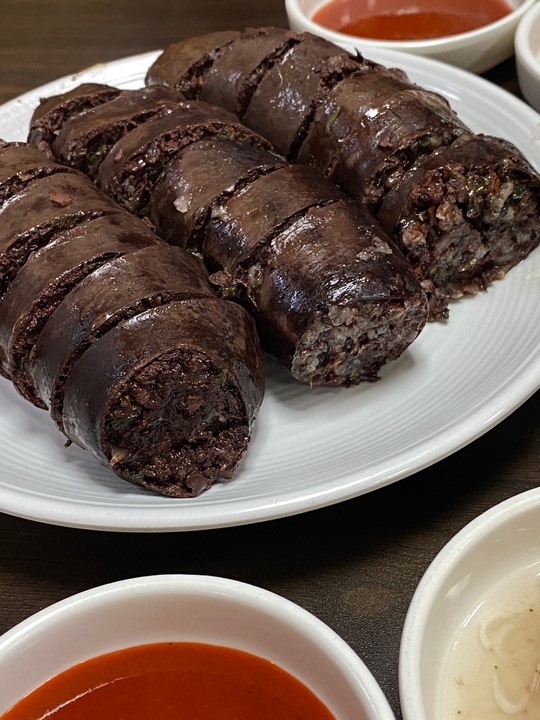 7
7
-
 8
8
-
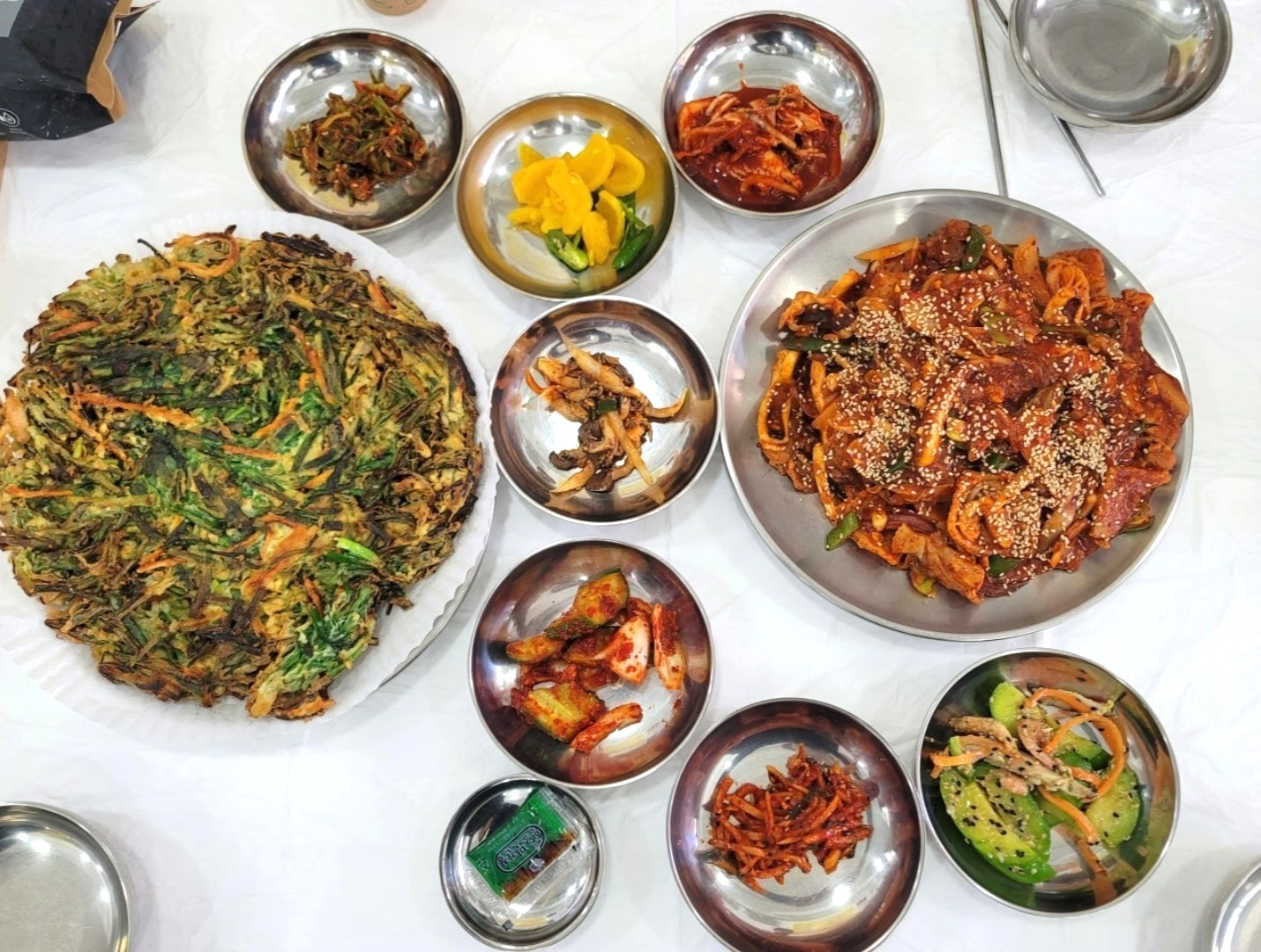 9
Pungnammun Sikdang
9
Pungnammun Sikdang -
 10
10
More Travel Guides in This Area
 Travel Guide
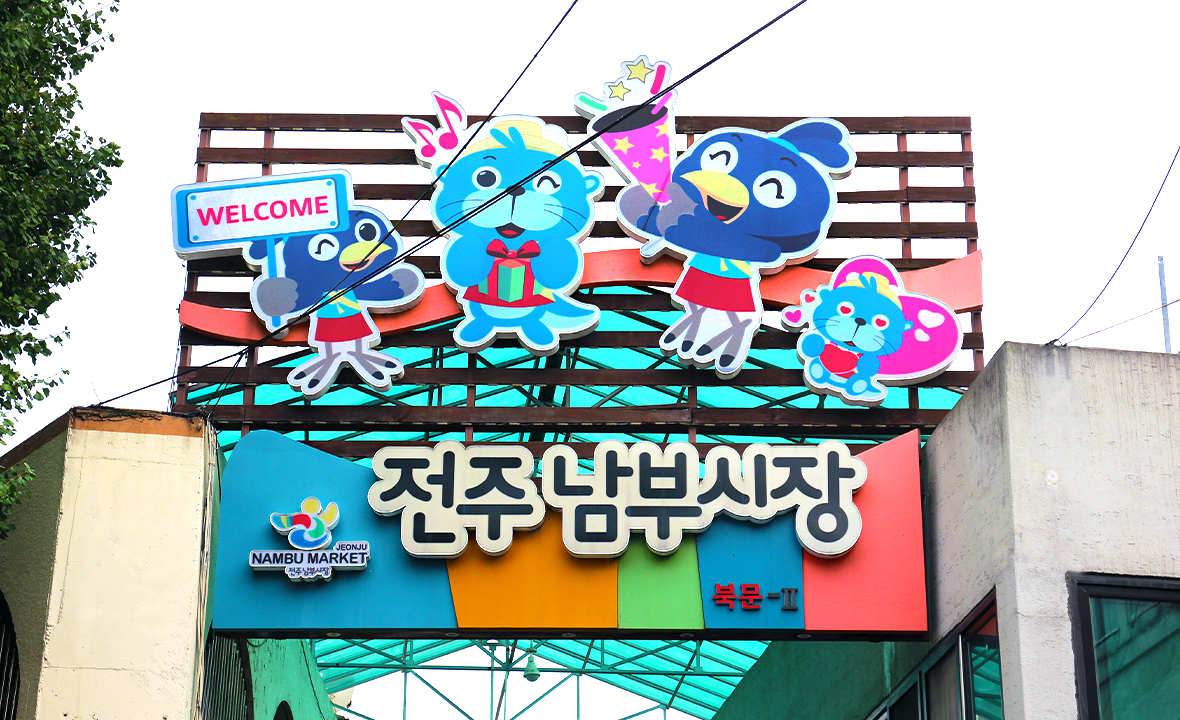
From the 1473 Market Outside Pungnammun Gate to the Dawn Goblin Market: Jeonju Nambu Market
 Travel Guide
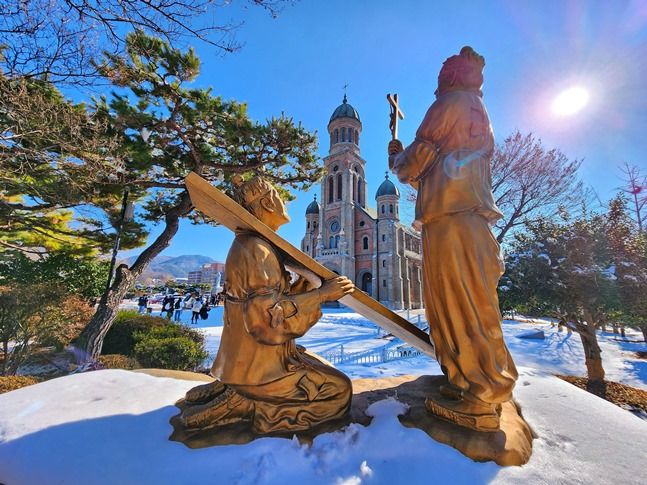
Jeondong Cathedral, where the red brick of the martyrdom site faces the tiled roofs of Gyeonggijeon
 Travel Guide
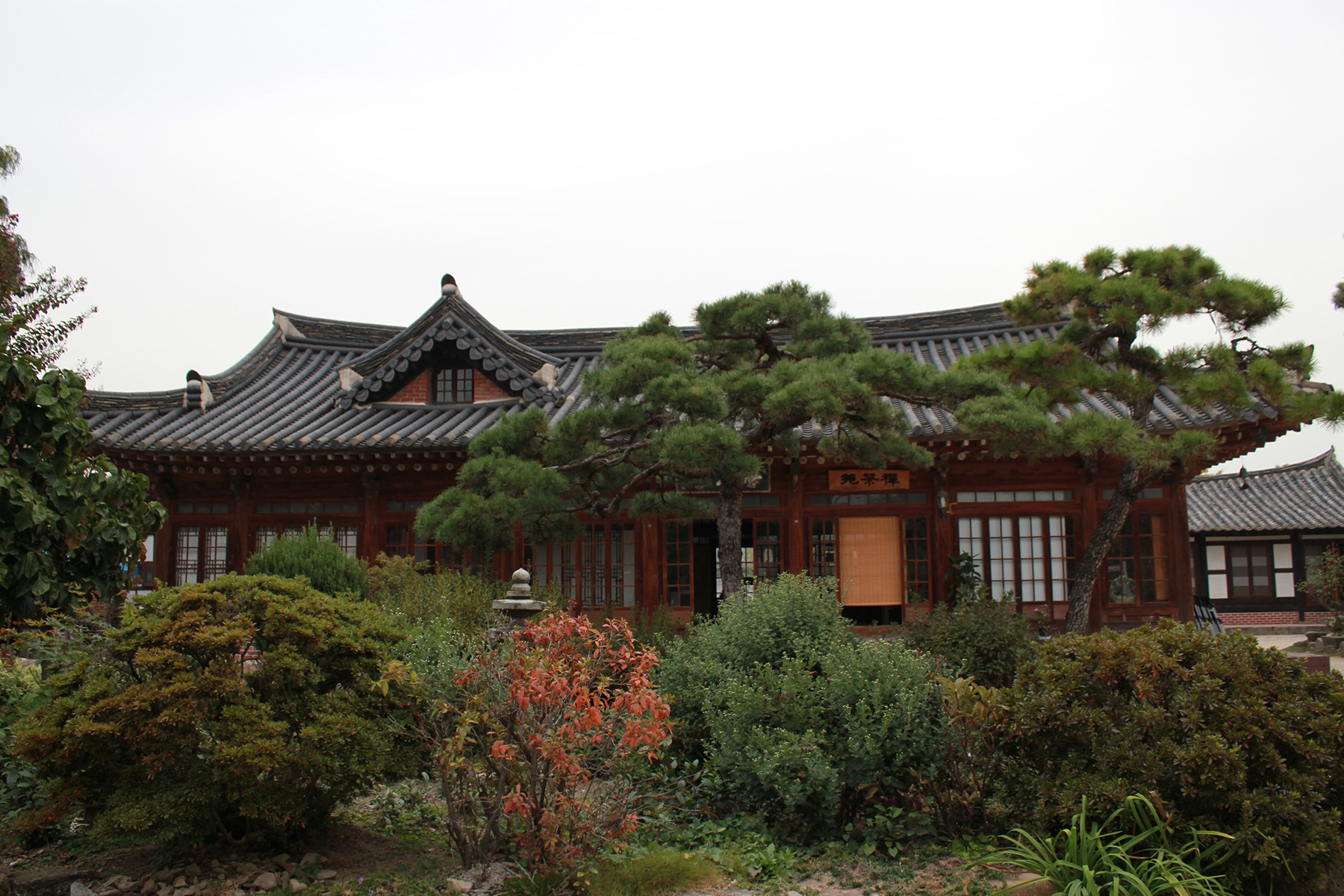
Memories of Hakindang’s 99 Rooms at 45 Hyanggyo-gil, Jeonju
 Travel Guide
Jeonju Gyeonggijeon, where Taejo’s portrait and the Jeonju Archives remain within the same grounds
Korea News
 News
News
‘NewJeans Expulsion’ Danielle Releases Her First YouTube Video… “We Don’t Know What Will Happen Next”
![aespa’s North American Tour Has Remaining Seats Despite ‘$49’ Bargain Prices… A Stark Popularity Gap with KATSEYE [TEN Starfield]](https://kotourlive-images.s3.ap-northeast-1.amazonaws.com/news/1788485037424_a59b1932_naver_rank_thumb_0000774618_1788485037424.jpg) News
News
aespa’s North American Tour Has Remaining Seats Despite ‘$49’ Bargain Prices… A Stark Popularity Gap with KATSEYE [TEN Starfield]
![[Photo] TWICE’s Dahyun attends a film festival red carpet as an actress](https://kotourlive-images.s3.ap-northeast-1.amazonaws.com/news/1788485316508_edd43ecd_news_870a60a6-6f11-4d73-aa7c-48d91318a0f7.jpg) News
News
[Photo] TWICE’s Dahyun attends a film festival red carpet as an actress
![[On-Site Video] “We’re Departing Separately Together”… BIGBANG Begins ‘COSMOS’ World Tour](https://kotourlive-images.s3.ap-northeast-1.amazonaws.com/news/1788485226518_c5719641_news_fdd4764a-0f4e-4968-8e4e-e98a02872f88.jpg) News
News