Memories of Hakindang’s 99 Rooms at 45 Hyanggyo-gil, Jeonju
Hakindang is a modern hanok completed in 1908 for the Baek Nak-jung family. It is an example of late Joseon construction techniques and royal architectural styles being incorporated into a private residence. As regular visiting hours and admission fees have not been separately announced, visitors should distinguish between the historic-house tour experience and accommodation operations when planning their visit.

I’ve been here?
Your check-in helps the next traveler.
34 people viewed this week Be the first
One tap — no writing needed
What remains today of the 99-bay mansion completed in 1908
Hakindang is a residence associated with Baek Nak-jung, a Seunghunrang official and royal tomb caretaker in the late Joseon period, located in Wansan-gu, Jeonju-si, Jeonbuk State. It was completed in 1908 using timber from areas including the Yalu River and Odaesan Mountain, and is regarded as a modern hanok that inherited the architectural techniques of the late Joseon period.
At the time of its construction, it was a 99-bay mansion, but only Hakindang and six auxiliary buildings remain today. The site area is listed as 1,752㎡, while the main building has a total floor area of 69 pyeong. The fact that this spacious historic house survives mainly as a group of several buildings is key to understanding its current spatial layout.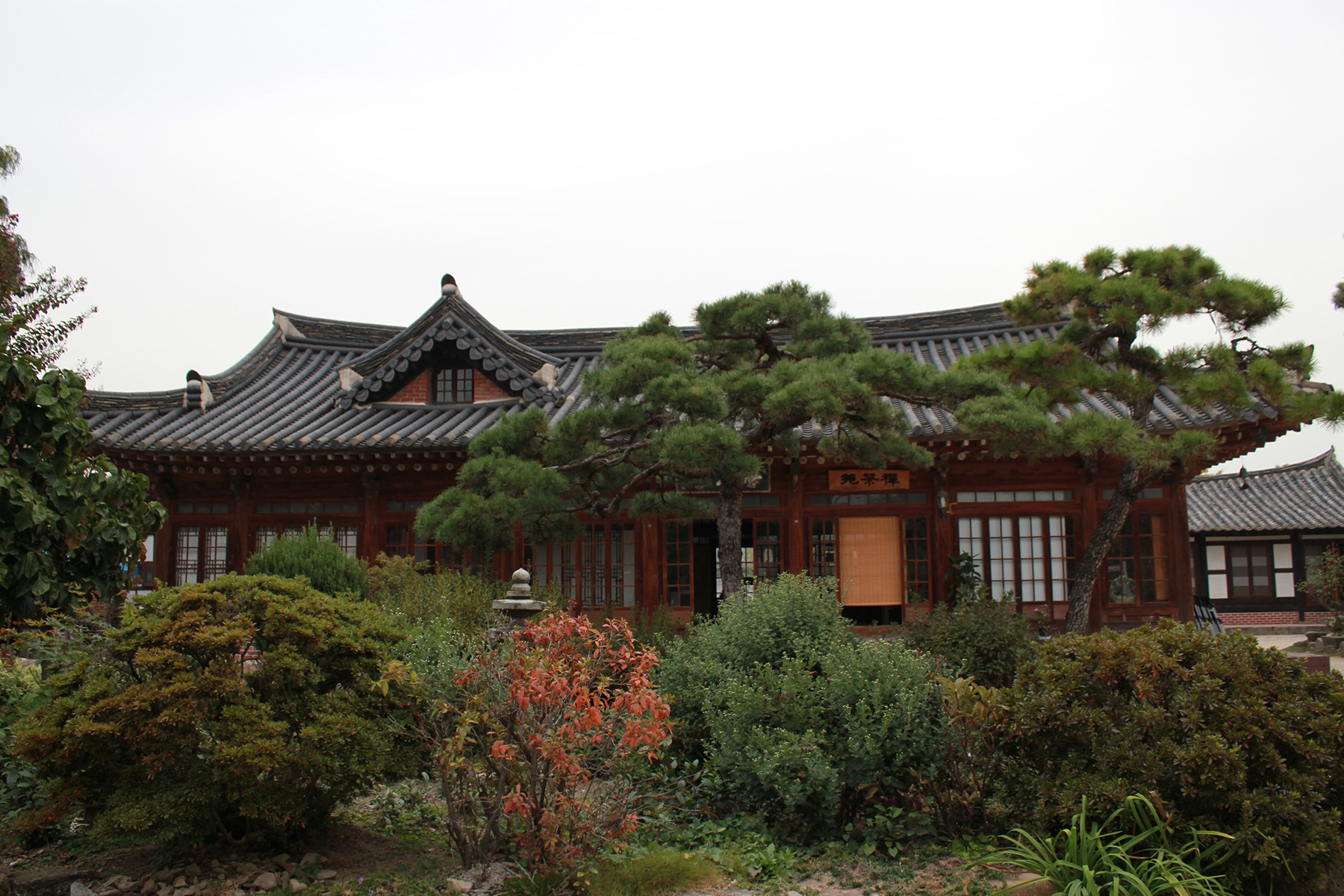
Hakindang, named after Baek Nak-jung’s pen name, ‘Injae’
The name Hakindang was created by taking the character “In” from Injae (忍齋), the pen name of Baek Nak-jung, who built the house. Hakindang was designated a folk cultural heritage of Jeonbuk State on April 2, 1976, and official information introduces it as Folk Cultural Heritage No. 8 of Jeonbuk State.
Records state that a total of 4,280 people, including top master carpenters and woodworkers, were mobilized for the construction, and that 4,000 seok of polished rice were supplied over two years and six months. It is also said that King Gojong sent palace carpenters in consideration of the efforts of Baek Nak-jung’s family, which had cooperated in the reconstruction of Gyeongbokgung Palace. For this reason, Hakindang is regarded as an example of palace architectural styles being introduced into a private residence.
A three-bay elevated gate and a main building with the height of a performance hall
Upon arrival, visitors can examine the three-bay elevated gate and its projecting rafters. A signboard reading “白樂中之閭 (Baek Nak-jung’s gate)” hangs on the main gate, and the roof tiles include concave and convex end tiles. The signboard and roof decorations reveal that Hakindang is not simply a hanok used for lodging, but a residence that conveys both the status of the Baek Nak-jung family and its architectural intentions.
The main building has a two-story-high ceiling so that it can be used as an indoor performance hall, and all the doors inside the building can be folded sideways or raised. This structure allows the space to be transformed either into enclosed rooms or into a large open event hall. It is also introduced as Jeonju’s first performance hall, where performances by celebrated singers were frequently held.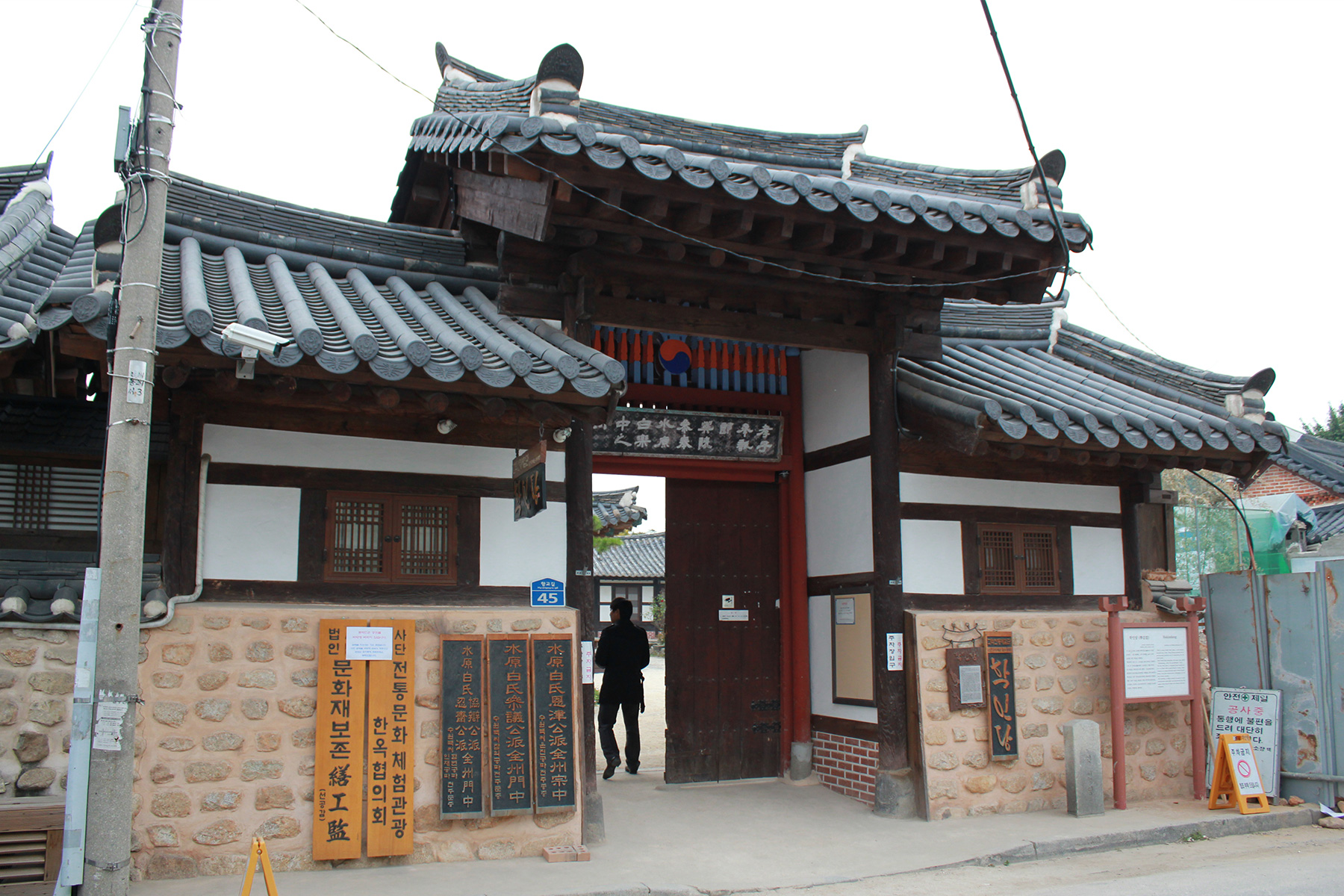
Distinguishing Baekbeomjisil, Haegongjisil, and Injaejisil
The main building is arranged with Baekbeomjisil and Haegongjisil on the left and Injaejisil on the right, with a daecheongmaru central hall between them. Baekbeomjisil is said to be the room where Baekbeom Kim Gu stayed; it is a spacious area that can be divided into two rooms when the doors are closed. Kim Gu is said to have stayed at Hakindang twice.
Haegongjisil is a small, cozy room where Shin Ik-hee stayed, while Injaejisil is a space named after Baek Nak-jung’s pen name. Injaejisil contains a bedroom area for two people, a tea ceremony room, and a corridor. Rather than being an exhibition room at a freely accessible tourist attraction, the interior is closer to a guided viewing experience following an escort’s instructions.
A viewing experience with 20 minutes of commentary and 30 minutes for photography
Hakindang’s regular visiting hours and general admission fee are not separately provided on its official website. Instead, the traditional experience program begins with watching video materials about the old house at the traditional experience center, followed by a tour of the main building’s interior with a guide. The explanation lasts about 20 minutes, and approximately 30 minutes are provided for taking commemorative photographs inside and outside the main building.
Hakindang’s commentary covers not only history and the structure of the buildings, but also stories from the time of construction and anecdotes about the head family. A tour of the attic above Baekbeomjisil requires at least eight participants and takes about 50 minutes. Therefore, even if a door is open, visitors should not assume that every space can be viewed independently; it is safer to call 063-284-9929 in advance to ask whether they can join the program and what areas are included.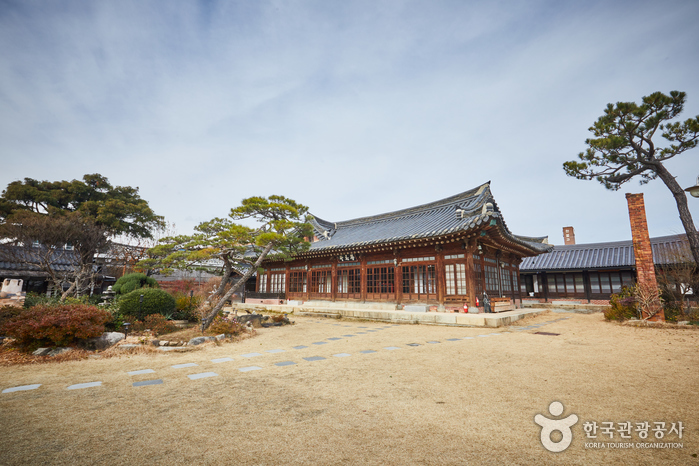
Tea, hanbok, and dancheong experiences available for groups of three or more
The Seonbi tea and Gyubang darye programs are offered for groups of at least three and take about 90 minutes. The tea etiquette program requires at least three participants and lasts about 50 minutes, while the program for learning etiquette while wearing hanbok also requires at least three participants and takes about 50 minutes. Hanbok for the experience is provided inside the traditional experience center.
Coloring dancheong is a program that allows visitors to experience Korea’s traditional dancheong coloring techniques. International travelers should distinguish between an itinerary that involves sightseeing only and one that includes hands-on activities, and should remember that the minimum number of participants and duration differ by program. The available information does not confirm whether English guidance or an audio guide is available, whether photography is prohibited, or whether payment is cash only.
Three rooms in the detached quarters and lodging hours
The detached quarters in Hakindang’s rear courtyard contain three rooms, all with an attached bathroom. Byeoldang Room 1 has a small toenmaru arranged as a tea-drinking space. The Sarangchae is a private detached unit with two rooms joined around a central maru; it has a spacious maru and operates as an independent unit.
The official check-in window for guests is 15:00–18:00, and check-out is at 11:30. Other tourist information lists check-in at 15:00 and check-out at 11:00, so the times differ; guests should confirm late arrivals and departure times directly with Hakindang when making a reservation. The lodging capacity is listed as 20 people, and the room type is described as a Korean-style room. In-room catering and pickup services are not provided.

Transportation and parking information after arriving at 45 Hyanggyo-gil
The address is 45 Hyanggyo-gil, Wansan-gu, Jeonju-si, Jeonbuk State, postal code 55044. Hakindang is located around Hyanggyo-gil in Jeonju Hanok Village, and the Jeonju Hanok Village experience map marks it as a place to “learn etiquette in everyday life.” The location of Hakindang in the area containing Hyanggyo-gil and Jeonjuhyanggyo can also be confirmed on the hanok village map.
Official and public sources do not provide specific station names, exits, bus routes, or walking times connecting Hakindang with departure points outside the area. Whether Hakindang has a dedicated parking lot and the extent to which visitors may use parking facilities have also not been separately confirmed. However, information states that the west and east parking lots of the National Intangible Heritage Center operate free of charge. Visitors arriving by car should call 063-284-9929 to confirm whether those parking lots can actually be used for Hakindang and the practical route between them.
Questions remaining about reservations and accessibility before visiting
Rather than presenting regular sightseeing as freely accessible entry, Hakindang’s available information focuses on old-house viewing experiences, hands-on programs with minimum group sizes, and lodging. The attic tour requires at least eight participants, while the Seonbi tea, Gyubang darye, tea etiquette, and hanbok etiquette programs each require at least three participants. Small groups should therefore inquire in advance about whether they can participate.
The official website is https://hakindang.kr/ and the main telephone number is 063-284-9929. Lodging guests can use the main building’s 24-hour lounge, but the available information does not confirm regular sightseeing closing days, admission fees, operating hours, wheelchair and stroller accessibility, or the availability of English guidance and an audio guide. This place is better suited to travelers who want to understand the hanok interior by booking a scheduled commentary or experience program, or lodging, rather than to those seeking a large outdoor tourist attraction.
Before You Go
- Address
- 45 Hyanggyo-gil, Wansan-gu, Jeonju-si, Jeonbuk State
- Hours
- Lodging check-in 15:00–18:00, check-out 11:30. Regular sightseeing hours could not be officially confirmed.
- Admission
- The official admission fee for regular sightseeing could not be confirmed. Viewing is operated as a program.
- Phone
- 063-284-9929
- Official site
- https://hakindang.kr/
- Transport
- Located around Hyanggyo-gil in Jeonju Hanok Village. Specific station names, exits, bus routes, and walking times to Hakindang could not be confirmed in official or public sources.
- Parking
- Parking is available. Information confirms the use of the National Intangible Heritage Center parking lots, whose west and east lots operate free of charge. Whether Hakindang has a dedicated parking lot and the extent to which Hakindang visitors may use the facilities could not be separately confirmed.
- Time needed
- Approximately 20–50 minutes based on reviews and viewing programs; attic tour approximately 50 minutes
The information above is current as of the time of writing. Check the official information again before visiting.

Places
Nearby Attractions 3
-
 1
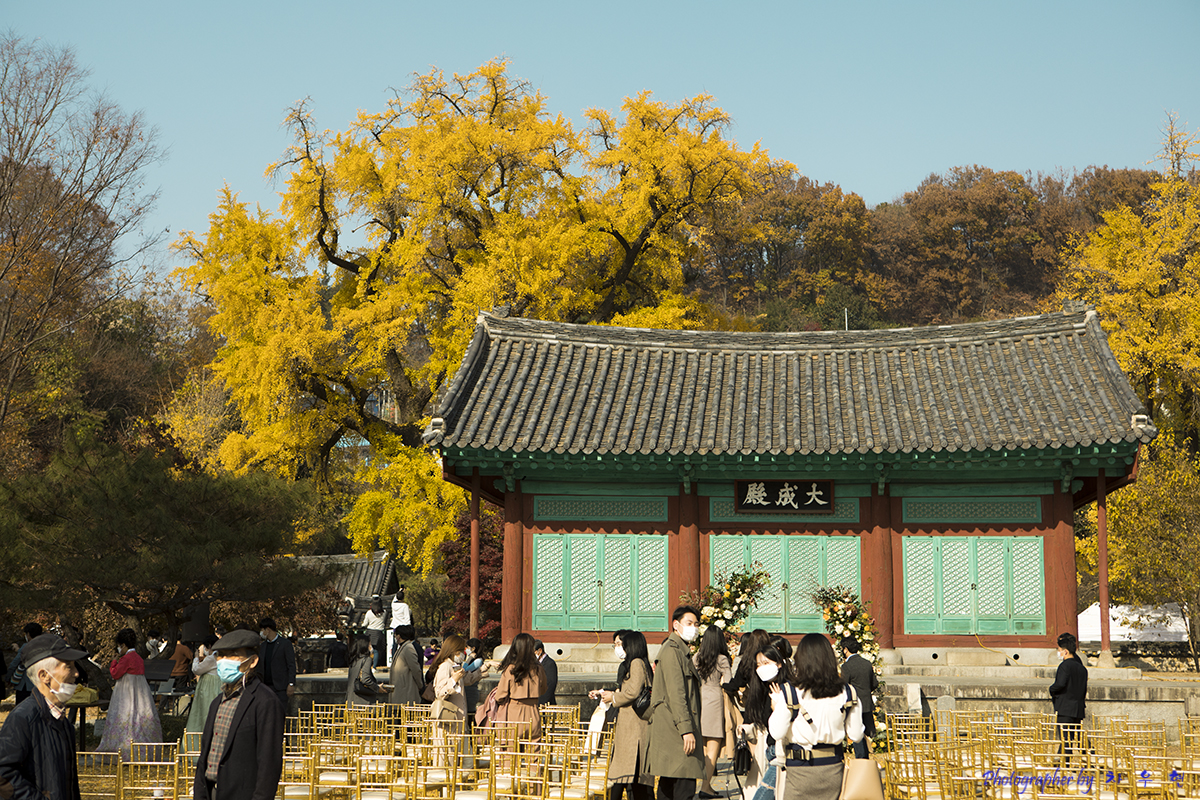
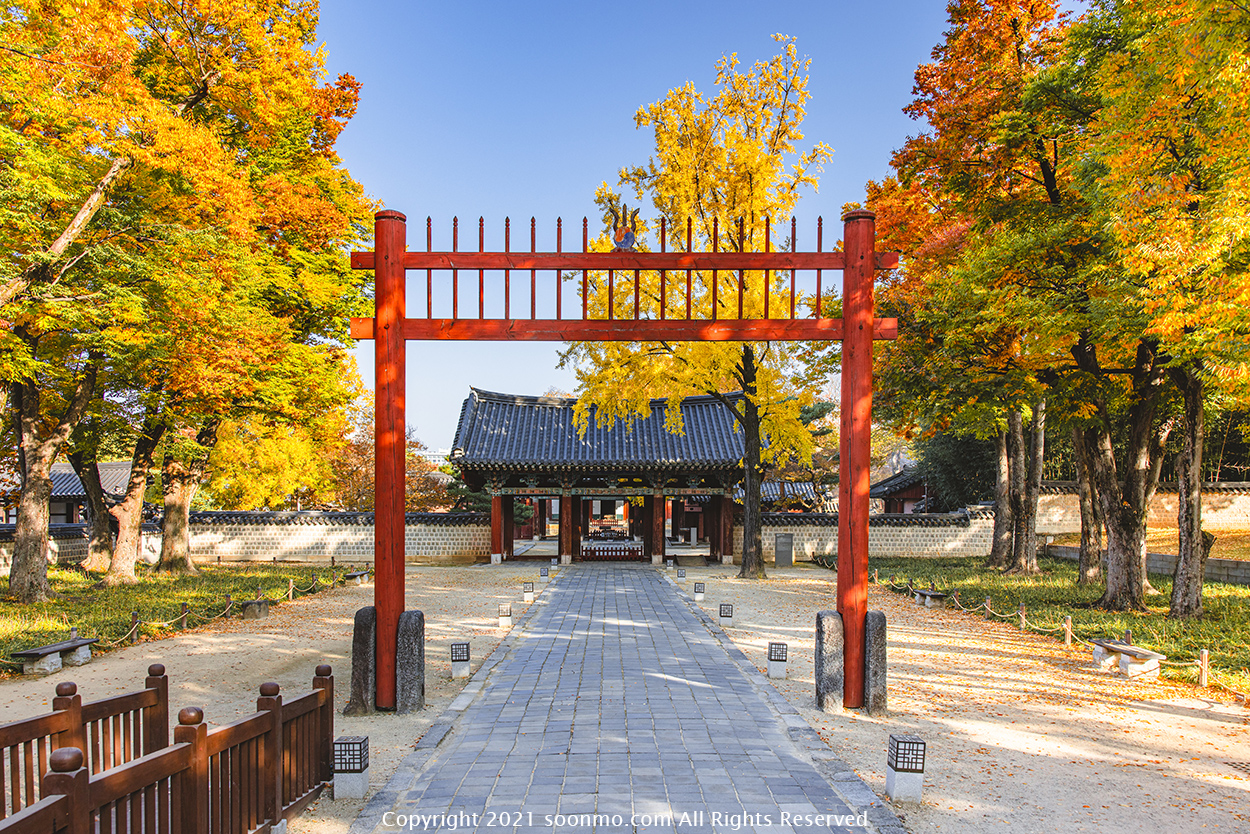
Jeonju HyanggyoA place to explore Joseon-era hyanggyo architecture while visiting Daeseongjeon and Myeongnyundang.
1
Jeonju HyanggyoA place to explore Joseon-era hyanggyo architecture while visiting Daeseongjeon and Myeongnyundang. -
 2
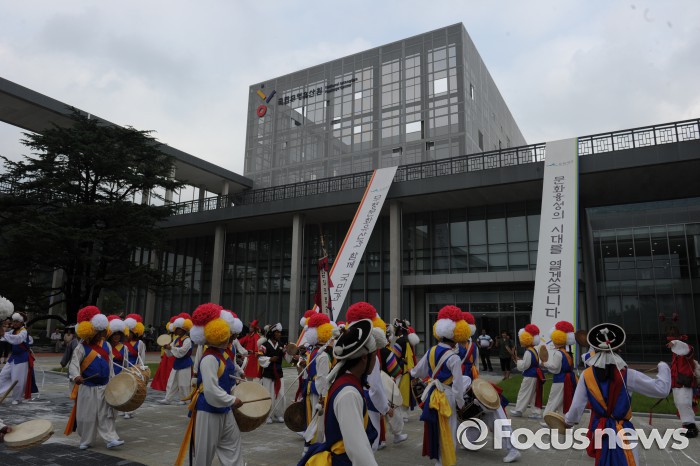
Gyeonggijeon ShrineA Joseon royal heritage site where visitors can view King Taejo’s portrait and the Jeonju Sago archive.
2
Gyeonggijeon ShrineA Joseon royal heritage site where visitors can view King Taejo’s portrait and the Jeonju Sago archive. -
 3
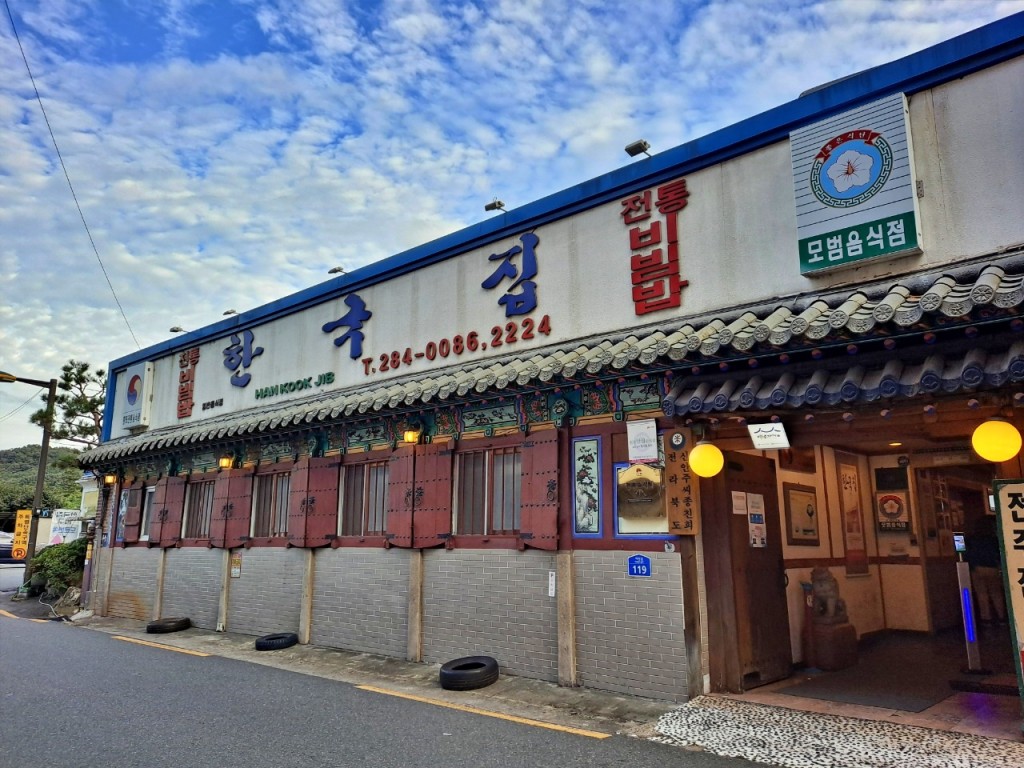
National Intangible Heritage CenterA traditional cultural space where visitors can view intangible heritage exhibitions and performances.
3
National Intangible Heritage CenterA traditional cultural space where visitors can view intangible heritage exhibitions and performances.
Food & Dining 2
-
 4
4
-
 5
5
More Travel Guides in This Area
 Travel Guide
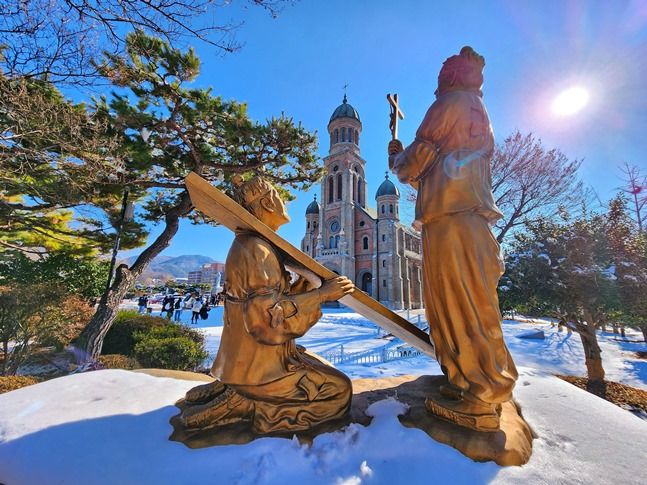
Jeondong Cathedral, where the red brick of the martyrdom site faces the tiled roofs of Gyeonggijeon
 Travel Guide
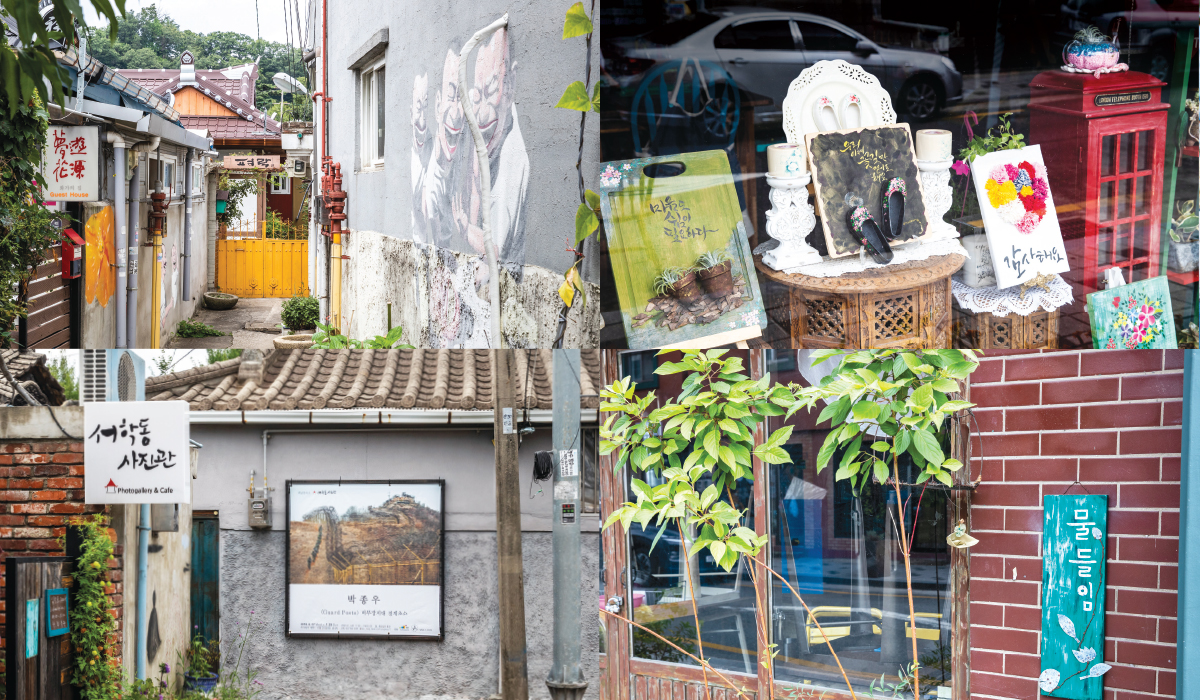
Creative Spaces to Discover in the Alleys of Seohak-dong Art Village
 Travel Guide
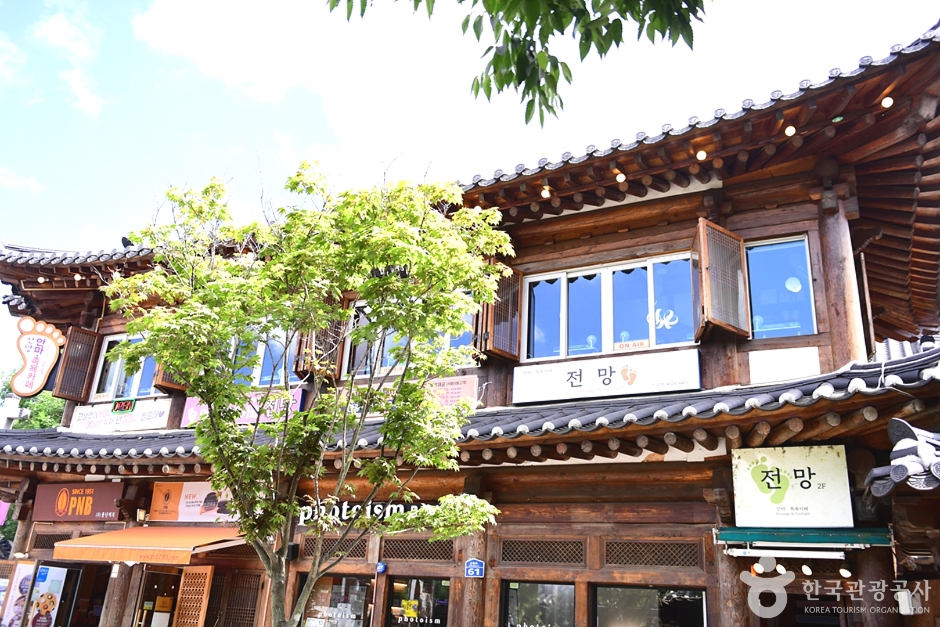
How to Use Gyodong Foot Bath on the 2nd Floor at 61 Eunhaeng-ro
 Travel Guide
Discover Jeonju’s Crafts and Hanok Village Route at 15 Taejo-ro
Korea News
 News
News
‘NewJeans Expulsion’ Danielle Releases Her First YouTube Video… “We Don’t Know What Will Happen Next”
![aespa’s North American Tour Has Remaining Seats Despite ‘$49’ Bargain Prices… A Stark Popularity Gap with KATSEYE [TEN Starfield]](https://kotourlive-images.s3.ap-northeast-1.amazonaws.com/news/1788485037424_a59b1932_naver_rank_thumb_0000774618_1788485037424.jpg) News
News
aespa’s North American Tour Has Remaining Seats Despite ‘$49’ Bargain Prices… A Stark Popularity Gap with KATSEYE [TEN Starfield]
![[Photo] TWICE’s Dahyun attends a film festival red carpet as an actress](https://kotourlive-images.s3.ap-northeast-1.amazonaws.com/news/1788485316508_edd43ecd_news_870a60a6-6f11-4d73-aa7c-48d91318a0f7.jpg) News
News
[Photo] TWICE’s Dahyun attends a film festival red carpet as an actress
![[On-Site Video] “We’re Departing Separately Together”… BIGBANG Begins ‘COSMOS’ World Tour](https://kotourlive-images.s3.ap-northeast-1.amazonaws.com/news/1788485226518_c5719641_news_fdd4764a-0f4e-4968-8e4e-e98a02872f88.jpg) News
News