Jeondong Cathedral, where the red brick of the martyrdom site faces the tiled roofs of Gyeonggijeon
Jeondong Cathedral is the first Romanesque church in Honam, completed in 1914 on the site of Korea’s first Catholic martyrdom, where Yun Ji-chung and Gwon Sang-yeon were executed in 1791. Facing Gyeonggijeon at the entrance to Jeonju Hanok Village, it offers a concise route for exploring Joseon royal heritage and modern Western architecture together.
I’ve been here?
Your check-in helps the next traveler.
No one has checked in yet Be the first
One tap — no writing needed
Why a cathedral was built in 1914 on the execution site of Yun Jichung and Gwon Sangyeon in 1791
Jeondong Cathedral is a sacred site built on the grounds where Yun Jichung (Paul) and Gwon Sangyeon (James) were executed during the Sinhae Persecution of 1791. Jeonju tourism information describes this place as Korea’s first Catholic martyrdom site and the mother parish of the Honam Church. During the Sinyu Persecution of 1801, the brothers Yu Hanggeom and Yu Gwangeom, as well as Yun Jiheon, were also persecuted and executed in this area.
French priest Baudounet arrived in 1889 as the first parish priest of Jeonju Parish and purchased the martyrdom-site property in 1891. The present cathedral was designed by Father Pourthanel, construction began on May 5, 1908, and it was completed in 1914. Its dedication ceremony was held on August 24, 1915. This is a place that should be understood not only through the building itself but also through its location, with a parish church built on a martyrdom site.
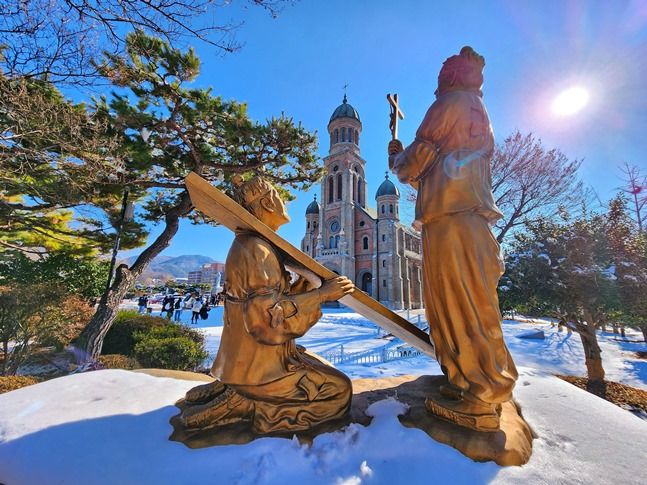
An exterior from 1908–1914 made with soil from Jeonju Fortress and granite from Hwangdeungsan
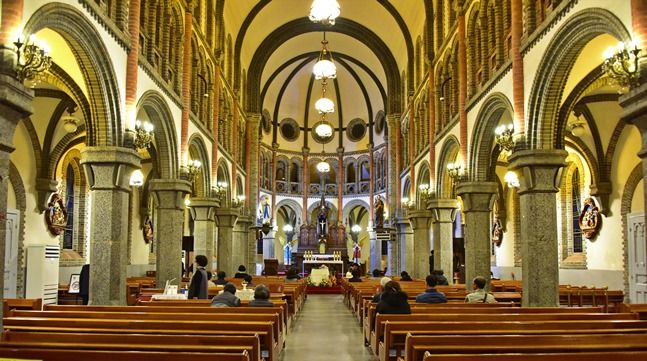
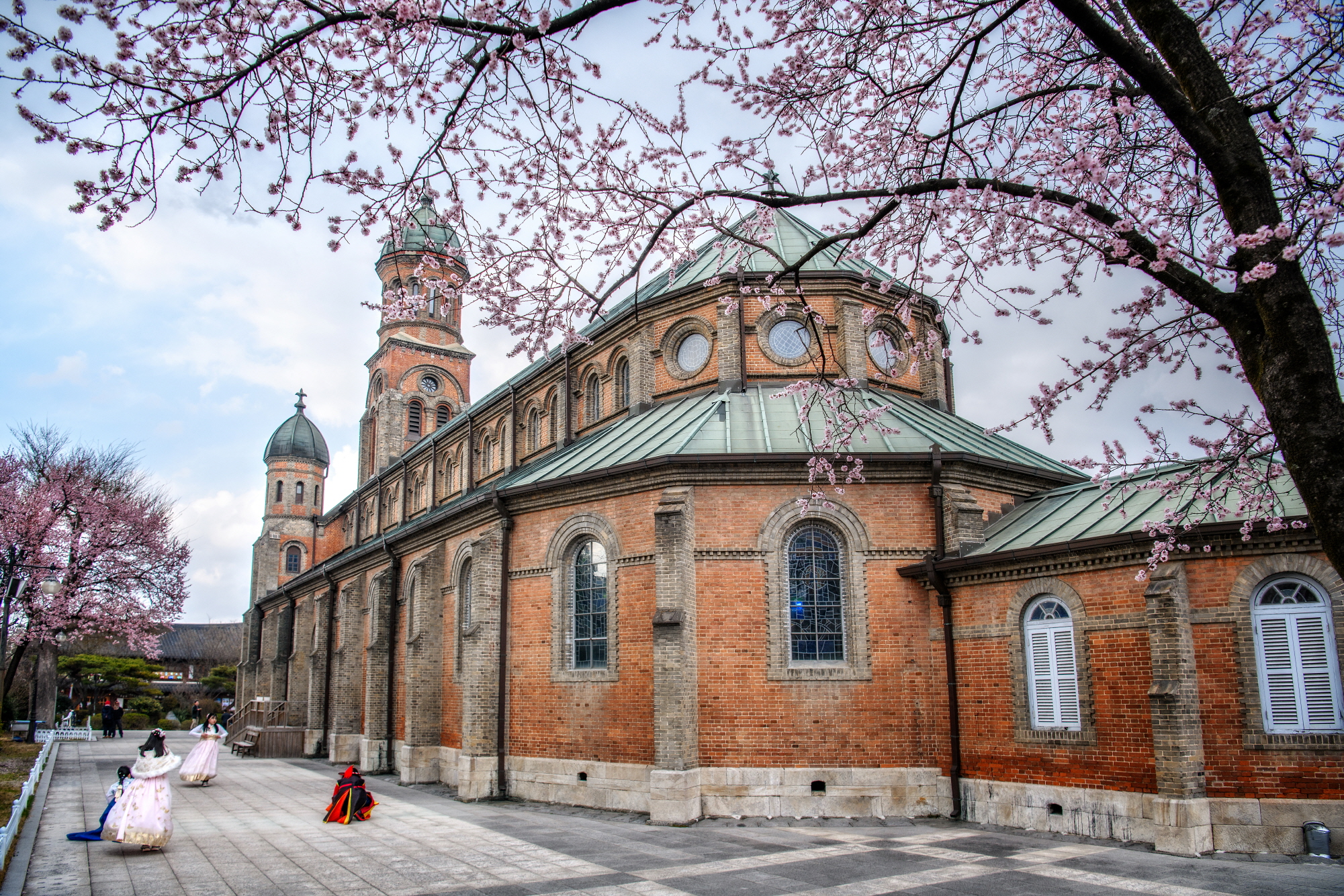
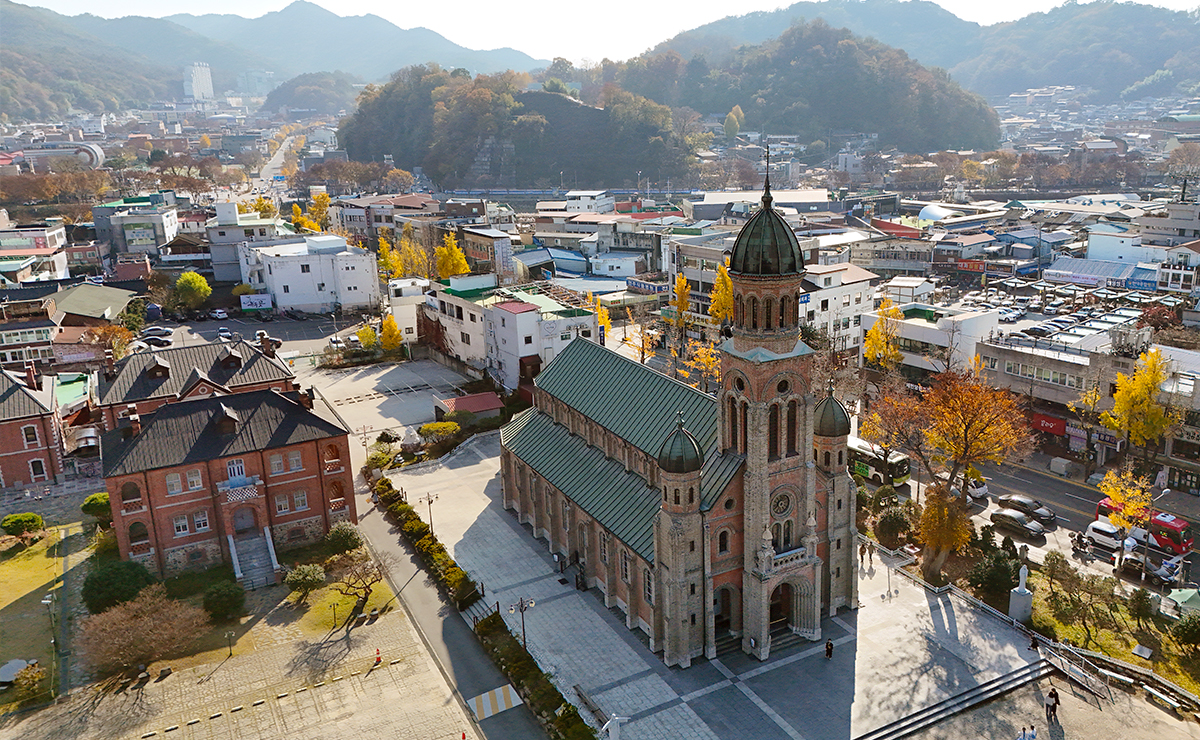
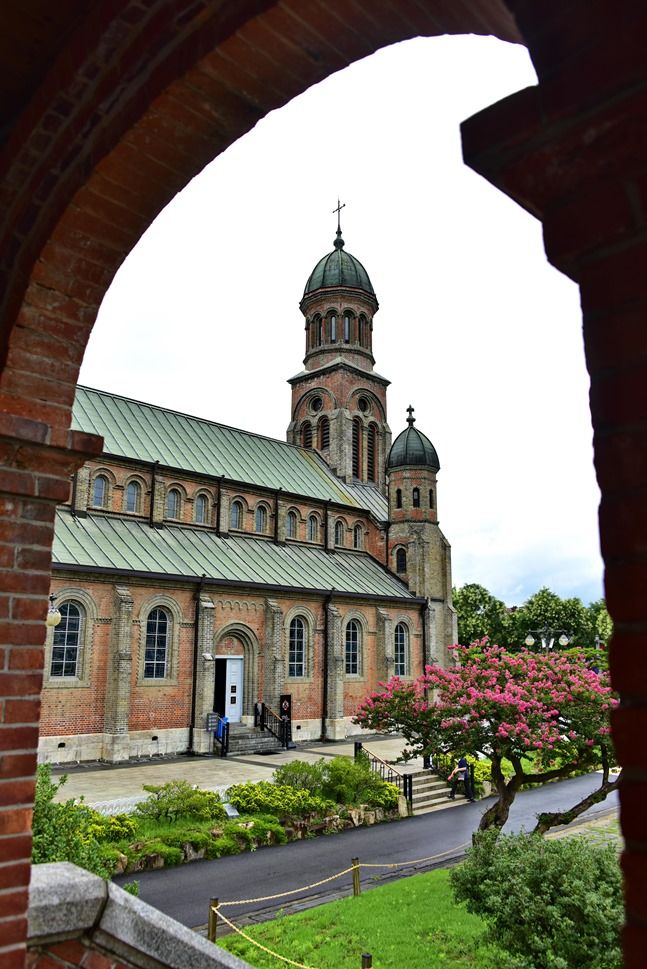
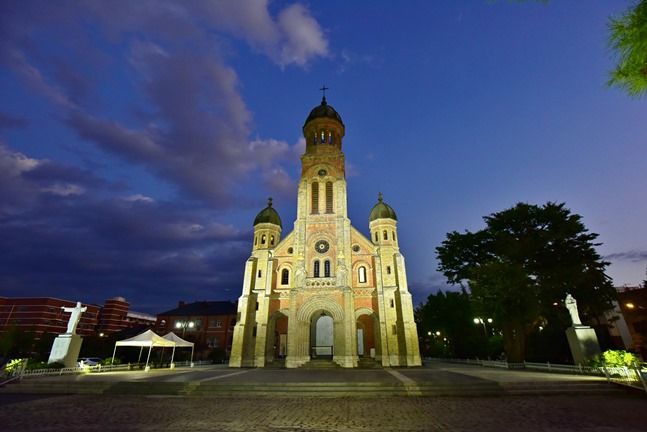
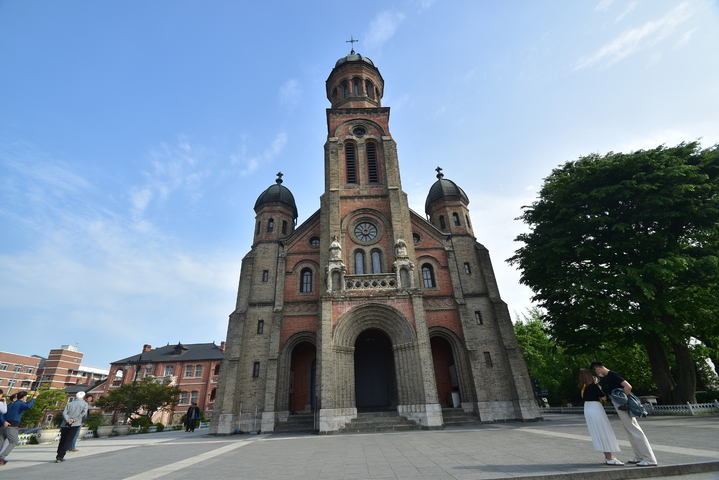
Jeondong Cathedral is introduced as the first Romanesque-style building in the Honam region, and Byzantine-style elements can also be seen. The tall central tower on the façade, the stair towers on both sides, the rose window beneath the bell tower, and the rounded arches combine with the red-brick walls to create a striking contrast at the entrance to the Hanok Village.
The city’s transformation is also preserved in the building materials. According to information from Jeonju City, about 100 Chinese brickmakers fired bricks using soil excavated from Jeonju Fortress, while stone for the foundation was transported by cart from Hwangdeungsan granite quarries in Iksan. Since the cathedral was built during the demolition of Jeonju Fortress and the construction of modern roads, it is worth examining not only the red bricks but also the layers formed by the lower stonework and arches.
At 51 Taejo-ro, open 09:00–17:00, and move quietly during Mass
The address is 51 Taejo-ro, Wansan-gu, Jeonju-si, Jeonbuk Special Self-Governing Province, and the main telephone number is 063-284-3222. Jeonju City’s tourism information lists opening hours as 09:00–17:00 daily, but these may change depending on parish circumstances. Admission is free, and no separate regular closing day has been confirmed.
Visitors may share the same circulation route as worshippers coming to the sanctuary. Weekday Masses are held at 06:00 from Monday to Saturday and at 11:00 from Tuesday to Friday. On Saturdays, pilgrim Mass is held at 16:00 and Mass for elementary, middle, and high school students at 18:00. Sunday Masses are at 06:00, 09:00, 10:30, and 17:00, while confessions take place 30 minutes before each Mass. During Mass and prayer, it is safer to prioritize access controls and instructions over indoor photography and conversation.
- Opening hours: 09:00–17:00; subject to change depending on parish circumstances
- Admission: Free
- Telephone: 063-284-3222
- Official website: https://www.jeondong.or.kr/
Joseon royalty and a modern cathedral, just across one street from Gyeonggijeon’s main gate
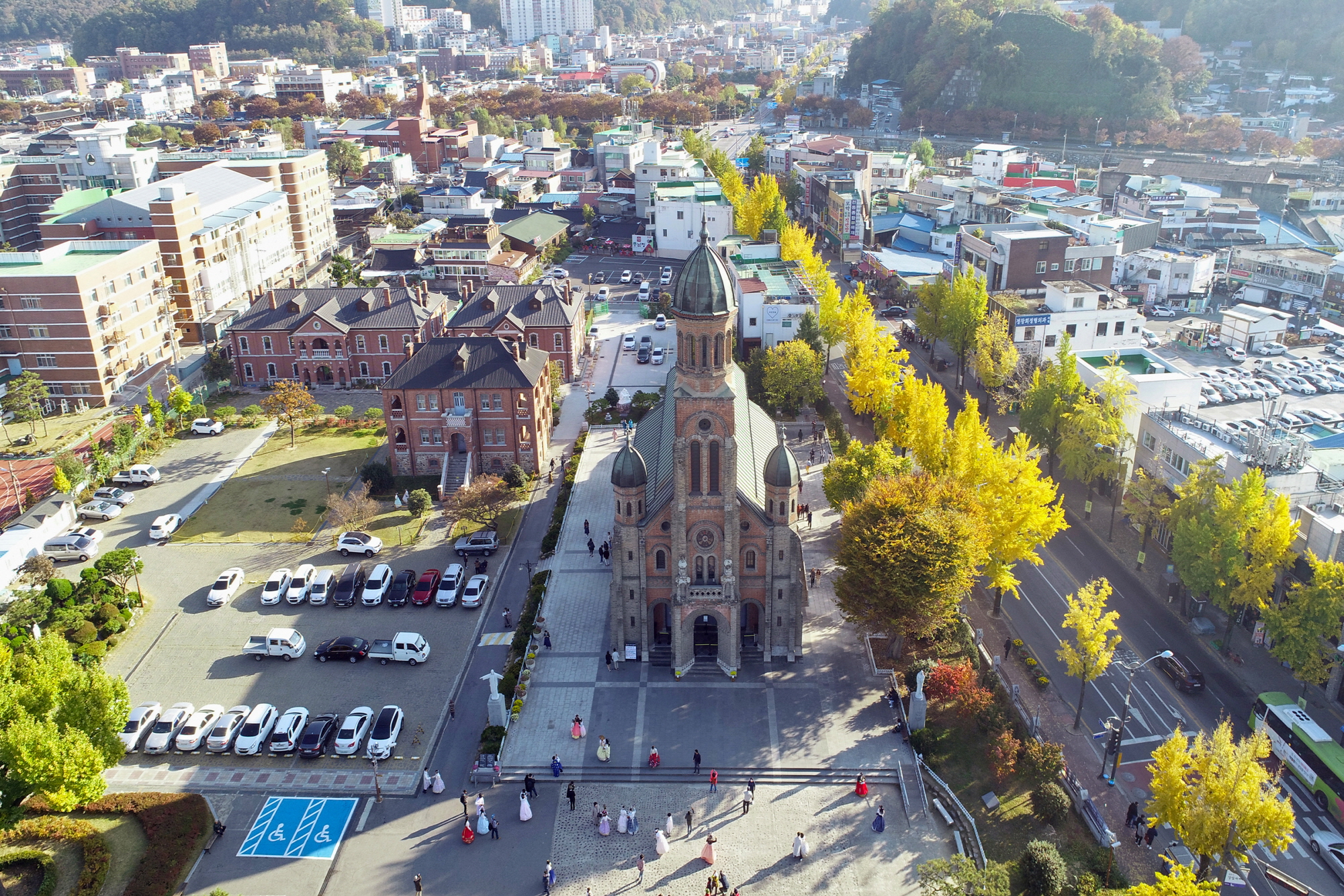
Jeondong Cathedral faces Gyeonggijeon across Taejo-ro. Gyeonggijeon was built in 1410 to enshrine a portrait of King Taejo, Yi Seong-gye, while Jeondong Cathedral is a modern cathedral completed in 1914. The key feature of this intersection is that one location preserves the memory of the Joseon royal family, while the opposite side reveals the history of Catholic persecution and modern brick architecture.
A suitable walking itinerary allows 20–30 minutes for the exterior and grounds of Jeondong Cathedral and a separate 60–90 minutes for Gyeonggijeon. Jeonju City’s walking map also presents a 4.1-km route taking about 1 hour 30 minutes from Jeondong Cathedral to Gyeonggijeon, Jaman Mural Village, Jeonju Hyanggyo, Jeonjucheon-dong-ro, and Nambu Market. However, including actual visiting time at the cathedral and Gyeonggijeon, it is better to allow at least 2 hours 30 minutes.
6.2 km from Jeonju Station, with a 500-m wheelchair route from the Hanok Village entrance
Open tourism course information states that the distance from Jeonju Station to the entrance of Jeonju Hanok Village is about 6.2 km, or approximately 16 minutes by car. The section from the Hanok Village entrance to Gyeonggijeon, the Royal Portrait Museum, and Jeondong Cathedral is about 500 m and is listed as taking approximately 10 minutes by wheelchair. Rather than making Jeondong Cathedral the sole destination, navigation is simpler if the Hanok Village entrance or the Gyeonggijeon area is used as the drop-off point.
Detailed specifications for wheelchair and stroller facilities at the cathedral itself, as well as the availability of foreign-language information, could not be confirmed in the official information. However, the main section of the adjacent Hanok Village is mostly flat, so visitors using mobility aids should check on site the pedestrian space along Taejo-ro and any level changes at the cathedral entrance. Stroller rental is stated not to be available.
When to consider Hanok Village public parking before cathedral-only parking
Tourism information indicates that Jeondong Cathedral has parking facilities, but their capacity and fees could not be confirmed in publicly available materials. Since the center of the Hanok Village is busy with pedestrians, it is more practical to plan on using a nearby public parking lot rather than looking for an open space on the road in front of the cathedral.
For a visit by car, it is better to park and then connect Jeondong Cathedral, Gyeonggijeon, Pungnammun Gate, and Nambu Market on foot. The Korea Tourism Organization also suggests that motorists begin their tour near a Hanok Village parking lot. Especially on weekends and during festivals, many sections take less time on foot than by car, so the parking location should be coordinated with the cathedral’s 17:00 closing time.
17:00 closing time and photography etiquette to check before crape myrtle flowers and night views
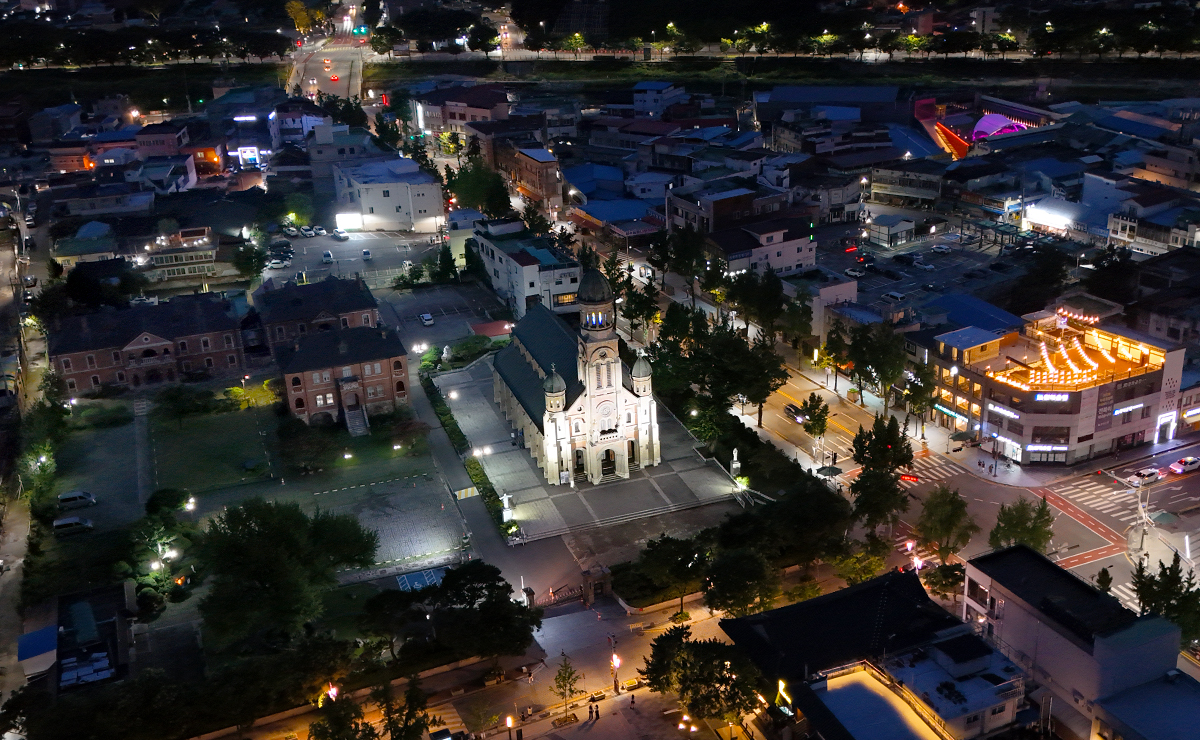
Photos of the cathedral introduction released in February 2025 include views of Jeondong Cathedral, crape myrtle flowers with the cathedral, the night view, and the cathedral interior. The exterior impression varies according to seasonal plantings and lighting conditions, but the basic opening hours for tourists to enter the cathedral are 09:00–17:00. Even when planning night photography, indoor viewing should be scheduled separately and completed before sunset.
Recent travel reviews repeatedly mention the contrast between the hanok houses and the red-brick cathedral, as well as the short walking route to Gyeonggijeon. However, as this is a place of worship, visitors must remain quiet during services, and the areas open for indoor viewing may vary according to on-site instructions. Rather than simply taking a quick photo of the building and leaving, a visit of around 30 minutes is appropriate for viewing the martyrdom memorial, the exterior arches and bell tower, and the axis toward Gyeonggijeon across the street in sequence.
Before You Go
- Address
- 51 Taejo-ro, Wansan-gu, Jeonju-si, Jeonbuk Special Self-Governing Province
- Hours
- 09:00–17:00 (subject to change depending on parish circumstances)
- Admission
- Free
- Phone
- 063-284-3222
- Official site
- https://www.jeondong.or.kr/
- Transport
- About 6.2 km from Jeonju Station to the entrance of Jeonju Hanok Village, approximately 16 minutes by car. The section from the Hanok Village entrance to Gyeonggijeon, the Royal Portrait Museum, and Jeondong Cathedral is about 500 m, taking approximately 10 minutes by wheelchair.
- Parking
- Parking facilities are indicated as available, but capacity and fees could not be confirmed. Use of a public parking lot near the Hanok Village is recommended.
- Time needed
- 20–30 minutes for the cathedral exterior and grounds; at least 2 hours 30 minutes when combined with Gyeonggijeon
- Accessibility
- The approximately 500-m section from the Hanok Village entrance toward Gyeonggijeon and Jeondong Cathedral is listed as taking about 10 minutes by wheelchair. Level changes inside the cathedral and the availability of foreign-language information could not be confirmed. No stroller rental is available.
The information above is current as of the time of writing. Check the official information again before visiting.

Places
Nearby Attractions 5
-
 1
1
-
2
-
 3
3
-
 4
4
-
 5
5
Food & Dining 5
-
 6
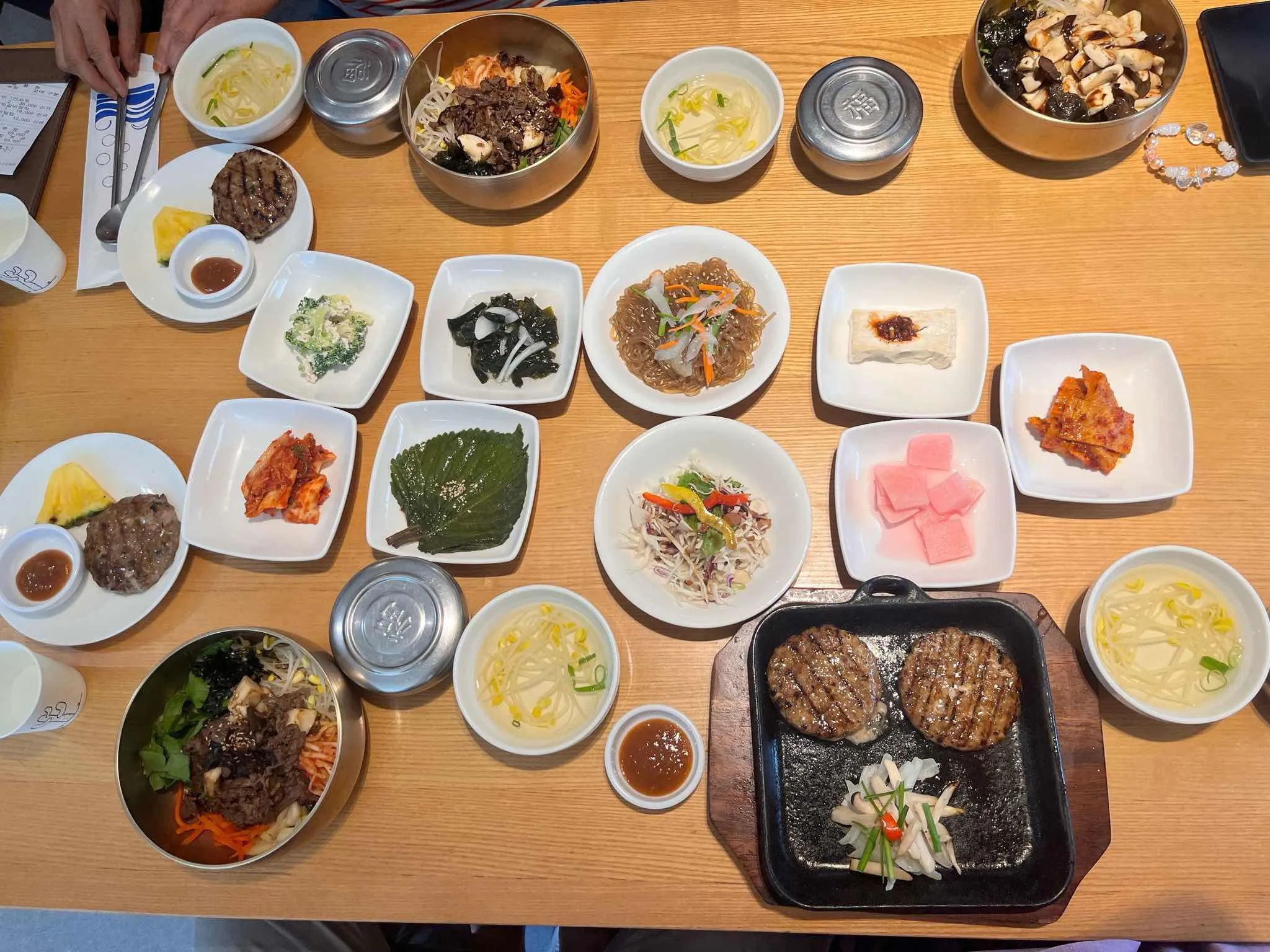
Jeondong Tteokgalbi
6
Jeondong Tteokgalbi -
 7
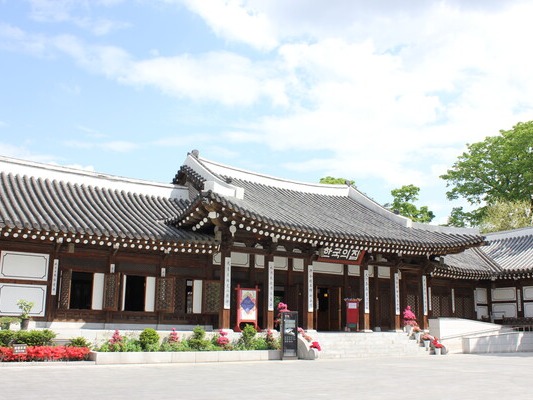
Hangukjip
7
Hangukjip -
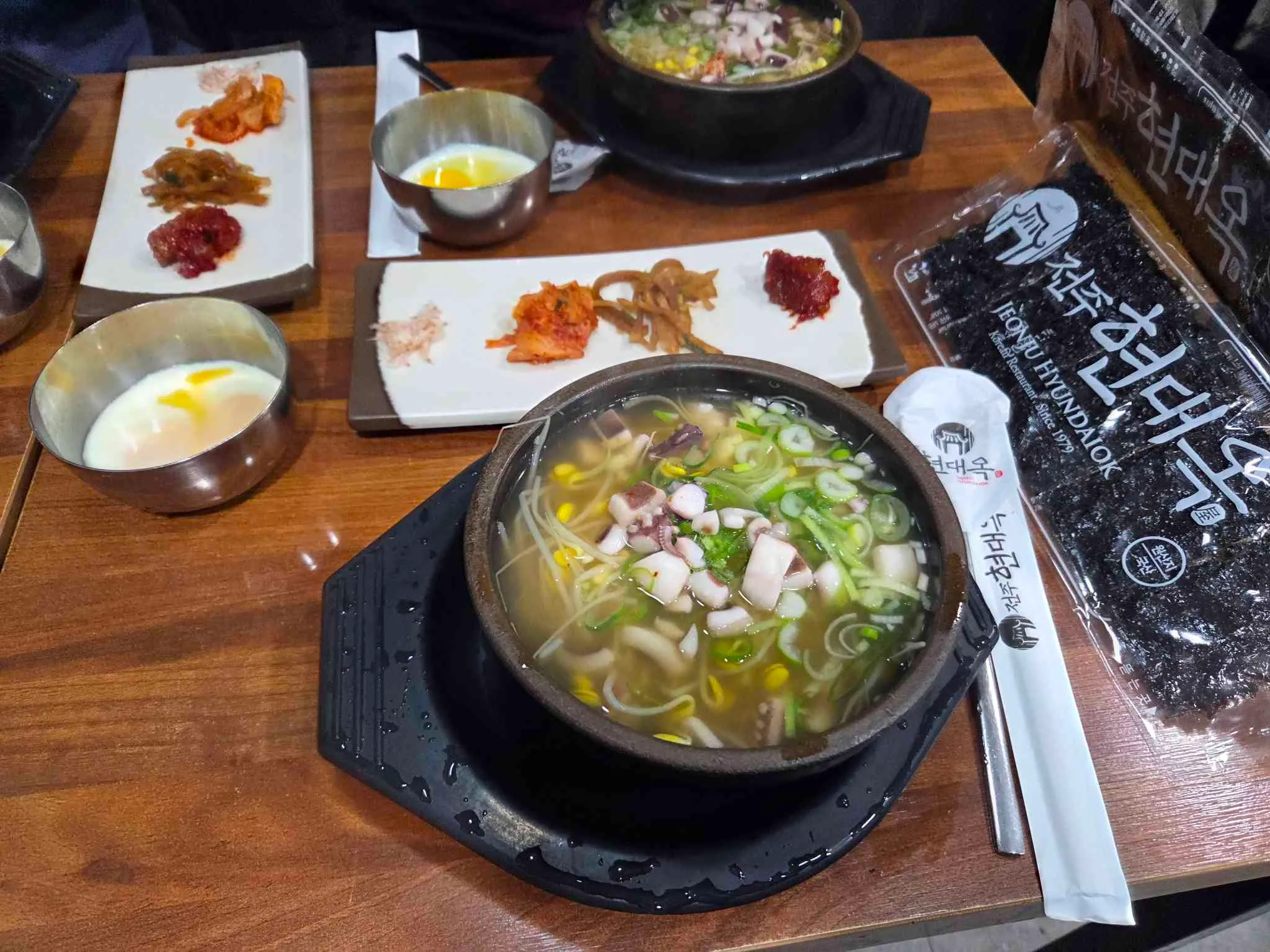
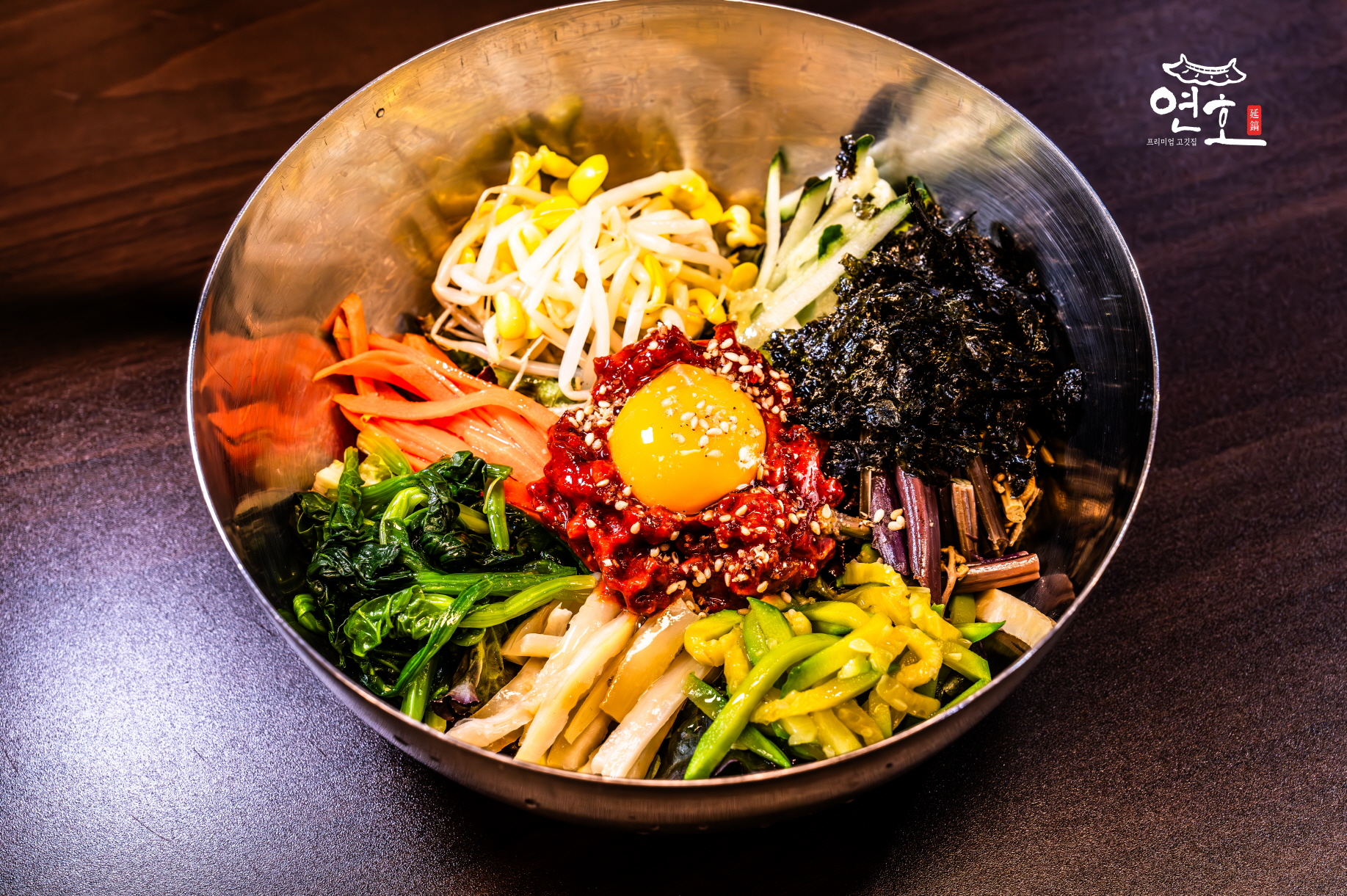
8Jeonju Hanok Village Cafe Deomashing
-
 9
9
-
 10
10
More Travel Guides in This Area
 Travel Guide
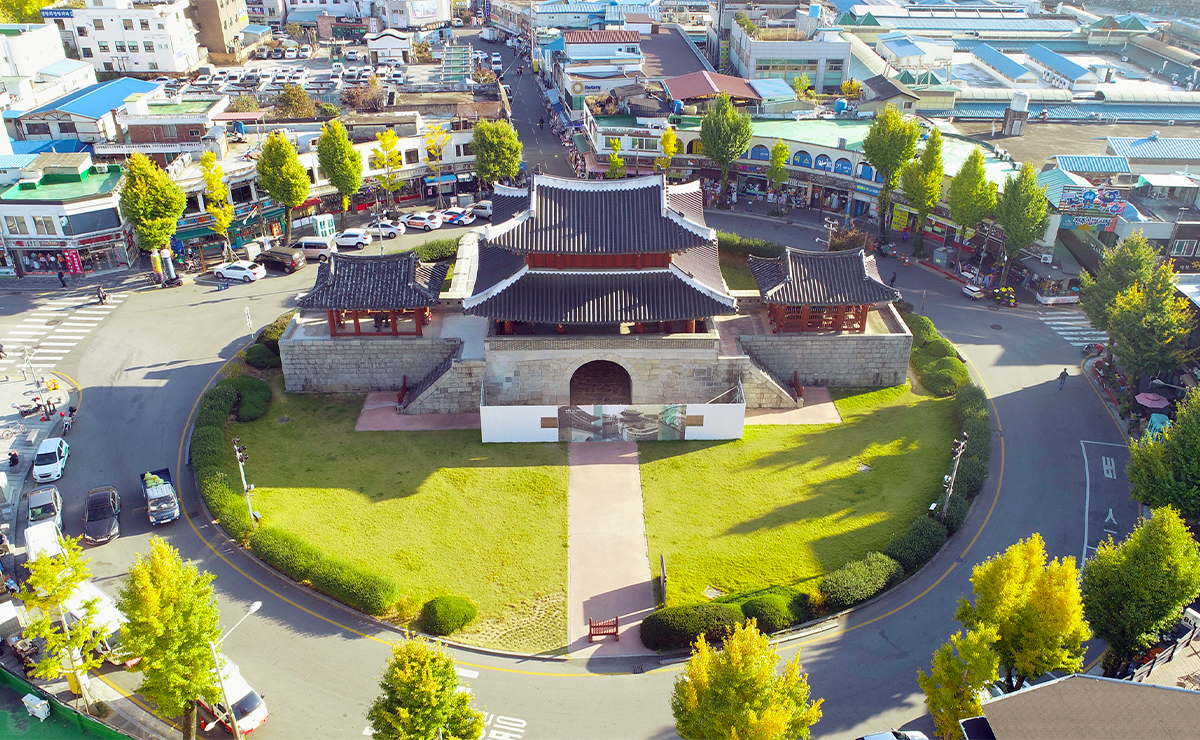
Jeonju Pungnammun Gate, the Site of Jeonju Fortress’s Southern Gate That Reclaimed Its 1768 Name
 Travel Guide
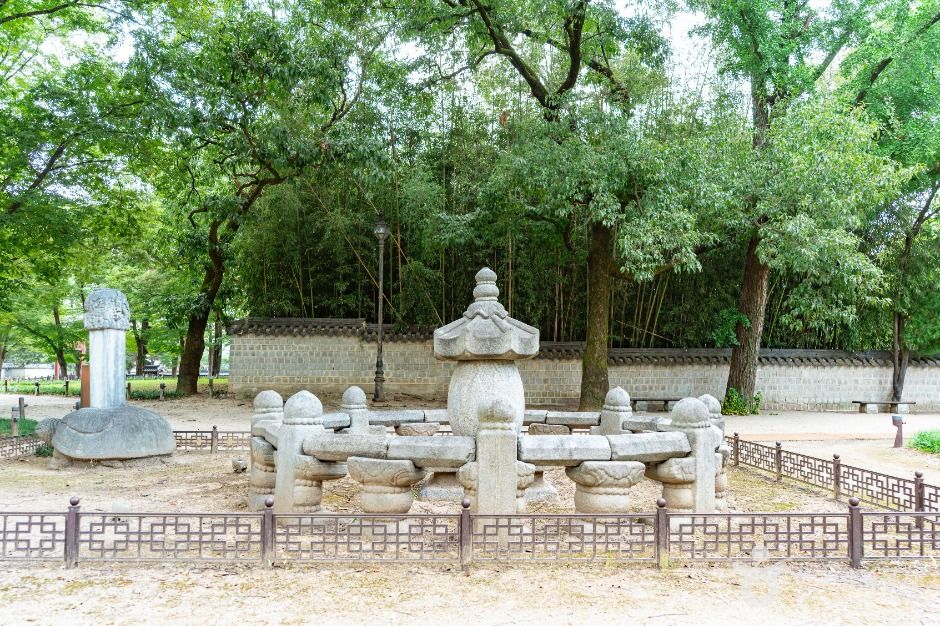
A Royal Heritage Site with a Relocated Placenta, King Yejong’s Placenta Chamber and Stele in Gyeonggijeon Shrine
 Travel Guide
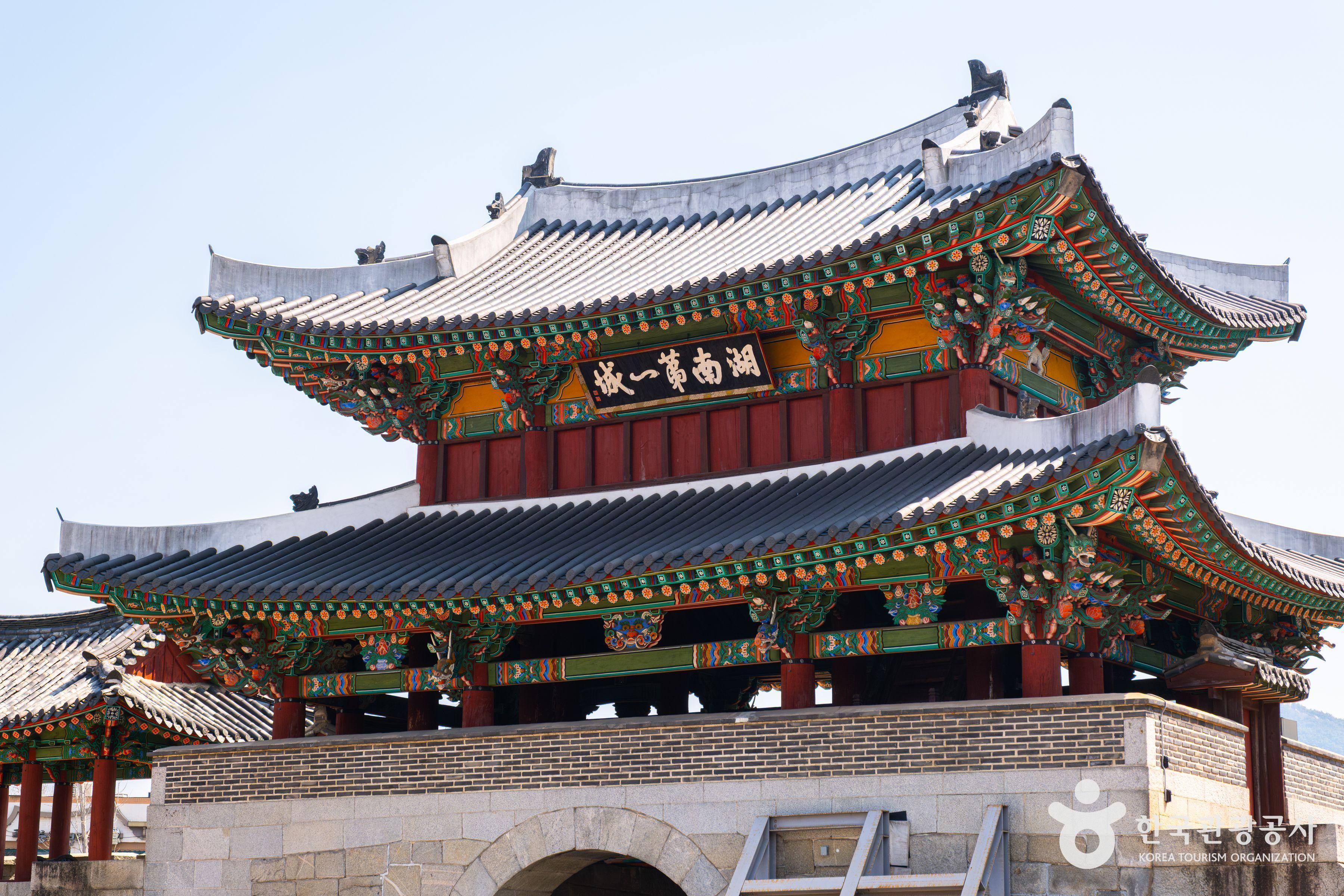
Jeonju Gyeonggijeon, where Taejo’s portrait and the Jeonju Archives remain within the same grounds
 Travel Guide
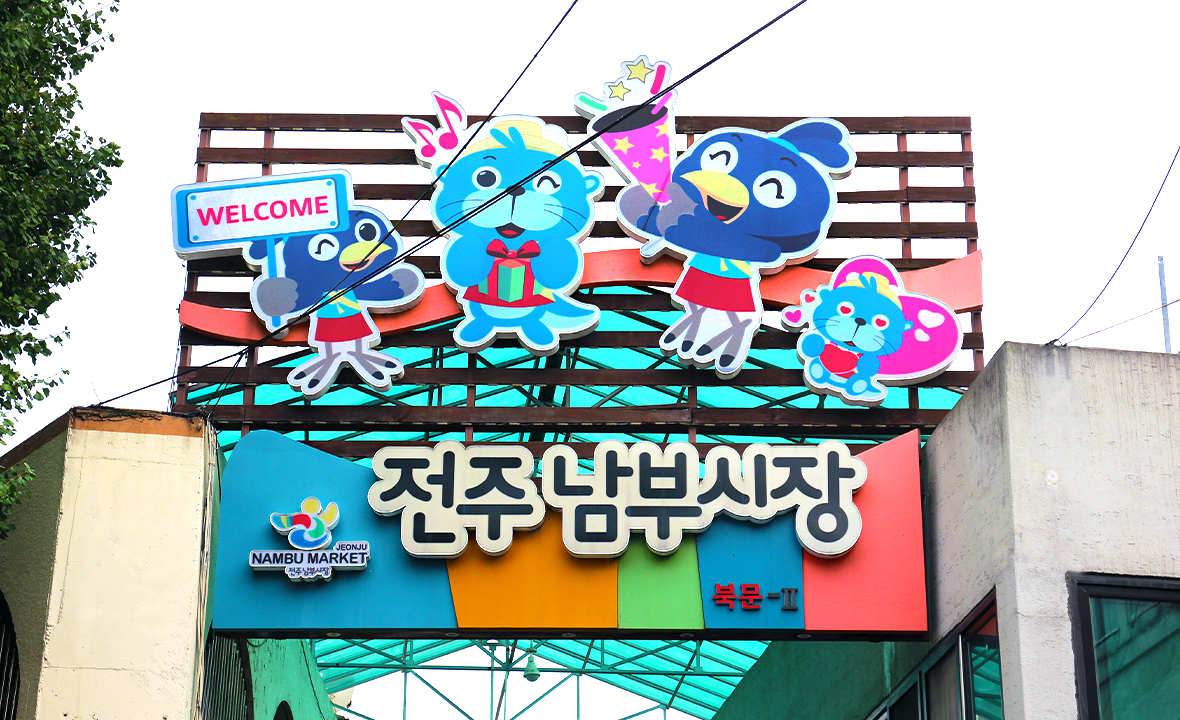
From the 1473 Market Outside Pungnammun Gate to the Dawn Goblin Market: Jeonju Nambu Market
Korea News
![Did Jang Won-young ‘break up’? From the airport to social media, she was decked out in Brand D [MD Issue]](https://kotourlive-images.s3.ap-northeast-1.amazonaws.com/news/1790644492843_025fcab4_news_06d49363-285b-4cd5-93e3-ace2c4344710.jpg) News
News
Did Jang Won-young ‘break up’? From the airport to social media, she was decked out in Brand D [MD Issue]
 News
News
Oh, What a Surprise… BLACKPINK’s Rosé—Did She Get a Bob Cut?
![[On-Site Photos] “Equipped with a Third Eye”… RM’s Intense Eye Contact](https://kotourlive-images.s3.ap-northeast-1.amazonaws.com/news/1790644823332_c0c6ec29_news_001c0a59-4eb7-40e6-af6a-4f26183f5e8c.jpg) News
News
[On-Site Photos] “Equipped with a Third Eye”… RM’s Intense Eye Contact
 News
News