Jeonju Gyeonggijeon, where Taejo’s portrait and the Jeonju Archives remain within the same grounds
Jeonju Gyeonggijeon is a royal portrait shrine built in 1410 to enshrine the portrait of Taejo Yi Seong-gye. Visitors can see the main hall rebuilt in 1614 after the Second Japanese Invasion of Korea, along with the Jeonju Archives and the Royal Portrait Museum. At the heart of Jeonju Hanok Village, this route offers the most concise insight into Jeonju’s historical significance as the ancestral home of the royal family.

I’ve been here?
Your check-in helps the next traveler.
No one has checked in yet Be the first
One tap — no writing needed
The Name “Gyeonggijeon,” Beginning with a Request from Jeonju Prefecture 1,410 Years Ago
Gyeonggijeon is a royal portrait shrine housing the portrait of King Taejo Yi Seong-gye, the founder of the Joseon Dynasty. Jeonju Prefecture requested permission from King Taejong in 1409 to enshrine the royal portrait, and construction began when a copy of the portrait kept at Jipgyeongjeon in Gyeongju was made and enshrined in Jeonju on September 28, 1410. Because Jeonju was regarded as the ancestral home of King Taejo’s family, a space commemorating the roots of the royal family was established here.
Its original name was Eoyongjeon. After it was renamed Taejojinjeon in 1412, it received the name “Gyeonggijeon” during the reign of King Sejong in 1442. “Gyeonggi” can be understood as meaning the auspicious foundation of the royal family. Its current address is 44 Taejo-ro, Wansan-gu, Jeonju-si, Jeonbuk State, and because it adjoins the pedestrian-centered axis of Jeonju Hanok Village, it is easy to connect the route to Jeondong Cathedral, Pungnammun Gate, and Nambu Market.
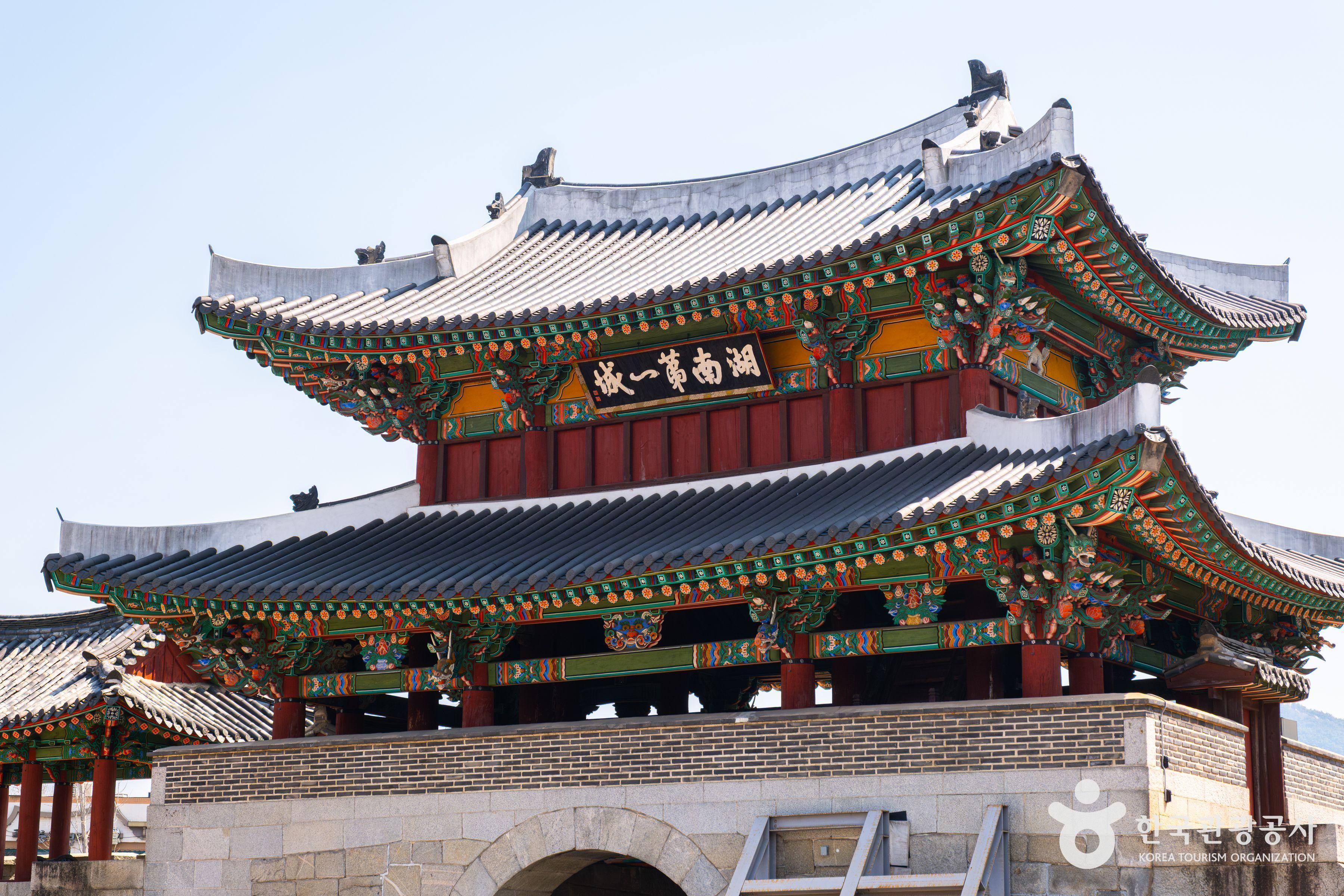
The Structure of the Main Shrine Rebuilt in 1614 after Its Destruction in 1597
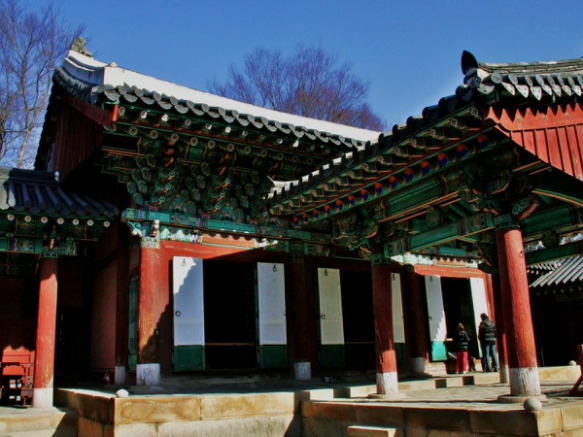
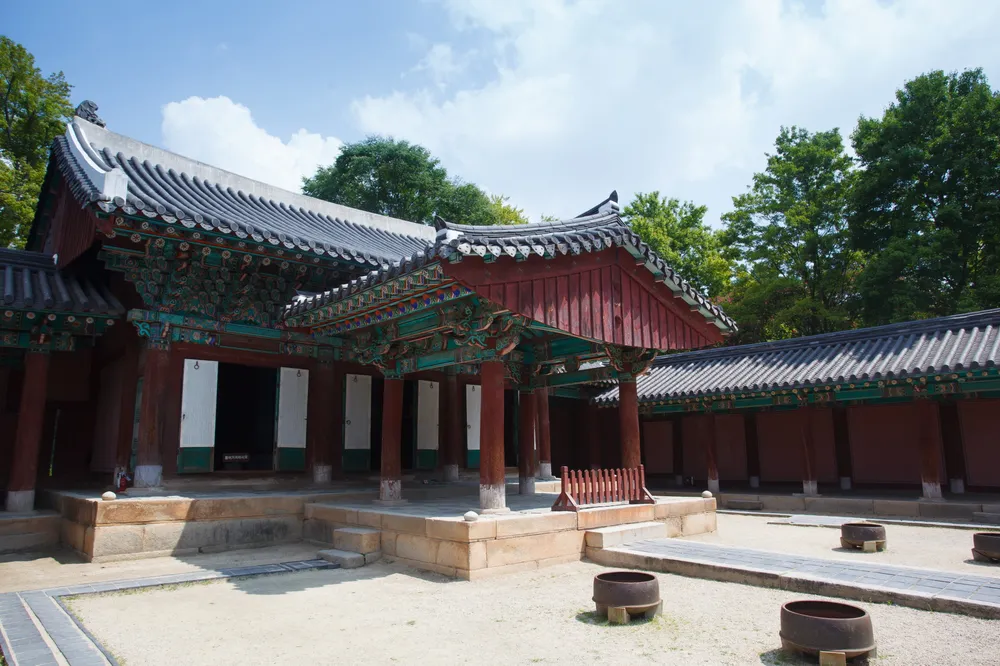
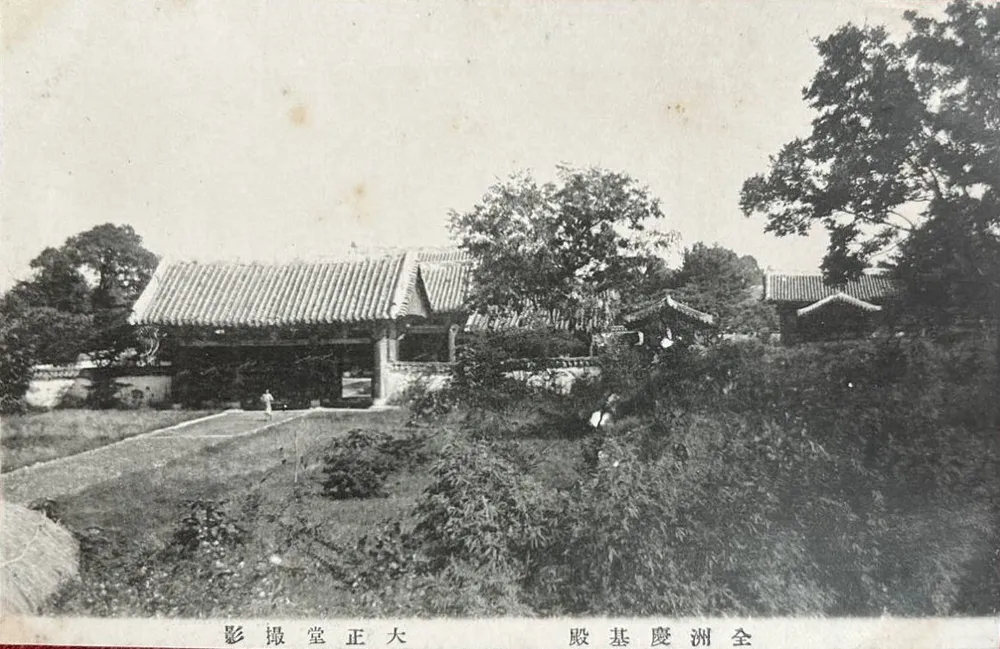
Today’s Gyeonggijeon centers on the building reconstructed in 1614, the sixth year of King Gwanghaegun’s reign, after it was destroyed during the Second Japanese Invasion of Korea in 1597. The main shrine was the core space where the royal portrait was enshrined and rituals were performed. Its layout, combining the main hall, ritual pavilion, side corridors, and surrounding corridors, reveals the hierarchy of a place housing a king’s portrait. The main shrine of Gyeonggijeon was designated a Treasure in 2008.
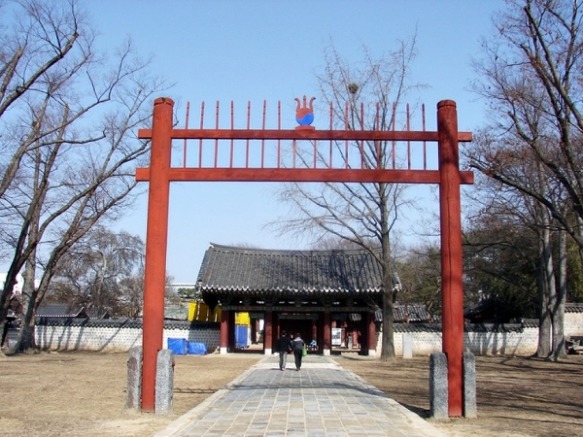
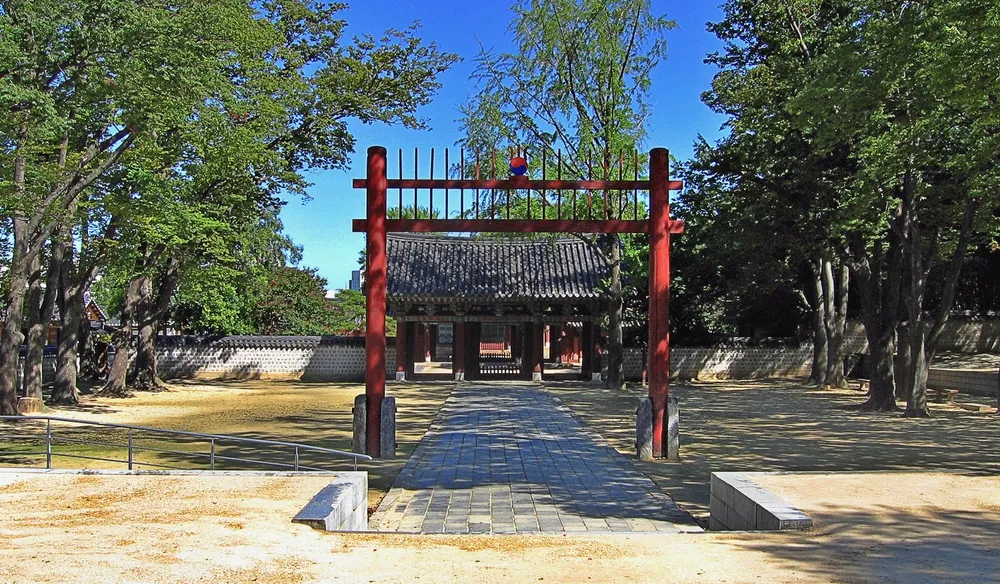
The portrait of King Taejo inside the main shrine is a work newly copied and enshrined in 1872, the ninth year of King Gojong’s reign. Because of the stairs, wheelchair and stroller users have difficulty approaching the interior where the portrait is kept, but the main walking paths within the grounds are connected by ramps. To follow the viewing route smoothly, pass through the red-arrow gate from the main entrance toward the main shrine, then continue to the Jeonju Sago archive and the Royal Portrait Museum.
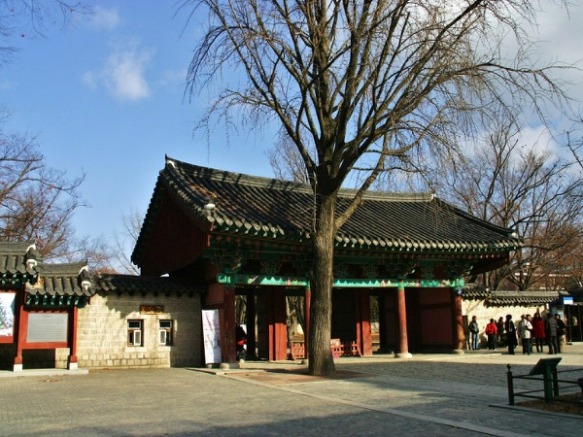
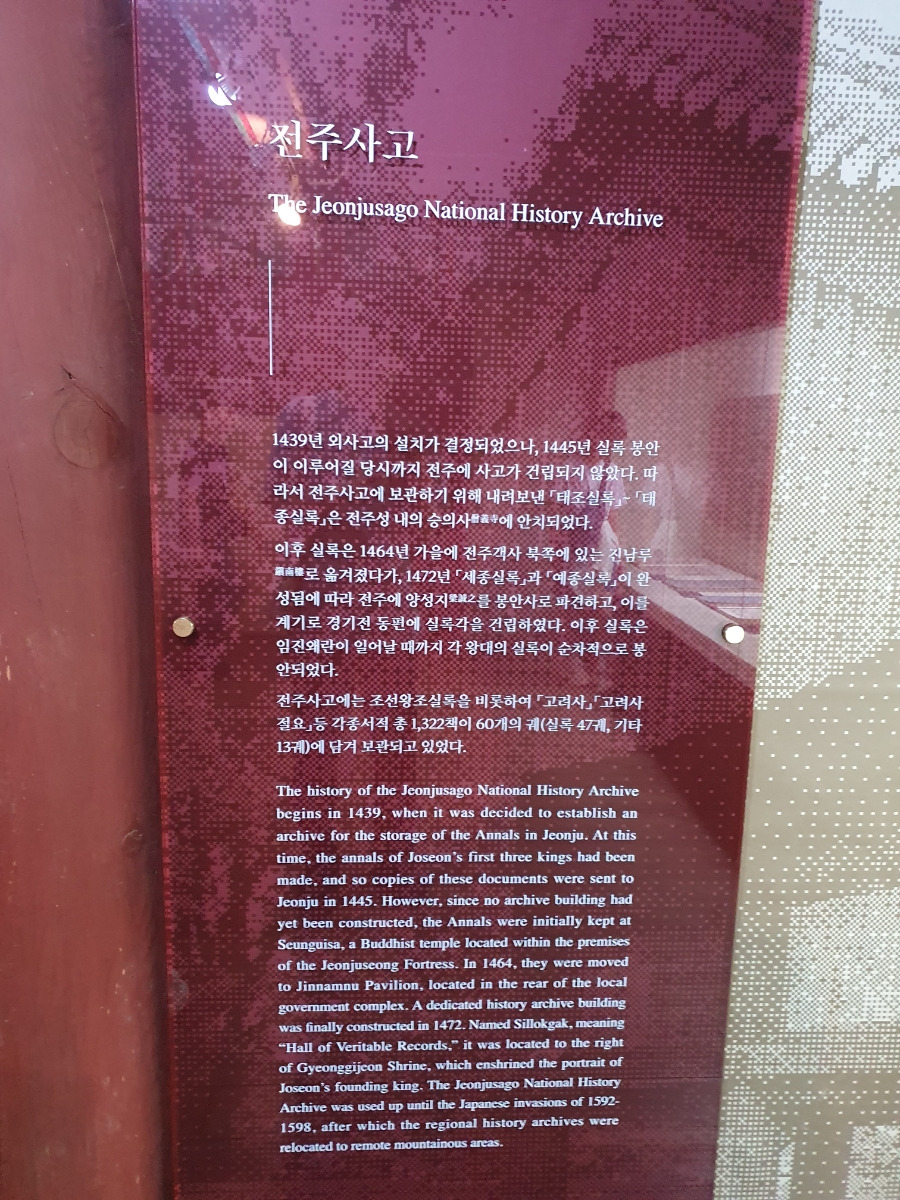
Why the Annals from the Jeonju Sago Archive Survived the War
Jeonju Sago, east of Gyeonggijeon, was a repository for the Annals of the Joseon Dynasty. It was established in 1439, the twenty-first year of King Sejong’s reign. During the Japanese invasions, when the annals at other repositories were damaged, local scholars such as An Ui and Son Hong-rok moved the annals and related historical records to Naejangsan Mountain and protected them. This history of preserving records is what makes Gyeonggijeon more than simply a royal shrine.
The archive area is quieter than the main shrine, but the short bamboo path and narrow spaces between the buildings can slow movement when groups of visitors pass by. Once you understand the preservation history of the annals, it becomes clear that the “Jeonju Sago” sign and the Annals Pavilion are not merely auxiliary buildings but places connected to the survival of early Joseon historical records.
The Context of King Taejo’s Portrait Is Complete Only When You Include the Royal Portrait Museum
The Royal Portrait Museum within the grounds of Gyeonggijeon is a specialized museum covering royal portraits and materials related to the rituals for enshrining them. After viewing King Taejo’s portrait in the main shrine, moving on to the museum allows you to connect the process of portrait production and enshrinement with the way royal portraits symbolized kingship. Since the museum is included with the Gyeonggijeon admission ticket, it is better to include it rather than leaving immediately after viewing only the main shrine.
The Royal Portrait Museum’s hours may vary seasonally, similarly to Gyeonggijeon, and admission usually closes one hour before the end of viewing hours. January 1 is listed as a day off, so this should be checked especially carefully when planning an early-January visit. Travelers who need time to read the historical explanations should realistically allow at least 70–90 minutes for Gyeonggijeon and the museum.
The Difference between Closing at 19:00 from March to October and at 20:00 from June to August
Gyeonggijeon has different operating hours by season. From March to May and September to October, it is open from 09:00 to 19:00, with admission closing at 18:00. From June to August, it is open from 09:00 to 20:00, with admission closing at 19:00. From November to February, the hours are shortened to 09:00–18:00, with admission closing at 17:00. Even in summer, arriving only shortly before closing makes it difficult to properly see the main shrine, archive, and museum, so it is best to arrive with more than an hour to spare.
General admission is 3,000 won for adults, 2,000 won for teenagers, university students, and military personnel, and 1,000 won for children. Registered visitors with disabilities and one accompanying person for a visitor with a severe disability are eligible for free admission, and the last Wednesday of each month is announced as a free-admission day. The inquiry telephone number is 063-281-2790. No regular weekly closing day has been confirmed, so it is safest to call before departure to reconfirm special operating arrangements for holidays such as Lunar New Year and Chuseok.
How to Get There from Jeonju Station via Bus 119 and the “Jeondong Cathedral–Hanok Village” Stop
From Jeonju Station, take low-floor bus 119 and get off at the “Jeondong Cathedral–Hanok Village” or “Dongbu Market” stop. From the stop, walk along the pedestrian section of Hanok Village to the main entrance of Gyeonggijeon. Bus travel time from Jeonju Station to Hanok Village varies depending on traffic, so it is best to check real-time arrival information through the Jeonju Bus app or the information board at the stop.
For drivers, the route is generally planned around the Jeonju Craftwork Exhibition Hall parking lot, located about 350 m from Gyeonggijeon rather than directly in front of it. The center of Hanok Village has many pedestrians, and on weekends both entry and parking may take longer. For wheelchair users, a detour approaching the Royal Portrait Museum first via the pedestrian path along the eastern edge is relatively more convenient than the route from the main entrance through the main shrine and Jeonju Sago to the museum.
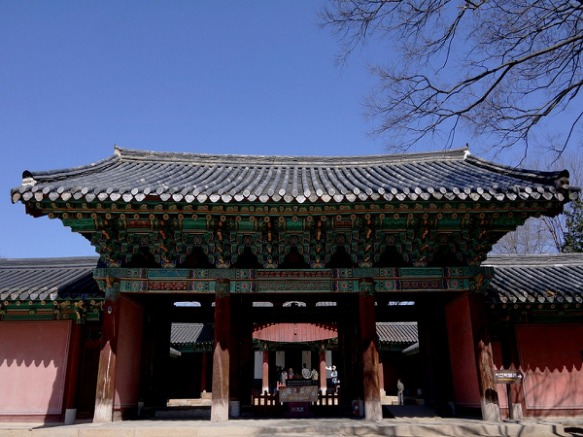
A Half-Day from Jeondong Cathedral One Minute Away to Pungnammun Gate and Nambu Market
Jeondong Cathedral stands across from the main entrance of Gyeonggijeon, making it easy to visit both places consecutively. Construction of Jeondong Cathedral began in 1908 and was completed in 1914. Within a short walking distance, visitors can compare the Joseon royal family’s portrait shrine with modern Catholic architecture. After visiting Gyeonggijeon, you can walk down Taejo-ro toward Pungnammun Gate or extend the route into the alleys of Hanok Village toward Jeonju Hyanggyo Confucian School.
In autumn, visitors seeking to see the ginkgo tree in front of the main shrine and the trees within the grounds may overlap, while in summer, the June–August period, when hours are extended until 20:00, offers relatively more viewing time. Conversely, if you are less interested in historical explanations or museum exhibits and simply want to take a few quick photos, it is more efficient to plan the stone-wall path outside the main entrance and Hanok Village separately from the paid admission visit. Official tourism information about events and operating changes can be checked on the Visit Jeonju website.
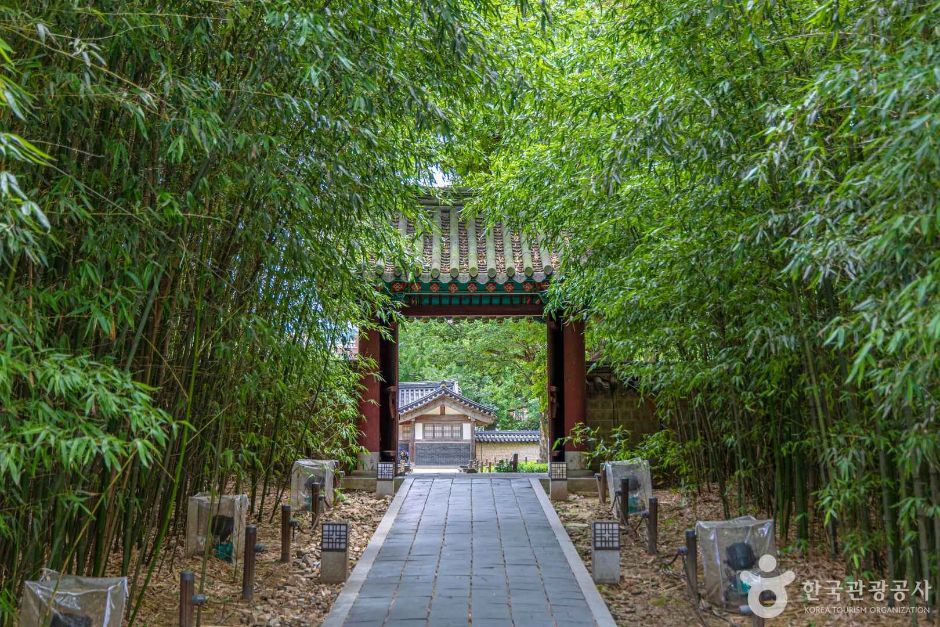
Viewing Points of the Main Shrine, Archive, and Stone-Wall Path through Eight Photos of Gyeonggijeon
Gyeonggijeon is not a place to see only the main shrine; it is divided into areas with different functions and histories, including the red-arrow gate, Subokcheong and its auxiliary buildings, Jeonju Sago, the Royal Portrait Museum, and the stone-wall path. The photos below were arranged mainly around image candidates whose connection to Gyeonggijeon was confirmed through the titles and original descriptions on their source pages. Rather than determining detailed locations from the photos alone, it is best to check the names on the signs at the site as well.
In particular, Jeonju Sago is a key place for understanding Gyeonggijeon’s historical significance, where a royal portrait space and a national records repository coexist within one compound. If you plan to see the main shrine, archive, and museum, arriving at least 90 minutes before the admission closing time is appropriate during the high season.
Before You Go
- Address
- 44 Taejo-ro, Wansan-gu, Jeonju-si, Jeonbuk State
- Hours
- March–May and September–October 09:00–19:00, June–August 09:00–20:00, November–February 09:00–18:00
- Admission
- Adults 3,000 won, teenagers, university students, and military personnel 2,000 won, children 1,000 won
- Phone
- 063-281-2790
- Official site
- https://tour.jeonju.go.kr/
- Transport
- Take low-floor bus 119 from the First Meeting Path stop at Jeonju Station, then get off at Jeondong Cathedral–Hanok Village or Dongbu Market
- Parking
- Route information recommends using the Jeonju Craftwork Exhibition Hall parking lot, about 350 m away
- Time needed
- 70–90 minutes including Gyeonggijeon, Jeonju Sago, and the Royal Portrait Museum
- Accessibility
- The main walking paths within the grounds are connected by ramps, allowing wheelchair access, but the interior of the main shrine has stairs that limit access
The information above is current as of the time of writing. Check the official information again before visiting.

Places
Nearby Attractions 5
-
 1
1
-
 2
2
-
 3
3
-
 4
4
-
 5
5
Food & Dining 4
-
 6
6
-
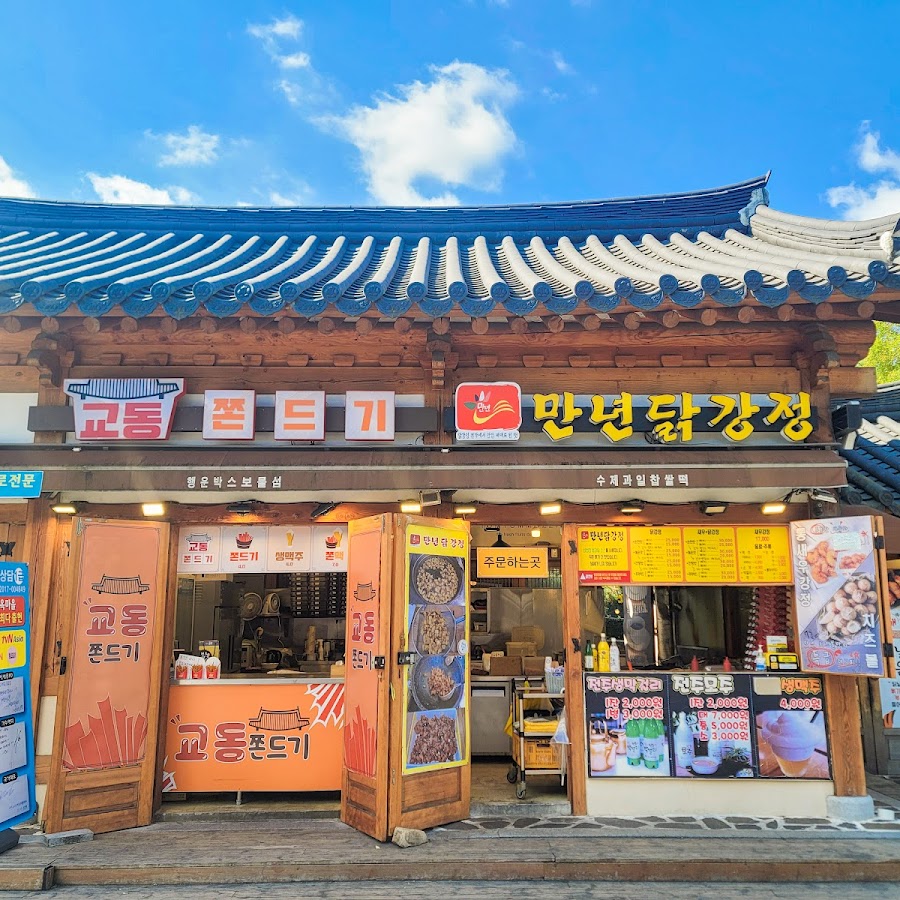 7
7
-
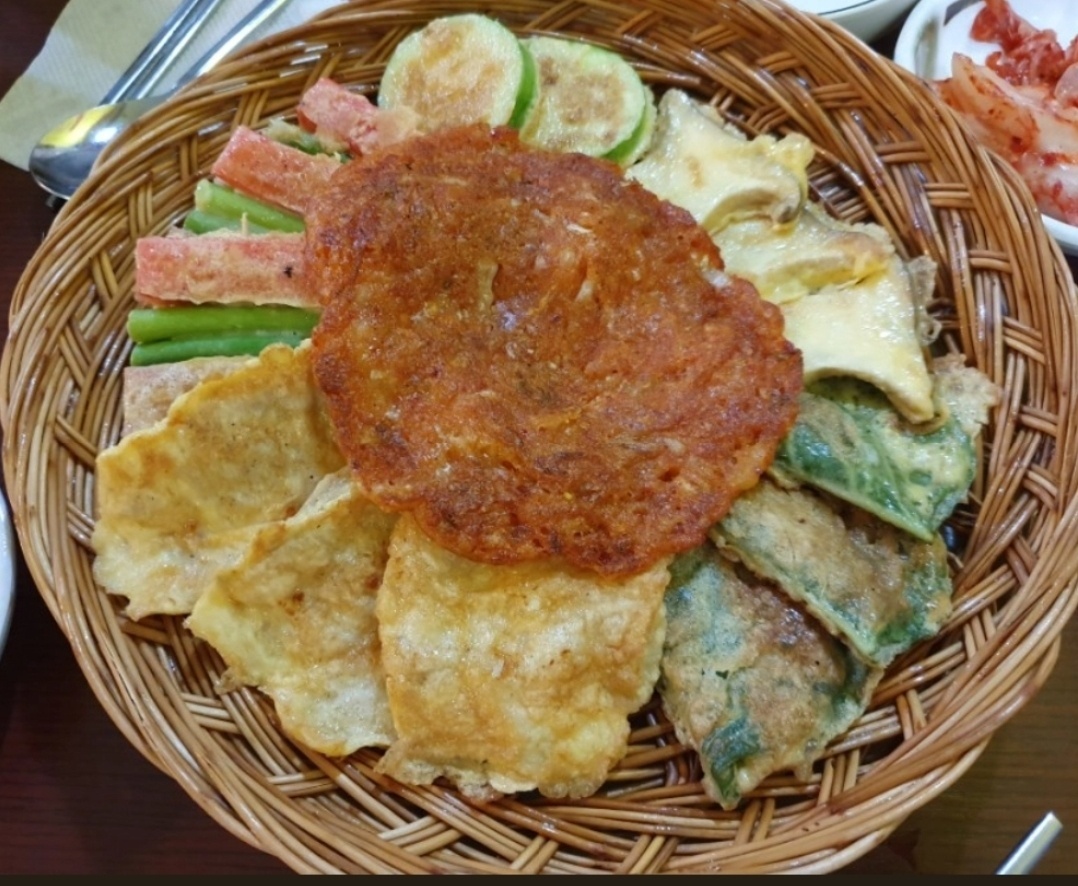 8
8
-
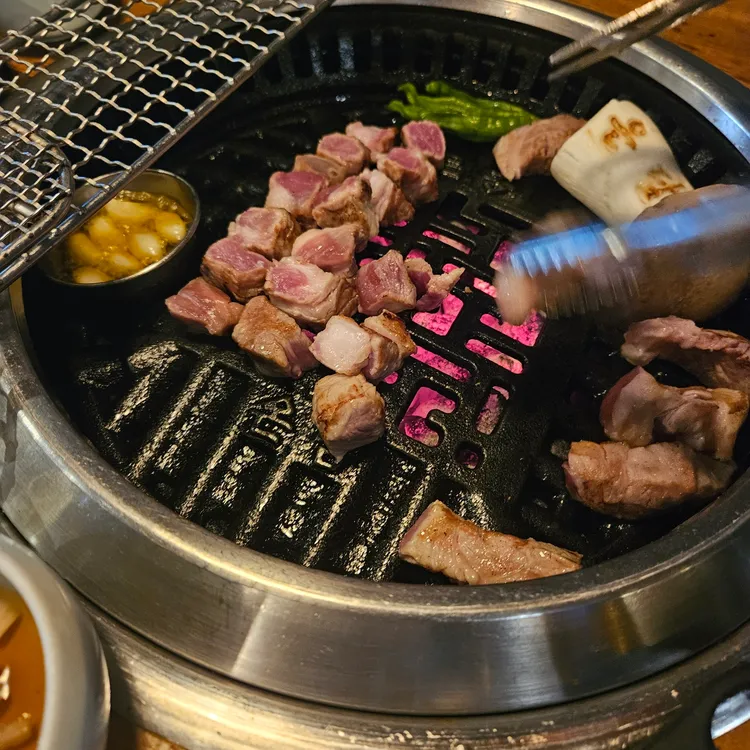 9
9
More Travel Guides in This Area
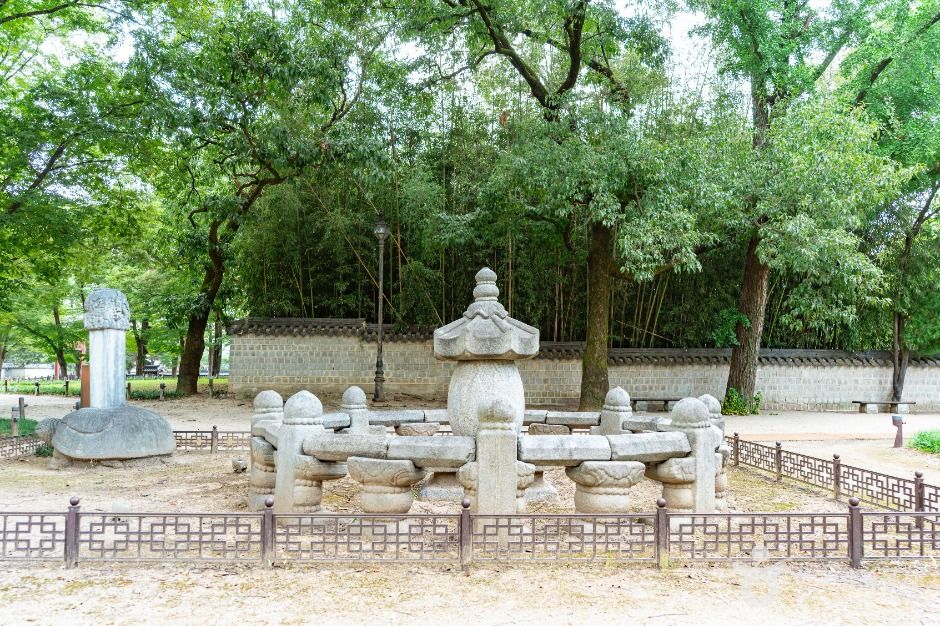 Travel Guide
A Royal Heritage Site with a Relocated Placenta, King Yejong’s Placenta Chamber and Stele in Gyeonggijeon Shrine
 Travel Guide
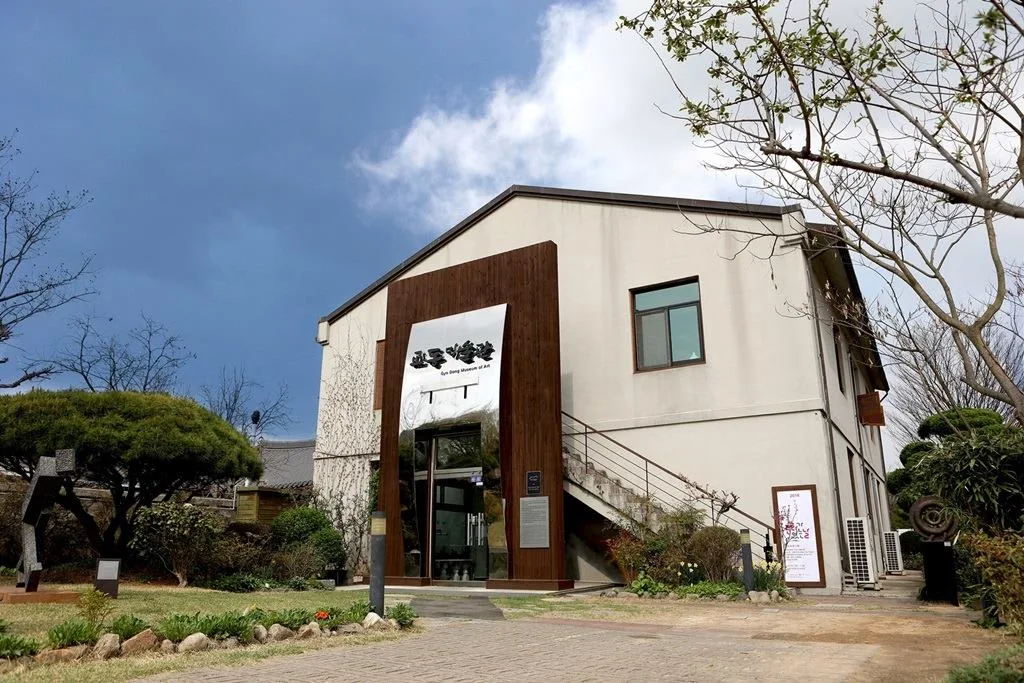
Jeonju Gyodong Art Museum, Where Factory Sewing Machines Meet Contemporary Art
 Travel Guide
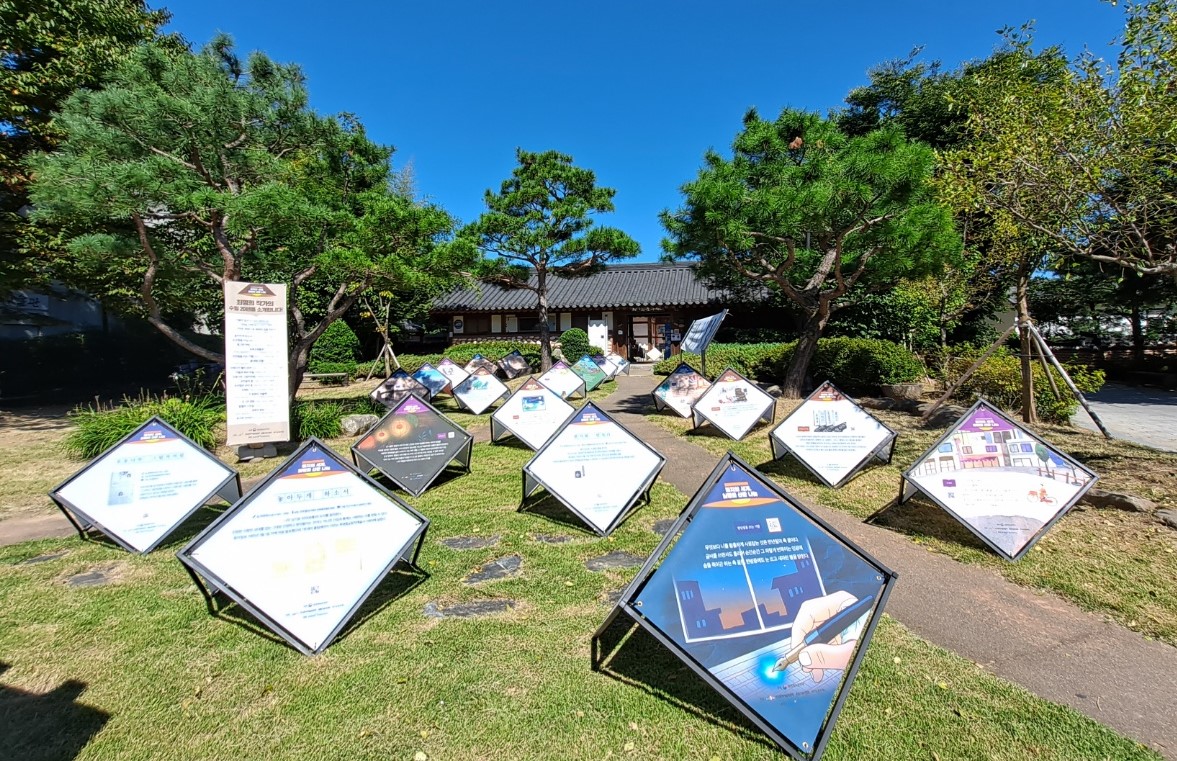
The Literary Space of 『Honbul』 at 29 Choi Myeong-hui-gil
 Travel Guide
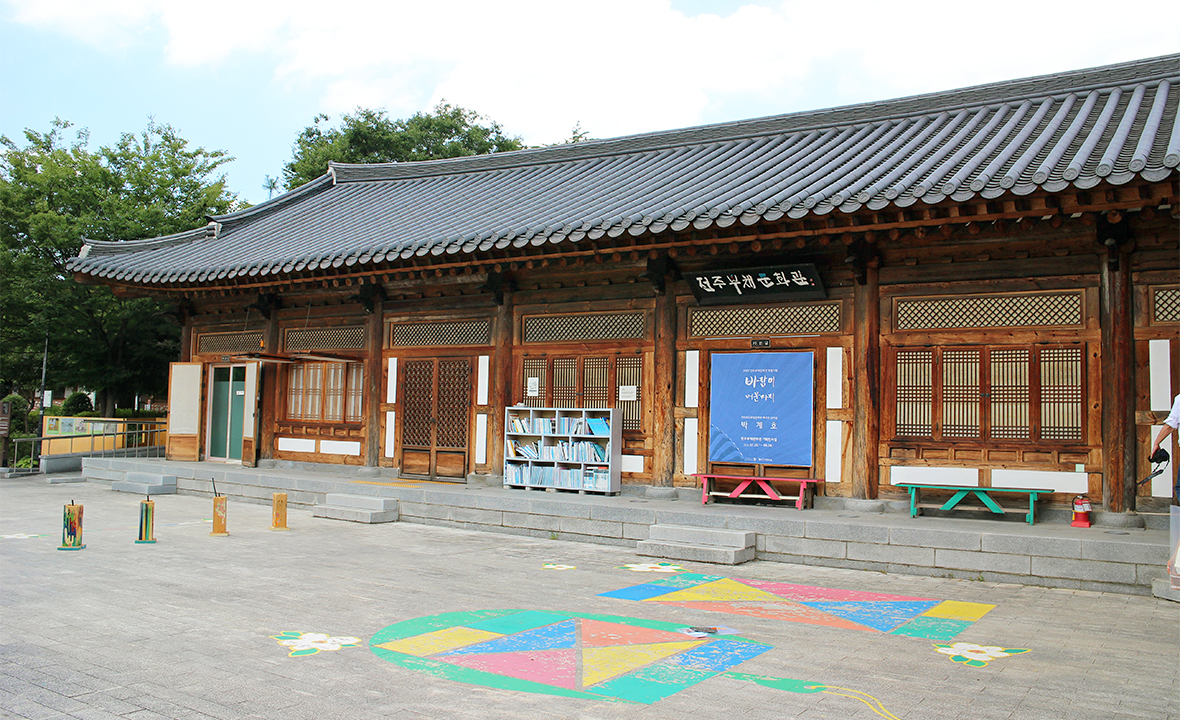
Discovering Hapjukseon and Fan Masters at the Jeonju Fan Culture Museum
Korea News
![Did Jang Won-young ‘break up’? From the airport to social media, she was decked out in Brand D [MD Issue]](https://kotourlive-images.s3.ap-northeast-1.amazonaws.com/news/1790644492843_025fcab4_news_06d49363-285b-4cd5-93e3-ace2c4344710.jpg) News
News
Did Jang Won-young ‘break up’? From the airport to social media, she was decked out in Brand D [MD Issue]
 News
News
Oh, What a Surprise… BLACKPINK’s Rosé—Did She Get a Bob Cut?
![[On-Site Photos] “Equipped with a Third Eye”… RM’s Intense Eye Contact](https://kotourlive-images.s3.ap-northeast-1.amazonaws.com/news/1790644823332_c0c6ec29_news_001c0a59-4eb7-40e6-af6a-4f26183f5e8c.jpg) News
News
[On-Site Photos] “Equipped with a Third Eye”… RM’s Intense Eye Contact
 News
News