The Birth of Incheon Jajangmyeon and Six Exhibition Rooms at the Gonghwachun Building
Located about 200 meters from Exit 1 of Incheon Station, the Jajangmyeon Museum is Korea’s first jajangmyeon-themed museum, housed in the former Gonghwachun building. Its six permanent exhibition rooms trace how the dish evolved from food enjoyed by Incheon Port workers and the Chinese community in the 1890s into a popular dish in the 1970s and 1980s.

I’ve been here?
Your check-in helps the next traveler.
No one has checked in yet Be the first
One tap — no writing needed
From Incheon Station Exit 1 to 56-14 Chinatown-ro
The address of the Jjajangmyeon Museum is 56-14 Chinatown-ro, Jemulpo-gu, Incheon Metropolitan City. It is about 200 m from Exit 1 of Incheon Station on Seoul Metropolitan Subway Line 1, or approximately a 4-minute walk according to official guidance, making it easy to reach after traveling to Incheon Station from Incheon International Airport or Seoul.
If you take the bus, get off at Incheon Station on routes 2, 15, 26, or 45, then walk for about 4 minutes. The Korea Tourism Organization indicates that the walk from Jungwha Street in Chinatown to the museum takes about 3 minutes, so you can plan a route that passes through Chinatown’s red streets and Jungwha Street.
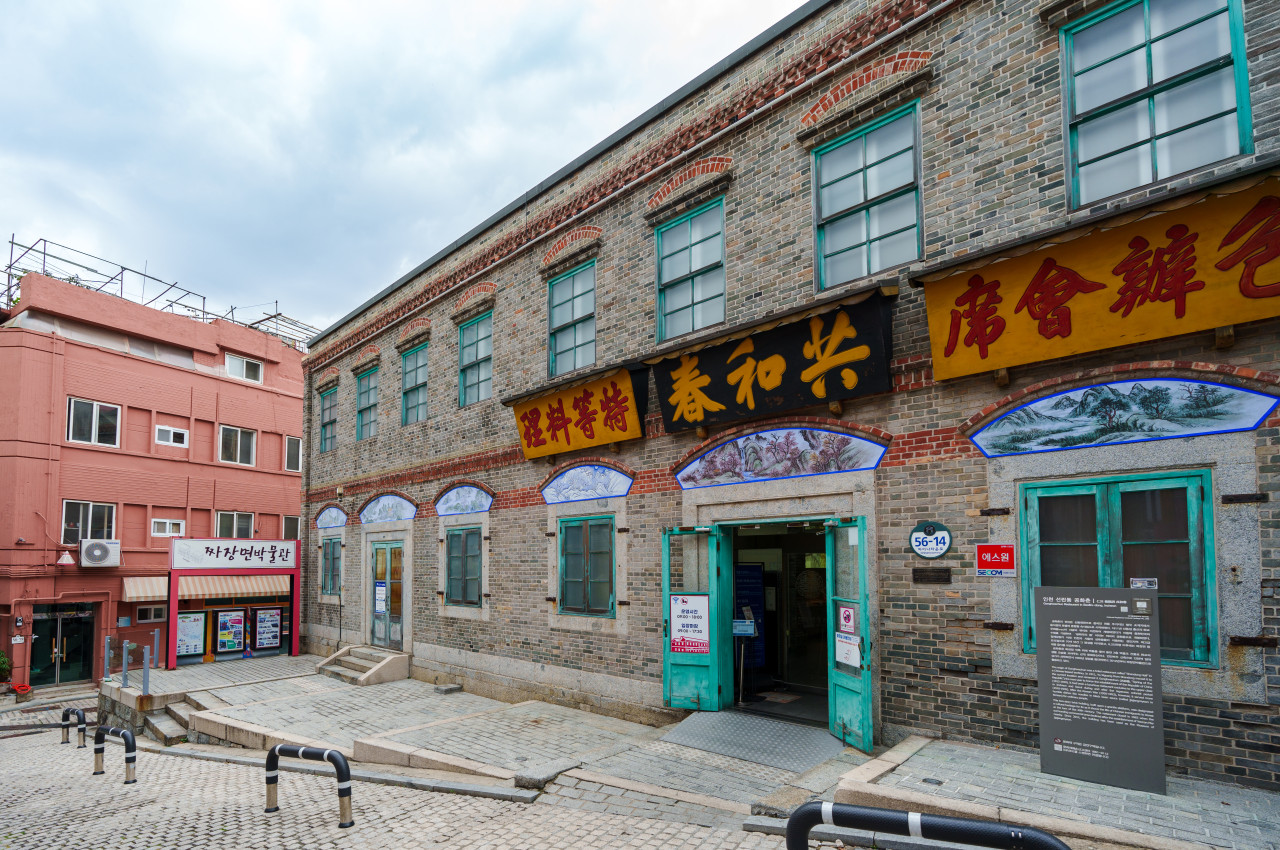
Why you should arrive before entering at 09:00 on Tuesday and before 17:30
The Jjajangmyeon Museum is open from 09:00 to 18:00, Tuesday through Sunday, with admission closing at 17:30. It is closed every Monday; if Monday is a public holiday, it closes the following day. It is also closed on January 1 and on the day of Lunar New Year and Chuseok.
According to Korea Tourism Organization materials, admission is listed as KRW 1,000 for adults and KRW 700 for teenagers, but the latest official page does not display a fee table. The representative phone number is 032-773-9812, an official contact number you can use to ask about admission fees and whether special exhibitions are operating on the day of your visit.
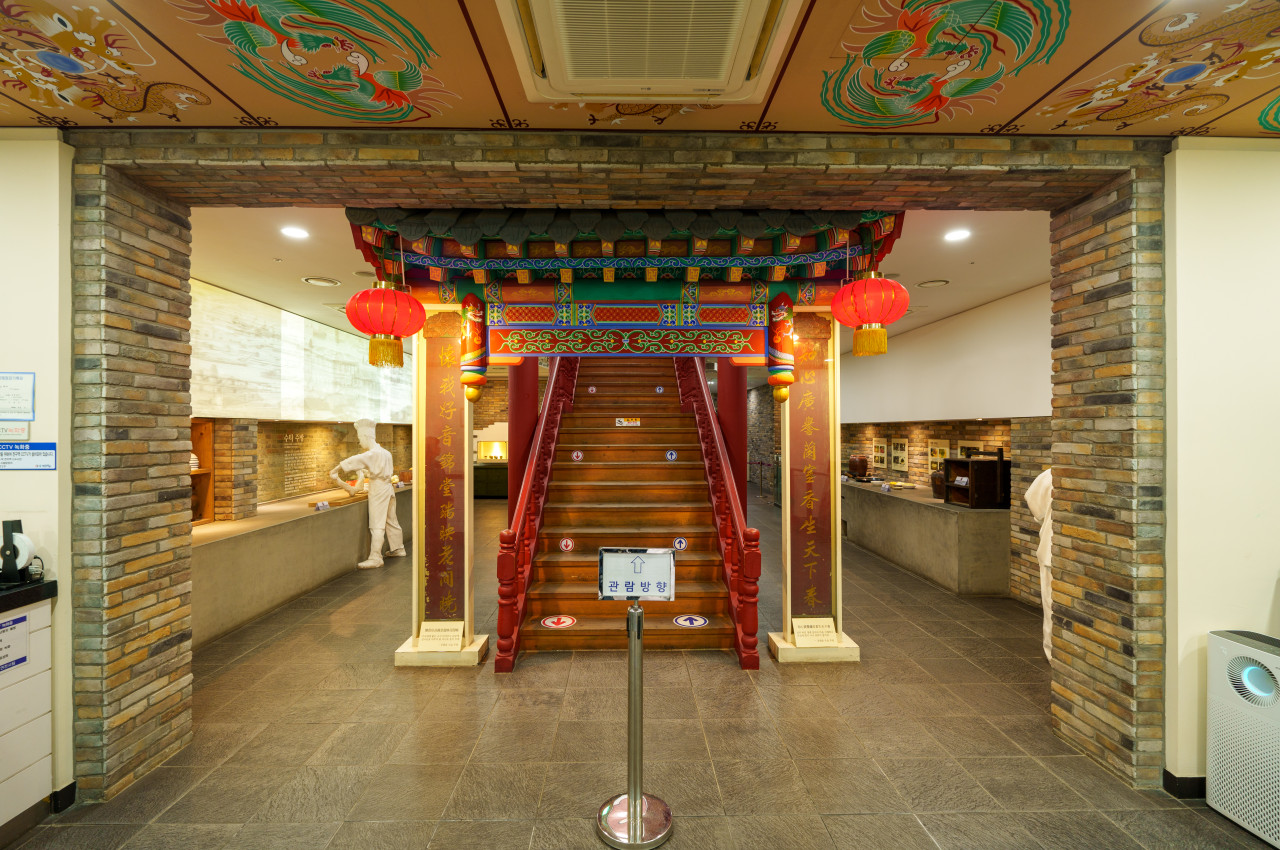
How the 2012 Gonghwachun building became a museum
The current building houses Korea’s first Jjajangmyeon-themed museum and makes use of National Registered Heritage No. 246, “Gonghwachun in Seonlindong.” During the opening-port period, it provided lodging and meals for traders, and from the Japanese colonial period through the 1980s it operated as a famous Chinese restaurant with a large banquet hall.
Gonghwachun operated until 1983, when it closed and the building was left unused. Jung-gu, Incheon, purchased the building in 2010 and remodeled it. When it opened to the public in 2012, the former restaurant space was transformed into a museum explaining the origins of jjajangmyeon and its social history.
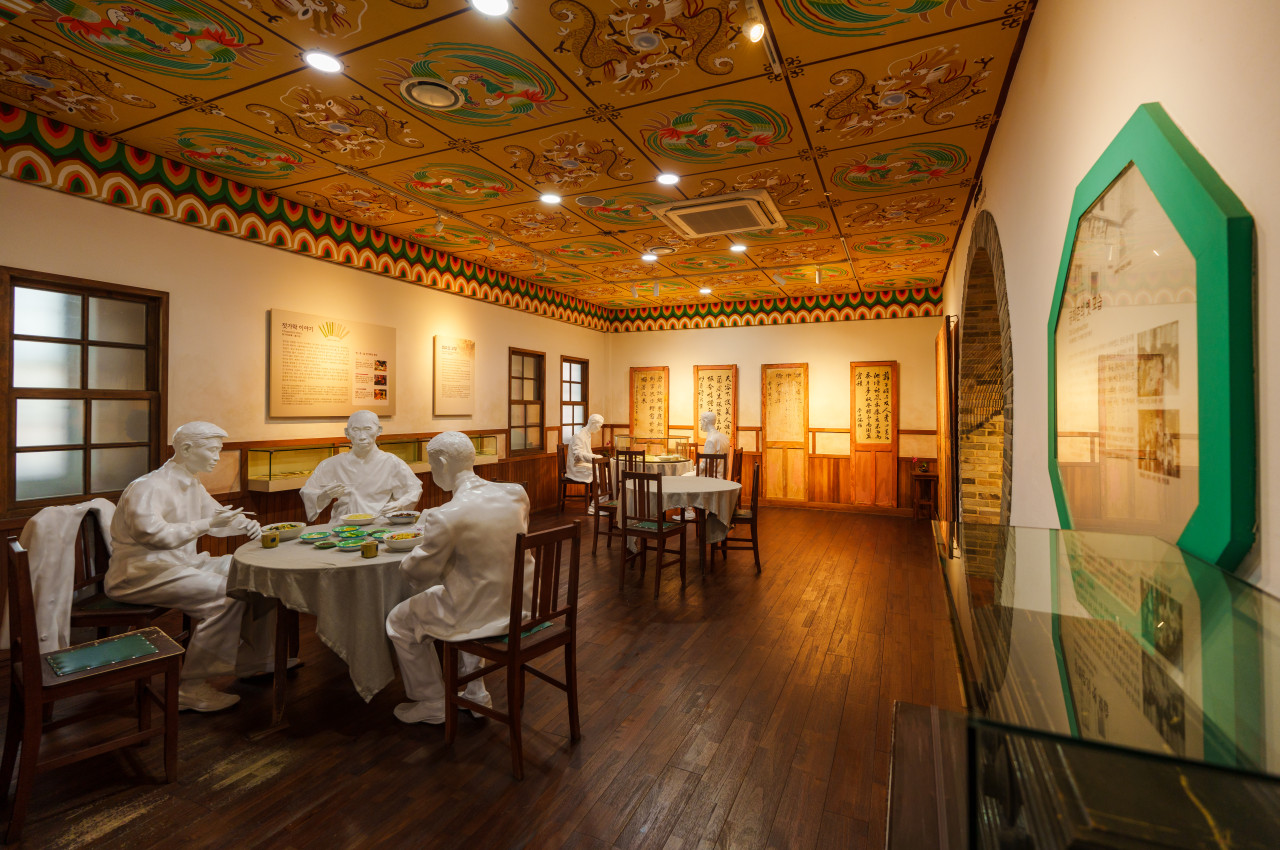
From Incheon Port workers in the 1890s to Gonghwachun
One account says that Chinese laborers working as dockworkers in the 1890s, after the opening of Incheon Port, ate their hometown dish zhajiangmian by mixing hand-pulled noodles with chunjang, using few other ingredients. Rather than simply being a menu item whose name was copied from Chinese cuisine, jjajangmyeon can be understood as a dish that evolved into part of Korean dining culture amid the living conditions of Incheon Port and the overseas Chinese community.
Wu Shiguang came to Incheon in 1907 and opened a Chinese-style lodging house and inn called Shandong Hall. In 1912, he changed its name to Gonghwachun. In 1917, he purchased the building at the present museum site and developed Gonghwachun into a renowned Chinese restaurant.
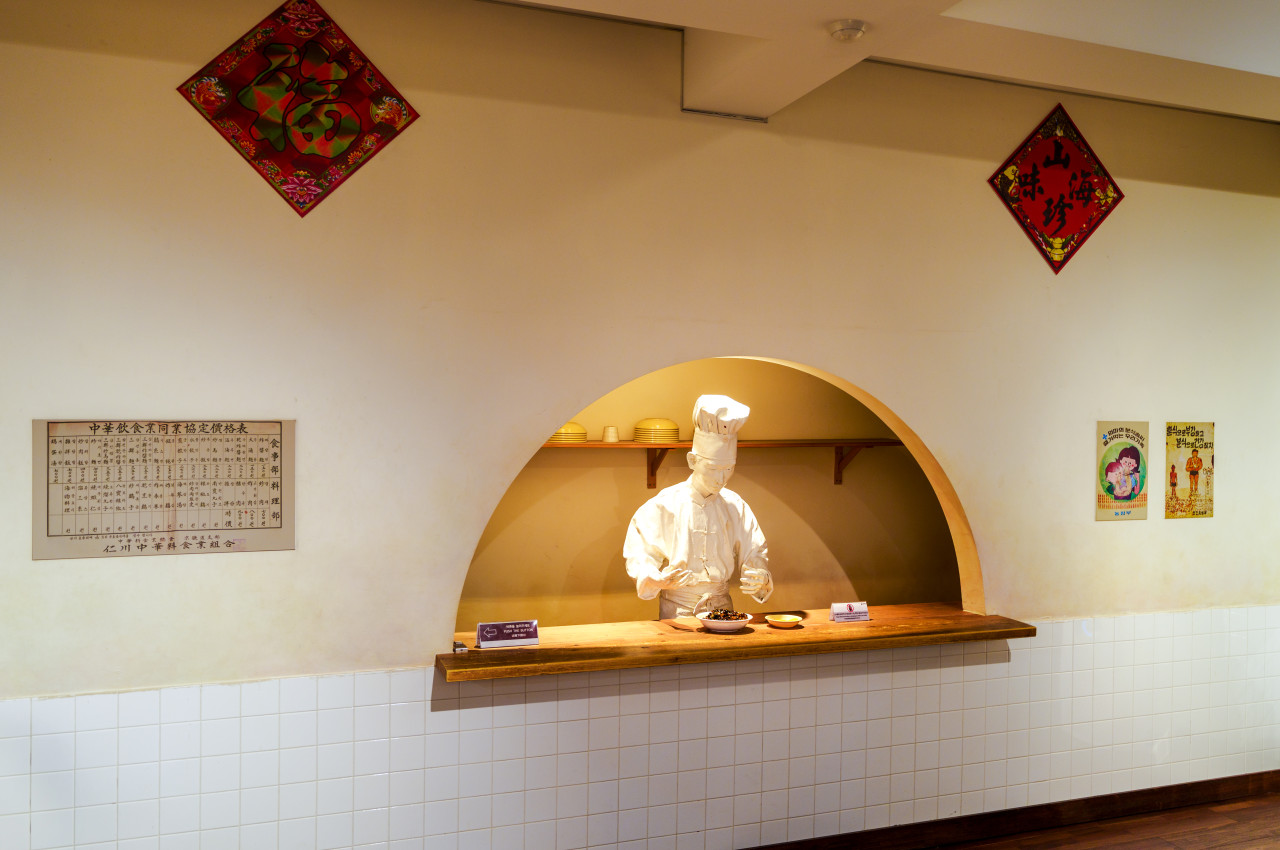
Route from the First Exhibition Room on the second floor down to the kitchen on the first floor
Visitors begin on the second floor and then proceed down to the first floor. The theme of the First Exhibition Room on the second floor is “Overseas Chinese and the Birth of Jjajangmyeon.” Sculptures of Chinese workers eating jjajangmyeon at Incheon’s docks illustrate the relationship between port labor and food.
The Second Exhibition Room focuses on Gonghwachun’s reception room in the 1930s and recreates its interior from that period. The Third Exhibition Room depicts the 1970s and 1980s, the heyday of jjajangmyeon. The Sixth Exhibition Room on the first floor focuses on Gonghwachun’s kitchen in the 1960s, so viewing the upstairs guest areas and downstairs cooking areas together makes it easier to understand the building’s former functions.
Popularization shown through Lion Chunjang and 1970s jjajang ramen
The theme of the Fourth Exhibition Room is “Jjajangmyeon, a Modern Cultural Icon.” It displays Lion Chunjang and Gom-pyo flour to explain the background of jjajangmyeon’s popularization. The fact that Wang Songsan, who came from Shandong, founded Yeonghwajangyu in 1948 and developed Lion Chunjang, a caramel-blended black-bean paste, also provides a clue to understanding jjajangmyeon’s Korean color and sweetness.
Jjajangmyeon became a popular food as flour aid provided immediately after the Korean War coincided with the mixed-grain and flour-food promotion campaign conducted from 1964 to 1977. The displayed price materials show how the price of one bowl changed: KRW 15 in the early 1960s, KRW 140 in the mid-1970s, KRW 350 in the 1980s, KRW 1,300 in the early 1990s, and KRW 3,000 in the 2000s.
Do not miss the jjajang ramen and metal delivery boxes in the Fifth Exhibition Room
The Fifth Exhibition Room explores the history of various types of jjajang ramen from the 1970s to the present. A feature of this museum is that visitors can compare in one space how the jjajang flavor expanded beyond restaurant jjajangmyeon into takeout and home cooking.
There is also an exhibit of metal delivery boxes used by Chinese restaurants. These boxes were initially made of wood and later changed to metal, and they were included among designs in everyday Korean life over the past half-century selected by the Korea Design and Cultural Foundation. Based on visitor reviews, the visit takes about 30 minutes, making it suitable for a short cultural course combining Incheon Station and Chinatown.
What to prepare for a visit to the 581.8㎡ building
The museum site covers 581.8㎡, with a total floor area of 836.64㎡. Information is provided on an approach route connected by level ground without thresholds, a main entrance accessible to wheelchairs, free wheelchair rentals, an elevator that can accommodate one wheelchair, and an accessible restroom. Assistance dogs are also allowed.
No separate information has been confirmed regarding stroller accessibility, photography restrictions, whether payment is cash-only, the availability of English guidance or an audioguide, or access restrictions for individual exhibition rooms. Before visiting, you should separately confirm whether the museum has dedicated parking and how to use nearby parking facilities.
Time to spend in Chinatown, including special exhibitions
The museum has six permanent exhibition rooms and one special exhibition room, displaying artifacts and materials that present the origins, history, and cultural characteristics of jjajangmyeon. Various special exhibitions are held each year, so if you are visiting for a particular exhibition, it is safest to call 032-773-9812 and confirm the day’s program.
Allow about 30 minutes for the basic visit. Adding the approximately 4-minute walk from Incheon Station Exit 1, you can allocate about 40 minutes for the round trip from the station and the museum visit. Afterward, walk about 3 minutes to Jungwha Street in Chinatown and continue with a meal and a stroll through the area. The official website is https://ijcf.or.kr/main/space/museum4.jsp.
Before You Go
- Address
- 56-14 Chinatown-ro, Jemulpo-gu, Incheon Metropolitan City
- Hours
- Tuesday–Sunday, 09:00–18:00 (last admission at 17:30)
- Closed
- Every Monday (if Monday is a public holiday, closed the following day), January 1, and the day of Lunar New Year and Chuseok
- Admission
- Some sources list KRW 1,000 for adults and KRW 700 for teenagers, but the latest official fee table could not be confirmed
- Phone
- 032-773-9812
- Official site
- https://ijcf.or.kr/main/space/museum4.jsp
- Transport
- About a 4-minute walk from Exit 1 of Incheon Station on Seoul Metropolitan Subway Line 1. Get off at Incheon Station on buses 2, 15, 26, or 45, then walk for 4 minutes. Korea Tourism Organization materials indicate about 200 m from Incheon Station Exit 1
- Parking
- Whether the museum has dedicated parking and how to use nearby parking facilities should be confirmed separately before visiting.
- Time needed
- About 30 minutes based on visitor reviews
- Accessibility
- There is an approach route connected by level ground without thresholds, a main entrance accessible to wheelchairs, free wheelchair rentals, an elevator that can accommodate one wheelchair, and an accessible restroom. Assistance dogs are also allowed. No separate information on stroller accessibility has been confirmed.
The information above is current as of the time of writing. Check the official guidance again before visiting.

Places
Nearby Attractions 3
-
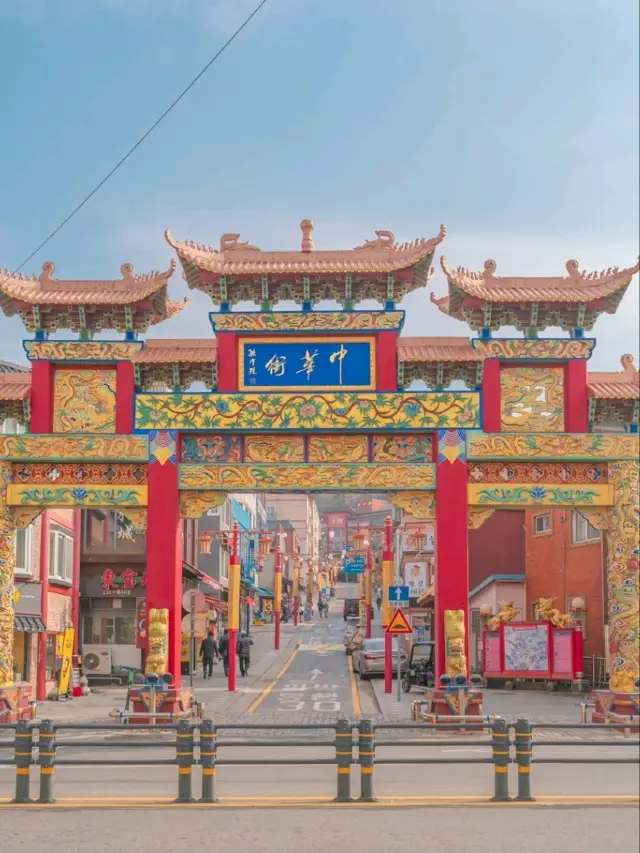 1
1
-
 2
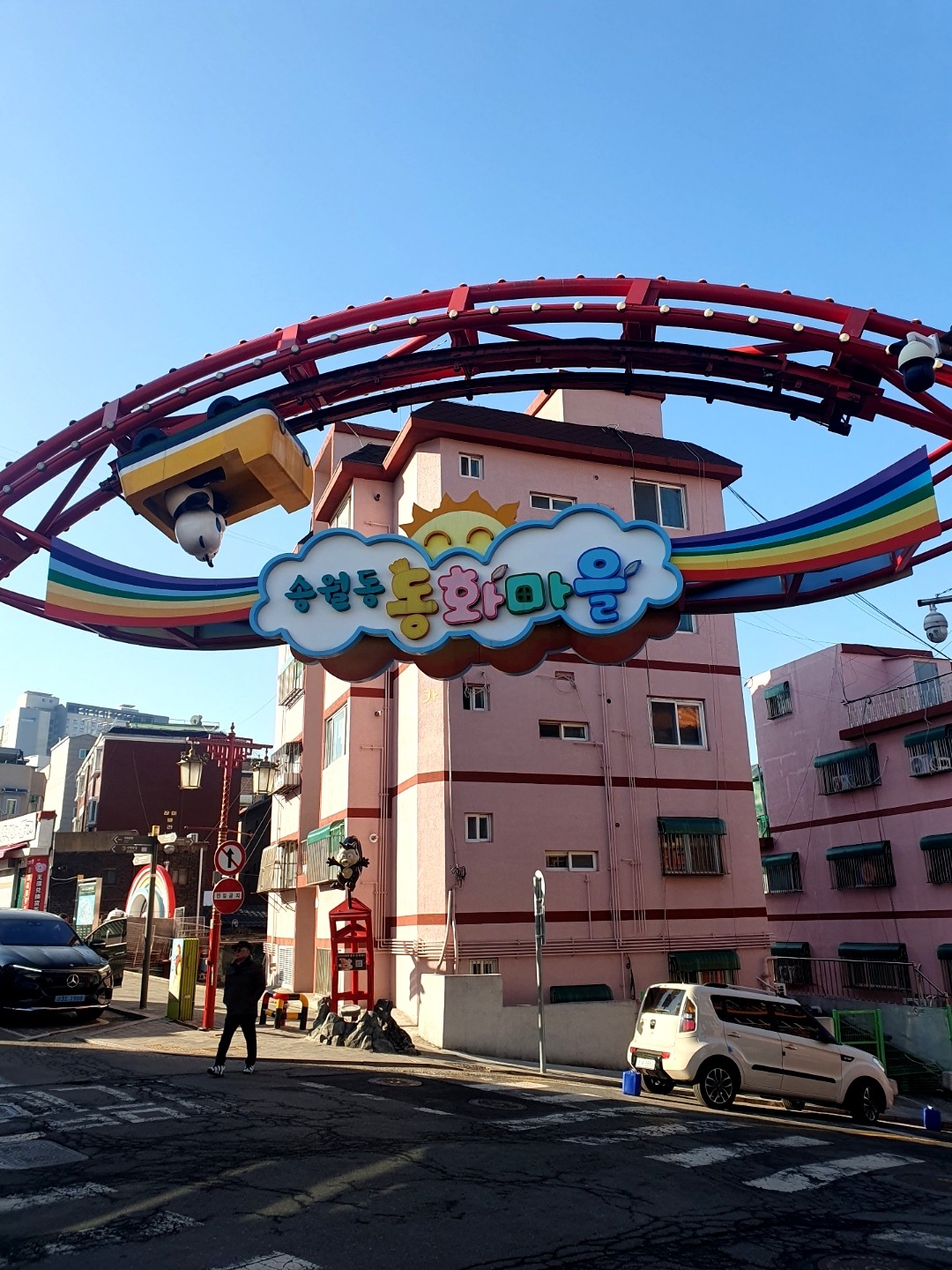
Songwol-dong Fairy Tale VillageStroll through the alleys, following murals and sculptures inspired by classic fairy tales from around the world.
2
Songwol-dong Fairy Tale VillageStroll through the alleys, following murals and sculptures inspired by classic fairy tales from around the world. -
 3
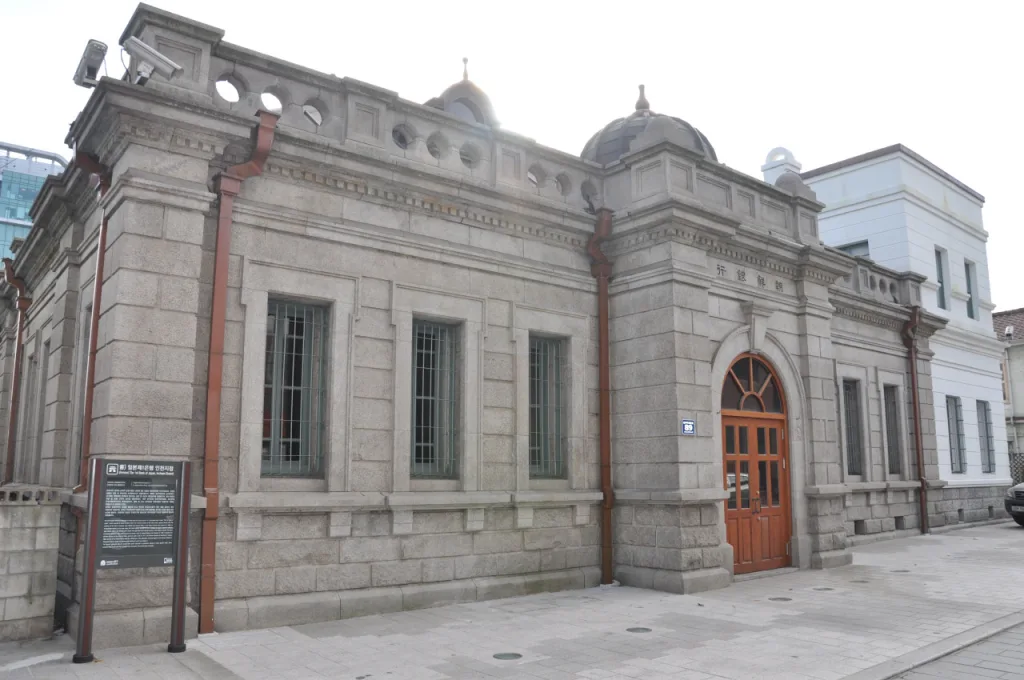
Incheon Open Port MuseumExplore exhibits on the opening of the port, modern cultural artifacts, and railway and financial materials.
3
Incheon Open Port MuseumExplore exhibits on the opening of the port, modern cultural artifacts, and railway and financial materials.
Events in This Area


Festivals in This Area
More Travel Guides in This Area
 Travel Guide
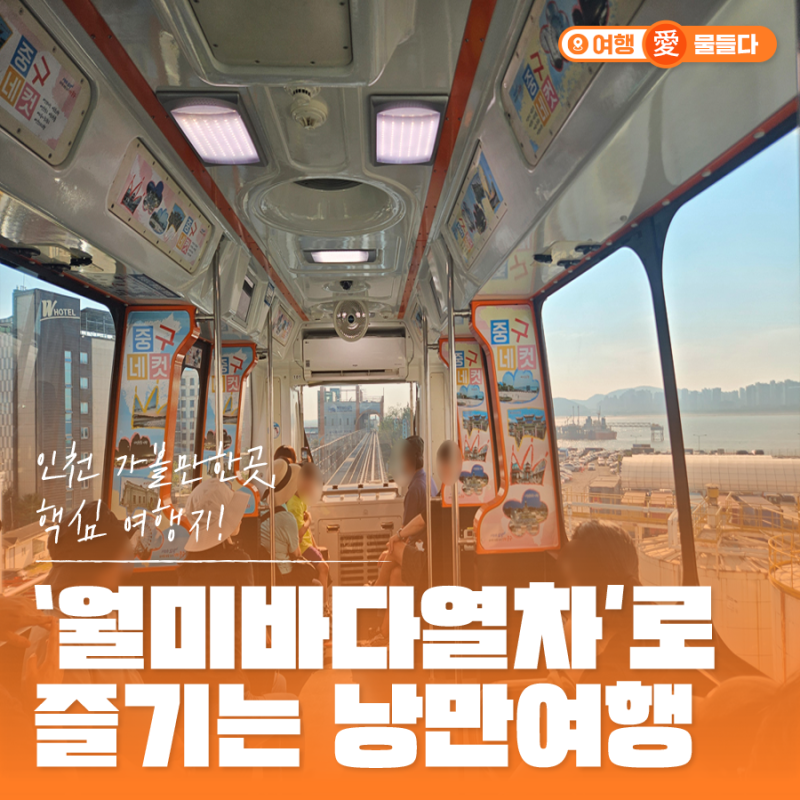
Wolmi Sea Train: 6.1 km Loop and Boarding Guide for Each of the 4 Stations
 Travel Guide
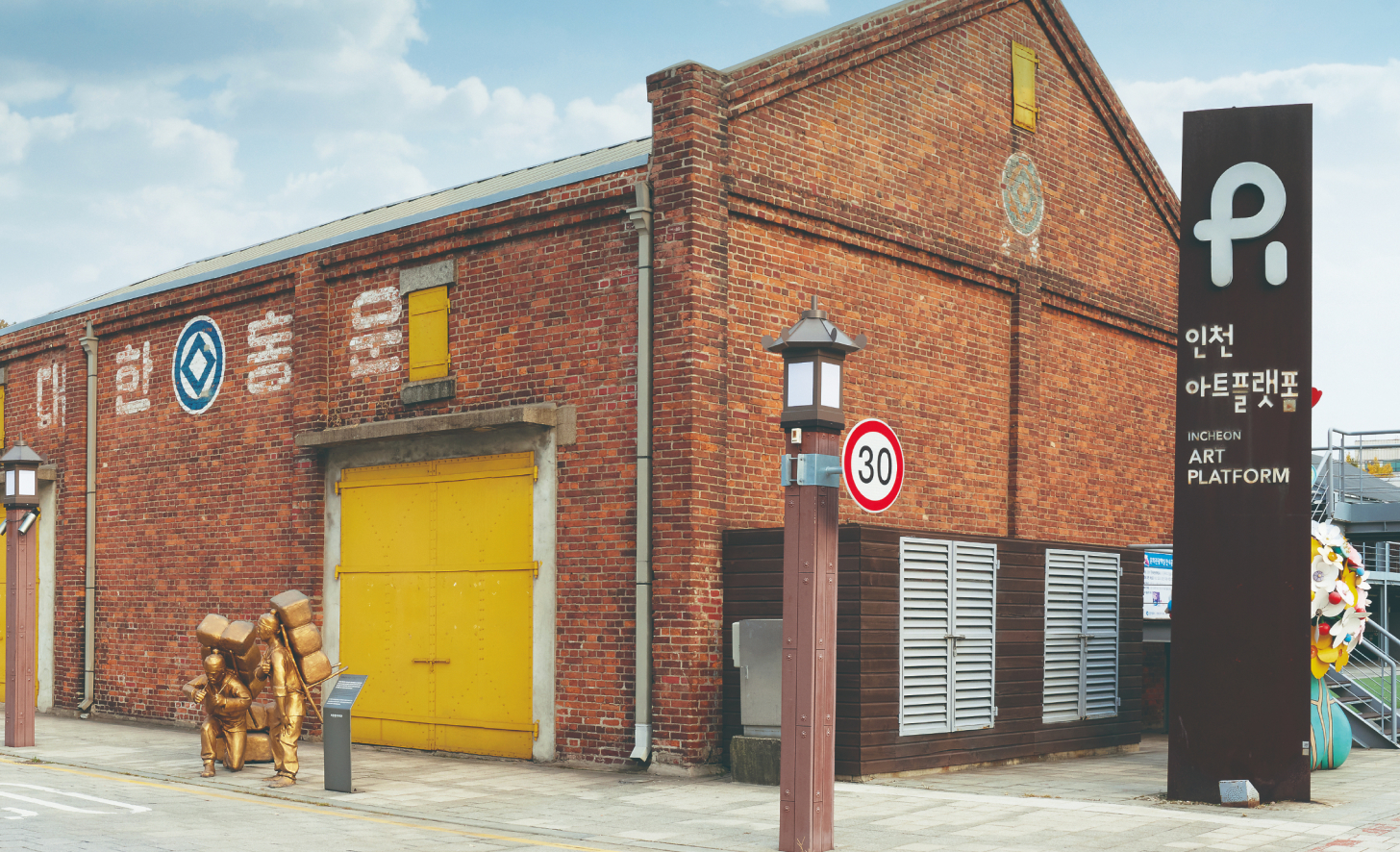
Walking Among the Red-Brick Warehouses of Incheon Art Platform
 Travel Guide
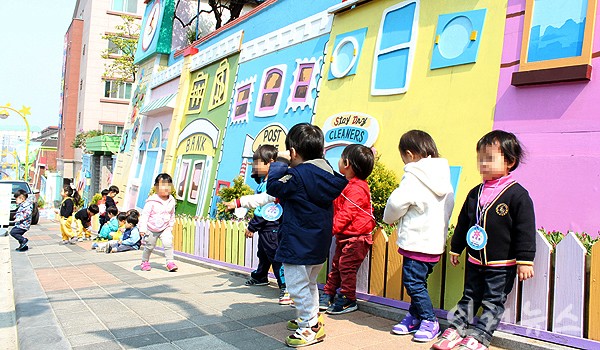
How to Walk Through Songwol-dong Fairy Tale Village’s Alleys and 11 Themed Routes
 Travel Guide
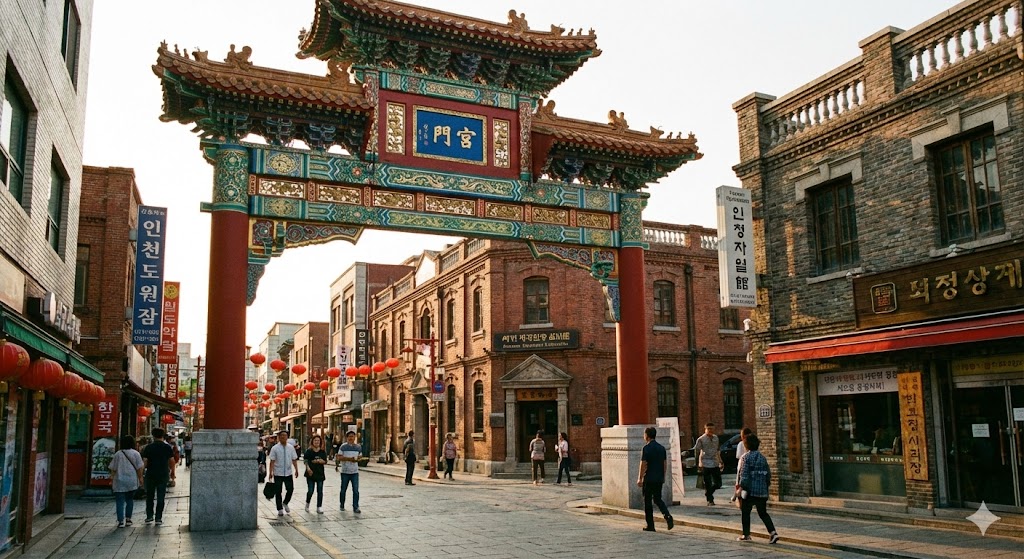
Incheon Chinatown, where you encounter the roots of jjajangmyeon on the slope of the 1883 port opening
Korea News
 News
News
'Rami Controversy' NewJeans' Hyein Has Grown More Mature, Yet Is Still Adorable… A Cat Draped in Luxury Brands
 News
News
“If you get too close, I’ll bite”… BTS’s V issues a chilling warning to Jungkook
 News
News
“BTS No Longer Needs the Grammys”… Kim Tae-hoon Assesses the ‘Grammys Boycott’
![[Exclusive] Oh My Girl’s YooA, who switched to acting, parts ways with Saram Entertainment after just one year](https://kotourlive-images.s3.ap-northeast-1.amazonaws.com/news/1787658671060_036c47f7_news_8a403746-8bba-4e3c-8827-19d99be6d4fb.jpg) News
News