Incheon Chinatown, where you encounter the roots of jjajangmyeon on the slope of the 1883 port opening
Incheon Chinatown is a living record of Chinese-Korean community life that began with the opening of Incheon Port in 1883 and the establishment of the Qing concession in 1884. Starting from Incheon Station, this guide focuses on a 2- to 3-hour walking route linking the paeru gate, the Jjajangmyeon Museum, the boundary stairs of the Sino-Japanese concession district, and Jayu Park.

I’ve been here?
Your check-in helps the next traveler.
23 people viewed this week Be the first
One tap — no writing needed
Incheon Port Opens in 1883 and the 1884 Qing Concession Creates a Chinese Merchant District
Incheon Chinatown was formed after Incheon Port opened in 1883 and the area was designated as a Qing extraterritorial zone the following year, 1884. Unlike some Chinatowns that were centered on overseas labor migration, the key point here is that Chinese residents who crossed over for trade and commerce in the open port built shops and a livelihood base in Incheon.
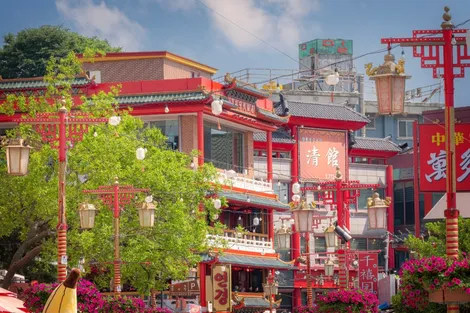
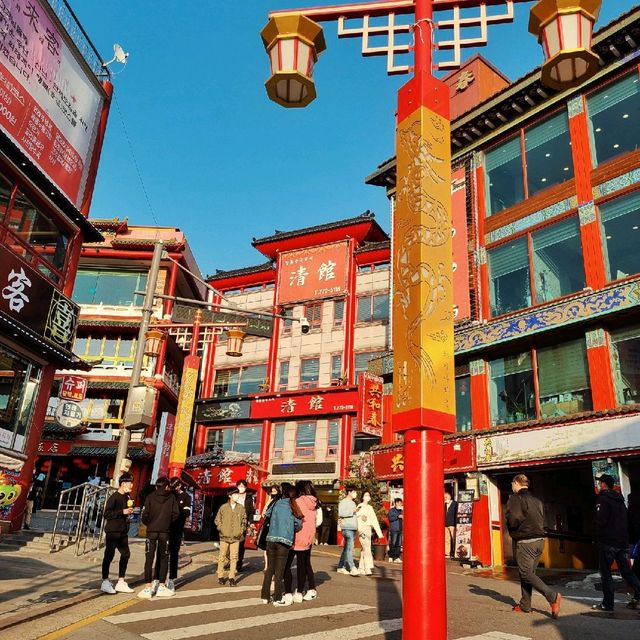
Today, several Chinese-style decorative arches remain along the streets, and if you walk about 300 meters uphill from the Zhonghua Street arch near Incheon Station, the road splits into a T-shape. Focusing only on restaurants can make it easy to miss why this place exists, so before or after a meal, you should also walk through the former Qing Consulate site, the concession boundary, and Jayu Park to see the urban structure of the port-opening era.
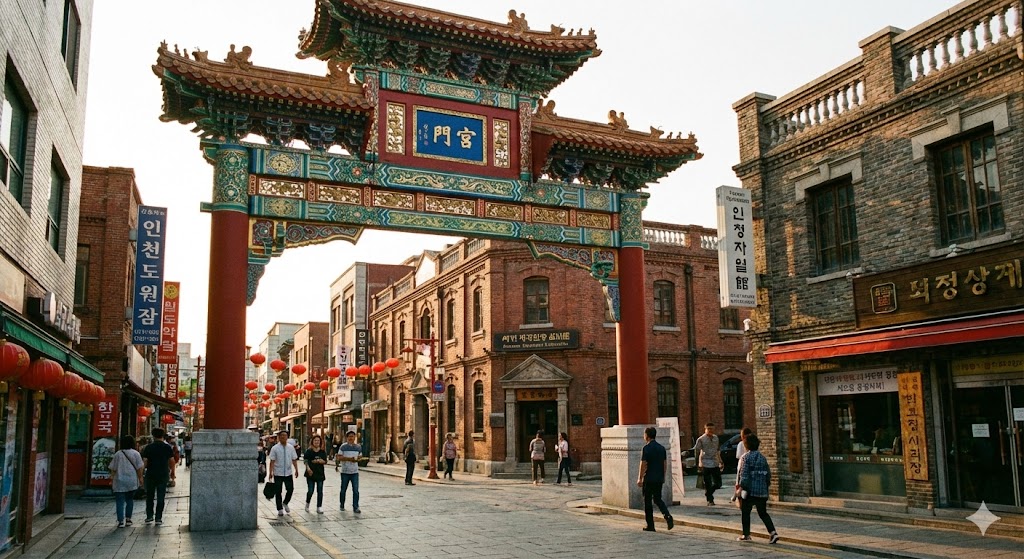
3 to 5 Minutes from Incheon Station to the Zhonghua Street Arch, with the First Entry from the Line 1 Plaza Side
Incheon Station, served by Seoul Metropolitan Subway Line 1 and the Suin-Bundang Line, is the starting point for a walking tour of Chinatown. If you head from Incheon Station Plaza toward the arch, you will reach the start of the street in about 3 to 5 minutes, and Incheon Tour recommends Incheon Station as the starting point for walking through Chinatown, the Open Port Nuri-gil, and Songwol-dong Fairy Tale Village.
If you are taking the bus, stops near Incheon Station are served by routes 2, 10, 15, 23, 28, 45, and 307. The Jung-gu Office stop is served by routes 15, 28, and 307, while the Sinpo Station stop is served by routes 9, 23, 24, and 72; from Sinpo Station, it takes about 10 minutes on foot.
- Starting point: Incheon Station Plaza
- Main walking route: Zhonghua Street arch → Jajangmyeon Museum → Sino-Japanese Concession Boundary Steps → Jayu Park
- Recommended stay: 2 to 3 hours including a meal, or 3 to 4 hours including the museum and Fairy Tale Village
The Free Street and the Jajangmyeon Museum That Closes on Mondays
The Chinatown streets themselves are an open pedestrian tourism zone with no admission fee and no fixed closing day. Therefore, opening hours and closed days vary by restaurant, cafe, and museum, and you should not think of the entire street district as having a single set of hours. For tourism inquiries, you may refer to Incheon Station Tourist Information Center at 032-777-1330 or the Jung-gu tourism information line at 032-760-6475.
The Jajangmyeon Museum in the street is located at 56-14 Chinatown-ro, Jung-gu, Incheon, and operates Tuesday through Sunday from 09:00 to 18:00, with admission allowed until 17:30. It is closed every Monday, and if Monday is a public holiday, it closes the following day instead. Admission is 1,000 won for adults, 700 won for teenagers, 500 won for military personnel and police officers, and free for children. The phone number is 032-773-9812.
Because the Jajangmyeon Museum uses the former Gonghwachun building, it is not just a place to confirm the original restaurant, but a site where you can see how the food culture of the port-opening era's Chinese community changed into Korean-style dining. A museum visit takes about 30 to 45 minutes, and if you add a street walk and a meal, it is reasonable to allow at least 2 hours.
The Korean-Style Transformation of Jajangmyeon as Seen in the Gonghwachun Building
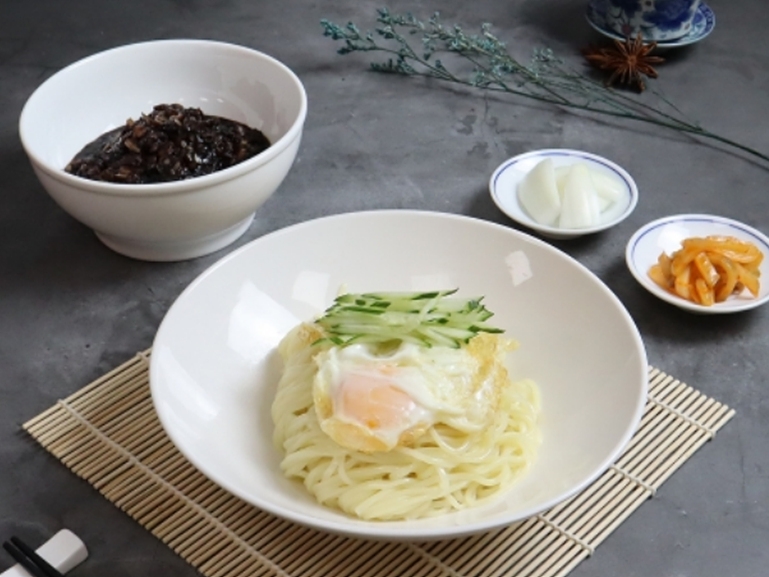
The way Chinese residents in Incheon mixed noodles with black bean paste sauce cooked with vegetables and meat is introduced as the starting point of Korean-style jajangmyeon, and the once-popular restaurant Gonghwachun became a symbolic place in that development. The environment of the open port, where dockworkers, merchants, and migrants came and went, is closely linked to the spread of a noodle dish that could be eaten quickly.
Rather than insisting on a single original restaurant, it is safer to check the menu, waiting time, and closing time directly with each establishment. Incheon's 2026 open-port themed guide notes that Chinatown restaurants rely on on-site waiting and that the average wait may be 20 to 30 minutes. On weekends from 12:00 to 14:00, instead of trying to solve lunch first, it may be worth seeing the museum, steps, and park in the morning and adjusting to a late lunch.
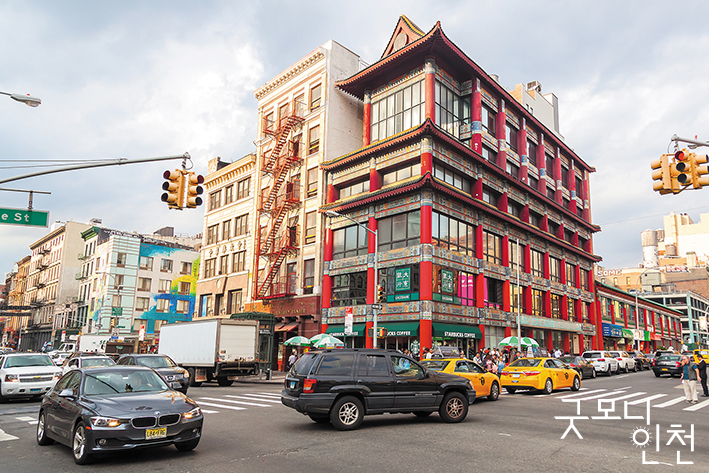
A 15-Minute Uphill Journey Through Modern History from the Sino-Japanese Concession Boundary Steps to Jayu Park
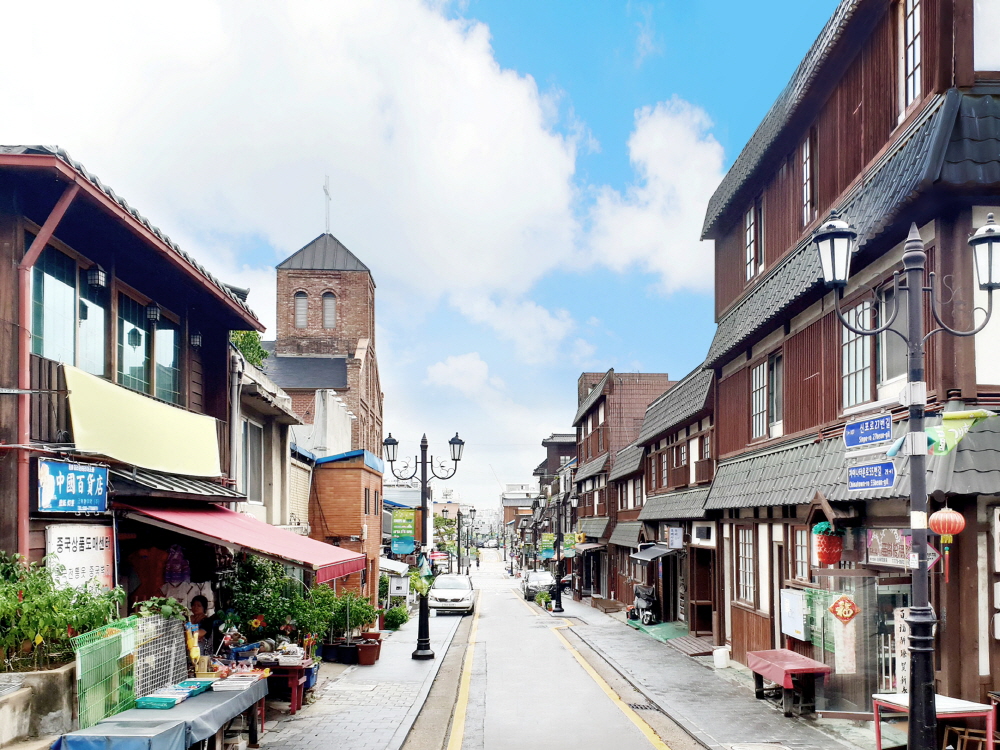
The Sino-Japanese Concession Boundary Steps in the inner part of Chinatown are traces of the port-opening era space where the Qing concession and Japanese concession met. Instead of only walking between the arch and restaurants, if you pass through these steps it becomes easier to understand how the boundaries of Incheon's old downtown, where Chinese, Japanese, and other powers came together after the 1883 port opening, remain in the topography.
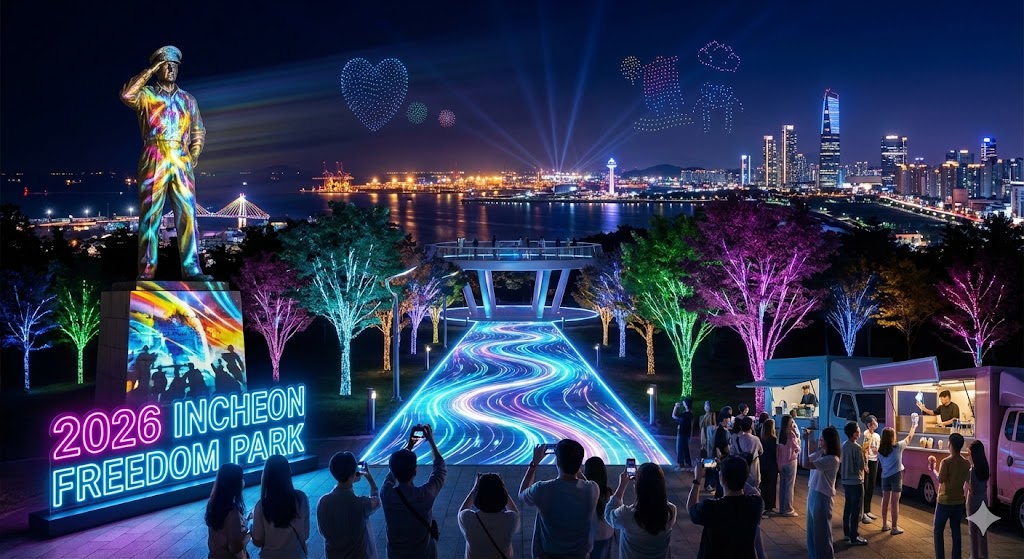
Jayu Park above the steps is Korea's first Western-style park, created in 1888. Because the road up from Chinatown is steep, it may feel challenging for wheelchair users, stroller users, and people with knee problems. At night, there are sections with landscape lighting in Jayu Park, but considering the steps and alleyways, it is better to finish the main route before sunset.
With Jayu Park included, the essence of Chinatown is not simply a "Chinese-style street," but the late-19th-century process of urban expansion that led from port opening, concession establishment, Chinese settlement, and park creation. If you are concerned about stamina, it is better to see only the flat route from Incheon Station to the arch and the Jajangmyeon Museum, and leave Jayu Park as a separate option.
Chinatown Public Parking Lot 28-12 and Free Temporary Parking at Incheon 8th Pier
For a private car, the Chinatown Public Parking Lot at 28-12 Chinatown-ro 44beon-gil, Jung-gu, Incheon can be chosen as the first destination. According to the guide materials, it operates year-round for a fee, with hours from 09:00 to 21:00, and there is a designated parking area for people with disabilities. However, the alleys are narrow and vehicles may concentrate around meal times, so public transport is more predictable around noon on weekends.
As an alternative, the temporary parking lot at the entrance to Incheon 8th Pier is Informationed as free and open from 07:00 to 21:00. It is not inside Chinatown itself but near the intersection at the entrance to Wolmido, so additional walking time is needed. If you have a lot of luggage or are traveling with a baby, you should first calculate the distance and slope. The Hanjung Cultural Center parking lot is at 238 Jemulryang-ro and is operated for a fee from 10:00 to 20:00, according to the guide.
- Chinatown Public Parking Lot: 28-12 Chinatown-ro 44beon-gil, paid, 09:00-21:00
- Hanjung Cultural Center Parking Lot: 238 Jemulryang-ro, paid, 10:00-20:00
- Incheon 8th Pier Temporary Parking Lot: around the intersection at the entrance to Wolmido, free, 07:00-21:00
A Half-Day Route Linking the Three Kingdoms Mural Street and Songwol-dong Fairy Tale Village
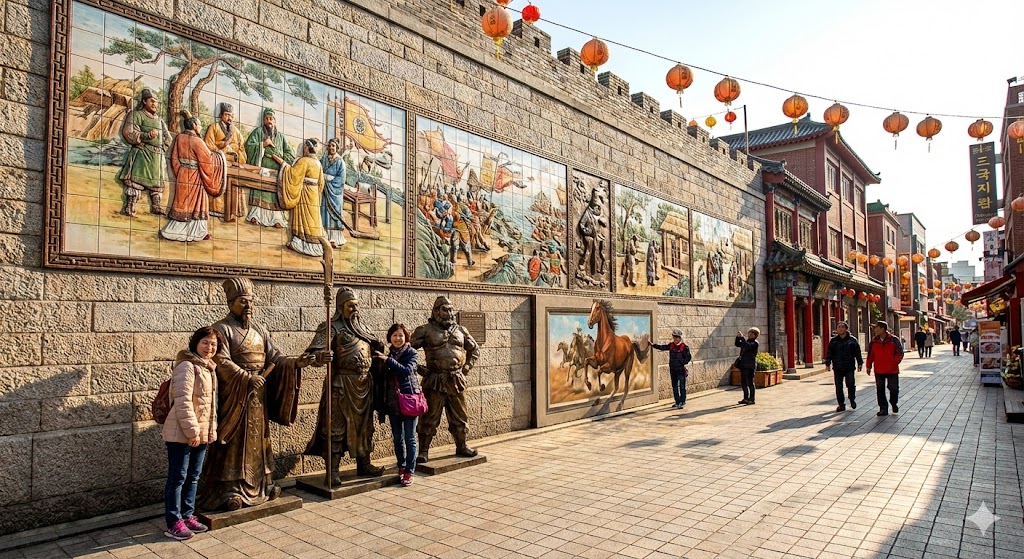
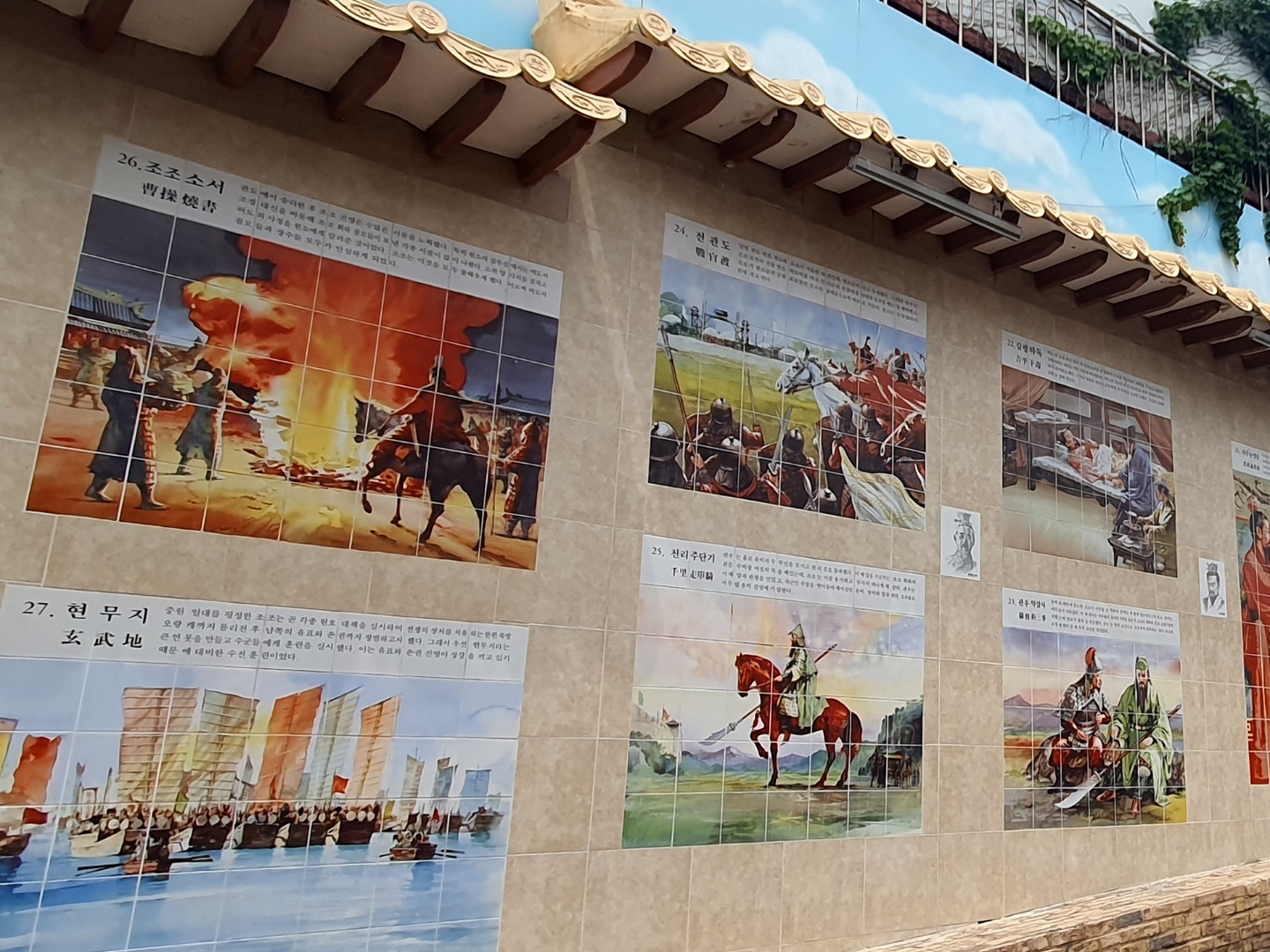
Inside Chinatown there is also a mural street themed around famous scenes from the Romance of the Three Kingdoms, making it a good place for a short walk during restaurant waiting times. However, because the murals, arches, and steps are concentrated outdoors, it is better to prepare a sun umbrella or water in the midsummer daytime, and on rainy days to prioritize indoor sightseeing such as the Jajangmyeon Museum.
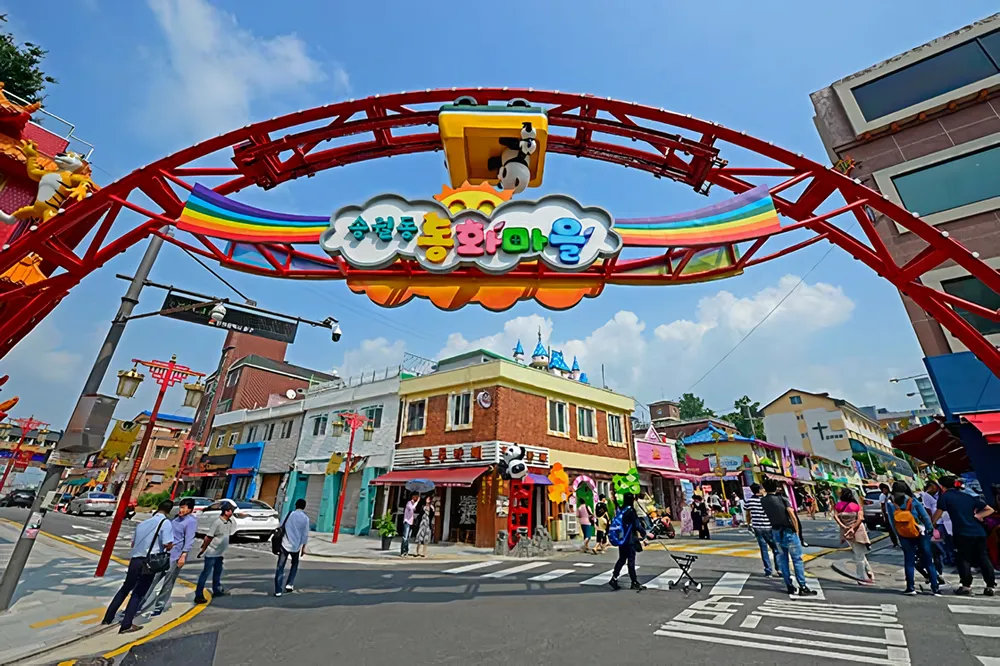
Songwol-dong Fairy Tale Village is adjacent to Chinatown and can be explored on foot. The Fairy Tale Village Public Parking Lot is said to operate 24 hours a day, with a base rate of 1,000 won for 30 minutes, 500 won for every additional 15 minutes, and a daily maximum of 10,000 won. If you are visiting with children, it is wise to keep Chinatown's historical explanation brief and add Fairy Tale Village, but during peak season the crowd taking photos can slow walking speed.
If you want to see the museum, Jayu Park, and Fairy Tale Village, it is natural to arrive at Incheon Station around 10 a.m., finish the Chinatown stroll and museum first, and then move uphill to Jayu Park and Fairy Tale Village after lunch. We could not confirm whether foreign-language guidance is always available, so visitors who need historical explanations should check in advance whether a translation app or a guided port-opening-era program can be reserved.
Before You Go
- Address
- 8 Chinatown-ro, Jung-gu, Incheon
- Hours
- Street open all day (varies by individual stores and facilities)
- Closed
- None for the street itself (varies by individual stores and facilities)
- Admission
- Free (for street sightseeing)
- Phone
- 032-777-1330
- Official site
- https://itour.incheon.go.kr/ssst/ssst/detail.do?cotId=ITD21122811325905008
- Transport
- About 3 to 5 minutes on foot from Incheon Station on Seoul Metropolitan Subway Line 1 and the Suin-Bundang Line. Incheon Station stop: routes 2, 10, 15, 23, 28, 45, 307.
- Parking
- Chinatown Public Parking Lot (28-12 Chinatown-ro 44beon-gil, Jung-gu), paid, 09:00-21:00. Designated parking area for people with disabilities available.
- Time needed
- 2 to 3 hours including a meal, 3 to 4 hours including the Jajangmyeon Museum, Jayu Park, and Songwol-dong Fairy Tale Village
- Accessibility
- A designated parking area for people with disabilities is available at the Chinatown Public Parking Lot. Some parts of the street have slopes and stairs, so wheelchair and stroller users are advised to move mainly through flat sections.
The information above is current as of the time of writing. Please check the official information again before visiting.

Places
Nearby Attractions 5
-
 1
1
-
 2
2
-
 3
3
-
 4
4
-
 5
5
Food & Dining 5
-
 6
Sinseung Chinese Restaurant
6
Sinseung Chinese Restaurant -
 7
Manda-bok
7
Manda-bok -
 8
Chinatown Donghwa Village Yeongyeong
8
Chinatown Donghwa Village Yeongyeong -
 9
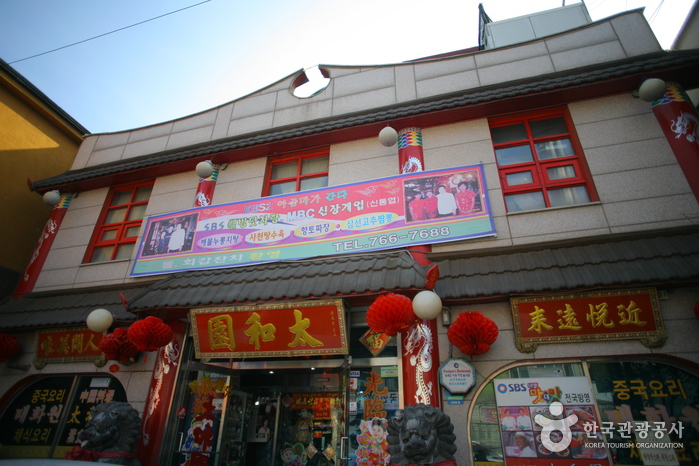
Yeongyeong Chinatown Main Branch
9
Yeongyeong Chinatown Main Branch -
 10
Taehwa Garden
10
Taehwa Garden
Events in This Area


Festivals in This Area

More Travel Guides in This Area
 Travel Guide
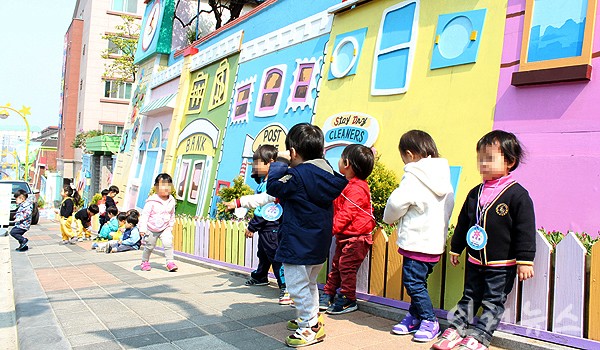
How to Walk Through Songwol-dong Fairy Tale Village’s Alleys and 11 Themed Routes
 Travel Guide
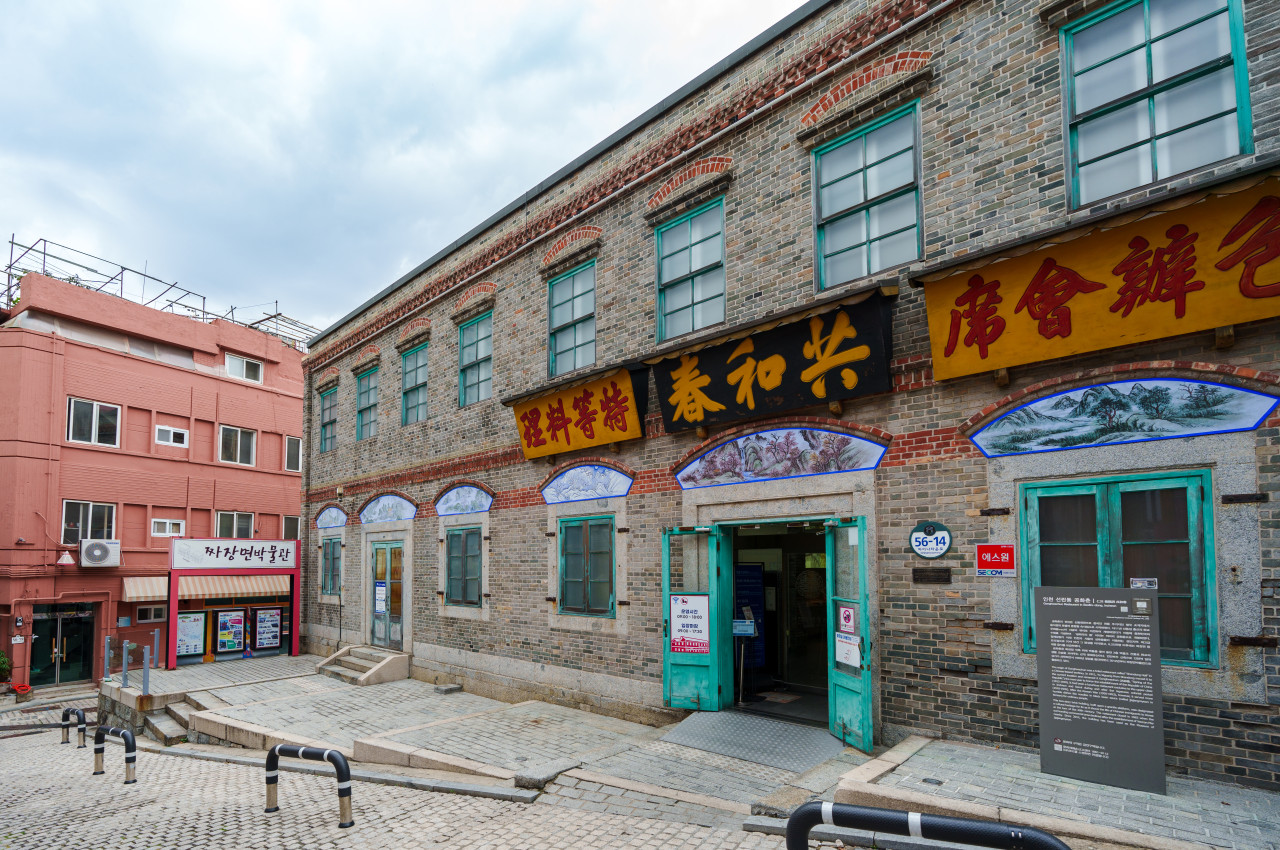
The Birth of Incheon Jajangmyeon and Six Exhibition Rooms at the Gonghwachun Building
 Travel Guide
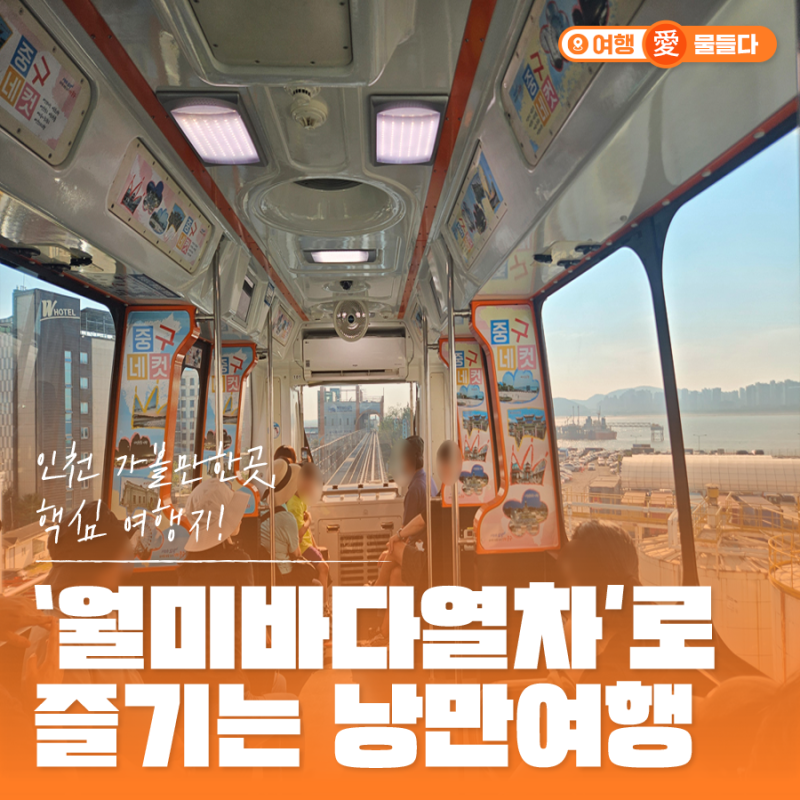
Wolmi Sea Train: 6.1 km Loop and Boarding Guide for Each of the 4 Stations
 Travel Guide
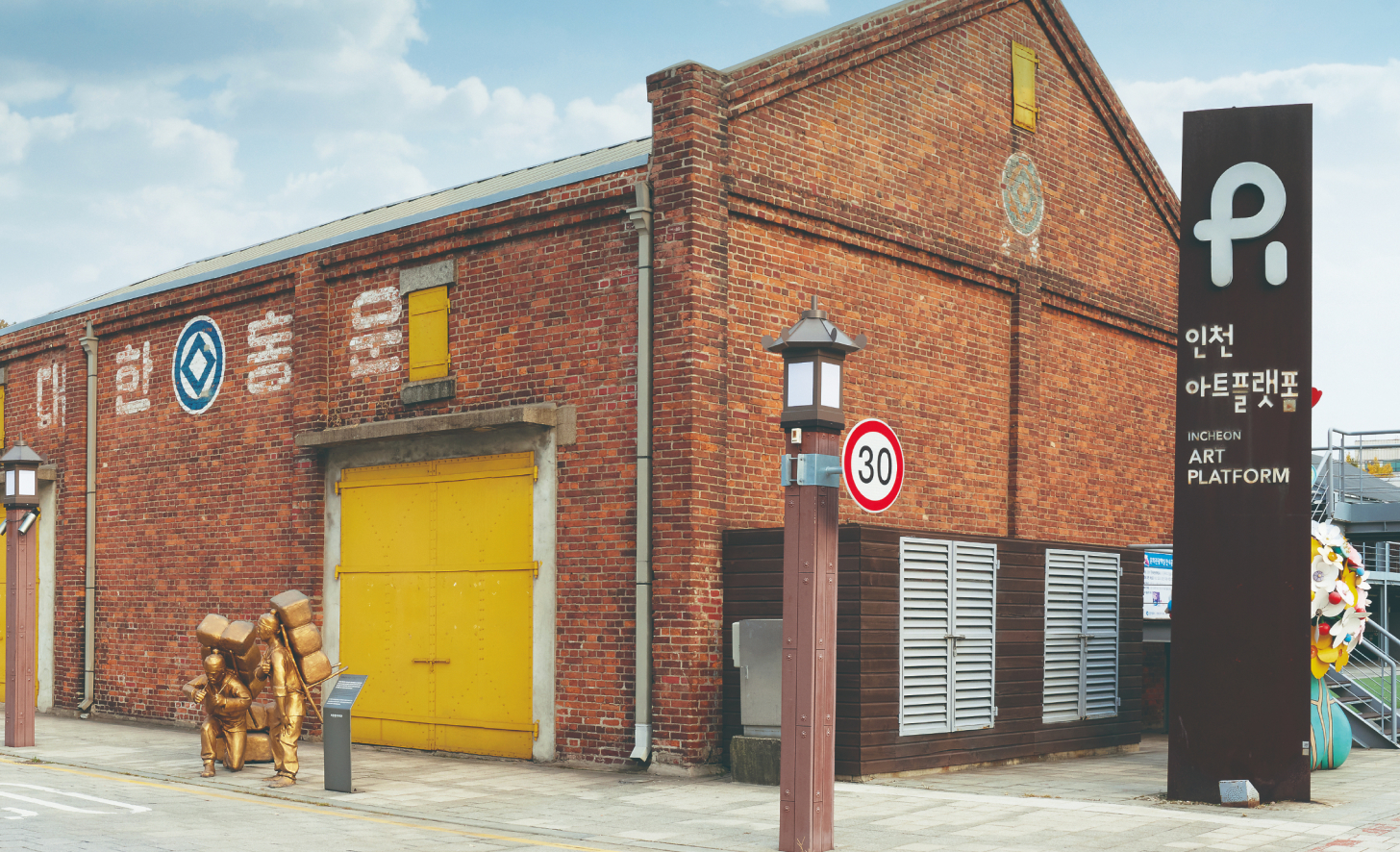
Walking Among the Red-Brick Warehouses of Incheon Art Platform
Korea News
![Did Jang Won-young ‘break up’? From the airport to social media, she was decked out in Brand D [MD Issue]](https://kotourlive-images.s3.ap-northeast-1.amazonaws.com/news/1790644492843_025fcab4_news_06d49363-285b-4cd5-93e3-ace2c4344710.jpg) News
News
Did Jang Won-young ‘break up’? From the airport to social media, she was decked out in Brand D [MD Issue]
 News
News
Oh, What a Surprise… BLACKPINK’s Rosé—Did She Get a Bob Cut?
![[On-Site Photos] “Equipped with a Third Eye”… RM’s Intense Eye Contact](https://kotourlive-images.s3.ap-northeast-1.amazonaws.com/news/1790644823332_c0c6ec29_news_001c0a59-4eb7-40e6-af6a-4f26183f5e8c.jpg) News
News
[On-Site Photos] “Equipped with a Third Eye”… RM’s Intense Eye Contact
 News
News