Gwangju Yangnim-dong, Where 1904 Missionary History Meets Alleyway Art
Yangnim-dong Historical and Cultural Village is a living site of Gwangju’s modern history, where schools, hospitals, and churches were established after American Presbyterian missionaries settled here in 1904. Starting at the Yangnim Village Story Center and connecting the missionaries’ residences, Owen Memorial Hall, Yi Jang-woo’s House, and Penguin Village makes for a smooth two- to three-hour walking route.

I’ve been here?
Your check-in helps the next traveler.
10 people viewed this week Be the first
One tap — no writing needed
Yangnim-dong Transformed After Eugene Bell and Owen Arrived in Gwangju in 1904
The present-day Yangnim-dong Historic and Cultural Village began when American Southern Presbyterian missionaries Eugene Bell (Korean name: Bae Yuji) and Clement Owen (Korean name: O Giwon) settled here on December 24, 1904. They worked not only in church ministry but also in medicine and education, and Yangnim-dong became a gateway through which Western-style modern culture entered Gwangju.
In 1905, the roots of Jejung Hospital (now Gwangju Christian Hospital) were established when medical treatment began at a missionary residence, and Sungil School and Supia Girls' School were founded in 1908. As a result, missionary residences, school buildings, cemeteries, and late Joseon-era hanok houses coexist within the same neighborhood, which also became known by the nicknames “Jerusalem of Gwangju” and “Western Village.”
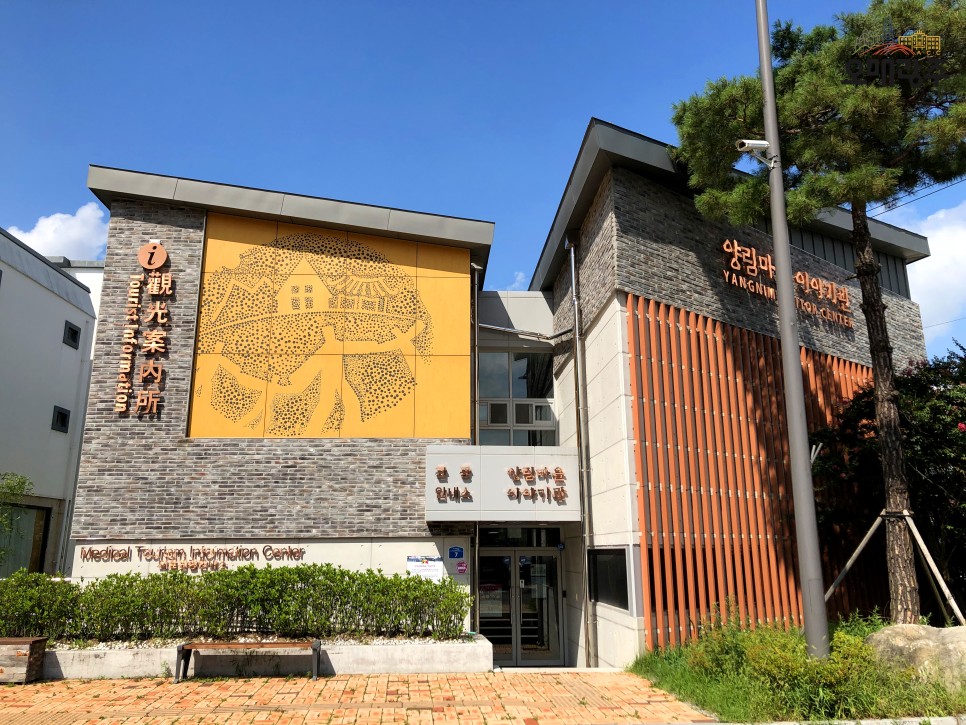
Why You Should Pick Up a Map First at the Yangnim Village Story Center, 7 Seoseopyeong-gil
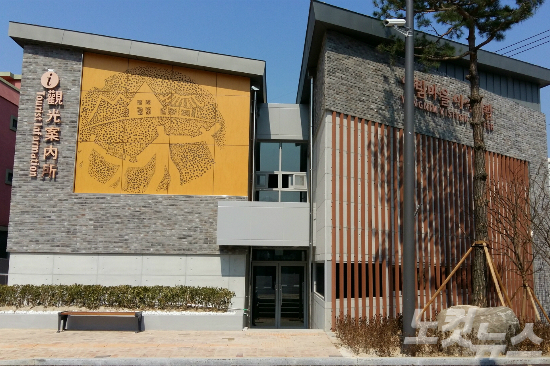
If this is your first visit, it is best to start at the Yangnim Village Story Center, home to the Yangnim-dong tourist information center (7 Seoseopyeong-gil, Nam-gu, Gwangju Metropolitan City). The information center is open from 10:00 to 17:00, while the village itself is open year-round and admission is free. However, since this is a residential neighborhood, visits are recommended from after sunrise until before sunset.
The Yangnim-dong Modern History and Culture Circular Trail is a 4.5-kilometer route connecting the Missionary Monument, Sajik Park walking trail, Missionary Cemetery, and other sites. Allow 1 to 1.5 hours for the highlights, or 2 to 3 hours if you also visit Penguin Village and the hanok and missionary heritage sites. The Nam-gu Office Culture and Tourism Division can be reached at 062-607-2331, while inquiries about the Modern History and Culture Exploration Program can be directed to the Education Support Division at 062-607-2432.
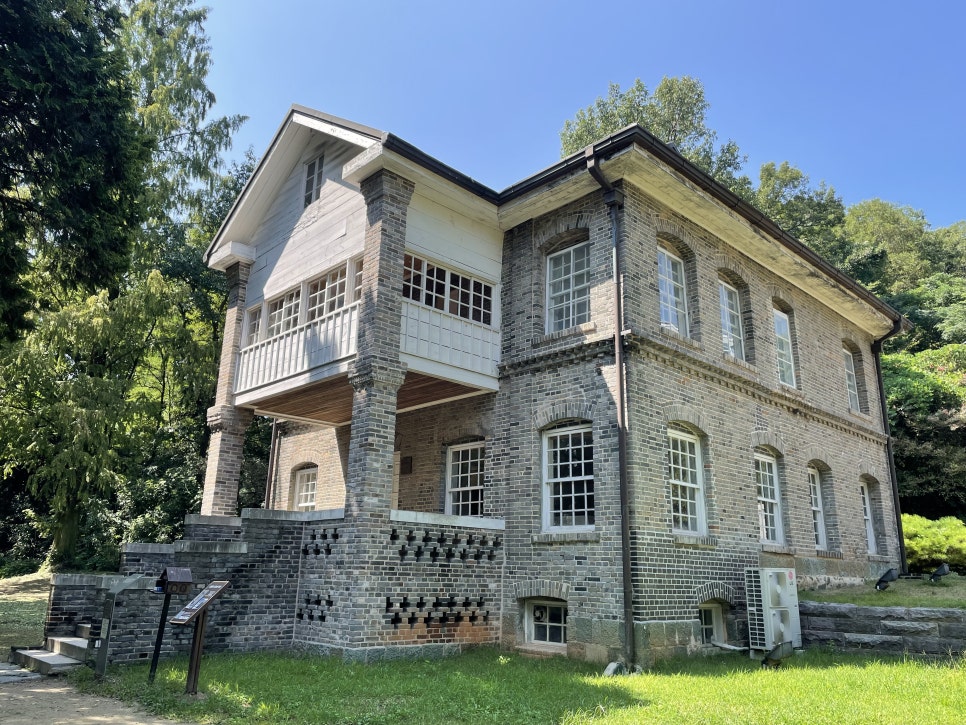
The Best Order for Viewing the Wilson Missionary Residence from Around 1910 and the Owen Memorial Hall from 1914
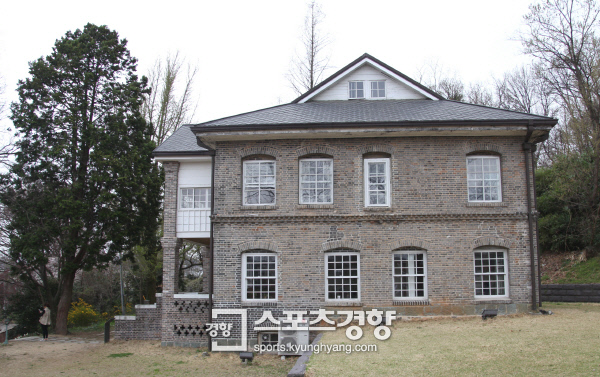
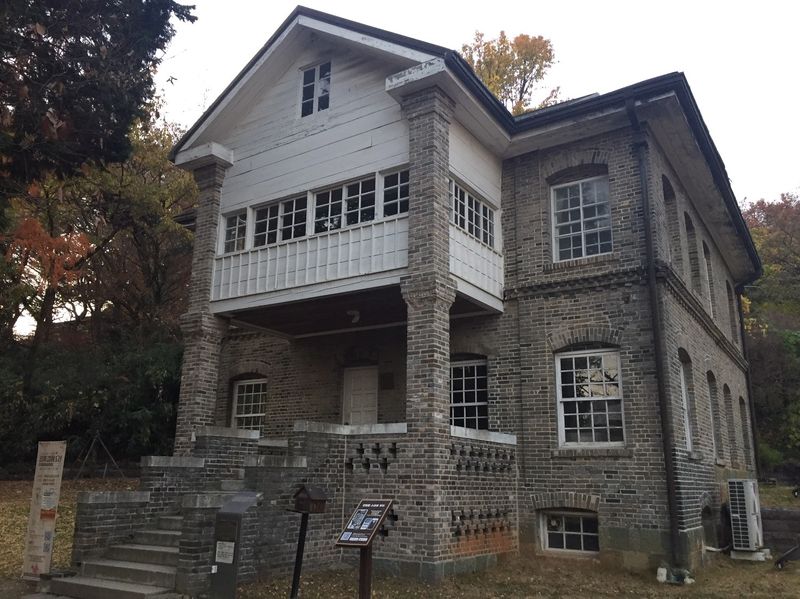
The Wilson Missionary Residence at 68 Yangnim-dong Seongyo-gil is estimated to have been built around 1910 and is described as the oldest Western-style house remaining in Gwangju. Designated Monument No. 15 by Gwangju Metropolitan City, the building is an important site that illustrates how Western-style residential architecture came to remain in the village.
The Owen Memorial Hall at 7 Yangnim-dong Seongyo-gil was built in 1914 and is Gwangju Metropolitan City Tangible Cultural Heritage No. 26. Built to commemorate Owen and his grandfather, it served not only as a place for religious gatherings but also as a venue for local cultural and artistic events. Including the residence and memorial hall along the same route allows visitors to follow how missionary work expanded into personal residence, medicine, education, and community activities.
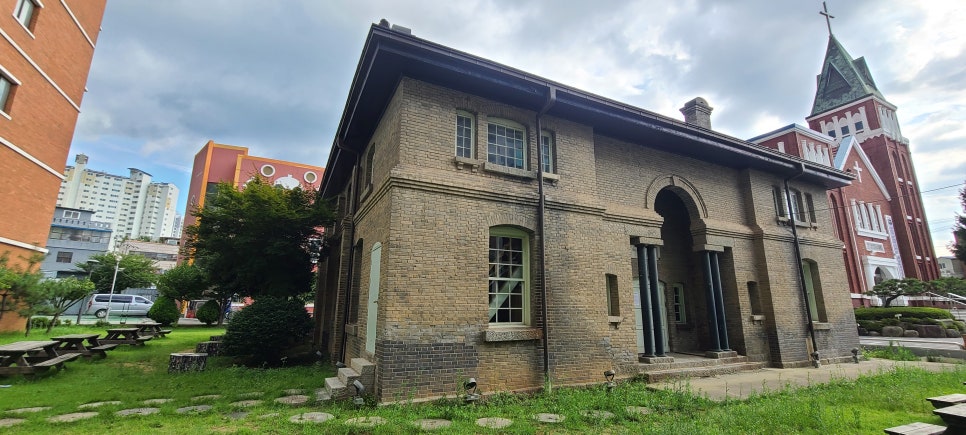
The Era of Women's Education Reflected in Supia Hall, Built in 1911, and Winsborough Hall, Built in 1927
Supia Hall, on the former site of Supia Girls' School, was built in 1911 and is Registered Cultural Heritage No. 158. As a base for Protestant missionary work in the Gwangju area and a cradle of women's education, it shows that Yangnim-dong's modern history is more than simply a record of religious architecture.
Winsborough Hall was built in 1927 and became Registered Cultural Heritage No. 370. The Baeyuji Memorial Chapel (Curtis Memorial Hall) is Registered Cultural Heritage No. 159 and commemorates Eugene Bell, who founded the former Supia Girls' School. Since the school grounds are educational facilities, visitors should follow the school's and facility's guidance regarding access and viewing areas on the day of their visit.
The Distinctive Character of the Lee Jang-woo House at 59 Minsok-gil and the Choi Seung-hyo House at 107 Minsok-gil
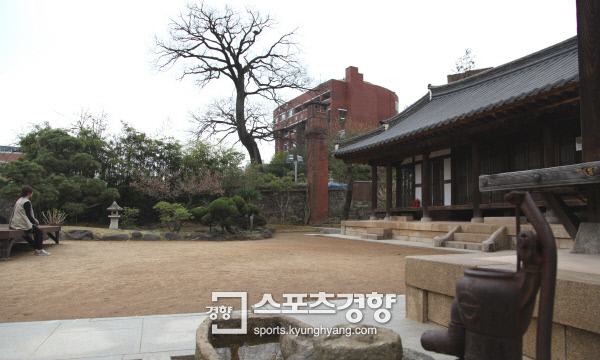
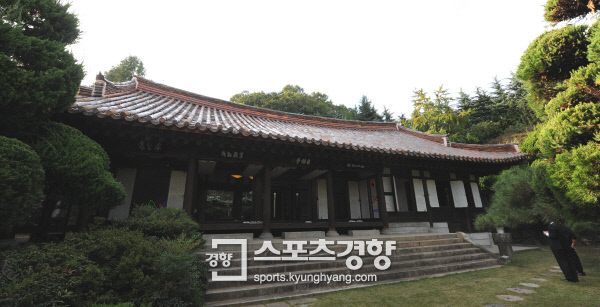
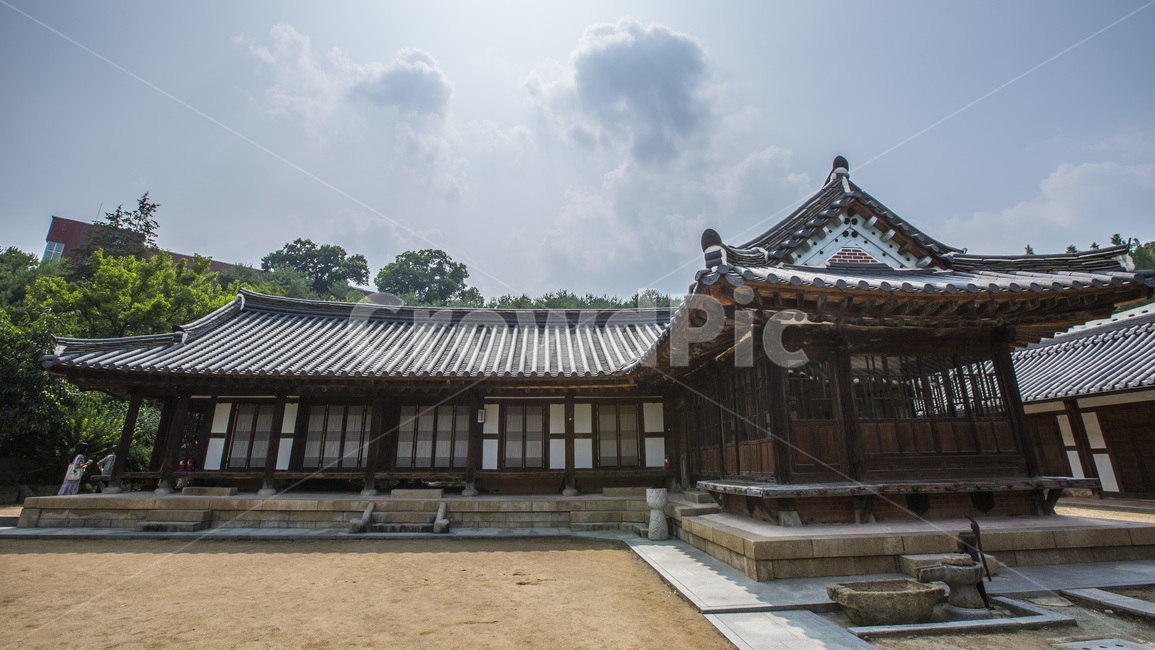
Yangnim-dong is not home only to missionary heritage sites. The Lee Jang-woo House at 59 Yangnim-dong Minsok-gil is Gwangju Metropolitan City Folk Cultural Material No. 1 and is introduced as a house first built by Jeong Byeong-ho in 1899. The main quarters of the hanok are protected as cultural heritage, and a hackberry tree more than 500 years old remains, allowing visitors to understand the lifestyle of an affluent neighborhood in the late Joseon period.
The Choi Seung-hyo House at 107 Minsok-gil is Gwangju Metropolitan City Folk Cultural Material No. 2. Known as the home of independence activist Choi Sang-hyeon, it provides a useful comparison for understanding Yangnim-dong's landscape, where Western-style modern architecture meets hanok houses. Since both houses may be privately owned or managed spaces, view them from outside the walls and avoid entering if signs restrict access.
One Minute from the Yangnimgyo Bus Stop on Route Geumnam 55, About 1 km from Namgwangju Station
By bus, take Route Geumnam 55 and get off at Yangnimgyo Bus Stop (3174 or 1145); the village area is about a one-minute walk away. If you use the subway, Yangnim Village Story Center is about 1 km from Exit 2 of Namgwangju Station on Gwangju Metro Line 1, so allow approximately 15 to 20 minutes depending on your walking speed.
By car, you can use the Yangnim-dong Administrative Welfare Center parking lot, the Yangnim-dong Tourist Information Center public parking lot, or the Yangnim-dong Visitor Rest Area parking lot; according to the information provided, parking is free. The tourist information center public parking lot is at 202-27 Yangnim-dong and has five accessible parking spaces. Since many sections of the alleys are narrow, it is safer to park in a public lot and walk rather than drive directly to your destination.
What to Prepare for the 200-Meter Penguin Village Alleys and Historic, Uneven Roads
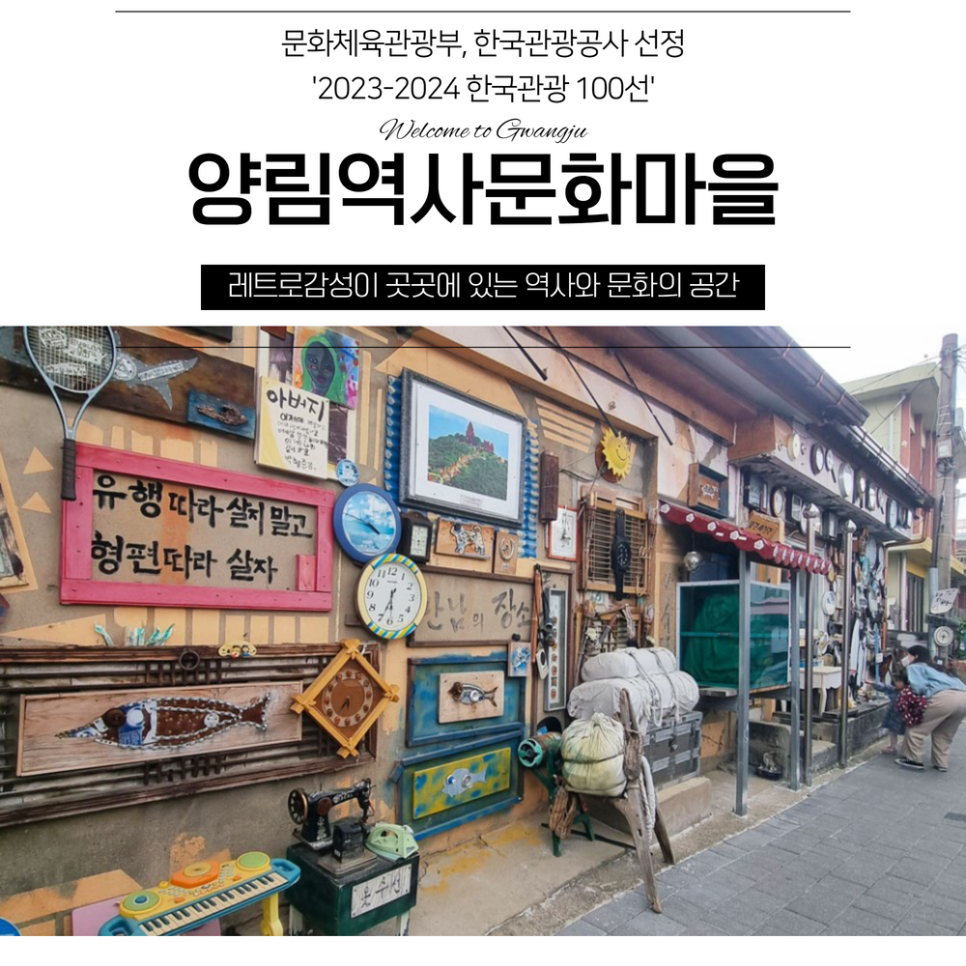
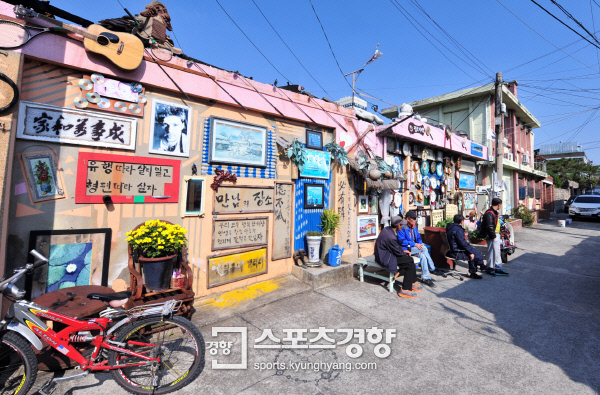
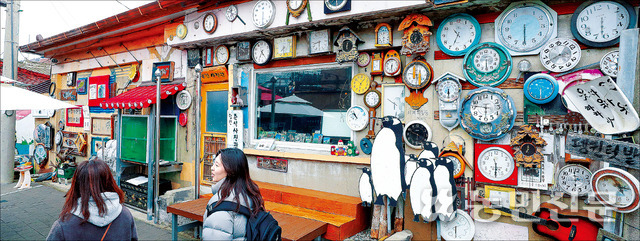
Penguin Village consists of a main viewing route about 200 meters long, from which several alleys branch out in a radial pattern, so visitors can explore without following a designated one-way route. Accessible restrooms are available at the Yangnim Village Story Center and Visitor Rest Area, and accessible restrooms at the Yangnim-dong Administrative Welfare Center and Bitgoeul Craft Village are also listed as available.
However, the entire village is not a flat, barrier-free area. Because sloping and uneven alleys are mixed with old walkways, wheelchair and stroller users should start at the tourist information center public parking lot and first check the gentler sections. Gwangju Tourism's “Gwangju Yangnim-dong Smart Tour” provides audio guidance and arrival alerts, which can be helpful for travelers unfamiliar with Korean place names.
A Half-Day Route from Just After the Information Center Opens at 10:00 in the Morning to Sajik Park
If you arrive around 10:00, when the Yangnim Village Story Center opens, use the map and restroom first, then continue through the southern alleys in this order: Missionary Monument, Owen Memorial Hall, missionary residences, the area around Supia Girls' School, the Lee Jang-woo and Choi Seung-hyo houses, and Penguin Village. After the information center closes at 17:00, you may still pass through the village's outdoor alleys, but the availability of information services and restrooms may differ.
If you want to extend the route, connect it to the Sajik Park walking trail. If you plan to walk the entire 4.5-kilometer Yangnim-dong circular trail, shoes with good slip resistance are preferable to ordinary flat walking shoes, and in summer it is wise to bring water and protection from the sun. Since the village includes religious facilities, schools, and residences, move quietly so as not to disturb worship, classes, or residents' daily lives.
Before You Go
- Address
- Yangnim-dong area, Nam-gu, Gwangju Metropolitan City / Yangnim Village Story Center: 7 Seoseopyeong-gil, Nam-gu, Gwangju Metropolitan City
- Hours
- Village open year-round (as a residential area, use from after sunrise until before sunset is recommended), Yangnim Village Story Center 10:00–17:00
- Admission
- Free
- Phone
- Gwangju Nam-gu Office Culture and Tourism Division 062-607-2331 / Yangnim-dong Modern History and Culture Exploration Program 062-607-2432
- Official site
- https://tour.gwangju.go.kr/home/board/B0048.cs?act=read&articleId=6990&data01=&m=343&pageIndex=1&searchCondition=&searchKeyword=
- Transport
- Get off at Yangnimgyo Bus Stop (3174 or 1145) on Route Geumnam 55, then walk about 1 minute. From Exit 2 of Namgwangju Station on Gwangju Metro Line 1, Yangnim Village Story Center is about 1 km away, or approximately 15 to 20 minutes on foot.
- Parking
- The Yangnim-dong Administrative Welfare Center, Yangnim-dong Tourist Information Center public parking lot, and Yangnim-dong Visitor Rest Area parking lot are available; free according to the information provided. The tourist information center public parking lot at 202-27 Yangnim-dong has five accessible parking spaces.
- Time needed
- Highlights: 1 to 1.5 hours; including Penguin Village, hanok houses, and missionary heritage sites: 2 to 3 hours; entire circular trail: approximately 4.5 km.
- Accessibility
- Accessible restrooms are listed at the Yangnim Village Story Center, Yangnim-dong Visitor Rest Area, Yangnim-dong Administrative Welfare Center, and Bitgoeul Craft Village. The tourist information center public parking lot has five accessible parking spaces. Since the alleys include slopes and uneven surfaces, wheelchair and stroller users need to select suitable sections.
This information is accurate as of the time of writing. Check the official guidance again before visiting.

Places
Nearby Attractions 5
-
 1
1
-
 2
2
-
 3
3
-
 4
4
-
 5
5
Food & Dining 5
-
 6
Hanok Restaurant
6
Hanok Restaurant -
 7
7
-
 8
8
-
 9
9
-
 10
10
Events in This Area


Festivals in This Area


More Travel Guides in This Area
 Travel Guide
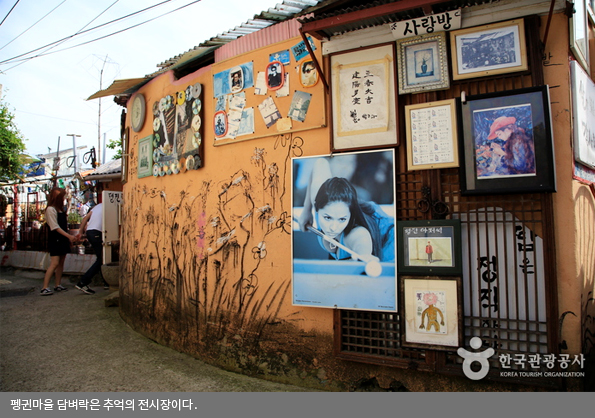
Discarded Objects Become the Language of a 200-Meter Alley in Yangnim-dong Penguin Village
 Travel Guide
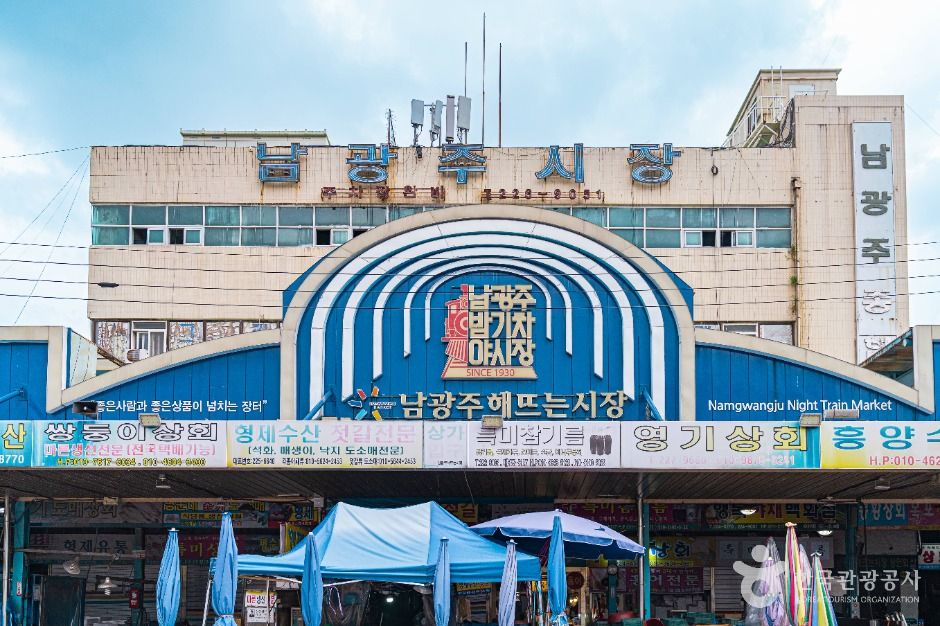
Namgwangju Market, Where Dawn Seafood and the Traces of Old Namgwangju Station Meet
 Travel Guide
Two Routes Up Gwangju’s Mudeungsan Mountain, Whose Stone Pillars Were Left by a Volcano 87 Million Years Ago
 Travel Guide
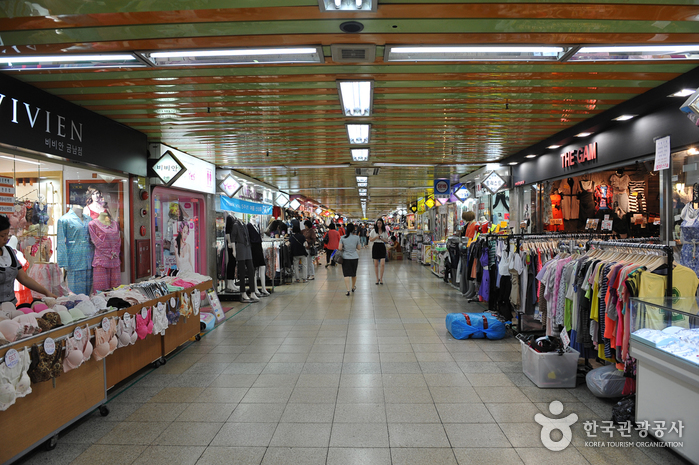
Reading the 360-Meter Underground Shopping Route at Gwangju Geumnam Underground Shopping Center
Korea News
 News
News
TWS heightens comeback excitement with kitschy charm… Anticipation for “plot twist” rises
 News
News
BTS, Six Months After Its Release… ‘Arirang’ Climbs the U.S. Billboard 200
 News
News
'The Nation's Girl Group' RESCENE, Five Girls Transformed into Guardians… Additional Concept Photos for Their 4th Mini Album Revealed
 News
News