Discarded Objects Become the Language of a 200-Meter Alley in Yangnim-dong Penguin Village
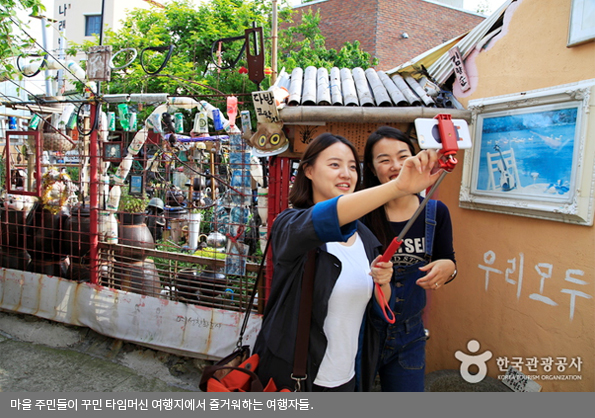
Penguin Village in Yangnim-dong, Nam-gu, Gwangju, is an urban regeneration space where residents have decorated the alleys with discarded items and everyday tools they collected. Centered on the approximately 200-meter main visitor route behind the Yangnim-dong Administrative Welfare Center, it is easy to connect with modern cultural heritage sites, the Craft Village, and Sajik Park.

I’ve been here?
Your check-in helps the next traveler.
No one has checked in yet Be the first
One tap — no writing needed
The Nickname “Penguin” That Began at 7 Cheonbyeonjwa-ro 446beon-gil
Penguin Village is located at 7 Cheonbyeonjwa-ro 446beon-gil, Nam-gu, Gwangju Metropolitan City. It is a residential neighborhood formed in the alleys behind the Yangnim-dong Administrative Welfare Center, and visitors explore it by walking among residents’ homes rather than entering a separate attraction facility. The name comes from the resemblance between the waddling walk of elderly people with mobility difficulties and that of penguins.
This nickname was not created solely as a tourism label. Yonhap News materials record that the name “Penguin Village” originated from resident Lee Chun-geun’s gait, after which village chief Kim Dong-gyun decorated the alleys with discarded items and antiques. The essence of this place therefore lies not in viewing murals alone, but in seeing how traces of residents’ daily lives were transformed into upcycled installations.
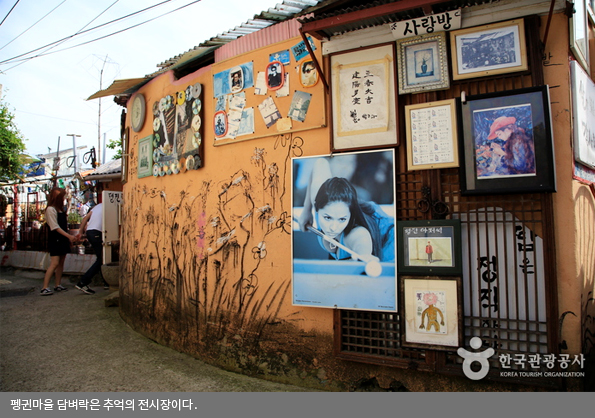
From Kim Dong-gyun’s Discarded-Item Decorations in 2013 to Alley Revitalization
According to reports, around 2013 village chief Kim Dong-gyun began collecting and arranging discarded objects to change the bleak atmosphere around vacant houses and alleys. As pots, frying pans, worn household goods, and antiques accumulated along fences and walls, the alleys took on the character of an outdoor exhibition recalling everyday life in the 1970s and 1980s.
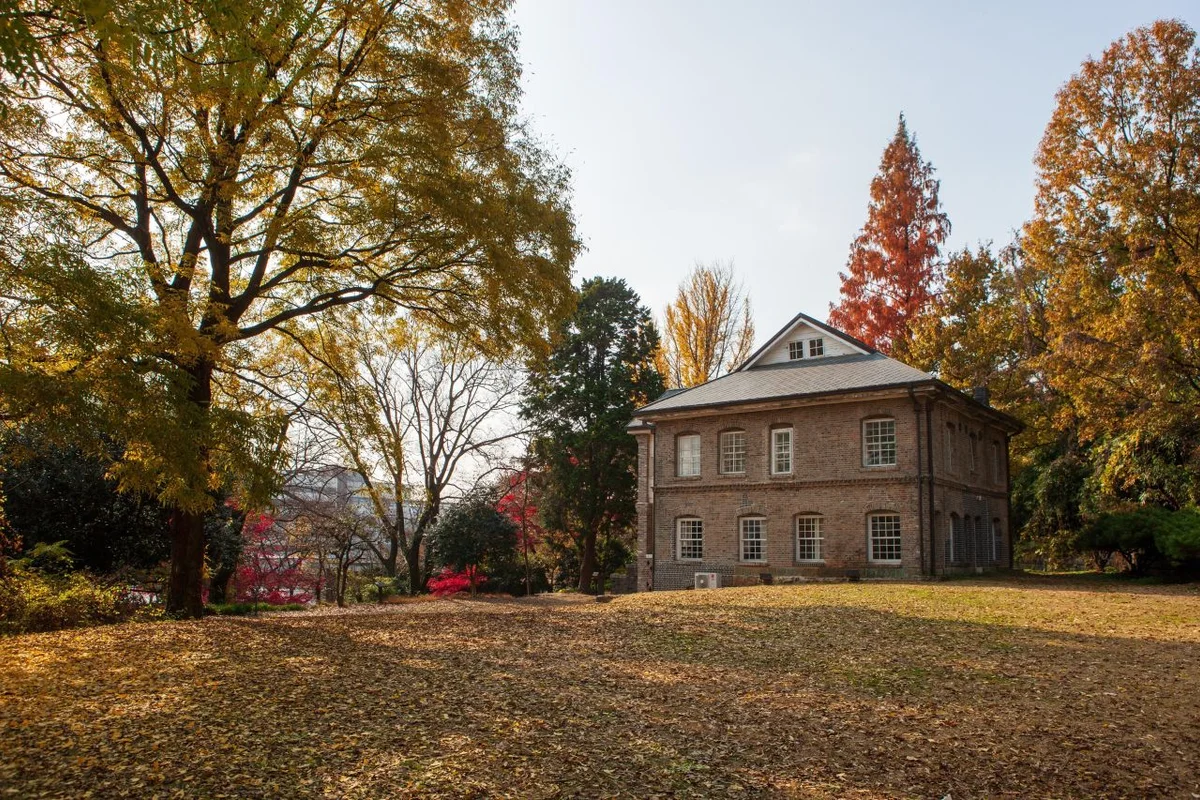
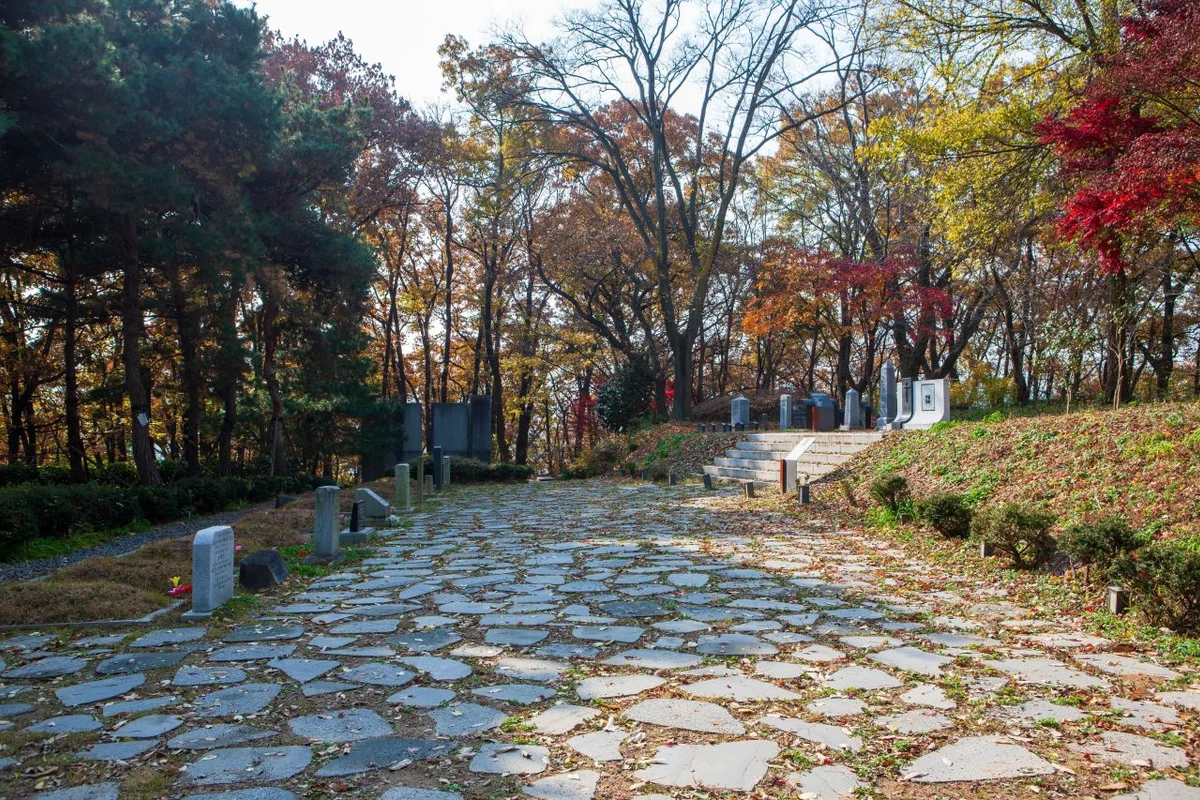
Penguin Village grew alongside Yangnim-dong’s modern cultural resources. Missionary residences, the Yi Jang-woo House, the Choe Seung-hyo House, and the Yangnim-dong Missionary Cemetery are clustered nearby, and the Gwangju Tourism Organization has operated Yangnim-dong as a tourism hub combining modern history, the origins of Penguin Village, and missionary sites.
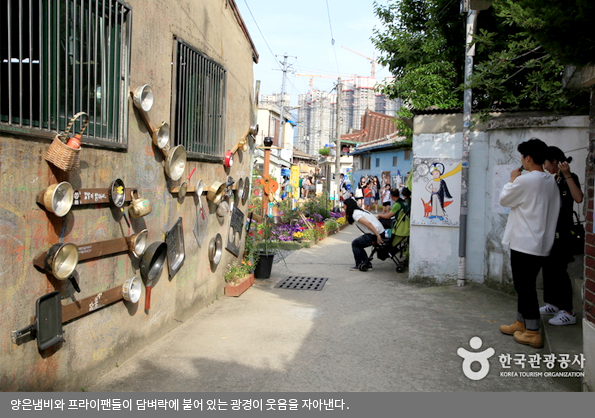
What Is Easy to Miss Underfoot Along the 200 m Main Route and Radial Alleys
The Korea Tourism Organization’s accessible tourism guide describes Penguin Village’s main sightseeing route as approximately 200 m long. Several alleys extend radially from this route, so there is no one-way flow or fixed viewing order. If you only take photos quickly, allow 30–40 minutes; if you also visit the craft village and nearby Yangnim-dong cultural heritage, 1.5–2 hours is more appropriate.
The pavement is generally in good condition, but roughly 10 m of the section with the BTS J-Hope mural is paved with flagstones, and trenches appear in places. Some sidewalks at the village entrance have uneven heights on the left and right, so visitors using strollers or wheelchairs with small wheels will be safer with assistance from a companion. At night, remember that these are residential alleys and avoid loud noises or extended photography sessions.
Why Workshop Experiences Require Separate Confirmation Even Though the Alleys Are Free and Open 24 Hours
The alleys of Penguin Village are open 24 hours, and admission is listed as free. There is no separate ticket booth or facility with regular closing days, so reservations are unnecessary if you only plan to walk through the alleys. However, this information applies to outdoor alley sightseeing; business hours and experience fees for indoor workshops, cafés, and experience centers vary.
In and around the village is Penguin Village Craft Street, where workshops for leather, textiles, woodworking, and other crafts operate. Some workshops offer upcycling experiences or one-day classes, but participant limits, costs, and closing days are not uniform. If you are visiting for a particular experience, contact the workshop individually before setting out; treating the alleys as a permanent experience center could disrupt your itinerary.
Use the Yangnim-dong Administrative Welfare Center and 7 Seoseopyeong-gil Parking Lot as Reference Points
Rather than driving into the alleys, it is more practical to approach by using the Yangnim-dong Administrative Welfare Center and the Yangnim-dong Historic and Cultural Village parking lot as reference points. Gwangju Nam-gu public parking information lists the address of the Yangnim-dong Historic and Cultural Village parking lot as 7 Seoseopyeong-gil. The number of available spaces, fees, and whether it is open on a given day may change, so follow on-site signs and management instructions first.
In terms of accessibility, the Yangnim-dong Administrative Welfare Center at the village entrance has one accessible parking space and an elevator. The Yangnim-dong Tourist Information Center parking lot, approximately 400 m away, has five accessible parking spaces, and the visitor rest area has one. Accessible toilets are available at the craft village behind the Statue of a Girl of Peace, on the basement first and second floors of the Administrative Welfare Center, at the Yangnim Village Story Center, and at the visitor rest area.
Modern Heritage of Yangnim-dong Extending 0.2–0.5 km from Penguin Village
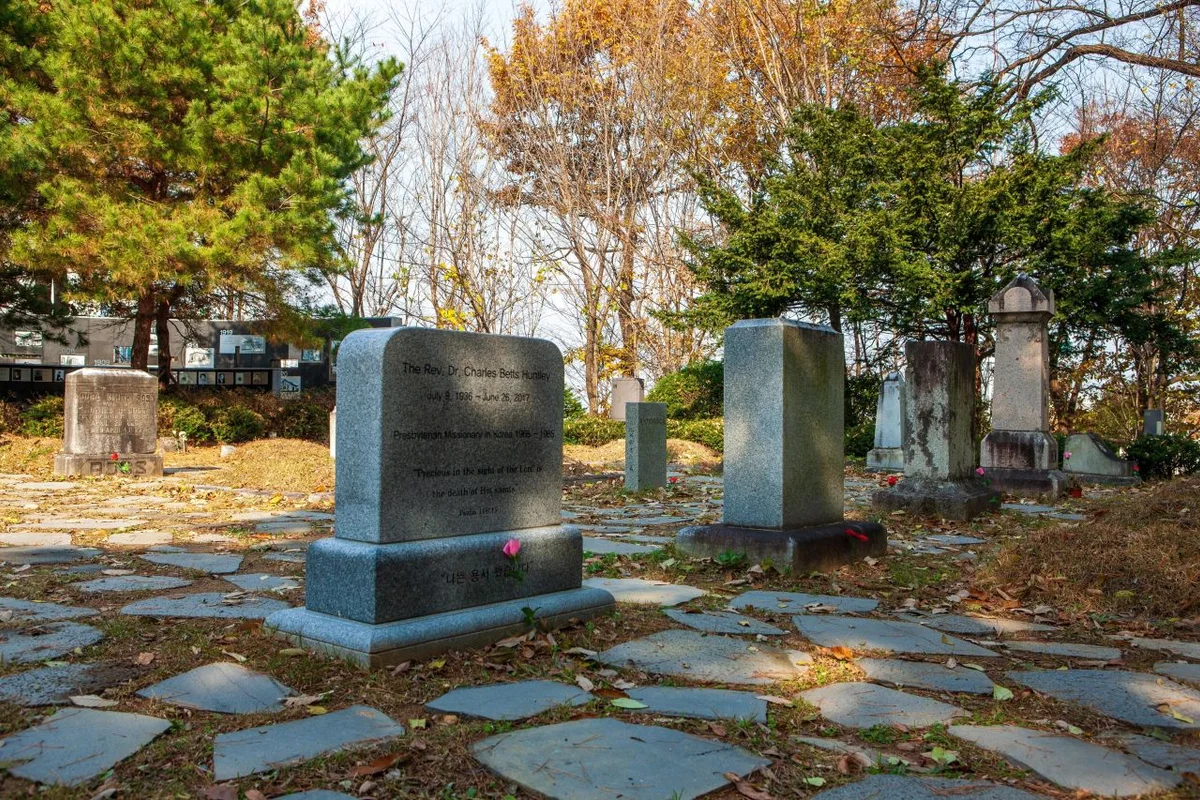
Rather than leaving after seeing only Penguin Village, connecting it with nearby modern heritage on foot makes it easier to understand why Yangnim-dong is considered a cultural tourism destination. Jeong Eom Jeongnyeobi, the Owen Memorial Hall, and the Yi Jang-woo House are listed as approximately 0.2 km away; the Choe Seung-hyo House is about 0.3 km away; Sajik Park and Sajikdan are about 0.4 km away; and the Yangnim-dong Missionary Cemetery is about 0.5 km away.
For a walking route, start around the Yangnim-dong Administrative Welfare Center from Penguin Village, then pass the Yi Jang-woo House and Choe Seung-hyo House before heading toward Sajik Park to see both the alleys and modern architecture. If combining the visit with the National Asian Culture Center, accessible tourism route information lists the distance from Penguin Village as approximately 1.4 km, or about five minutes by car. If you wish to avoid stairs and uphill sections, focusing on the village’s flatter areas is more suitable than visiting the Sajik Park observatory.
Morning or Sunset Photography and Etiquette in Residential Alleys
The Korea Tourism Organization’s pet-friendly travel guide recommends visiting in the early morning or around sunset if photography is your main purpose. At midday, strong shadows can fall across the alley walls and installations, while weekends and holidays may bring waits for photography in narrow sections. Even though the area is open 24 hours, move quietly at night out of consideration for residents’ living space.
This place may not suit travelers seeking a large museum-like setting with organized artwork titles and viewing routes. On the other hand, it is ideal for those who want to explore the reuse of everyday objects, the texture of old alleys, and Yangnim-dong’s modern heritage along one route. For official tourism inquiries, contact the Bitgoeul Call Center at 062-120. No separate official website or main telephone number for Penguin Village itself could be confirmed.
A First Look in Photos at Penguin Village’s Alley of Everyday Objects
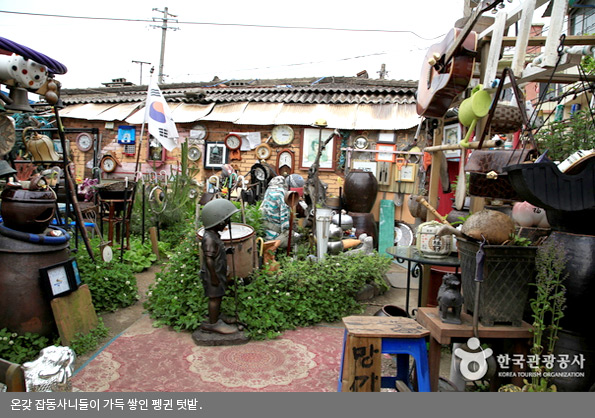
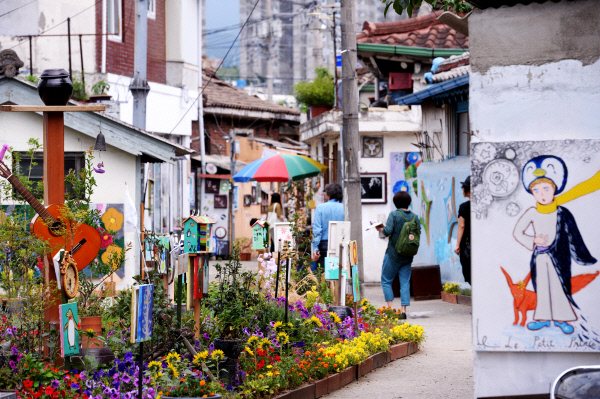
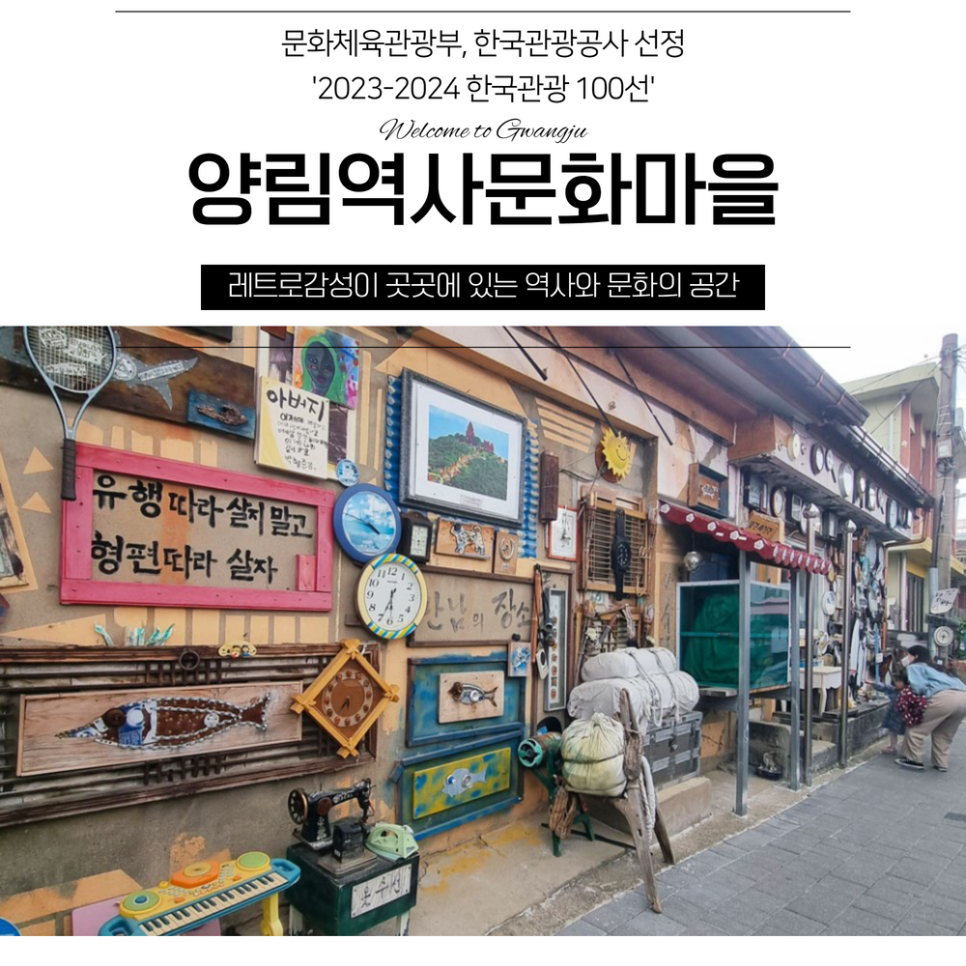
Penguin Village’s visual character comes from arranging discarded objects by type along walls, fences, and flower beds. Brass kitchenware, old toys, signs, and household tools form different sections, so even when retracing the same route, it is easy to discover installations you did not notice at first.
The photos below are images whose site context was confirmed through Policy Briefing and travel articles. Photos centered on people’s faces or with unclear connections to the location were excluded; only images showing the alley decorations and nearby Yangnim-dong resources were selected.
Before You Go
- Address
- 7 Cheonbyeonjwa-ro 446beon-gil, Nam-gu, Gwangju Metropolitan City
- Hours
- Open 24 hours (outdoor alleys)
- Closed
- None (outdoor alleys)
- Admission
- Free
- Phone
- 062-120 (Gwangju tourism inquiries and Bitgoeul Call Center)
- Transport
- Alleys behind the Yangnim-dong Administrative Welfare Center. The village is formed within a 500 m radius of the center.
- Parking
- Check on-site whether nearby parking lots, including the Yangnim-dong Administrative Welfare Center and Yangnim-dong Historic and Cultural Village parking lot (7 Seoseopyeong-gil), are available.
- Time needed
- 30–40 minutes for the alleys only; 1.5–2 hours when combined with Yangnim-dong modern cultural heritage and Craft Street
- Accessibility
- Main route approximately 200 m; pavement generally good, but take care on the approximately 10 m flagstone section, trenches, and uneven sidewalks. One accessible parking space at the Administrative Welfare Center, five at the Tourist Information Center parking lot, and accessible toilets available.
The information above is current as of the time of writing. Check official guidance again before visiting.

Places
Nearby Attractions 3
-
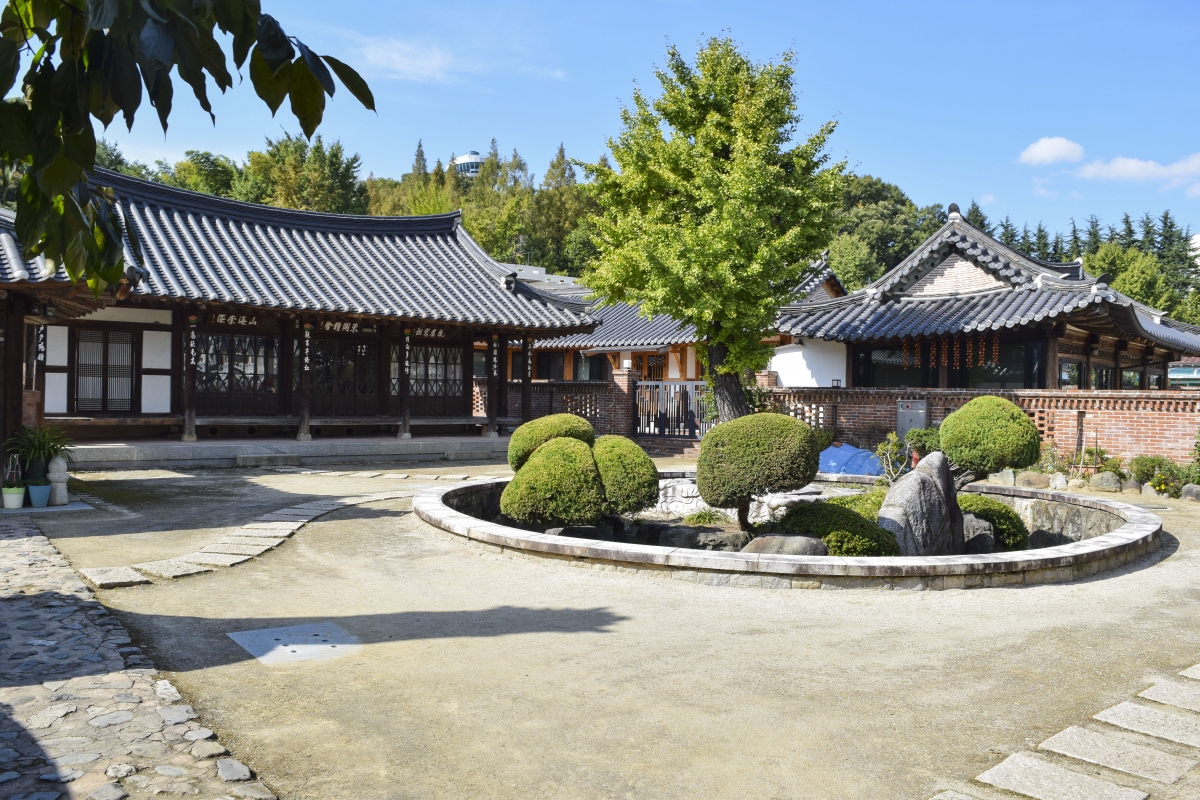 1
Lee Jang-woo HouseA place to explore the structure of a traditional hanok and the modern residential culture of Yangnim-dong.
1
Lee Jang-woo HouseA place to explore the structure of a traditional hanok and the modern residential culture of Yangnim-dong. -
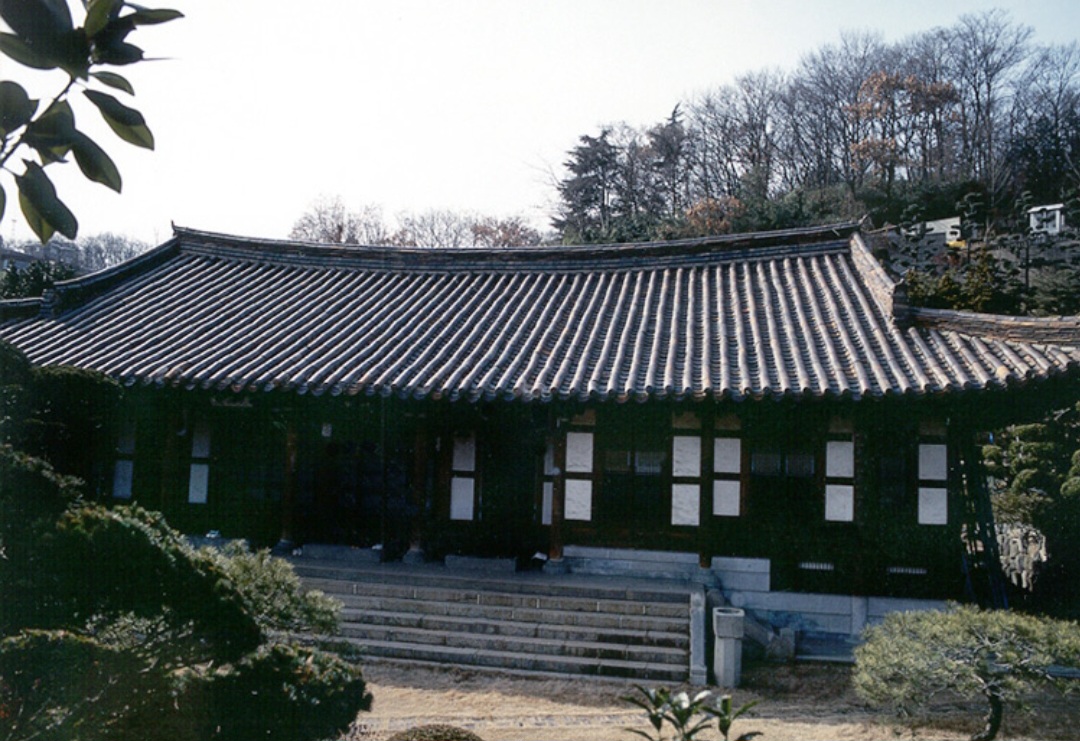 2
Choi Seung-hyo HouseA place to explore a traditional house from the 1920s and the home of an independence activist.
2
Choi Seung-hyo HouseA place to explore a traditional house from the 1920s and the home of an independence activist. -
 3
Sajik ParkAn urban park where you can enjoy city views from walking trails and an observation deck.
3
Sajik ParkAn urban park where you can enjoy city views from walking trails and an observation deck.
Food & Dining 2
-
 4
4
-
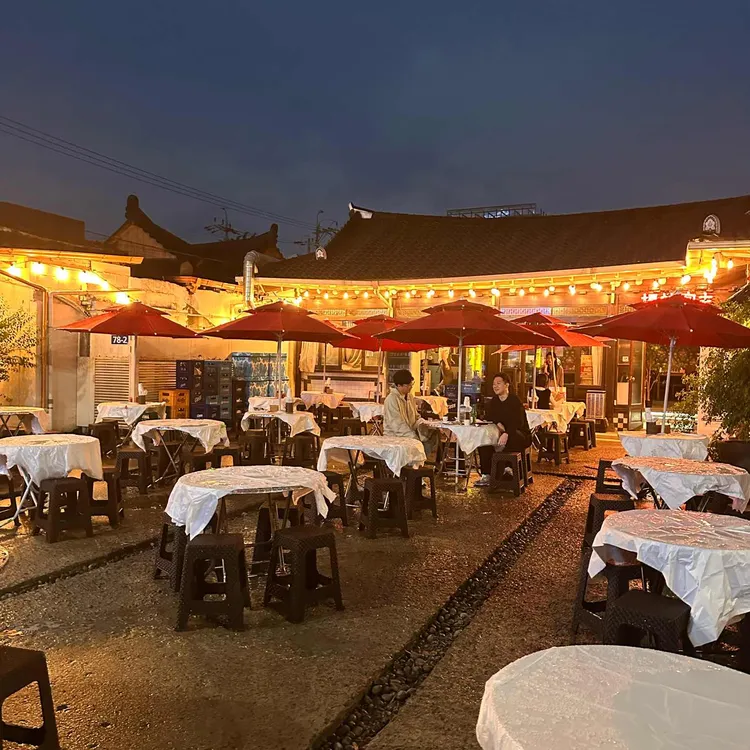 5
Yangnim GaekjuA Korean gastropub in a renovated hanok, serving Korean dishes meant to accompany drinks.
5
Yangnim GaekjuA Korean gastropub in a renovated hanok, serving Korean dishes meant to accompany drinks.
Events in This Area


Festivals in This Area


More Travel Guides in This Area
 Travel Guide
Gwangju Yangnim-dong, Where 1904 Missionary History Meets Alleyway Art
 Travel Guide
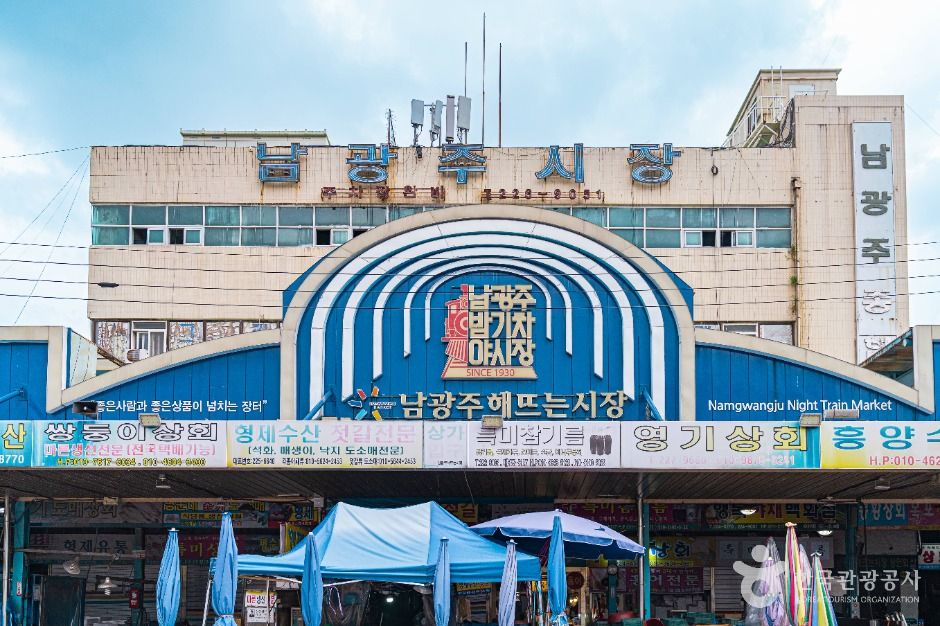
Namgwangju Market, Where Dawn Seafood and the Traces of Old Namgwangju Station Meet
 Travel Guide
Two Routes Up Gwangju’s Mudeungsan Mountain, Whose Stone Pillars Were Left by a Volcano 87 Million Years Ago
 Travel Guide
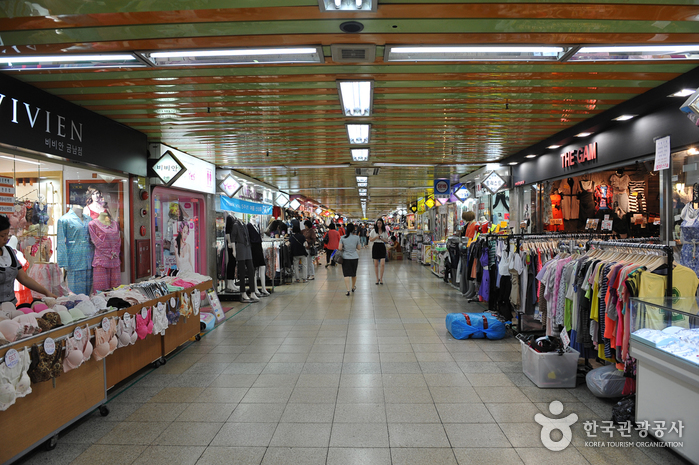
Reading the 360-Meter Underground Shopping Route at Gwangju Geumnam Underground Shopping Center
Korea News
![BLACKPINK’s Lisa Dominates the VMA Red Carpet in a Sheer Corset Dress and Red Fur [Star Issue]](https://kotourlive-images.s3.ap-northeast-1.amazonaws.com/news/1790557894714_010e956a_news_94409db1-fab6-40bf-bc7b-4b985b1fbac7.jpg) News
News
BLACKPINK’s Lisa Dominates the VMA Red Carpet in a Sheer Corset Dress and Red Fur [Star Issue]
![BLACKPINK’s Jisoo Spotted by Surprise with BIGBANG in London… Their Special Loyalty as Labelmates [IS High Cut]](https://kotourlive-images.s3.ap-northeast-1.amazonaws.com/news/1790557854683_6ea979f5_news_caab62e5-8462-43c8-8622-da794f3df9de.png) News
News
BLACKPINK’s Jisoo Spotted by Surprise with BIGBANG in London… Their Special Loyalty as Labelmates [IS High Cut]
 News
News
Tattoos All Over Her Body… AOA’s Jimin Draws Shocked Attention After Kwon Mina’s ‘Bullying’ Allegations
![You’ll Have to Look Twice… Choi Min-a-soo Perfectly Pulls Off Everything from a Daring Illusion Dress at the Awards Ceremony to Long Braided Hair [RE:STAR]](https://kotourlive-images.s3.ap-northeast-1.amazonaws.com/news/1790492384850_1f293dad_news_d834c50e-0685-43ef-9aa5-6995cd6d8848.jpg) News
News