Reading May 10, 1980 at the Former Gwangju Catholic Center
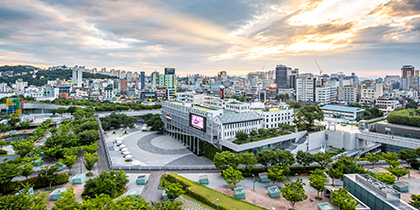
The 5.18 Archives is a specialized institution for preserving records, housed in the former Gwangju Catholic Center on Geumnam-ro, a central site during the May 1980 uprising. Following the records inscribed on UNESCO’s Memory of the World Register, visitors can easily connect Geumnam-ro, the former South Jeolla Provincial Government Building, and the National Asian Culture Center along a single route.

I’ve been here?
Your check-in helps the next traveler.
11 people viewed this week Be the first
One tap — no writing needed
Why the Catholic Center of May 1980 Became an Archive
The May 18 Democratic Movement Archives was established at 221 Geumnam-ro, Dong-gu, Gwangju Metropolitan City, in the building that was the Gwangju Catholic Center in May 1980. Geumnam-ro was a street where protests and citizen gatherings continued, and in front of the archives stands a May 18 historic-site monument describing the area as the “Street of the Uprising.”
Opened in 2015, the site collects, preserves, and exhibits records related to May 18. The former Jeonnam Provincial Office and the National Asian Culture Center are close to Geumnam-ro 4-ga, where the archives are located, so reading the records indoors first and then visiting the actual historic sites is a good way to understand the historical context.
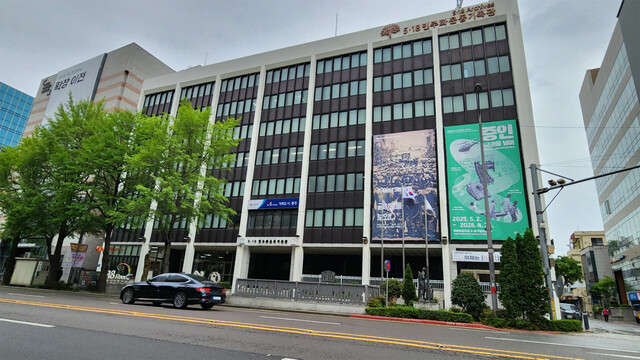
860,000 Pages of Evidence Inscribed on the UNESCO Memory of the World Register in 2011
Records of the May 18 Democratic Movement were inscribed on the UNESCO Memory of the World Register in 2011. The key point is that materials documenting the event from different perspectives—including citizens’ statements, diaries, and photographs; military and government records; court records; and press reports—were preserved together.
Publicly available information refers to approximately 4,200 volumes, 860,000 pages, and around 3,700 photographic film frames. When viewing the exhibition, it is more in keeping with the nature of the archives to compare the authors, dates, and differences among citizen, media, and government records covering the same events rather than focusing only on the image of a particular scene.
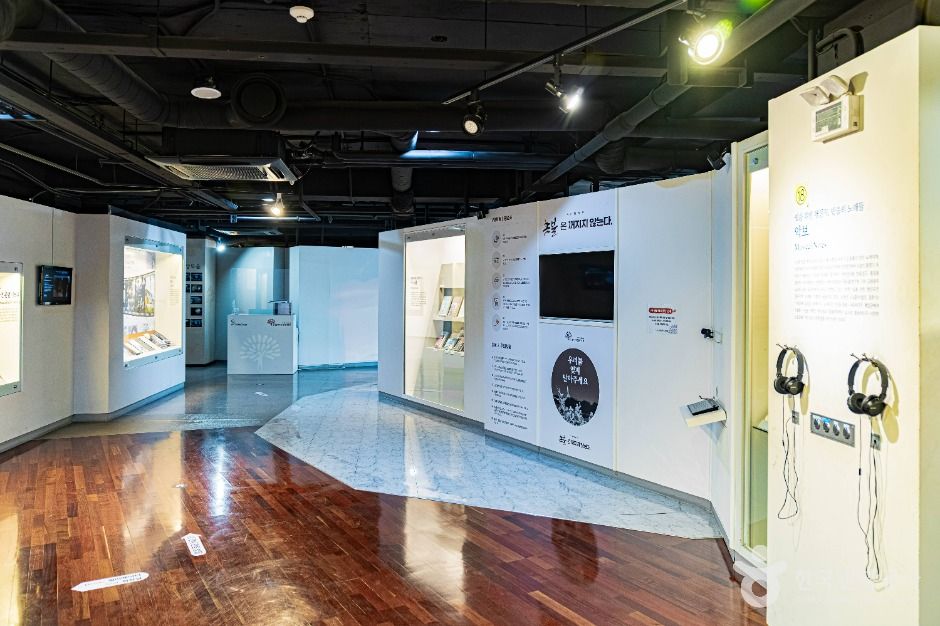
Open 09:00–18:00; Avoid Mondays, Lunar New Year, and Chuseok
The archives is open from 09:00 to 18:00 on weekdays and also operates on weekends and public holidays. Admission is free, the main telephone number is 062-613-8204, and the official website is https://www.518archives.go.kr/. It is closed every Monday, January 1, Lunar New Year, and Chuseok.
Allowing about 40–50 minutes is enough to look through the basic exhibition. However, more than an hour is preferable if you want to take in the context of the materials and include the video and VR experiences. If you arrive late in the afternoon, note that foreign-language audio guide rentals end at 17:00.
- Address: 221 Geumnam-ro, Dong-gu, Gwangju Metropolitan City
- Admission: Free
- Main telephone: 062-613-8204
- Closed: Every Monday, January 1, Lunar New Year, and Chuseok
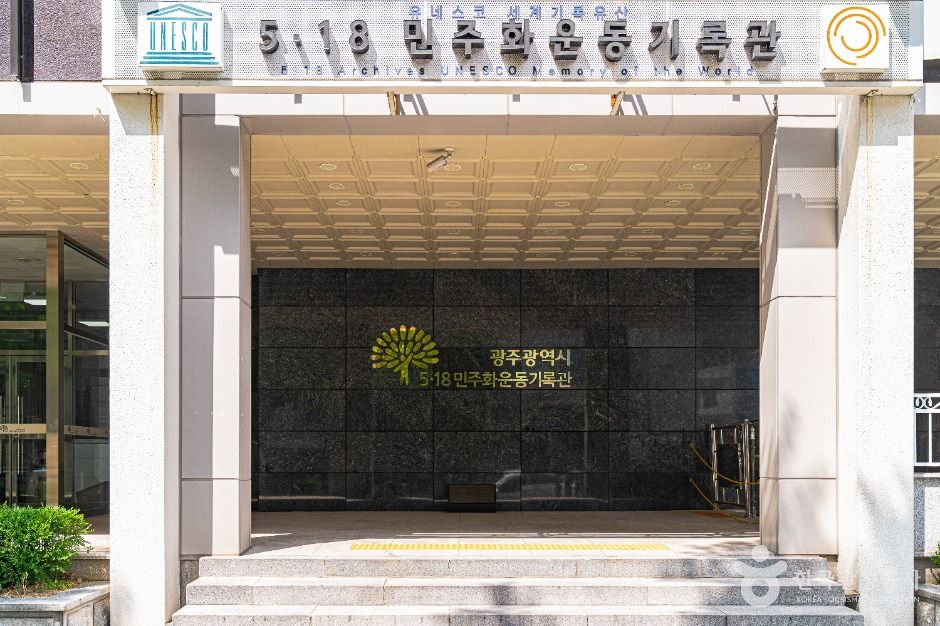
20 English, Chinese, and Japanese Audio Guides, Plus a VR Experience
Visitors from abroad can use audio guides in English, Chinese, and Japanese. There are 20 devices available for rental, and rental hours are 09:00–17:00. Since you must leave an identity document, it is safest to bring a passport or another form of identification.
A VR experience is listed among the available activities. Not every exhibition is lighthearted, experiential content, so if you are visiting with children, it is advisable to explain in advance that some materials address the violence and suffering of May 1980 and to adjust the order of your visit accordingly.
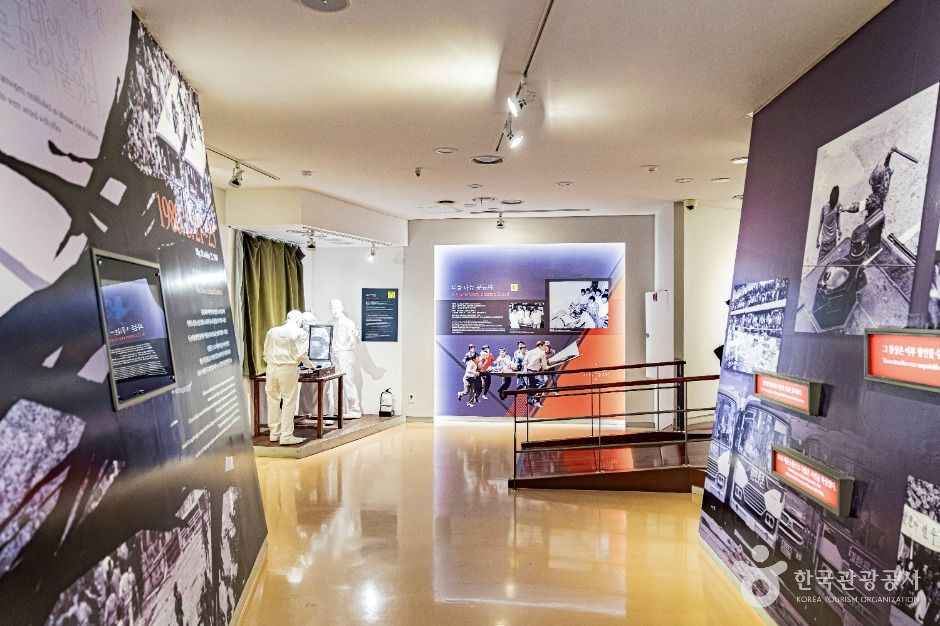
Four Minutes from Geumnam-ro 4-ga Station, 49 m to the Archives Bus Stop
The walk from Geumnam-ro 4-ga Station on Gwangju Subway Line 1 to the archives takes about four minutes. The “May 18 Democratic Movement Archives” bus stop, stop number 1137, is approximately 49 m away, and routes 228, 1187-1, Maeweol 61, and Songjeong 98 stop there.
Visitors arriving by car can use Geumnam Parking Lot. The first hour is free, and users are responsible for any additional time. Traffic controls may be imposed on the downtown section of Geumnam-ro during May commemorative events and large rallies, so around May 16–18 in particular, it is better to consider traveling by subway or on foot first.
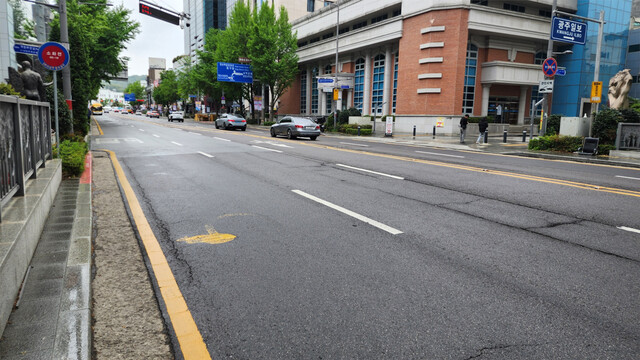
Within 10 Minutes Behind the Archives: The Former Jeonnam Provincial Office and May 18 Democratic Plaza
After your visit, it is natural to follow Geumnam-ro toward the former Jeonnam Provincial Office and see the National Asian Culture Center and May 18 Democratic Plaza together. The events of May 1980 unfolded not at a single building but across multiple locations, including Geumnam-ro, the provincial office, Gwangju Station, and the intercity bus terminal. Starting at the archives and connecting these sites is therefore an appropriate way to understand the events.
If you have enough time, you can check the O-wol-gil materials or information about guided tours of historic sites at the archives before moving on. By contrast, the National May 18 Cemetery is at 200 Minju-ro, Buk-gu, so it requires separate travel time from the downtown archives. If you plan to visit both on the same day, calculate the bus and taxi travel times separately.
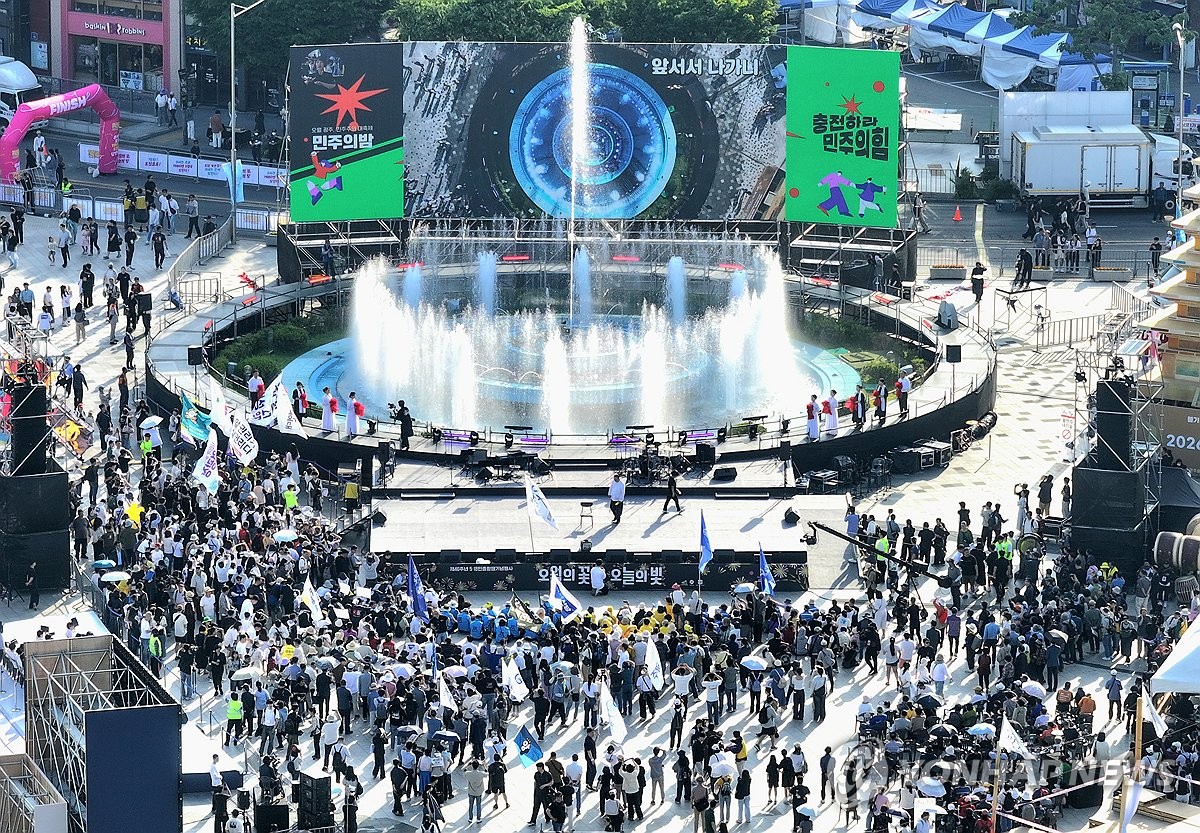
Four Easy-to-Miss Preparations for Geumnam-ro
First, although the archives is free, it is closed on Mondays, Lunar New Year, Chuseok, and January 1. Second, foreign-language audio guides can be rented only until 17:00, so arriving before 16:30 is advantageous. Third, the free parking benefit lasts for one hour, so if you plan to walk as far as the area around the provincial office, you should expect additional fees.
Fourth, detailed information about wheelchair and stroller accessibility is not sufficiently available in the public guidance, so it is safer to inquire in advance. The archives also operates a reading room, so if you intend to research specific records, check the website notices and contact 062-613-8204 first to confirm the reading conditions and whether same-day access is available.
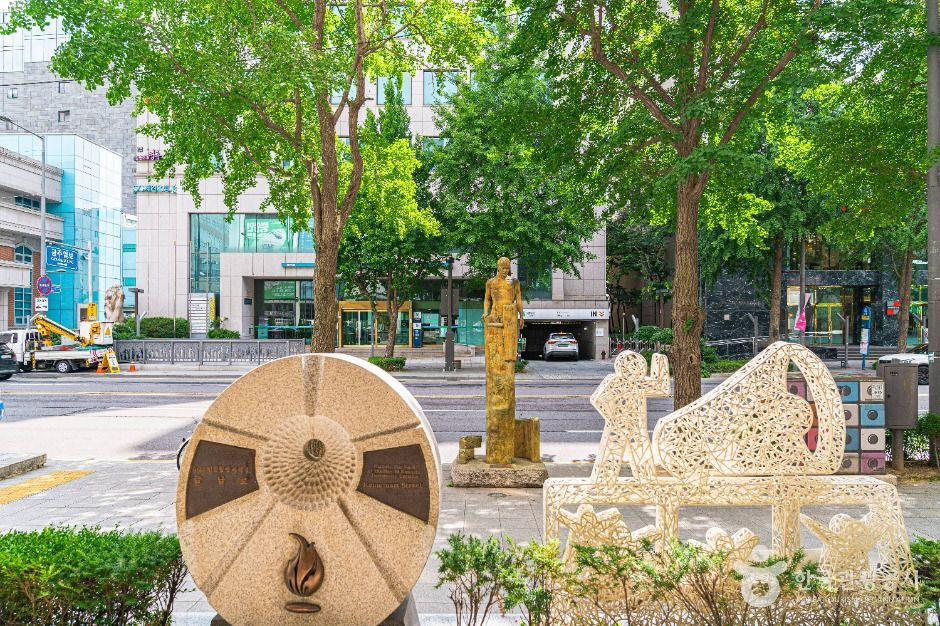
An Itinerary for Walking Geumnam-ro After Reading the Records
For first-time visitors, an efficient plan is to enter the archives between 09:00 and 10:00, visit the permanent exhibition and use the audio guide first, then walk along Geumnam-ro toward the former Jeonnam Provincial Office after 40–60 minutes. Once you understand the timeline of events and the background behind the production of the materials at the archives, going out onto the street makes it possible to see specifically that Geumnam-ro was not simply a central commercial street but a site of citizen gatherings and suppression in May 1980.
This itinerary is especially suitable for visitors who want to spend time reading records rather than taking photographs, and for those who want to understand the international significance of the May 18 documentary heritage. Conversely, if you expect a fast-paced experiential exhibition or a large-scale immersive media-art experience, adding a separate venue such as the National Asian Culture Center may better suit your purpose.
Before You Go
- Address
- 221 Geumnam-ro, Dong-gu, Gwangju Metropolitan City
- Hours
- 09:00–18:00 (open on weekends and public holidays)
- Closed
- Every Monday, January 1, Lunar New Year, and Chuseok
- Admission
- Free
- Phone
- 062-613-8204
- Official site
- https://www.518archives.go.kr/
- Transport
- About a 4-minute walk from Geumnam-ro 4-ga Station on Gwangju Subway Line 1. The May 18 Democratic Movement Archives stop (1137) is about 49 m away; routes 228, 1187-1, Maeweol 61, and Songjeong 98.
- Parking
- Geumnam Parking Lot available; first hour free, with additional charges paid by the user
- Time needed
- 40–50 minutes, or about 1 hour including the audio guide and VR experience
- Accessibility
- Twenty English, Chinese, and Japanese audio guide devices available for rental (09:00–17:00; identification required). Calling ahead is recommended for details about wheelchair and stroller facilities.
The information above is accurate as of the time of writing. Check the official guidance again before visiting.

Places
Nearby Attractions 5
-
 1
1
-
 2
2
-
 3
3
-
 4
4
-
 5
5
Food & Dining 5
-
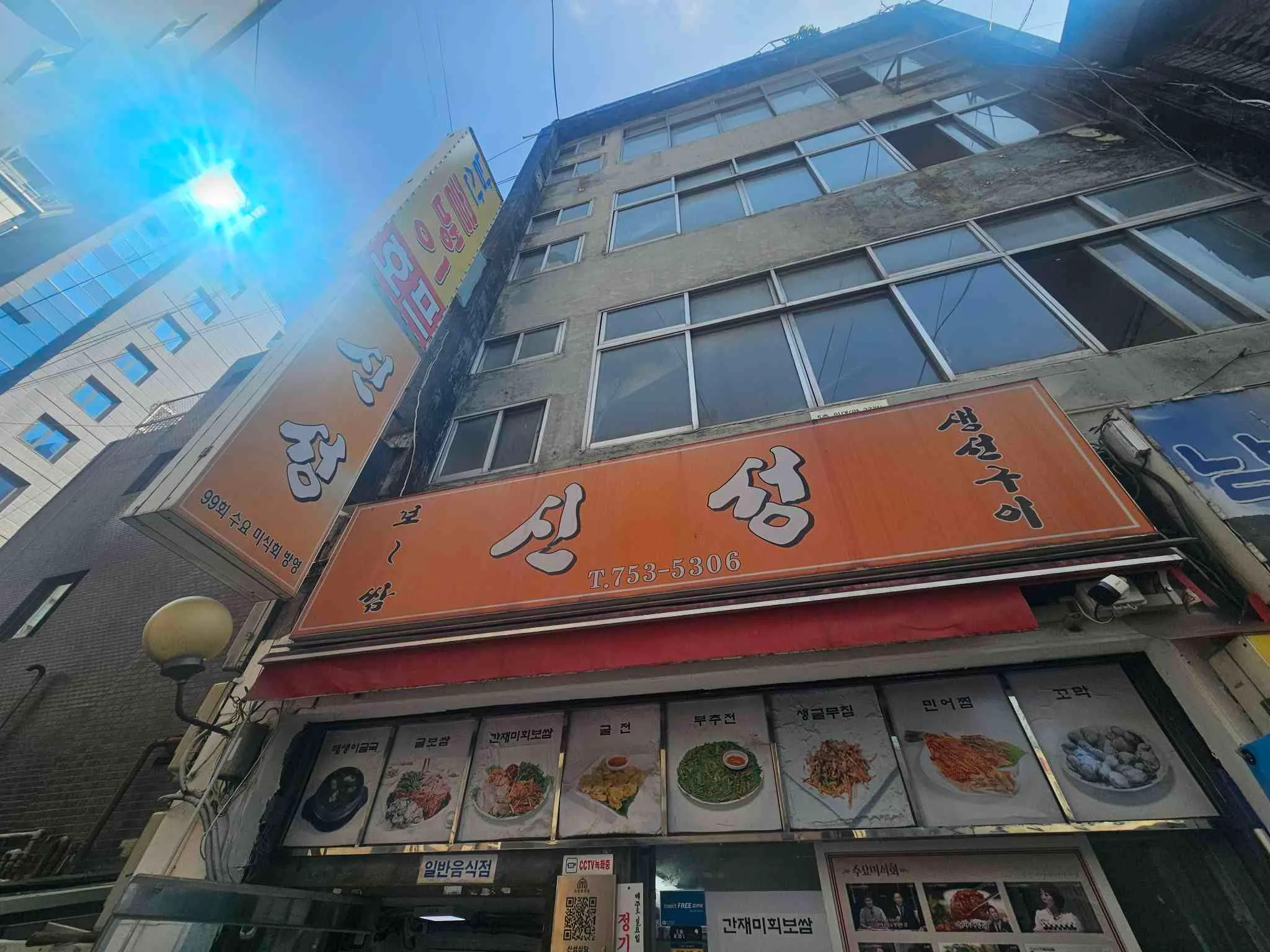 6
Shinseong Restaurant
6
Shinseong Restaurant -
 7
Pyeonghwa Sikdang
7
Pyeonghwa Sikdang -
 8
8
-
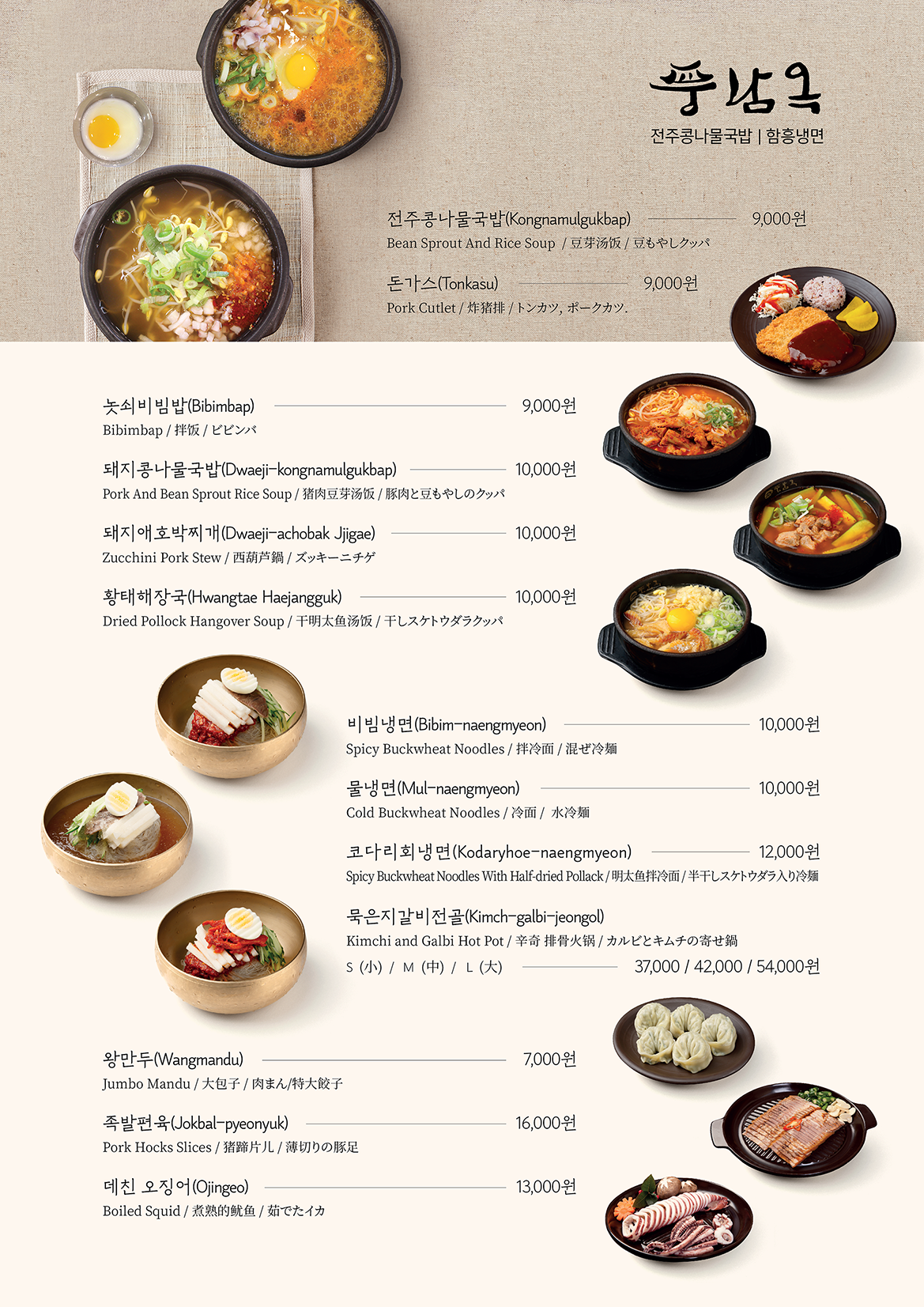 9
9
-
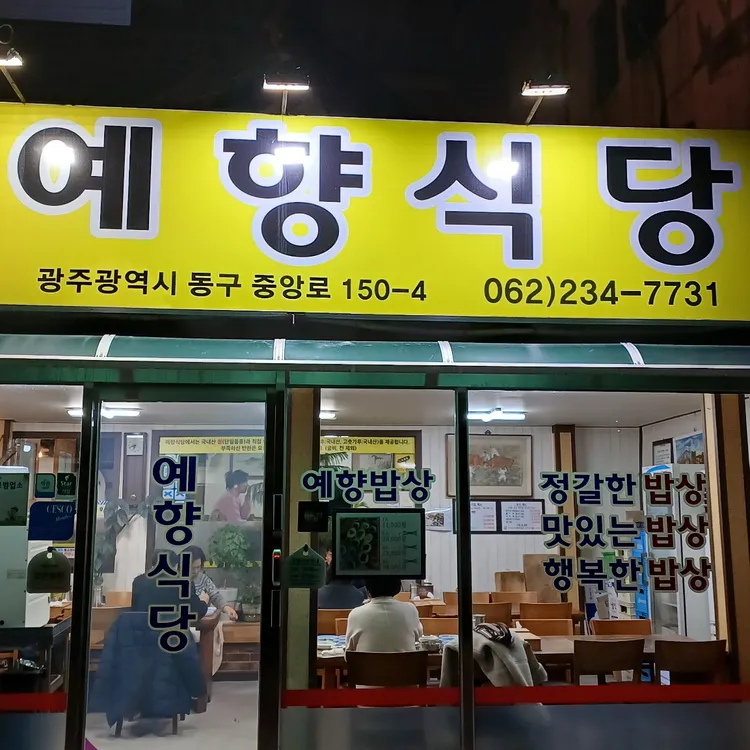 10
Yehyang Restaurant
10
Yehyang Restaurant
Events in This Area

Festivals in This Area

More Travel Guides in This Area
 Travel Guide
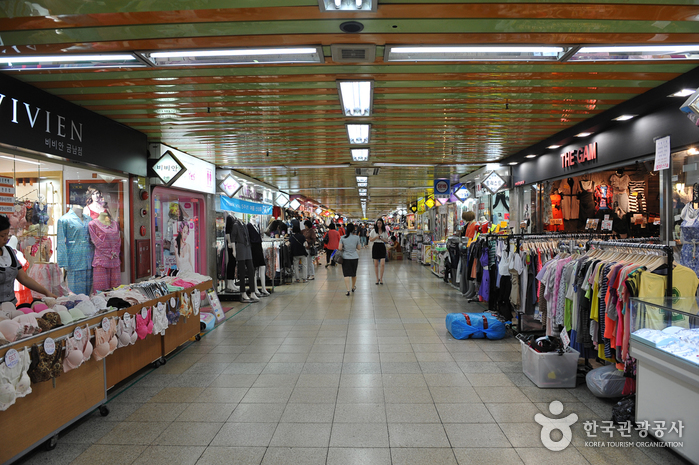
Reading the 360-Meter Underground Shopping Route at Gwangju Geumnam Underground Shopping Center
 Travel Guide
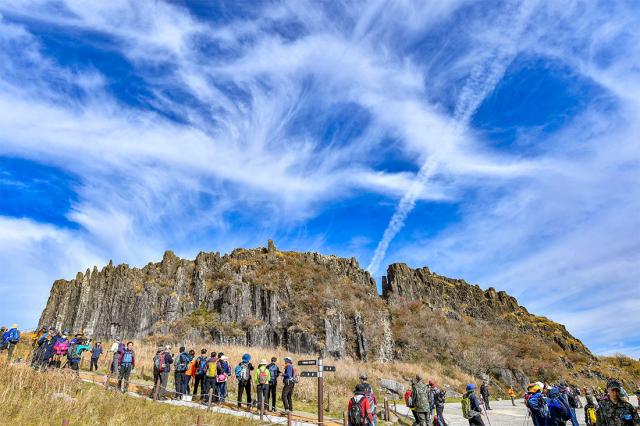
Two Routes Up Gwangju’s Mudeungsan Mountain, Whose Stone Pillars Were Left by a Volcano 87 Million Years Ago
 Travel Guide
The Main Protest Site of 1980, Today’s May 18 Democracy Square
 Travel Guide
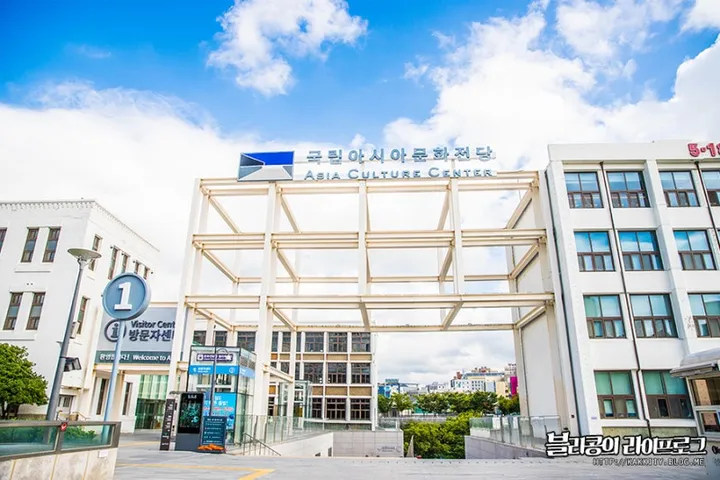
From the Memories of the Former Jeonnam Provincial Office to an Underground Cultural City: Asia Culture Center
Korea News
 News
News
“I Never Thought It Would Really Happen”… Justin Bieber Makes a Surprise Visit to Korea with Hailey After 13 Years
 News
News
TWS heightens comeback excitement with kitschy charm… Anticipation for “plot twist” rises
 News
News
BTS, Six Months After Its Release… ‘Arirang’ Climbs the U.S. Billboard 200
 News
News