How to Read the Gwangju Biennale Exhibition Hall: From “Beyond the Boundaries” in 1995 to the 16th Edition in 2026
The Gwangju Biennale Exhibition Hall is the central exhibition venue that has connected Gwangju’s democratic and artistic context with international contemporary art since the 1st Gwangju Biennale began across Jungoe Park in 1995. The 16th edition is scheduled to run from September 5 to November 15, 2026, so it is important to plan your visit by distinguishing between conditions during the biennale and outside the event period.
I’ve been here?
Your check-in helps the next traveler.
22 people viewed this week Be the first
One tap — no writing needed
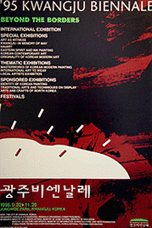
Why “Beyond the Boundaries” Began at Jungoe Park on September 20, 1995
The Gwangju Biennale Exhibition Hall is the central venue housing the main exhibition of the Gwangju Biennale. The Gwangju Biennale was founded on the occasion of the 50th anniversary of liberation and the “Year of Art,” with the aim of expanding Gwangju’s cultural and artistic traditions and the democratic spirit known internationally after the May 18 Democratization Movement into cultural values.
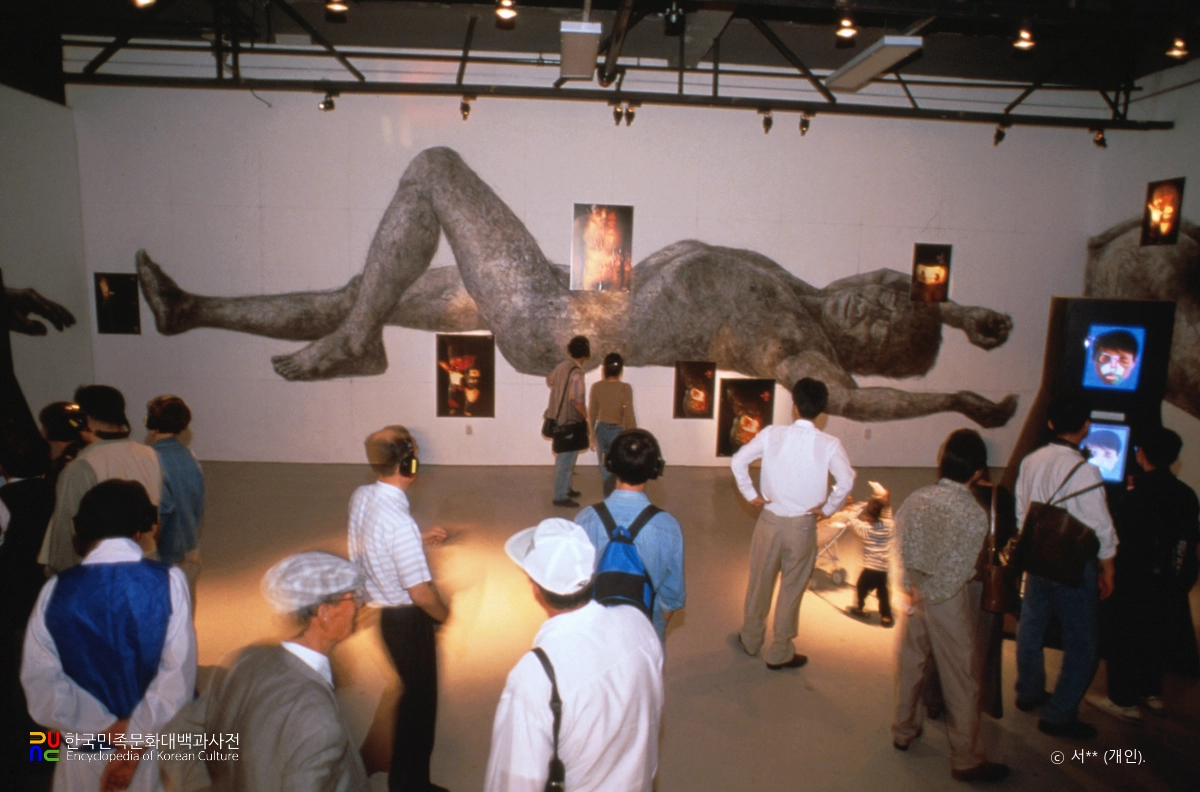
The first event was held for 62 days, from September 20 to November 20, 1995, throughout Jungoe Park, under the theme “Beyond the Boundaries.” At the time, 87 artists from 49 countries participated, and the starting point was the idea that communities should be imagined beyond the boundaries of nations, ethnic groups, ideologies, and religions.
How Not to Confuse Biennale-ro 111 with the Foundation’s Address at 115
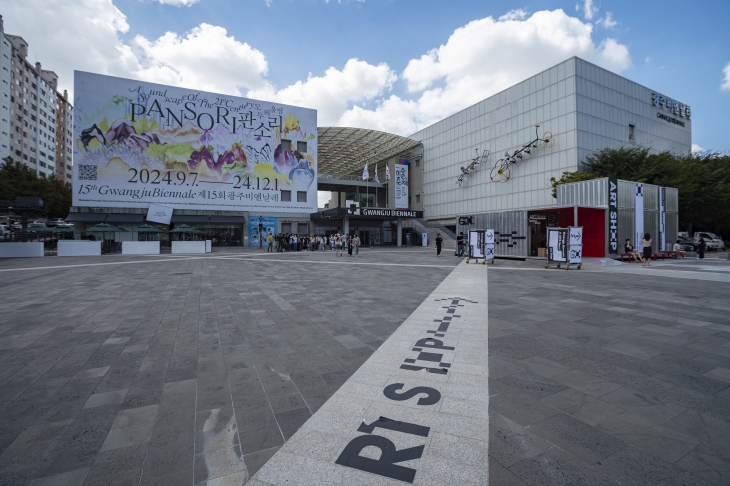
The exhibition hall address visitors need is 111 Biennale-ro, Buk-gu, Gwangju Metropolitan City. Since the official information for the Gwangju Biennale Foundation lists the foundation’s address as 115 Biennale-ro, Buk-gu, it is safest to enter “Gwangju Biennale Exhibition Hall” or “111 Biennale-ro” when searching by taxi or map.
The main contact number is 062-608-4114, and the official website is https://www.gwangjubiennale.org. Admission fees, programs, and exceptions to closure dates may vary by exhibition and edition, so it is important to check the official visitor information again just before departure.
September 5–November 15, 2026: Schedule Changes for Visiting the 16th Edition

The 16th Gwangju Biennale is scheduled to take place at the Gwangju Biennale Exhibition Hall for 72 days, from Saturday, September 5, 2026, through Sunday, November 15. The theme is “You Must Change Your Life,” and the artistic director is Ho Tzu Nyen.
The regular closing day is Monday, but September 7 and October 5, 2026, have been announced as regular operating days. General exhibition hall information lists the hours as 09:00–18:00, with admission closing 30 minutes before closing at 17:30. If you plan to view both installation and video works, entering by around 16:00 at the latest is advisable.
16th-Edition Admission Tickets Starting at 20,000 Won for Adults, with Discounts Requiring Proof
For the 16th edition in 2026, the regular on-site prices are 20,000 won for adults, 10,000 won for teenagers, and 7,000 won for children. During the advance-booking period from May 28 to September 4, the prices are reduced to 17,000 won for adults, 8,000 won for teenagers, and 5,000 won for children.
The integrated Jeonnam–Gwangju special discount prices are 14,000 won for adults, 7,000 won for teenagers, and 4,900 won for children, while the special discount prices are 6,000 won for adults, 4,000 won for teenagers, and 3,000 won for children. Visitors aged 65 or older, certain people with disabilities and their companions, recipients of public assistance, and other eligible visitors must present an ID card or relevant documentation at the on-site ticket booth. Children aged 3 or younger and holders of national merit awards, among others, are eligible for free admission.
- Advance booking: May 28–September 4, 2026
- Regular adult on-site admission: 20,000 won
- Regular teenager on-site admission: 10,000 won
- Regular child on-site admission: 7,000 won
- Special-discount and free-admission eligibility: Proof must be checked on site
The Main Exhibition Structure, Where Only One Venue Required Paid Admission, and the 700,000 Visitors Recorded in 2024
The Gwangju Biennale is not limited to an event involving only one exhibition hall. During the 14th edition, the main exhibition was spread across five venues: the Gwangju Biennale Exhibition Hall, the National Gwangju Museum, Mugaksa Temple, Art Space House, and Horanggasi Namu Art Polygon. The only venue requiring admission was the Gwangju Biennale Exhibition Hall.
The 15th edition, marking the 30th anniversary of its founding, was held for 86 days from September 7 to December 1, 2024. The main exhibition presented 224 works by 72 artists from 30 countries at the exhibition hall in Yongbong-dong and nine spaces in Yangnim-dong. Approximately 700,000 people visited the event, so for the next edition it is efficient to check not only the interior of the exhibition hall but also whether venues are distributed throughout Gwangju and what transportation options are available.
Why to Consider the Bus Instead of a Car After Parking Satisfaction Fell to 61.6% in 2024
In a 2024 visitor satisfaction survey, satisfaction with the convenience of using the parking lot was 61.6%, the lowest among 18 categories, while satisfaction with access to the exhibition venues was also relatively low at 74.6%. This means that schedules based on parking a private car may be disrupted on weekends when large events are held and immediately after the opening.
Bus stops around Biennale Square and the Gwangju History and Folk Museum are served by trunk routes Songjeong 29, Bongseon 27, Unnim 51, Geumnam 58, and Cheomdan 95; branch routes Munheung 53, Sangmu 63, Sangmu 64, Yongbong 83, 419, Songam 72, Yongjeon 84, Yongjeon 85, Cheomdan 192, and Songjeong 33; and village route 777. Event information also indicates approximate travel times of 15 minutes by car or taxi from Gwangju Station, 15 minutes from Gwangcheon Bus Terminal, 30 minutes from Gwangju Airport, and 40 minutes from Gwangju Songjeong Station.
- Parking during the event: Congestion is highly likely; combining public transportation or taxis is recommended
- Nearby stops: The area around Biennale Square and the Gwangju History and Folk Museum
- From Gwangju Station: Approximately 15 minutes by car
- From Gwangju Songjeong Station: Approximately 40 minutes by car
A Two- to Three-Hour Yongbong-dong Route Connecting the National Gwangju Museum and the History and Folk Museum
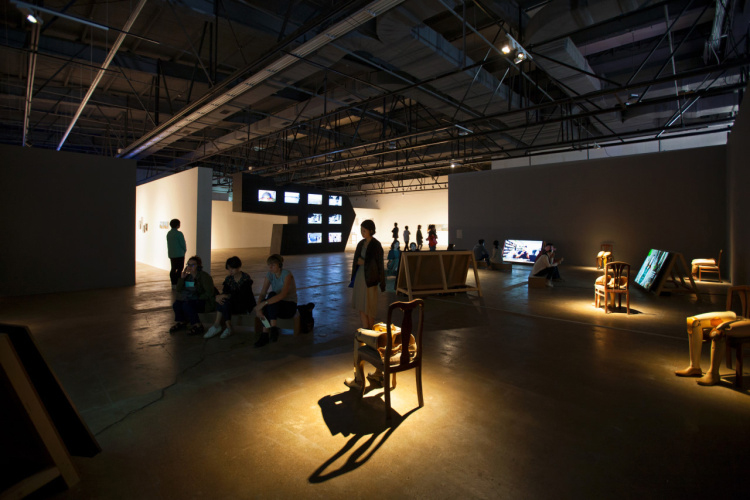
The exhibition hall is located in an area of Jungoe Park densely packed with cultural facilities. The Gwangju History and Folk Museum is nearby at 48-25 Seoharo, and the National Gwangju Museum and Gwangju Museum of Art are also in the same area, making it easy to combine them into one route in years when the Gwangju Biennale’s main exhibition has more distributed venues.
If you view only the exhibition hall quickly, allow one to two hours; if you take your time with videos and large-scale installations and add nearby museums, allowing three to five hours is more realistic. However, the venues, number of works, and paid areas change with each biennale edition, so rather than planning to “see everything in one day,” it is better to divide the schedule into a half-day centered on the exhibition hall and separate city pavilion visits.
Eight Accessibility Features for Wheelchair and Stroller Users to Check
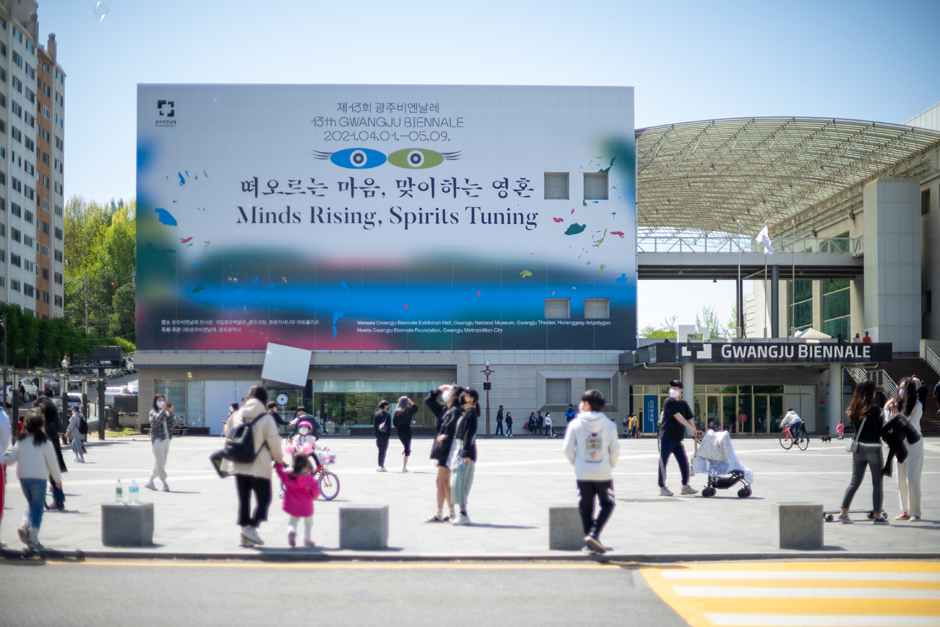
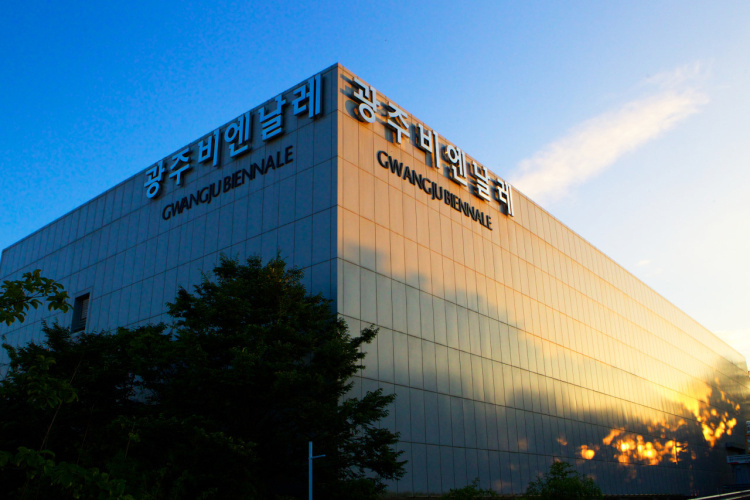
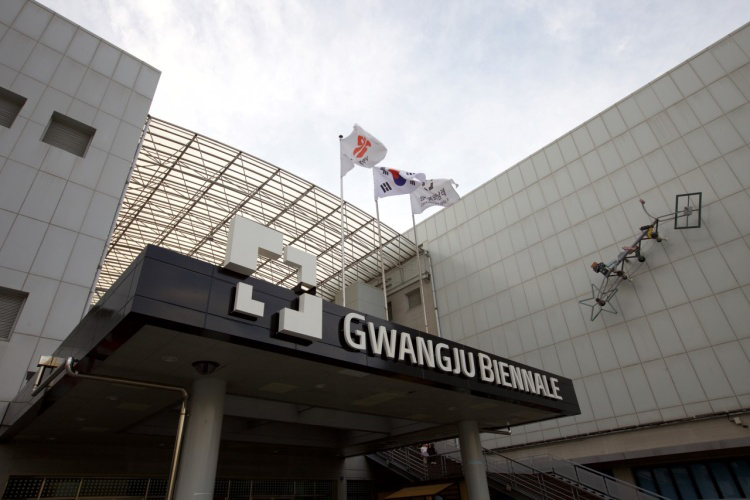
The Korea Tourism Organization’s barrier-free travel information states that the facility provides an accessible restroom, an elevator for people with disabilities, designated accessible parking spaces, a main entrance without steps, subway access, low-floor bus access, wheelchair rental, convenience services for visitors with visual or hearing impairments, and a nursing room.
However, the placement of works and routes through the galleries may vary by edition. It is advisable to confirm wheelchair rental availability, assistance-dog access, companion discounts, and the languages available for English materials and docent tours by calling 062-608-4114 before the visit. The exhibition hall is not a free permanent art museum; its conditions of use may vary depending on the biennale period and program.
Before You Go
- Address
- 111 Biennale-ro, Buk-gu, Gwangju Metropolitan City
- Hours
- 09:00–18:00 (admission closes at 17:30; subject to change by exhibition or event)
- Closed
- Monday (September 7 and October 5, 2026, announced as regular operating days during the 16th edition)
- Admission
- Free during periods when no biennale is held. For the 16th edition (2026): regular on-site admission is 20,000 won for adults, 10,000 won for teenagers, and 7,000 won for children
- Phone
- 062-608-4114
- Official site
- https://www.gwangjubiennale.org
- Transport
- Use bus stops around Biennale Square and the Gwangju History and Folk Museum: Songjeong 29, Bongseon 27, Unnim 51, Geumnam 58, Cheomdan 95, Munheung 53, Sangmu 63, Sangmu 64, Yongbong 83, 419, Songam 72, Yongjeon 84, Yongjeon 85, Cheomdan 192, Songjeong 33, and village route 777. Approximately 15 minutes by car from Gwangju Station and 40 minutes by car from Gwangju Songjeong Station.
- Parking
- Congestion is possible during events. A 2024 satisfaction survey recorded satisfaction with parking-lot convenience as low, at 61.6%.
- Time needed
- One to two hours centered on the exhibition hall; three to five hours when connecting with nearby cultural facilities
- Accessibility
- Information on accessible restrooms, elevators, designated parking spaces, a main entrance without steps, wheelchair rental, a nursing room, and convenience services for visitors with visual or hearing impairments. Advance inquiries are recommended for detailed support by exhibition.
The information above is based on the time of writing. Check the official information again before visiting.

Places
Nearby Attractions 5
-
 1
1
-
 2
2
-
 3
3
-
 4
4
-
 5
5
Food & Dining 5
-
 6
6
-
 7
7
-
 8
8
-
 9
9
-
 10
Yeongchang Sikdang
10
Yeongchang Sikdang
Events in This Area
Festivals in This Area

More Travel Guides in This Area
 Travel Guide
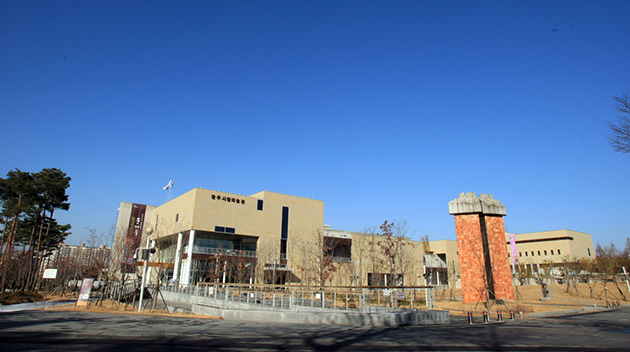
Reading the Gwangju Museum of Art Since 1992 in the Jungoe Park Cultural District
 Travel Guide
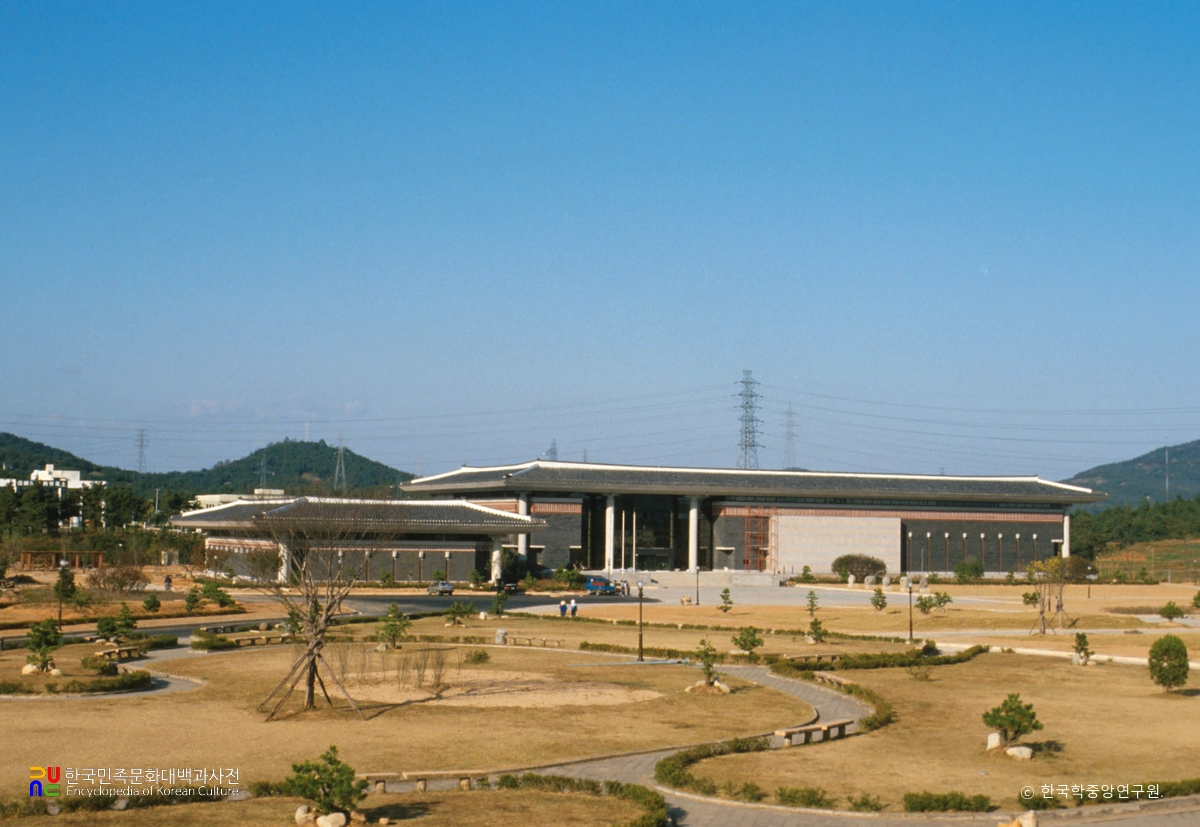
Walking through the time before Gwangju became a “city” at the Jungoe Park Museum
 Travel Guide
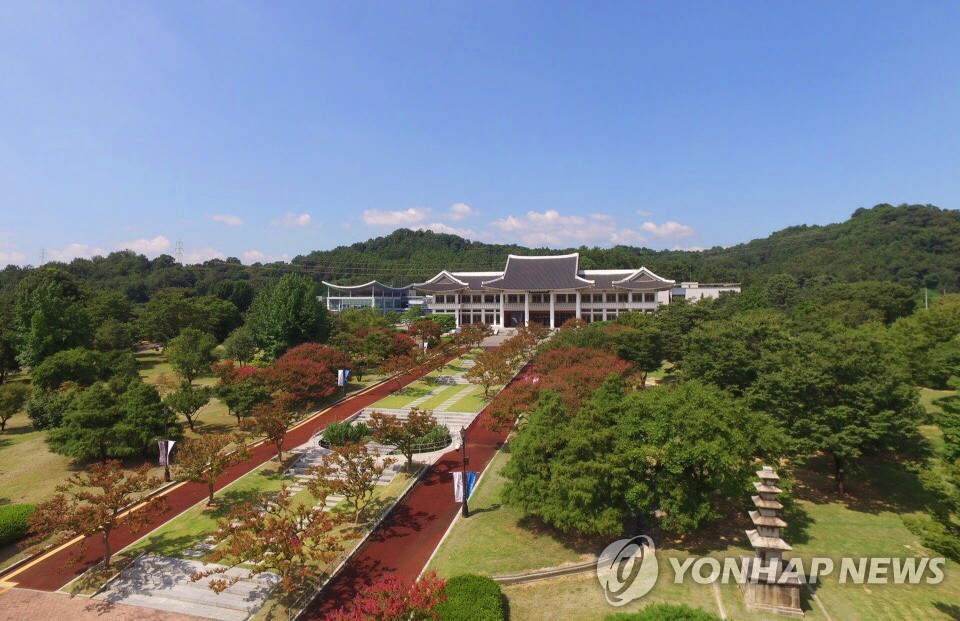
From the Sinan Underwater Ship to the Ceramic Culture Hall: Reading the National Gwangju Museum in Two Hours
 Travel Guide
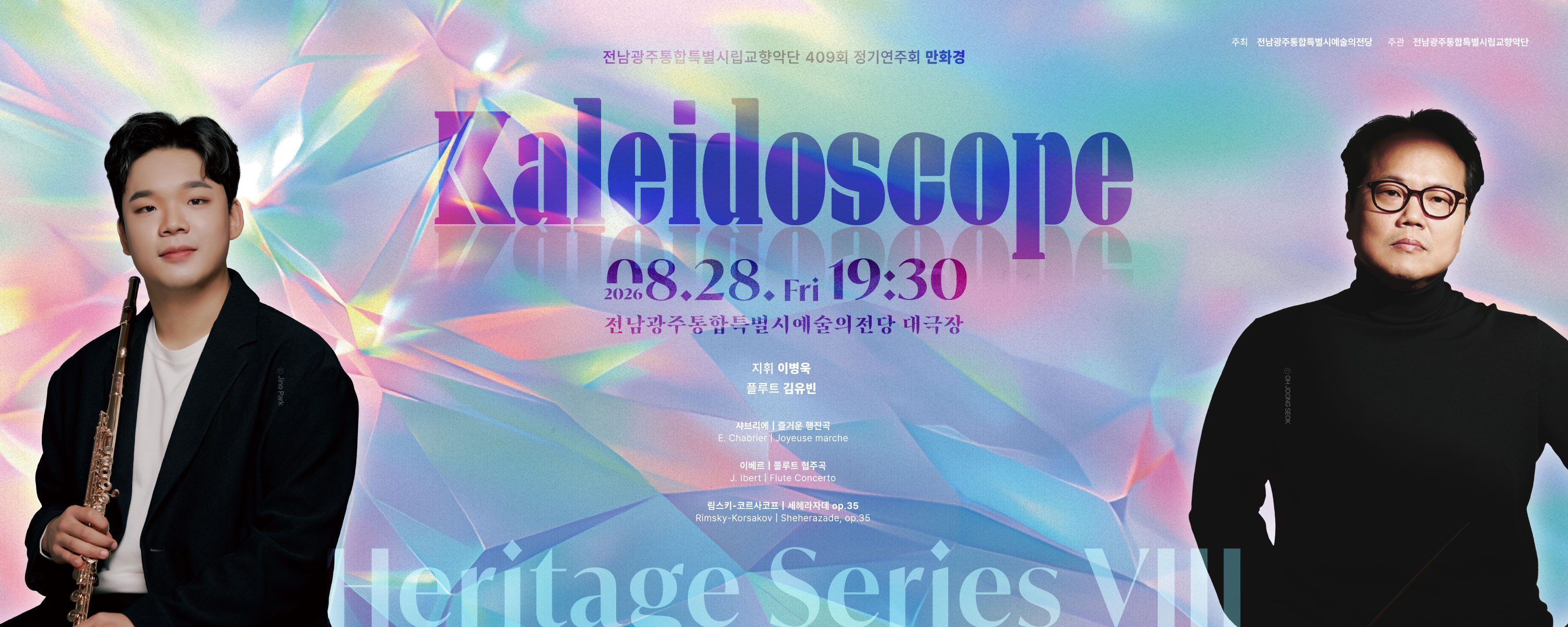
What to Know Before a Performance at Gwangju Arts Center’s Grand Theater: Seating, Tickets, and Bus Routes
Korea News
 News
News
TWS heightens comeback excitement with kitschy charm… Anticipation for “plot twist” rises
 News
News
BTS, Six Months After Its Release… ‘Arirang’ Climbs the U.S. Billboard 200
 News
News
'The Nation's Girl Group' RESCENE, Five Girls Transformed into Guardians… Additional Concept Photos for Their 4th Mini Album Revealed
 News
News