200 m from Exit 2 of Gwangju Songjeong Station: Walk Through a Market from 1913
1913 Songjeong Station Market is a traditional market near Gwangju’s station area, created in 2016 by revitalizing the former Songjeong Station Daily Market, which took shape alongside Songjeong Station in 1913. Just a 2-minute walk from Gwangju Songjeong Station, it fits easily into a 1–2 hour itinerary right after arriving by KTX or subway. Considering that opening hours vary by shop, visiting between noon and 7 p.m. is the most reliable option.

I’ve been here?
Your check-in helps the next traveler.
16 people viewed this week Be the first
One tap — no writing needed
The Story of 1913 Songjeong Station Market, Established Alongside Songjeong Station in 1913
1913 Songjeong Station Market began as a market formed alongside the opening of Songjeong Station in 1913. Guides from Gwangju Metropolitan City and Gwangsan-gu explain that it originally started as “Maeil Songjeong Station Market” and was renamed to its current name to reveal its 100-year history. The number 1913 in the market’s name is not decorative; it marks the year when Songjeong Station and the market began their connection.
Rather than completely demolishing the old buildings, the market minimized remodeling and preserved layers of time by engraving years into the floors and walls. Gwangju tourism information introduces one shop among the stores that have continued for 100 years as still retaining its original form. Therefore, instead of focusing only on the newly created food alley, it is more useful to examine the shop signs, establishment-year markings, and everyday stores such as the mill and vegetable shop together in order to understand the market’s approach to regeneration.
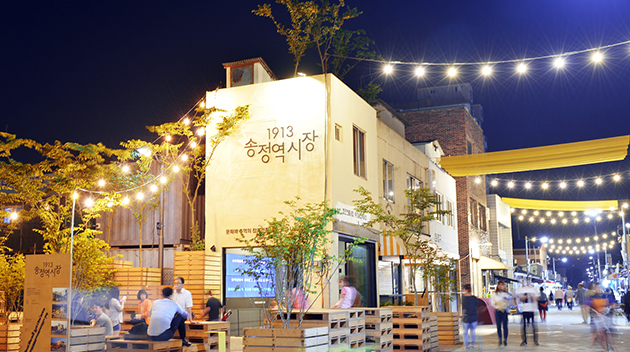
- 1913: Market formed alongside the opening of Songjeong Station
- Former name: Maeil Songjeong Station Market
- April 2016: Renovated through a traditional-market revitalization project
- Current address: 13, Songjeong-ro 8beon-gil, Gwangsan-gu, Gwangju
Why Did the April 2016 Regeneration Focus on “Old Time” Rather Than “New Signs”?
The market’s regeneration is introduced as the result of a traditional-market revitalization project supported by the Gwangju Creative Economy Innovation Center, Gwangsan-gu, and the Small and Medium Business Administration in April 2016. Rather than simply converting the declining station-front market into a modern shopping arcade amid the spread of large-scale retail facilities, the project brought the stories and years of the existing shops into the design.
As a result, 1970s-and-1980s-style signs, yellow lighting, food-and-beverage shops run by young merchants, and old everyday stores coexist in one alley. Its location in front of Gwangju Songjeong Station makes it a convenient place for travelers to eat during a short transfer or waiting period, but it is also worth remembering that the market’s original center was the daily marketplace of local residents. Rather than merely taking photos and passing through, it is better to check each shop first to see whether selected products can be eaten immediately or are intended mainly for takeaway.
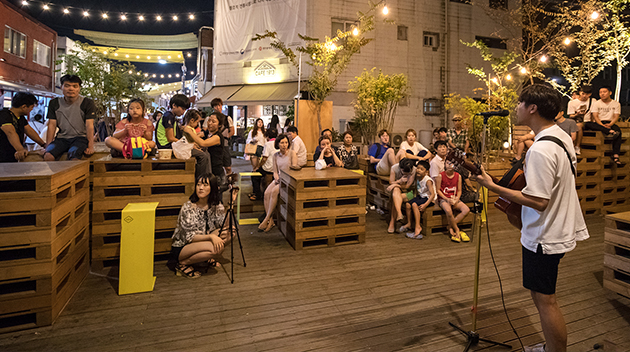
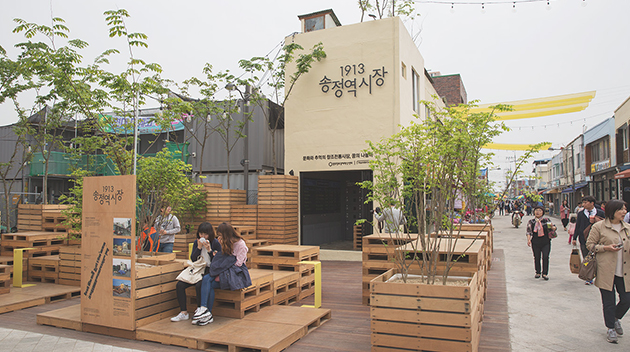
- Regeneration period: April 2016
- Regeneration approach: Minimized remodeling of existing buildings and recorded the shops’ history
- Market format: Permanent market rather than a market held only on designated market days
- Admission: Free
Two Minutes on Foot from Exit 2 of Gwangju Songjeong Station: How to Plan Around Your Train Schedule
Gwangju Songjeong Station is the clearest reference point when using public transportation. The Nationwide Markets Guide states that it is a two-minute walk from Exit 2 of Gwangju Songjeong Station on Gwangju Metro Line 1, while a Korea Tourism Organization travel article describes the distance between the station and market as approximately 200 m. It is suitable for an itinerary that follows the route in front of the station after arriving by KTX, SRT, or a regular train.
Before boarding your train, be sure to leave enough time to return from the market to the station. Tourism information notes that unattended luggage lockers are available near the concourse of Gwangju Songjeong Station, so travelers burdened by suitcases should check the availability and usage conditions on site before heading to the market. Since the market consists of pedestrian alleys, it is more comfortable to avoid joining a restaurant queue while pulling a large suitcase.
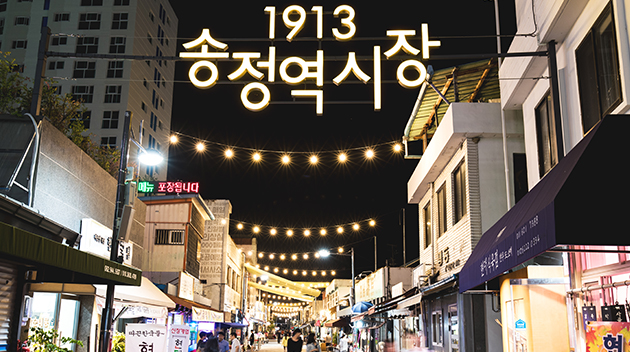
- Metro: Exit 2 of Gwangju Songjeong Station on Gwangju Metro Line 1
- Walking distance: Approximately 200 m
- Walking time: Approximately 2 minutes
- Railway: Near Gwangju Songjeong Station, served by KTX, SRT, and regular trains
Allow for Differences in Individual Shop Hours, Using 11 a.m. to 8 p.m. as a General Guide
The entire market does not operate according to a single schedule. According to Korea Tourism Organization information, hours vary by shop, but many stores are generally open between 11 a.m. and 8 p.m.; on Fridays, Saturdays, and Sundays, more shops tend to stay open late. Some online listings give hours of 11:00–22:00 Monday through Thursday and 11:00–23:00 Friday through Sunday, but these may differ from the operating hours of individual shops.
The regular closing days are generally listed as the second and fourth Mondays of each month. However, because closing days and ingredient sell-out times vary by shop, visitors seeking a particular dish or gift item should separately confirm whether the relevant shop is open on the day of departure. On a first visit, arriving after noon allows you to choose both snack or meal shops and souvenir shops, while leaving 20 minutes before your train to return to the station is a safe approach.
- Typical peak business hours: 11:00–20:00
- Regular closing days: Second and fourth Mondays of each month
- Weekends: Relatively more shops stay open late
- Recommended visiting time: Noon–19:00
Parking for 48 Vehicles and Pedestrian Alleys: Why Taking the Train Is More Convenient Than Driving
Visitors arriving by car can set the 1913 Songjeong Station Market Public Parking Lot as their destination. Gwangju tourism information states that this public parking lot accommodates 48 vehicles. Separate information introduces the market parking tower at 14, Songjeong-ro as approximately 156 m, or a two-minute walk, from Gwangju Songjeong Station. However, parking fees and real-time availability may change, so they should be checked before departure.
A car can be convenient if you plan to compare several shops in the market alleys and buy items to take away. However, pedestrian traffic increases on weekends and during meal times, and because the market is only around 200 m from the station, using the KTX or subway is simpler in terms of movement. After parking, first identify the market entrance and the location of the parking area to which you must return. For food purchases requiring cooling, it is best to buy them last.
- Public parking capacity: 48 vehicles
- Parking location address: 14, Songjeong-ro, Gwangsan-gu, Gwangju
- Gwangju Songjeong Station–parking tower: Approximately 156 m, listed as a two-minute walk
- Market–Gwangju Songjeong Station: Approximately 200 m
60–90 Minutes Reading Gulbi, the Mill, and Young Merchant Shops Along the Same Alley
Gwangsan-gu cultural tourism information lists gulbi hanging from a rope at the market entrance, an old mill, and a small vegetable shop as longstanding features of the area. At the same time, it introduces foods with a relatively youthful sensibility, such as Choco Pies, gim bugak, and handmade croquettes. If you are making a quick stop at just one shop, around 30 minutes may be enough, but if you want to see the year markings and everyday stores in the alleys and also eat or buy food to take away, 60–90 minutes is a realistic amount of time.
Foreign visitors may find it convenient that the market is a free-entry pedestrian shopping district, but it is better to proceed on the assumption that menus, payment methods, and the level of English service vary by shop. Pointing to menu items in photos or indicating quantities with your fingers can be useful. If you have allergies or follow a vegetarian diet, ask directly about the cooking ingredients before ordering. Wheelchair and stroller access is possible on some level sections of the market alleys, but movement can be affected by busy periods and queues in front of shops, making weekday daytime, when there are fewer pedestrians, more suitable.
- Recommended duration: 60–90 minutes
- Facilities listed: Customer information center, luggage lockers, bicycle storage
- Representative items introduced: Breads, skewers, slushies, and other snack foods
- Movement note: Alley queues and pedestrian congestion are possible on weekends and during meal times
Five Minutes on Foot to Songjeong Kkoburang Fairy Tale Village: A Short Route Connecting the Old Station District
Songjeong Kkoburang Fairy Tale Village can be added after visiting the market. Gwangju tourism’s English guide introduces the village as being a five-minute walk from 1913 Songjeong Station Market. An itinerary consisting of arrival at Gwangju Songjeong Station → a meal or takeaway purchase at the market → a walk through the fairy-tale village → return to the station lets you see both the commercial district and alleys of the old Songjeong downtown area without a long journey.
Conversely, if you want to include the National Asian Culture Center or Dongmyeong-dong in central Gwangju in the same outing, you will need to calculate transportation and time separately. 1913 Songjeong Station Market is directly in front of Gwangju Songjeong Station, the gateway to Gwangju, making it strong for a first meal or a takeaway stop before heading home. However, it may not suit travelers expecting an indoor venue where they can spend a long time, such as a large shopping mall. The essence of this place is a short but dense alley route where the 1913 station-front market and the 2016 regeneration design overlap, rather than an extended stay.
- Songjeong Kkoburang Fairy Tale Village: Approximately 5 minutes on foot from the market
- Recommended order: Gwangju Songjeong Station → 1913 Songjeong Station Market → Songjeong Kkoburang Fairy Tale Village → Gwangju Songjeong Station
- Market inquiry phone: 062-942-1914
- Official market website: https://1913songjungmarket.modoo.at/
Before You Go
- Address
- 13, Songjeong-ro 8beon-gil, Gwangsan-gu, Gwangju
- Hours
- Varies by shop. Generally, many shops are open from 11:00 to 20:00; on Fridays, Saturdays, and Sundays, many shops stay open late.
- Closed
- Second and fourth Mondays of each month; closing days vary by shop.
- Admission
- Free
- Phone
- 062-942-1914
- Official site
- https://1913songjungmarket.modoo.at/
- Transport
- Approximately 2 minutes on foot, or about 200 m, from Exit 2 of Gwangju Songjeong Station on Gwangju Metro Line 1. Near Gwangju Songjeong Station for KTX, SRT, and regular trains.
- Parking
- The 1913 Songjeong Station Market public parking lot is available, with parking listed for 48 vehicles. A nearby parking tower at 14, Songjeong-ro is also listed, but fees and availability must be confirmed on site.
- Time needed
- 60–90 minutes
- Accessibility
- The market alleys may be affected by queues during busy periods. Customer information center, luggage lockers, and bicycle storage are listed. Official detailed information on foreign-language assistance and wheelchair-accessible facilities was not found.
The information above is accurate as of the time of writing. Check the official information again before visiting.

Places
Nearby Attractions 5
-
1
-
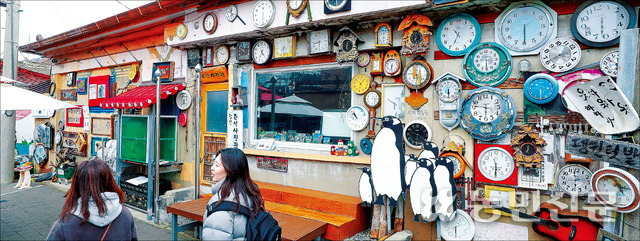 2
2
-
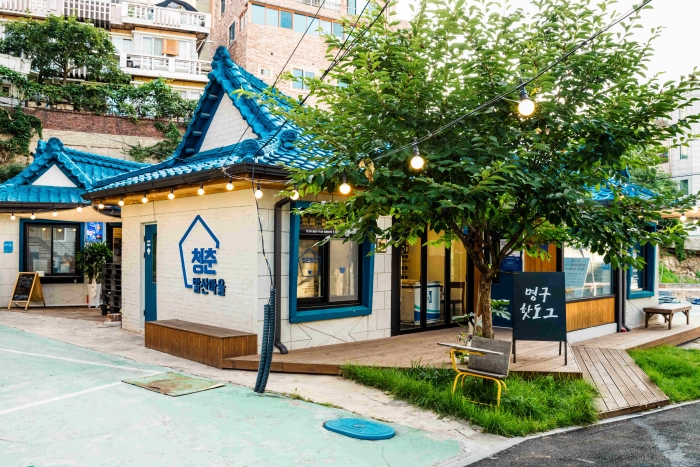 3
3
-
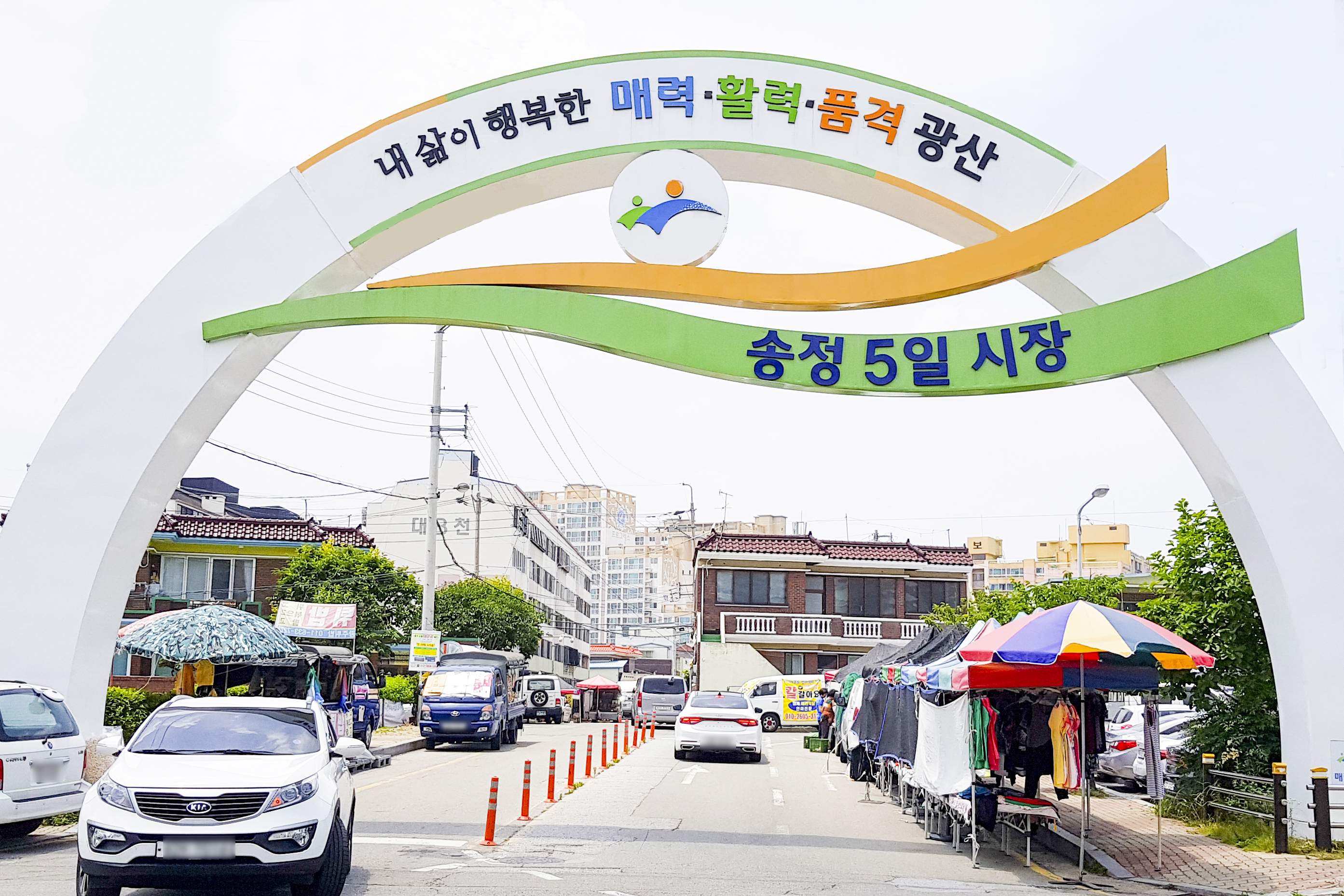 4
4
-
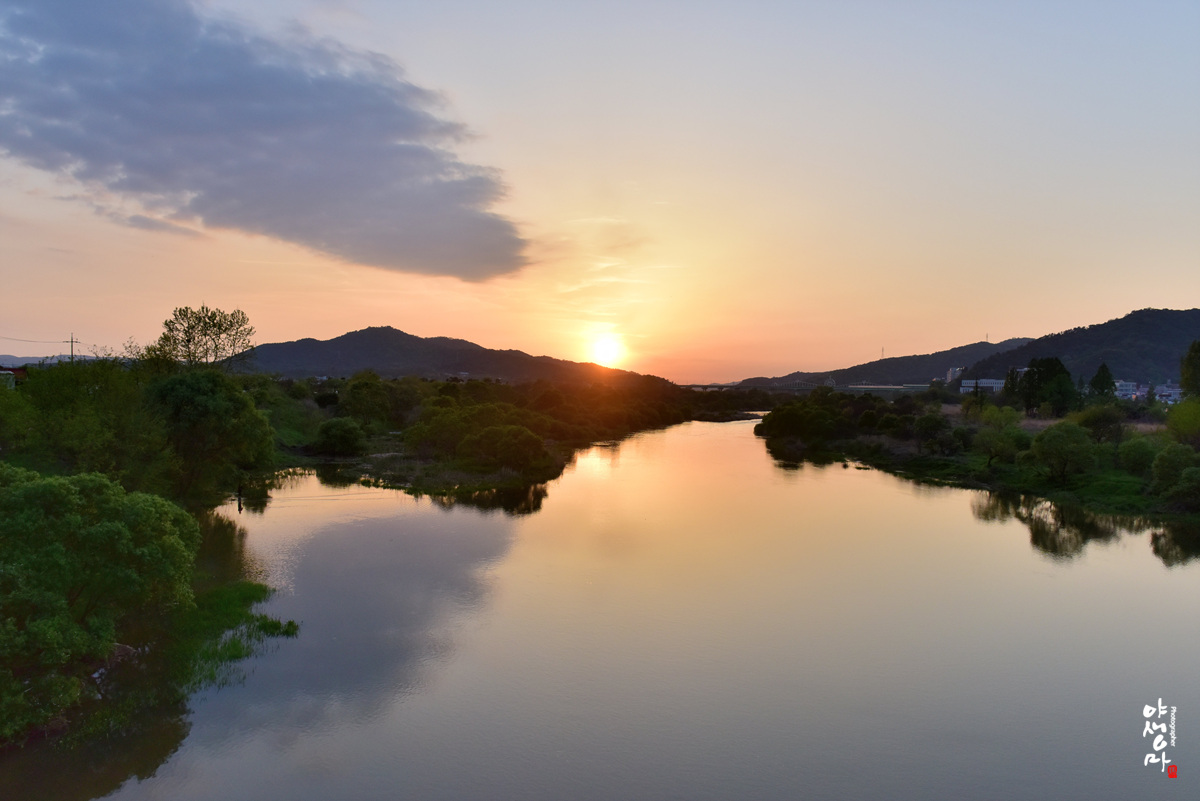 5
5
Food & Dining 5
-
 6
6
-
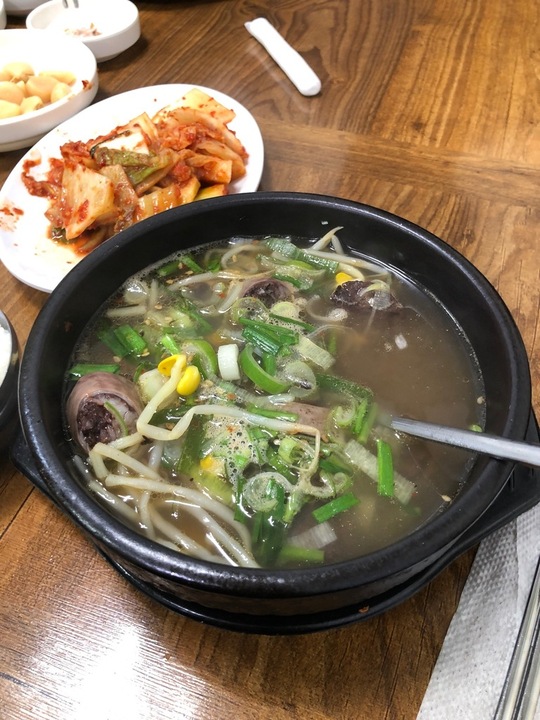 7
Yeongmyeong Gukbap
7
Yeongmyeong Gukbap -
 8
8
-
 9
9
-
 10
10
Events in This Area

Festivals in This Area

More Travel Guides in This Area
 Travel Guide
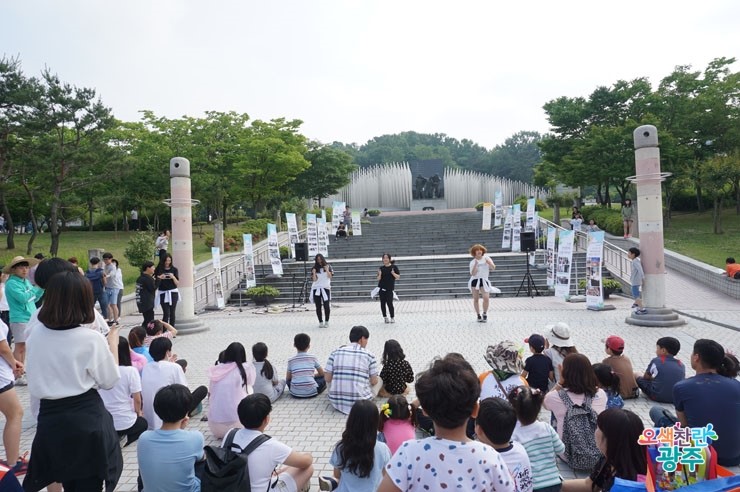
Gwangju’s Administration, Memories and Nightlife Left Behind After Sangmudae’s Departure
 Travel Guide
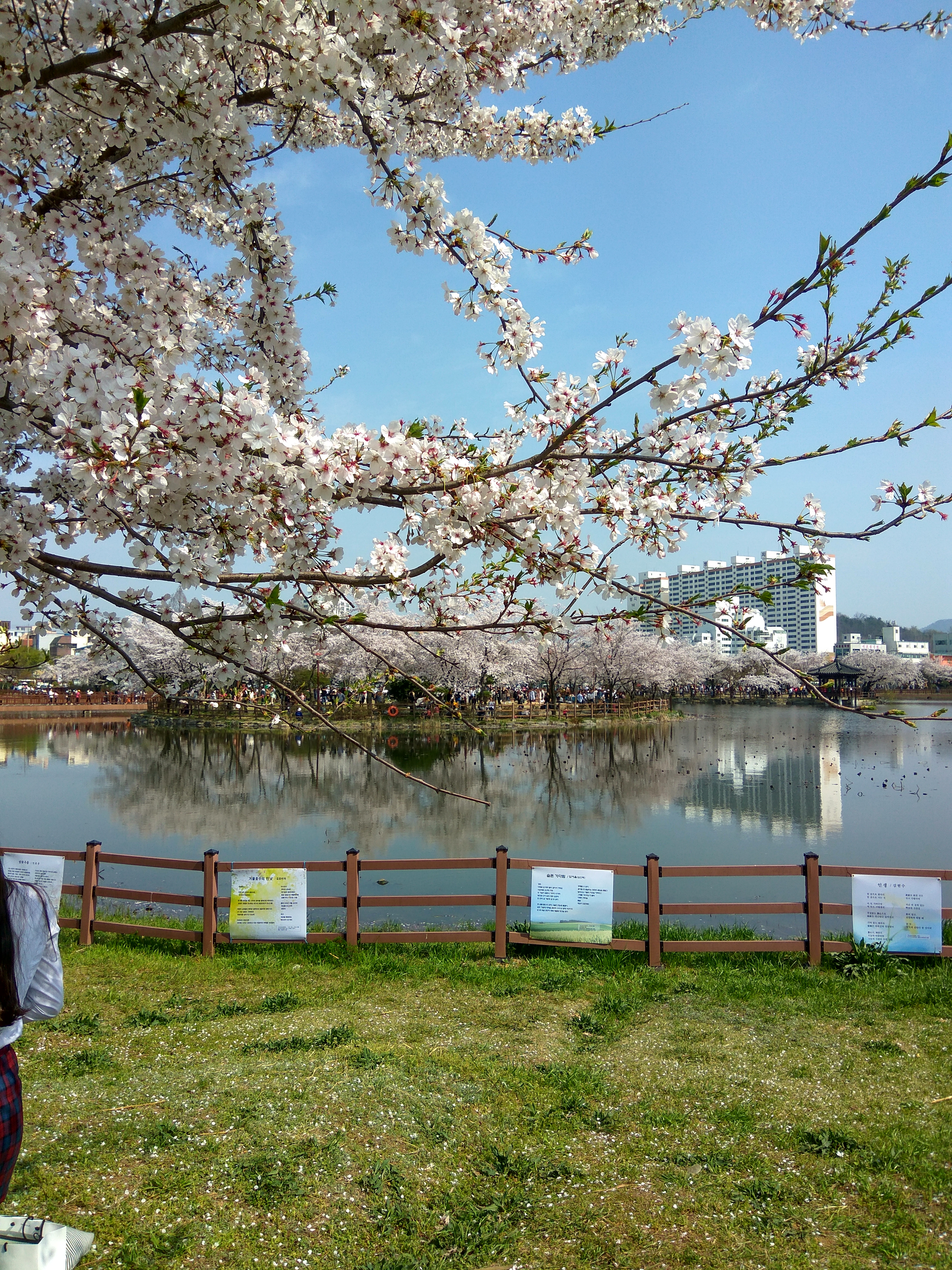
Uncheon Reservoir: From an Agricultural Reservoir Built in 1951 to a Riverside Cherry Blossom Park
 Travel Guide
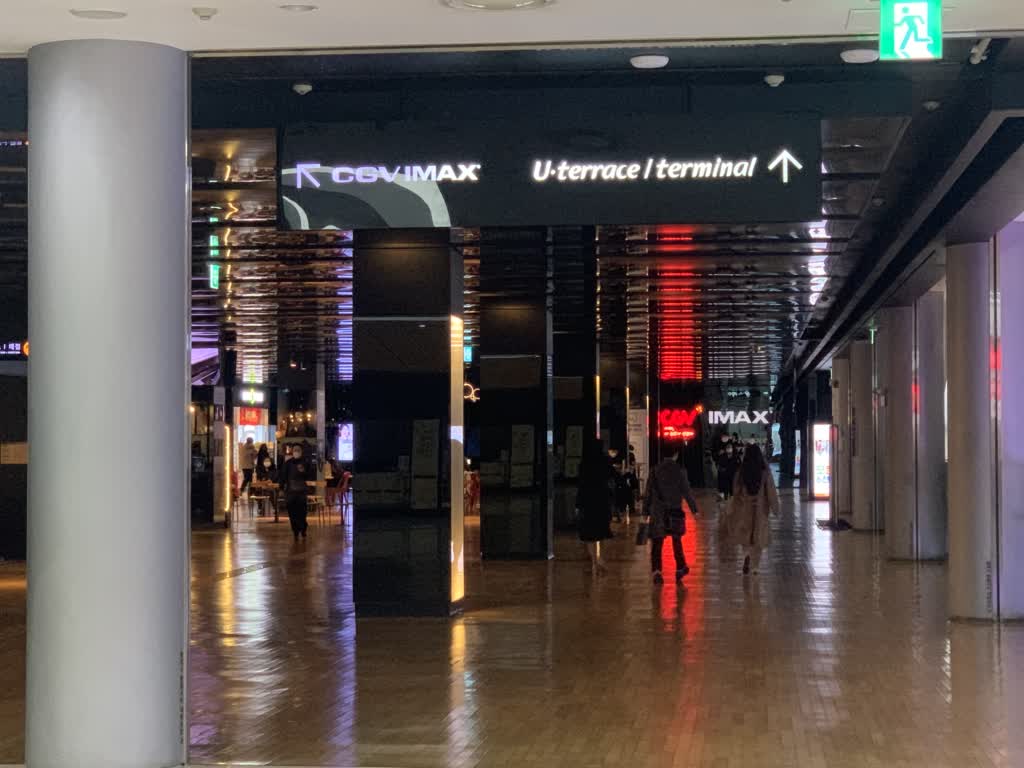
How to Actually Connect Bus Travel, Shopping, and Movies at Gwangju U Square
 Travel Guide
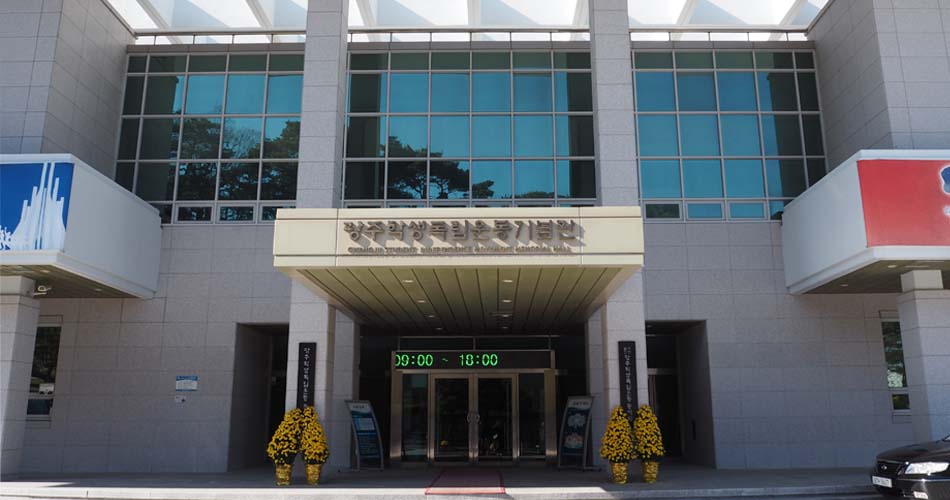
How to Follow the 1929 Nationwide Student Resistance Movement at the Gwangju Student Independence Movement Memorial Hall
Korea News
 News
News
‘NewJeans Expulsion’ Danielle Releases Her First YouTube Video… “We Don’t Know What Will Happen Next”
![aespa’s North American Tour Has Remaining Seats Despite ‘$49’ Bargain Prices… A Stark Popularity Gap with KATSEYE [TEN Starfield]](https://kotourlive-images.s3.ap-northeast-1.amazonaws.com/news/1788485037424_a59b1932_naver_rank_thumb_0000774618_1788485037424.jpg) News
News
aespa’s North American Tour Has Remaining Seats Despite ‘$49’ Bargain Prices… A Stark Popularity Gap with KATSEYE [TEN Starfield]
![[Photo] TWICE’s Dahyun attends a film festival red carpet as an actress](https://kotourlive-images.s3.ap-northeast-1.amazonaws.com/news/1788485316508_edd43ecd_news_870a60a6-6f11-4d73-aa7c-48d91318a0f7.jpg) News
News
[Photo] TWICE’s Dahyun attends a film festival red carpet as an actress
![[On-Site Video] “We’re Departing Separately Together”… BIGBANG Begins ‘COSMOS’ World Tour](https://kotourlive-images.s3.ap-northeast-1.amazonaws.com/news/1788485226518_c5719641_news_fdd4764a-0f4e-4968-8e4e-e98a02872f88.jpg) News
News