From Sajikdan Altar to Gwangju’s Night View: A 4th-Floor Route at Sajik Park Observation Tower
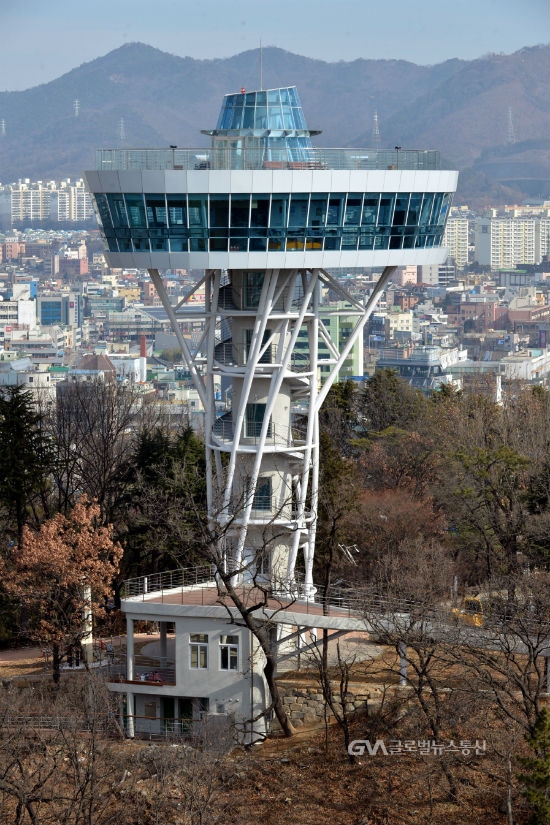
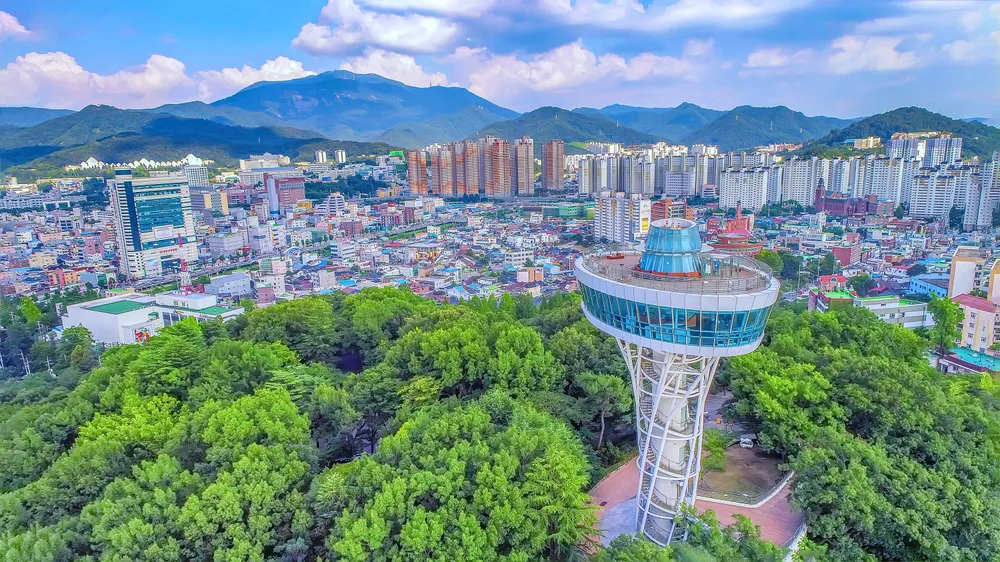
Sajik Park Observation Tower at 49 Sajik-gil, Nam-gu, Gwangju, is a free observation facility where the site of the Joseon-era Sajikdan Altar and views of the city can be enjoyed along one route. Open from 09:00 to 22:00, it can be combined with a walk through Yangnim-dong, Sajikdan Altar, and Gwandeokjeong Pavilion to connect Gwangju’s history with its urban scenery.
I’ve been here?
Your check-in helps the next traveler.
15 people viewed this week Be the first
One tap — no writing needed
Downtown Gwangju Views from a 399.42㎡ Observation Tower
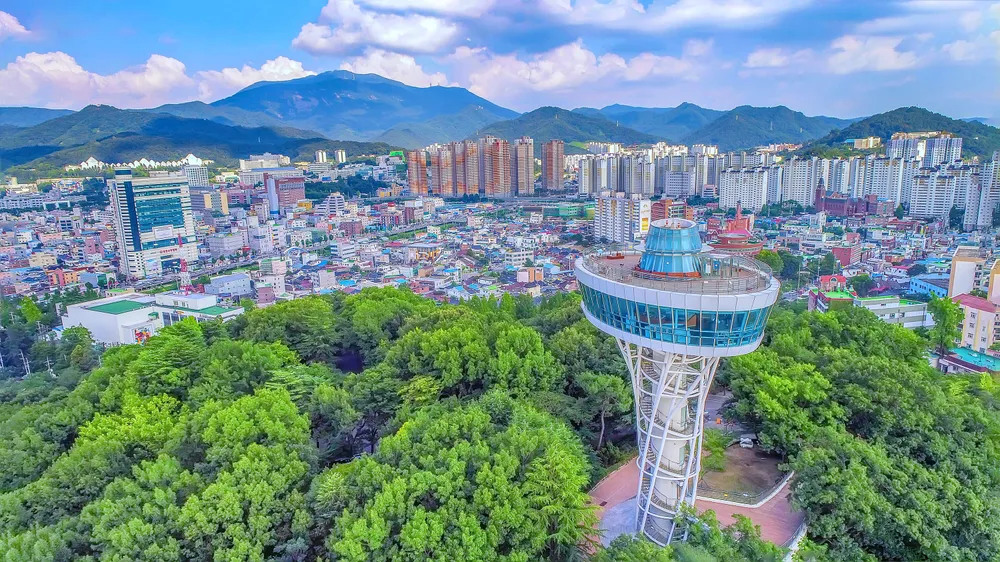
Sajik Park Observation Tower is an observation facility inside Sajik Park managed by Gwangju Metropolitan City. It has a total floor area of 399.42㎡ and consists of one basement level and three above-ground floors. The park is open 24 hours, but the tower interior and the top observation facility can be used from 09:00 to 22:00. Entry is restricted from 21:50, 10 minutes before closing.
Admission is free, and no advance reservation information is provided. The tower reopened on October 1, 2022, and was built on the site of a former octagonal pavilion. Official information introduces it as a facility overlooking central Gwangju, with an interior route that includes a deck rest area, exhibition space, and uppermost observation area.
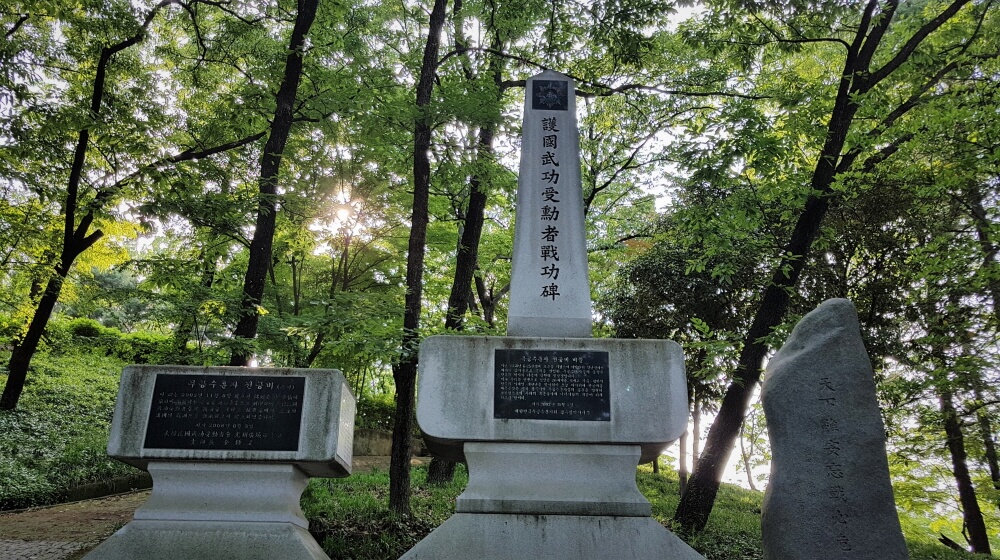
Sajik Altar from the Third Year of King Taejo’s Reign and the Restored Sajik Rite of April 1994
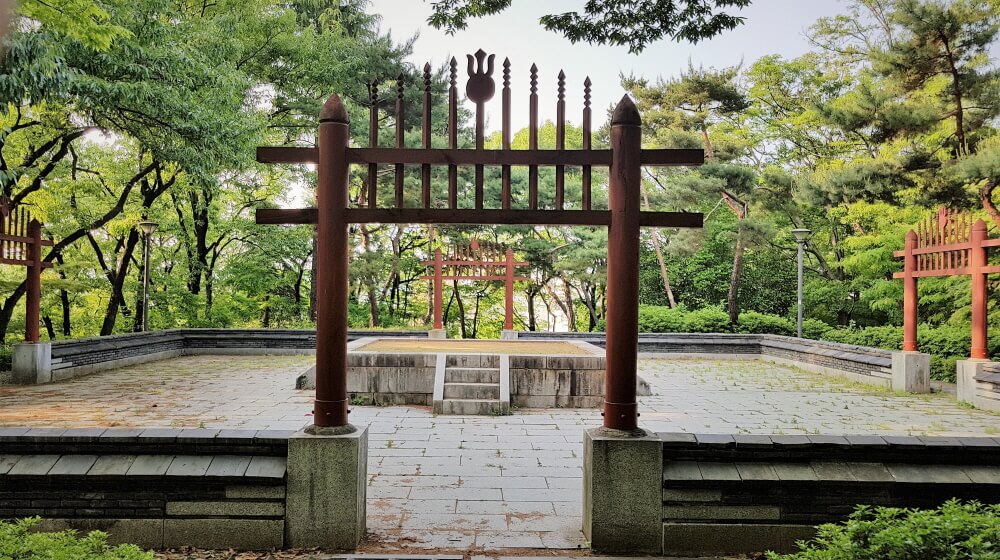
In the word “Sajik,” “sa” means the god of the land, while “jik” means the god of grain. Gwangju Sajik Altar was established in the third year of King Taejo’s reign of Joseon as an altar where prayers were offered for national peace and abundant harvests, and Sajik Park developed around this altar. Unlike Jongmyo, which is a space for enshrining royal ancestors, Sajik Altar was a site for the state ritual of offering sacrifices to the land and grain.
After the Gabo Reform of 1894, Sajik rituals were abolished, and the original altar disappeared during the development of Sajik Zoo in the late 1960s. After the zoo moved in 1991, calls for restoration continued, and the Sajik rite was revived in April 1994 for the first time in 100 years. Therefore, rather than visiting only the observation tower, it is easier to understand how a Joseon ritual space evolved into a modern park and urban observation facility by first passing the restored Sajik Altar and then ascending to the tower.
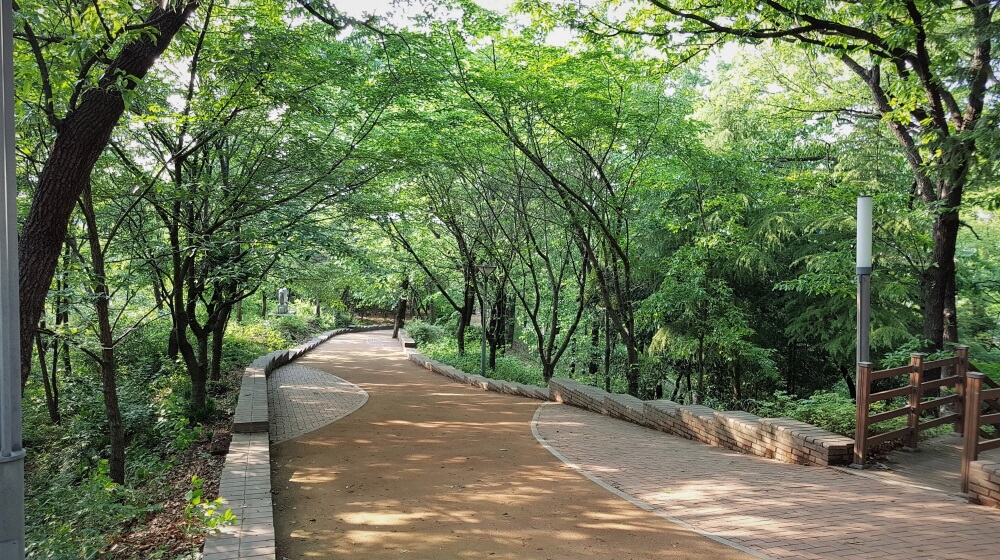
A Practical 09:00–22:00 Route Ascending from 49 Sajik-gil
The official tourism information lists the address of Sajik Park as 49 Sajik-gil, Nam-gu, Gwangju Metropolitan City, and the management office telephone number as 062-675-3280. The park itself is available from 00:00 to 24:00 with no closing days, but if the observation tower is your destination, note that entering the interior is difficult before 09:00 and after 21:50.
By bus, routes Geumnam 55 stop at Seonam University Hospital Bus Stop; routes Jinwol 07, Suwan 12, Jiwon 45, Songam 74, Maewol 06, and Daechon 170 stop at Hyanggyo Bus Stop; and routes Maewol 06, Jiwon 45, Suwan 12, Songam 74, Jinwol 07, and Daechon 170 stop at KBC Broadcasting Station Bus Stop. The park has slopes and several branching walking paths, so visitors using strollers or wheelchairs should first check the conditions of the tower entrance and elevator on site.
- Tower entry deadline: 21:50
- Park hours: 00:00–24:00, no closing days
- Observation tower hours: 09:00–22:00
- Admission: Free
How to Visit the Fourth-Floor Observation Area and Third-Floor Exhibition Room
Visitor reviews and previous introductory materials explain that the upper observation area of the tower can be reached by elevator and that a loop route is also accessible by stairs. If you are making a short visit, an efficient order is to take the elevator to the upper level first to get oriented to the directions of downtown Gwangju, then descend while viewing the exhibitions and deck.
The third floor has previously hosted a photo exhibition about Gwangju’s past, while signs indicating the directions of major buildings are installed at the top. The observation experience includes an upper area exposed directly to the wind rather than an indoor view through windows, so it is advisable to prepare an extra layer in winter, on rainy days, and after sunset. A visitor review published in February 2026 also mentioned the strong wind at the observation deck at night and the need to observe the closing time.
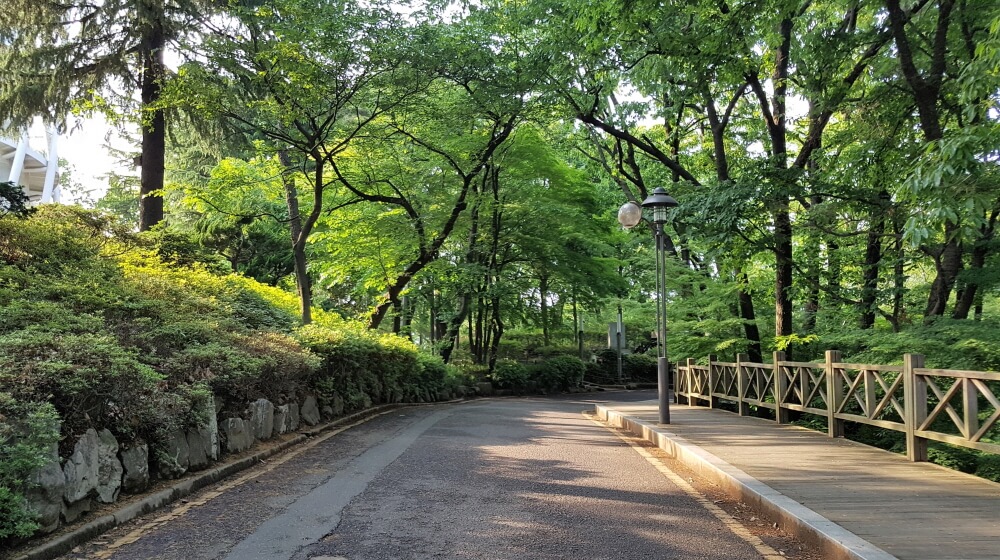
Three Sajik Park Sites Linking Gwandukjeong, the Monument to the Fallen, and Yangpajeong
In addition to the observation tower, Sajik Park contains the restored Sajik Altar, Gwandukjeong, a traditional Korean archery training ground, the Monument to the Fallen, Yeonpajeong, and Yangpajeong. Gwandukjeong is introduced as a building constructed as Huigyeongdang by the Gwangsan Yi clan approximately 300 years ago and is currently used as an archery ground. The name “Gwanduk” means examining one’s virtue through archery.
Yangpajeong is a pavilion associated with Jeong Nak-gyo, who served as a chambong. Gwangju’s official facility information lists it as a one-story building with a total floor area of 59㎡. Allow approximately 30–40 minutes for a round trip focused only on the observation tower, or 60–90 minutes for a leisurely route connecting the Sajik Altar, Gwandukjeong, and Yangpajeong. Three public restrooms are listed in the park.
Traces of Colonial-Era Park Development, with More Than Ten Poetry Steles and a Cherry Blossom Trail
Sajik Park became known as a cherry blossom destination after the park grounds were established during the Japanese colonial period, and it is still used as a spring walking route. More than ten poetry steles stand throughout the park, engraved with works by poets associated with Gwangju, including Im Je, Song Sun, Park Bong-u, Yi Su-bok, Yun Seon-do, Kim In-ryu, and Kim Deok-ryeong.
These poetry steles transform the journey between the observation tower and Sajik Altar from a simple uphill walk into a route connecting literature, ritual, and the urban landscape. Since the blooming period varies each year, check local Gwangju blossom updates before setting out if you want to see the cherry blossoms. During the flowering season, walking around the trails and Sajik Altar as well as visiting the observation tower better conveys the character of the site.
Combine It with Yangnim-dong, but Plan Your Nighttime Return Before 21:50
Sajik Park adjoins the Yangnim-dong area, making it natural to explore the modern cultural alleys of Yangnim-dong during the day before ascending to Sajik Altar and the observation tower. Gwangju tourism information uses the keywords Yangnim-dong, walking, and observation deck together for Sajik Park, and explains that the park contains the Gwangju Cultural Contents Promotion Center and several historical and commemorative facilities.
If you want to see the night view, work backward from the 21:50 entry restriction. For travelers with tight last-bus schedules or accommodation return routes, and for those who find stairs and slopes difficult, a schedule that allows one hour before sunset is more practical than a late-night visit. Since parking availability and fees are not confirmed in the official information, visitors arriving by car should separately check the operation of public parking lots on the day of their visit.
Before You Go
- Address
- 49 Sajik-gil, Nam-gu, Gwangju Metropolitan City
- Hours
- Observation tower 09:00–22:00 (entry restricted at 21:50), Sajik Park 00:00–24:00
- Closed
- Sajik Park has no closing days
- Admission
- Free
- Phone
- 062-675-3280
- Official site
- https://www.gwangju.go.kr/envi/contentsView.do?pageId=envi35
- Transport
- Seonam University Hospital Bus Stop: Geumnam 55; Hyanggyo Bus Stop: Jinwol 07, Suwan 12, Jiwon 45, Songam 74, Maewol 06, Daechon 170; KBC Broadcasting Station Bus Stop: Maewol 06, Jiwon 45, Suwan 12, Songam 74, Jinwol 07, Daechon 170
- Time needed
- 30–40 minutes focused on the observation tower; 60–90 minutes including Sajik Altar, Gwandukjeong, and Yangpajeong
- Accessibility
- The tower is indicated as accessible by elevator, but the park trails include slopes and stairs, so checking conditions on site is recommended. The Nam-gu Culture and Tourism website provides English, Chinese, and Japanese menus.
The information above is accurate as of the time of writing. Check the official information again before visiting.

Places
Nearby Attractions 5
-
 1
1
-
 2
Sajik Park
2
Sajik Park -
 3
3
-
 4
4
-
 5
5
Food & Dining 5
-
 6
6
-
 7
7
-
 8
8
-
 9
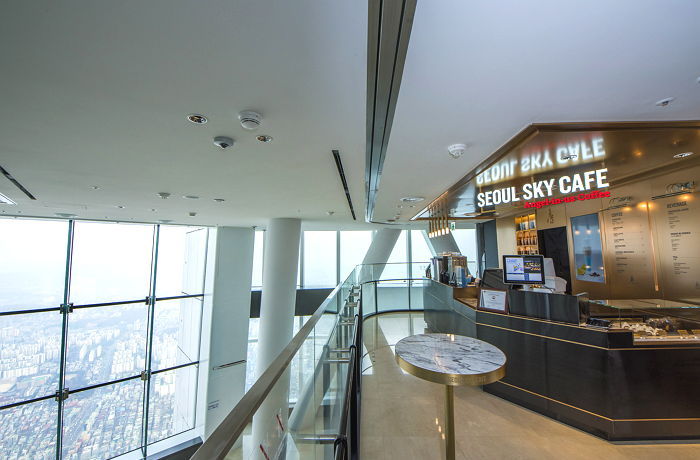
Tower Cafe
9
Tower Cafe -
 10
Sajik Park
10
Sajik Park
Events in This Area

Festivals in This Area

More Travel Guides in This Area
 Travel Guide
Gwangju’s Everyday Market: Meet Malbau Market on Days 2, 4, 7, and 9
 Travel Guide
Namgwangju Market, Where Dawn Seafood and the Traces of Old Namgwangju Station Meet
 Travel Guide
Daein Market, Where the Fish Alley Meets Art Studios
 Travel Guide
How to Follow the 1929 Nationwide Student Resistance Movement at the Gwangju Student Independence Movement Memorial Hall
Korea News
 News
News
‘NewJeans Expulsion’ Danielle Releases Her First YouTube Video… “We Don’t Know What Will Happen Next”
![aespa’s North American Tour Has Remaining Seats Despite ‘$49’ Bargain Prices… A Stark Popularity Gap with KATSEYE [TEN Starfield]](https://kotourlive-images.s3.ap-northeast-1.amazonaws.com/news/1788485037424_a59b1932_naver_rank_thumb_0000774618_1788485037424.jpg) News
News
aespa’s North American Tour Has Remaining Seats Despite ‘$49’ Bargain Prices… A Stark Popularity Gap with KATSEYE [TEN Starfield]
![[Photo] TWICE’s Dahyun attends a film festival red carpet as an actress](https://kotourlive-images.s3.ap-northeast-1.amazonaws.com/news/1788485316508_edd43ecd_news_870a60a6-6f11-4d73-aa7c-48d91318a0f7.jpg) News
News
[Photo] TWICE’s Dahyun attends a film festival red carpet as an actress
![[On-Site Video] “We’re Departing Separately Together”… BIGBANG Begins ‘COSMOS’ World Tour](https://kotourlive-images.s3.ap-northeast-1.amazonaws.com/news/1788485226518_c5719641_news_fdd4764a-0f4e-4968-8e4e-e98a02872f88.jpg) News
News