How to Follow the 1929 Nationwide Student Resistance Movement at the Gwangju Student Independence Movement Memorial Hall
The Gwangju Student Independence Movement Memorial Hall presents the student resistance movement that began in Gwangju in 1929 and spread nationwide, focusing on key events. This guide also covers free admission, the memorial hall, video room, prison experience room, cultural tourism interpretation services, and wheelchair accessibility.

I’ve been here?
Your check-in helps the next traveler.
10 people viewed this week Be the first
One tap — no writing needed
Why the Events of November 3, 1929 Remain in Seo-gu, Gwangju
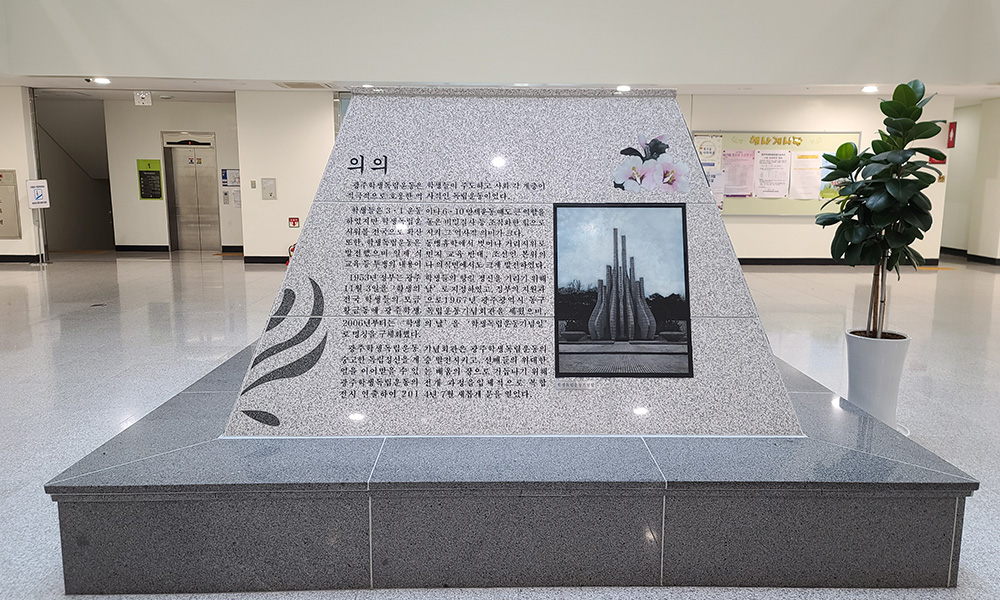
The Gwangju Student Independence Movement is introduced as an anti-Japanese independence movement led by students in the Gwangju area in 1929. It began in Gwangju over discriminatory ethnic education and spread nationwide, and the memorial hall was established to commemorate the historical significance of the event.
In June 1929, students from Gwangju High School, Gwangju Agricultural School, and Gwangju Normal School organized the Central Committee of the Reading Circle, an anti-Japanese secret association. Over approximately five months, the movement expanded into a nationwide campaign involving 320 schools and more than 54,000 people. Rallies of encouragement and demonstrations calling for independence also continued in Jiandao and Jilin Province in Manchuria, Shanghai and Beijing in China, Japan, and the Americas.
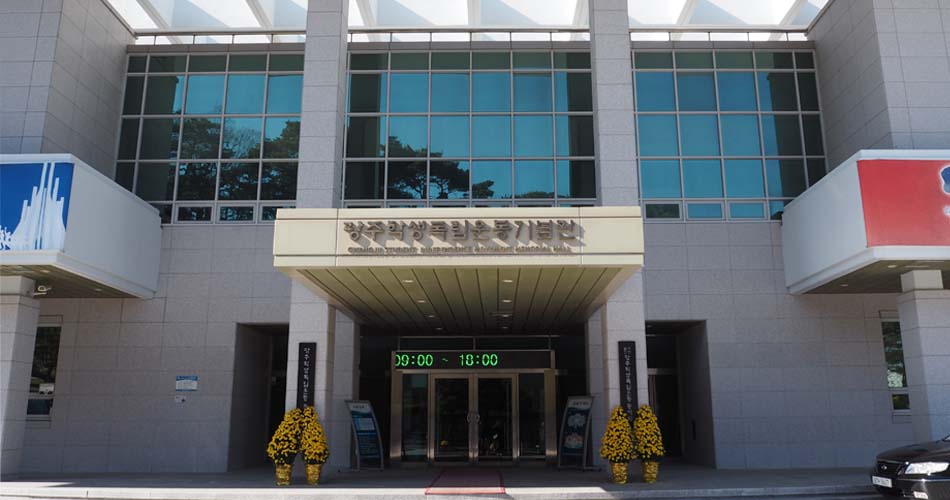
From Its Opening in 1967 to the New Building in 2005
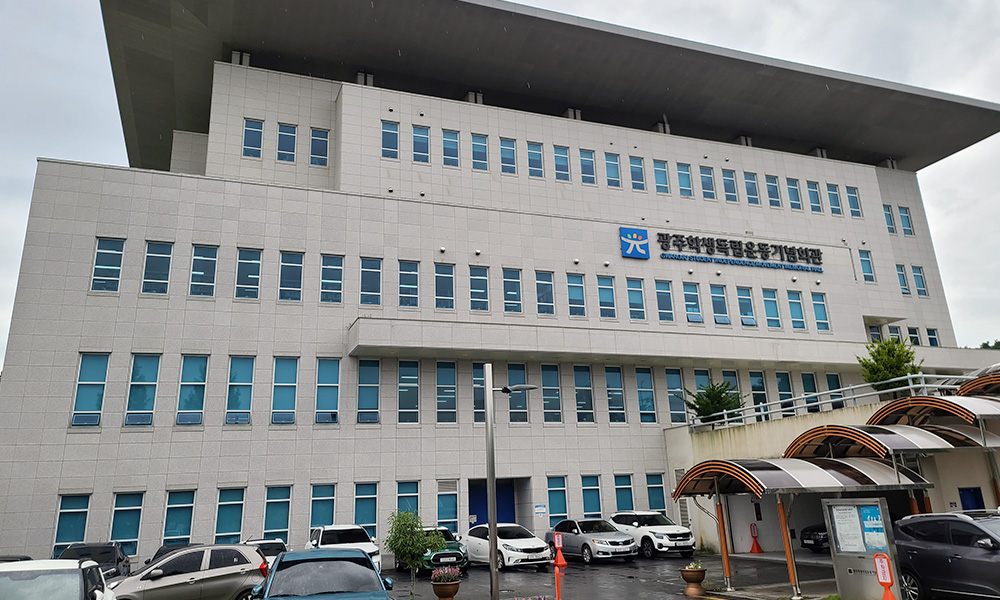
The Gwangju Student Independence Movement Memorial Hall opened on November 3, 1967. The current memorial hall opened anew in November 2005 and operates as a space for systematically preserving historical materials related to the Gwangju Student Independence Movement.
The facilities consist of the memorial hall, library, and Student Independence Movement Memorial Tower. Rather than presenting a simple chronological table, the exhibition shows historical facts three-dimensionally around individual events, allowing visitors to follow the movement’s origins and spread in one place.
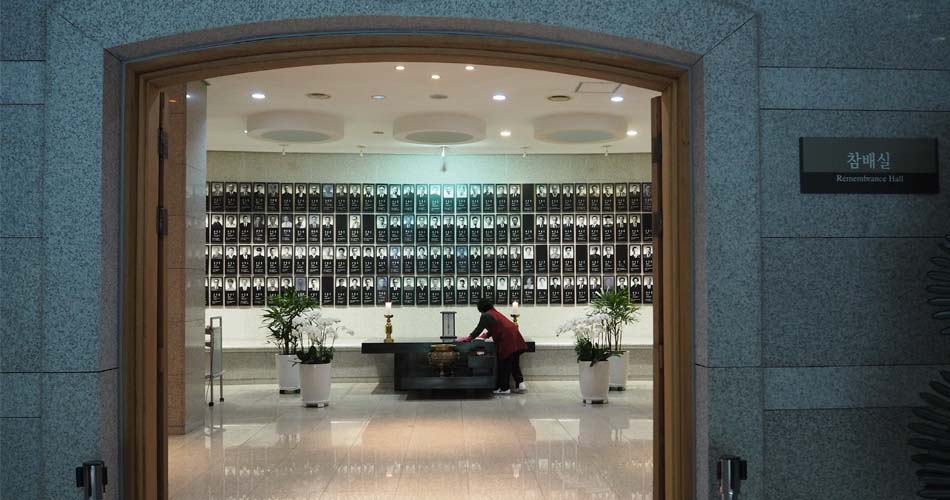
Meeting the Names of 277 People in the First-Floor Memorial Room
The memorial hall is broadly divided into the first and second floors. At the center of the first floor is a memorial room dedicated to 277 participants in the Gwangju Student Independence Movement. Another memorial room inside the exhibition hall honors the patriotic predecessors who died while resisting Japanese imperial oppression.
Among the 277 people, 139 received national decorations. The honors listed are two Independence Medals, 16 Patriotic Medals, 83 National Merit Medals, 14 Commendations, and 24 Presidential Commendations. Online memorial visits are also available, allowing visitors to connect with the meaning of the space before or after their visit.
Four Questions and the Prison Experience Room on the Second Floor
The second-floor exhibition is organized around four themes: “What was the Gwangju Student Independence Movement?”, “Why did it occur?”, “How was the struggle waged?”, and “How is it carried on?” The structure examines the movement’s concept, causes, course of struggle, and continuation in sequence.
The second floor also has a video room and special exhibition space. With a prison experience room, hands-on areas, and film-viewing elements set against the backdrop of the period, its visitor route differs from that of a history museum based solely on written materials. However, publicly available sources do not confirm whether photography is restricted in the exhibition rooms or whether English guidance and audio guides are provided.
09:00–17:00 Free Admission and the Closing Days You Should Not Miss
Visiting hours are 09:00–17:00 on both weekdays and weekends, and admission is free. The memorial hall is closed every Monday and on public holidays, but it is announced to remain open on March 1 Independence Movement Day, Memorial Day, and Liberation Day. The official sources are based on 2024, and operating hours and closing days may change by the time of your visit.
The main telephone number is 062-221-5500, and the official website is http://gsim.gen.go.kr. The admission closing time, queues, and whether payment is cash-only have not been confirmed, so it is safer to arrive during the daytime, when you can see both the exhibition and memorial room, rather than just before 17:00.
- Admission: Free
- Visiting hours: Weekdays and weekends, 09:00–17:00
- Closed: Every Monday and public holidays; open on March 1 Independence Movement Day, Memorial Day, and Liberation Day
Get Off at Stops 2077 or 2078 for the Gwangju Student Independence Movement Memorial Hall
When traveling by bus from elsewhere, search for the “Gwangju Student Independence Movement Memorial Hall” bus stop as your destination. The stop numbers are listed as 2077 and 2078, and the confirmed routes are Geumho 36, Cheomdan 20, Jinwol 77, Maewol 61, and Unnim 50.
There is also a nearby “Gwangju Student Movement Memorial Tower” bus stop, numbered 4514. Public sources do not confirm the operating hours and intervals of each route, the walking distance from the stops to the building, or the nearby subway station and exit numbers. After arriving in Gwangju, check real-time bus directions in a map app as well.
- Main alighting point: Gwangju Student Independence Movement Memorial Hall bus stop
- Stop numbers: 2077 and 2078
- Confirmed buses: Geumho 36, Cheomdan 20, Jinwol 77, Maewol 61, Unnim 50
- Nearby stop: Gwangju Student Movement Memorial Tower, 4514
Check Parking and Wheelchair Routes at 30 Haksaengdongnip-ro
The address is 30 Haksaengdongnip-ro, Seo-gu, Gwangju (Hwajeong-dong), while the lot-number address is 512 Hwajeong-dong, Seo-gu, Gwangju, and the postal code is 62024. Parking is available, and four spaces exclusively for people with disabilities have been confirmed, but the total number of parking spaces and parking fees have not been verified in public sources.
Accessibility information includes a wide, level, safe pedestrian path, a gentle slope, and walkways that are easy for wheelchair users to use. The restroom entrance is at least 1.2 m wide and has no level difference. The wheelchair-accessible elevator has Braille control buttons and an emergency bell. Braille signs and tactile paving at the entrance, as well as an infant seat, are also indicated, providing useful information for wheelchair and stroller users.
- Street address: 30 Haksaengdongnip-ro, Seo-gu, Gwangju (Hwajeong-dong)
- Lot-number address: 512 Hwajeong-dong, Seo-gu, Gwangju
- Accessible parking spaces: 4
- Restroom entrance width: At least 1.2 m
10:30 Guided Commentary and a Two-to-Three-Hour Visiting Plan
According to 2024 veterans education materials, ongoing guidance by a cultural tourism commentator is available from March through December, from 10:00 to 17:00. A visitor review from January 2021 introduced regular commentary times of 10:30, 13:30, and 15:30, but this schedule was based on that review and cannot be assumed to be current.
Trip.com lists the recommended sightseeing duration as two to three hours. This range may suit visitors who want to see the first-floor memorial room, the second-floor themed exhibitions, the video room, special exhibition, and prison experience room, although no official recommended visiting time has been confirmed. The website allows reservations for programs including the Gwangju Spirit History Tour, the Growing-Through-Thought Dokdo Classroom, and Stories of Korea’s Independence Movement.
- Ongoing cultural tourism commentary: March–December, 10:00–17:00
- Regular commentary times mentioned in a review: 10:30, 13:30, 15:30
- Trip.com recommended sightseeing duration: 2–3 hours
- Reservation programs: Gwangju Spirit History Tour, Growing-Through-Thought Dokdo Classroom, Stories of Korea’s Independence Movement
How Much to Cover When Visiting the Memorial Tower and Bitgoeul Observatory Together
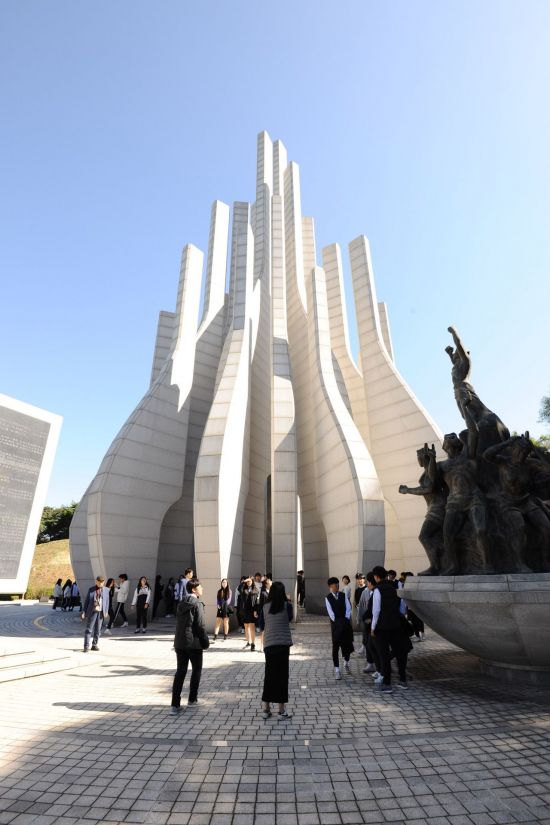
Near the memorial hall are the Gwangju Student Independence Movement Memorial Tower, Bitgoeul Observatory, the Gwangju Metropolitan City Youth Training Center, and a sports field. The memorial tower is especially mentioned as an outdoor facility for remembering the Student Independence Movement together with the memorial hall, so you can plan to add the surrounding facilities after viewing the indoor exhibition.
However, publicly available sources do not confirm the exact walking times to each nearby facility or their operating hours. If you visit only the memorial hall, you can focus on the free indoor historical exhibition. If you combine it with nearby facilities, it is advisable to separately check whether they are open and confirm the walking route on the day of your visit.
Before You Go
- Address
- 30 Haksaengdongnip-ro, Seo-gu, Gwangju (Hwajeong-dong)
- Hours
- Weekdays and weekends, 09:00–17:00
- Closed
- Closed every Monday and on public holidays. Open on March 1 Independence Movement Day, Memorial Day, and Liberation Day.
- Admission
- Free
- Phone
- 062-221-5500
- Official site
- http://gsim.gen.go.kr
- Transport
- Use the Gwangju Student Independence Movement Memorial Hall bus stop, numbers 2077 and 2078. Confirmed routes are Geumho 36, Cheomdan 20, Jinwol 77, Maewol 61, and Unnim 50. The nearby Gwangju Student Movement Memorial Tower stop is number 4514.
- Parking
- Parking is available. Four spaces exclusively for people with disabilities have been confirmed. Parking fees have not been verified in public sources.
- Time needed
- Trip.com recommends 2–3 hours. However, no official recommended visiting time has been confirmed.
- Accessibility
- There are four accessible parking spaces, a wide, level, safe pedestrian path, a gentle slope, and walkways that are easy for wheelchair users to use. The restroom entrance is at least 1.2 m wide and has no level difference. The wheelchair-accessible elevator has Braille control markings and an emergency bell. Braille signs and tactile paving at the entrance, as well as an infant seat, have been confirmed.
The information above is based on the time of writing. Check the official guidance again before visiting.

Places
Nearby Attractions 3
-
 1
Gwangju Student Independence Movement Memorial TowerAn outdoor historical attraction featuring a tower commemorating the Student Independence Movement.
1
Gwangju Student Independence Movement Memorial TowerAn outdoor historical attraction featuring a tower commemorating the Student Independence Movement. -
 2
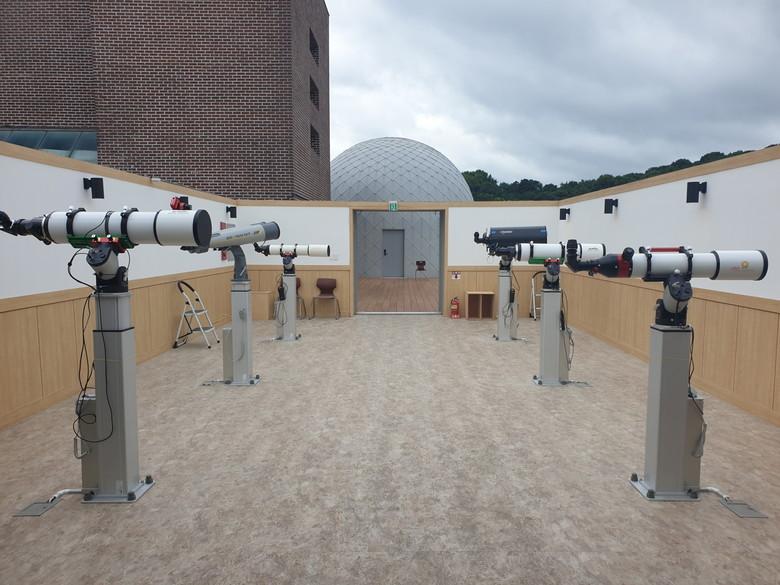
Bitgoeul ObservatoryAn astronomy experience center where visitors explore the night sky with telescopes and observation programs.
2
Bitgoeul ObservatoryAn astronomy experience center where visitors explore the night sky with telescopes and observation programs. -
 3
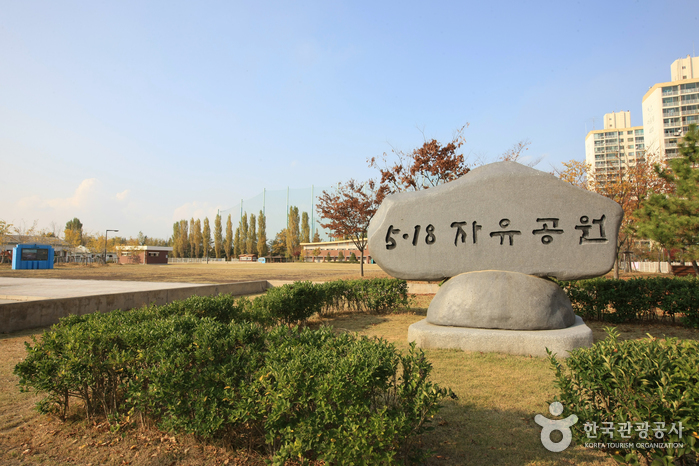
5·18 Freedom ParkA park where the military court and detention center from the time of the 5·18 Democratization Movement have been restored, offering insight into the history of democratization.
3
5·18 Freedom ParkA park where the military court and detention center from the time of the 5·18 Democratization Movement have been restored, offering insight into the history of democratization.
Food & Dining 3
-
 4
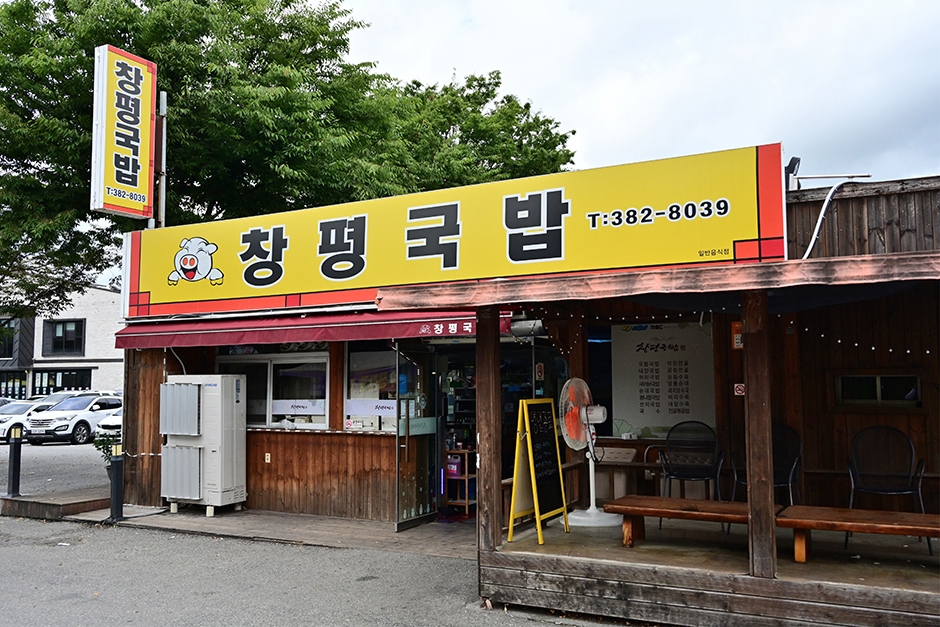
Wonjo Changpyeong GukbapA gukbap specialty restaurant serving sundae gukbap, hangover soup with beef bones, and beef intestine hot pot.
4
Wonjo Changpyeong GukbapA gukbap specialty restaurant serving sundae gukbap, hangover soup with beef bones, and beef intestine hot pot. -
 5
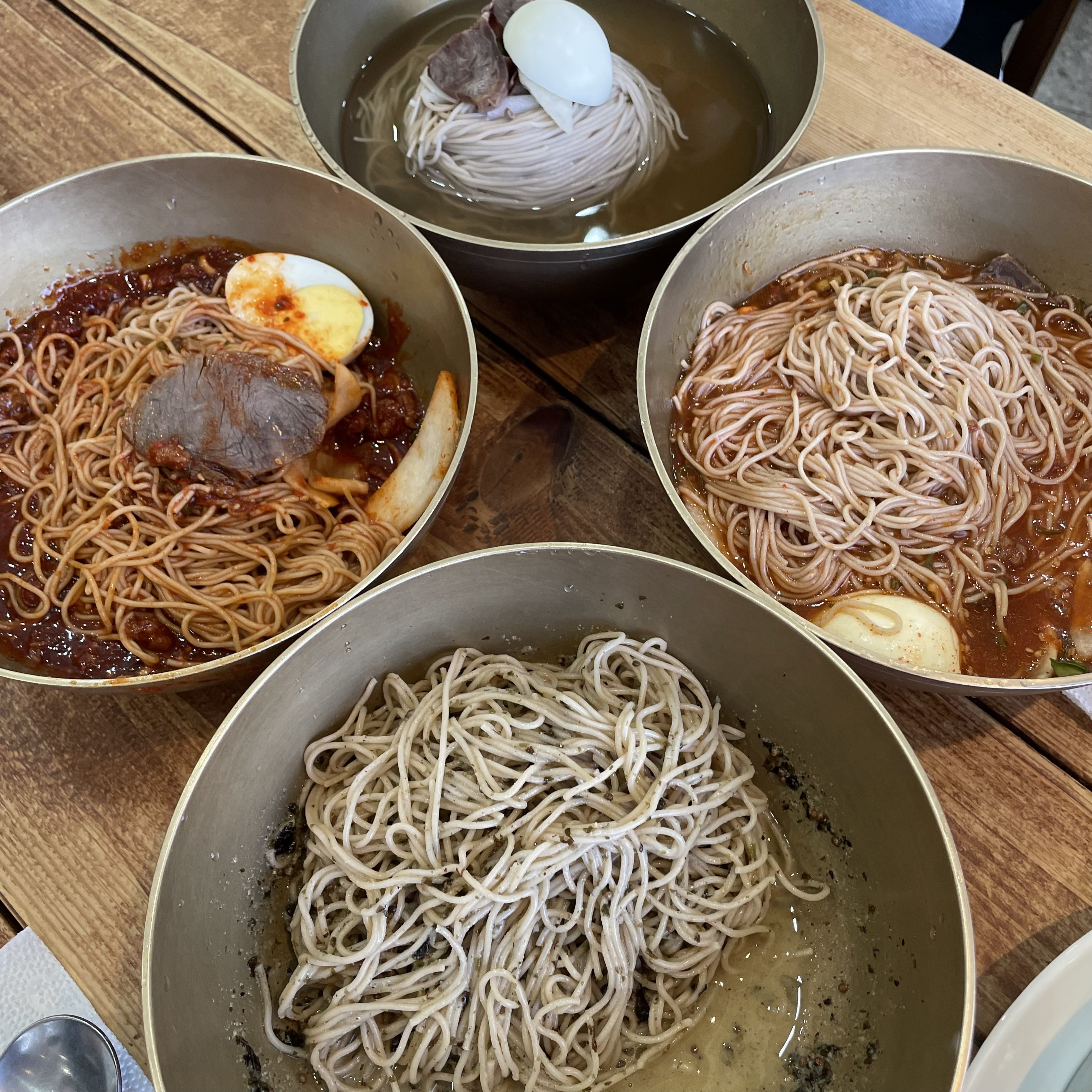
Gwangjuok 1947A naengmyeon specialty restaurant serving meals centered around Pyongyang-style cold noodles and dumplings.
5
Gwangjuok 1947A naengmyeon specialty restaurant serving meals centered around Pyongyang-style cold noodles and dumplings. -
 6
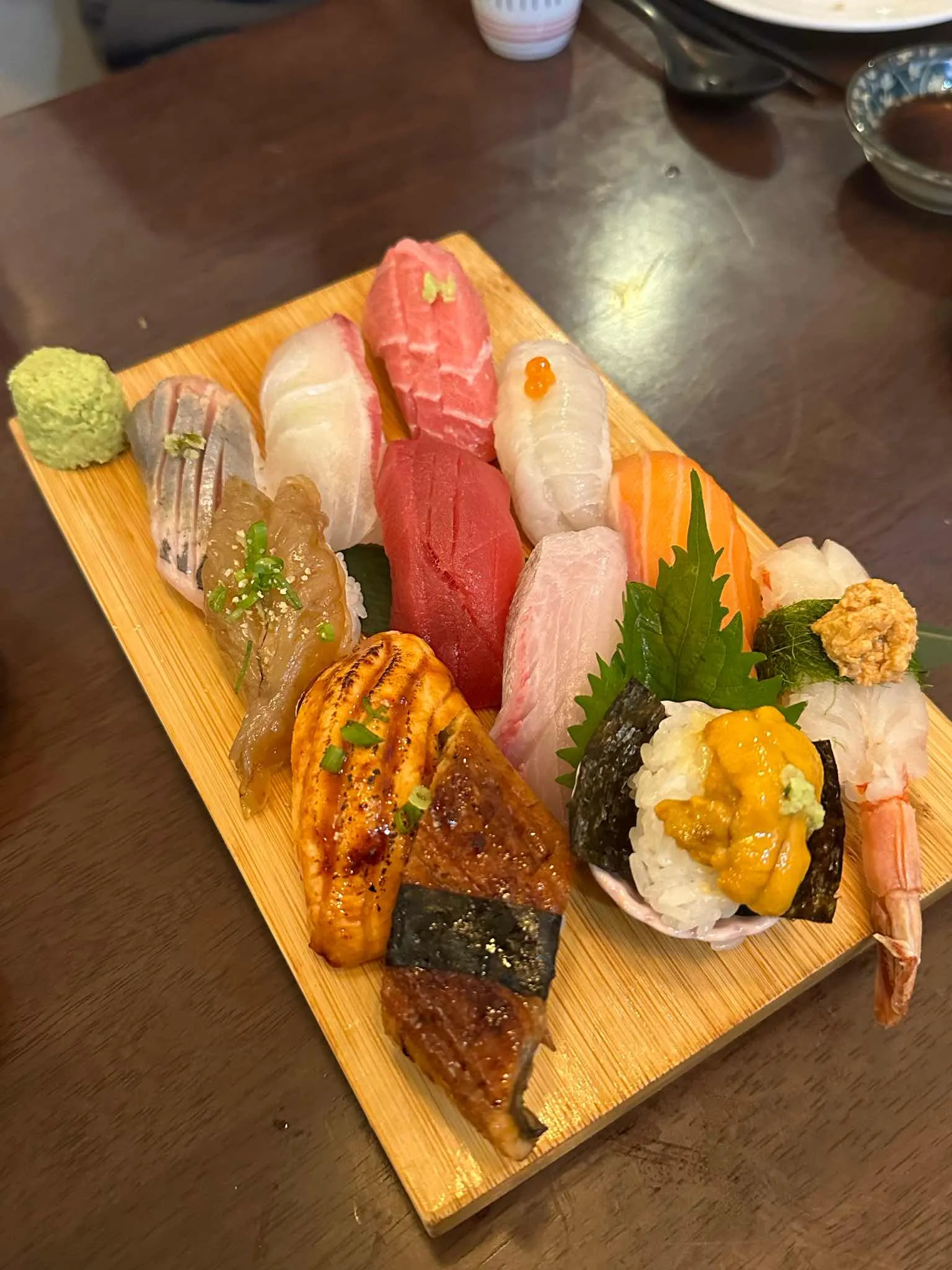
Ruki Sushi Nongseong BranchA Japanese restaurant serving sushi and kaisendon (seafood rice bowls).
6
Ruki Sushi Nongseong BranchA Japanese restaurant serving sushi and kaisendon (seafood rice bowls).
Events in This Area

Festivals in This Area

More Travel Guides in This Area
 Travel Guide
The Courtyard of Gwangju Hyanggyo, Connecting 1393 to the Present
 Travel Guide
From a 1956 Reservoir to a Rose Garden with 140 Varieties: Pungam Lake Park
 Travel Guide
Gwangju’s Administration, Memories and Nightlife Left Behind After Sangmudae’s Departure
 Travel Guide
How to Actually Connect Bus Travel, Shopping, and Movies at Gwangju U Square
Korea News
 News
News
TWS heightens comeback excitement with kitschy charm… Anticipation for “plot twist” rises
 News
News
BTS, Six Months After Its Release… ‘Arirang’ Climbs the U.S. Billboard 200
 News
News
'The Nation's Girl Group' RESCENE, Five Girls Transformed into Guardians… Additional Concept Photos for Their 4th Mini Album Revealed
 News
News