From a Vacant Lot in 1945 to 1,200 Shops: Busan Gukje Market
Gukje Market is a traditional market in Busan’s old downtown district that began with street stalls run by Koreans returning home after liberation in 1945 and grew as refugees and port goods became concentrated there in the 1950s. It is about a 400-meter walk from Jagalchi Station Exit 7, making it easy to visit together with Jagalchi Market, BIFF Square, and Bupyeong Kkangtong Market.
I’ve been here?
Your check-in helps the next traveler.
23 people viewed this week Be the first
One tap — no writing needed
How the 1945 “Sokkai” Vacant Lot Became Gukje Market
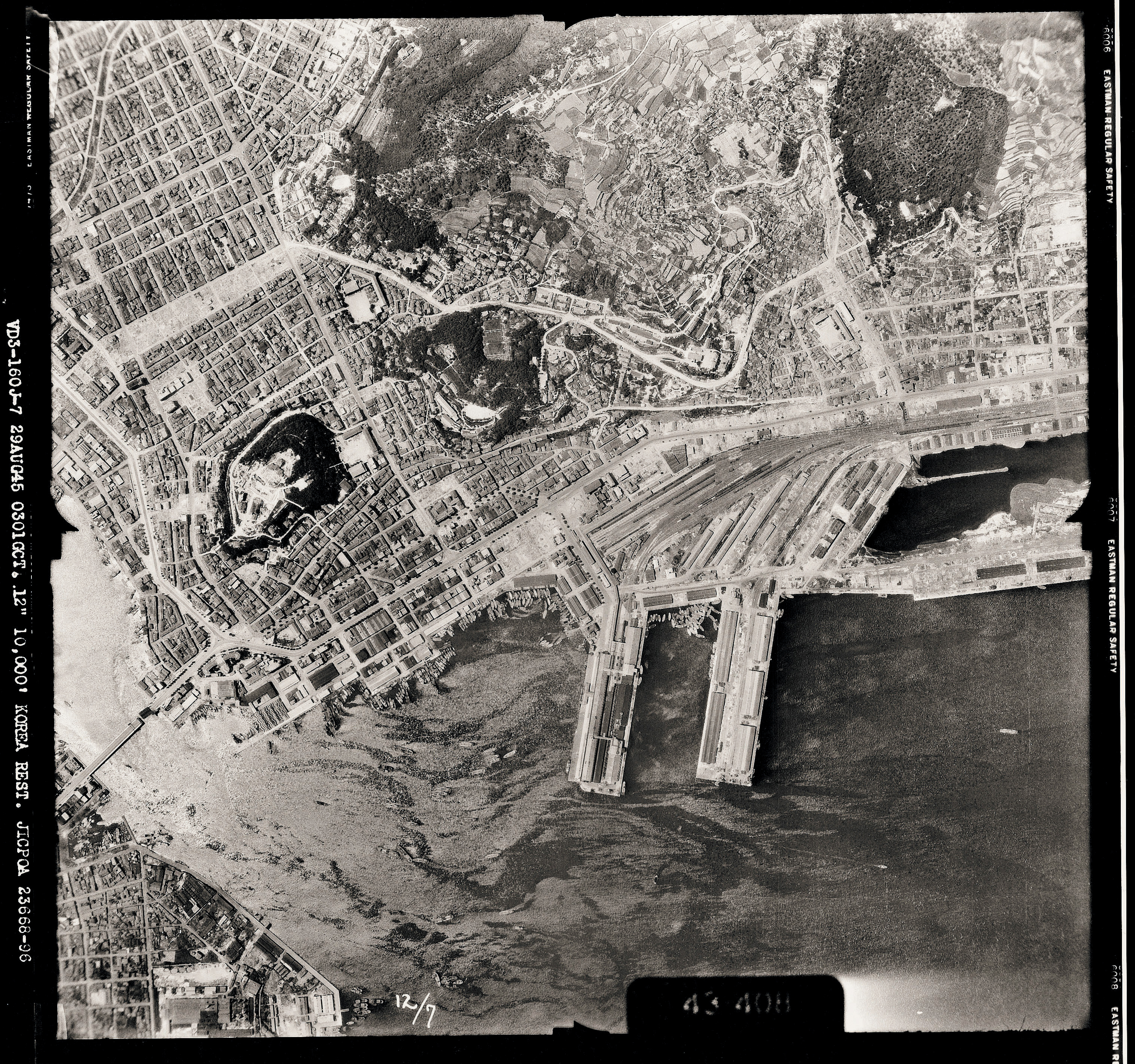
The area around Sinchang-dong, Jung-gu, Busan, where Gukje Market is located, was not a commercial district that suddenly emerged just after liberation. Rather, the market was created amid changes to the urban space during wartime. After a Japanese Army officers’ residence in Sujeong-dong, Busan, was bombed on August 1, 1945, the Japanese military demolished residential areas downtown in preparation for further air raids. The area around today’s Gukje Market also became vacant land along the roads. This is the background to why local residents called the area “Sokkai,” a word derived from the Japanese term for evacuation.
After liberation in 1945, Japanese residents left and returning Koreans set up street stalls on the vacant land, forming a market. Goods from Japanese factories were traded in large quantities, and the market was also called a “Dottegi Market,” meaning a market for miscellaneous goods. In May 1946, a merchants’ self-governing association was formed. In April 1948, a “Jayu Market” was established on a 16,528-square-meter site, with 12 wooden buildings and 1,200 shops. The name Gukje Market began being used in May 1950.
The Structure of the Refugee Commercial District with 1,150 Permanent Shops in 1952
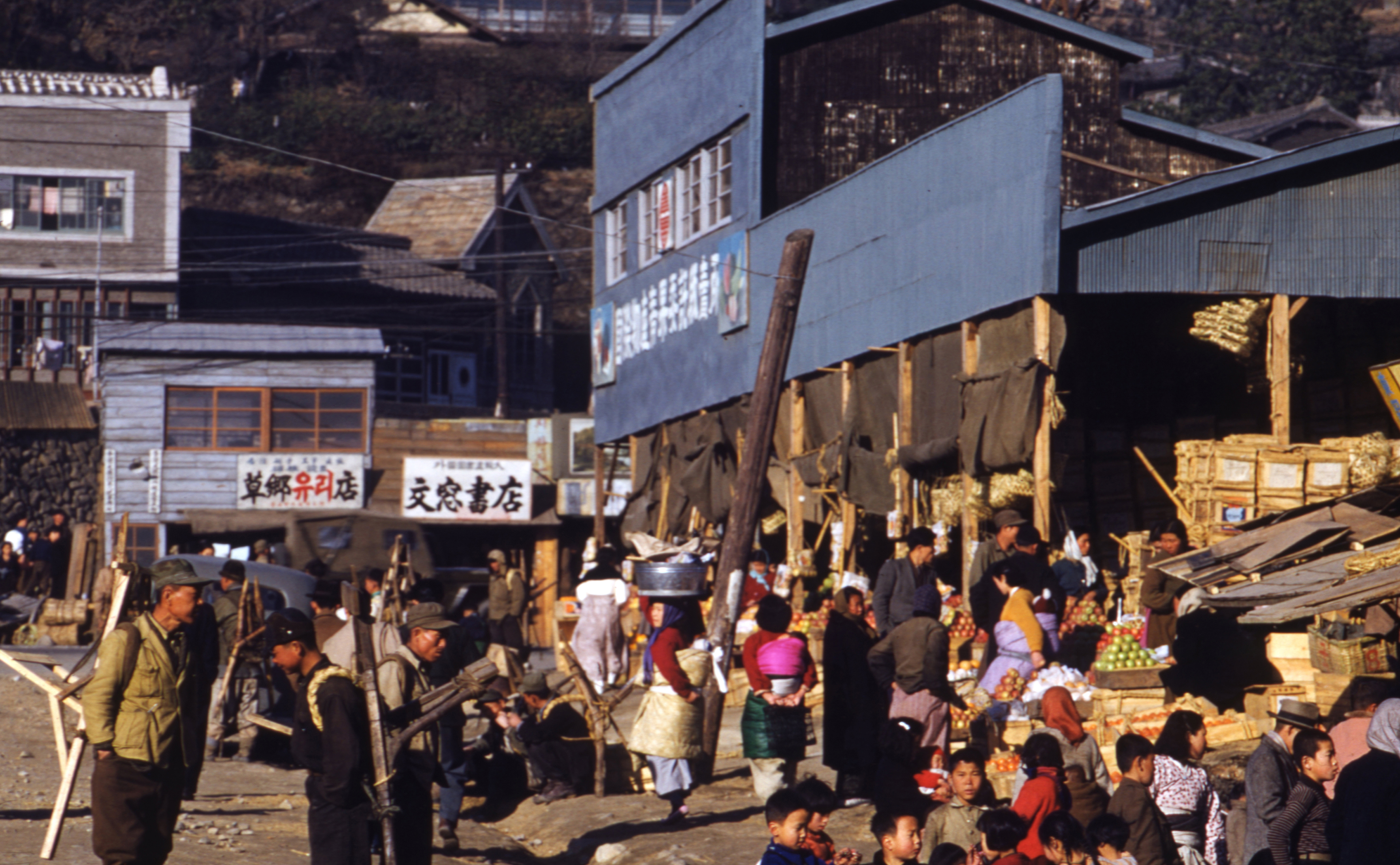
The Korean War greatly changed the scale and character of Gukje Market. As refugees settled in Bosu-dong and on the slopes of Yongdusan Mountain, they became market merchants. As of February 1952, market association records listed 1,150 permanent shops and approximately 2,000 unauthorized street vendors. Refugees from North Korea accounted for 50% of permanent shop owners and refugees from Seoul accounted for 20%, while 95% of street vendors and peddlers were refugees.
The “international” in the market’s name was not merely decorative, as goods entering through Busan Port, along with American relief supplies and military goods, were distributed there. Busan municipal materials explain that, alongside the settlement of returning Koreans after liberation and the influx of relief supplies during the war, commercial networks centered on Gukje Market spread throughout the country. The reason shops specializing in clothing, shoes, kitchenware, stationery, glasses, handicrafts, socks, and other goods continue to line the market today can be understood through this history of wholesale and daily-goods distribution.
An Entrance Linking Nampo’s Historic Downtown, 400 m from Jagalchi Station Exit 7
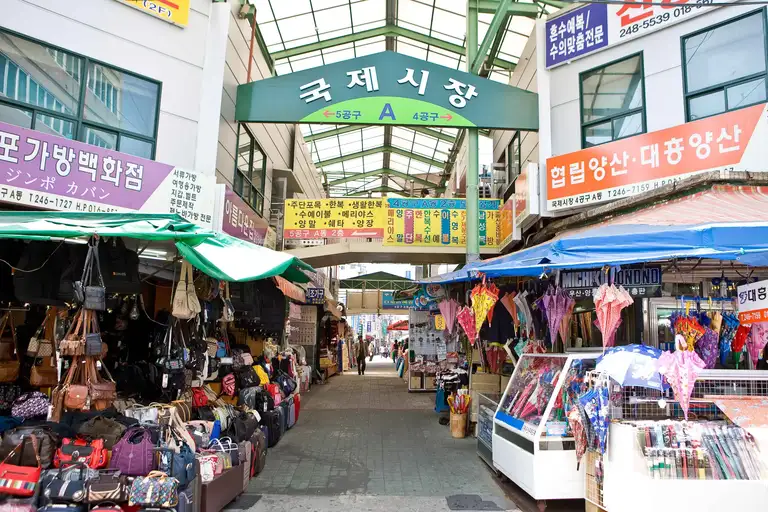
According to information from the Gukje Market Cooperative, the representative address is 13 Jung-gu-ro, Jung-gu, Busan, and the main telephone number is 051-245-7389. From Exit 7 of Jagalchi Station on Busan Metro Line 1, walk approximately 400 m toward Gukje Market to reach it. If starting from Nampo Station, the market center is approximately 780 m away, or about a 9-minute walk.
For buses, the simplest option is to get off at the “Gukje Market · Busan Modern History Museum” stop and walk for about 5 minutes. Bus routes 40 and 81 stop there. At the “Nampodong · Jagalchi Station · BIFF Square” stop, you can take routes 5-1, 6, 7, 8, 15, 61, 70, 86, 87, 126, 134, 1000, 1003, and 1004; the market is about a 6-minute walk from the stop.
- Jagalchi Station Exit 7 → Gukje Market: approximately 400 m
- Nampo Station → Gukje Market: approximately 780 m, about a 9-minute walk
- Gukje Market · Busan Modern History Museum stop: routes 40 and 81, about a 5-minute walk
- Nampodong · Jagalchi Station · BIFF Square stop: routes 5-1, 6, 7, 8, 15, 61, 70, 86, 87, 126, 134, 1000, 1003, and 1004, about a 6-minute walk
Plan Around 09:30–19:30 Hours and Closures on the First and Third Sundays
Gukje Market is described as a permanent market, and operating information from the Busan regional records archive lists its hours as 09:30–19:30, with closures on the first and third Sundays. Admission to the market as a whole is free, but each shop may carry different products and close at a different time, so if you have a specific shop in mind, it is safest to call before setting out. The market’s main telephone number is 051-245-7389, and the official website is https://gukjemarket.co.kr.
For first-time visitors, it is better to set aside the morning for browsing and the afternoon for connecting with Jagalchi and BIFF Square. Touring Gukje Market alone takes about 60–90 minutes; if you compare and purchase clothing, kitchenware, and souvenirs or combine the visit with nearby markets, allowing 2–3 hours is realistic. Because this is primarily a permanent-shop market, be careful not to confuse it with the nighttime operation of Bupyeong Kkangtong Night Market.
- Operating hours: 09:30–19:30
- Closed: First and third Sundays
- Admission: Free
- Main telephone: 051-245-7389
- Recommended time: 60–90 minutes for Gukje Market alone; 2–3 hours when combined with nearby markets
Walk from 13 Jung-gu-ro to Jagalchi, BIFF Square, and Kkangtong Market
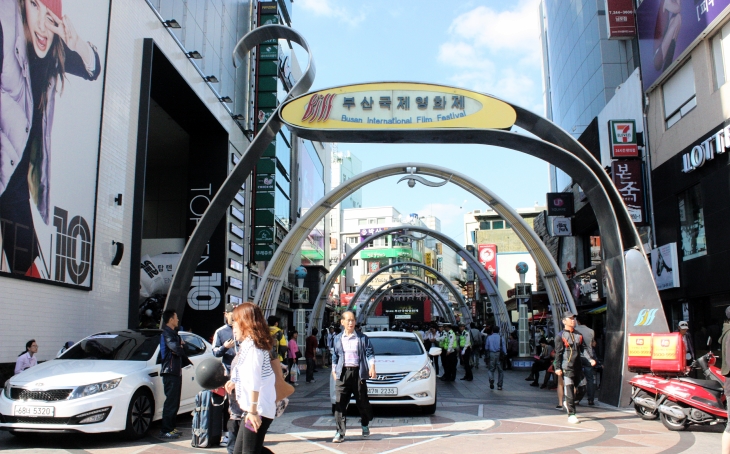
Gukje Market is easier to navigate as part of Busan’s historic downtown walking route than as a standalone attraction. Jagalchi Market, BIFF Square, and Bupyeong Kkangtong Market are close together, making it possible to walk between them in one direction. BIFF Square is described as about a 5-minute walk from Gukje Market, and Jagalchi Market is another roughly 5-minute walk from BIFF Square.
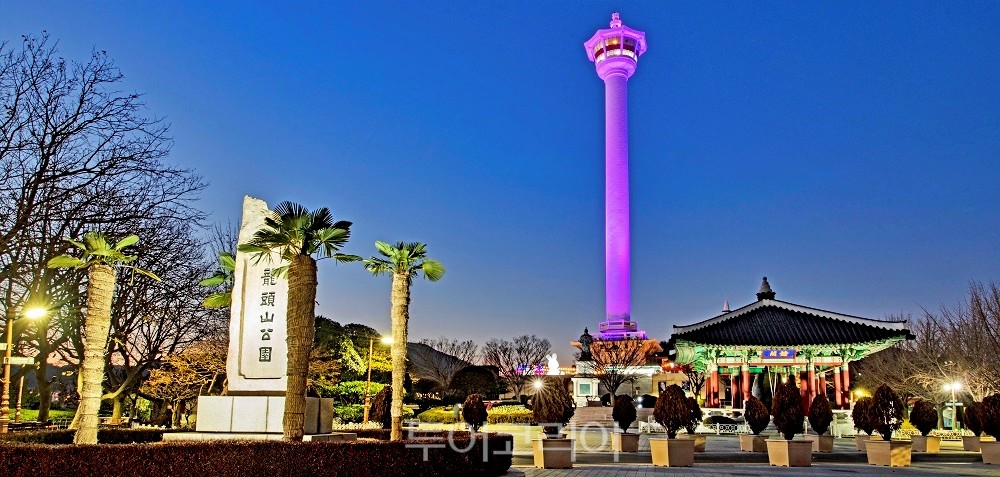
After browsing Gukje Market, an efficient route is to pass the movie-related plaques and street-food area of BIFF Square before descending to Jagalchi Market. If you plan to have dinner at Bupyeong Kkangtong Market’s night market, it is best to visit the Gukje Market shops first, before 19:30. Conversely, if you want to include Busan Tower, Yongdusan Park and Busan Tower are described as being within about a 2–3-minute walk of the area near the Gukje Market parking lot.
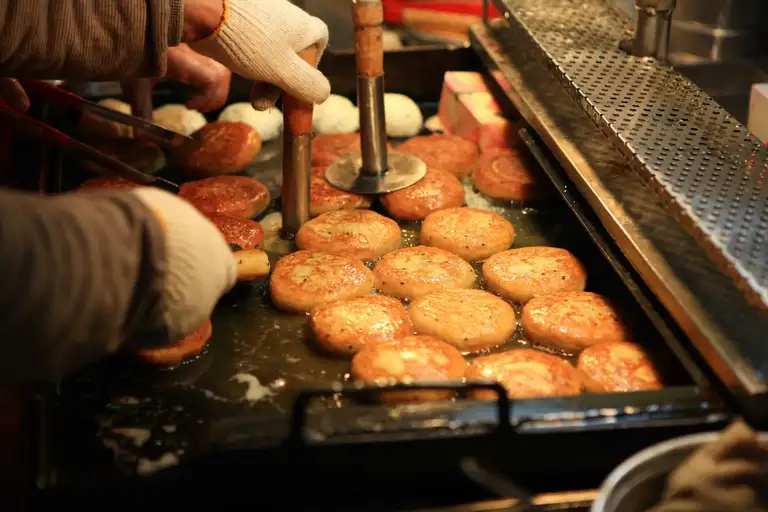
Public Parking at 32-1 Gwangbokjungang-ro and Choosing to Prioritize Walking
For those arriving by car, the nearby parking lot address listed for Gukje Market is 32-1 Gwangbokjungang-ro, Jung-gu, Busan. However, the market alleys are busy with pedestrians, and destination shops are spread across several areas of Jung-gu-ro and Sinchang-dong, so it is better to park and continue on foot. Parking fees and available spaces can change considerably, so check the on-site information or a parking app again on the day.
Wheelchair and stroller users may find that passageways between shops become narrow or crowded at certain times, so having a companion can make getting around easier. No comprehensive accessibility information or regular foreign-language guidance for the entire market could be confirmed. If necessary, it is safer to contact the Gukje Market Cooperative in advance at 051-245-7389. Using Jagalchi Station on Metro Line 1 instead of driving avoids having to take a vehicle into the narrow alleys.
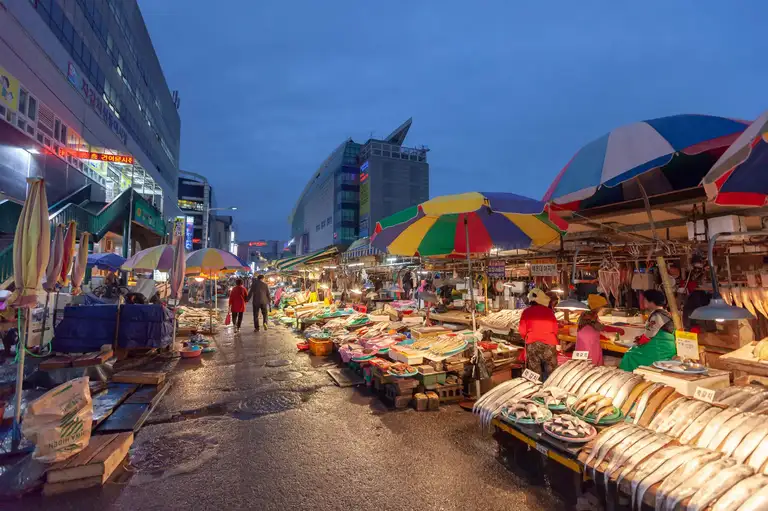
What Remains After the Film Ode to My Father Is the Market Organization of the 1950s
The film Ode to My Father, released in December 2014, brought the market’s name to national attention again. However, the essence of this place is not its status as a filming location but the space shaped by postwar livelihoods and distribution in Busan. Records that wooden buildings were rebuilt after the major fire of 1953, along with accounts of street stalls selling military uniforms and boots in the 1950s, show how closely the market was connected to the flow of wartime goods.
When visiting Gukje Market, rather than focusing only on finding scenes from the film, it is better to observe the sections organized by product type, the narrow shopping passages, and the terrain extending toward Bosu-dong, Gwangbok-dong, and Nampodong. This market is a place where three periods overlap: Jayu Market in 1948, the renaming as Gukje Market in 1950, and the refugee commercial district of the wartime period. Even without a specific shopping purpose, walking for about an hour allows you to read traces of Busan as both a port city and a wartime refugee capital.
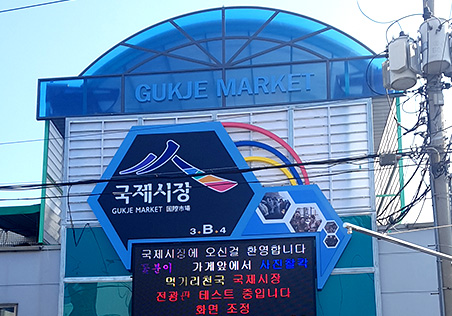
Before You Go
- Address
- 13 Jung-gu-ro, Jung-gu, Busan Metropolitan City
- Hours
- 09:30–19:30
- Closed
- First and third Sundays
- Admission
- Free
- Phone
- 051-245-7389
- Official site
- https://gukjemarket.co.kr
- Transport
- Approximately 400 m from Exit 7 of Jagalchi Station on Busan Metro Line 1. Approximately 780 m from Nampo Station, about a 9-minute walk. About a 5-minute walk after getting off at the Gukje Market · Busan Modern History Museum stop, served by routes 40 and 81.
- Parking
- Nearby Gukje Market parking lot: 32-1 Gwangbokjungang-ro, Jung-gu, Busan Metropolitan City. Checking fees and available spaces on the day is recommended.
- Time needed
- 60–90 minutes for Gukje Market alone; 2–3 hours when combined with Jagalchi, BIFF Square, and Bupyeong Kkangtong Market
- Accessibility
- Market alleys and passageways may be crowded or narrow. Comprehensive information on wheelchair and stroller access or foreign-language guidance for the entire market could not be confirmed, so advance inquiries at 051-245-7389 are recommended if needed.
The information above is current as of the time of writing. Check the official guidance again before visiting.

Places
Nearby Attractions 5
-
 1
1
-
 2
2
-
 3
3
-
 4
4
-
 5
5
Food & Dining 5
-
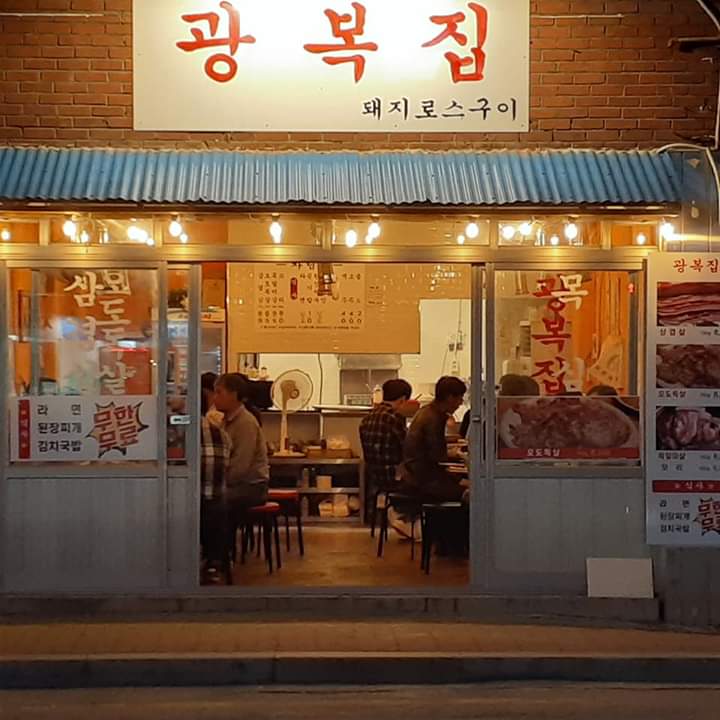 6
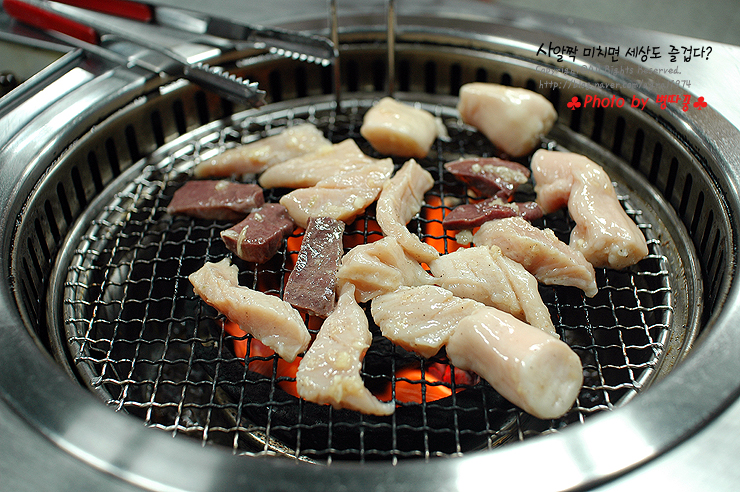
Gwangbokjip
6
Gwangbokjip -
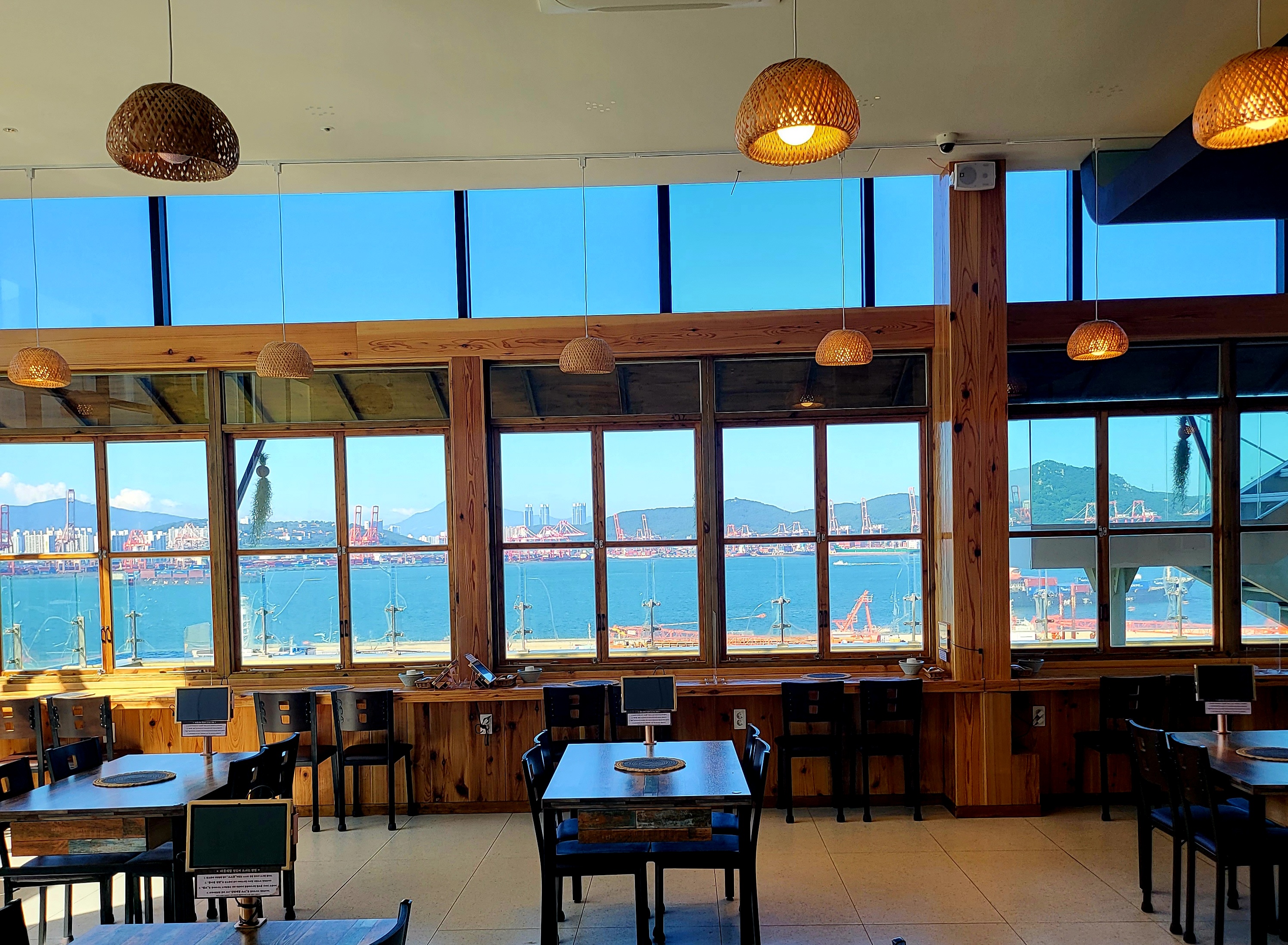 7
Yeongdo Sikdang
7
Yeongdo Sikdang -
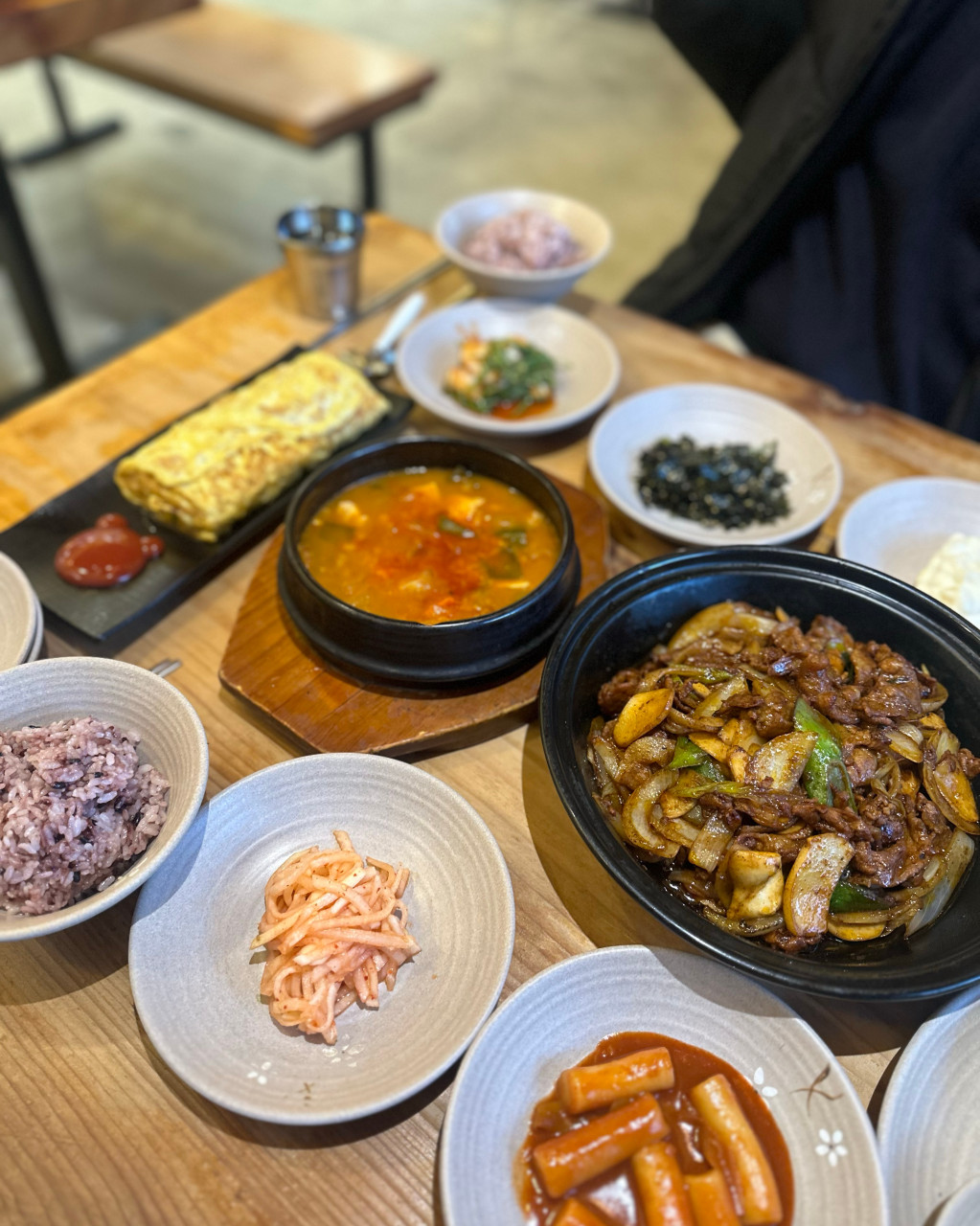 8
Sulgodang
8
Sulgodang -
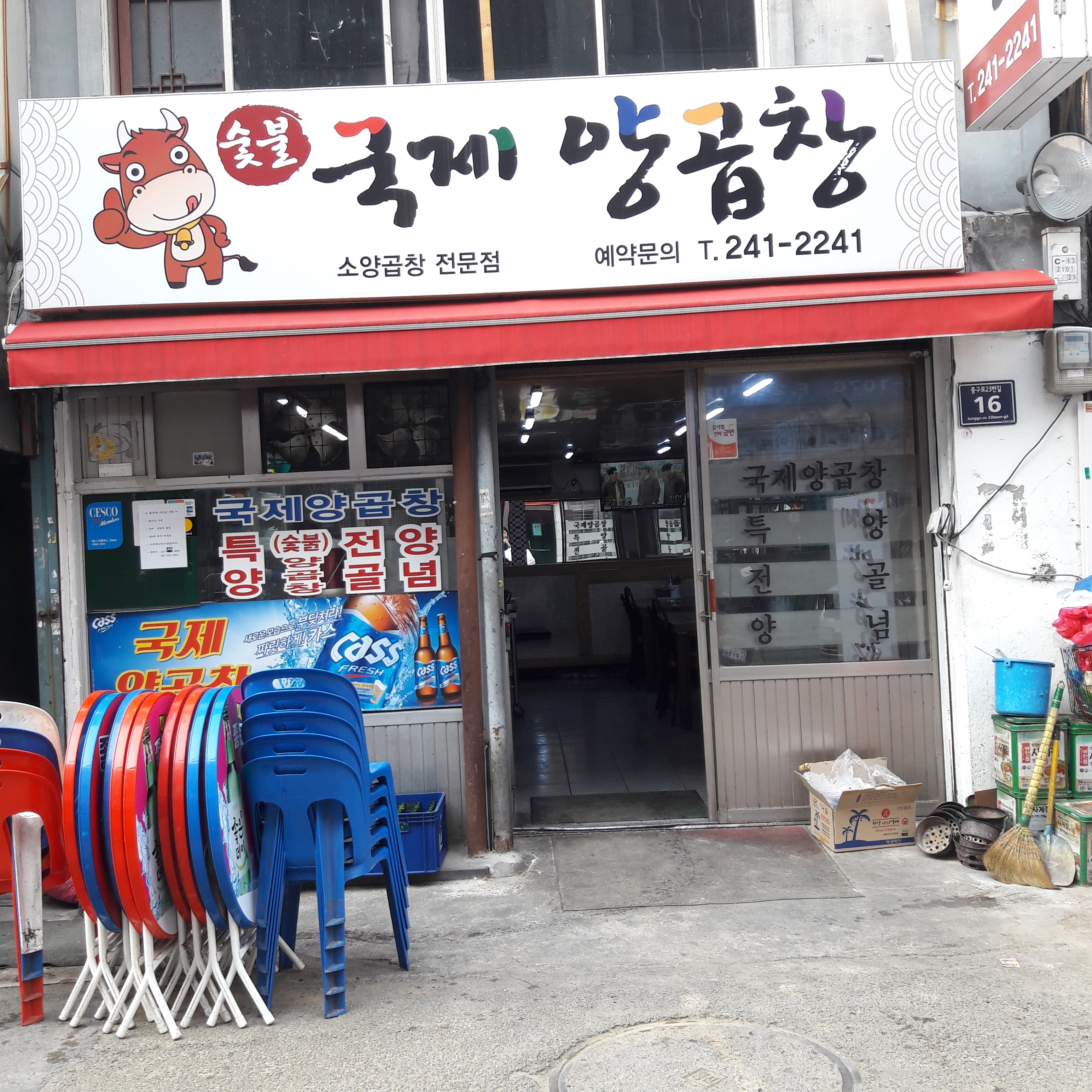 9
9
-
 10
10
Events in This Area

Festivals in This Area
More Travel Guides in This Area
 Travel Guide
Busan Lighting Street, the alley for choosing lights inside Gukje Market
 Travel Guide
One Hour Choosing Bags, Hats, and Household Goods on Manmului Street Next to Gukje Market
 Travel Guide
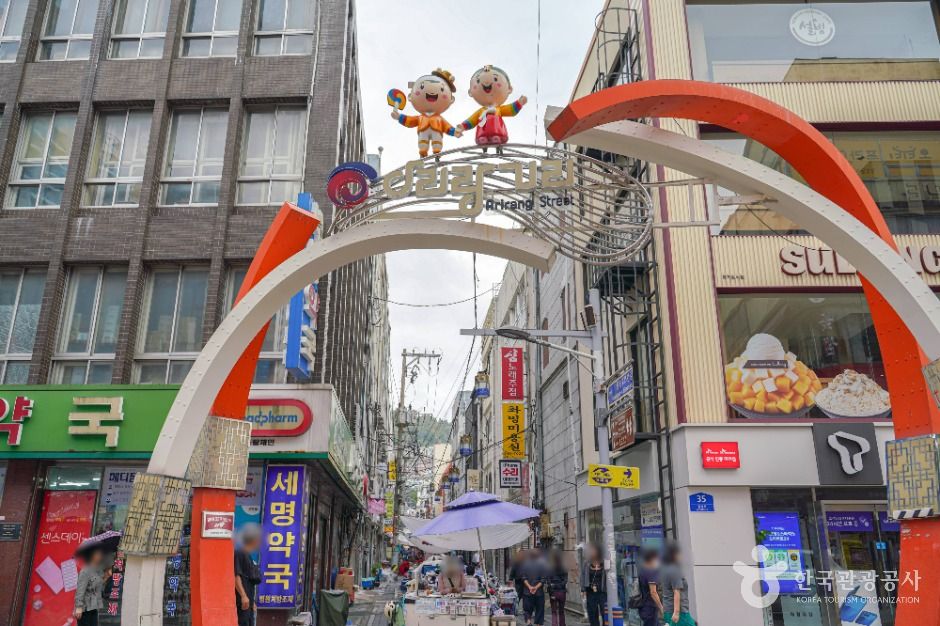
Busan Arirang Street, Starting at 11 Gwangbok-ro 35beon-gil: An International Market Alley Between Handicraft Shops and Opticians
 Travel Guide
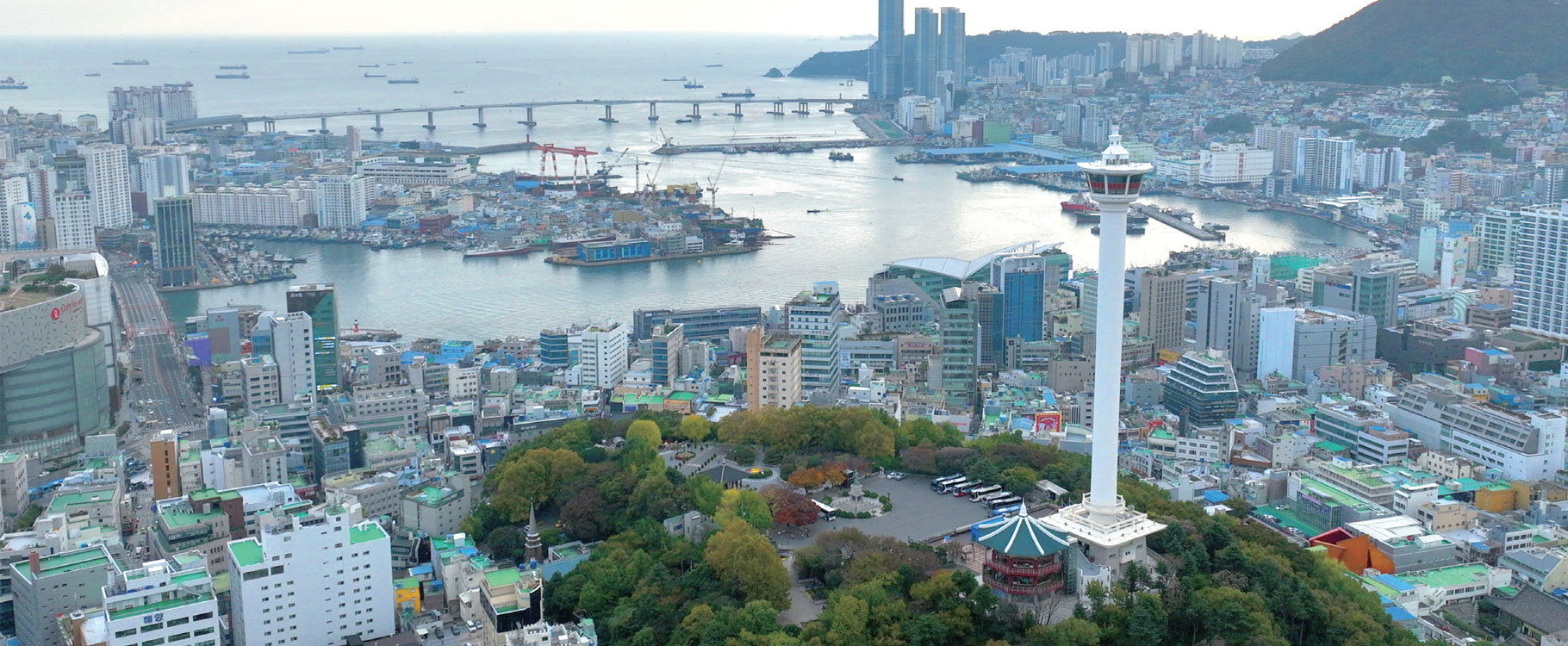
Busan’s Dawn Begins Beneath the Seagull Roof: Jagalchi Market
Korea News
 News
News
BTS’s V’s Wine from Chile Sold Out in Two Hours… “Wait Two Months for Restocking”
!['Comeback' ILLIT Picks Up a Whistle… Bold Warning: 'I'll Arrest You' [Today's Preview]](https://kotourlive-images.s3.ap-northeast-1.amazonaws.com/news/1792978782275_1ad139e1_news_dbdae4b1-d435-43fa-968f-97701d6e9389.jpg) News
News
'Comeback' ILLIT Picks Up a Whistle… Bold Warning: 'I'll Arrest You' [Today's Preview]
!['Inkigayo' A2O LITE Takes First Place with 'NEON'… “Happy to Receive So Much Love” [TV Capture]](https://kotourlive-images.s3.ap-northeast-1.amazonaws.com/news/1792978032199_8f5c6664_news_fcd1f66d-9114-4144-bff3-c90686ac459a.jpg) News
News
'Inkigayo' A2O LITE Takes First Place with 'NEON'… “Happy to Receive So Much Love” [TV Capture]
 News
News