Anjeoksa Temple on 491-meter Aengnimsan Mountain
Anjeoksa Temple, located at the summit of Aengnimsan Mountain in Nae-ri, Gijang-gun, Busan, is introduced as a Buddhist temple founded by Master Wonhyo in 661. Operating hours and admission fees should be checked separately through official notices. Visitors may need to walk up a long incline from the public transport stop, and its major cultural properties are housed at the Beomeosa Seongbo Museum.
I’ve been here?
Your check-in helps the next traveler.
10 people viewed this week Be the first
One tap — no writing needed
Location of Anjeoksa Temple on the 491 m summit of Aengnimsan Mountain
Anjeoksa Temple is a Buddhist temple located on Aengnimsan Mountain in Nae-ri, Gijang-eup, Gijang-gun, Busan Metropolitan City. Aengnimsan Mountain is described as being 491 m high, and its name is said to derive from the gathering of flocks of orioles in the mountain. The address is 461-16 Naerigil, Gijang-eup, Gijang-gun, Busan Metropolitan City.
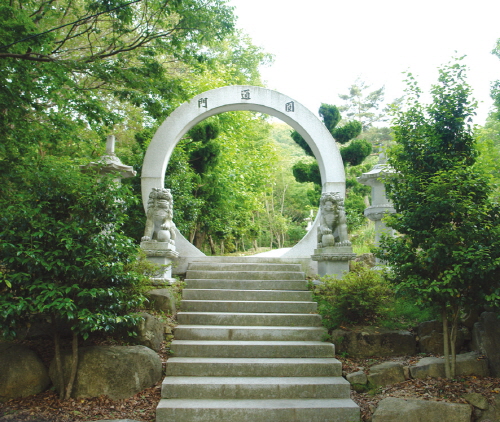
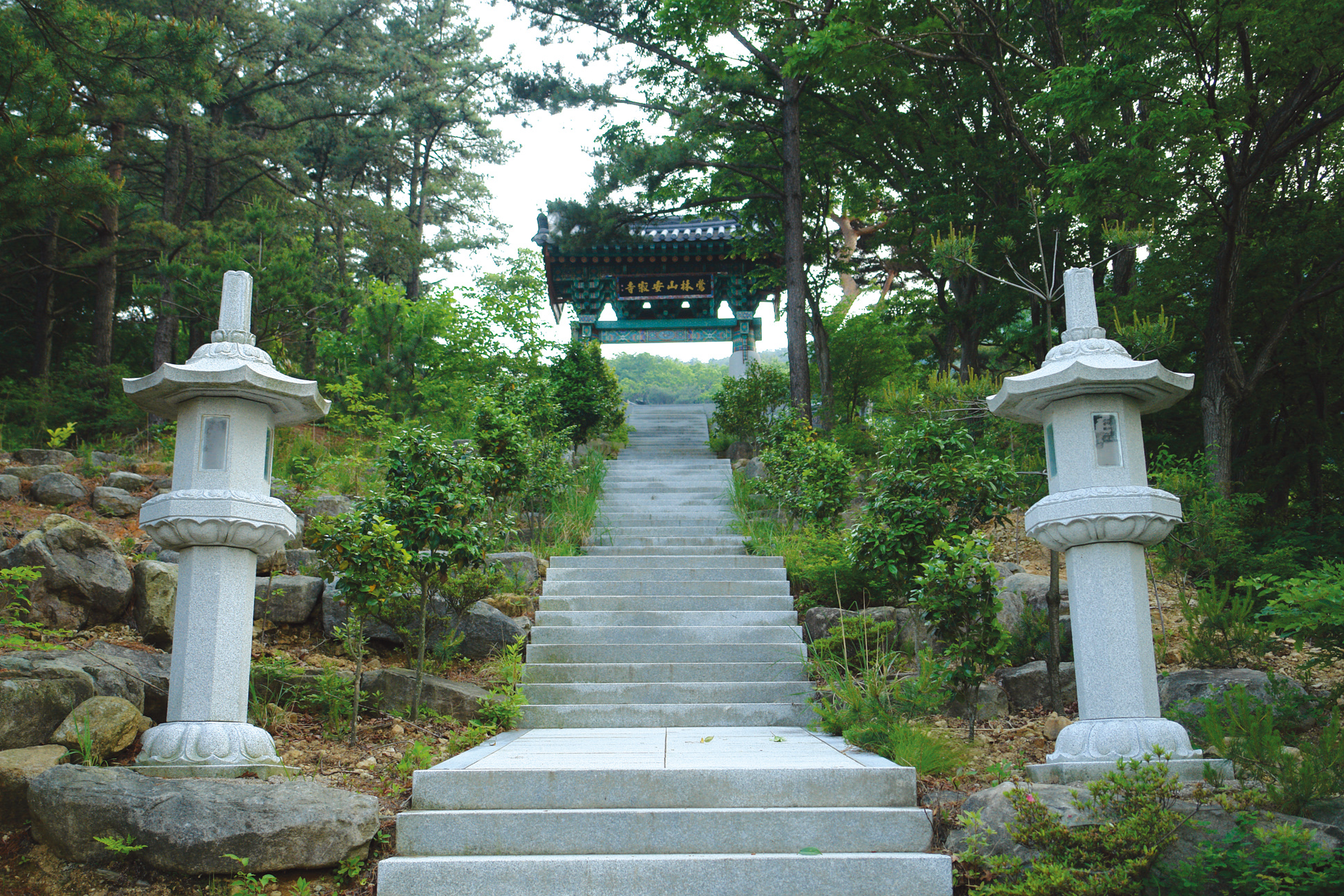
Upon arrival, pass through Wontongmun Gate and climb the stairs to reach Iljumun Gate, marked “Aengnimsan Anjeoksa.” The Four Heavenly Kings are positioned on both sides of Iljumun Gate, so the route may feel different from a typical flatland tourist attraction where visitors walk across a broad level area directly in front of the parking lot.
From Wonhyo’s founding in 661 to reconstruction in 1973
Gijang-gun’s tourism information introduces Anjeoksa Temple as a temple founded in 661, the first year of King Munmu of Silla, by the Buddhist monk Wonhyo. The temple was later completely destroyed by fire during the Imjin War, and records state that it was reconstructed by Myojeon Hwasang of Beomeosa Temple. Anjeoksa is also a branch temple of Beomeosa, the head temple of the 14th district of the Jogye Order of Korean Buddhism.
In 1873, Monks Gyeongheo and Haeryeong renovated Daeungjeon Hall and Suseonsil Hall three times. After liberation, the temple was nearly abandoned and destroyed, but in 1973, Monk Deokmyeong reconstructed Daeungjeon Hall, Samseonggak Hall, two Suseonsil buildings, and other structures, restoring the foundation of the present temple complex.
What to see first among Daeungjeon Hall and the complex’s 10 buildings
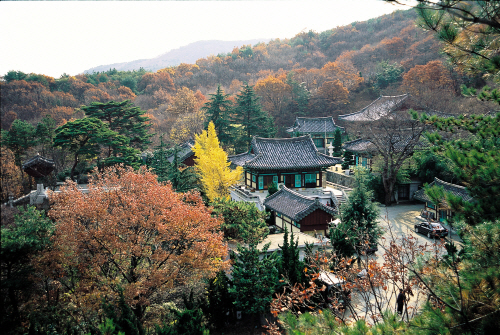
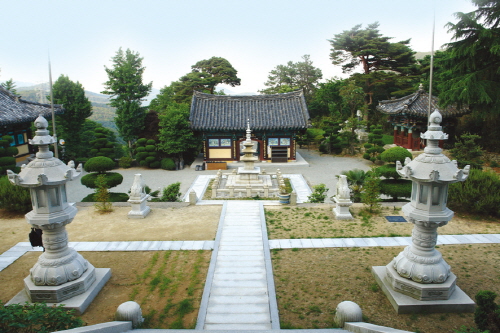
Anjeoksa is introduced as a temple complex centered on Daeungjeon Hall, with 10 buildings including Samseonggak Hall, Seolhyeondang Hall, and Borimwon Hall. Daeungjeon is a building with a hip-and-gable roof supported by multiple bracket sets, measuring three bays across the front and three bays along the side. The current building is said to have been constructed around 1990.
Daeungjeon Hall enshrines a seated Amitabha Buddha, along with Avalokitesvara and Mahasthamaprapta Bodhisattvas. However, because the Buddha hall is a religious space, visitors should look around quietly without obstructing worshippers, and it is best not to assume that photography is permitted unless this is separately indicated on site. Anjeoksa is not a place where viewing areas are divided by exhibition room as in an ordinary museum.
Anjeoksa’s cultural properties are housed at the Beomeosa Seongbo Museum
Anjeoksa’s main cultural properties include the Amitabha’s Pure Land Assembly Painting and the Ksitigarbha and Ten Kings Painting, both designated cultural property materials of Busan Metropolitan City. The two works are currently housed at the Beomeosa Seongbo Museum in Geumjeong-gu, Busan, so visiting Anjeoksa does not mean that the two originals can be viewed there directly.
Anjeoksa’s Ksitigarbha and Ten Kings Painting was produced in 1919. At the upper center of the painting is Ksitigarbha Bodhisattva holding a white cintamani jewel in his left hand, with five of the Ten Kings arranged on each side. In the upper section, 14 underworld attendants—including judges, messengers, ox-headed and horse-headed demons, vajra warriors, and boys representing good and evil—are arranged as seven on each side. Shading techniques are used on the figures’ faces. The relevant Gijang-gun Culture and Tourism page was last revised on September 15, 2023.
Getting to Anjeoksa from Gijang Station and by bus
For train access, information is provided for getting off at Haeundae Station, Songjeong Station, or Gijang Station on the Donghae Nambu Line. For city buses, visitors can take buses 39, 180, or express bus 1003 and get off at Nae-ri Village in Gijang-eup. For intercity buses, take the Haeundae–Ulsan route and get off at Osin Village in Gijang-eup.
It is also possible to approach from Anpyeong Station on Busan Metro Line 4 or from the Gochon Village bus stop, but visitor accounts state that walking from Anpyeong Station or Gochon Village to Anjeoksa may take more than an hour and a half. Rather than planning it as a tourist attraction requiring only a short transfer from a subway station, it is more realistic to consider using a taxi or car, taking into account the mountain paths and uphill sections after getting off the bus. The bus intervals and exact walking distance from the ticket office to the temple grounds could not be confirmed in publicly available sources.
Check operating information and on-site facilities before visiting
Operating hours, closing days, and admission fees must be confirmed separately through official information. Operating hours and admission fees also require separate confirmation through the official information page and tourism resources. It is advisable to check before visiting whether this is a paid tourist attraction with a separate ticket office.
For telephone inquiries, check the latest contact information on the Gijang-gun Culture and Tourism page. The official information URL is the Gijang-gun Culture and Tourism page. Parking is reported to be available, but parking fees could not be confirmed in publicly available sources. Visitor accounts mention an example of approximately 30 minutes, but because the account also includes time spent viewing the temple grounds and eating, it is difficult to use this as a general recommended viewing time that includes travel along the mountain paths.
- Official information: https://www.gijang.go.kr/tour/board/view.gijang?boardId=BBS_0000087&dataSid=141&menuCd=DOM_000000301001000000
- Telephone: Check the latest contact information on the Gijang-gun Culture and Tourism page
- Parking: Available; parking fee information not found in public sources
- Example viewing time: Approximately 30 minutes
A visit where steps and uphill sections should be considered first
Information from Korea Trip Planner indicates that there is a level difference at the main entrance and that there are no accessible restrooms, elevators for people with disabilities, or designated accessible parking spaces. Wheelchair and stroller rental services are also unavailable, and the site is described as difficult to access directly by subway and low-floor bus.
Therefore, wheelchair users and visitors with strollers should consider the stairs leading from Wontongmun Gate to Iljumun Gate, level differences within the temple grounds, and the long walk after getting off public transportation. Public sources do not confirm whether English information or an audio guide is available for foreign visitors, whether photography is prohibited, whether payment is cash-only, or which areas are open or access-controlled. Since the interior of the Buddha hall is a religious space, visitors should follow any on-site guidance regarding shoes and clothing.
Items to confirm by phone before visiting Anjeoksa
Operating hours, closing days, and admission fees must be confirmed separately through official information. The official page does not list operating hours or admission fees separately, and bus intervals, exact walking distances, photography regulations, and foreign-language information could not be confirmed. If you are concerned about temple events or access restrictions on the day of your visit, check the latest contact information provided on the Gijang-gun Culture and Tourism page.
For visitors who want a short tour focused on history and cultural properties, the example of approximately 30 minutes may be useful as a reference, but the time required to walk up from Nae-ri Village, Osin Village, or Anpyeong Station is separate. If you want to see the buildings of Anjeoksa itself, take into account that access is similar to a mountain hike, and if you want to see the original Amitabha’s Pure Land Assembly Painting and Ksitigarbha and Ten Kings Painting, include the Beomeosa Seongbo Museum in your itinerary.
Before You Go
- Address
- 461-16 Naerigil, Gijang-eup, Gijang-gun, Busan Metropolitan City
- Hours
- Requires separate confirmation through official information
- Closed
- Requires separate confirmation through official information
- Admission
- Requires separate confirmation through official information
- Phone
- 051-709-4004
- Official site
- https://www.gijang.go.kr/tour/board/view.gijang?boardId=BBS_0000087&dataSid=141&menuCd=DOM_000000301001000000
- Transport
- Get off the Haeundae–Ulsan intercity bus route at Osin Village in Gijang-eup. Take city buses 39, 180, or 1003 and get off at Nae-ri Village in Gijang-eup. Information is provided for getting off at Haeundae, Songjeong, or Gijang Station on the Donghae Nambu Line. Access information is also available for Anpyeong Station on Busan Metro Line 4 or the Gochon Village bus stop.
- Parking
- Parking available. Parking fees could not be confirmed in publicly available materials.
- Time needed
- There is an example of approximately 30 minutes based on visitor accounts, but since the account also mentions time spent viewing the temple grounds and eating, it is difficult to regard this as a general recommended viewing time.
- Accessibility
- Level difference at the main entrance. No accessible restroom, elevator for people with disabilities, designated accessible parking space, wheelchair rental, or stroller rental. Marked as not directly accessible by subway or low-floor bus.
The information above is current as of the time of writing. Check the official information again before visiting.

Places
Nearby Attractions 3
-
 1
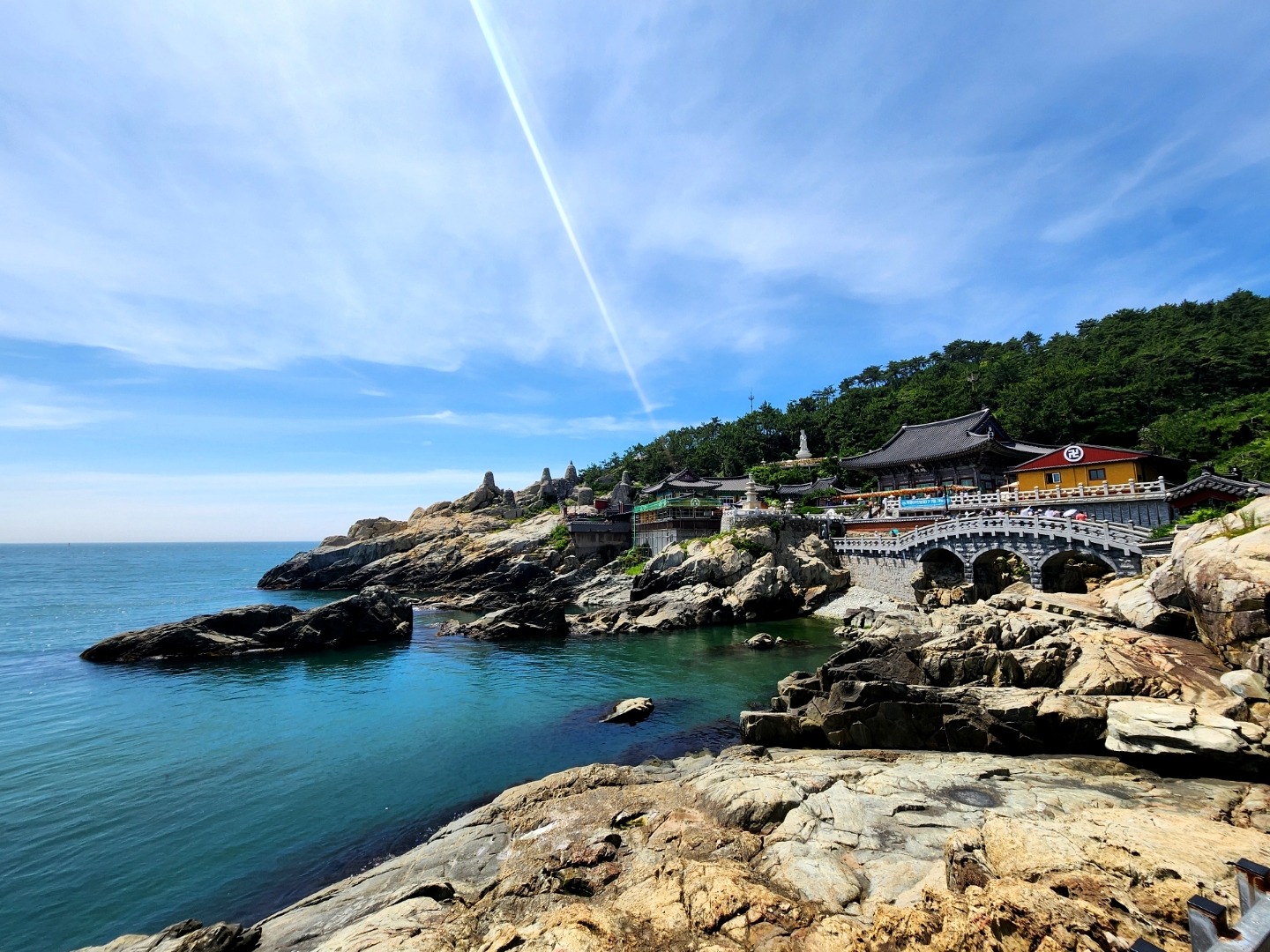
Haedong Yonggungsa TempleExplore the temple buildings perched on seaside cliffs and enjoy the coastal scenery.
1
Haedong Yonggungsa TempleExplore the temple buildings perched on seaside cliffs and enjoy the coastal scenery. -
 2
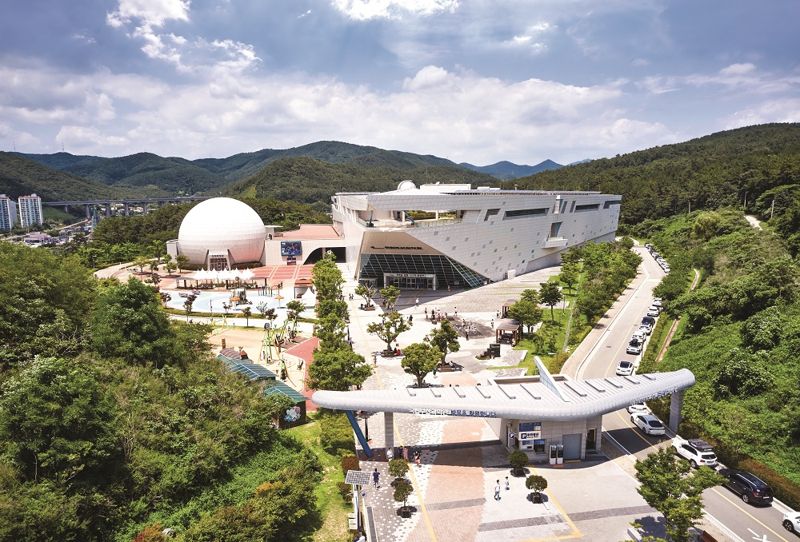
National Busan Science MuseumA family-friendly science museum where visitors can enjoy science exhibits and hands-on programs
2
National Busan Science MuseumA family-friendly science museum where visitors can enjoy science exhibits and hands-on programs -
 3
3
Food & Dining 3
-
 4
4
-
 5
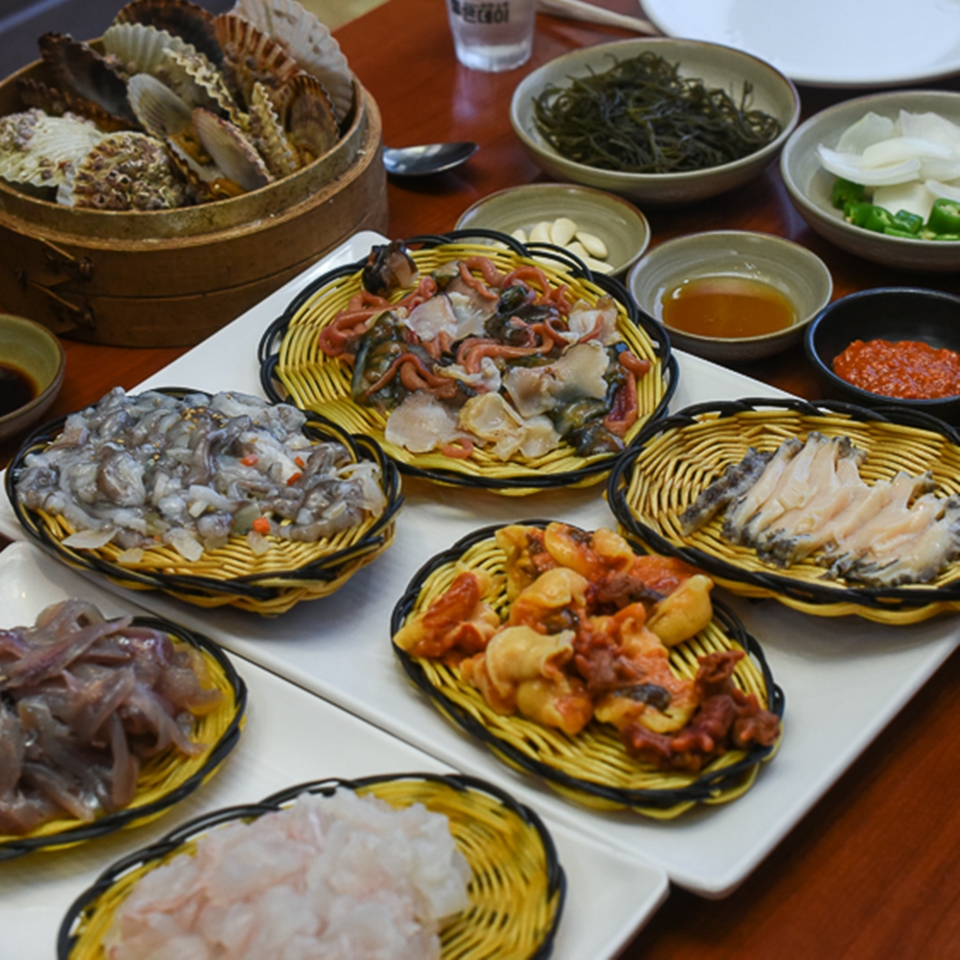
Jangssi Haenyeo-jipA Yeonhwa-ri haenyeo restaurant serving abalone porridge and seafood dishes
5
Jangssi Haenyeo-jipA Yeonhwa-ri haenyeo restaurant serving abalone porridge and seafood dishes -
 6
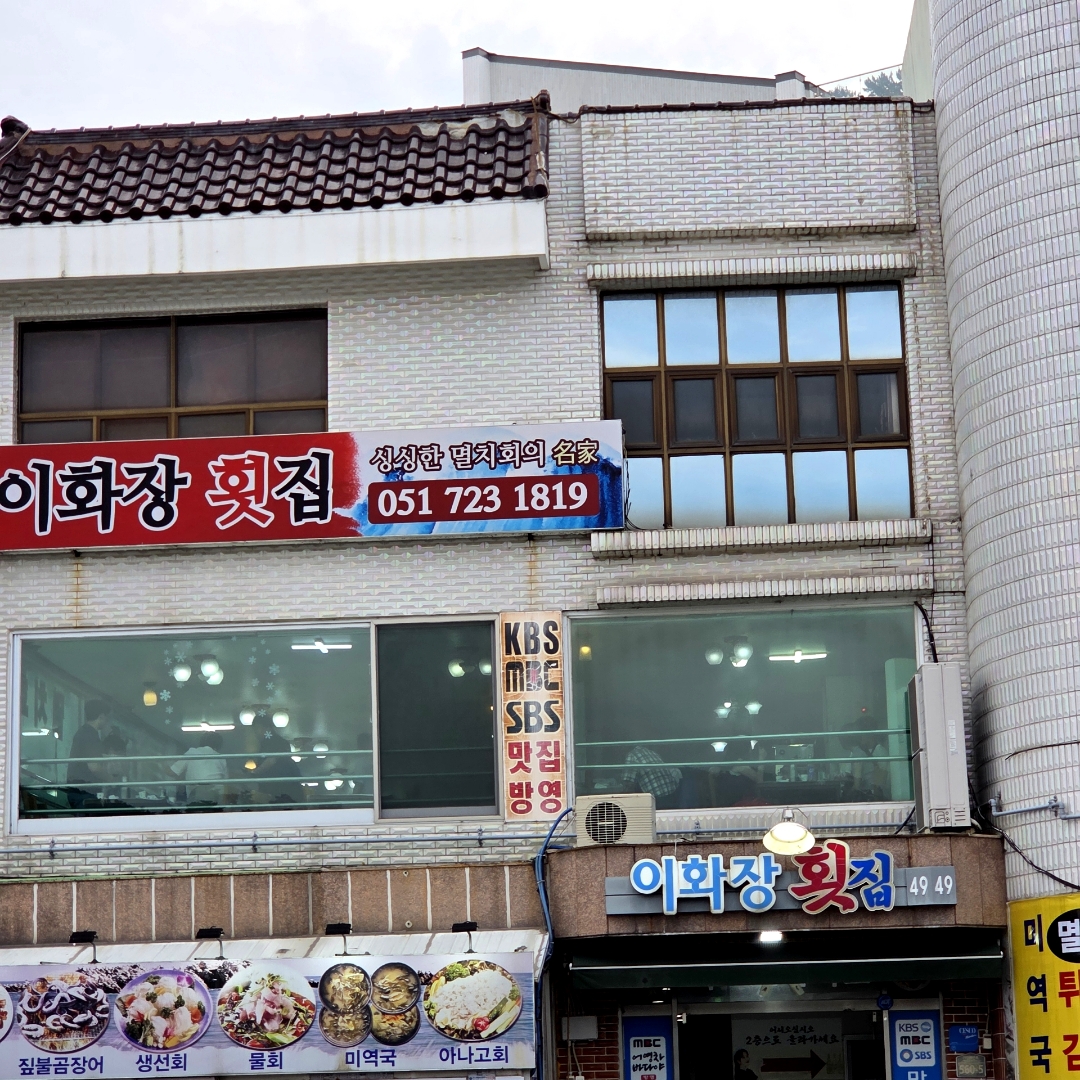
Ihwajang Sashimi RestaurantA place to enjoy Gijang-style seafood dishes, including anchovy sashimi and anchovy ssambap.
6
Ihwajang Sashimi RestaurantA place to enjoy Gijang-style seafood dishes, including anchovy sashimi and anchovy ssambap.
Events in This Area

Festivals in This Area
More Travel Guides in This Area
 Travel Guide
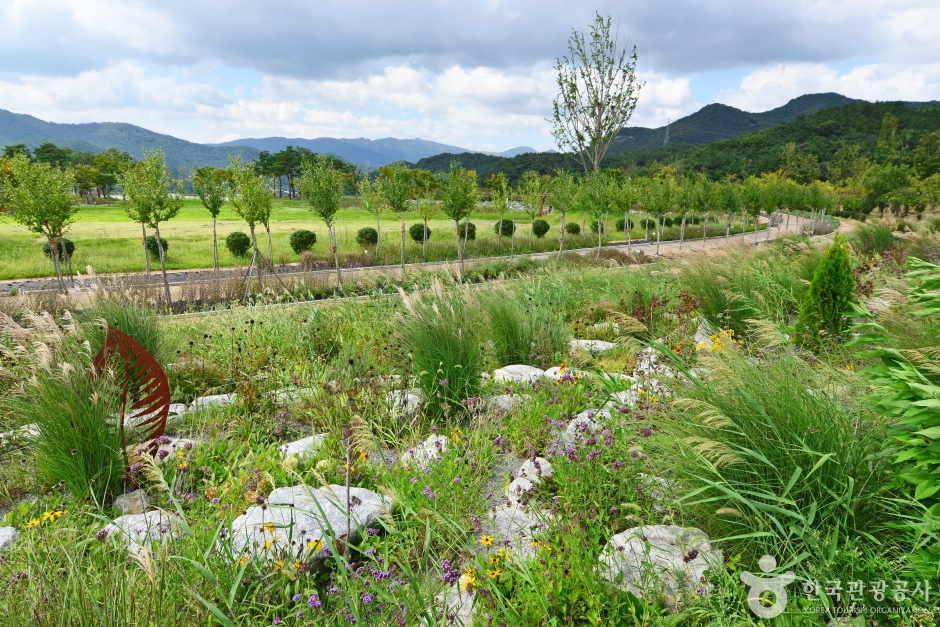
Haeundae Arboretum: From the Seokdae Landfill to a 62.8-ha Forest
 Travel Guide
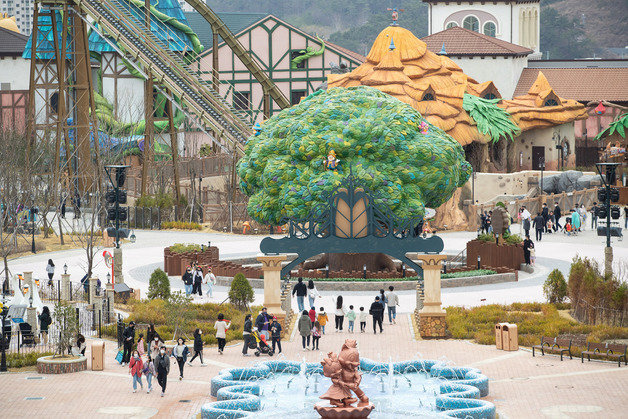
A 158,000-Square-Meter Fairy-Tale Kingdom in the Sea Breeze of Osiria: Lotte World Adventure Busan
 Travel Guide
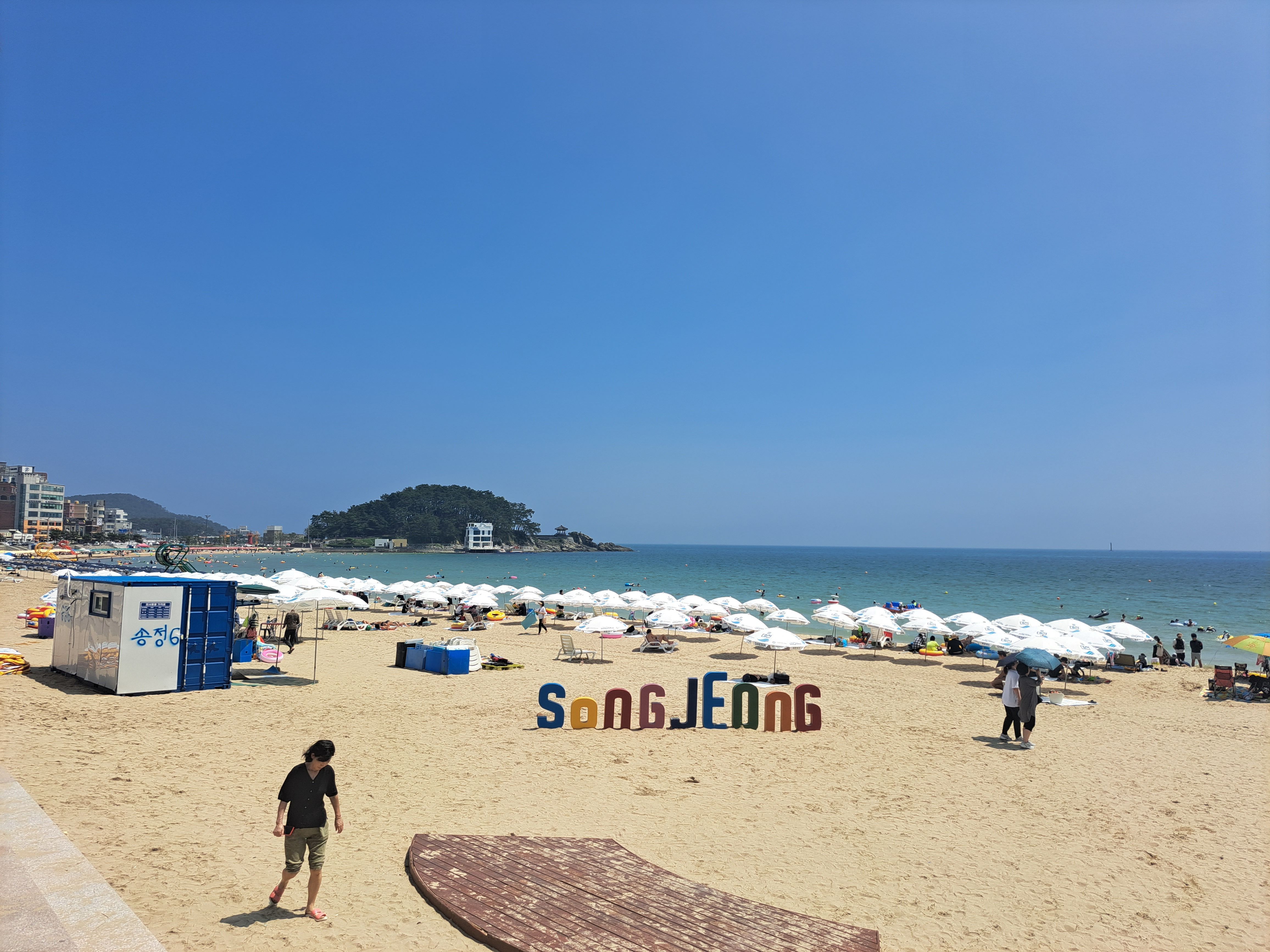
Songjeong Beach: Busan’s Eastern Sea Connecting 1.2 km of White Sand to Jukdo Park
 Travel Guide
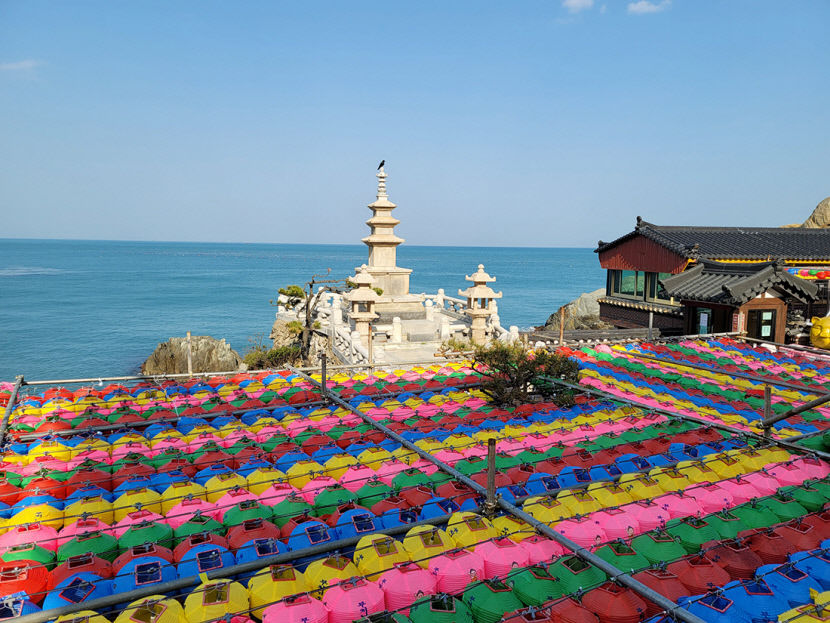
Haedong Yonggungsa Descending Toward the Sea from the Cliff at Sirang-ri, Gijang
Korea News
 News
News
BTS’s “Arirang” Surpasses 5 Billion Streams…Highest Among Albums Released This Year
!['Salon Drip' San: "ATEEZ's 'reverse export' feeling... We didn't expect the 'Bad' craze" [RE:TV]](https://kotourlive-images.s3.ap-northeast-1.amazonaws.com/news/1791944381066_82499d27_news_5532e781-915c-426a-aab0-e4580e1952e8.jpg) News
News
'Salon Drip' San: "ATEEZ's 'reverse export' feeling... We didn't expect the 'Bad' craze" [RE:TV]
 News
News
“He gathered nine BoAs to create Girls’ Generation” — Lee Soo-man’s uncanny girl-group visuals send fans into a frenzy
 News
News