How to See Samdeok Village and the Sea Together from Wolmyeongsa Temple at the Foot of Ilgwangsan Mountain
Wolmyeongsa Temple is a Taego Order Buddhist temple located at the foot of Ilgwangsan Mountain in Gijang-gun, Busan. It is known as a place of Buddhist practice founded in 1882 by Monk Kim Beop-seong of Beomeosa Temple. The temple is free and open year-round, but public transportation and accessibility facilities are limited, so traveling by car and checking the on-site route are important.
I’ve been here?
Your check-in helps the next traveler.
No one has checked in yet Be the first
One tap — no writing needed
Wolmyeongsa Temple Between Ilgwangsan Mountain and Ilgwang Sea
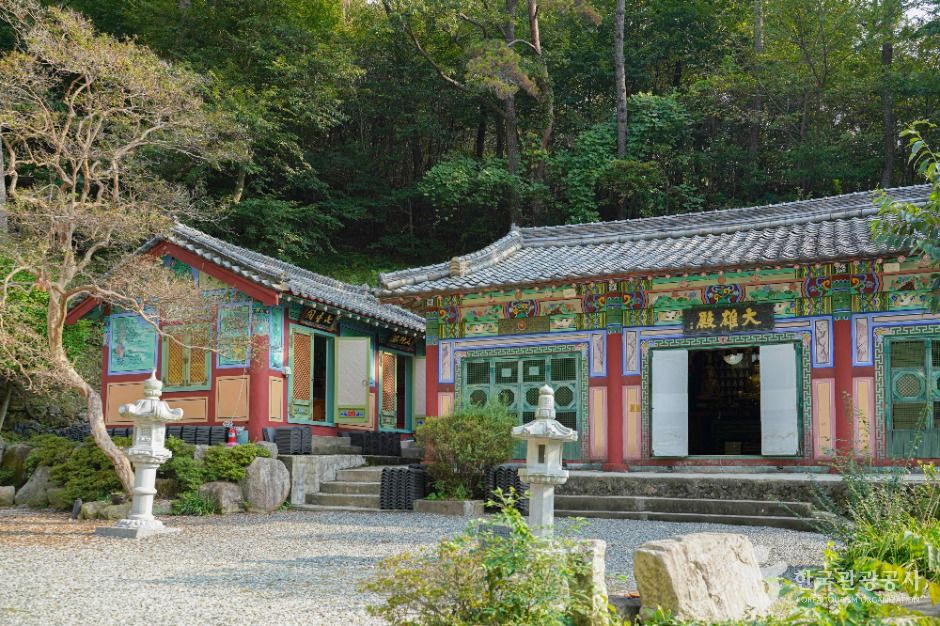
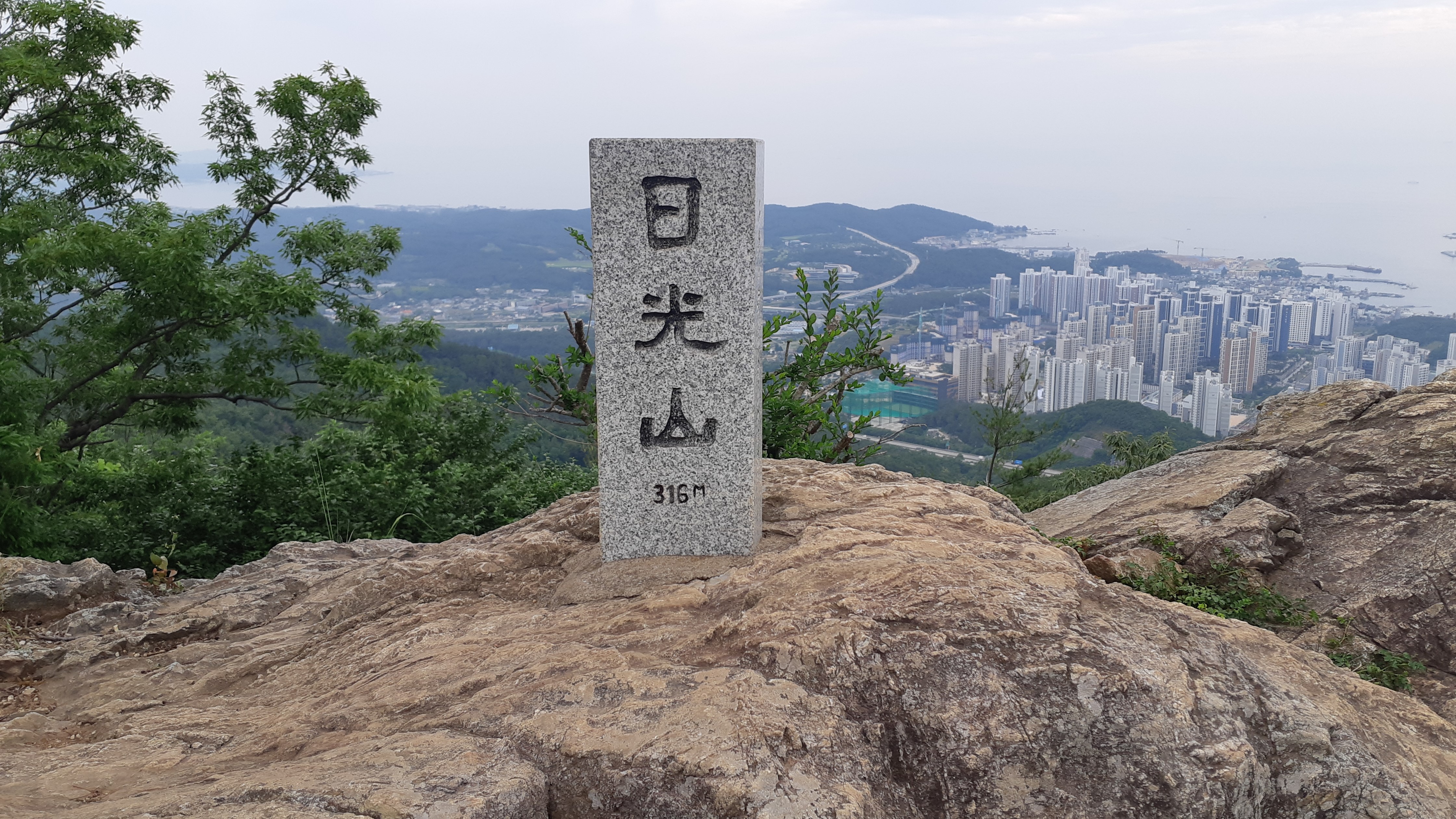
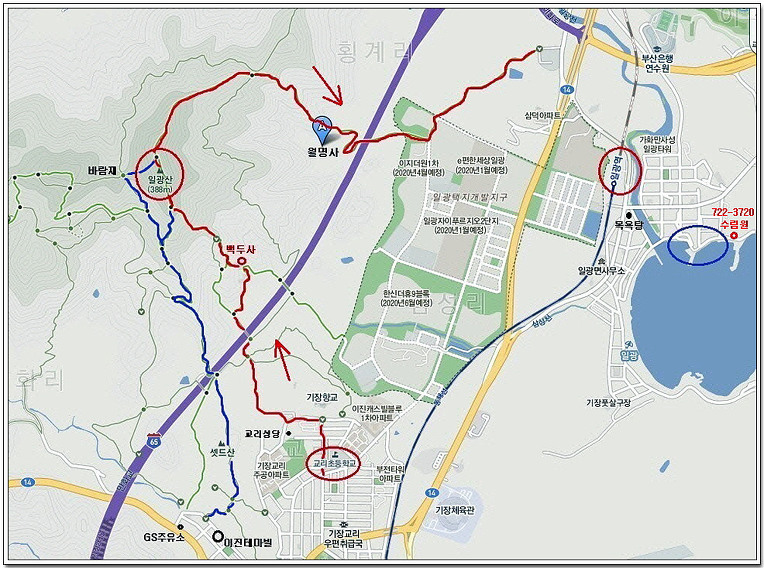
Wolmyeongsa Temple is located at 124 Chamsaem-gil, Ilgwang-eup, Gijang-gun, Busan Metropolitan City, on the foothills of Ilgwangsan Mountain directly behind Ilgwang Sea. The Korea Tourism Organization introduces it as a Taego Order Buddhist temple and describes it as a place where the sun of Ilgwangsan Mountain harmonizes with the moon of Wolmyeongsa Temple.
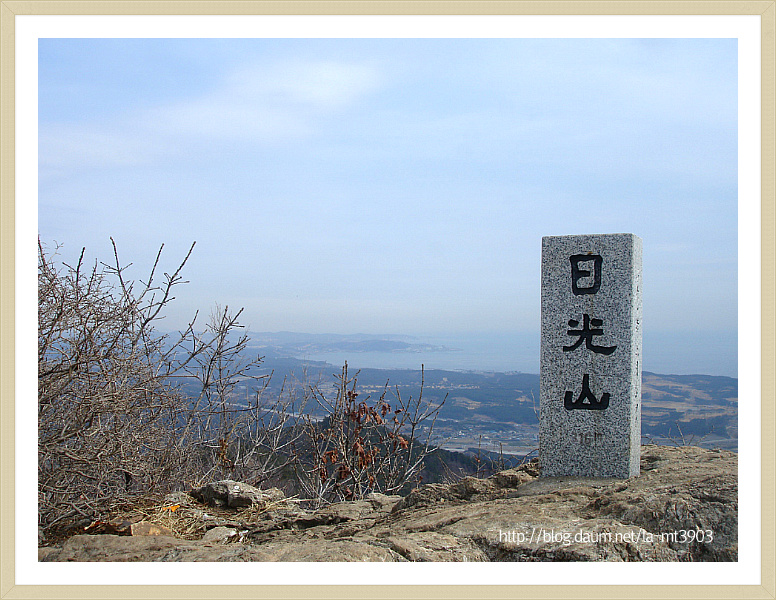
Ilgwangsan Mountain is known for Ilgwang Sunset, one of the Eight Scenic Views of Ilgwang, with its scenery at sunset. The temple grounds are described as blending naturally with their surroundings, and because this is a temple without many worshippers, visitors should expect a quiet route unlike those at large tourist attractions.
A Place of Practice Founded by Monk Kim Beop-seong in 1882
Wolmyeongsa Temple is known as a place of practice founded in 1882 by Monk Kim Beop-seong of Beomeosa Temple. However, the temple is also described as having few significant records or artifacts that can support historical inferences, so it should not be understood through unverified foundation legends.
There is also a story that it was once a prayer site where people enshrined Buddhist statues and offered devotions, but this is presented as a traditional account. Today, Wolmyeongsa is best understood not as a large cultural-property exhibition space, but as a temple on a mountain slope where practice and prayer have continued.
Access to Wolmyeongsa Begins at Samdeok Village
The approach to Wolmyeongsa is described as beginning at Samdeok Village, a community village for people with Hansen's disease. When entering the address into a vehicle navigation system, use 124 Chamsaem-gil, Ilgwang-eup, Gijang-gun, Busan Metropolitan City, and keep in mind that the approach at the site follows the mountain slope through Samdeok Village.
Official tourism information states that access by subway and low-floor bus is unavailable. Since bus route numbers and stop names have not been confirmed, visitors departing from central Busan should realistically plan their vehicle route via National Route 14 through Bansong-dong, Gijang, and Ilgwang-myeon, or via Haeundae, Songjeong, Gijang, and Ilgwang-myeon.
Free and Open at All Times, but Without a Ticket Office
As of 2026, Wolmyeongsa is open at all times and is listed as open year-round. Admission is free, and visitors do not buy tickets at a ticket office and then proceed to designated viewing areas as they would at a typical paid attraction.
The contact telephone number is 051-721-0123. Seasonal operating hours, the admission closing time, photography restrictions, whether payment is cash-only, and the availability of English information or an audio guide have not been confirmed. In the temple grounds, visitors should behave quietly so as not to disturb Buddhist services or religious practice.
Highlights in the Temple Grounds: Mineral Spring and Arhat Statues
The spring in the temple grounds is described as producing mineral water, which is known among residents of nearby villages as a medicinal spring. However, no separate guidance has been confirmed regarding whether the water is safe to drink or whether it may be collected, so visitors should first check on-site signs and temple guidance if they find the spring.
Wolmyeongsa is introduced as a place where Buddhist-art artists who are acquainted with the temple create their works, and arhat statues and child-attendant statues can be seen in various locations. Rather than touching Buddhist statues or artworks, observe them from a position that does not obstruct passage. It is also best to refrain from using cameras in areas where photography permission has not been confirmed.
A Gentle Walking Trail and Accessibility Limitations
The walking trail beginning in the temple grounds is described as a secluded path that is neither steep nor rugged, and it is also used as a resting place by hikers using the trail. However, the walking distance from the ticket office to the temple grounds, the exact trail length, and the recommended duration have not been confirmed, so visitors should not assume that a short temple visit and a mountain hike can be treated as the same itinerary.
There is a level difference at the main entrance, and there are no accessible restrooms or elevators for people with disabilities. There are also no designated accessible parking spaces, wheelchair rentals, stroller rentals, convenience services for visitors with visual or hearing impairments, nursing rooms, or accessible guest rooms. Wheelchair and stroller users should first call 051-721-0123 to ask about the actual surface conditions of Chamsaem-gil and whether access to the temple grounds is possible.
Nearby Gijang Stops to Combine After Parking
Wolmyeongsa is listed as having parking facilities, but the number of available spaces and parking fees have not been confirmed. Since subway and low-floor bus access is unavailable and bus stop information has not been confirmed, it is safer to plan the visit around traveling by car rather than attempting an impromptu visit using only public transportation.
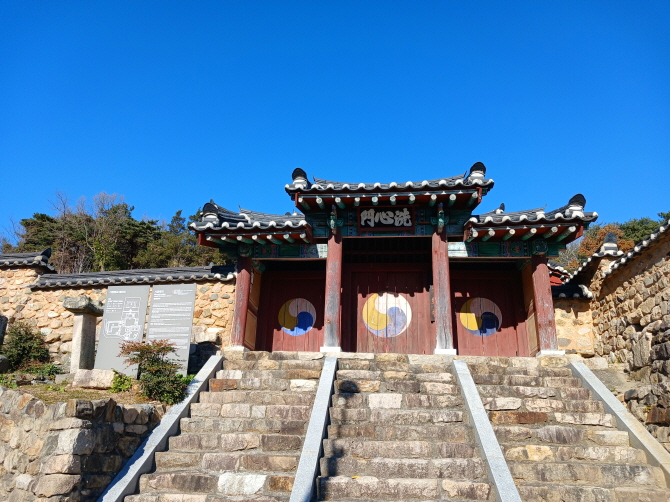
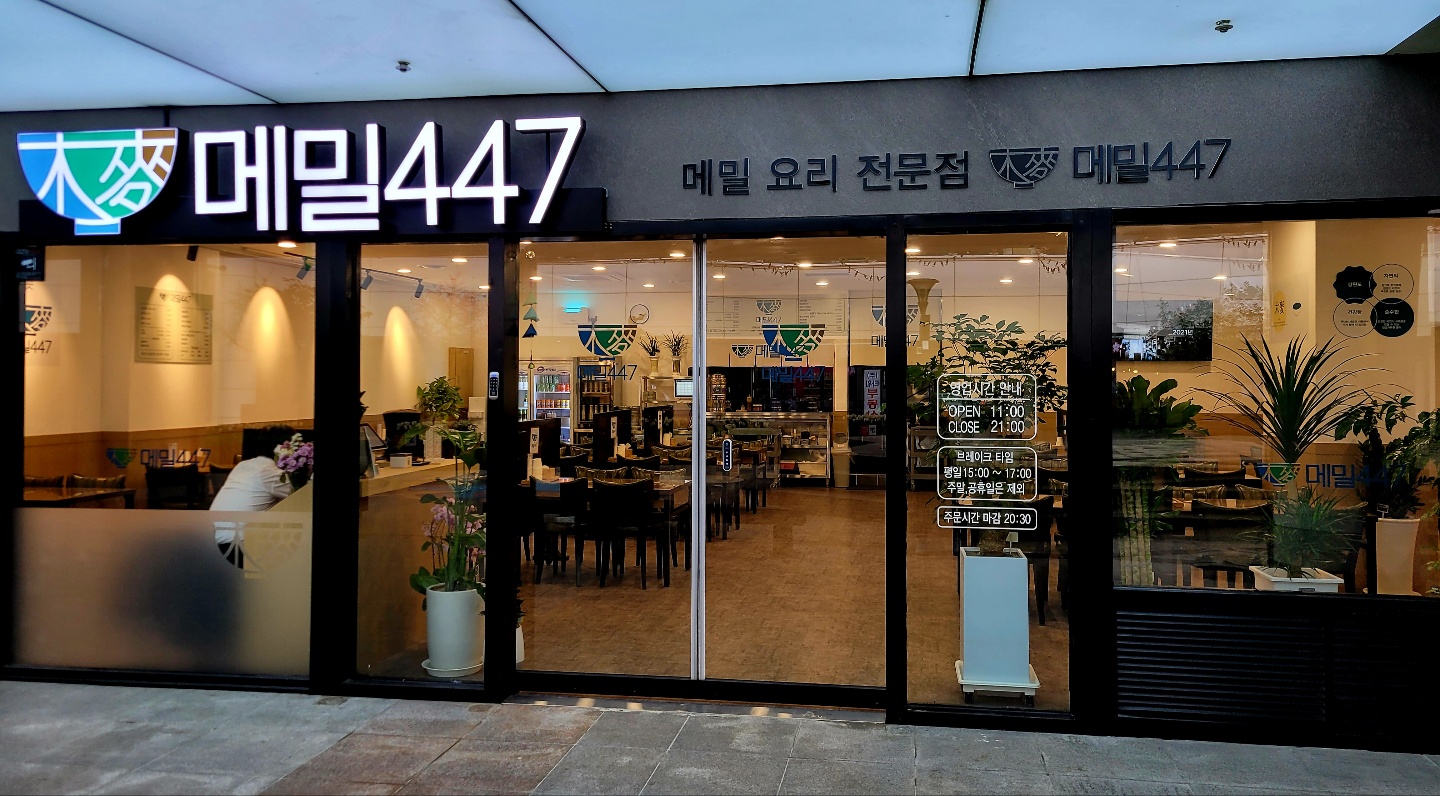
Nearby distances from Wolmyeongsa are approximately 1,268 m to Gijanghyanggyo Confucian School, 1,457 m to Roanu, 1,558 m to Choorok, and 1,673 m to Ilgwangdang. Memil447 is about 1,679 m away, Micheong Restaurant about 1,766 m, J's Glamping about 1,787 m, One Fine Day about 1,943 m, Geo Club about 2,082 m, and Gijang Library of Busan Metropolitan City about 2,169 m away. These are distances from the information data and do not indicate actual walking times or whether the establishments are open.
- Gijanghyanggyo Confucian School: about 1,268 m from Wolmyeongsa
- Memil447: about 1,679 m from Wolmyeongsa
- Micheong Restaurant: about 1,766 m from Wolmyeongsa
- J's Glamping: about 1,787 m from Wolmyeongsa
- One Fine Day: about 1,943 m from Wolmyeongsa
- Geo Club: about 2,082 m from Wolmyeongsa
- Gijang Library of Busan Metropolitan City: about 2,169 m from Wolmyeongsa
What to Bring for a First Visit and Who May Find It Unsuitable
As of 2026, Wolmyeongsa's advantages include free admission, access at all times, and year-round opening, but seasonal operating hours and the admission closing time have not been confirmed. Parking is listed as available, but fees and capacity are not provided. Bus route numbers, stop names, and service intervals have also not been confirmed, so visitors traveling directly from central Busan should first consider traveling by car or taxi.
The temple suits travelers who want a short walk, the atmosphere of a temple on a mountain slope, and views of the mineral spring, arhat statues, and child-attendant statues. However, it may not suit travelers expecting large Buddhist-hall exhibitions, an English audio guide, fully step-free access, or precise visiting hours. Wolmyeongsa's own website has no registered information; the official tourism information page and the contact number 051-721-0123 are the available information channels.
],Before You Go
- Address
- 124 Chamsaem-gil, Ilgwang-eup, Gijang-gun, Busan Metropolitan City
- Hours
- Open at all times
- Closed
- Open year-round
- Admission
- Free
- Phone
- 051-721-0123
- Official site
- https://korean.visitkorea.or.kr/detail/ms_detail.do?cotid=b9d63e7b-2e8a-45af-b1c1-6f05dddad4a5
- Transport
- The listed routes are via National Route 14 from Busan through Bansong-dong to Gijang and Ilgwang-myeon, or from central Busan through Haeundae, Songjeong, Gijang, and Ilgwang-myeon. Subway access unavailable; low-floor bus access unavailable.
- Parking
- Parking facilities available. Parking fees have not been confirmed.
- Accessibility
- Level difference at the main entrance; no accessible restrooms, elevators for people with disabilities, designated accessible parking spaces, wheelchair rentals, convenience services for visitors with visual impairments, convenience services for visitors with hearing impairments, nursing room, or stroller rentals.
The information above is current as of the time of writing. Check the official guidance again before visiting.

Places
Nearby Attractions 1
-
 1
Gijang Hyanggyo Confucian SchoolExplore a Confucian educational and ancestral ritual site from the Joseon era.
1
Gijang Hyanggyo Confucian SchoolExplore a Confucian educational and ancestral ritual site from the Joseon era.
Food & Dining 3
-
 2
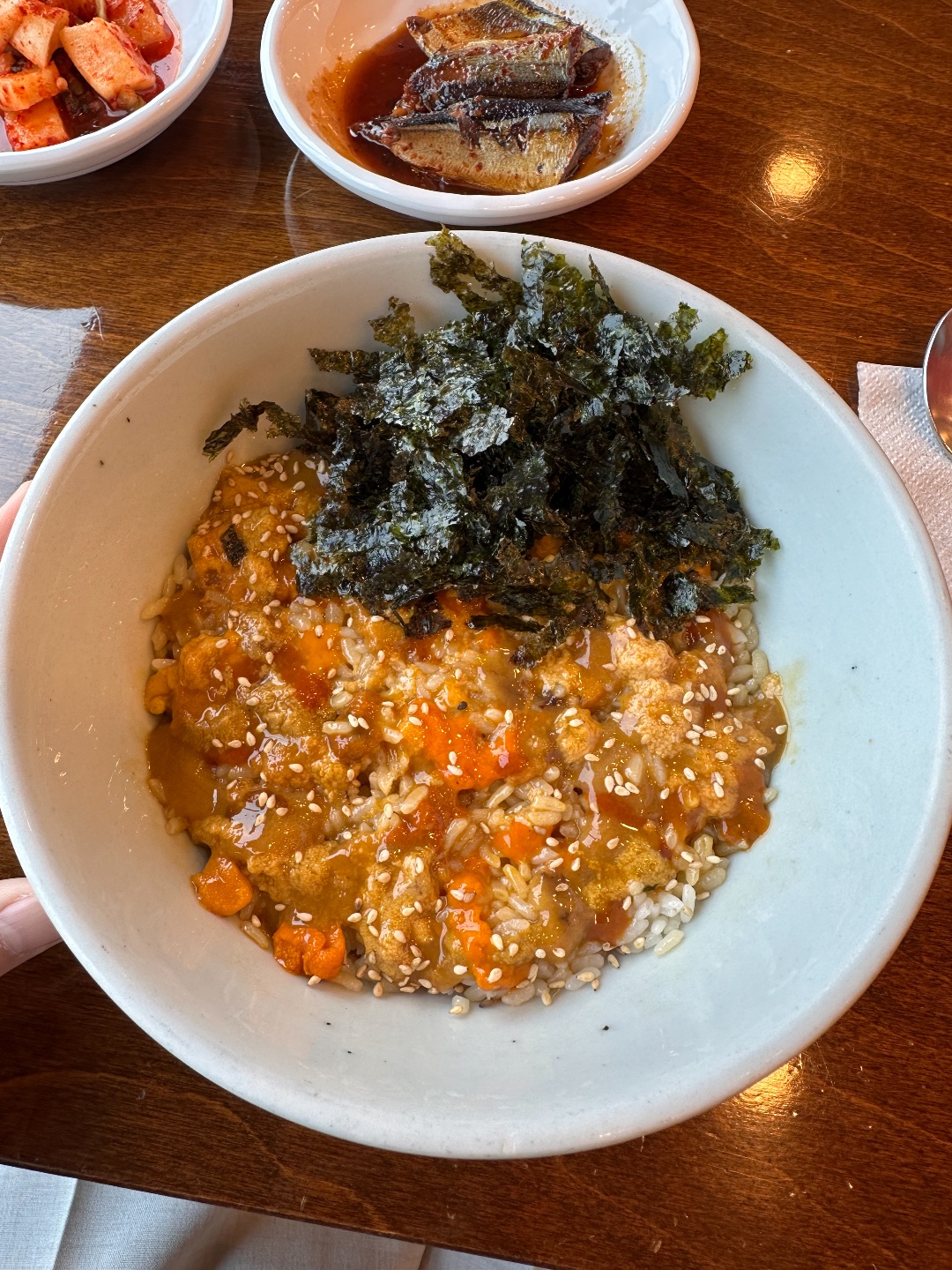
Memil 447Enjoy buckwheat dishes such as mulmemil-guksu (buckwheat noodles in a chilled broth) and bibim-memil-guksu (spicy mixed buckwheat noodles).
2
Memil 447Enjoy buckwheat dishes such as mulmemil-guksu (buckwheat noodles in a chilled broth) and bibim-memil-guksu (spicy mixed buckwheat noodles). -
 3
3
-
 4
4
Events in This Area


Festivals in This Area
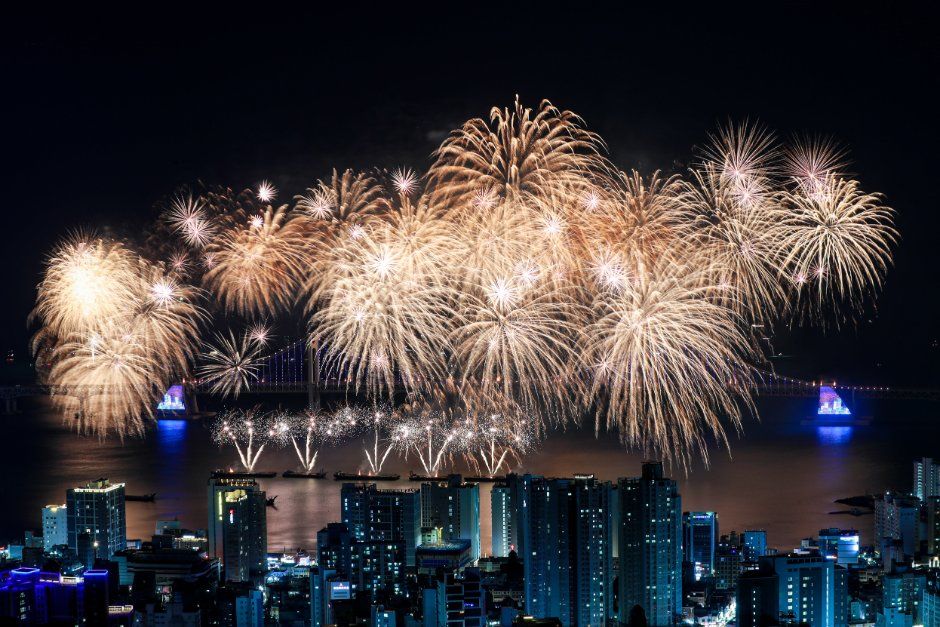
More Travel Guides in This Area
 Travel Guide
A Night in Hwajeon-ri, Ilgwang: J's Glamping Reservations, Check-in and Noise
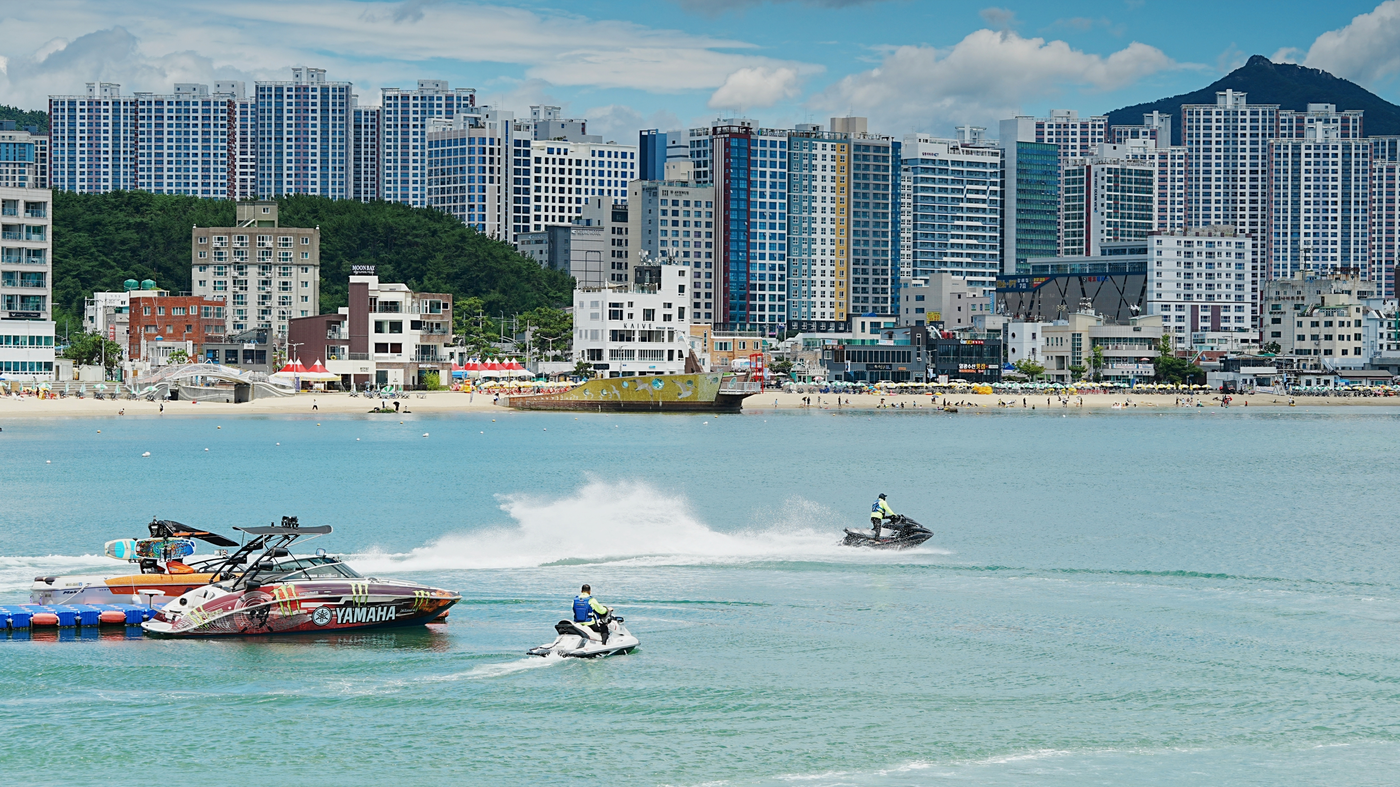 Travel Guide
Busan’s Ilgwang Beach, where the novel “The Seaside Village” meets 2 km of golden sand
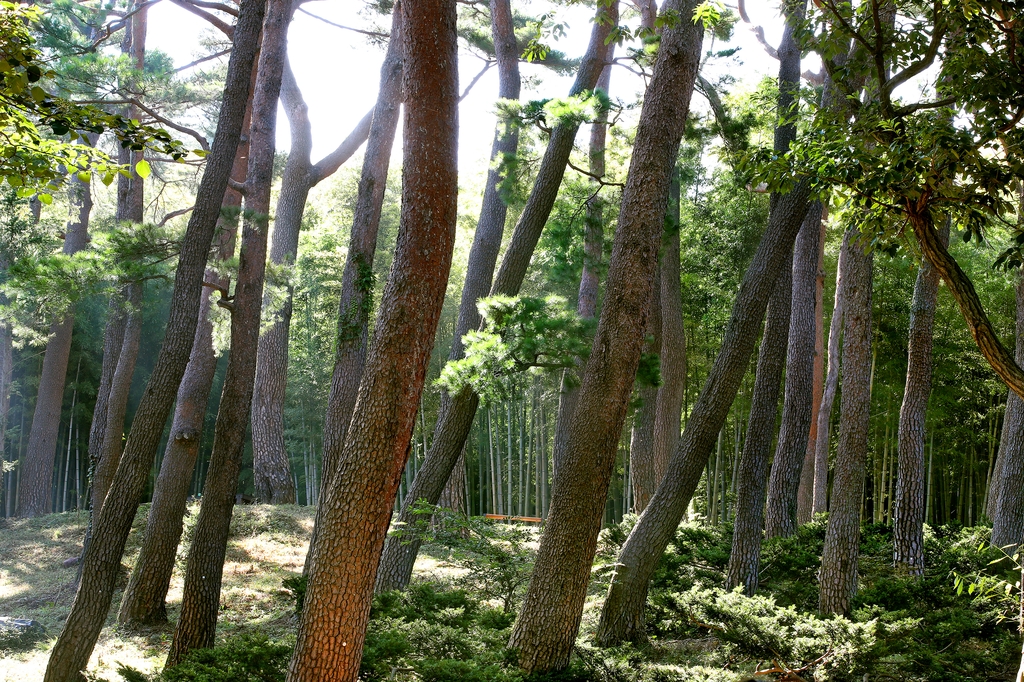 Travel Guide
Walking Gijang’s Ahopsan Forest along a 400-year-old private woodland and Maengjongjuk bamboo trail
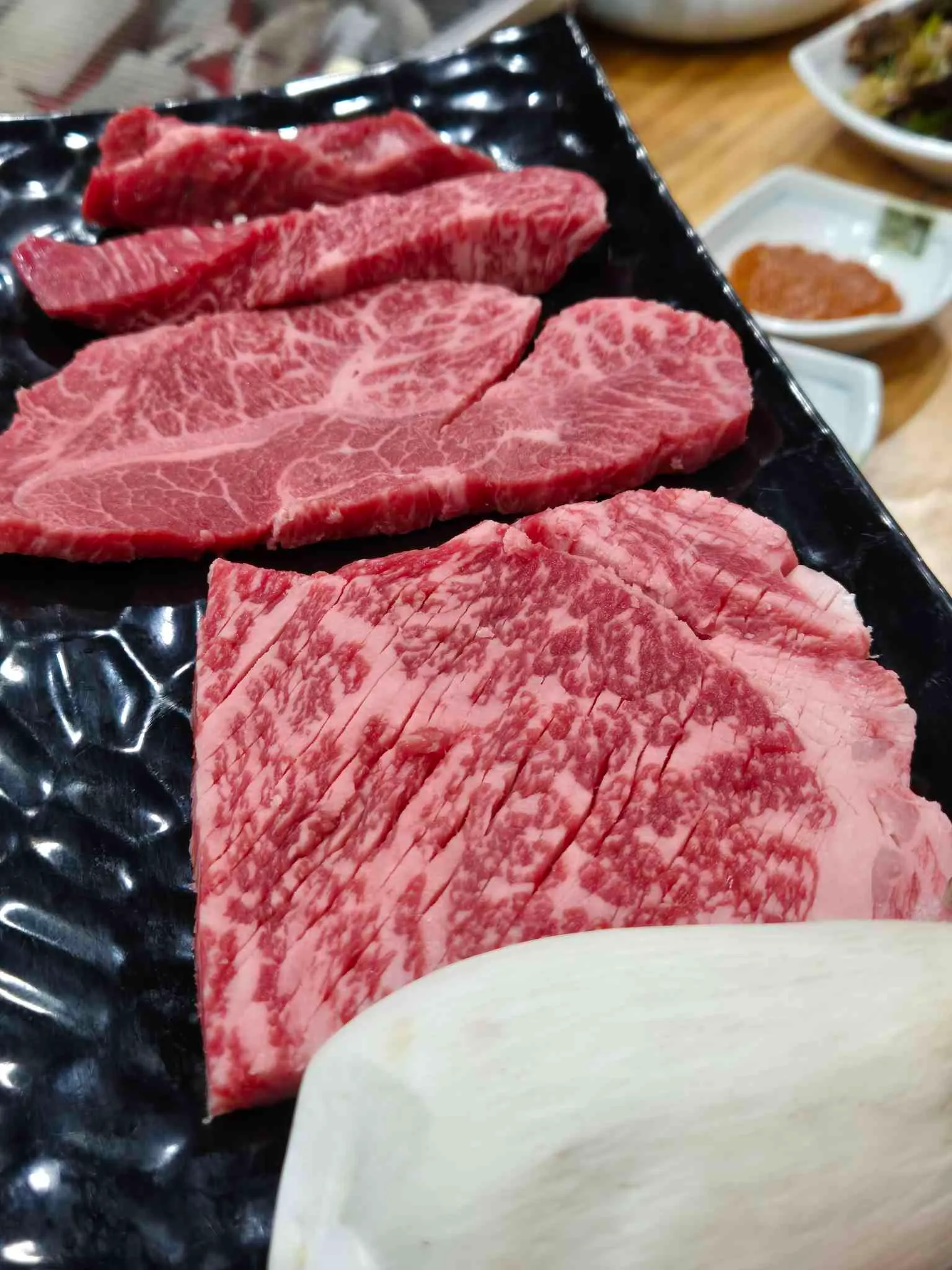 Travel Guide
Cheolma Hanwoo at the Entrance to Ahopsan Forest, Midongamsojeong
Korea News
 News
News
BTS’s “Arirang” Surpasses 5 Billion Streams…Highest Among Albums Released This Year
!['Salon Drip' San: "ATEEZ's 'reverse export' feeling... We didn't expect the 'Bad' craze" [RE:TV]](https://kotourlive-images.s3.ap-northeast-1.amazonaws.com/news/1791944381066_82499d27_news_5532e781-915c-426a-aab0-e4580e1952e8.jpg) News
News
'Salon Drip' San: "ATEEZ's 'reverse export' feeling... We didn't expect the 'Bad' craze" [RE:TV]
 News
News
“He gathered nine BoAs to create Girls’ Generation” — Lee Soo-man’s uncanny girl-group visuals send fans into a frenzy
 News
News