The Golden Wheat Fields of June: An Unexpected Scene in Yangpyeong
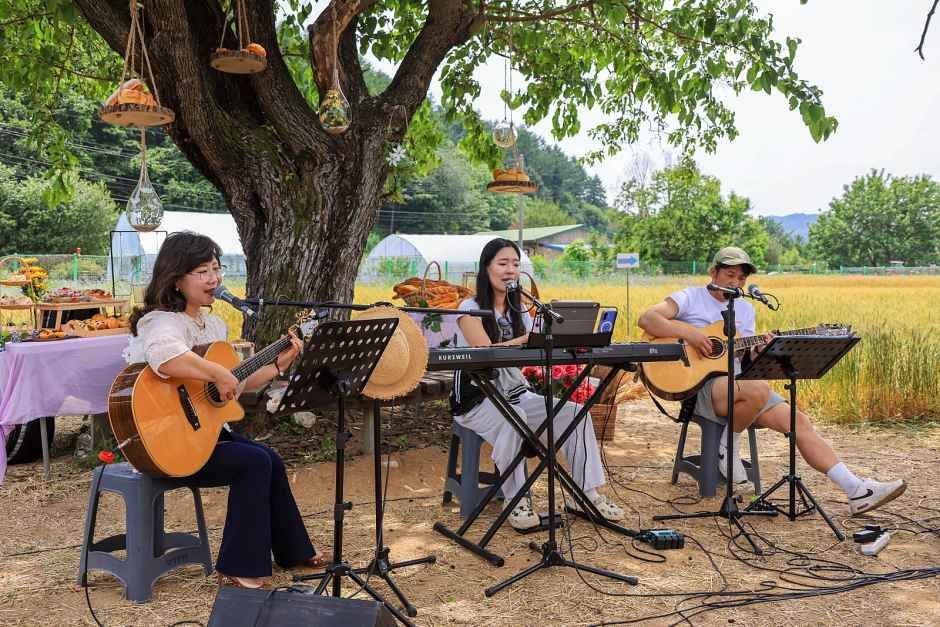
Wheat fields in Korea? At first, I was puzzled too. I had heard of barley fields, but a wheat festival felt unfamiliar. Then, when I entered Gaheon-ri, Cheongun-myeon, Yangpyeong-gun, Gyeonggi-do in early June, the tall wheat all lay down and rose again in unison in the wind, looking like golden waves. The Yangpyeong Wheat Festival started as a rural festival to support farmers in Yangpyeong who grow eco-friendly domestic wheat and to raise awareness of the value of Korean wheat, which had been fading away. In the past, it was held across several places in Cheongun-myeon and Jipyeong-myeon, but starting with the edition I visited, it was consolidated into one venue at the Yangpyeong Wheat Scenic Complex in Gaheon-ri, Cheongun-myeon, making the route much simpler. It runs for four days from June 5 to 8, from 10 a.m. to 5 p.m., so I liked that it is a daytime festival you can visit without worrying about catching the last train at sunset.
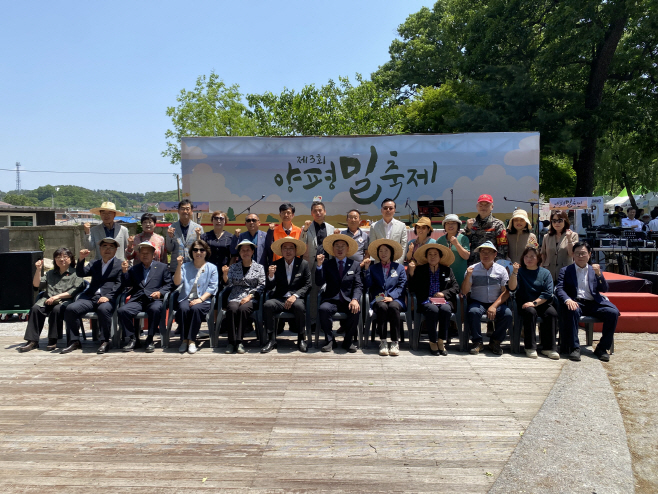
What makes this festival great is that there is no separate admission fee. You can enter for free and simply stroll through the wide wheat fields.
- Photo zone in the middle of the wheat field - the key spot for taking pictures against the golden backdrop
- Domestic wheat food market and snack stalls - noodle dishes, oven-baked pizza, bread, and other wheat-based foods
- Domestic wheat makgeolli and wheat beer tasting zone - sample alcohol made with Yangpyeong wheat
- Experiences such as wheat-field treasure hunts, flour sensory play, and bakery classes
A place that is difficult to reach by public transportation, so planning your route matters even more
To be honest, Gaheon-ri is not an easy place for foreign travelers to reach using public transportation alone. The nearest major station is Yongmun Station on the Gyeongui-Jungang Line, but even from there you still have quite a way to go to the festival site. If you have a car or a rental, that is the most convenient option. There was plenty of free parking near the venue, so parking was not very stressful. If you are not driving, the realistic option is to take the subway to Yongmun Station and then catch a taxi, and since shuttle buses sometimes operate during the festival period, be sure to check the official website for shuttle times and stops before you go. Once you sort out this part in advance, the rest is easy.
When you arrive on site, the atmosphere is typical of a Korean rural festival. English signs and interpretation are not especially well developed, so I needed a translation app when reading menus or signing up for experiences. That said, walking through the wheat fields, taking photos, and buying food are activities that need almost no words, so even if you do not know the language, there is little pressure and you can still enjoy it by reading the room. Payment methods vary a bit by booth: some places accept cards, but small snack stalls or farm produce vendors may only take cash. I recommend bringing a few 10,000-won bills with you.

Makgeolli and beer brewed from wheat: the festival’s true specialty
Among the food offerings, the most memorable thing by far was the alcohol. There is a makgeolli zone where you can sample makgeolli brewed with Yangpyeong wheat, and it was very popular because you can taste small amounts of different kinds. The wheat beer made from domestic wheat also drew people’s attention.
If you are going to drink, you definitely should not be behind the wheel, so if you want to enjoy the tastings, plan for a taxi, shuttle, or a designated driver from the start. Food made with wheat, such as bread, noodles, and oven-baked pizza, is plentiful at each booth, so lunch can be taken care of here.
The hands-on programs are especially good for families with children. There is a wheat-field treasure hunt where you can receive Yangpyeong domestic wheat flour as a souvenir, sensory play where children can touch and play with flour, and even bakery classes for baking cookies and cakes, so there was hardly a moment for kids to get bored. Pets are also allowed as long as they are on a leash, so we also saw people walking their dogs as part of a stroll.
Just these essentials before you go: sun, toilets, and timing
In early June, the wheat field has almost no shade. On the day I visited, the midday temperature was hovering around 30 C, so without a hat and sunscreen, my face would have gotten burned, and I would not have been able to focus on photos at all. A parasol, a wide-brimmed hat, and a bottle of water are essential. Since you will be walking between the fields, sneakers are the most comfortable footwear. The least crowded and most beautiful time for light is in the morning, so if your goal is a great photo, I recommend arriving around 10 a.m., when the gates open. As the afternoon goes on, families begin to arrive in numbers, and lines form at each photo zone.
Because this is a festival held in rural fields, most toilets are temporary facilities, and there are not many indoor spaces like cafes where you can sit and rest. That is why many people brought picnic mats, spread them out at the edge of the wheat field, and rested as if on a picnic. If you pack a lunch box or snacks, you can enjoy the festival much more leisurely. If it rains, the paths turn muddy, so it is best to check the forecast and adjust your plans if there is rain.
In short, the Yangpyeong Wheat Festival is not the kind of typical urban Korean festival, but it is well suited for people who want the atmosphere of a quiet countryside field, people who love photos and makgeolli, and families who want to experience nature with children. If you rent a car and include it in a Yangpyeong driving route, it becomes a perfect day out. I think I will not forget for a long time the slow morning I spent among those golden wheat fields.
| Item | Score | Basis |
|---|---|---|
| Language accessibility | 2.5 | English signs and interpretation are not sufficient, so a translation app is needed, but walking through the wheat fields and taking photos can be enjoyed without words |
| Transportation accessibility | 2.5 | Even from the nearest Yongmun Station it is far, making it a remote location that requires a car, taxi, or shuttle |
| Facilities for foreign visitors | 2.5 | Mostly temporary toilets and few indoor rest areas, so bringing a picnic mat is recommended |
| Local cultural experience | 4.5 | Rich rural experiences unique to Yangpyeong, such as domestic wheat farming, wheat makgeolli and beer tastings, and bakery classes |
| Value for money | 4.5 | Free admission and parking, and tastings and many experiences are available for free or at low cost |
| Cleanliness/Safety | 3.5 | An outdoor event focused on wheat fields with a simple route, but there is little shade or indoor space, so heat precautions are necessary |
| Food/amenities | 4.0 | The food market is rich with domestic wheat noodles, oven-baked pizza, bread, and wheat makgeolli |
This article was compiled by our editorial team from official announcements and coverage of previous editions; it is not a first-hand visit report. Please confirm the final schedule and fees on the official website.
Festival Details
-
Festival Period6/13/2026 ~ 6/14/2026
-
Festival VenueGaya-hyeon-ri, Cheongun-myeon, Yangpyeong-gun, Gyeonggi-do, 698-17 (area)
-
Admission FeeFree
-
TagsYangpyeong Millet Festival Korean wheat Eco-friendly agriculture Wheat field photo zone Korean wheat food market Wheat experience programs
More Festivals



Popular Concerts
![EXO PLANET #6 - EXhOrizon [dot] -](https://kotourlive-images.s3.ap-northeast-1.amazonaws.com/concerts/1787215796640_ee65f451_thumbnail.jpg)


More Travel Guides in This Area
 Travel Guide
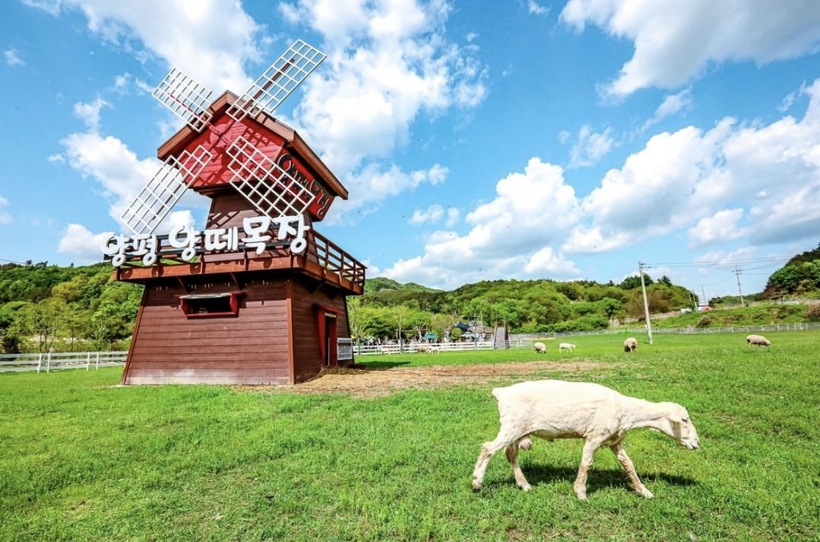
Yangpyeong Sheep Ranch
 Travel Guide
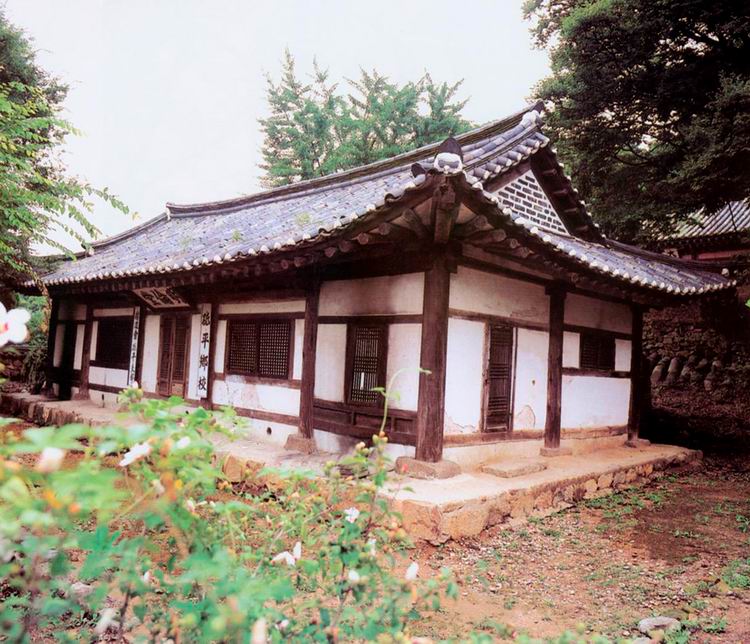
Jipyeong Hyanggyo, a Place of Learning That Has Endured Since Its Relocation in 1684
 Travel Guide
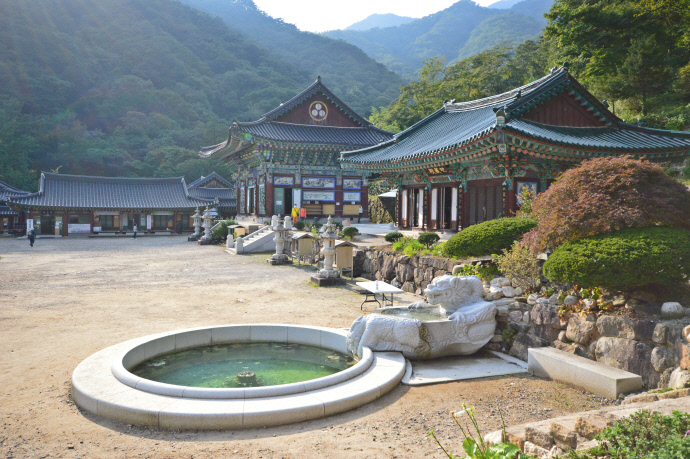
Yongmunsa Temple, a Millennium-Old Temple at the Foot of Yongmunsan Mountain
 Travel Guide