Yangsan Naewonsa, founded in 646 at the end of Cheonseongsan Valley
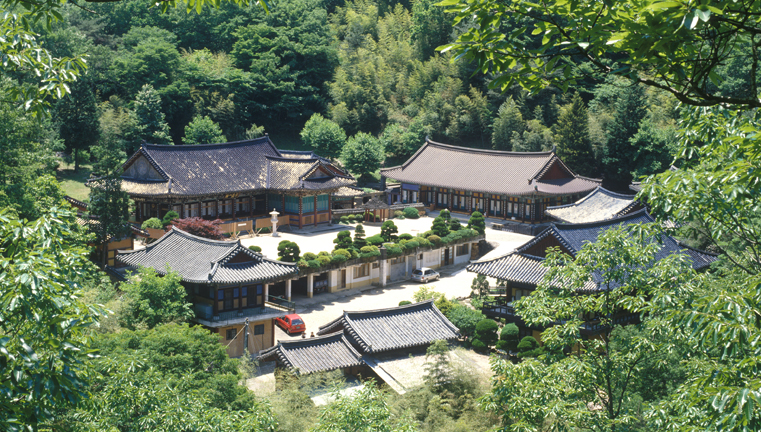
Yangsan Naewonsa is a Buddhist nunnery meditation center located in the upper reaches of Naewonsa Valley on Cheonseongsan Mountain. It is said to have been founded by Wonhyo in 646, the 15th year of Queen Seondeok’s reign in Silla. Plan to combine a temple visit with a walk through the valley, while keeping in mind the access restrictions in the upper valley and the need to leave before 6 p.m. for a safe itinerary.
I’ve been here?
Your check-in helps the next traveler.
24 people viewed this week Be the first
One tap — no writing needed
The 646 Founding Theory of Wonhyo and Reconstruction by the Nun Suok after the Korean War
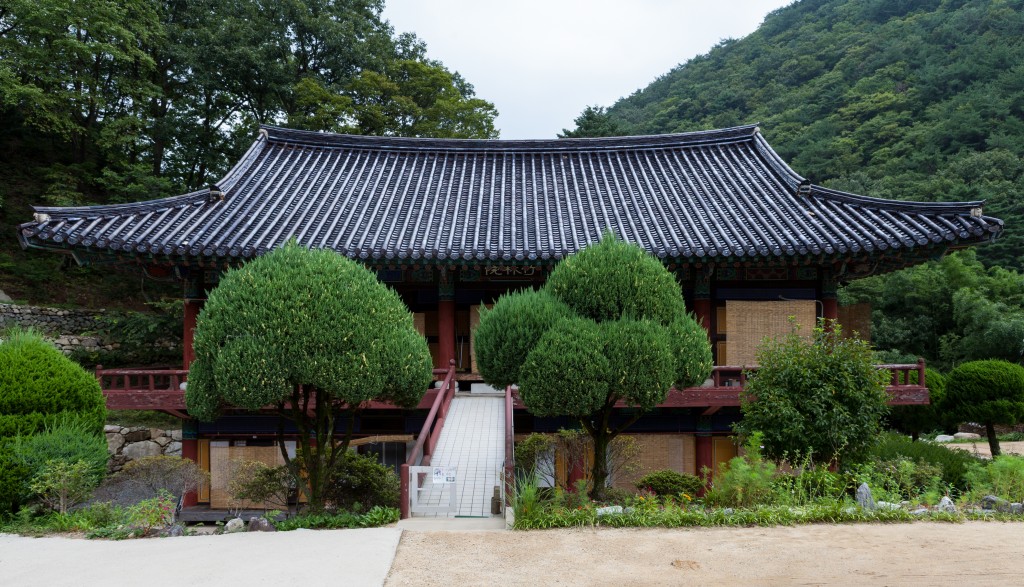
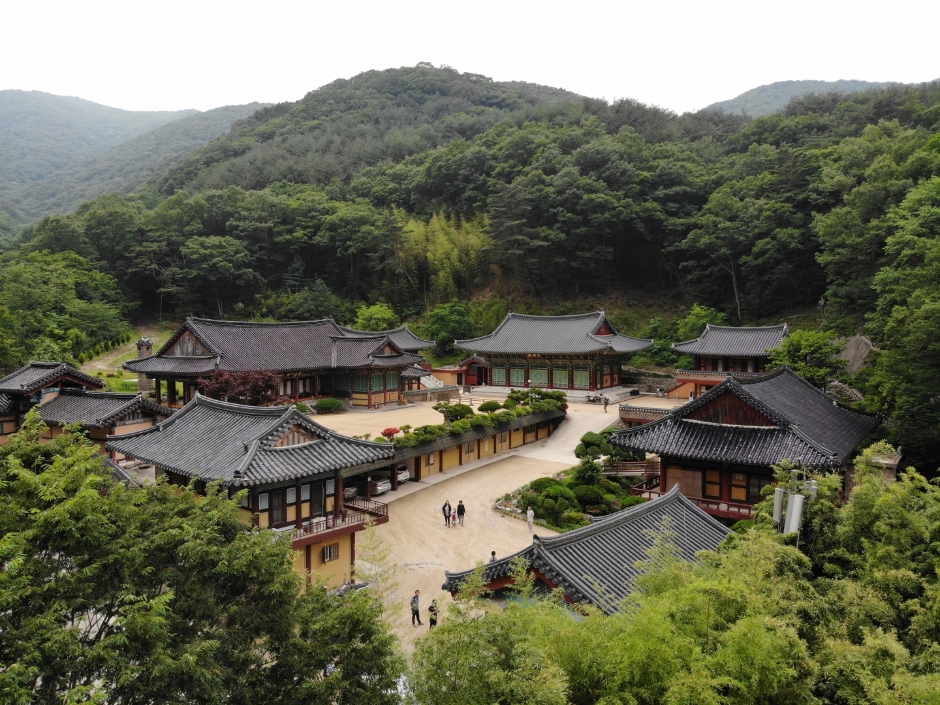
Yangsan Naewonsa Temple is located at the foot of Cheonseongsan Mountain in Habuk-myeon, Yangsan-si, along the route that climbs beside Naewonsa Valley. Yangsan City's tourism guide introduces it as having been founded by Wonhyo in 646, the 15th year of the reign of Queen Seondeok of Silla. Its current address is 207 Naewon-ro, Habuk-myeon, Yangsan-si, Gyeongsangnam-do. The temple's name is easy to understand when remembered in connection with its location as a mountain temple deep inside the valley.
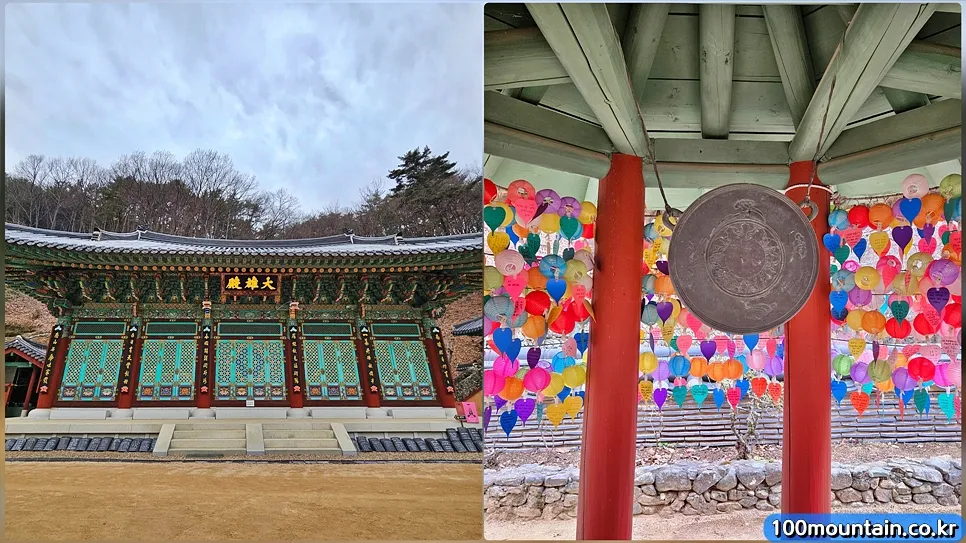
Naewonsa Temple is described as having been reconstructed by Suok, a Buddhist nun from Sudeoksa Temple, after being completely destroyed by fire during the Korean War. Thus, the site is not merely an ancient temple with a Silla-era founding legend; it also retains a historical layer as a temple rebuilt after the 1950s as a place of Buddhist nun practice. It is still mentioned as one of the country's leading meditation centers for Buddhist nuns.
Order for Viewing the Treasure No. 1734 Bronze Drum and Amitabha Buddha Triad Hanging Scroll
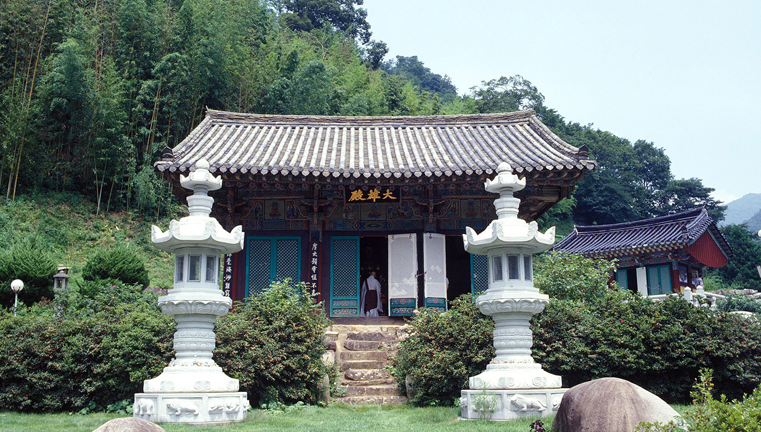
Inside the temple, the Yangsan Naewonsa bronze drum is worth seeing first. According to Yangsan City's guide, this bronze drum is Treasure No. 1734 and is introduced as an artifact showcasing Buddhist art and temple culture from the Goryeo and Joseon periods. Naewonsa Temple also preserves the Amitabha Buddha Triad hanging scroll, Gyeongsangnam-do Tangible Cultural Heritage No. 406, as well as a stone seated Bodhisattva statue.
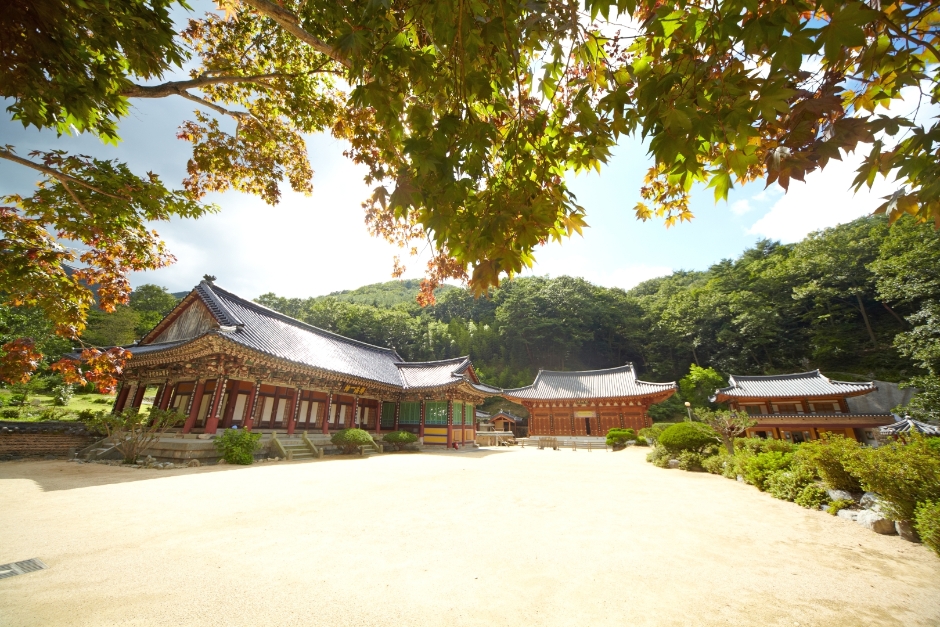
Information from the Korea Tourism Organization also mentions a large Buddhist statue standing 5.5 meters high and introduced as having been made during the Silla period, along with halls such as Bogwangjeon and Geungnakjeon. Since the cultural properties and halls are spaces for worship and practice, visitors should follow on-site guidance regarding permitted areas and photography. Groups are advised to inquire in advance at 055-374-6466.
Visiting Hours 06:30–18:00, with Admission of 2,000 Won for Adults and Parking of 2,000 Won for Passenger Cars
According to the Korea Tourism Organization's registered information, Naewonsa Temple is open to visitors from 06:30 to 18:00, and adult admission is 2,000 won. Admission for teenagers and military personnel is listed as 1,200 won. Yangsan City's English tourism page also lists separate rates of 1,000 won for children, 1,500 won for adults in groups, 1,000 won for teenagers in groups, and 800 won for children in groups. It is therefore safest to reconfirm the group composition and applicable rates by phone before departure.
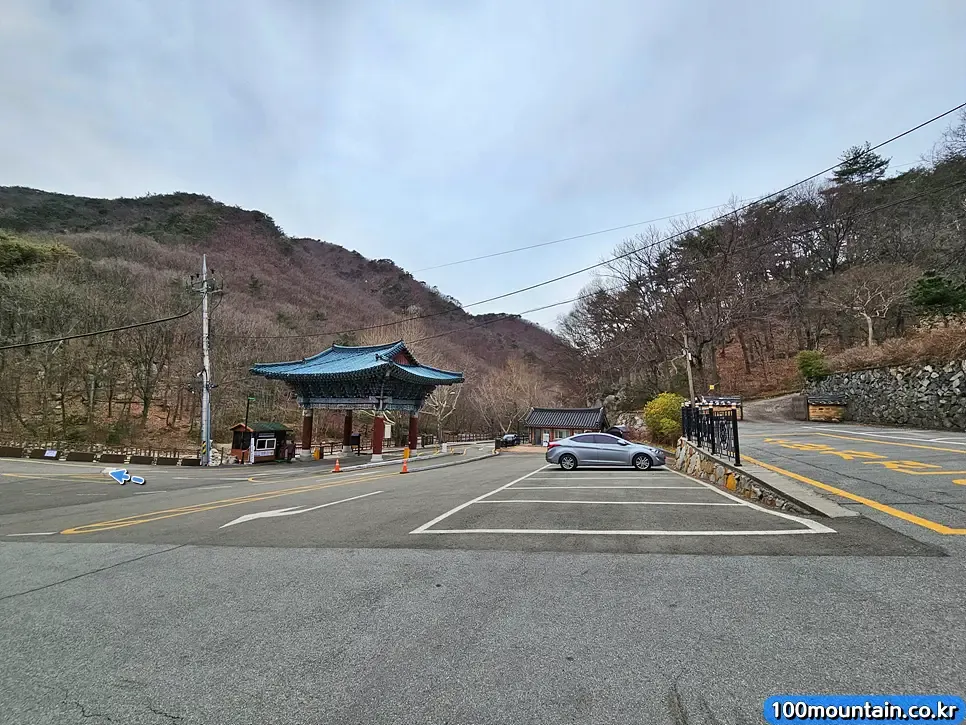
Parking is available. Yangsan City's guide lists parking fees of 2,000 won for passenger cars and 5,000 won for large vehicles, and states that the temple has a large parking lot. No closing days were separately confirmed in the official tourism information, so visitors should call 055-374-6466 on the day of their visit to check operations, including during Lunar New Year, Chuseok, and periods of severe weather.
- Visiting hours: 06:30–18:00
- Adult admission: 2,000 won
- Teenager and military admission: 1,200 won
- Passenger-car parking: 2,000 won
- Large-vehicle parking: 5,000 won
A 30-Minute Walk from Naewonsa Entrance Bus Stop, and the Difference between Routes 12, 13, and 63
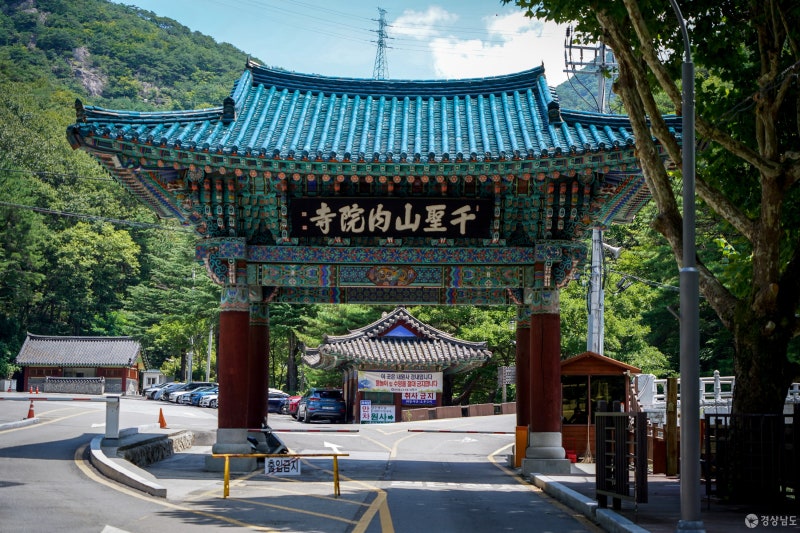
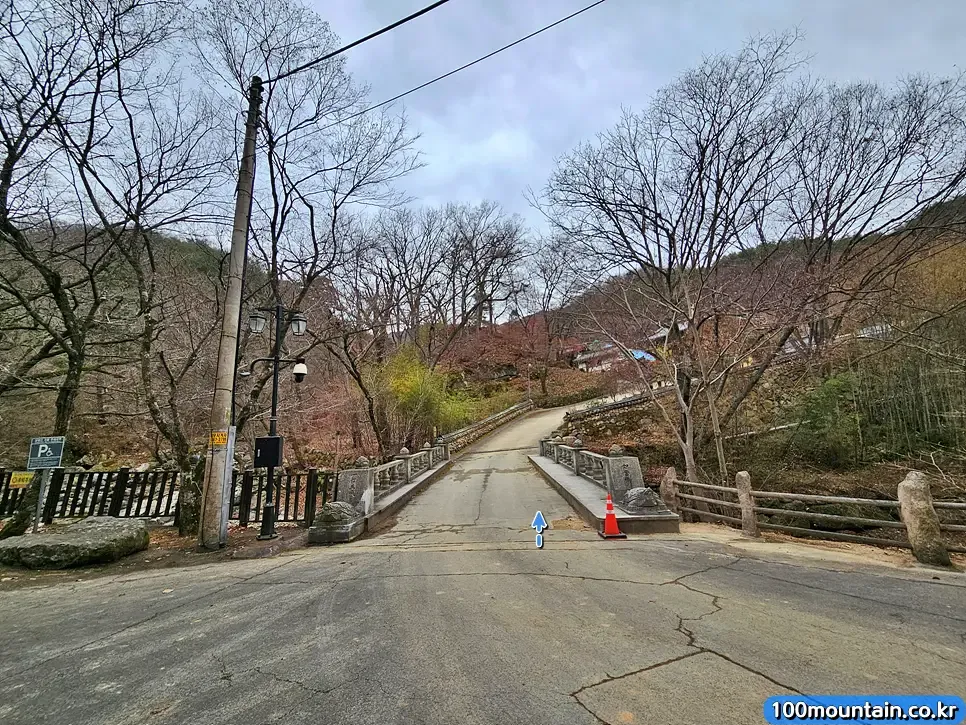
When using public transportation, visitors must get off at the Naewonsa Entrance bus stop and walk approximately 30 minutes to the ticket office. Yangsan City's guide recommends taking bus route 12 or 13 from the Beomeosa area of Busan and getting off at Naewonsa Entrance. It also states that bus route 63 can reach Naewonsa Entrance from the Gupo and Deokcheon areas.
For drivers, the official guide gives a route from the Tongdosa Interchange on the Gyeongbu Expressway via National Route 35 and Local Route 1025 to Naewonsa Temple. Since the route includes approximately 30 minutes of uphill walking and roadside sections after getting off the bus, traveling by passenger car or taxi is more practical for visitors with large luggage, strollers, or wheelchairs. Foreign-language information is available on Yangsan City's English tourism page and the Korea Tourism Organization's English page.
The “Little Geumgang” Section of Naewonsa Valley and the 6 p.m. Departure Rule
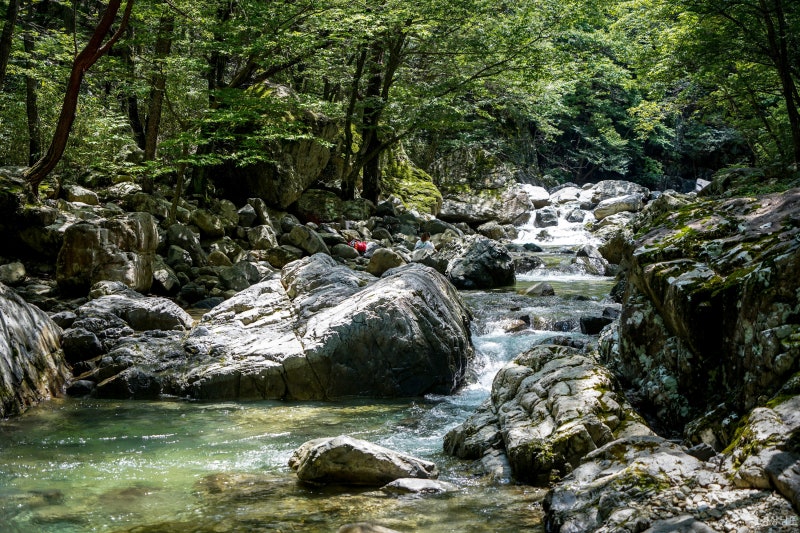
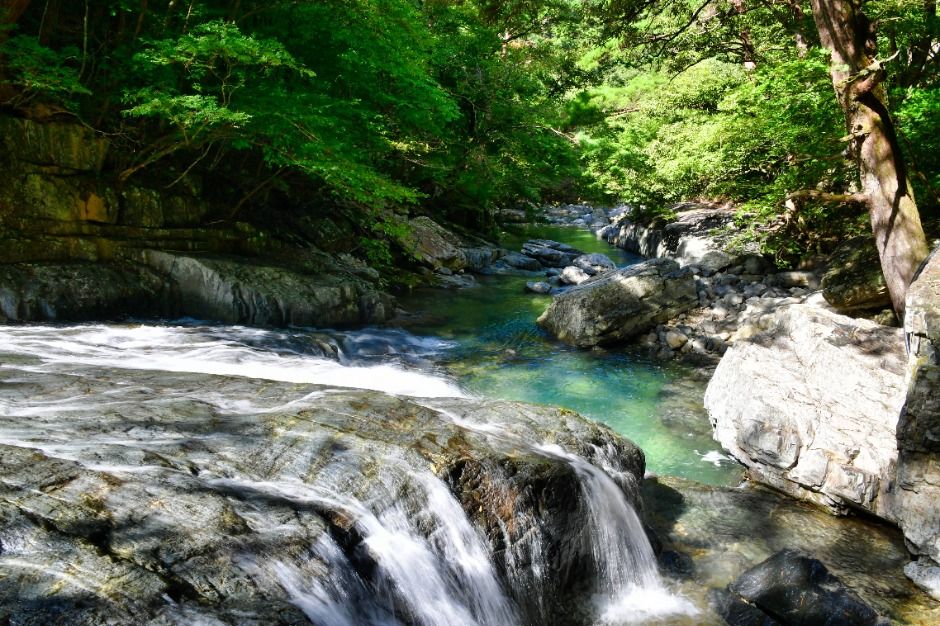
The valley below Naewonsa Temple is Naewonsa Valley, at the foot of Cheonseongsan Mountain. Yangsan City explains that the scenery of this valley was so outstanding that it was called “Little Geumgang,” highlighting Samcheungbawi Rock, Byeongpungbawi Rock, and the engraved “Little Geumgang” inscription on the cliff. Touring only the temple takes about one hour; including the walk from the valley entrance to the temple, it is better to allow at least two hours.
There are restrictions on using the valley. According to Yangsan City's tourism guide, cooking and camping are not permitted, and visitors must leave the valley by 6 p.m. The upper reaches are off-limits because they are within a water-source protection zone. Planning the visit solely as a summer water-play outing makes it easy to overlook restricted areas and the departure time, so a more reliable itinerary is to connect a temple visit with a valley walk or arrive in the morning.
Time Planning When Combining the Visit with 922-Meter Cheonseongsan Mountain
Naewonsa Temple is located at the foot of Cheonseongsan Mountain, which rises 922 meters above sea level, so visiting the temple and hiking require different levels of physical effort. Yangsan City's winter travel itinerary presents Course 8, which descends from Youngsan University to the Naewonsa ticket office via Jipbukgae and Seongbulam Valley, as a 5.8-kilometer route taking 3 hours and 25 minutes. This time should be calculated separately from an itinerary that only tours the temple grounds.
If visitors want to see more of the surrounding area after touring the temple, Yangsan City's suggested destinations include Tongdosa Temple, Tongdo Fantasia, and Hongnyong Waterfall. Tongdosa is also in Habuk-myeon, like Naewonsa, but because the walk between the Naewonsa Entrance bus stop and the temple takes 30 minutes, visitors combining several places in one day using only public transportation should first check transfer times and the last buses.
Summer Valley Visits and Autumn Foliage Temple Visits Require Different Preparations
Many people visit the valley and forest trails together in summer, but the bans on cooking and camping and the restriction on access to the upper reaches apply. Rather than venturing onto slippery rocks, visitors should prepare shoes that can get wet, spare socks, and a personal trash bag, and plan to leave the valley area before 6 p.m.
In autumn, an itinerary combining the mountain scenery of Cheonseongsan with the temple grounds is suitable, but adding a hike greatly increases the time, as with the 5.8-kilometer, 3-hour-25-minute course. Travelers visiting only the temple, those wanting a valley walk, and those hiking the Cheonseongsan ridgeline should plan separate departure times. Recent video titles and visitor reviews repeatedly mention crowding in the valley and possible usage controls, so anyone visiting for water activities must check the day's announcements.
Before You Go
- Address
- 207 Naewon-ro, Habuk-myeon, Yangsan-si, Gyeongsangnam-do
- Hours
- 06:30–18:00
- Admission
- Adults 2,000 won / Teenagers and military personnel 1,200 won
- Phone
- 055-374-6466
- Official site
- https://www.naewon.or.kr
- Transport
- Take routes 12 or 13 toward Beomeosa in Busan, or route 63 toward Gupo and Deokcheon; get off at Naewonsa Entrance and walk about 30 minutes to the ticket office
- Parking
- Available. Passenger cars 2,000 won, large vehicles 5,000 won
- Time needed
- About 1 hour for the temple, at least 2 hours including a walk in Naewonsa Valley
- Accessibility
- The walk from the Naewonsa Entrance bus stop to the ticket office takes about 30 minutes, so traveling by passenger car or taxi is more practical for wheelchair and stroller users. English information pages are available from Yangsan City and the Korea Tourism Organization.
The information above is current as of the time of writing. Check the official guidance again before visiting.

Places
Nearby Attractions 5
-
 1
1
-
 2
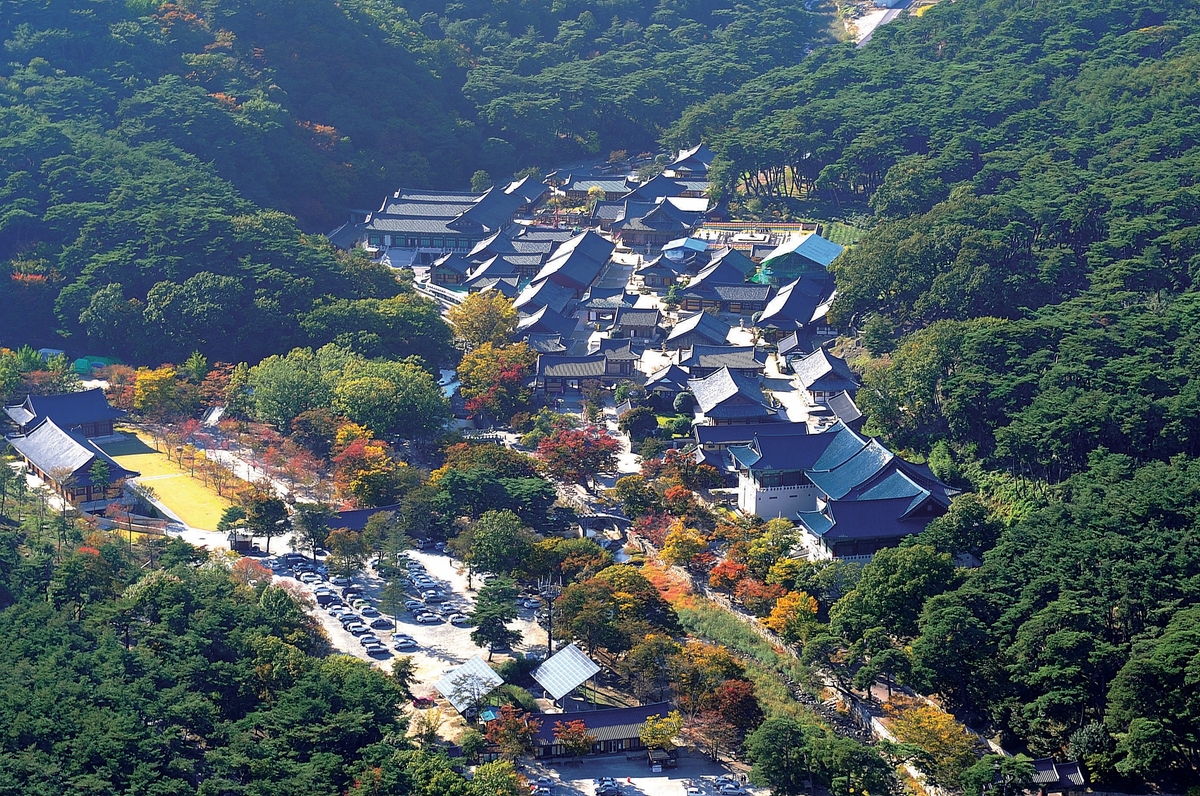
Tongdosa TempleExplore the temple buildings and the Geumgang Ordination Platform at this Buddhist Jewel Temple.
2
Tongdosa TempleExplore the temple buildings and the Geumgang Ordination Platform at this Buddhist Jewel Temple. -
 3
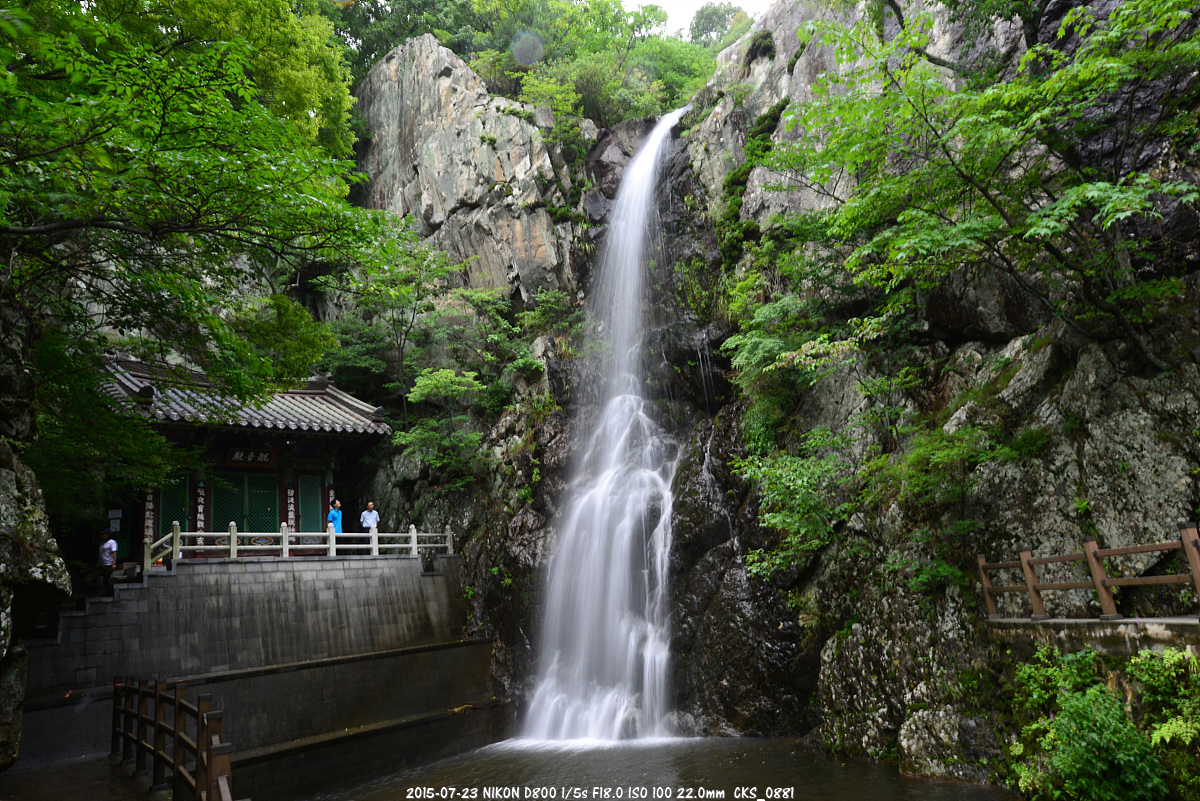
Hongnyong FallsEnjoy the natural scenery while walking around the three-tiered waterfall and Hongnyongsa Temple.
3
Hongnyong FallsEnjoy the natural scenery while walking around the three-tiered waterfall and Hongnyongsa Temple. -
 4
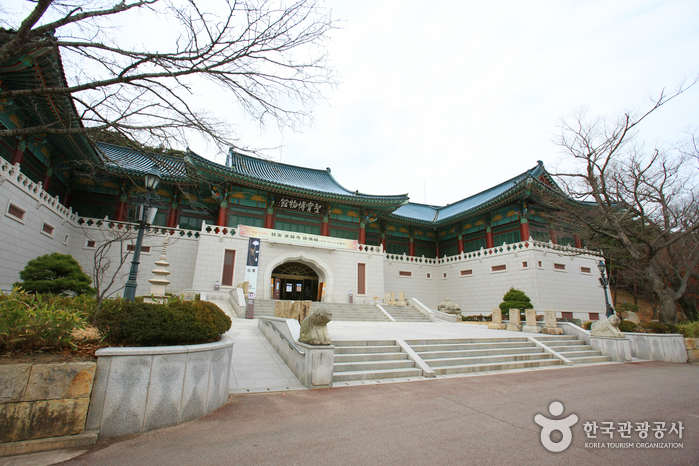
Tongdosa Seongbo MuseumA museum displaying Buddhist cultural heritage, large gwaebul paintings, and other artifacts
4
Tongdosa Seongbo MuseumA museum displaying Buddhist cultural heritage, large gwaebul paintings, and other artifacts -
 5
5
Food & Dining 3
-
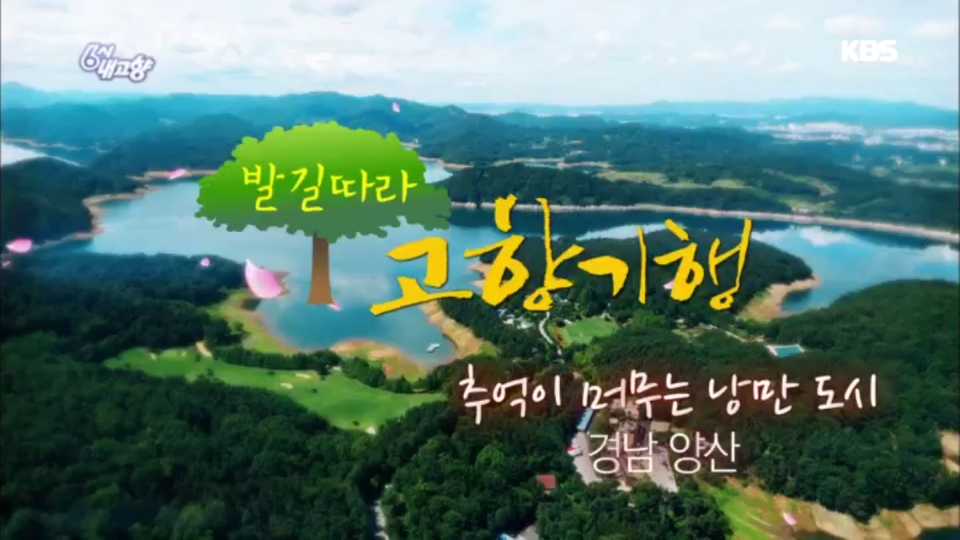 6
Gohyang MadangA valley restaurant serving free-range chicken and duck baeksuk (boiled dishes), buckwheat kalguksu, and more.
6
Gohyang MadangA valley restaurant serving free-range chicken and duck baeksuk (boiled dishes), buckwheat kalguksu, and more. -
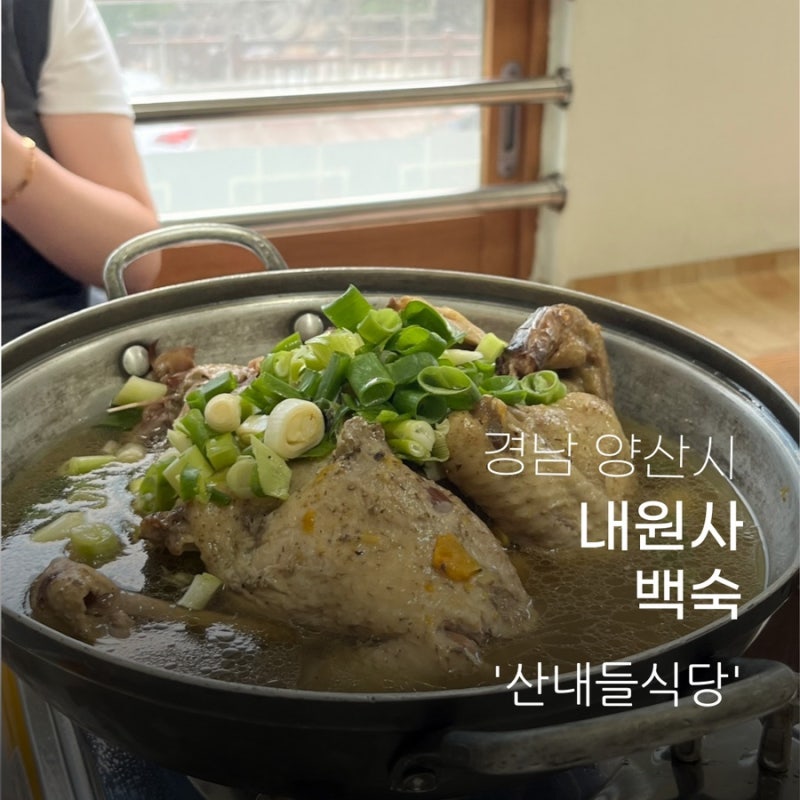 7
Sannaedeul RestaurantA valley restaurant serving whole chicken soup, whole duck soup, and spicy braised chicken.
7
Sannaedeul RestaurantA valley restaurant serving whole chicken soup, whole duck soup, and spicy braised chicken. -
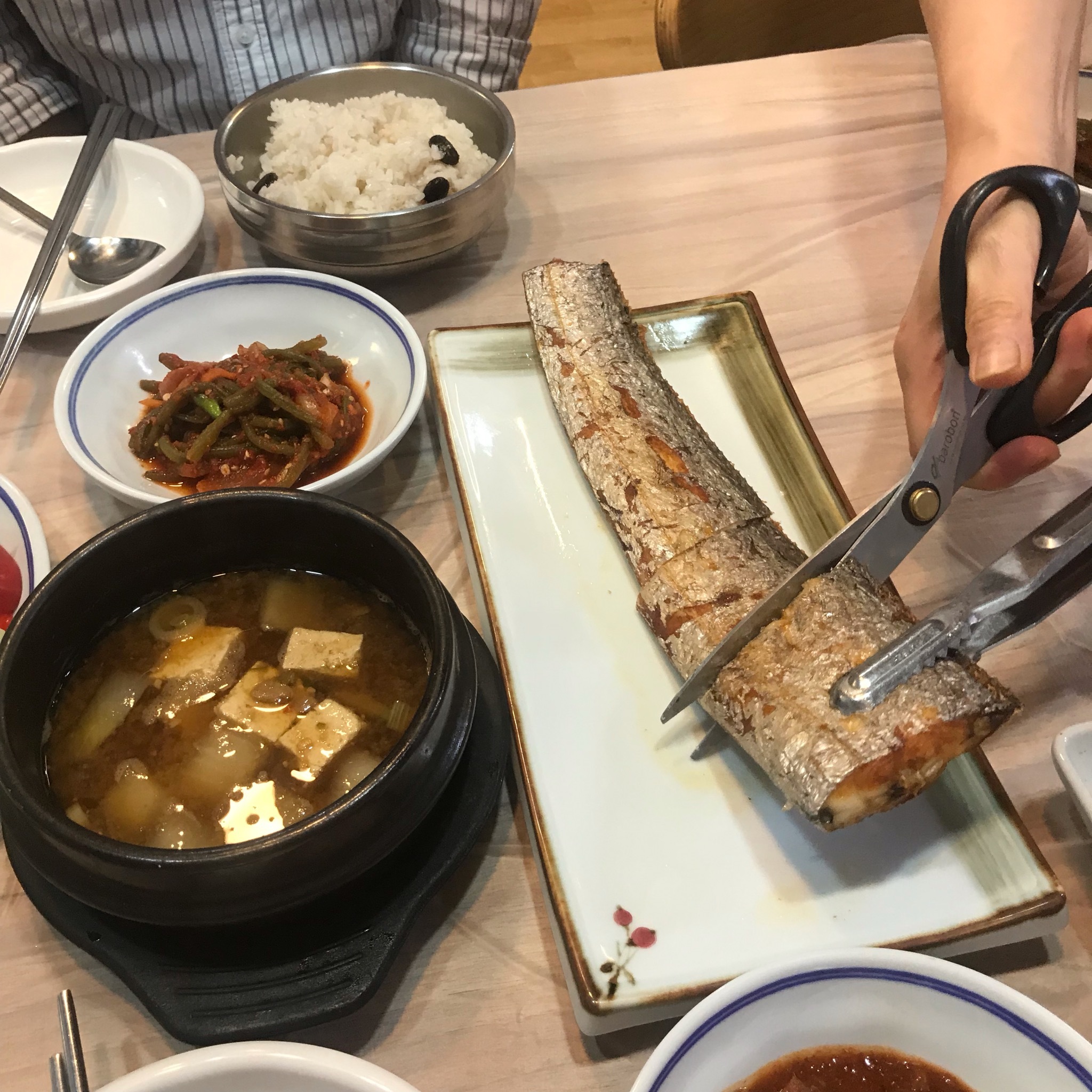 8
Bumin SikdangA restaurant serving homestyle Korean cuisine, including grilled fish and ssam set meals.
8
Bumin SikdangA restaurant serving homestyle Korean cuisine, including grilled fish and ssam set meals.
Events in This Area
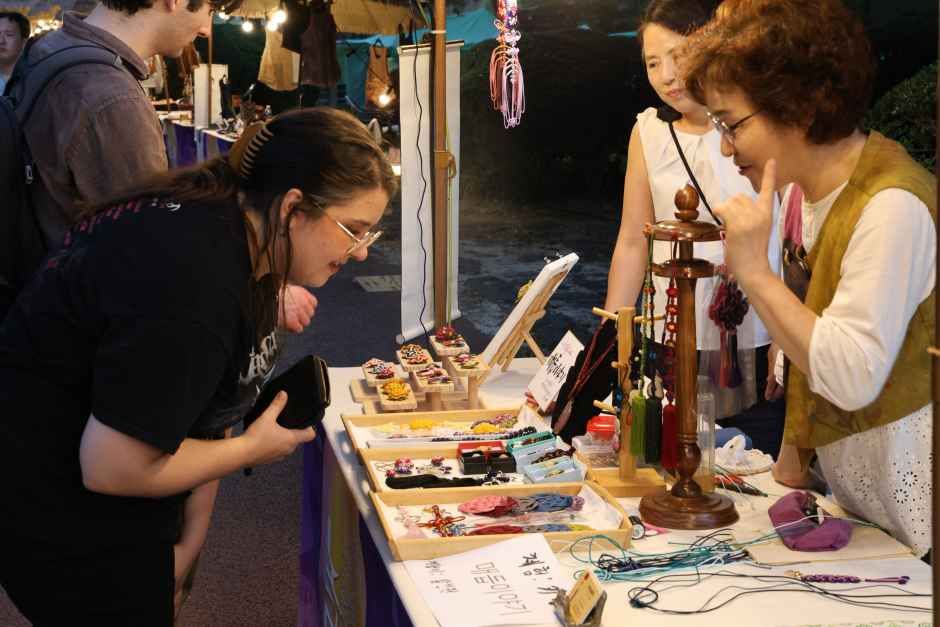
Festivals in This Area

More Travel Guides in This Area
 Travel Guide
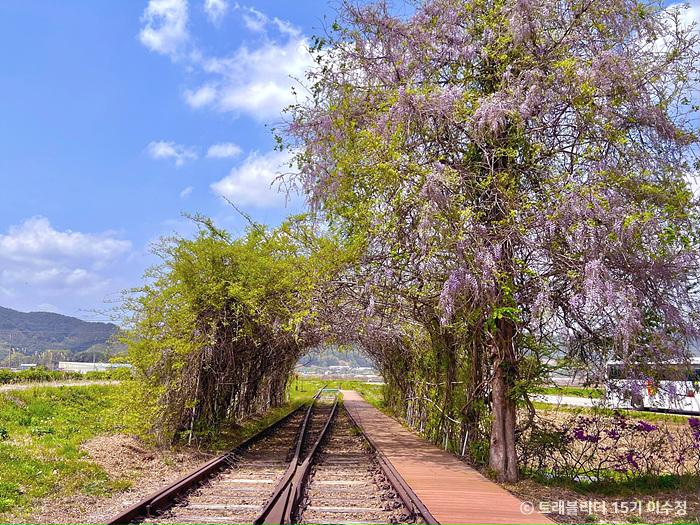
46 m Wisteria Tunnel and Three Ecological Walking Trails Beneath Miryang Dam
 Travel Guide
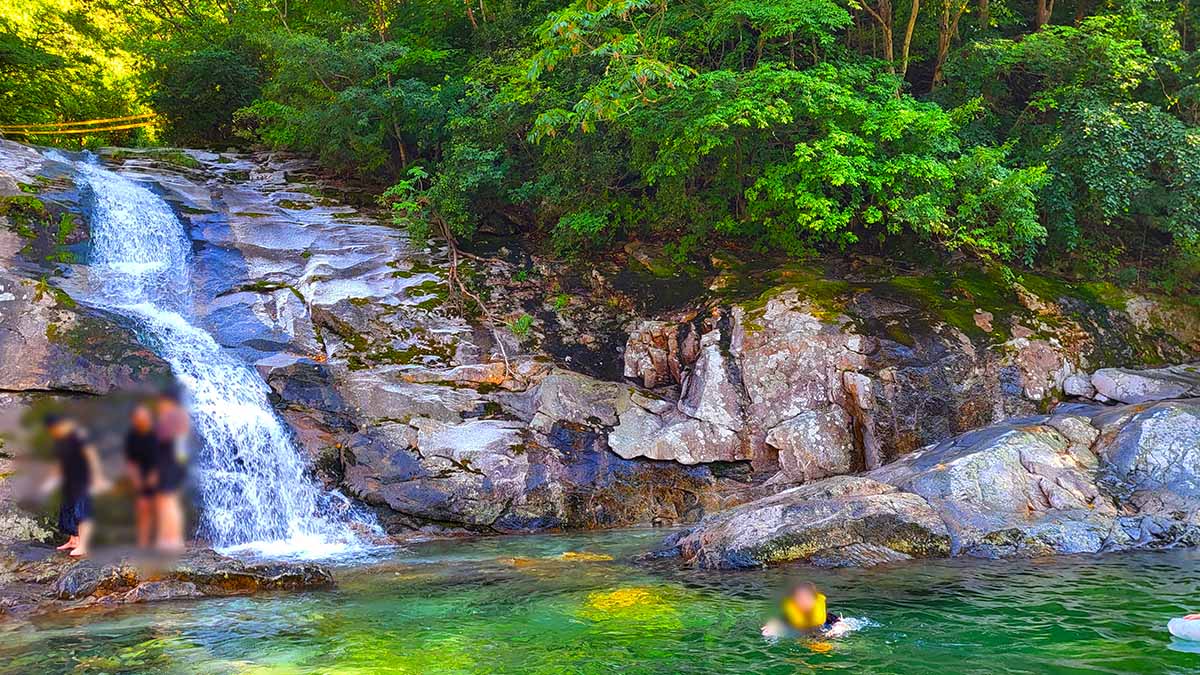
Miryang Ice Valley: A 10,000 m² Scree Field on the Northern Slope of Cheonhwangsan Where Ice Forms in Summer and Air Breathes in Winter
 Travel Guide
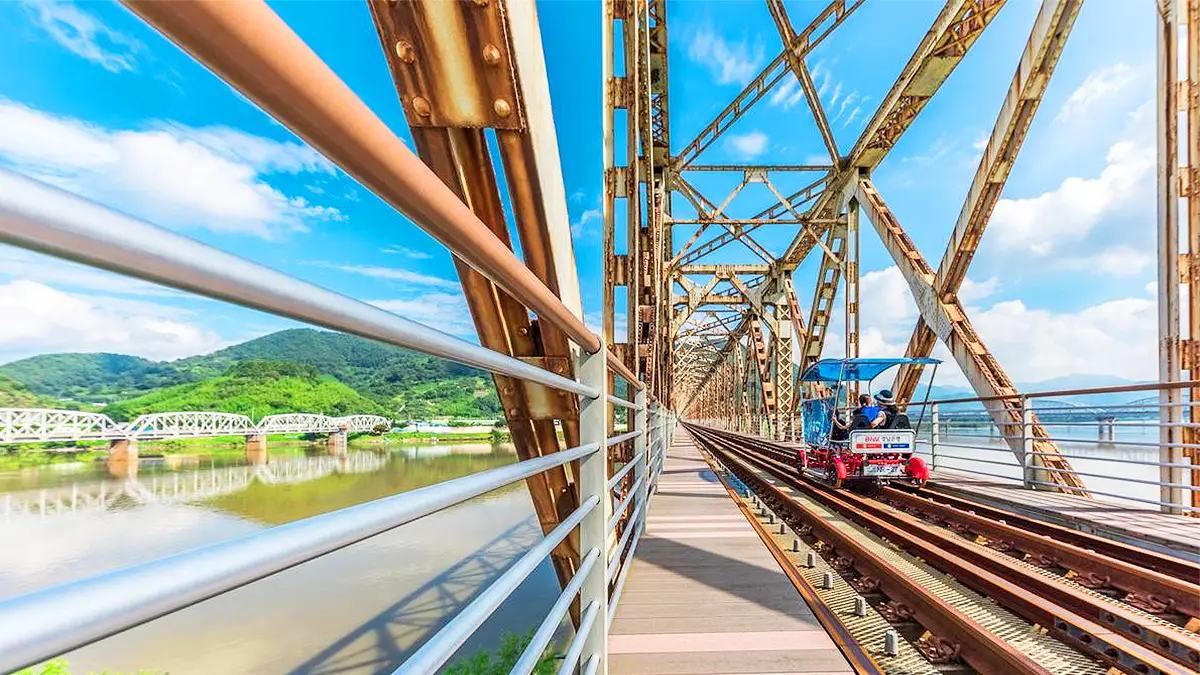
Gimhae Nakdonggang Rail Park — A Rail Bike Ride Across a Disused Gyeongjeon Line Railway Bridge and the Saengnim Tunnel Wine Cave
 Travel Guide
Gimhae Gaya Land, a Great Place for Children Aged 3 to Early Elementary School to Play at the Foot of Sineosan Mountain
Korea News
 News
News
‘NewJeans Expulsion’ Danielle Releases Her First YouTube Video… “We Don’t Know What Will Happen Next”
![aespa’s North American Tour Has Remaining Seats Despite ‘$49’ Bargain Prices… A Stark Popularity Gap with KATSEYE [TEN Starfield]](https://kotourlive-images.s3.ap-northeast-1.amazonaws.com/news/1788485037424_a59b1932_naver_rank_thumb_0000774618_1788485037424.jpg) News
News
aespa’s North American Tour Has Remaining Seats Despite ‘$49’ Bargain Prices… A Stark Popularity Gap with KATSEYE [TEN Starfield]
![[Photo] TWICE’s Dahyun attends a film festival red carpet as an actress](https://kotourlive-images.s3.ap-northeast-1.amazonaws.com/news/1788485316508_edd43ecd_news_870a60a6-6f11-4d73-aa7c-48d91318a0f7.jpg) News
News
[Photo] TWICE’s Dahyun attends a film festival red carpet as an actress
![[On-Site Video] “We’re Departing Separately Together”… BIGBANG Begins ‘COSMOS’ World Tour](https://kotourlive-images.s3.ap-northeast-1.amazonaws.com/news/1788485226518_c5719641_news_fdd4764a-0f4e-4968-8e4e-e98a02872f88.jpg) News
News