Tongyeong’s Dawn Born on the Saeteo Reclaimed Land: Seoho Market
Located at 74-3 Saeteo-gil, right in front of Tongyeong Passenger Ferry Terminal, Seoho Market is a permanent dawn market established on reclaimed land in Seoho Bay during the Japanese colonial period. Long-established eateries serving siraeguk, a soup made with dried radish leaves, and small pufferfish soup open from 4 or 5 a.m. and close one by one after midday, giving this market in Tongyeong’s old downtown a character distinct from the tourist-oriented Jungang Market.
I’ve been here?
Your check-in helps the next traveler.
13 people viewed this week Be the first
One tap — no writing needed
‘Saeteo Market,’ born on a reclaimed Seohoman site during the Japanese colonial period
The land where Seoho Market stands was originally the sea. Various sources explain that Seoho Bay was reclaimed and developed in the 1930s, during the Japanese colonial period. At the time, it was called Sinjeong Market, and it was also known as Saeteo Market after the place name Saeteo and as Achimje Market, meaning a morning market. The traditional market guide on Tongyeong City’s official website likewise states that Seoho Market (Saeteo Market) occupies a 4,512-square-meter site in front of the Tongyeong Port Passenger Terminal and was created when Japanese residents reclaimed the sea during the colonial era, after which it was used as temporary housing for Koreans returning from Japan. However, sources differ on the exact timing of the reclamation: one economic newspaper reports that the area around Tongyeong Port, including Seoho Market, was created by reclaiming what had originally been the sea in 1906.
The market began not with a grand plan but with people making a living. As the story goes, food stalls serving port workers gradually developed into a market, with vendors selling meals to sailors gathering together to form today’s market alleys. For this reason, Tongyeong City describes the site in its Seoho Traditional Market guide as the birthplace of Tongyeong’s economy.
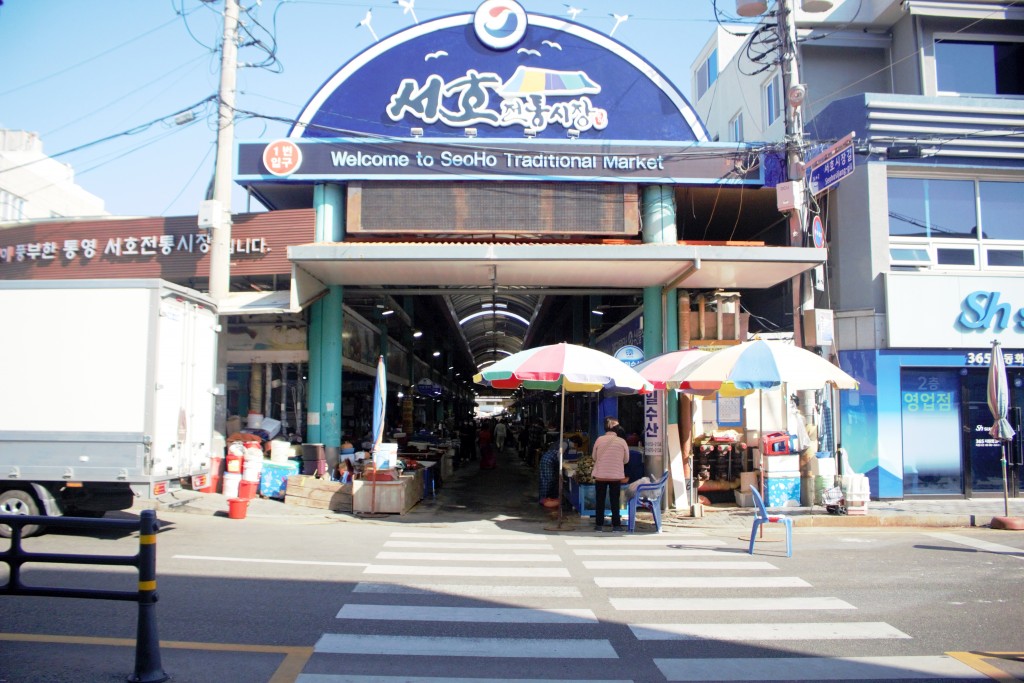
3–4 a.m.: the first place fishing boats from Hansando and Bijindo arrive
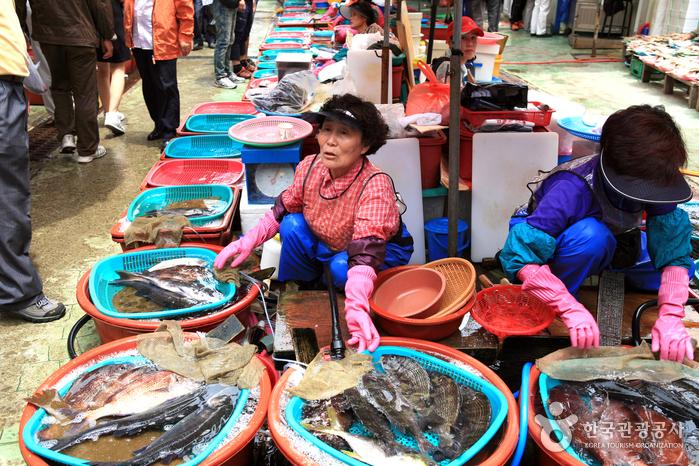
Seoho Market’s true character emerges before sunrise. It is a diligent market that opens at dawn, and according to writer Jeong Tae-gyeom’s travel account in Weekly Kyunghyang, the market is already alive and bustling even when arriving at 3 a.m. after taking the last train. A Korea Tourism Organization feature introduces the grandmother at Masan Trading Company, who has maintained her spot at the end of Seoho Market from 4 a.m. to 7 p.m. for 56 years. She brings and sells seasonal vegetables and seafood from Tongyeong’s island villages, including mugwort and island greens in spring, Japanese plums, garlic, and corn in summer, and yuzu in winter.
In terms of size, Seoho Market is the second largest in Tongyeong. A regional guide compiled by Wanderlog ranks Tongyeong’s three major markets as Jungang Market, Seoho Market, and Geobuk Market (Buksin Traditional Market), in that order. It adds that Seoho Market has a stronger sense of local life than Jungang Market, which is mainly visited by tourists, and is most vibrant from early morning until around noon. Regarding the actual number of shops, a 2019 report stated that around 200 of the market’s approximately 330 shops sold seafood.
Sirak-guk, ppaetteogi-juk, and ujja — dishes that began as sailors’ meals
Seoho Market is where several foods representing Tongyeong were first created. One travel magazine article introduces the market, located directly in front of the passenger terminal, as the birthplace of Tongyeong’s signature dishes such as sirak-guk, Chungmu gimbap, honey bread, and flounder-and-mugwort soup. Sirak-guk is boiled with dried radish greens, as its name suggests. A Google review by one visitor describes the broth, made by simmering eel bones, as savory with a mildly spicy flavor and no unpleasant smell.
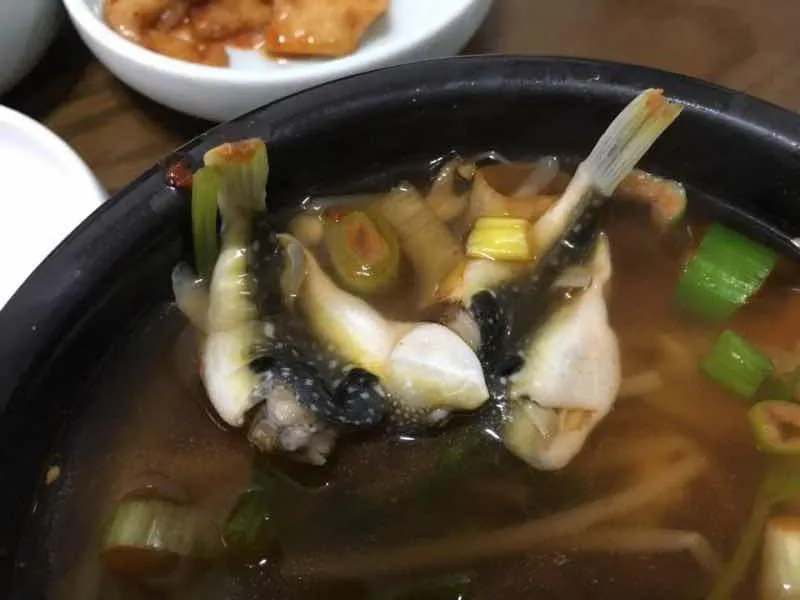
Jolbok-guk, or small pufferfish soup, also helped establish the market’s reputation. Small pufferfish, which belong to the same family as tiger pufferfish, were once simply discarded by fishing boats, but local residents developed them into a dish. Today, clear-broth jolbok-guk is extremely popular as a hangover remedy. Other longstanding restaurants serve ppaetteogi-juk, porridge made from sweet potatoes dried in sea winds; ujja, udon topped with jjajang sauce; and raw fish bibimbap.
The three great jolbok-guk restaurants: practical information on Manseong Bokjip, Hodong Restaurant, and Bunso Restaurant
Among the long-established jolbok-guk restaurants, Hodong Restaurant has the clearest founding history. According to the Regional N Culture archive, Hodong Restaurant in Seoho-dong is a pufferfish specialty restaurant famous for jolbok-guk. It began in 1951 as a small eatery where the late Jeon Ok-seon cooked meals for sailors. Tongyeong City’s retail business guide lists its address as 49 Saeteo-gil, Seoho-dong, Tongyeong-si, Gyeongsangnam-do, and its telephone number as 055-645-3138. A restaurant review site describes it as a pufferfish soup restaurant with a 60-year tradition representing Tongyeong.
Manseong Bokjip is open daily from 05:30 to 17:00 at 12-13 Saeteo-gil, Tongyeong-si, Gyeongsangnam-do; its telephone number is 055-645-2140. Located along Tongyeonghaean-ro rather than in the Seoho Market alley, Bunso Restaurant is at 207-1 Tongyeonghaean-ro, Tongyeong-si, Gyeongsangnam-do, and can be reached at 055-644-0495. After being featured on the Tongyeong episode of the television program Alssulsinjap, it became better known as a restaurant specializing in flounder-and-mugwort soup and pufferfish soup. Sujeong Restaurant in Hangnam-dong charges 11,000 won for pufferfish soup, 12,000 won for spicy pufferfish stew, and 15,000 won for flounder-and-mugwort soup; its lack of parking is considered a drawback.
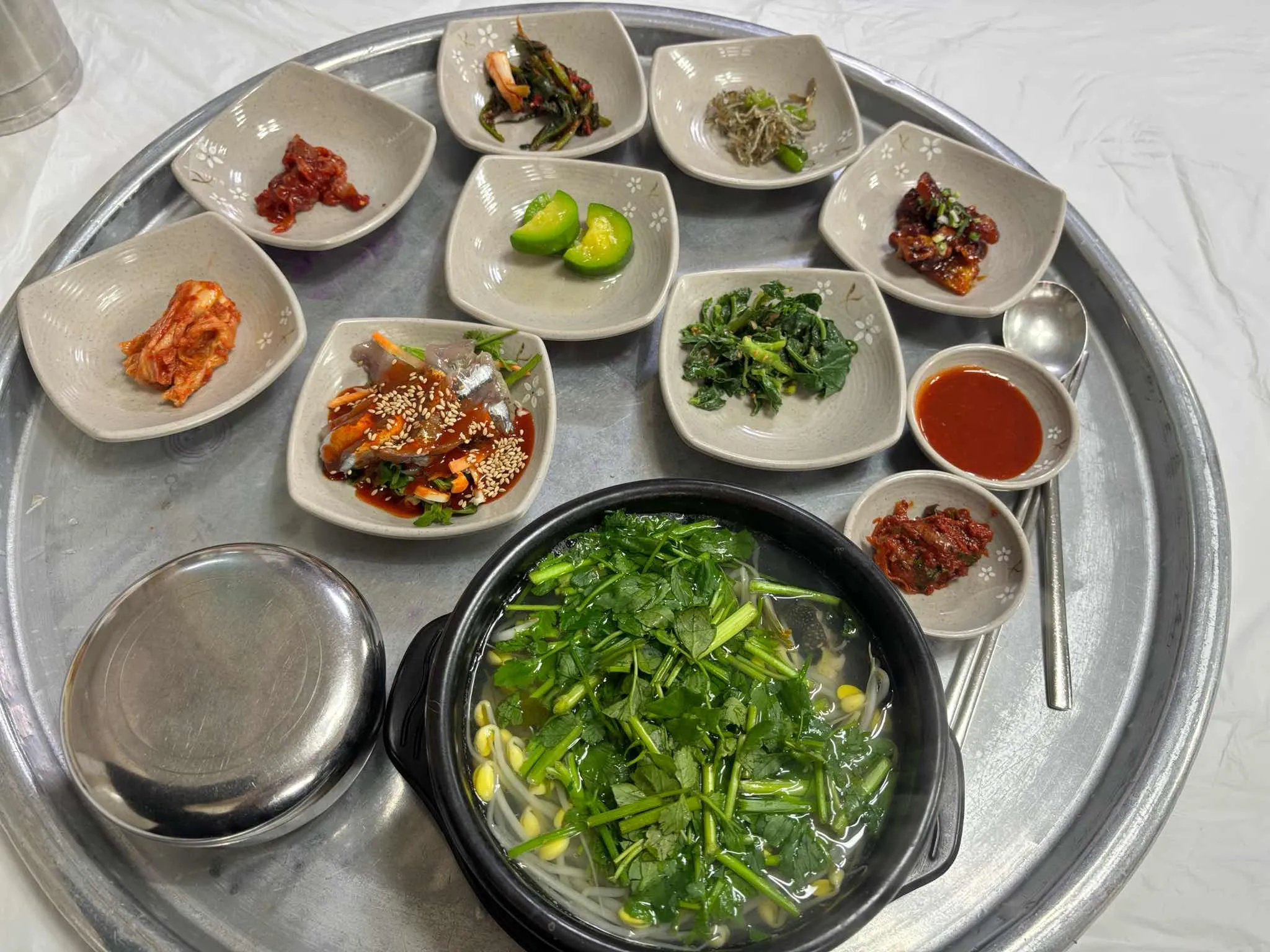
74-3 Saeteo-gil, right next to the Tongyeong Passenger Terminal — directions and parking
Seoho Market is located at the gateway to Tongyeong’s old downtown. The Korea Tourism Organization’s directions guide lists the market’s address as 42-7 Saeteo-gil, Tongyeong-si, Gyeongsangnam-do, and its contact number as 055-645-3024. After leaving the Tongyeong IC on the Daejeon–Tongyeong Expressway and following Tongyeonghaean-ro, it takes about two minutes by car to travel from Jungang Market to Seoho Market. By public transportation, take bus 101 toward Donam-dong in front of the Tongyeong Intercity Bus Terminal and get off at the Jungang Market (Seoho Market) stop. On foot, Seoho Market is approximately nine minutes from Tongyeong Jungang Traditional Market.
Parking is handled across the street rather than inside the market. The Tongyeong Coastal Passenger Terminal parking lot opposite Seoho Market accommodates small cars as well as tour buses. If you plan to return to the Tongyeong Integrated Bus Terminal late at night, note the bus schedule: the last bus serving Seoho Market in the old downtown area departs at 10:50 p.m. Some routes also start at the market; bus 673 runs from Seoho Market to Jeosan, with the first bus at 06:50 and the last at 20:25.
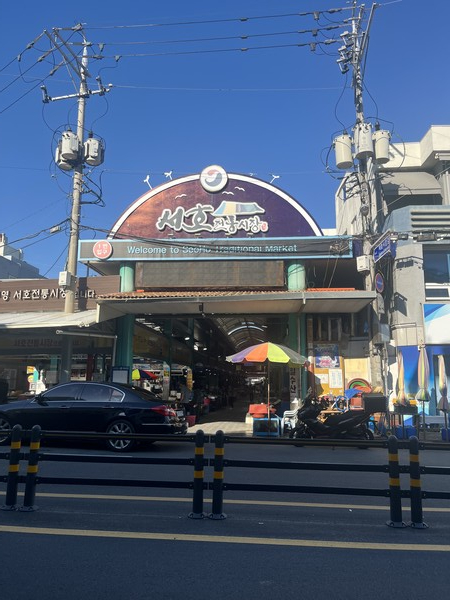
A market that closes after noon — when should you go?
Seoho Market concentrates its energy into a short period each day. Multiple travel accounts consistently report that the market opens and closes early and becomes very quiet in the evening. A feature by a welfare media outlet likewise notes that, unlike other traditional markets, Tongyeong’s traditional markets are lined with restaurants that begin operating from 4 a.m.; it adds that some restaurants close early and may stop serving shortly after lunchtime. In other words, between 6 a.m. and 11 a.m. is the most practical time to experience both the market and its long-established restaurants.
Because of this rhythm, the market may not suit visitors who arrive in the late afternoon or evening expecting a traditional market’s nighttime atmosphere. Conversely, it is ideal for travelers who want to observe the daily rhythm of Tongyeong residents over an early-morning bowl of rice soup, or island travelers who need breakfast before boarding a passenger ferry. The fact that many shops open early also suits people coming for breakfast or grocery shopping.
A signless signboard — the forge and dried-seafood street deeper inside the market
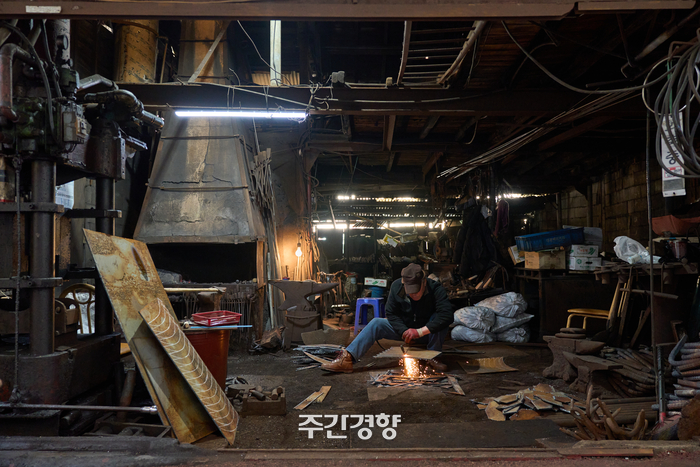
Seoho Market has alleys that are easy for tourists to overlook. A serialized article in Weekly Kyunghyang records discovering an old forge deep inside the market, covered in piles of metal filings and with no signboard, seemingly a remnant that should have disappeared long ago. Visitors who only look around the live-fish and restaurant area at the market entrance can easily miss these old establishments in the back alleys.
Those looking to buy dried seafood should know where to go. Information compiled on Tripadvisor notes that dried-seafood shops are scattered around the market’s southwest gate. Visitors can choose Tongyeong anchovies by price range, type, and size, and can also purchase anchovy stock fish, seaweed, and kelp. Travelers hoping to buy dried seafood on their way home will therefore find it efficient to visit this area first.
A walking route through Tongyeong’s old downtown extending to Jungang Market and Dongpirang
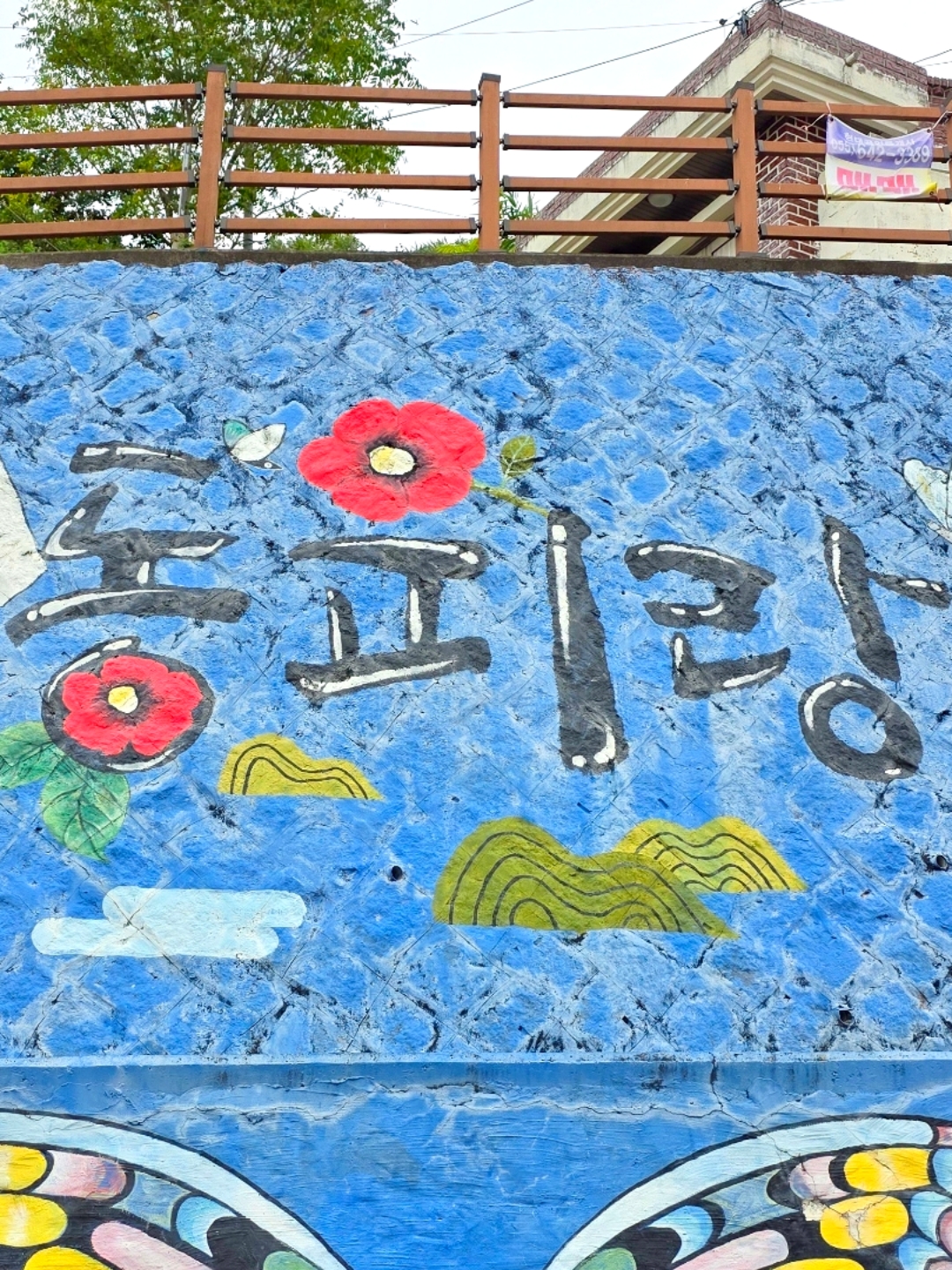
Seoho Market is easy to combine with a trip through Tongyeong’s old downtown. As mentioned above, it is a nine-minute walk from Tongyeong Jungang Traditional Market. According to the Korea Tourism Organization’s guide, the area around Jungang Market has attractions including Dongpirang Mural Village, Nammangsan Sculpture Park, Ganggwan Cultural Plaza, and a turtle ship, keeping tourists coming throughout the day. After having sirak-guk or jolbok-guk for breakfast at Seoho Market at dawn, walking to Jungang Market and Dongpirang is the most efficient way to explore Tongyeong’s old downtown in half a day.
It is also useful to understand the difference between the two markets. Jungang Market, Tongyeong’s largest market, also holds a five-day market on the 2nd and 7th of each month, whereas Seoho Market is a permanent market that opens every dawn rather than a regularly scheduled five-day market. To see both markets in one day, visit Seoho Market early in the morning and Jungang Market in the afternoon, matching the rhythm of each market’s activity.
Before You Go
- Address
- 74-3 Saeteo-gil, Tongyeong-si, Gyeongsangnam-do
- Hours
- A permanent market with no separately designated opening or closing hours; many restaurants start operating at 4–5 a.m. and often close after lunchtime
- Admission
- Free
- Phone
- 055-645-3024
- Official site
- https://www.tongyeong.go.kr/00973/01168/01172.web
- Transport
- Take bus 101 toward Donam-dong in front of the Tongyeong Intercity Bus Terminal and get off at the ‘Jungang Market (Seoho Market)’ stop. It is about a nine-minute walk from Tongyeong Jungang Traditional Market. Since the market is directly in front of the Tongyeong Passenger Terminal, ferry passengers can reach it easily on foot. Bus 673 operates from Seoho Market (first bus 06:50, last bus 20:25).
- Parking
- The Tongyeong Coastal Passenger Terminal parking lot across from the market is available for both small cars and tour buses.
- Time needed
- Approximately 1 to 1.5 hours, including market browsing and a meal
The information above is accurate as of the time of writing. Check the official information again before visiting.

Places
Nearby Attractions 5
-
 1
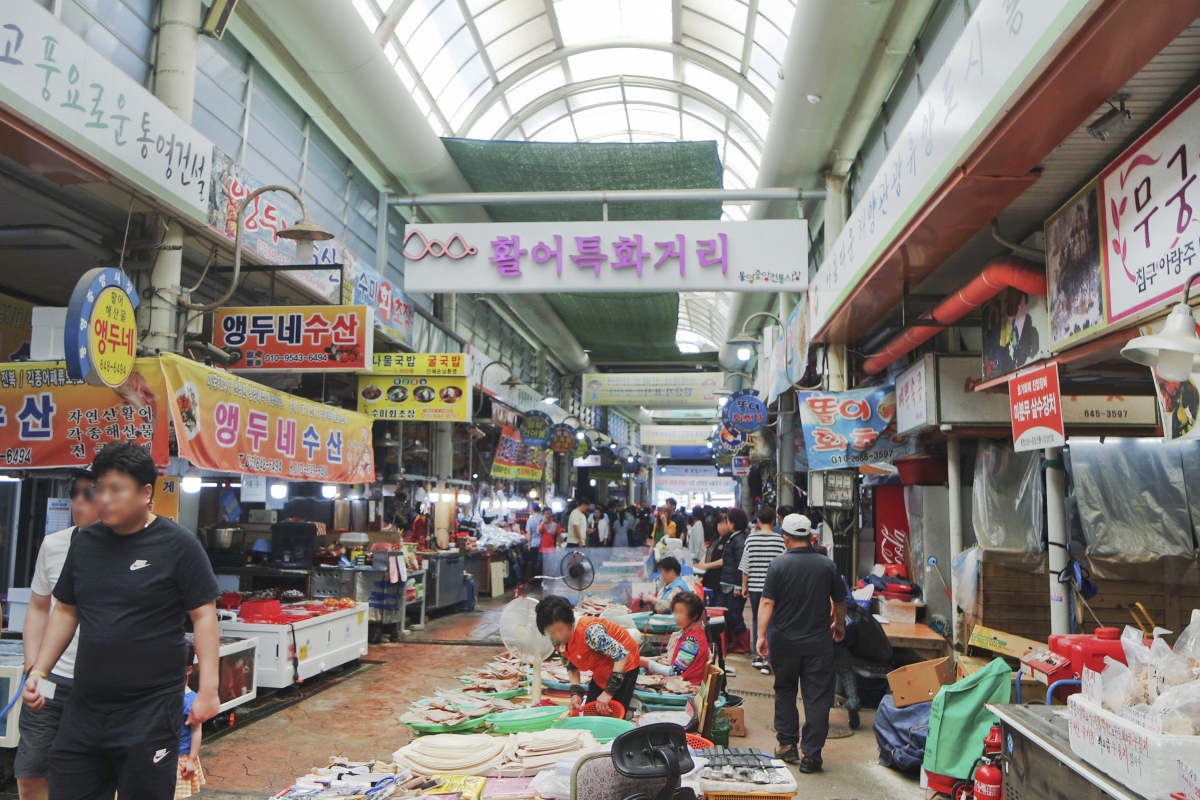
Tongyeong Jungang Traditional MarketA traditional market where you can browse fresh seafood and Tongyeong specialties.
1
Tongyeong Jungang Traditional MarketA traditional market where you can browse fresh seafood and Tongyeong specialties. -
 2
Dongpirang Mural VillageA village where you can enjoy views of Tongyeong Port while walking through mural-lined alleys.
2
Dongpirang Mural VillageA village where you can enjoy views of Tongyeong Port while walking through mural-lined alleys. -
 3
Gangguan Culture PlazaA seaside plaza where you can stroll while taking in views of the Turtle Ship and the harbor.
3
Gangguan Culture PlazaA seaside plaza where you can stroll while taking in views of the Turtle Ship and the harbor. -
 4
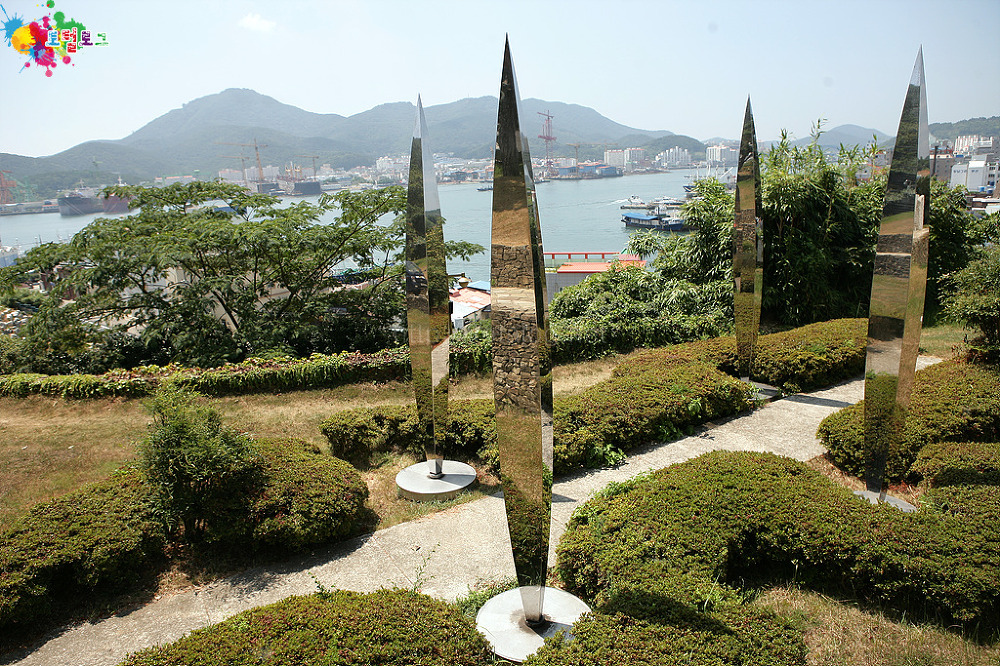
Nammangsan Sculpture ParkA park where you can enjoy modern sculptures alongside views of Tongyeong Port.
4
Nammangsan Sculpture ParkA park where you can enjoy modern sculptures alongside views of Tongyeong Port. -
 5
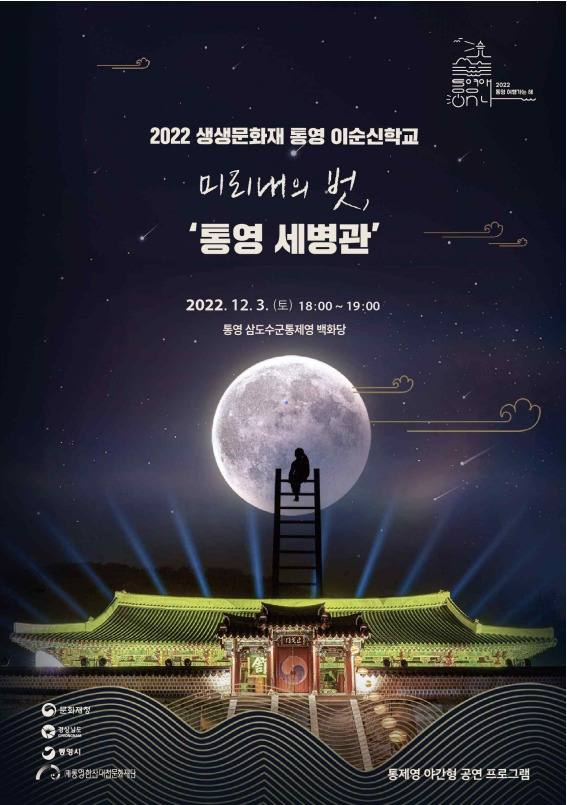
Tongyeong Samdo Naval CommandA historic site where visitors can explore the remains of the Joseon-era naval command headquarters, including Sebyeonggwan Hall.
5
Tongyeong Samdo Naval CommandA historic site where visitors can explore the remains of the Joseon-era naval command headquarters, including Sebyeonggwan Hall.
Food & Dining 2
-
 6
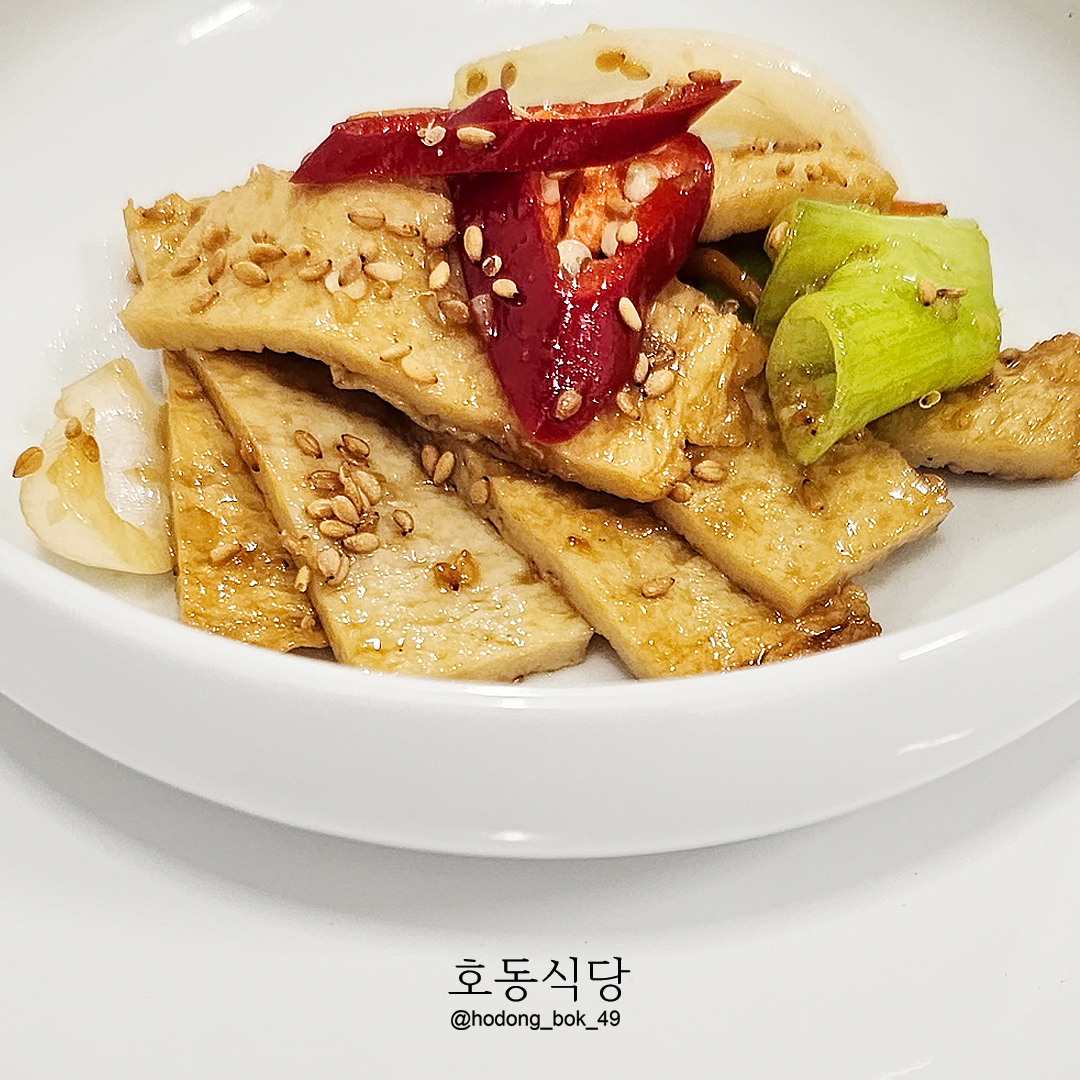
Hodong SikdangA pufferfish specialty restaurant where you can enjoy jolfokguk (small pufferfish soup) and spicy pufferfish stew.
6
Hodong SikdangA pufferfish specialty restaurant where you can enjoy jolfokguk (small pufferfish soup) and spicy pufferfish stew. -
 7
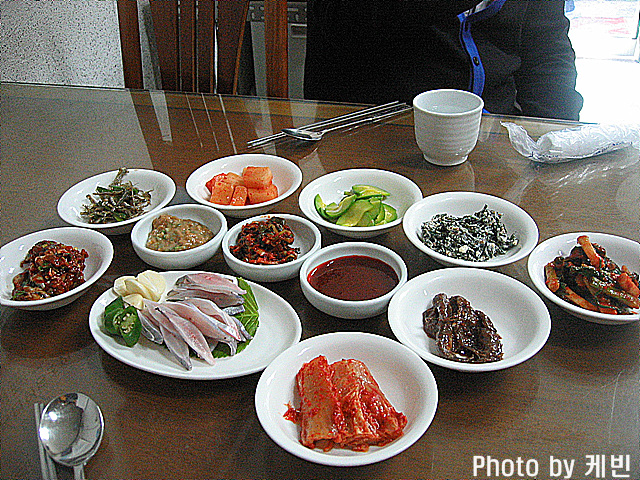
Manseong BokjipA restaurant serving Tongyeong-style pufferfish dishes, including pufferfish soup and spicy pufferfish stew.
7
Manseong BokjipA restaurant serving Tongyeong-style pufferfish dishes, including pufferfish soup and spicy pufferfish stew.
Events in This Area
Festivals in This Area
More Travel Guides in This Area
 Travel Guide
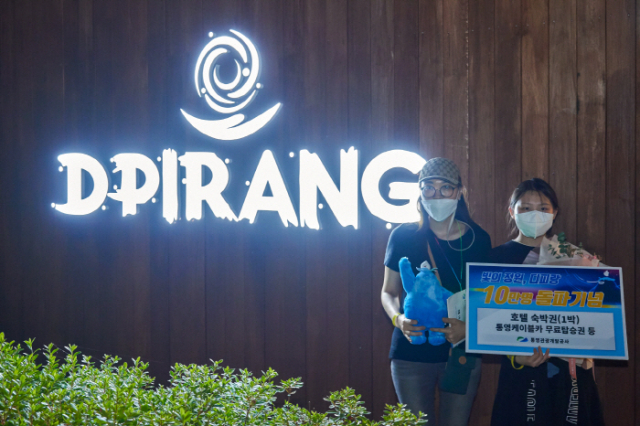
Dongpirang Murals Revived on Mangmangsan’s Night Paths: DPIRANG in Tongyeong
 Travel Guide
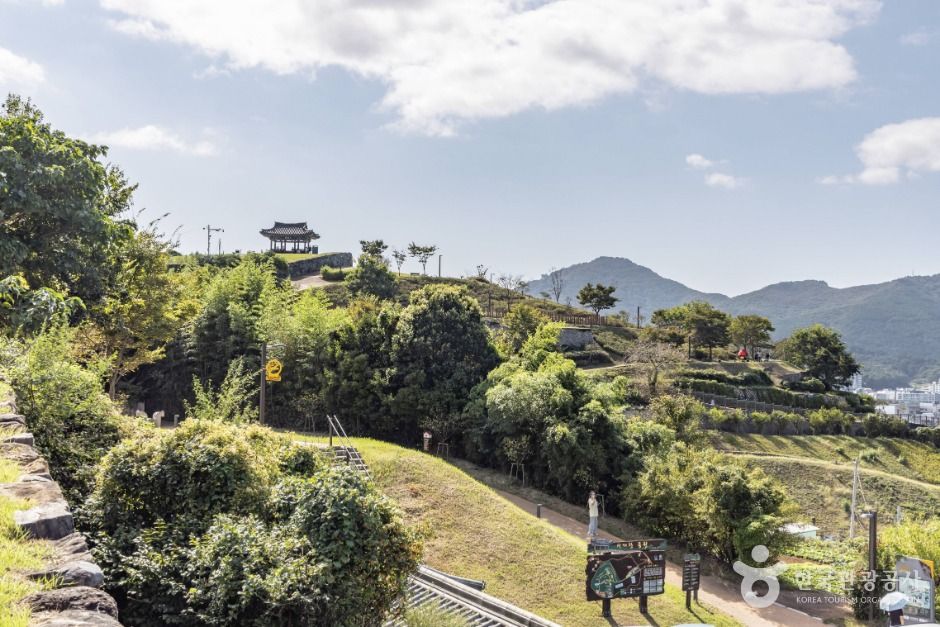
How to Read Tongyeong Port from Seopirang’s 99 Steps and Seoporu Pavilion
 Travel Guide
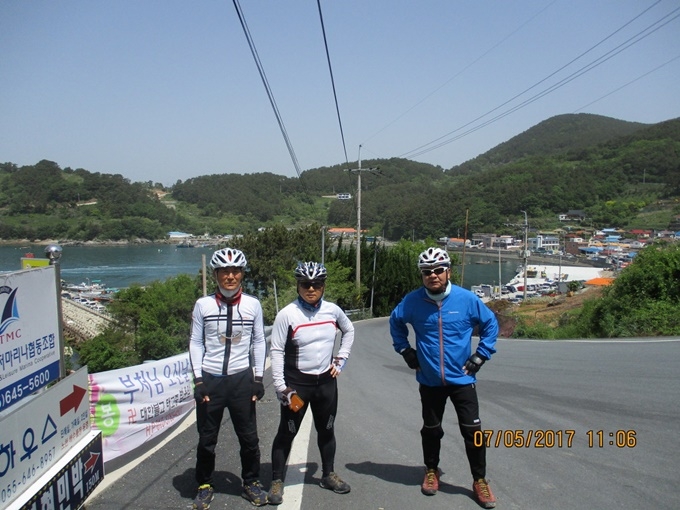
How to Walk Along Tongyeong Canal, the 1,420 m Waterway Separating Mireuk Island from Downtown Tongyeong
 Travel Guide
![Han So-hee, Radiant Beauty After Going Blonde… Unmatched Aura [N Shot]](https://kotourlive-images.s3.ap-northeast-1.amazonaws.com/news/1788056981544_83c8b0b3_news_66e33b45-cf84-4724-87d9-d1340820437d.jpg)
![BOYNEXTDOOR’s Sungho selected as the new MC of ‘Show! Music Core’ [Official Statement]](https://kotourlive-images.s3.ap-northeast-1.amazonaws.com/news/1787908108799_a3cc378e_news_9a3cd086-931c-4b58-b977-4a5ac371238a.jpg)
![[Photo] KISS OF LIFE’s Natty Shows Off Her Glamorous Figure](https://kotourlive-images.s3.ap-northeast-1.amazonaws.com/news/1787908133694_557864f4_news_016e92e2-55c1-4838-9702-eb03b2ad56ec.jpg)
![Hyeri “Cute Wink” [★Photo]](https://kotourlive-images.s3.ap-northeast-1.amazonaws.com/news/1787908093800_c9b7529f_news_9274613b-0b8f-4076-a430-25a1545a679d.jpg)