Reading the Four Pavilions of Yeongnamnu from 1844 Atop the Cliffs of the Miryang River
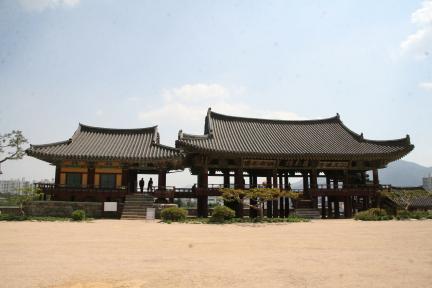
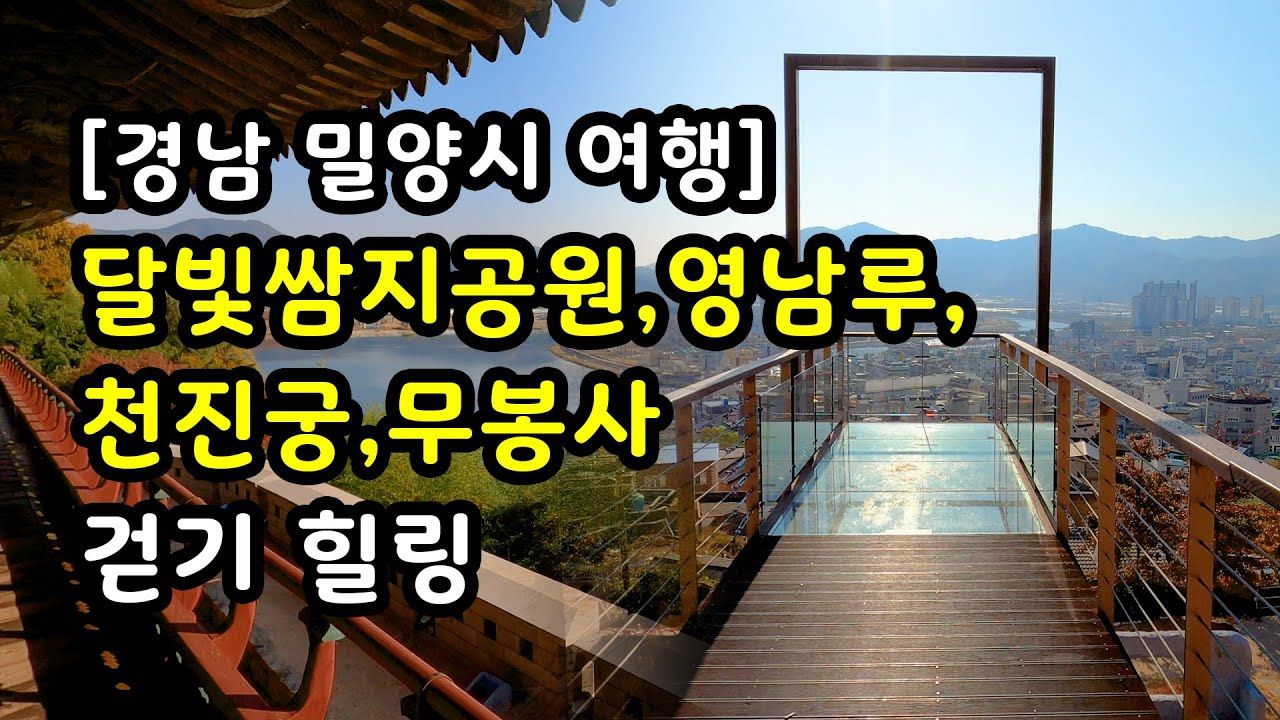
Miryang Yeongnamnu, a National Treasure, is a late-Joseon wooden structure perched on the cliffs above the Miryang River. Daeru, Neungpagak, Chimnyugak, and Yeosugak form a single complex. Open free of charge from 09:00 to 18:00, it is easy to combine with a walking route that also visits Mubongsa Temple, the Miryang Government Office, and the Uiyeol Memorial Hall.
I’ve been here?
Your check-in helps the next traveler.
19 people viewed this week Be the first
One tap — no writing needed
Where the Cliffs of the Miryanggang River Meet Yi In-jae’s 1844 Reconstruction
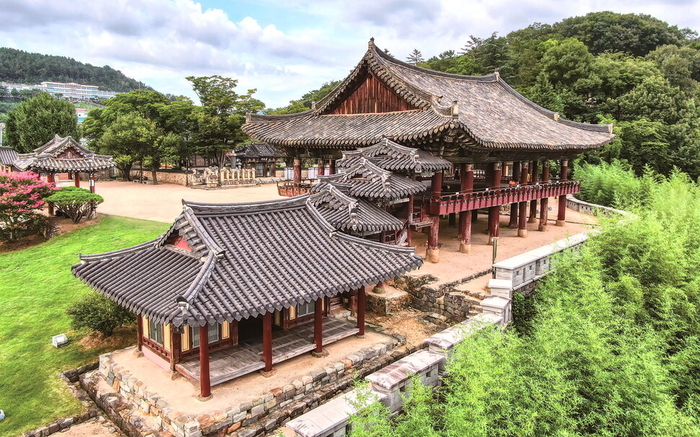
National Treasure Miryang Yeongnamnu is located at 324 Jungang-ro, Miryang-si, Gyeongsangnam-do (Naeil-dong), and is a pavilion from the late Joseon period built on a cliff beside the Miryanggang River, a tributary of the Nakdonggang River. The National Heritage Portal classifies this heritage site as a single pavilion-style structure consisting of Daeru, Neungpagak, Chimnyugak, and Yeosugak, and records that it was designated a National Treasure on December 28, 2023.
Yeongnamnu began as an attached pavilion of Yeongnamsa Temple during the reign of King Gyeongdeok of Unified Silla (742–765). In 1365, the 14th year of King Gongmin of Goryeo, Miryang magistrate Kim Ju extensively renovated it, and the building that disappeared after the Japanese invasions of Korea was reconstructed in 1844 by Miryang magistrate Yi In-jae. In other words, the building seen today is a reconstruction from the late Joseon period, while its name was inherited from the old Yeongnamsa Temple.
09:00–18:00, Free Admission: Essential Information for Your Day Plan
According to Miryang City tourism information, Yeongnamnu is open daily from 09:00 to 18:00, and admission is free. No regular closing day is separately listed, and the Korea Tourism Organization’s English tourism information also indicates that it is open year-round. However, access may vary during cultural events or maintenance work, so it is safest to check before departure with the management office at 055-359-5590 or the Miryang General Tourist Information Center at 055-356-1355.
The official tourism page is the Miryang City Culture and Tourism website, while heritage information can be checked on the National Heritage Portal. Restrooms and public Wi-Fi are indicated on site. Allowing 40–60 minutes is appropriate for viewing the pavilion interior and plaques and taking in the view toward the Miryanggang River; including Mubongsa Temple and Aranggak Pavilion, about 1 hour 30 minutes is recommended.
- Hours: 09:00–18:00
- Admission: Free
- Inquiries: 055-359-5590
- Tourist information: 055-356-1355
- Address: 324 Jungang-ro, Miryang-si, Gyeongsangnam-do (Naeil-dong)
Viewing the Yeongnam Jeillu Plaque and the Handwriting of Brothers Aged 11 and 7
After climbing to Daeru, it is best to first look toward the direction where the Miryanggang River and the urban area unfold at a glance. This reveals that the site is not merely an observation point, but a pavilion built on terrain connecting the government offices with the riverside. Yeongnamnu has traditionally been called one of the “Three Great Pavilions,” together with Jinjuseong Chokseoknu and Pyongyang Bubyeongnu.
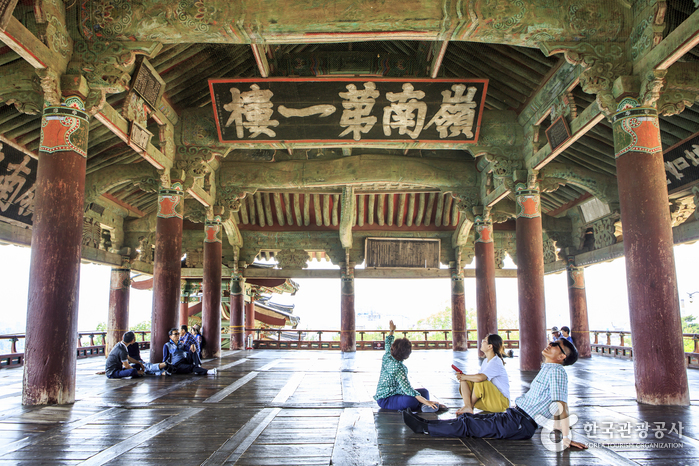
Inside, the dancheong decoration and patterned carvings are worth observing, as are the plaques bearing literary works. Miryang City information states that plaques featuring poems and writings by Toegye Yi Hwang, Mogeun Yi Saek, and Mun Ik-jeom, among others, remain here. In particular, the “Yeongnam Jeillu” and “Yeongnamnu” plaques written in 1843 by Yi Jeung-seok, the son of Yi In-jae (then aged 11), and Yi Hyeon-seok (then aged 7), respectively, are tangible traces conveying the story immediately before the building’s reconstruction.
How to Choose Between the Public Parking Lot and the Sammun–Nae-i Riverside Parking Area
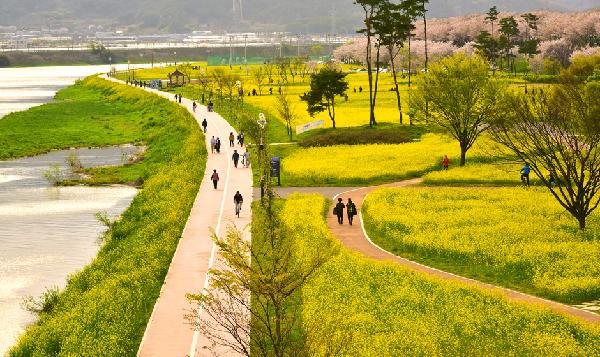
For those arriving by car, a public paid off-street parking lot at 57 Naeil-dong is listed near Yeongnamnu. Miryang City’s tourism page also indicates that the Sammun–Nae-i riverside parking area is free, allowing visitors to choose separate parking locations depending on whether they plan to make a short visit to the pavilion or include a riverside walk.
Parking availability around Yeongnamnu may decrease on weekends and during festival periods. In particular, the Miryang Arirang Grand Festival uses Yeongnamnu and the Miryanggang riverside as event venues, so during the festival period visitors should check Miryang City announcements again for temporary traffic controls and parking information. The 2026 Miryang Arirang Grand Festival was held from May 7 to May 10.
Taking Bus No. 2 from Miryang Station and Getting Off at the Yeongnamnu Stop
If using a city bus from Miryang Station, first check routes in the No. 2 series that pass through the Yeongnamnu bus stop. Public stop information indicates that several routes—including 2 Gagok, 2 Geumdong, No. 2, 2 Busandaehak, and 2 Cheongun—pass the Yeongnamnu stop, so check the destination and timetable before boarding.
From the Miryang Intercity Bus Terminal stop, travel toward Yeongnamnu is listed on Bus 6 Hwalseong or Susan 2. Foreign visitors arriving for the first time can receive assistance in Korean, English, Japanese, and Chinese through the 1330 tourist information line. Unlike Yeongnamnu’s own inquiry number, 1330 is useful for asking about transportation and sightseeing routes.
- Routes serving the Yeongnamnu stop: Multiple routes in the No. 2 series
- From the intercity bus terminal: 6 Hwalseong, Susan 2
- Multilingual tourist information: 1330
- Management office: 055-359-5590
A Half-Day Tour of the Old Fortress Town Linking Mubongsa Temple, 150 m Away, and Miryang Government Office, 528 m Away
Rather than ending your visit after seeing only Yeongnamnu, connecting the surrounding historic sites on foot makes it clear that this was once the center of Miryang Dohobu. Miryang City’s day-trip route lists the distance from Yeongnamnu to Mubongsa Temple as 150 m, or a 2-minute walk, and from Mubongsa Temple to Miryang Government Office as 528 m, or an 8-minute walk.
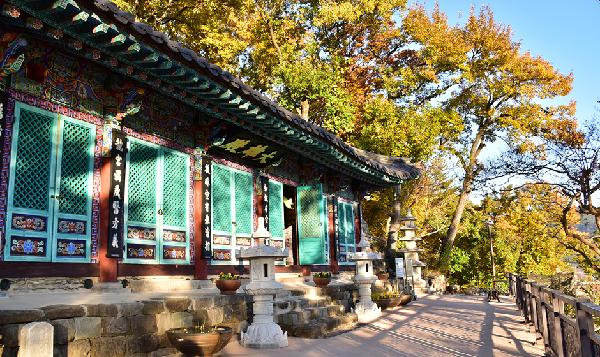
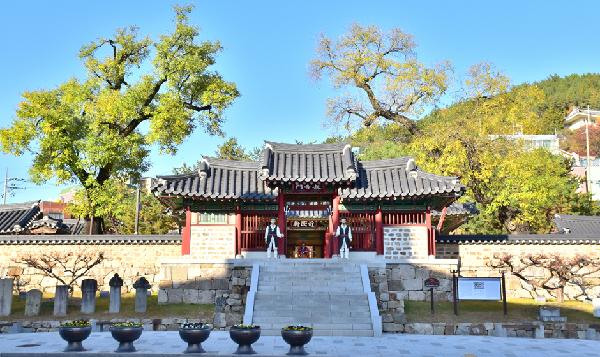
From Miryang Government Office to the Uiyeol Memorial Hall is 527 m, or an 8-minute walk, followed by 174 m, or a 3-minute walk, from the Uiyeol Memorial Hall to the Haecheon Anti-Japanese Movement Theme Street. The Yeongnamnu area also includes Cheonjingung Shrine, which enshrines ancestral tablets of the eight founding kings, Arang Shrine associated with the legend of Arang, and Mubongsa Temple, once an attached hermitage of the old Yeongnamsa Temple. Here, visitors encounter not only a pavilion from the late Joseon period, but also the site of a Silla temple, government offices, and memories of the modern independence movement along one walking route.
Stair-Step Pavilion and Sloped Path: What Wheelchair and Stroller Visitors Should Know
A sloped path leads from the Yeongnamnu parking lot toward the pavilion, but the Korea Tourism Organization’s accessible tourism information explains that wheelchair users may need assistance. In addition, the building itself is connected by stairs, making access to the pavilion interior difficult for wheelchair and stroller users.
The public parking lot has designated accessible parking spaces and an accessible restroom. Visitors who need mobility assistance should therefore plan around the riverside and exterior views, rather than treating the interior visit as an essential part of the itinerary. Since it has not been possible to confirm whether on-site explanations are consistently available in English or other foreign languages, those requiring multilingual assistance are advised to contact 1330 in advance.
- Parking lot to Yeongnamnu: Sloped path, but assistance may be needed
- Pavilion interior: Stair-centered structure makes wheelchair and stroller access difficult
- Accessible parking spaces: Available in the public parking lot
- Accessible restroom: Available
Why to Separate Daytime Viewing Before 18:00 from Yeongnamnu’s Night View
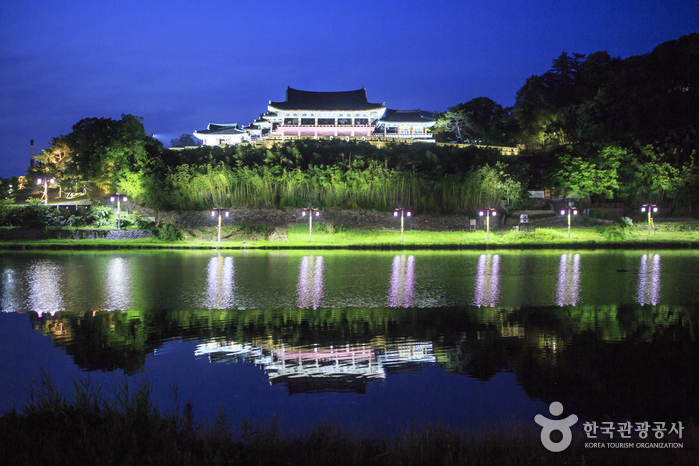
Yeongnamnu’s official visiting hours end at 18:00, so those wishing to see Daeru and the plaques should arrive by around 17:00 at the latest. Miryang City, meanwhile, introduces Yeongnamnu’s night view separately as one of the “Eight Scenic Views of Miryang.” During the day, observe the wooden architectural components, plaques, and cliff terrain along the Miryanggang River; after sunset, view the exterior illumination from the riverside. Separating the schedule in this way keeps the purposes of the visit distinct.
Even if viewing the exterior at night is possible, it should not be interpreted as an extension of the pavilion’s interior visiting hours. Follow the official 09:00–18:00 schedule first, and check on-site announcements because night photography and festival schedules may vary depending on the day’s lighting and event operations. Miryang City’s official video “Introducing National Treasure Yeongnamnu” and KNN’s 4K video can serve as supplementary materials for gauging the building layout and riverside views before departure.
Before You Go
- Address
- 324 Jungang-ro, Miryang-si, Gyeongsangnam-do (Naeil-dong, Yeongnamnu)
- Hours
- 09:00–18:00
- Closed
- Open year-round (may vary during events or maintenance)
- Admission
- Free
- Phone
- 055-359-5590
- Official site
- https://www.miryang.go.kr/tur/EgovTourDetail.do?nmtIdx=17&mnNo=10101000000
- Transport
- Yeongnamnu stop: Served by 2 Gagok, 2 Geumdong, No. 2, 2 Busandaehak, 2 Cheongun, and others. From the Miryang Intercity Bus Terminal stop, 6 Hwalseong and Susan 2 are listed.
- Parking
- Public paid off-street parking lot at 57 Naeil-dong; Sammun–Nae-i riverside parking area is free
- Time needed
- 40–60 minutes centered on Yeongnamnu; 1 hour 30 minutes including Mubongsa Temple and Aranggak Pavilion
- Accessibility
- A sloped path leads from the parking lot, but wheelchair users may need assistance. The pavilion is primarily accessed by stairs, making interior access difficult for wheelchair and stroller users. Accessible parking spaces and an accessible restroom are available at the public parking lot.
The information above is based on conditions at the time of writing. Check the official information again before visiting.

Places
Nearby Attractions 4
-
 1
1
-
 2
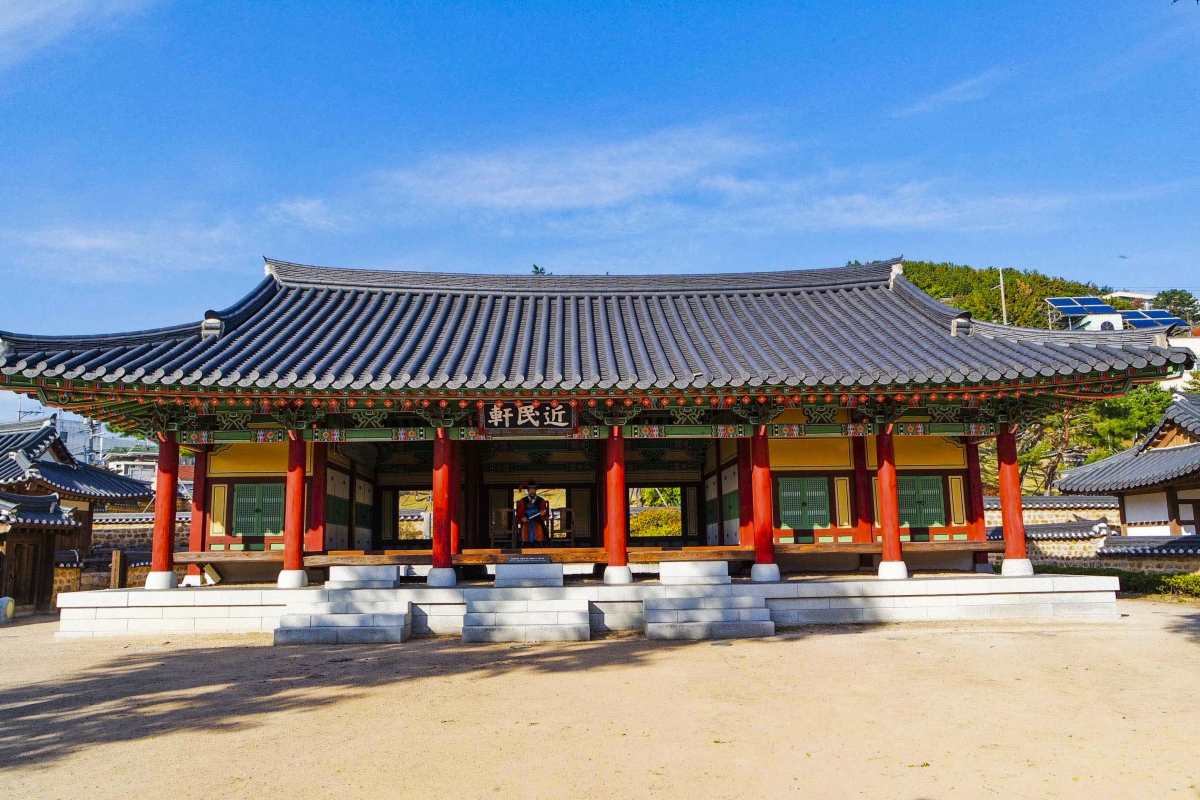
Miryang Government Office SiteExplore the restored government office buildings of Miryang-bu from the Joseon era.
2
Miryang Government Office SiteExplore the restored government office buildings of Miryang-bu from the Joseon era. -
 3
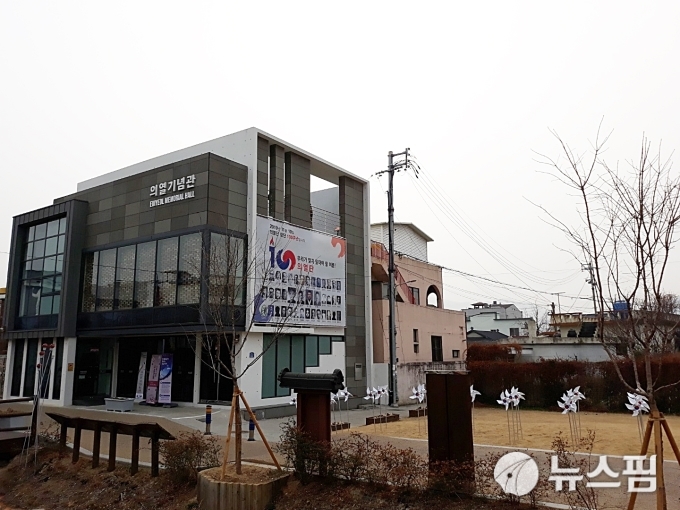
Uiyeol Memorial HallView exhibitions and materials related to the Korean independence movement.
3
Uiyeol Memorial HallView exhibitions and materials related to the Korean independence movement. -
 4
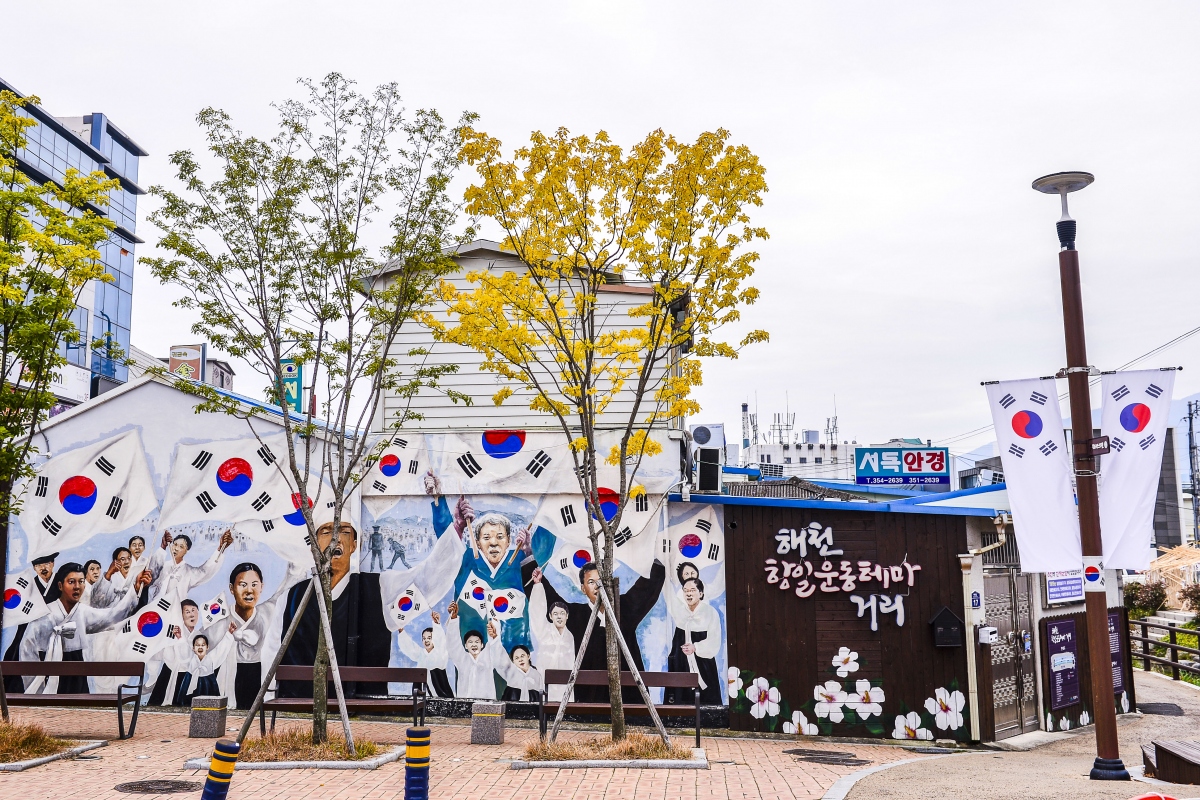
Haechon Anti-Japanese Movement Theme StreetStroll along Haechon and learn about the stories of the anti-Japanese movement.
4
Haechon Anti-Japanese Movement Theme StreetStroll along Haechon and learn about the stories of the anti-Japanese movement.
Food & Dining 1
-
 5
5
Events in This Area
Festivals in This Area

More Travel Guides in This Area
 Travel Guide
Miryang Pyochungsa Temple: Encountering the Ideals of Master Samyeong at the Foot of Jaeyaksan Mountain
 Travel Guide
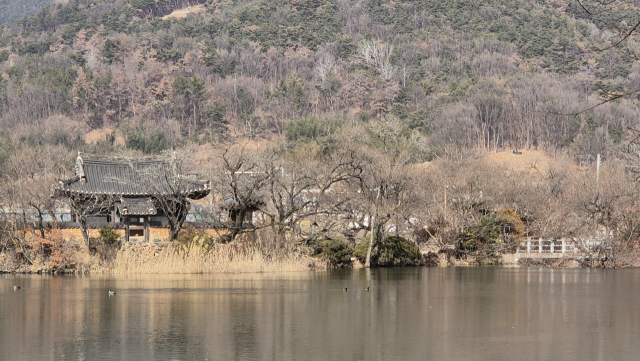
Between Wanjaejeong Pavilion and Five Islands: A Late-Spring Route at Wiyangji Reservoir in Miryang
 Travel Guide
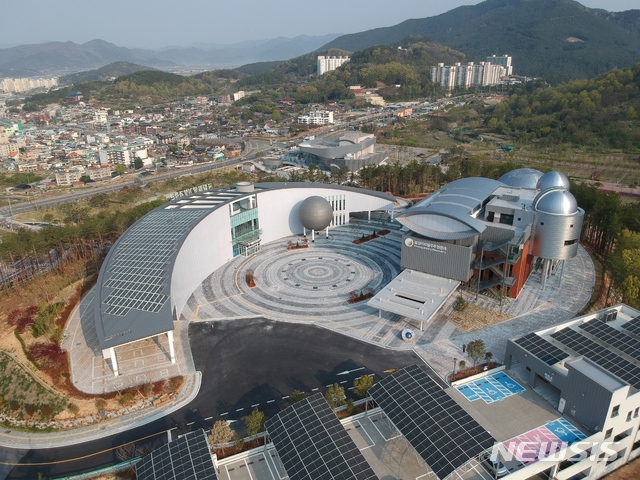
Miryang’s Four-Story Space Base Bound for the Exoplanets
 Travel Guide
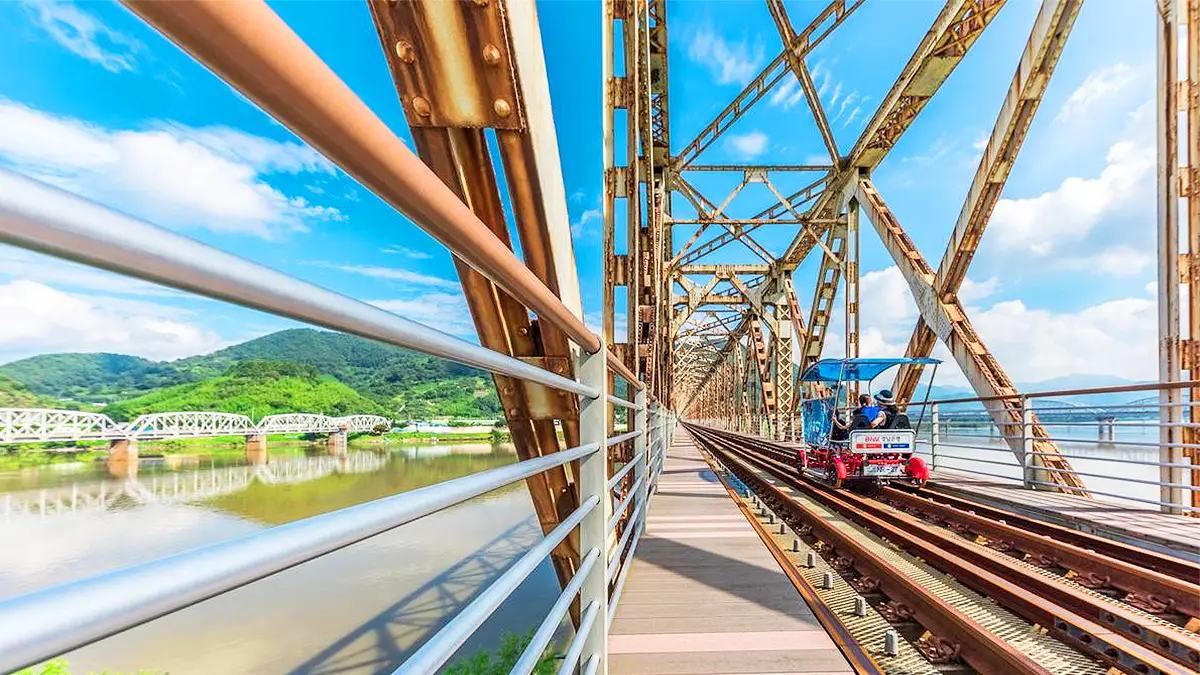
Gimhae Nakdonggang Rail Park — A Rail Bike Ride Across a Disused Gyeongjeon Line Railway Bridge and the Saengnim Tunnel Wine Cave
Korea News
 News
News
‘NewJeans Expulsion’ Danielle Releases Her First YouTube Video… “We Don’t Know What Will Happen Next”
![aespa’s North American Tour Has Remaining Seats Despite ‘$49’ Bargain Prices… A Stark Popularity Gap with KATSEYE [TEN Starfield]](https://kotourlive-images.s3.ap-northeast-1.amazonaws.com/news/1788485037424_a59b1932_naver_rank_thumb_0000774618_1788485037424.jpg) News
News
aespa’s North American Tour Has Remaining Seats Despite ‘$49’ Bargain Prices… A Stark Popularity Gap with KATSEYE [TEN Starfield]
![[Photo] TWICE’s Dahyun attends a film festival red carpet as an actress](https://kotourlive-images.s3.ap-northeast-1.amazonaws.com/news/1788485316508_edd43ecd_news_870a60a6-6f11-4d73-aa7c-48d91318a0f7.jpg) News
News
[Photo] TWICE’s Dahyun attends a film festival red carpet as an actress
![[On-Site Video] “We’re Departing Separately Together”… BIGBANG Begins ‘COSMOS’ World Tour](https://kotourlive-images.s3.ap-northeast-1.amazonaws.com/news/1788485226518_c5719641_news_fdd4764a-0f4e-4968-8e4e-e98a02872f88.jpg) News
News