600 Years of Seoul’s Urban Transformation at the Seoul Museum of History
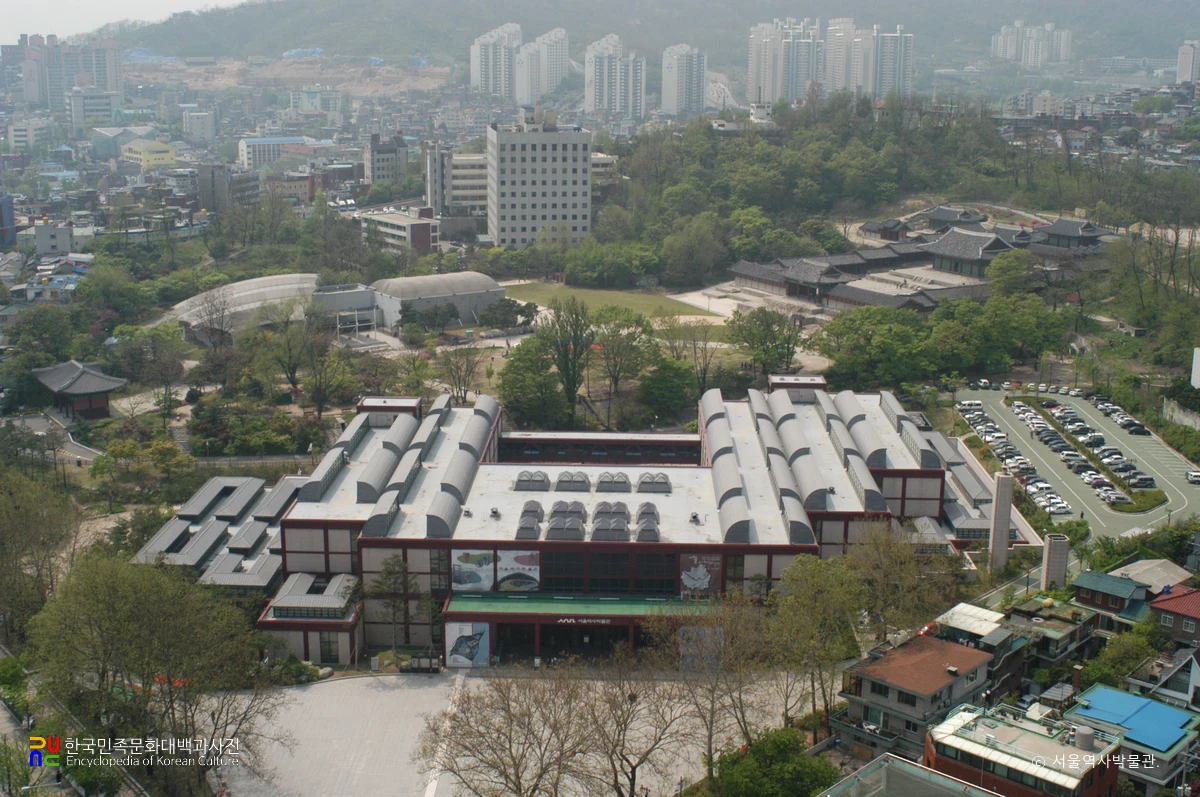
The Seoul Museum of History is a free museum where you can explore Seoul’s administration, wars, population growth, and urban development from the Joseon era to the present day in one place. The main building’s address differs from the address for the Seodaemun Prison History Hall entered by the user, so be sure to distinguish the destinations before visiting.

I’ve been here?
Your check-in helps the next traveler.
No one has checked in yet Be the first
One tap — no writing needed
55 Saemunan-ro is the Main Building: A Different Location from 251 Tongil-ro
The official address of the main building of the Seoul Museum of History is 55 Saemunan-ro, Jongno-gu, Seoul, and the main telephone number is 02-724-0274~6. The address entered by the user, 251 Tongil-ro, Seodaemun-gu, Seoul, Seodaemun Prison History Hall, differs from the official address of the main building. Entering 251 Tongil-ro into a navigation app may therefore direct you to a destination other than the Seoul Museum of History.
The official website is https://museum.seoul.go.kr/. The visiting hours, permanent exhibitions, and parking information described in this article are based on the Seoul Museum of History main building at 55 Saemunan-ro. The coordinates 37.574289, 126.956227 and the location at the address provided by the user were not treated as the main building.
The Simplest Route: Walk 640 m from Exit 4 of Seodaemun Station
If you are using the subway, use Exit 4 of Seodaemun Station on Line 5 as your starting point. The Seoul Museum of History is approximately 640 m away, or about a 9-minute walk. Official directions also indicate that it can be reached from Exit 2 of Gwanghwamun Station on Line 5, which is about a 10-minute walk.
For travelers visiting Seoul for the first time, it is safest to enter both the station name and exit number in a map app. Since the latest official list of bus routes was not available in this guide, it is better not to choose a specific bus number arbitrarily. The destination should be marked as 55 Saemunan-ro, Jongno-gu, not 251 Tongil-ro, Seodaemun-gu.
It Opens at 09:00, but Weekend Closing Times Vary by Season
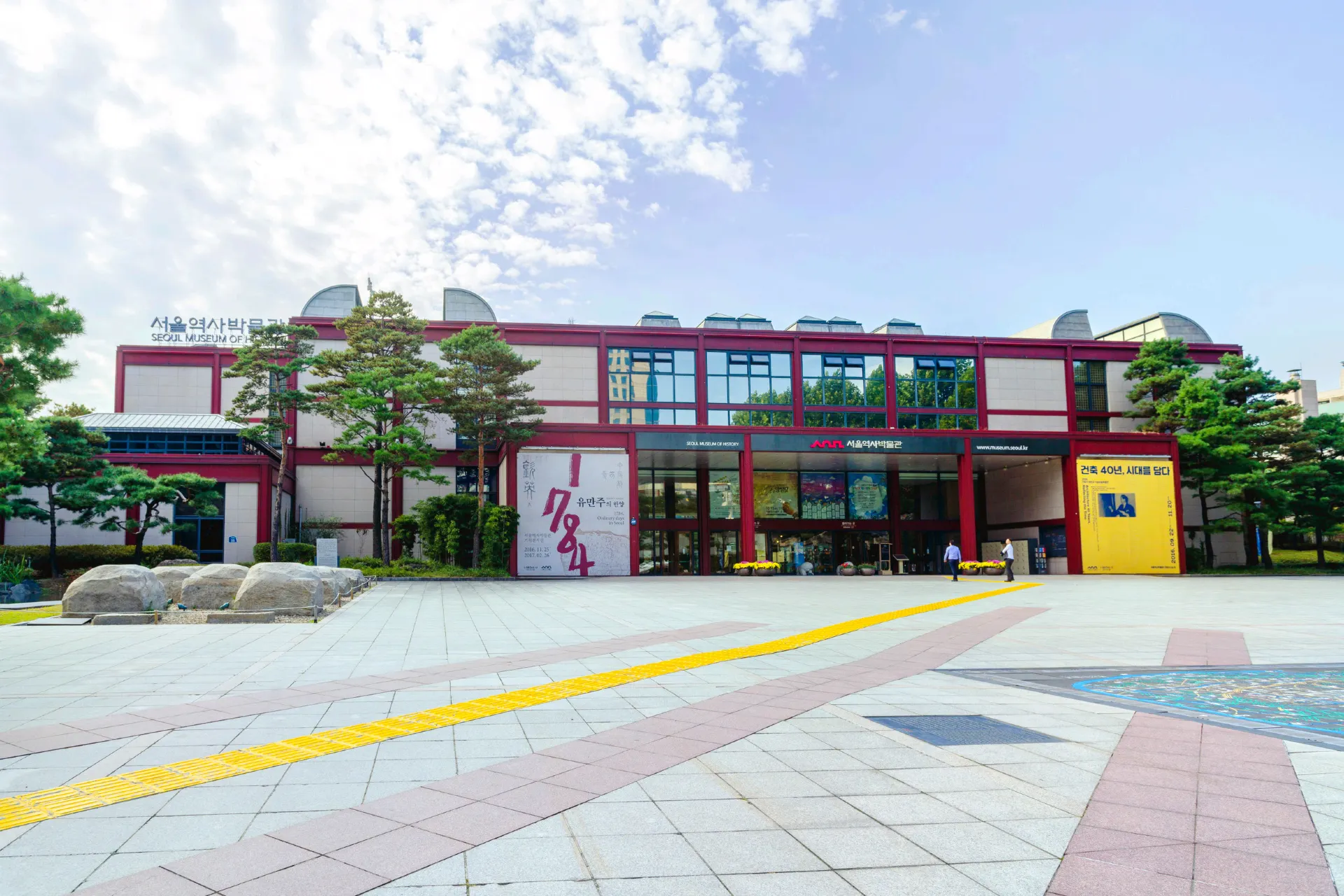
The Seoul Museum of History is open from 09:00 to 20:00 on weekdays from March through October, and from 09:00 to 19:00 on Saturdays, Sundays, and public holidays. From November through February, weekday hours are 09:00 to 20:00, while Saturday, Sunday, and public holiday hours are 09:00 to 18:00.
It is closed on every Monday and January 1, as well as on other closure days designated by the mayor. However, it does not close when Monday is a public holiday observed by government offices. Admission is free, but some in-house special exhibitions and rented exhibitions may charge admission, so the conditions for free permanent exhibitions and special exhibitions should not be assumed to be the same.
How It Became a City History Museum, Opening in 2002
The Seoul Museum of History building was completed on December 31, 1997, with architectural design by Kim Jong-sung of Seoul Architecture. Its building area is 7,448 m², and its total floor area is 20,166 m². The name was changed to Seoul Museum of History on September 29, 2001, and the museum opened on May 21, 2002.
This institution shows the transformation of the entire city rather than focusing on the era of a single artifact. According to its official description, it covers Seoul's history and culture from the Joseon period to the present. During the Japanese colonial period, Seoul was known as Gyeongseong-bu, Gyeonggi-do, and it was elevated to Seoul Special City in 1946. The complete renovation of the permanent exhibition galleries on June 30, 2022, marking the museum's 20th anniversary, also provides a clue to understanding the current exhibition layout.
Five Exhibition Areas, from Joseon-Era Seoul to the Capital of the Republic of Korea
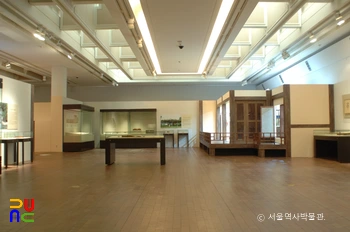
The permanent exhibition consists of Seoul in the Joseon period, Seoul during the Opening of the Ports and the Korean Empire, Seoul during the Japanese colonial period, Seoul, Capital of the Republic of Korea, and the Urban Model Image Hall. It is therefore not simply a place to view palaces from one era; it is a space for reading Seoul in sequence as an administrative center, colonial city, postwar capital, and transformed metropolis.
In particular, the Seoul, Capital of the Republic of Korea section covers Seoul's growth and urban changes after liberation. Following the outbreak of war on June 25, 1950, Seoul was occupied by North Korean forces after just three days. Its population, approximately 1 million in 1953, surpassed 3 million in 1963 and 5 million in 1970. The Yeongdong area east of Yeongdeungpo, south of the Han River, incorporated into Seoul in 1963, and the construction of the first-generation new towns in the Seoul metropolitan area in the early 1990s are also connected to the expansion of Seoul's daily living zone.
Why the City Expanded, Including the 2004 Public Transportation Reform
Seoul's expansion was not merely a change in population figures. The construction of the first-generation new towns in the Seoul metropolitan area in the early 1990s broadened Seoul's daily living zone, making the reduction of traffic congestion and expansion of urban infrastructure important tasks. This trend led to the 2004 public transportation system reform.
When viewing this content in the exhibition, it is useful not to take today's subway and bus networks for granted. The current experience of walking 640 m from Exit 4 of Seodaemun Station to the museum can also be understood as part of Seoul's transformation from an administrative city into a metropolitan living zone. In addition to the main building, the museum operates several branch facilities, including the Seoul Museum of Urban Life, Gongpyeong Urban Archaeological Exhibition Hall, Donuimun Museum of History, and Dilkusha.
Plan Separately for a Two-Hour and a Three-Hour Visit
Some travel reviews say that viewing the entire museum takes at least 2–3 hours, while others introduce a two-hour itinerary in the morning or afternoon as suitable. To see the five permanent exhibition areas and the Urban Model Image Hall in sequence, allow more than two hours. If you select only one or two areas, the visit can be shortened to a two-hour schedule.
Exhibition explanations in Korean are provided at 11:00, 14:00, and 15:00, and each explanation lasts about one hour. Audio guides can be rented at the information desk, but identification is required and availability is limited to five units per person. Whether English, Chinese, or Japanese audio guides are available, and what foreign-language guidance is offered in each exhibition room, has not been confirmed. Foreign visitors should therefore ask the information desk which languages are available on site.
114 Parking Spaces and Rates for the First Two Hours
There are 114 parking spaces for visitors arriving by car: 106 standard spaces and 8 large-vehicle spaces. The parking lot operates from 08:00 to 22:00. Vehicles carrying fewer than 20 people are charged 800 won per 10 minutes, while vehicles carrying 20 or more people are charged 1,500 won per 10 minutes.
For museum visitors, the first two hours cost 3,000 won for vehicles carrying fewer than 20 people and 6,000 won for vehicles carrying 20 or more people. The prepaid daily parking fee is 15,000 won for vehicles carrying fewer than 20 people and 30,000 won for vehicles carrying 20 or more people. Vehicles for people with disabilities, national merit recipients, and Agent Orange patients receive an 80% discount; compact and low-emission vehicles receive a 50% discount.
Strollers and Wheelchairs Are Available, but Ask On-Site About Detailed Routes
The museum has 5 strollers and 3 wheelchairs available for infants, young children, and older visitors. However, the stairs and slopes in each exhibition room and wheelchair accessibility throughout all areas have not been confirmed. Visitors who need mobility assistance should ask the information desk about the route before beginning their visit.
Whether photography is prohibited and whether payment is cash-only were not confirmed in the official guidance. Admission to the permanent exhibition is clearly free, but some special and rented exhibitions may charge admission. If you plan to take photographs or view a special exhibition, check the relevant rules at the information desk. The inquiry telephone number before your visit is 02-724-0274~6.
Visitors Who Will Enjoy the Seoul Museum of History—and Those It May Not Suit
It is better suited to travelers who want to connect, in one building, the history from the Joseon period through the Opening of the Ports and the Korean Empire, the Japanese colonial period, and the growth of the postwar capital than to travelers who only want to see Seoul's royal palaces. To view both the permanent exhibition, completely renovated in 2022, and the Urban Model Image Hall, allowing 2–3 hours based on visitor reviews is appropriate.
Conversely, the actual conditions may differ from expectations if you plan to spend only 30 minutes at an indoor exhibition during a short itinerary, or if English explanations and foreign-language audio guides are essential. Above all, check the destination address again. The Seoul Museum of History is at 55 Saemunan-ro, Jongno-gu, while 251 Tongil-ro, Seodaemun-gu is not the official address of this main building.
Before You Go
- Address
- 55 Saemunan-ro, Jongno-gu, Seoul
- Hours
- March–October: weekdays 09:00–20:00, Saturdays, Sundays, and public holidays 09:00–19:00 / November–February: weekdays 09:00–20:00, Saturdays, Sundays, and public holidays 09:00–18:00
- Closed
- Every Monday, January 1, and other closure days designated by the mayor. No closure when Monday is a public holiday observed by government offices
- Admission
- Free. Some in-house special exhibitions and rented exhibitions may charge admission
- Phone
- 02-724-0274~6
- Official site
- https://museum.seoul.go.kr/
- Transport
- Approximately 640 m, or a 9-minute walk, from Exit 4 of Seodaemun Station on Line 5. Also accessible from Exit 2 of Gwanghwamun Station on Line 5
- Parking
- 114 spaces (106 standard, 8 large-vehicle), 08:00–22:00. 800 won per 10 minutes for vehicles carrying fewer than 20 people; 15,000 won per day. Museum visitors pay 3,000 won for the first two hours
- Time needed
- Approximately 2–3 hours based on reviews; other reviews introduce a two-hour morning or afternoon itinerary
- Accessibility
- 5 strollers and 3 wheelchairs available
The information above is current as of the time of writing. Check the official guidance again before visiting.

Places
Nearby Attractions 3
-
 1
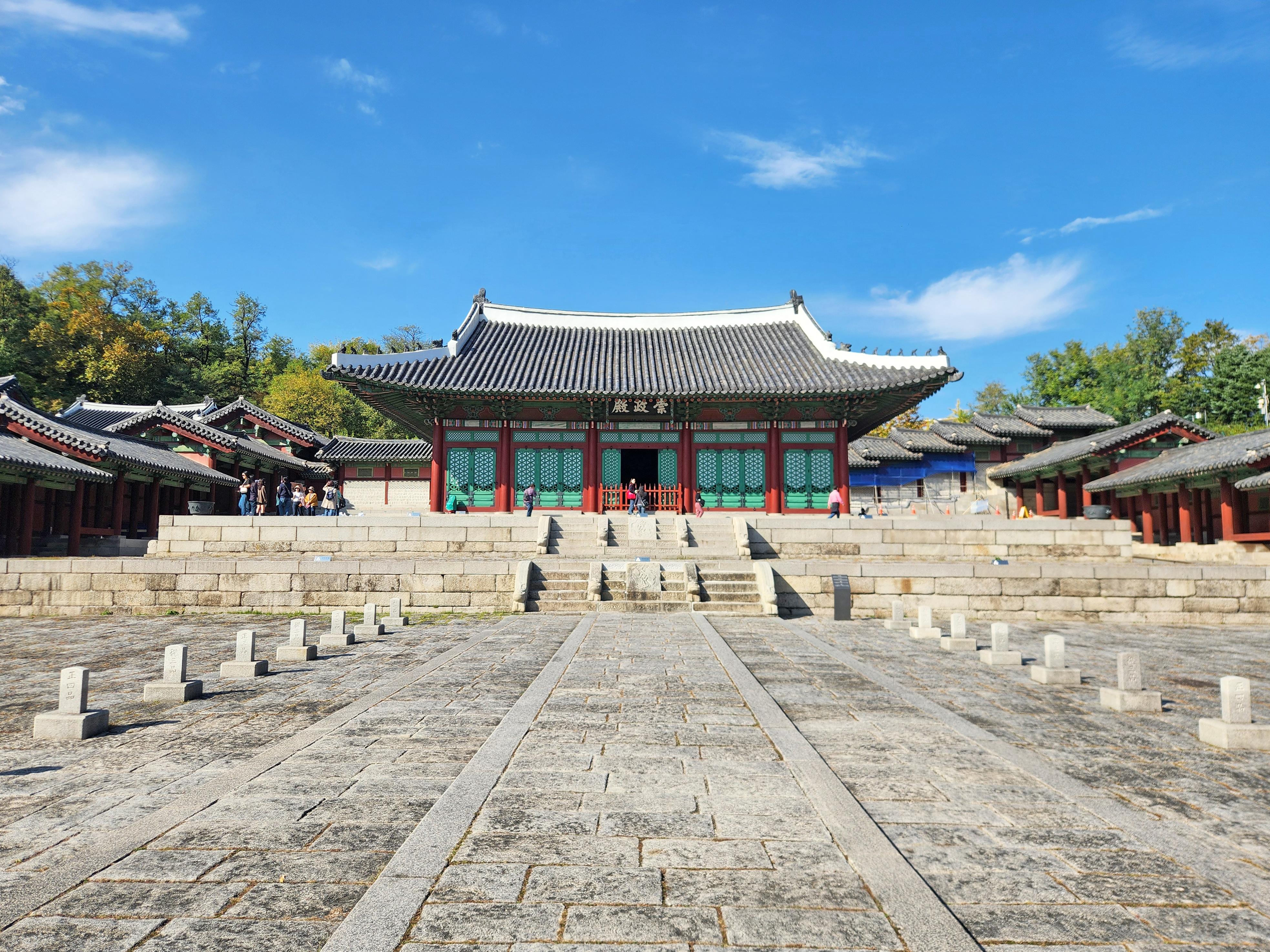
Gyeonghuigung PalaceExplore the palace buildings and grounds of this secondary palace from the Joseon period.
1
Gyeonghuigung PalaceExplore the palace buildings and grounds of this secondary palace from the Joseon period. -
 2
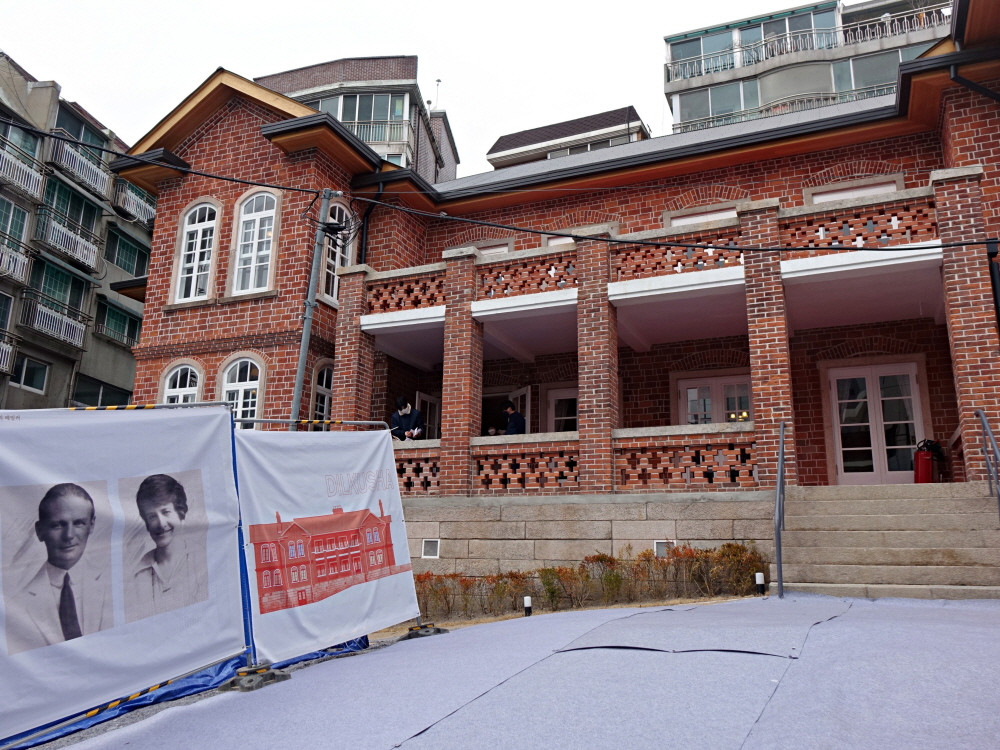
DilkushaVisit the Albert Taylor House and view an exhibition on modern and contemporary Korean history.
2
DilkushaVisit the Albert Taylor House and view an exhibition on modern and contemporary Korean history. -
 3
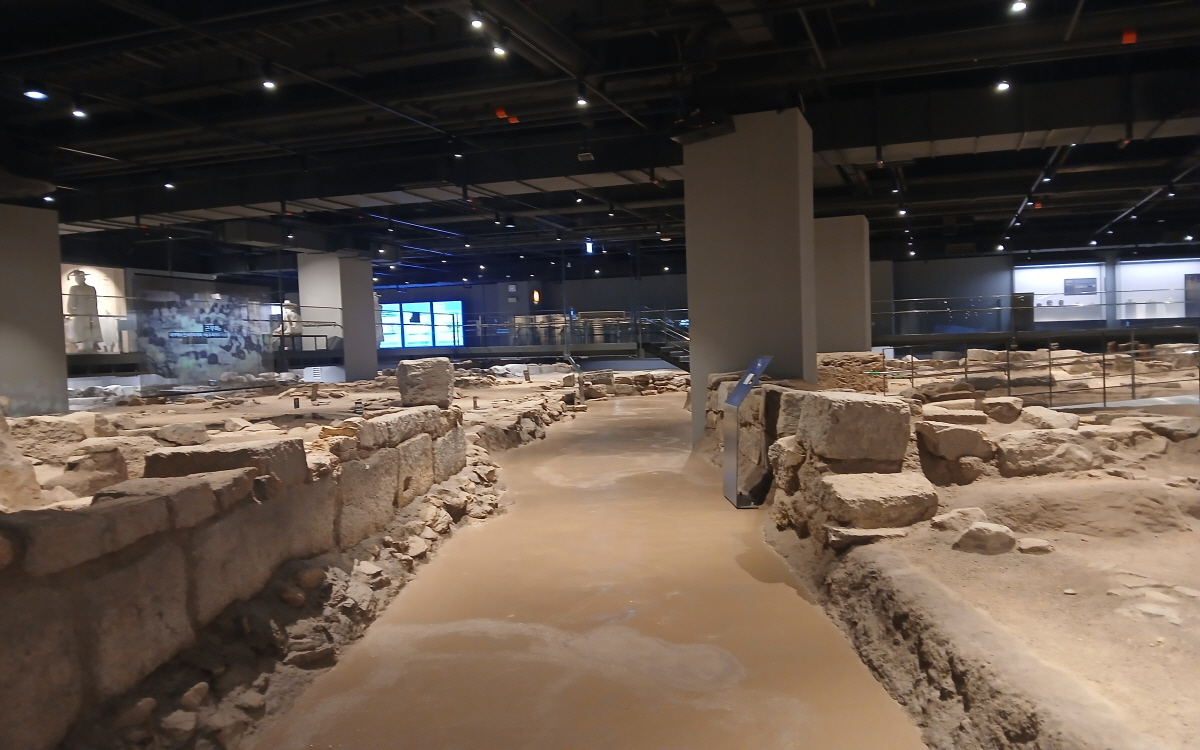
Gongpyeong Historic Sites MuseumView archaeological remains and excavated artifacts from Hanyang during the Joseon period.
3
Gongpyeong Historic Sites MuseumView archaeological remains and excavated artifacts from Hanyang during the Joseon period.
Food & Dining 3
-
 4
4
-
 5
5
-
 6
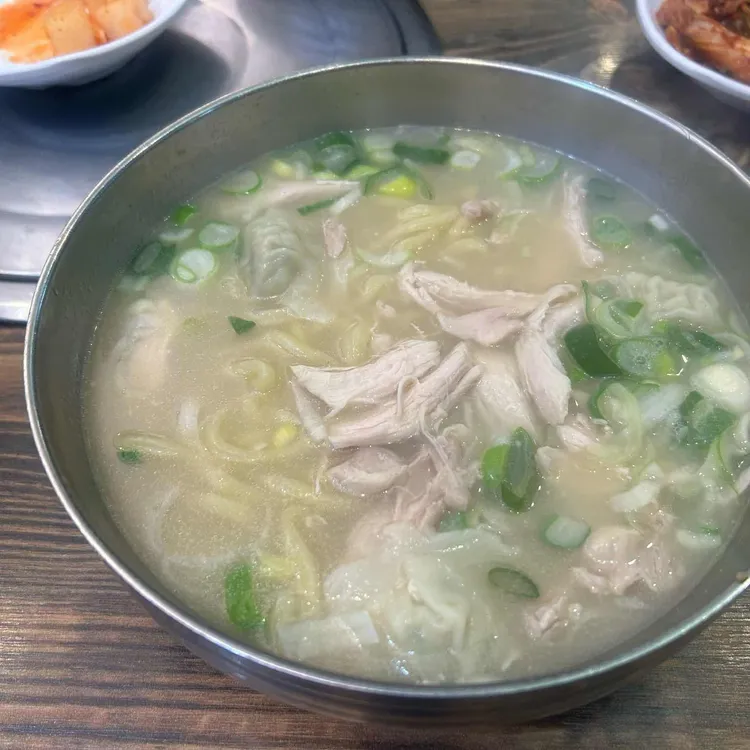
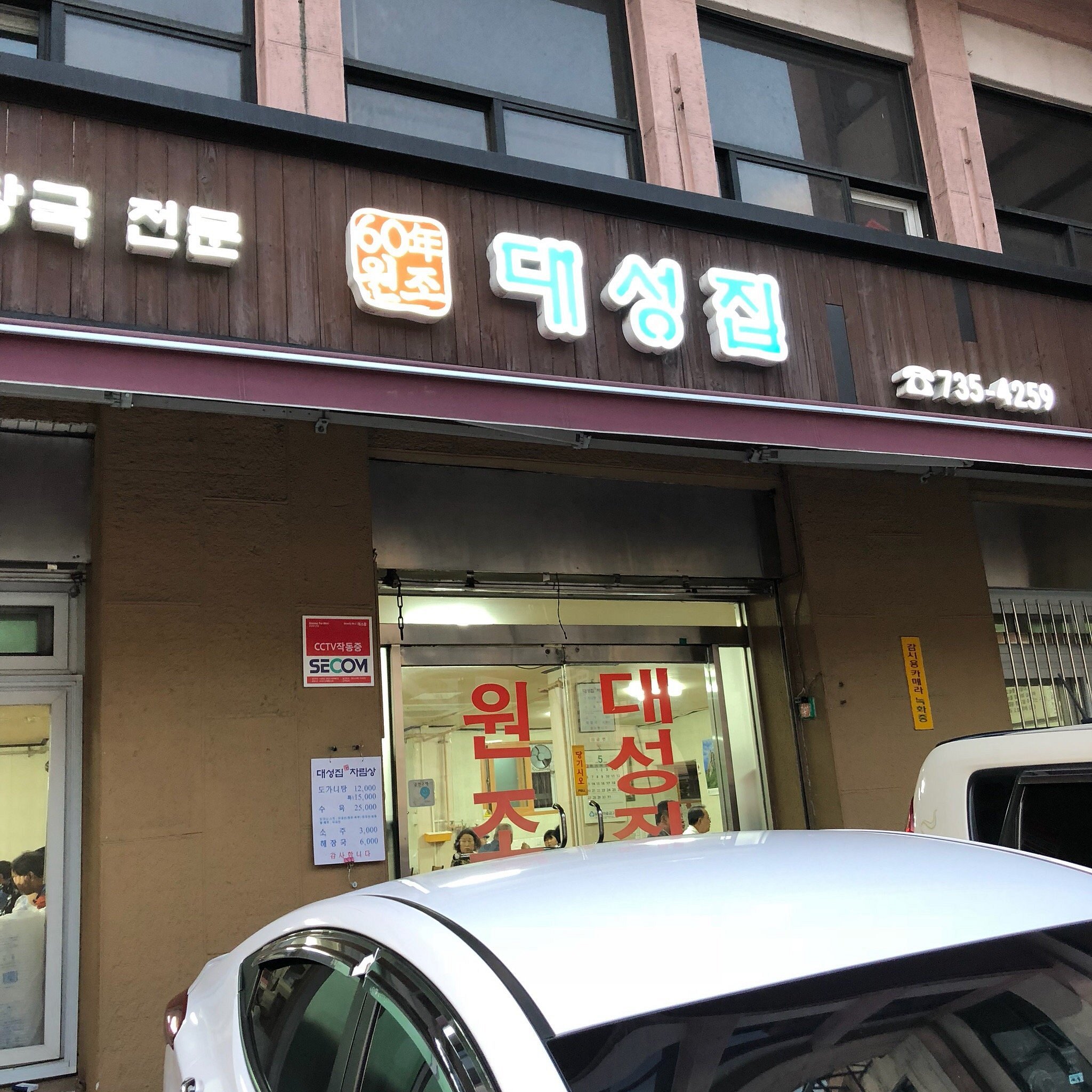
DaeseongjipA long-established restaurant serving beef knee cartilage soup and boiled beef slices.
6
DaeseongjipA long-established restaurant serving beef knee cartilage soup and boiled beef slices.
Events in This Area


Festivals in This Area

More Travel Guides in This Area
 Travel Guide
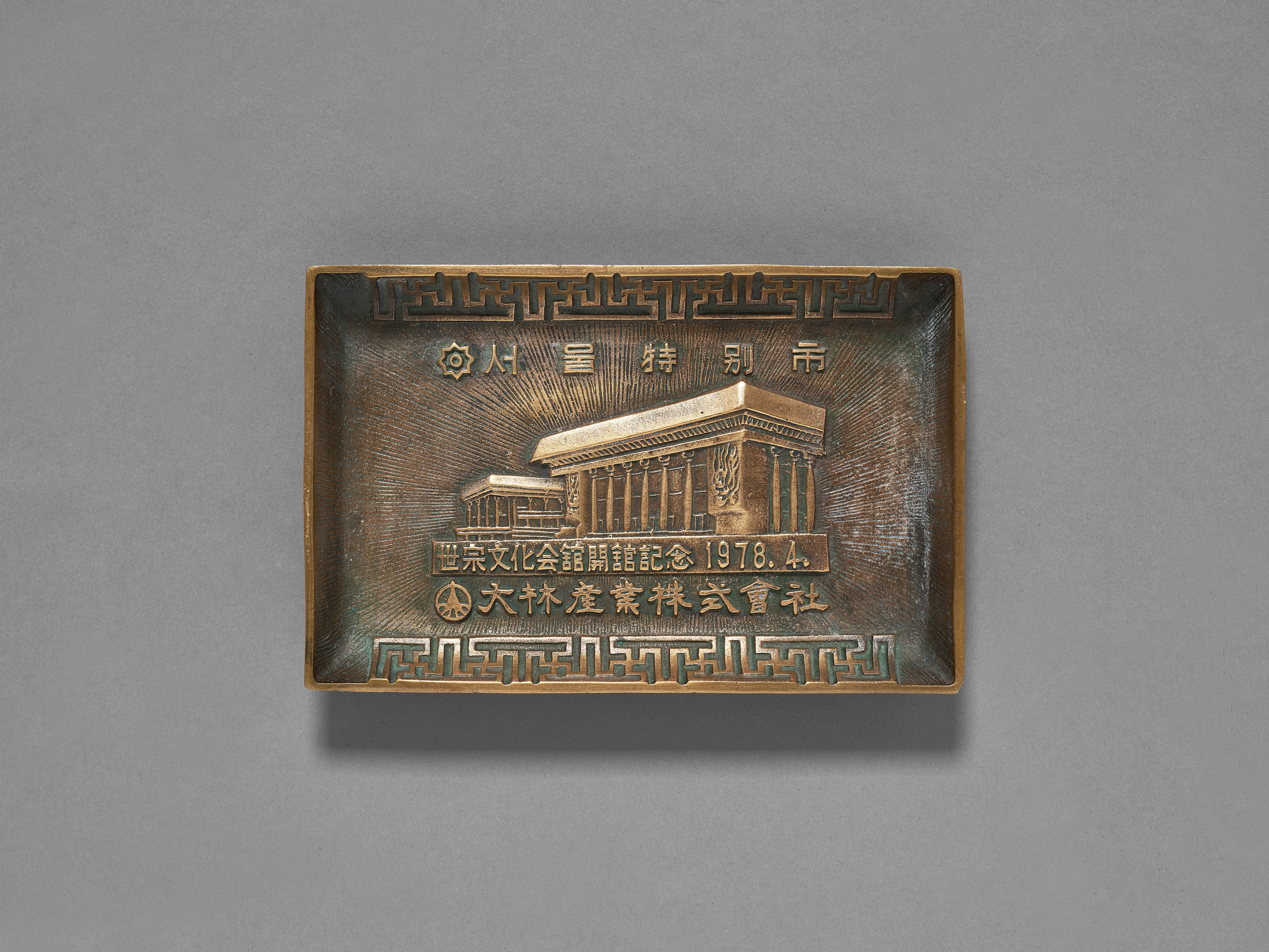
Beside Gwanghwamun Square: Sejong Center, Seoul’s 1978 Performing Arts Venue
 Travel Guide
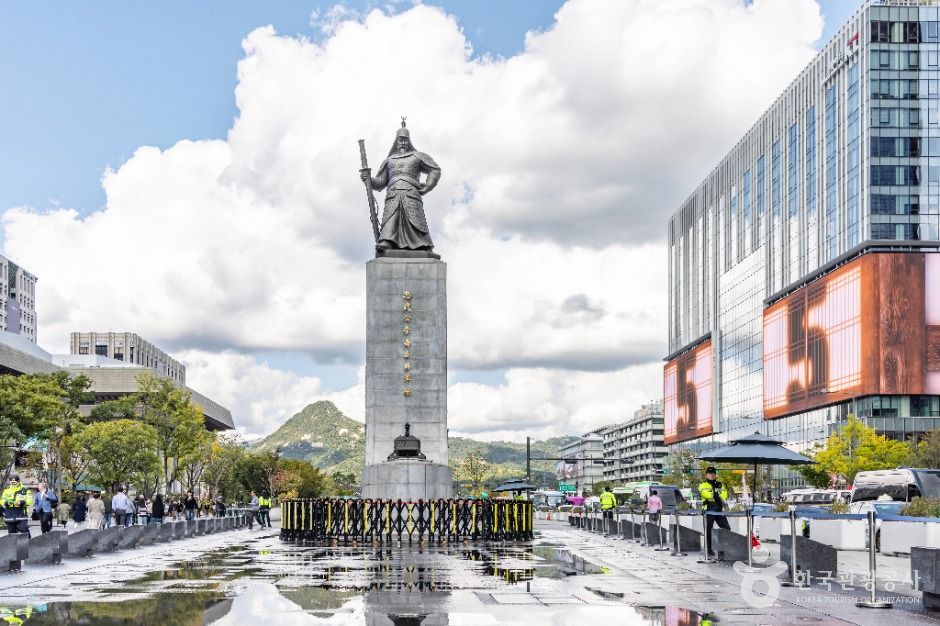
Statue of Admiral Yi Sun-sin Standing 17 m in the Middle of Gwanghwamun
 Travel Guide
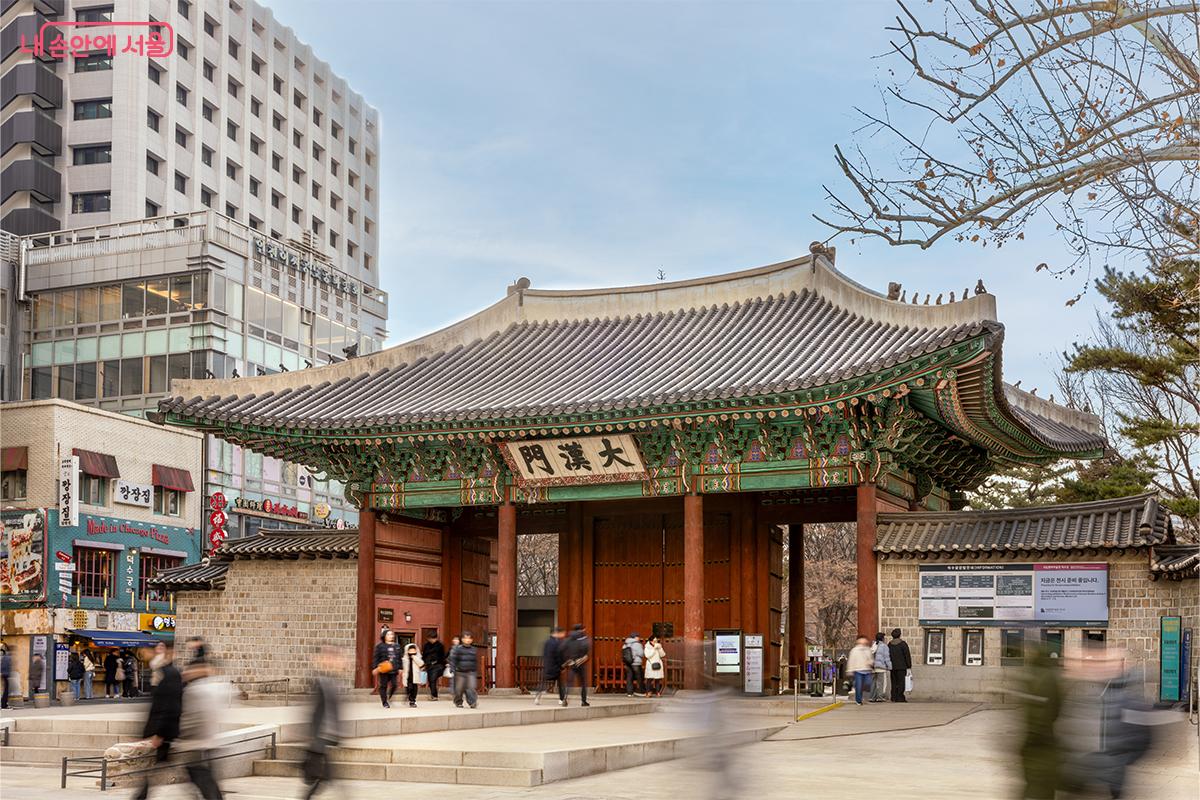
From Daehanmun Gate to Seokjojeon: A 90-Minute Journey Through the Last Imperial Palace of the Korean Empire
 Travel Guide
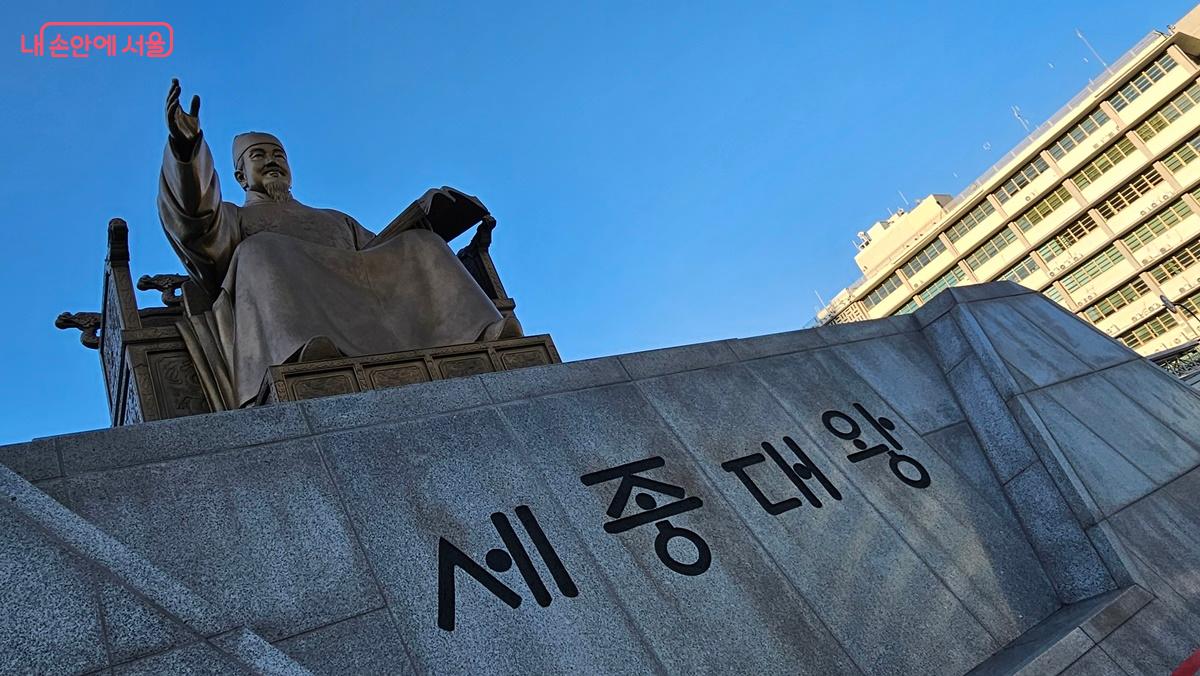
The 6.2-Meter Statue of King Sejong Facing North Toward Gwanghwamun: A 40-Minute Exploration of Hangul and Science
Korea News
 News
News
aespa’s Winter—Can a Person Really Be This Cute? A Daily Life Full of Pure Charm
 News
News
Tom Cruise Spotted Taking a Late-Night Walk at Hangang Park… Strolled for an Hour in a Black Suit
 News
News
'Jimin, We'll always be with you' Peru Embraced 'Jimtober' Birthday Celebrations... "I'm Happy"
 News
News