
Yanghwajin, Begun with Heron’s Burial in 1890: A Modern History Cemetery 200 m from Exit 7 of Hapjeong Station
The Yanghwajin Foreign Missionary Cemetery is a cemetery for foreigners in Mapo, Seoul, established on July 28, 1890, with the burial of medical missionary J. W. Heron. It is about 200 m from Exit 7 of Hapjeong Station. A pre-booked guided tour takes approximately 1 hour to 1 hour 20 minutes, including the video, cemetery, and Yanghwajin Hall.
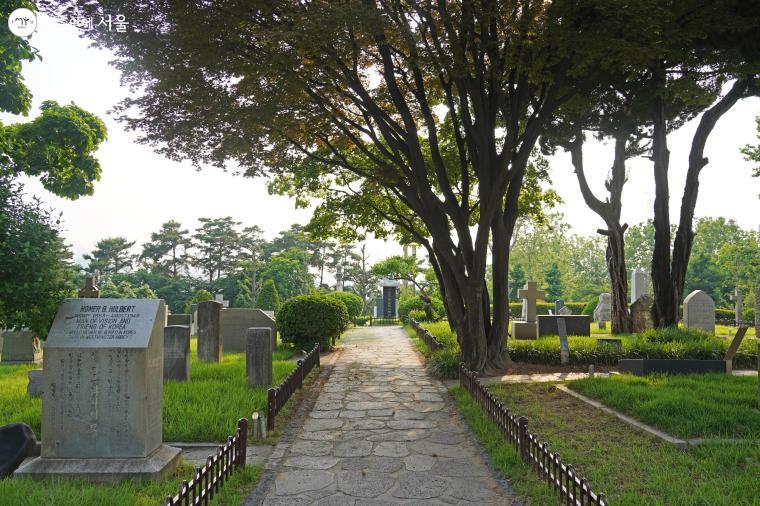

Why J. W. Heron's burial on July 28, 1890 led to the opening of the Yanghwajin Cemetery
The Yanghwajin Foreign Missionary Cemetery began when John W. Heron (J. W. Heron), an American medical missionary, was first buried there on July 28, 1890. Heron had been responsible for medical care at Jejungwon since 1887, and after his death, the Joseon government faced the issue of providing a burial ground for foreigners.
In August of the same year, the Office of Foreign Affairs purchased the Yanghwajin area, which had been privately owned, based on Article 4, Paragraph 5 of the Treaty of Amity and Commerce between Joseon and the United Kingdom concluded in November 1883, and developed it into a foreign cemetery of approximately 280 pyeong. In other words, this site was not simply a religious facility; it was created at the intersection of Joseon's diplomatic treaties during the opening-port era and Western medical, educational, and press activities.
A site between Yanghwajin, once a defensive camp guarding Yanghwa Ferry, and Jeoldusan
Yanghwajin was originally the site of a military camp that guarded Yanghwa Ferry on the Han River. Located right next to Jeoldusan Martyrdom Shrine, the cemetery allows visitors to take in the riverside ferry crossing, military stronghold, and religious history within a short walking route.
In 1893, the ministers of the United Kingdom, Russia, the United States, Germany, and France jointly asked the Joseon government to install a wall around the cemetery, and the first expansion took place in 1897. A second expansion and road repairs were carried out in 1904–1905, when Allen was chairman of the cemetery committee.
- July 28, 1890: First burial of J. W. Heron
- August 1890: Developed by the Joseon government as a foreign cemetery
- 1897: First cemetery expansion
- 1904–1905: Second expansion and road repairs
- 1913: The Gyeongseong Foreigners' Cemetery Association registered as the owner in the land register
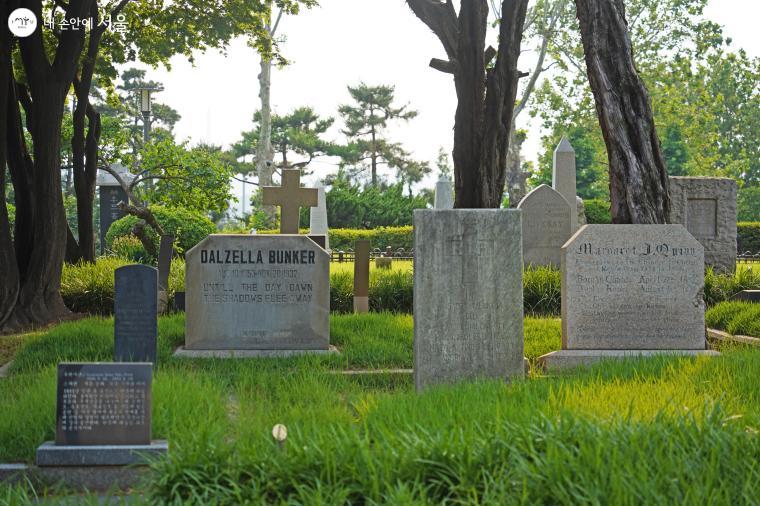
The order in which to read the names of Underwood, Appenzeller, Scranton, and Bethell on the gravestones
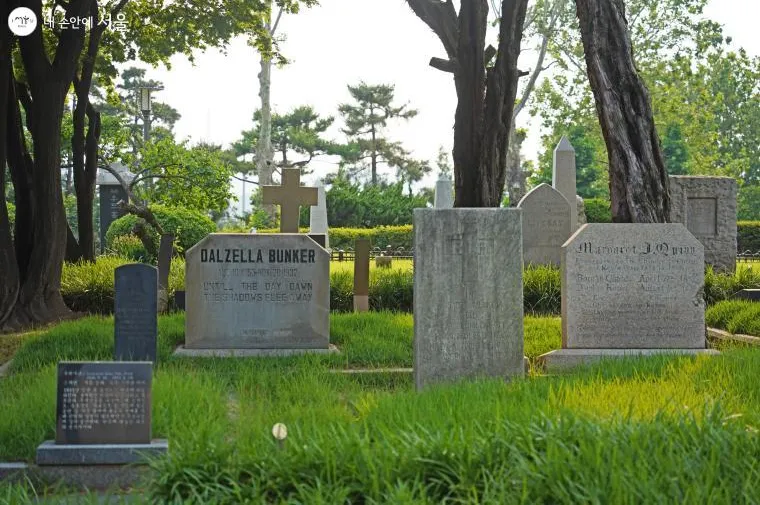
The cemetery preserves traces of figures connected with medicine, education, and the press. Notable individuals include Presbyterian missionary Horace Grant Underwood, Henry Appenzeller, founder of Pai Chai Hakdang, Mary Scranton, founder of Ewha Hakdang, Oliver Avison, who established the foundation of the Severance system, and Ernest Bethell, publisher of the Korea Daily News.
Seoul Metropolitan Government materials state that the cemetery contains the graves of approximately 500 foreign figures involved in religion, the press, and education after the reign of Gojong. Rather than judging each person's achievements solely from the English inscriptions on the gravestones, it is more helpful to listen to the videos and explanations provided through the reservation program to understand the relationships among these figures.
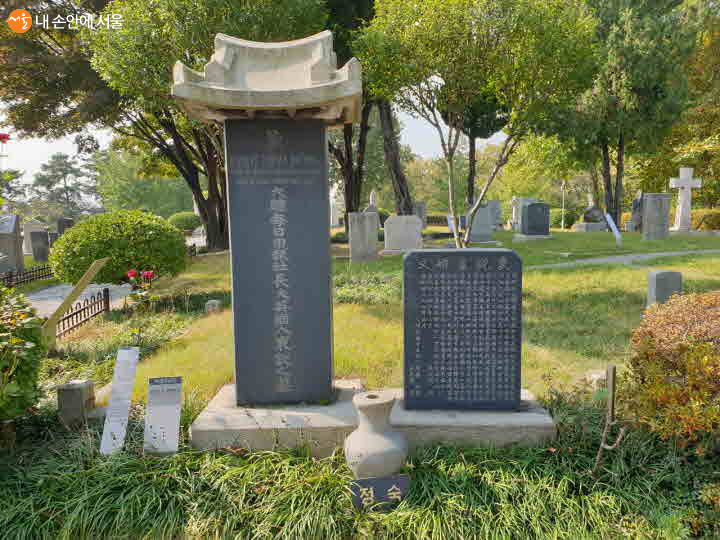
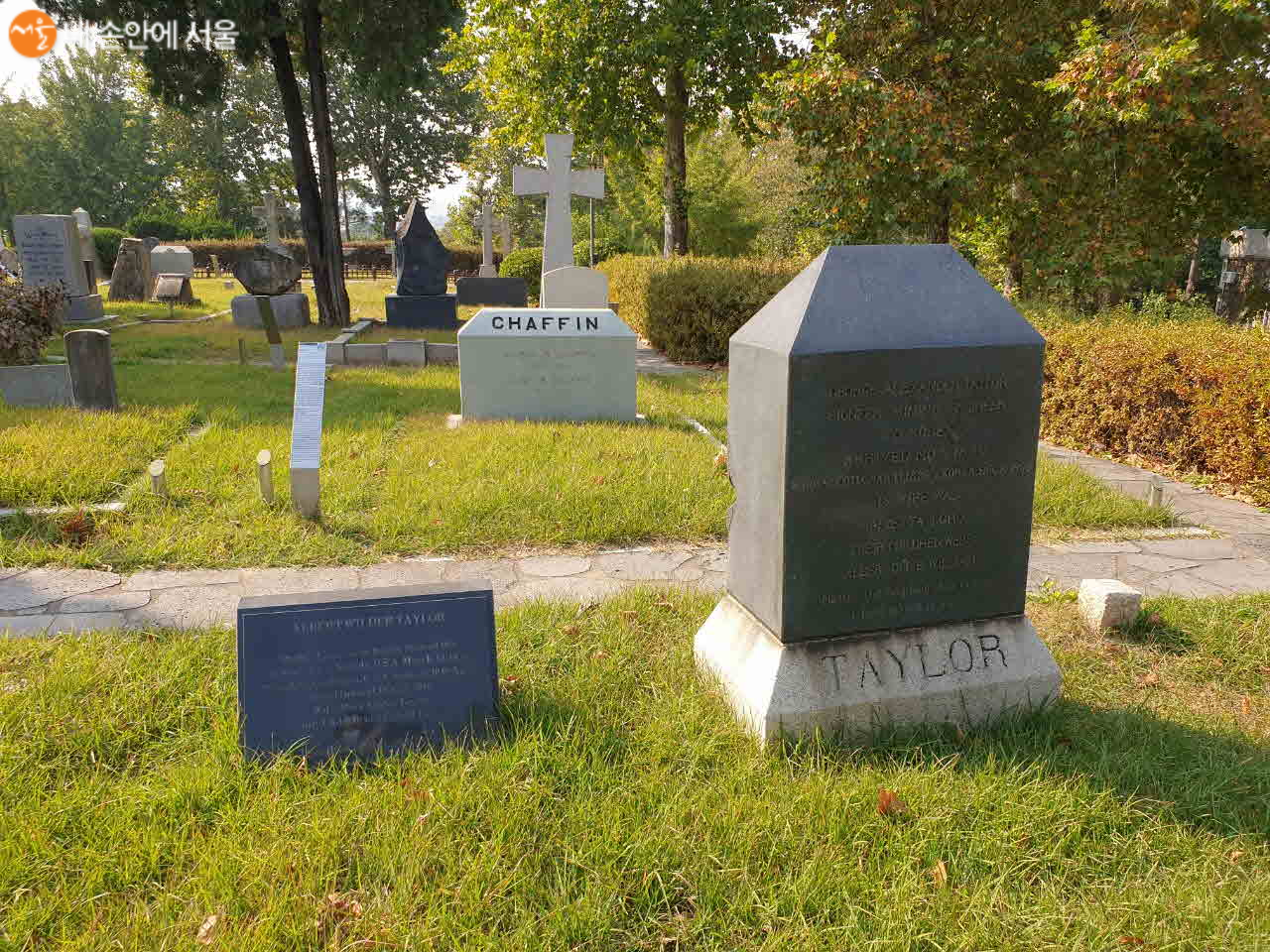
10:00–17:00 Monday–Saturday: the difference between free admission and reserved tours
The cemetery is open from 10:00 to 17:00 Monday through Saturday and closed on Sundays. Admission is free, and the representative telephone number is 02-332-9174; telephone inquiries are accepted from 09:00 to 18:00. The official website is https://www.yanghwajin.net/.
Independent visits and guided tours should be planned separately. Free guided tours generally require advance reservations, which can be made until 18:00 on the day before the visit; same-day reservations are not accepted. Without a reservation, access to the cemetery tour and Yanghwajin Hall may be restricted.
- Weekday tours: 10:00, 11:30, 14:00
- Saturday tours: 10:00, 11:30, 13:30, 15:00
- Video shown during reservations: approximately 22 minutes for young adults and adults, and approximately 18–19 minutes for elementary school students
- Cemetery explanation: approximately 20 minutes
- Recommended total time: approximately 1 hour to 1 hour 20 minutes
Walk 200 m past Yanghwajeong Pavilion from Exit 7 of Hapjeong Station
The simplest public-transportation option is Exit 7 of Hapjeong Station on Subway Lines 2 and 6. Pass Yanghwajeong Pavilion directly in front of the exit, then walk about 200 m along the alley where the wall covering the Line 2 tracks continues on the left. The main entrance of the Centennial Memorial Church will appear on the right. The cemetery entrance is within the church grounds, and signs are installed.
The street address is 46 Yanghwajin-gil, Mapo-gu, Seoul, and the postal code is 04084. Seoul Metropolitan Government materials also describe it as approximately a 10-minute walk from Exit 7 of Hapjeong Station, so first-time visitors should allow about 10 minutes, including time to wait at crosswalks and identify the church's main entrance.
Passenger cars and vans with up to 12 seats may use the on-site parking lot free of charge. Vehicles with 15 or more seats and large buses have difficulty entering the grounds because of the narrow access road; they must use the nearby Hangang Mangwon No. 1 Parking Lot, with parking fees paid by visitors.
Why reservations take priority from 10:00 to 15:00 on Saturdays, and visitation etiquette
On Saturdays, access to the cemetery between 10:00 and 15:00 is primarily operated for visitors with guided-tour reservations to prevent accidents and preserve a respectful atmosphere. If you also plan to visit Yanghwajin Hall on Saturday, it is best to secure a time at least several days in advance and arrive 10 minutes before the reserved time. Tours begin promptly.
As the cemetery is a place for remembrance and visitation, visitors are expected to wear neat clothing and speak quietly, while accompanying children must be supervised by their guardians or teachers. Visitors are asked to remove their hats when entering indoor spaces, and everyone must dispose of their own trash. This is a place where following the guided route and respecting the movement of other visitors should take priority over taking photographs.
The official materials do not specify whether wheelchair and stroller routes or on-site foreign-language guidance are always available. However, an English visitor-information page and a weekday remote-guidance system are operated, so those who need mobility assistance or English-language explanations are advised to call 02-332-9174 before visiting.
Two to three hours along the Han River, extending to Yanghwajin History Park and Jeoldusan Martyrdom Shrine
A reserved tour of the cemetery alone takes approximately 1 hour to 1 hour 20 minutes. If you then walk to the nearby Jeoldusan Martyrdom Shrine and Yanghwajin History Park, you can compare the foreign cemetery from the opening-port era with the site of Catholic martyrdom during the Byeonin Persecution along the same Han River waterfront.
A two-hour itinerary combining 80 minutes at the cemetery with walking around the nearby area is enough for a short visit, while approximately three hours is appropriate if you include the exhibitions and church visit at Jeoldusan. If you are not interested in religious history, the site's focus on gravestones and exhibition explanations may not suit a long stay, so concentrating on one reserved guided tour is more practical.
Before You Go
- Address
- 46 Yanghwajin-gil, Mapo-gu, Seoul
- Hours
- Monday–Saturday, 10:00–17:00
- Closed
- Sundays, January 1, the Lunar New Year holiday, the Chuseok holiday, December 25, and church event days
- Admission
- Free
- Phone
- 02-332-9174
- Official site
- https://www.yanghwajin.net/
- Transport
- About 200 m past Yanghwajeong Pavilion from Exit 7 of Hapjeong Station on Subway Lines 2 and 6; approximately a 10-minute walk
- Parking
- Free on-site parking is available for passenger cars and vans with up to 12 seats. Vehicles with 15 or more seats should use the nearby Hangang Mangwon No. 1 Parking Lot; visitors are responsible for the fee
- Time needed
- Approximately 1 hour to 1 hour 20 minutes for a reserved tour
- Accessibility
- English visitor-information page and weekday remote guidance are available. Visitors are advised to call before visiting to ask about wheelchair and stroller routes and regular foreign-language explanations
The information above is current as of the time of writing. Check the official guidance again before visiting.

Places
Nearby Attractions 4
-
 1
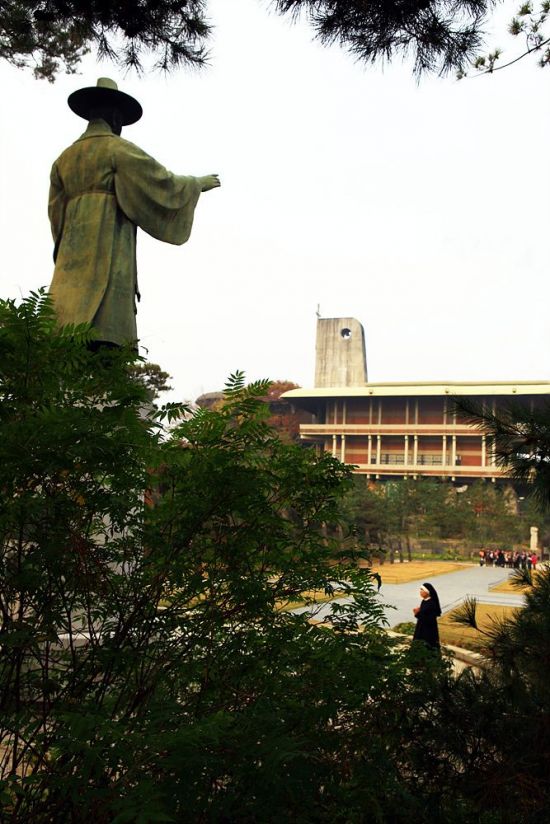
Jeoldusan Martyrs' ShrineA sacred site where visitors can learn about the history and relics of Catholic martyrdom.
1
Jeoldusan Martyrs' ShrineA sacred site where visitors can learn about the history and relics of Catholic martyrdom. -
 2
2
-
 3
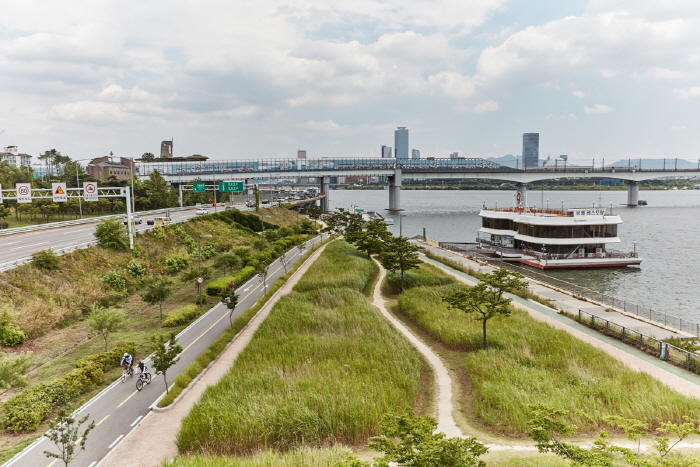
Mangwon Hangang ParkA park where you can stroll along the Han River and enjoy the riverside scenery
3
Mangwon Hangang ParkA park where you can stroll along the Han River and enjoy the riverside scenery -
 4
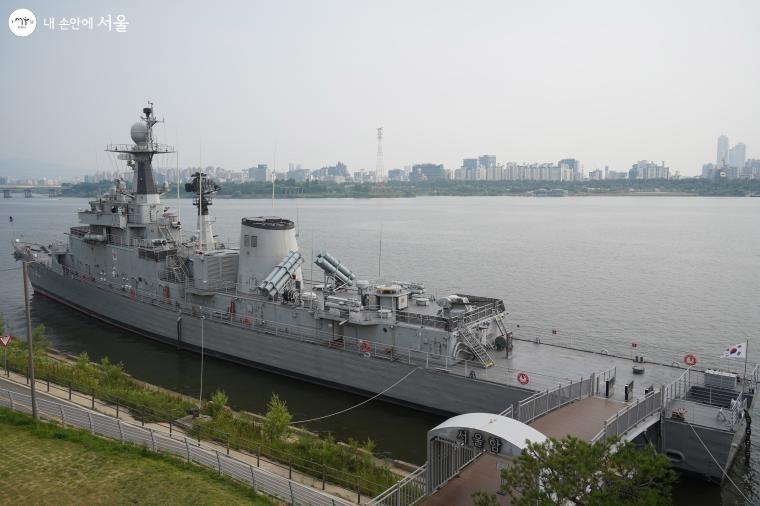
Seoul Battleship ParkA park where visitors can explore a decommissioned warship and experience naval culture.
4
Seoul Battleship ParkA park where visitors can explore a decommissioned warship and experience naval culture.
Food & Dining 1
-
 5
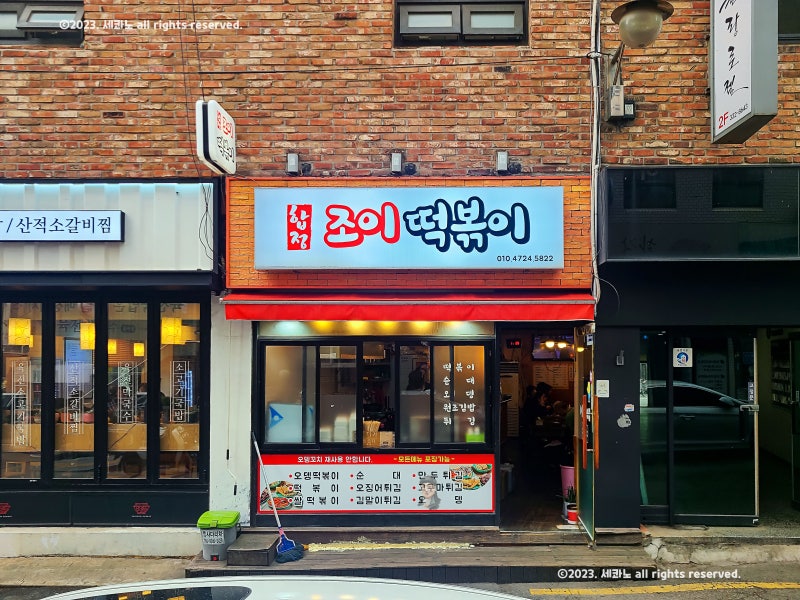
Hapjeong Joy TteokbokkiA Korean snack restaurant serving rice-cake tteokbokki, fried dishes, and gimbap.
5
Hapjeong Joy TteokbokkiA Korean snack restaurant serving rice-cake tteokbokki, fried dishes, and gimbap.
Events in This Area


Festivals in This Area

More Travel Guides in This Area
 Travel Guide
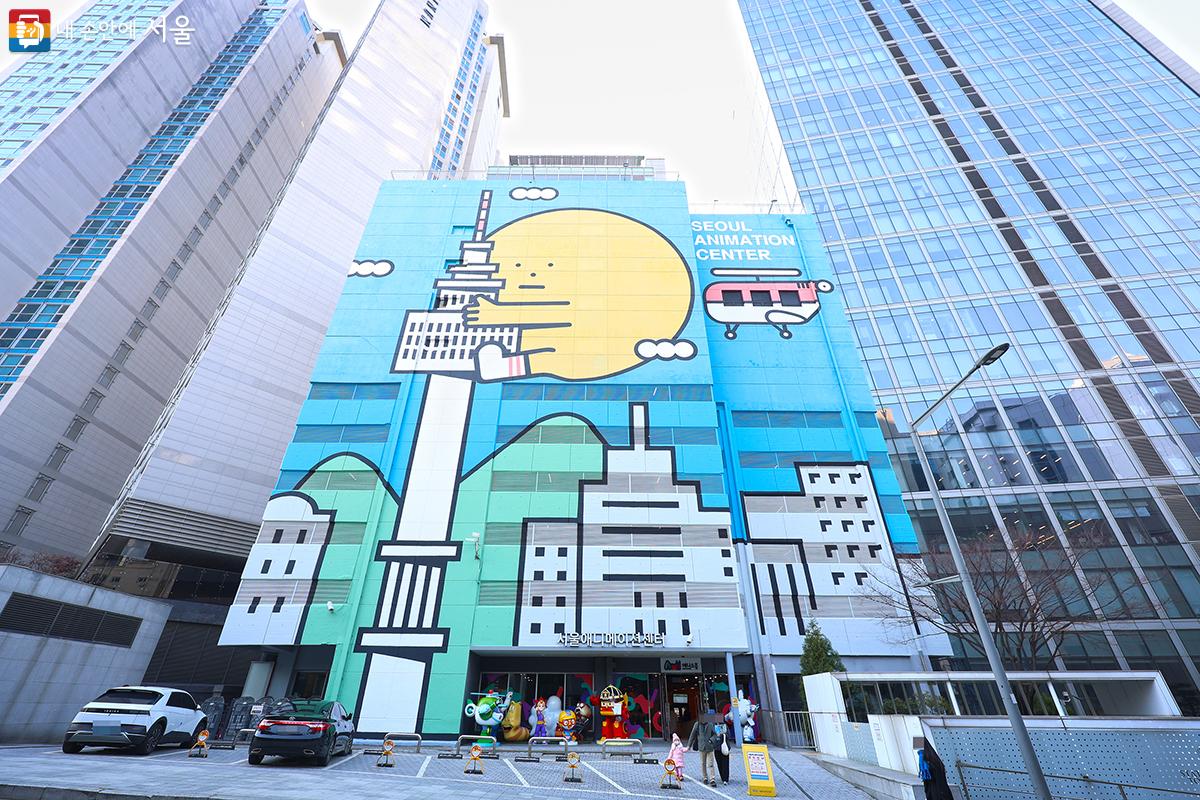
Seoul Animation Center, from Namsan via Myeongdong and back to Namsan
 Travel Guide
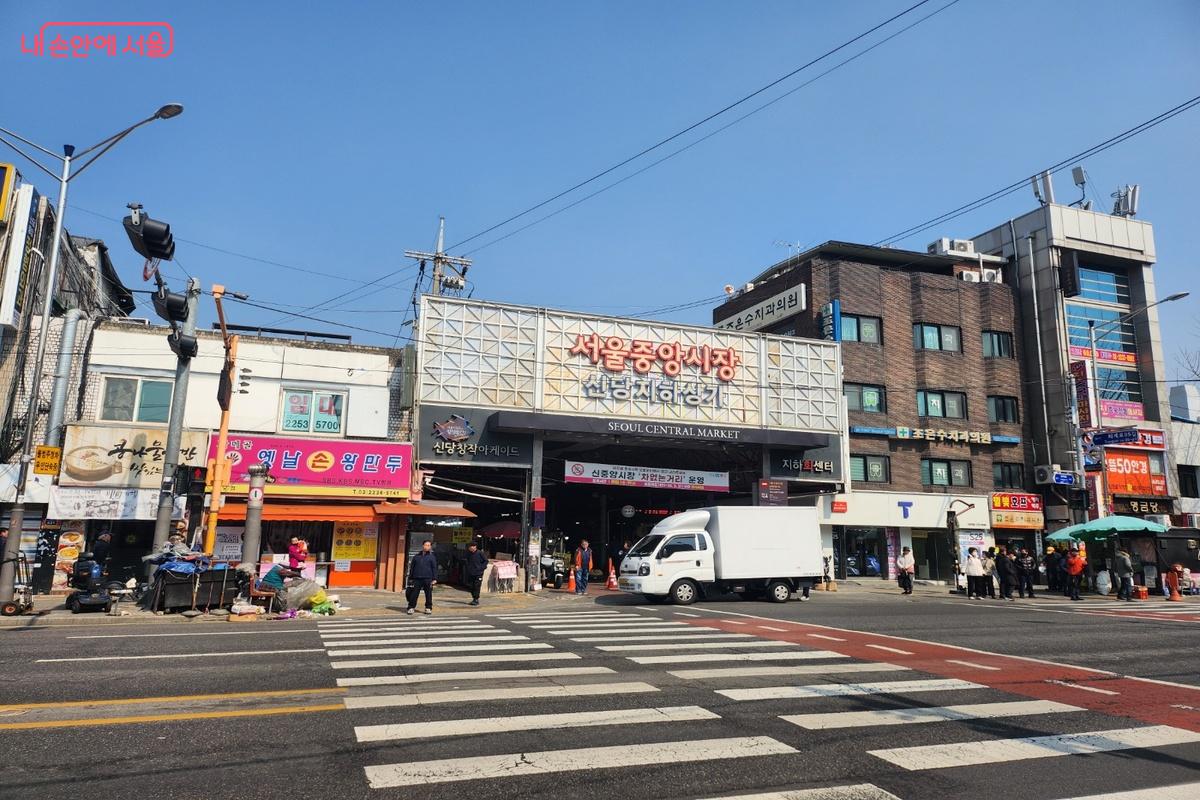
Seoul Jungang Market, 5 minutes from Sindang Station Exit 2, where dawn ingredients meet Sindang Creative Arcade
 Travel Guide
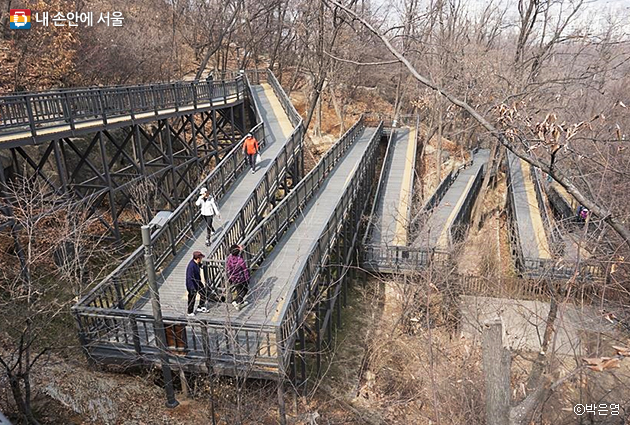
A 108 m Mountain Once Home to a Military Base Reopens as Baebongsan Circular Trail with a 4.5 km Barrier-Free Deck Path
 Travel Guide
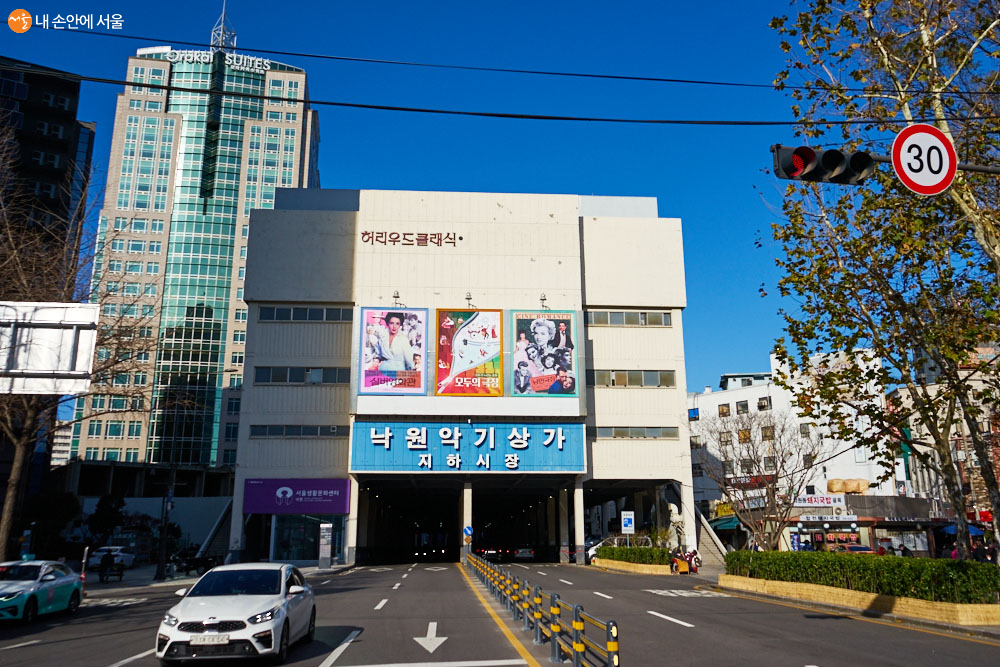
From a 1969 Mixed-Use Complex to a Street of More Than 300 Music Shops: How to Explore Nakwon Arcade
Korea News
![ZEROBASEONE ‘ZEROBASEONE Shining Even at Night!’ [★Video]](https://kotourlive-images.s3.ap-northeast-1.amazonaws.com/news/1786629298196_13d8a4bb_news_075face7-fb4e-402c-b833-25ccaf88cf8f.jpg) News
News
ZEROBASEONE ‘ZEROBASEONE Shining Even at Night!’ [★Video]
 News
News
Kwon Eun-bi, First Comeback Since Moving from Woollim to RBW: “Aiming for a September Release”
 News
News
“Did Jungkook’s connection continue?” Pop star Usher spotted warmly hugging BTS’s RM and J-Hope
 News
News