Gimcheon Jikjisa Temple at the Foot of 1,111 m Hwangaksan Mountain
Gimcheon Jikjisa Temple is said to have been founded in 418 by the monk Ado Hwasang. Here, you can explore the history of Master Samyeong’s ordination and Daeungjeon Hall, rebuilt after the Imjin War. It is accessible by bus from Gimcheon Station and Gimcheon–Gumi Station, and makes a convenient itinerary together with Jikji Culture Park and Samyeongdaesa Park.
I’ve been here?
Your check-in helps the next traveler.
17 people viewed this week Be the first
One tap — no writing needed
Jikjisa Temple, Founded by Monk Ado on Hwangaksan Mountain in 418
Jikjisa Temple is said to have been founded in 418, the second year of Silla King Nulji’s reign, by the Goguryeo monk Ado. Located on the foothills of Hwangaksan Mountain, this temple is introduced as the headquarters of the eighth district of the Jogye Order of Korean Buddhism. For hikers, it is also a gateway to Hwangaksan Mountain.
The name ‘Jikji’ is explained as originating from ‘jikji insim,’ a teaching of the Seon school of Buddhism. The present temple grounds extend along the mountain foothills because the temple stands on the eastern slope of Hwangaksan Mountain, allowing visitors to combine temple sightseeing and hiking in one place.
A Temple Associated with Master Samyeong’s Entry at Age 16
Jikjisa Temple is associated with Master Samyeong. After losing both parents, Yu Jeong entered Jikjisa Temple on Hwangaksan Mountain at the age of sixteen and became a monk. Two years after entering the clergy, he passed both the state examination for monks and the Seon examination.
Master Samyeong was appointed abbot of Jikjisa Temple at the age of thirty. After the Imjin War, he traveled to Japan and negotiated with Tokugawa Ieyasu. The story that he brought back more than 3,000 Joseon prisoners forcibly taken to Japan through those negotiations is also a clue to understanding Jikjisa Temple’s historical context.
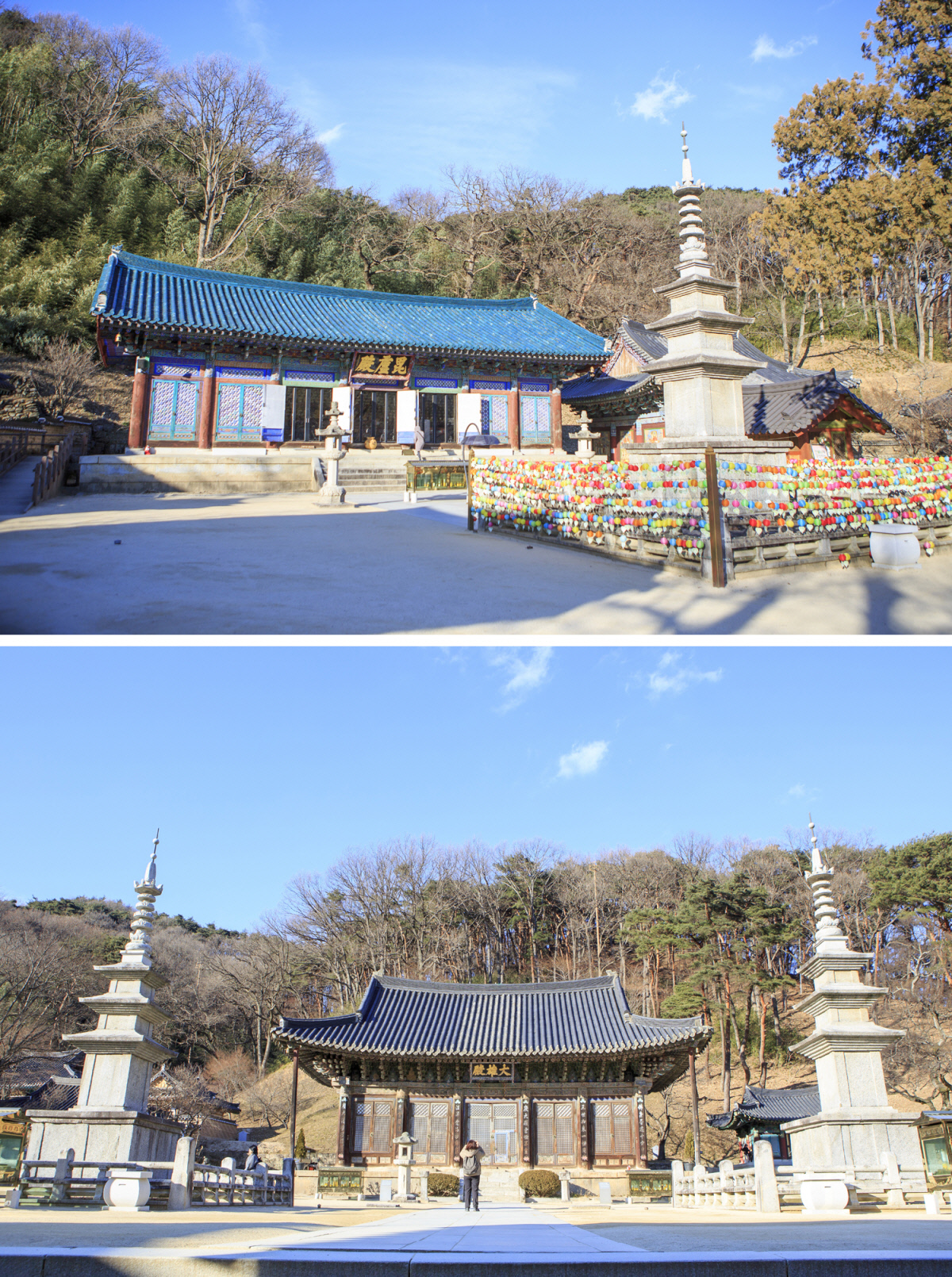
Daeungjeon Hall from 1735 and the Hanging Buddhist Painting from 1744
The present Daeungjeon Hall at Jikjisa Temple is a building reconstructed after being destroyed during the Imjin War. Daeungjeon Hall was rebuilt in 1735, the eleventh year of King Yeongjo’s reign, and remains today. Its architecture shows Jikjisa Temple’s history of restoration after the war.
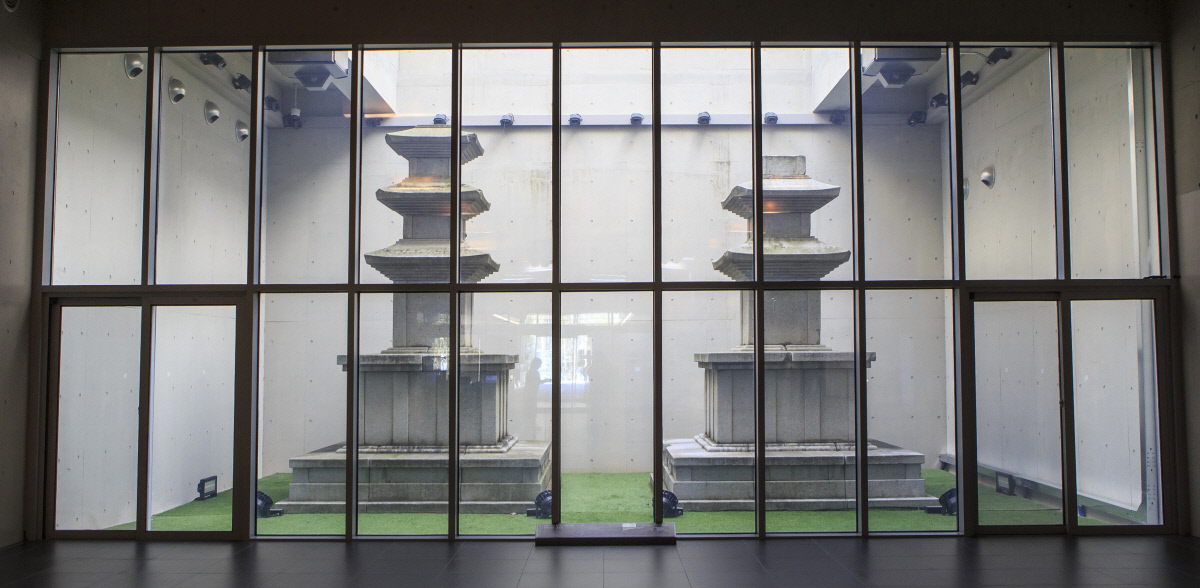
Inside Daeungjeon Hall, a Medicine Buddha and Amitabha Buddha are enshrined to either side of Shakyamuni Buddha, and a hanging Buddhist painting created in 1744, the twentieth year of King Yeongjo’s reign, is located behind them. Two three-story stone pagodas from the late Unified Silla period stand in front of Daeungjeon Hall. These pagodas were moved from Docheonsa Temple Site in Mungyeong.
An Efficient Order for Seeing the Thousand Buddha Statues in Vairocana Hall and the Portrait in Samyeonggak
The grounds of Jikjisa Temple include Daeungjeon Hall, Vairocana Hall, Gwaneumjeon Hall, and Samyeonggak Pavilion. Vairocana Hall houses a thousand Buddha statues, offering an indoor viewing point different from Daeungjeon Hall.
Samyeonggak Pavilion, located between Vairocana Hall and Gwaneumjeon Hall, houses a portrait of Master Samyeong. Visitors have noted that the temple grounds are fairly extensive, and comfortable walking shoes are recommended. Rather than planning only a short photo stop, it is best to allow time to walk slowly between the halls.
Plan for Daily Hours of 07:00–18:00 and Free Admission
Jikjisa Temple’s operating hours are listed as 07:00–18:00 daily, and admission is free. For inquiries, call 054-429-1700. The official website is https://www.jikjisa.or.kr. Since closing days could not be confirmed on the official page, visitors planning to attend a particular event or arrive early in the morning should call ahead.
On Buddha’s Birthday in 2013, residents of Gimcheon were not charged admission, while the general admission fee at the time was 2,500 won per person. The current notice of free admission and the historical 2013 fee refer to different periods, so travelers should understand that admission is currently free.
Approximately 47 Minutes by Bus 11 or 111 from Gimcheon Station
Jikjisa Temple is approximately 12 km from Gimcheon Station on the Gyeongbu Line, and the journey is listed as taking about 47 minutes by bus 11 or 111. First-time visitors can use Gimcheon Station as their starting point, check the bus route and timetable, and then travel toward Jikjisa Temple.
Jikjisa Temple is approximately 20 km from KTX Gimcheon–Gumi Station. Routes using buses 13-6 or 13-7 are listed, with a travel time of about 1 hour and 20 minutes. Buses 11 and 111 also operate between Gimcheon Intercity Bus Terminal and Jikjisa Temple, with stops including Jikji Nonghyup and Bokjeon 2-ri.
Free Parking and a 1.5-Hour Temple-Grounds Itinerary
Several parking lots are available, including those at the entrance to Jikjisa Temple, beside Daeungjeon Hall, and around Samyeongdaesa Park, and they are listed as free. However, the official number of parking spaces and parking fees could not be confirmed. For travelers by car, it is practical to set the Jikjisa Temple entrance or a large parking lot near the surrounding restaurants as the primary destination.
Based on visitor reviews, seeing the entire temple grounds takes about 1 hour and 30 minutes. No separate official recommended duration could be confirmed, nor could the official review-based estimate of approximately 40 minutes be verified. Because the grounds are extensive and walking shoes are recommended, the perceived duration may differ between visitors who quickly view only the halls and those who combine sightseeing with photography and a walk.
An Afternoon Course from Jikji Culture Park to Samyeongdaesa Park
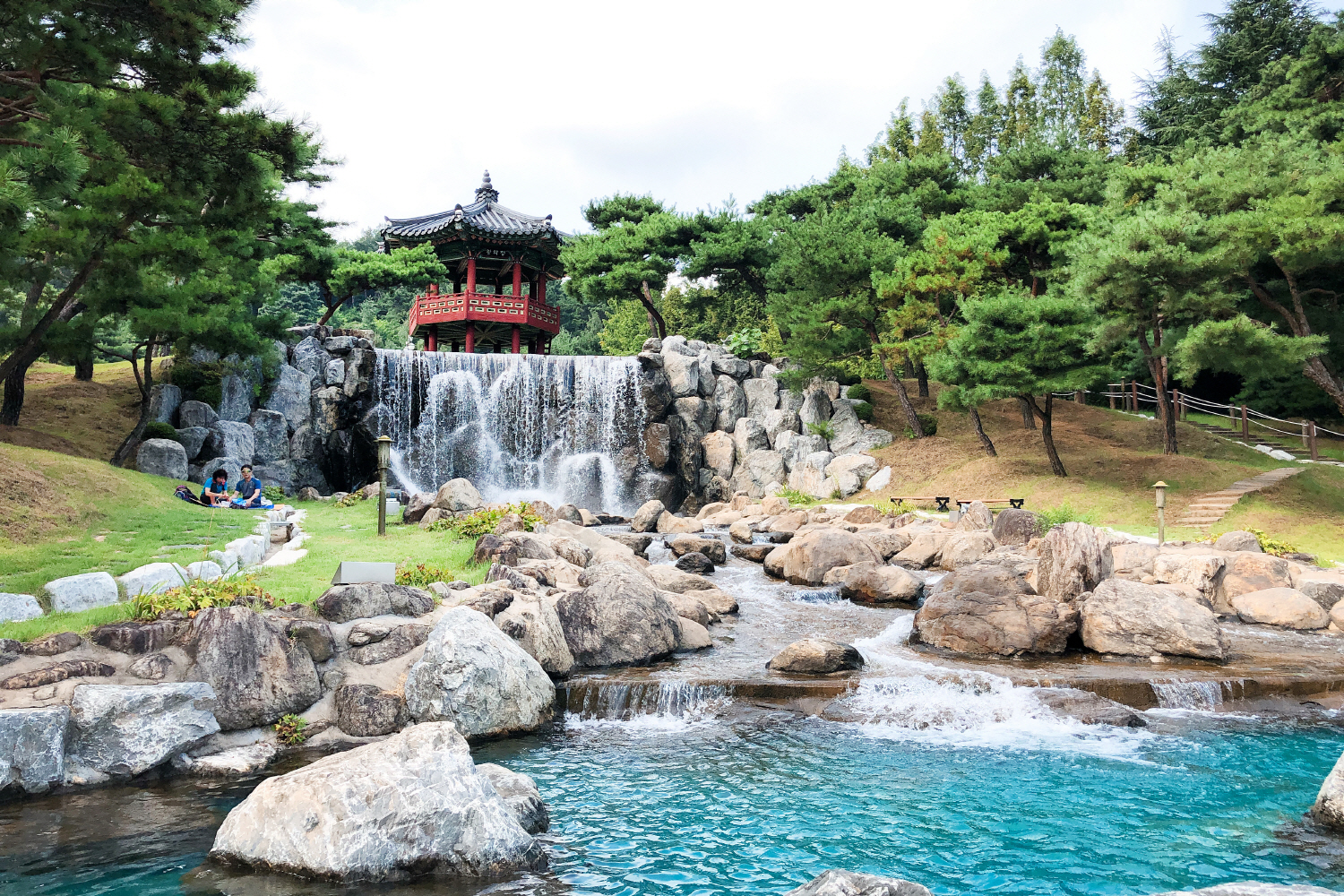
Jikji Culture Park has been developed in front of Jikjisa Temple. With a musical sculptural fountain, plaza, waterfall, children’s comprehensive play facilities, walking paths, and pavilions, it is a good place to add a flat outdoor area after visiting the temple.
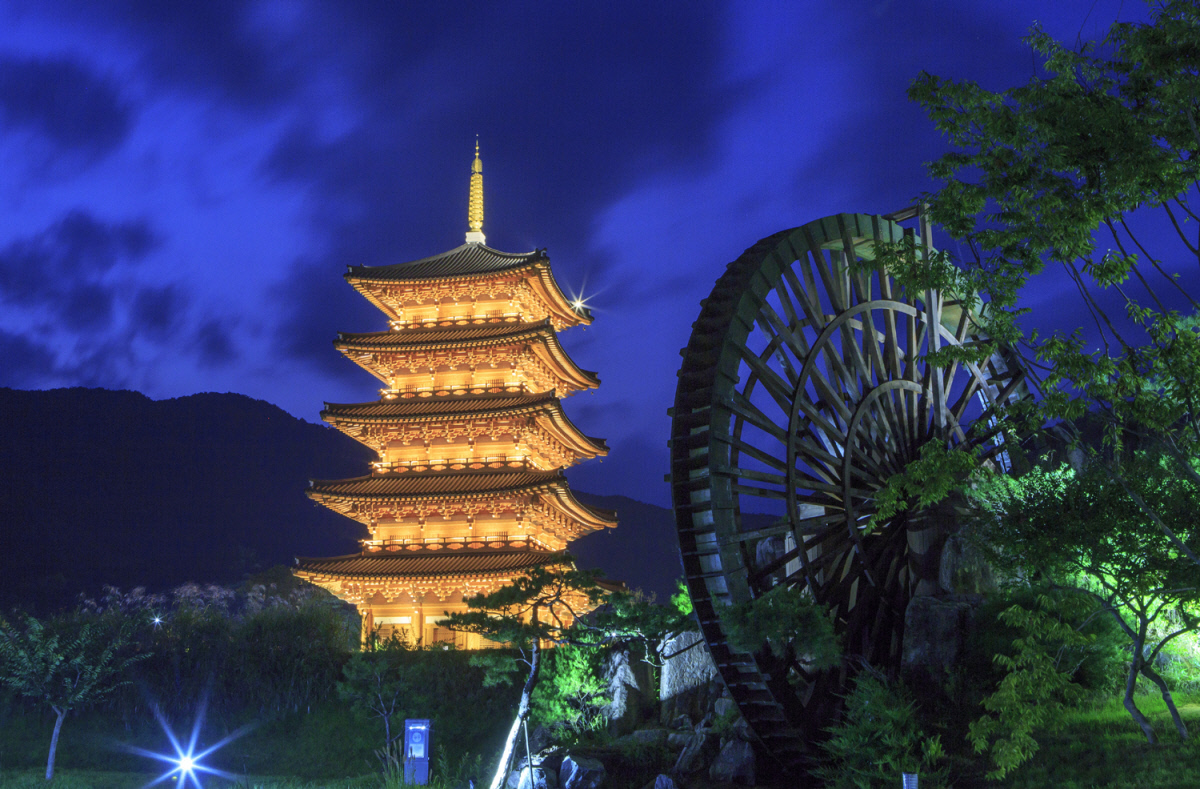
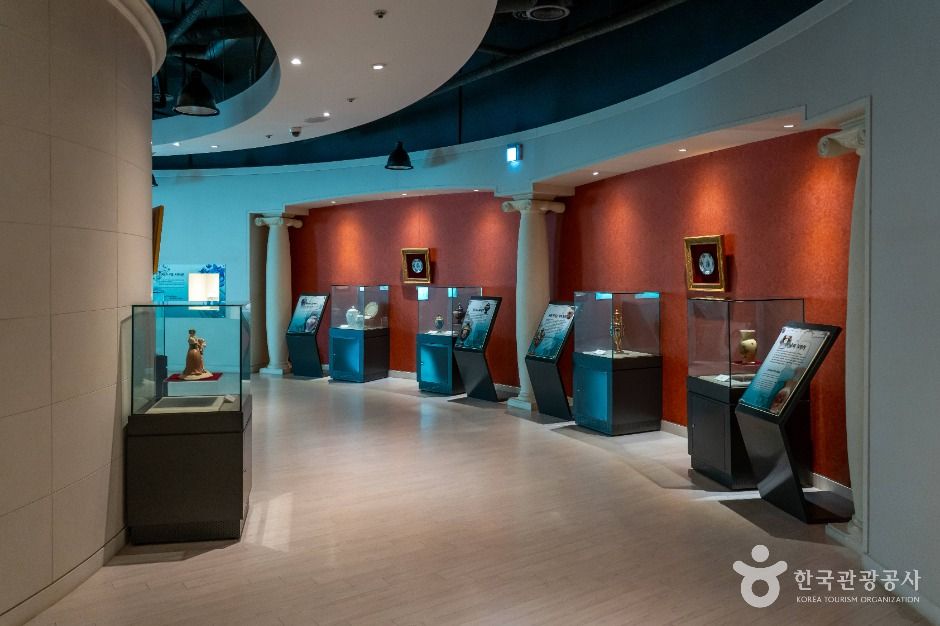
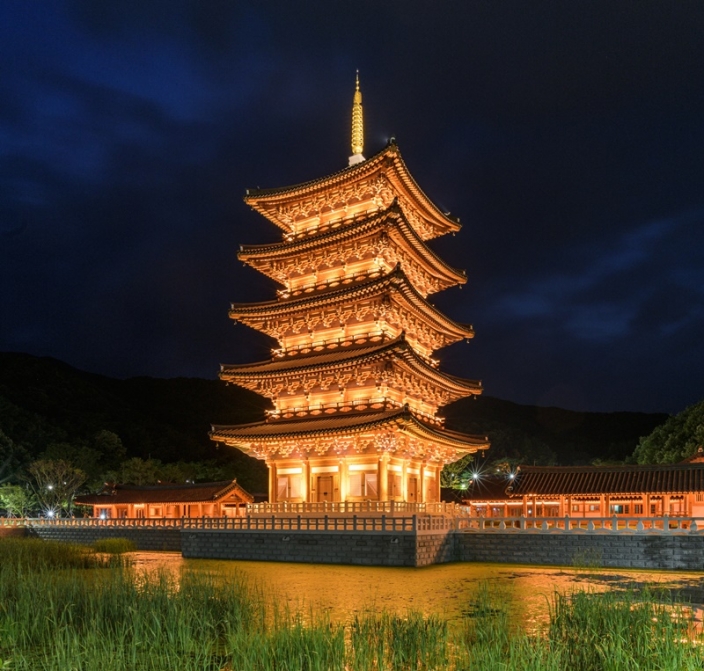
Near Jikji Culture Park is the Gimcheon World Ceramic Museum, where visitors can see representative works by renowned European porcelain makers such as Wedgwood, Meissen, and Royal Copenhagen. It takes about 10 minutes to walk from Jikjisa Temple to Samyeongdaesa Park. The park has a five-story wooden Peace Pagoda standing 41.5 m tall. The pagoda used approximately 373,300 pieces of timber and about 36,000 roof tiles, and is known to have been built with the nine-story wooden pagoda of Hwangnyongsa Temple in Silla as a reference.
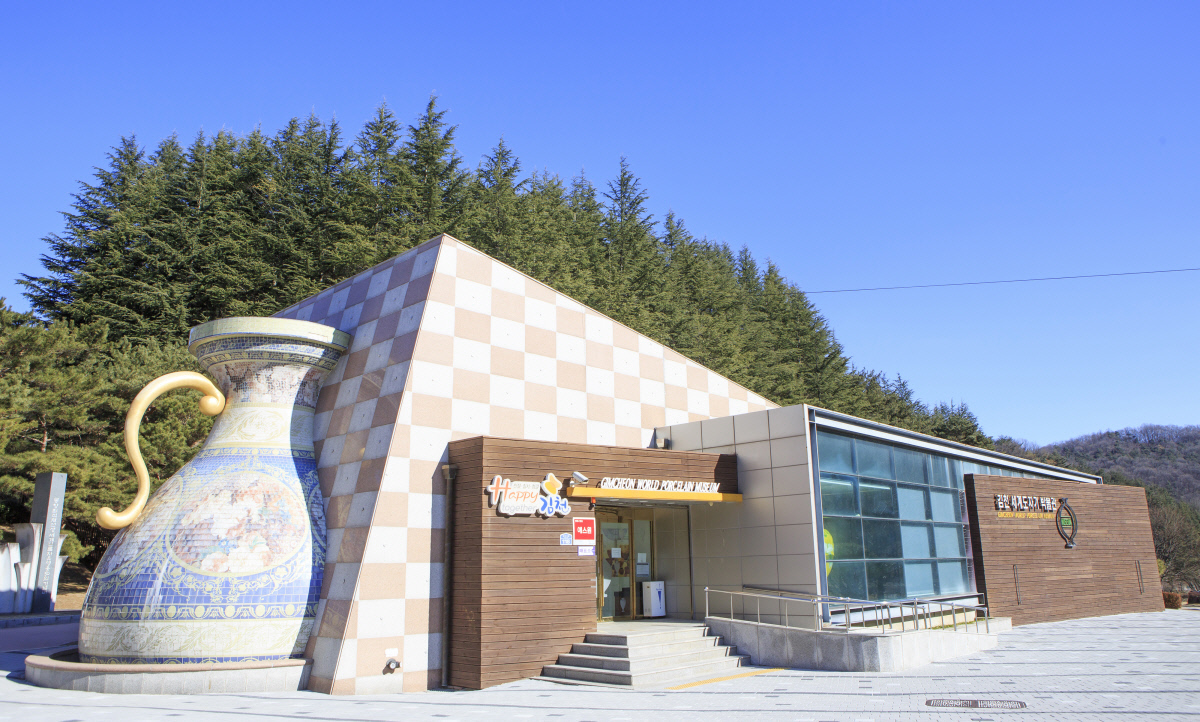
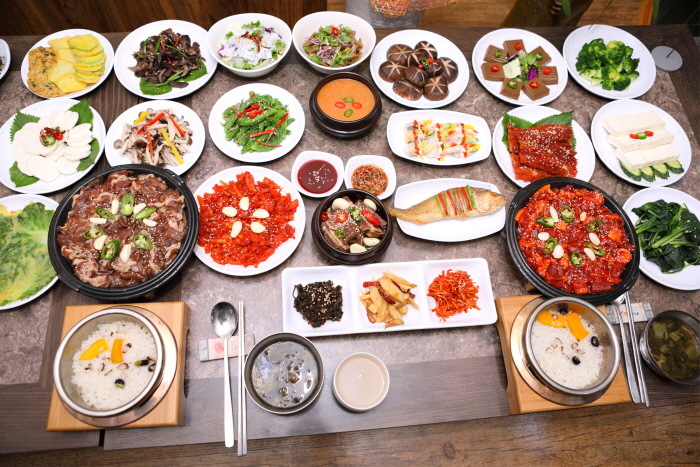
A street of restaurants specializing in Jikjisa wild-vegetable set meals and Jikjisa Temple temple-stay facilities are also marked on tourist maps around Jikjisa Temple. Rather than visiting only the temple and returning, combining Jikji Culture Park, the Gimcheon World Ceramic Museum, and Samyeongdaesa Park in that order creates a natural travel route.
Before You Go
- Address
- 95 Jikjisa-gil, Daehang-myeon, Gimcheon-si, Gyeongsangbuk-do
- Hours
- Daily 07:00–18:00
- Closed
- Whether it is open year-round could not be confirmed on the official page
- Admission
- Free
- Phone
- 054-429-1700
- Official site
- https://www.jikjisa.or.kr
- Transport
- Bus 11 or 111 from Gimcheon Station, approximately 47 minutes; buses 13-6 or 13-7 from KTX Gimcheon–Gumi Station, approximately 1 hour 20 minutes
- Parking
- Several parking lots around the entrance to Jikjisa Temple, beside Daeungjeon Hall, and at Samyeongdaesa Park; listed as free
- Time needed
- About 1 hour 30 minutes based on reviews (total time for viewing the temple grounds)
- Accessibility
- Visitor reviews confirm that comfortable walking shoes are recommended because the temple grounds are extensive
The information above is current as of the time of writing. Check the official information again before visiting.

Places
Nearby Attractions 3
-
 1
Jikji Culture ParkA park where you can stroll while enjoying the musical fountain and sculptures.
1
Jikji Culture ParkA park where you can stroll while enjoying the musical fountain and sculptures. -
 2
2
-
 3
Samyeongdaesa ParkA historical and cultural park where you can explore the Tower of Peace alongside nature.
3
Samyeongdaesa ParkA historical and cultural park where you can explore the Tower of Peace alongside nature.
Food & Dining 2
-
 4
Buil Sanchae RestaurantA Korean restaurant serving set meals featuring wild greens and wild greens bibimbap.
4
Buil Sanchae RestaurantA Korean restaurant serving set meals featuring wild greens and wild greens bibimbap. -
 5
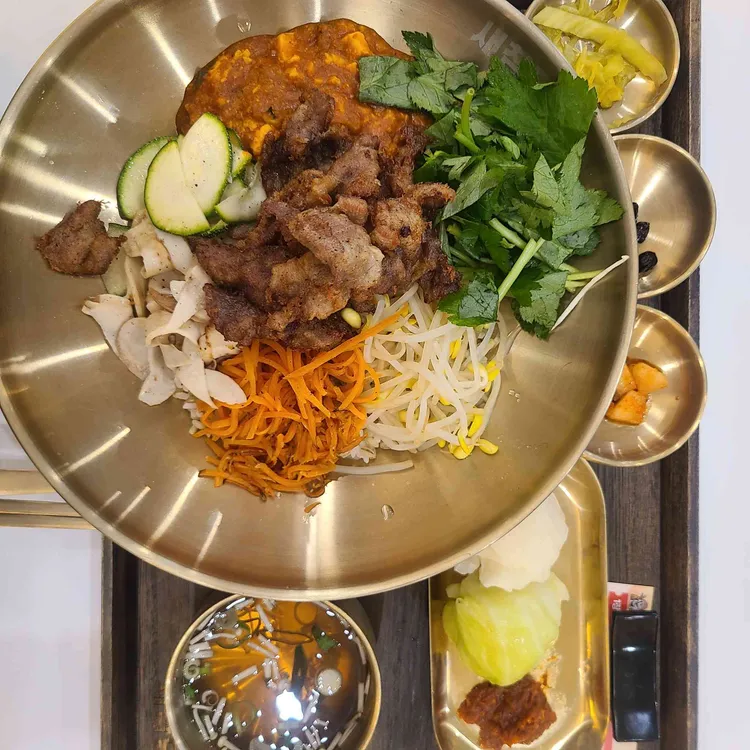
Gyeongdong Sanchae RestaurantA restaurant serving dishes made with seasonal wild mountain greens.
5
Gyeongdong Sanchae RestaurantA restaurant serving dishes made with seasonal wild mountain greens.
Events in This Area
Festivals in This Area
More Travel Guides in This Area
 Travel Guide
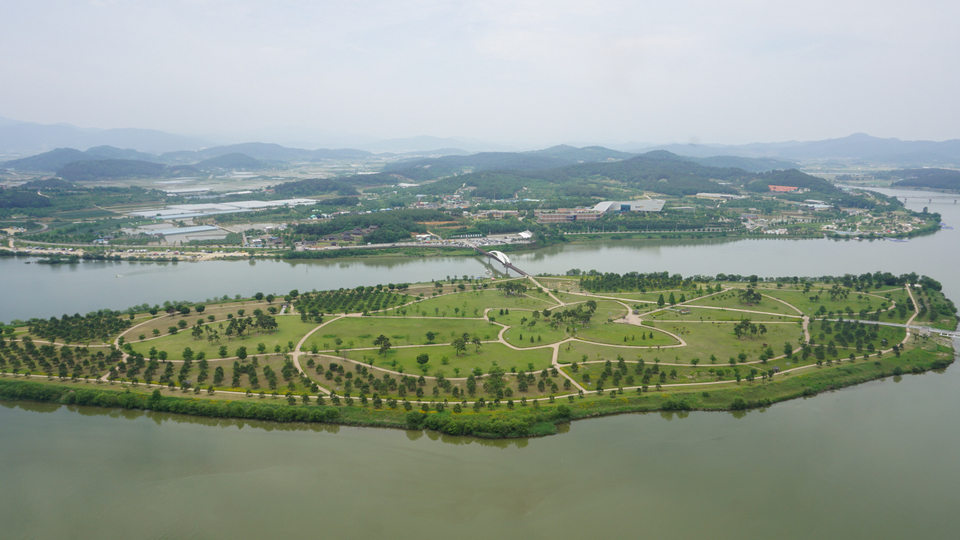
Seongju Seongbak Forest, Where 59 Giant Willows Meet Lilyturf
 Travel Guide
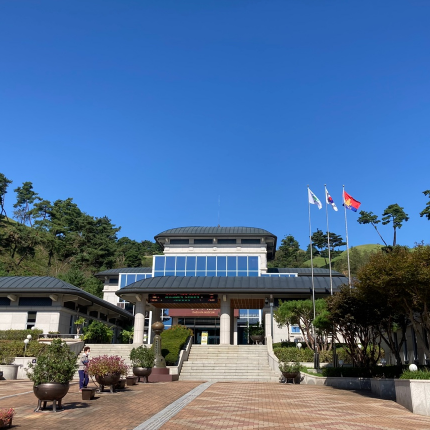
Sangju Gyeongcheonseom Park: Crossing an Island on the Nakdong River
 Travel Guide
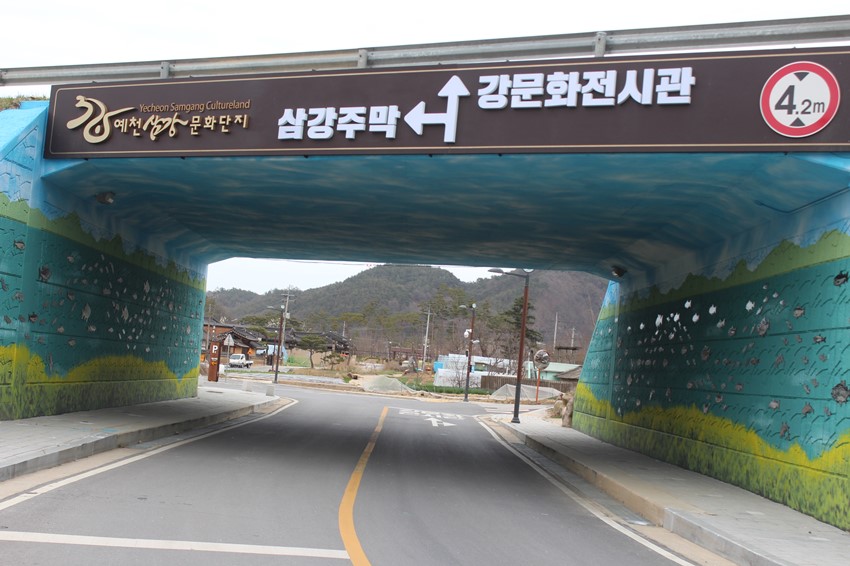
Reading Sacrificial Burial Tombs Beneath the Jisandong Tumuli at Daegaya Goryeong Museum
 Travel Guide
![Han So-hee, Radiant Beauty After Going Blonde… Unmatched Aura [N Shot]](https://kotourlive-images.s3.ap-northeast-1.amazonaws.com/news/1788056981544_83c8b0b3_news_66e33b45-cf84-4724-87d9-d1340820437d.jpg)
![BOYNEXTDOOR’s Sungho selected as the new MC of ‘Show! Music Core’ [Official Statement]](https://kotourlive-images.s3.ap-northeast-1.amazonaws.com/news/1787908108799_a3cc378e_news_9a3cd086-931c-4b58-b977-4a5ac371238a.jpg)
![[Photo] KISS OF LIFE’s Natty Shows Off Her Glamorous Figure](https://kotourlive-images.s3.ap-northeast-1.amazonaws.com/news/1787908133694_557864f4_news_016e92e2-55c1-4838-9702-eb03b2ad56ec.jpg)
![Hyeri “Cute Wink” [★Photo]](https://kotourlive-images.s3.ap-northeast-1.amazonaws.com/news/1787908093800_c9b7529f_news_9274613b-0b8f-4076-a430-25a1545a679d.jpg)