Reading Sacrificial Burial Tombs Beneath the Jisandong Tumuli at Daegaya Goryeong Museum
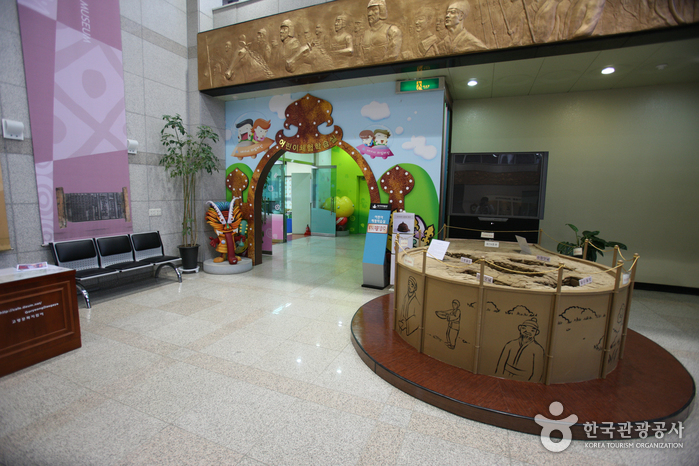
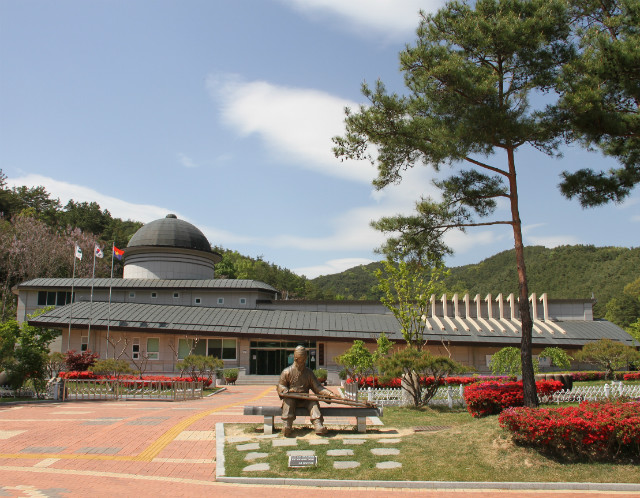
Daegaya Goryeong Museum is a specialized museum dedicated to the history of Daegaya, comprising the Daegaya History Hall, the Daegaya Royal Tomb Exhibition Hall recreating Tomb No. 44 in Jisan-ri, a children’s hands-on learning center, and an outdoor exhibition area. Focusing on operating hours, free admission, activity material fees, parking, and accessibility, this guide highlights details that first-time international visitors may easily miss.

I’ve been here?
Your check-in helps the next traveler.
20 people viewed this week Be the first
One tap — no writing needed
Why Daegaya Museum Was Built at the Foot of Jusan Mountain
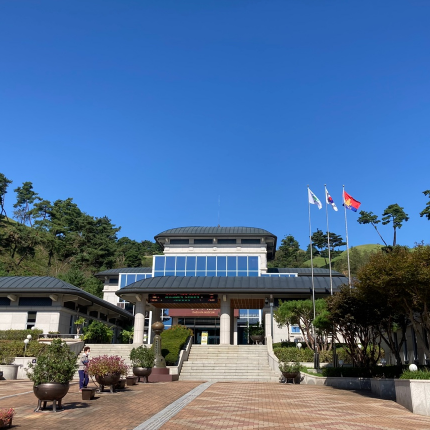
Goryeong Daegaya Museum is located at 1203 Daegaya-ro, Daegaya-eup, Goryeong-gun, Gyeongsangbuk-do, at the foot of Jusan Mountain, where the royal tombs of Daegaya are clustered. Around the Goryeong Daegaya Historic Site, approximately 200 tombs in the Jisandong Tumuli are densely concentrated, making this a good location for understanding the museum exhibits alongside the actual terrain of the tumuli.
Daegaya developed a distinctive culture, including the gayageum, pottery, and ironware. The museum opened in April 2005 and is described as a museum specializing in the history of Daegaya. The current building and exhibits have recently reopened following remodeling.
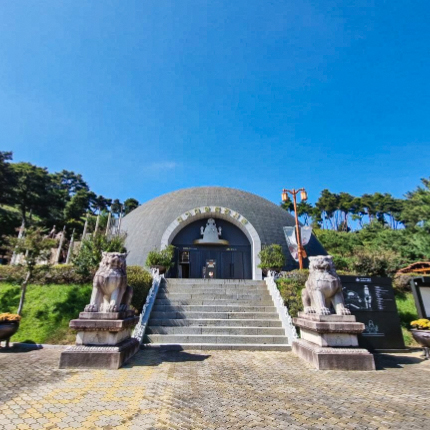
How to View Tomb No. 44 in Jisan-ri Inside the 37 m Dome
Daegaya Royal Tombs Exhibition Hall is an exhibition hall that restores and recreates Tomb No. 44 in Jisan-ri, the largest royal-sacrifice tomb from the Daegaya period ever identified in Korea. The building has a dome measuring 37 m across and displays artifacts related to the Jisandong Tumuli.
Excavations of Tombs Nos. 32–35 in Jisandong began in 1977. Iron helmets, armor, gilt-bronze crowns, and other artifacts were unearthed, revealing that these were tombs of the ruling class. Tombs Nos. 44–45 are regarded as sites demonstrating the ancient practice of human sacrifice in funerary rituals. Thus, this exhibition hall is not merely a place to view a large tomb, but a space for understanding the funerary customs and power structure of the time.
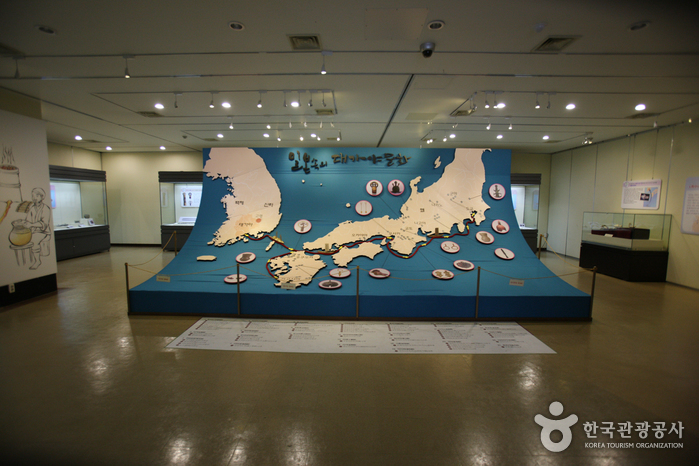
An Order for Following the Four Themes at Daegaya History Museum
Daegaya History Museum explains the history and culture of Goryeong from the Paleolithic period through modern times and displays artifacts. The exhibits are divided into four themes: “The Dawn of Daegaya,” “The Establishment of Daegaya,” “The Growth and Development of Daegaya,” and “Goryeong After Daegaya.” This allows visitors to connect the periods before and after Daegaya rather than ending their visit with Daegaya alone.
For first-time foreign visitors, it is easier to understand the exhibits by first learning about the formation, growth, and development of the state, then moving to Goryeong after Daegaya. The official website also offers a 360-degree VR Room function for exploring the exhibition hall and provides Korean, English, Chinese, and Japanese menus.
Why Pit Dwellings, Loft Granaries, and Iron-Smelting Furnaces Are Outdoors
If it is difficult to imagine Daegaya’s daily life and industries through indoor exhibits alone, continue to the outdoor exhibition area. Here, visitors can see pit dwellings and loft granaries recreating Daegaya-period residences, as well as the remains of an iron-smelting furnace. Because residential and production facilities are shown side by side, visitors can examine the contexts in which pottery and ironware were used in everyday life.
The outdoor exhibition area also displays Buddhist cultural properties such as stone pagodas, stone lanterns, and Buddhist statues, along with various stone cultural properties including long foundation stones, millstones, and mortars. This outdoor area is easy to miss if you visit only Daegaya Royal Tombs Exhibition Hall and Daegaya History Museum, so on rainy or hot days it is advisable to adjust the viewing order according to the weather.
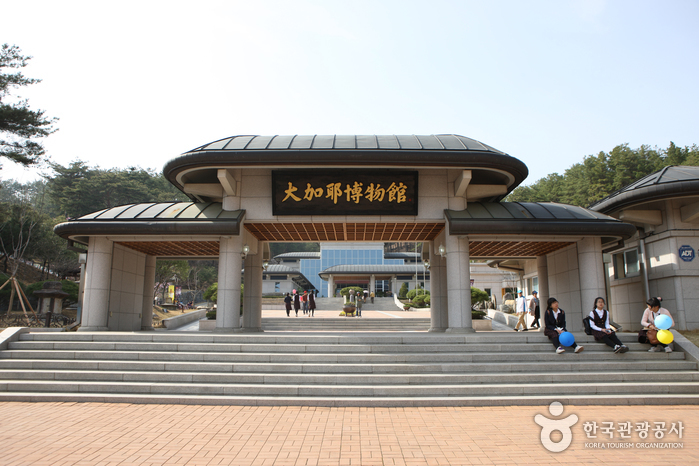
Operating Hours and Free Admission as of August 2026
As of August 2026, the exhibition halls are open from 09:00 to 18:00 from March through October, with last admission at 17:00, and from 09:00 to 17:00 from November through February, with last admission at 16:00. The museum is closed every Monday; when Monday is a public holiday, it closes on the first weekday after the holiday.
Admission to the main building of Daegaya Museum is free. However, the English page of the Korea Tourism Organization lists individual admission as KRW 2,000 for adults and KRW 1,500 for children, and group admission as KRW 1,800 for adults and KRW 1,200 for children, which differs from the official website’s free-admission notice. Visitors should use the official website’s free-admission information as the basis for planning, but should be aware that the conflicting fee information may cause confusion at the ticket counter.
Items That Actually Cost Money at the Children’s Experiential Learning Center
The Children’s Experiential Learning Center is open from 09:30 to 17:00 from March through October, with last admission at 16:40, and from 09:30 to 16:30 from November through February, with last admission at 16:10. Lunch break is from 12:00 to 13:00, and preschool children must participate with a guardian.
Experience materials cost extra. Making a Gaya pottery character costs KRW 2,000 for one lump of clay; the Daegaya story stamp booklet costs KRW 500; printing, rubbing, and frottage paper costs KRW 100 per sheet; and a Daegaya gilt-bronze crown-making kit costs KRW 1,000 each. A Daegaya activity bundle costs KRW 3,000 per set and includes a total discount of KRW 600. To ensure smooth activities, participation is limited to 10 people every 30 minutes.
Groups must contact the museum and make a reservation; the inquiry telephone number is 054-950-7103. The main building’s website also has menus for visit reservations, group reservations, and reservation inquiries, so groups should use the reservation process rather than arriving directly at the site.
A 240 m Walking Route from Daegaya History Theme Tourist Site
Daegaya History Theme Tourist Site is approximately a one-minute walk, or 240 m, from Daegaya Museum. Therefore, travelers who have already arrived at Daegaya History Theme Tourist Site can make the museum their next destination without moving their vehicle. The address is Daegaya Museum, 1203 Daegaya-ro, Daegaya-eup, Goryeong-gun, Gyeongsangbuk-do, and the postal code is 40138.
Bus route numbers and stop information could not be confirmed, so travelers coming from outside Goryeong solely by public transportation should not mistake the 240 m route described here for a complete access guide. Visitors can arrive by car, and a parking lot is indicated, but the parking fee and number of available spaces could not be confirmed. The museum’s main telephone number is 054-950-7103, and the fax number is 054-955-1148.
What Wheelchair Users and Foreign Visitors Should Know in Advance
The museum has an accessible restroom and an elevator for visitors with disabilities, and the main entrance has no steps. Accessible parking spaces, wheelchair rentals, and convenience services for visitors with visual impairments are also indicated, which may be useful for visitors requiring mobility assistance.
The official website provides English, Chinese, and Japanese menus, but information about whether photography is allowed, photography restrictions, access restrictions and opening areas inside the exhibition halls, and whether payment is cash-only could not be confirmed. Recommended viewing times are also not provided in the official materials, so if you plan to include the children’s activities or outdoor exhibition area, it is better to arrive with ample time rather than just before last admission.
A Goryeong Daegaya Route Continuing to Ureuk Museum
The day-trip route suggested by the Korea Tourism Organization is Daegaya History Theme Tourist Site, Daegaya Museum, Ureuk Museum, and Gaesil Village, in that order. Ureuk Museum is approximately 8 minutes by car, or 3.8 km, from the museum. Its address is 98 Gayageum-gil, Daegaya-eup, Goryeong-gun.
Ureuk Museum’s main telephone number is 054-950-7136, and the inquiry number for gayageum-making experiences is 054-950-6313. After viewing Daegaya’s state, tombs, and daily life at Daegaya Museum, this order works naturally if you want to shift the theme to gayageum culture. If you plan to visit both places, first calculate the seasonal last-admission time at Daegaya Museum: 17:00 or 16:00.
Before You Go
- Address
- Daegaya Museum, 1203 Daegaya-ro, Daegaya-eup, Goryeong-gun, Gyeongsangbuk-do (Postal code 40138)
- Hours
- Exhibition halls: March–October 09:00–18:00 (last admission 17:00) / November–February 09:00–17:00 (last admission 16:00). Children’s Experiential Learning Center: March–October 09:30–17:00 (last admission 16:40) / November–February 09:30–16:30 (last admission 16:10).
- Closed
- Every Monday. If Monday is a public holiday, the first weekday after the holiday.
- Admission
- Admission to Daegaya Museum is free. Children’s activity materials cost extra: Gaya pottery character making KRW 2,000, stamp booklet KRW 500, printing, rubbing, and frottage paper KRW 100, gilt-bronze crown making KRW 1,000, and Daegaya activity bundle KRW 3,000.
- Phone
- 054-950-7103
- Official site
- https://www.goryeong.go.kr/daegaya/main/main.do
- Transport
- Approximately a one-minute, 240 m walk from Daegaya History Theme Tourist Site. Bus route numbers and stop information could not be confirmed.
- Parking
- Parking available. The parking fee and number of available spaces could not be confirmed.
- Accessibility
- Accessible restroom, elevator for visitors with disabilities, accessible parking spaces, step-free main entrance, wheelchair rentals, and convenience services for visitors with visual impairments confirmed.
The information above is current as of the time of writing. Check the official information again before visiting.

Places
Nearby Attractions 3
-
 1
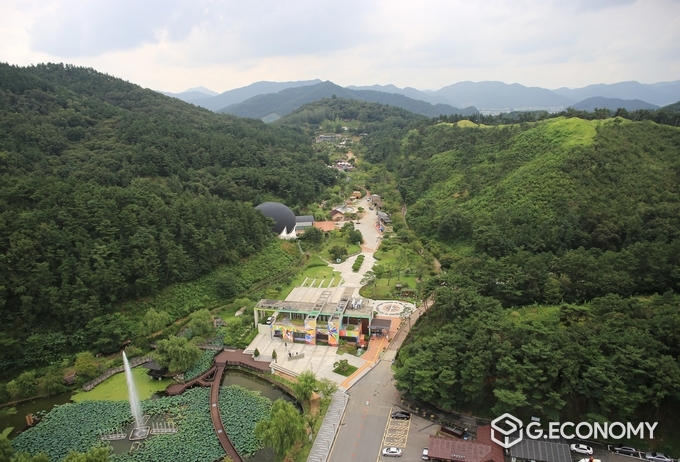
Daegaya Historical Theme Tourist SiteA historical tourist site where you can explore ancient houses and enjoy hands-on experiences with pottery and ironware.
1
Daegaya Historical Theme Tourist SiteA historical tourist site where you can explore ancient houses and enjoy hands-on experiences with pottery and ironware. -
 2
2
-
 3
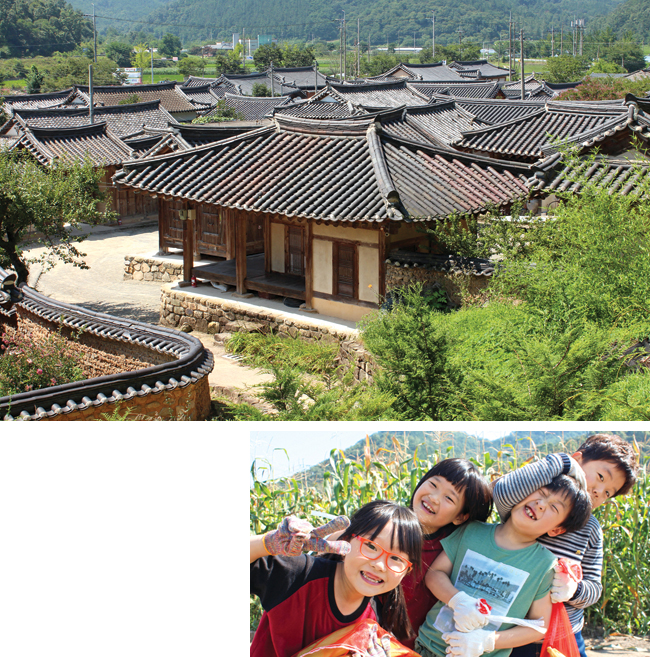
Gaesil VillageA rural experiential village where you can stroll through a hanok village and enjoy traditional cultural activities.
3
Gaesil VillageA rural experiential village where you can stroll through a hanok village and enjoy traditional cultural activities.
Food & Dining 1
-
 4
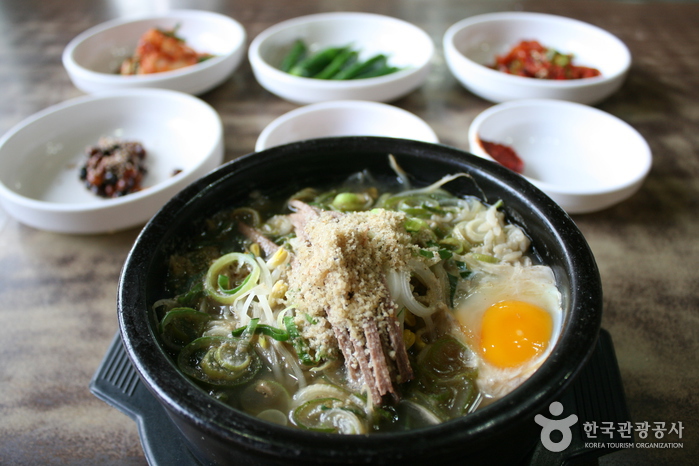
Daewon SikdangA Korean restaurant where you can enjoy ginseng acorn sujebi and pheasant dumpling soup.
4
Daewon SikdangA Korean restaurant where you can enjoy ginseng acorn sujebi and pheasant dumpling soup.
Events in This Area
Festivals in This Area
More Travel Guides in This Area
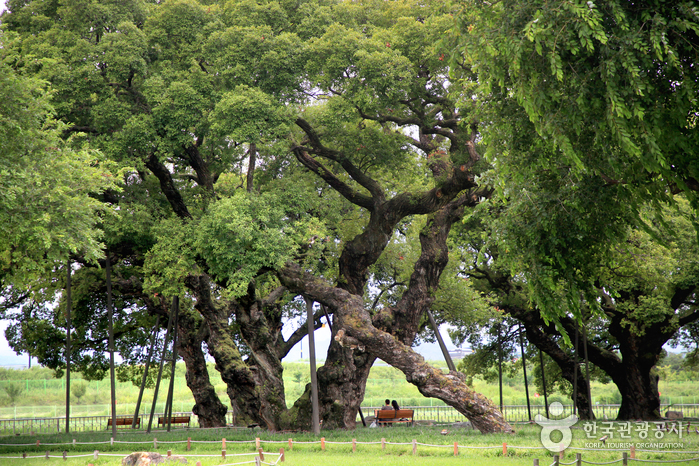 Travel Guide
Seongju Seongbak Forest, Where 59 Giant Willows Meet Lilyturf
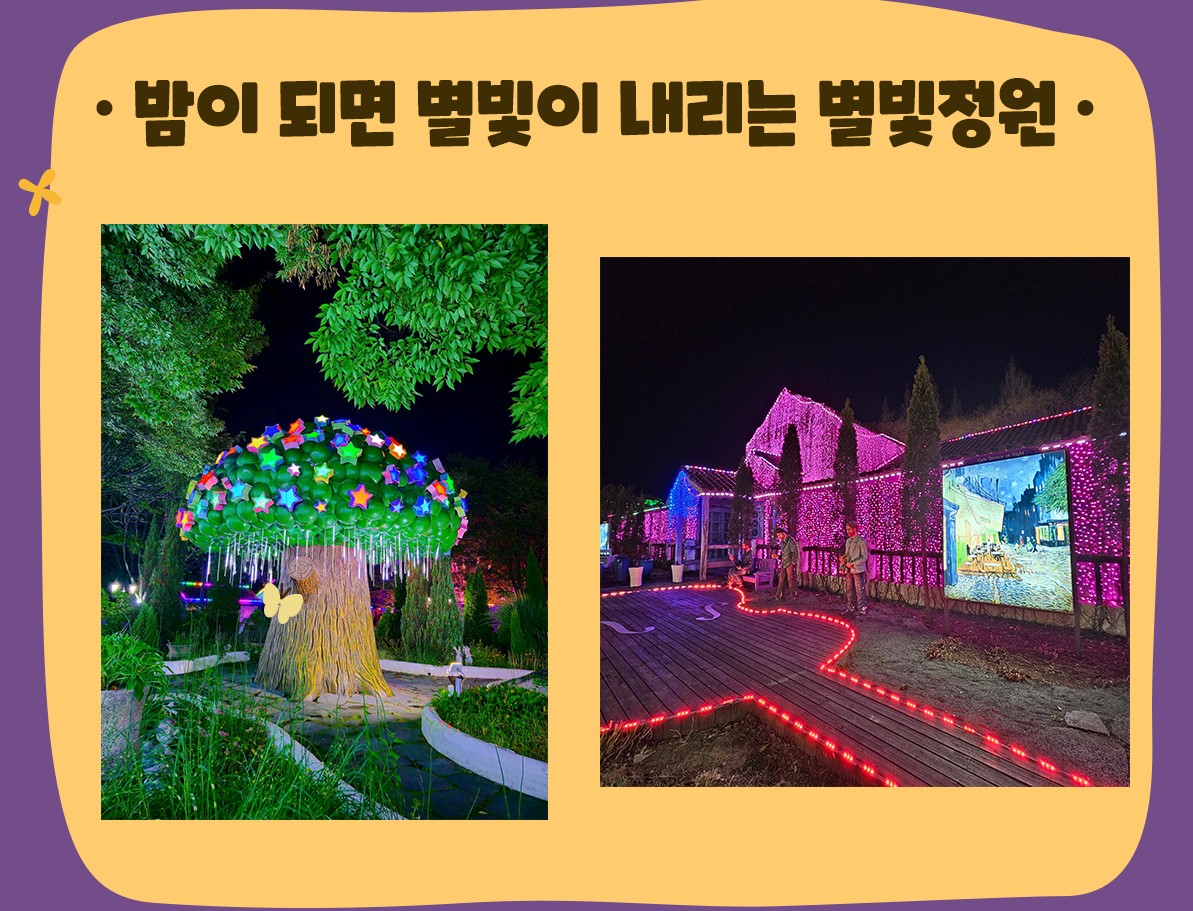 Travel Guide
Between Daylight and the Light Festival at Cheongdo Provence Photo Land
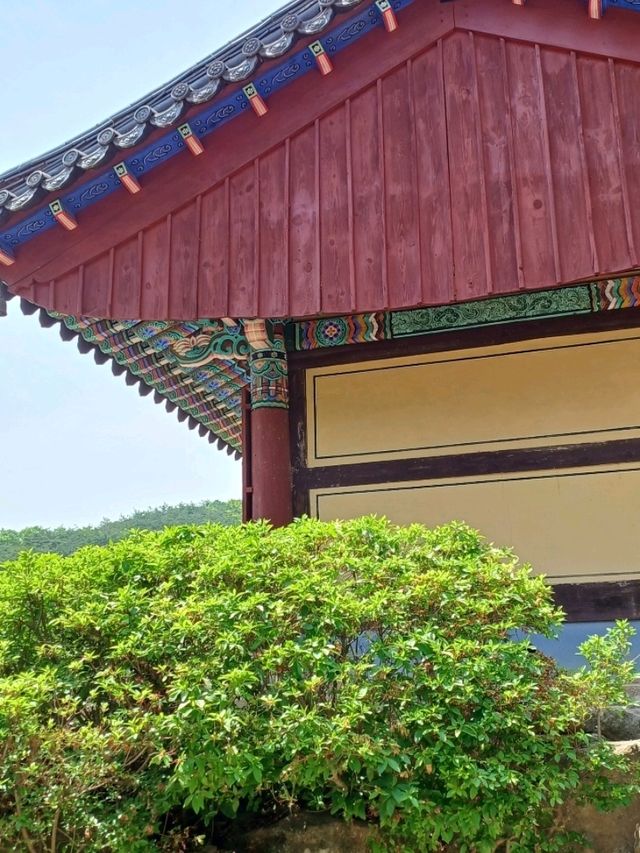
 Travel Guide
Gimcheon Jikjisa Temple at the Foot of 1,111 m Hwangaksan Mountain
 Travel Guide
![Han So-hee, Radiant Beauty After Going Blonde… Unmatched Aura [N Shot]](https://kotourlive-images.s3.ap-northeast-1.amazonaws.com/news/1788056981544_83c8b0b3_news_66e33b45-cf84-4724-87d9-d1340820437d.jpg)
![BOYNEXTDOOR’s Sungho selected as the new MC of ‘Show! Music Core’ [Official Statement]](https://kotourlive-images.s3.ap-northeast-1.amazonaws.com/news/1787908108799_a3cc378e_news_9a3cd086-931c-4b58-b977-4a5ac371238a.jpg)
![[Photo] KISS OF LIFE’s Natty Shows Off Her Glamorous Figure](https://kotourlive-images.s3.ap-northeast-1.amazonaws.com/news/1787908133694_557864f4_news_016e92e2-55c1-4838-9702-eb03b2ad56ec.jpg)
![Hyeri “Cute Wink” [★Photo]](https://kotourlive-images.s3.ap-northeast-1.amazonaws.com/news/1787908093800_c9b7529f_news_9274613b-0b8f-4076-a430-25a1545a679d.jpg)