Byeongsan Seowon, Where the Nakdong River Sandbank Becomes a Seven-Panel Folding Screen
Andong’s Byeongsan Seowon is a Confucian academy honoring Ryu Seong-ryong and Ryu Jin, as well as a World Heritage site where the Nakdong River and Byeongsan Mountain are framed by Mandaeru Pavilion. Bus 210 provides access from downtown Andong, but check the timetable and service intervals before departure, and note that access inside Jondeoksa Shrine may be restricted.
I’ve been here?
Your check-in helps the next traveler.
18 people viewed this week Be the first
One tap — no writing needed
Why Pungak Seodang Moved to Byeongsan in 1572
The predecessor of Byeongsan Seowon was Pungak Seodang in Pungsan-hyeon, a scholarly space for the literati since the late Goryeo period. In 1572 (the 5th year of King Seonjo’s reign), Ryu Seong-ryong moved the seodang to its present location, where the terrain facing the Nakdong River and Byeongsan across the river created the seowon landscape seen today.
After Ryu Seong-ryong passed away, local Confucian scholars built the shrine Jondeoksa inside Pungak Seodang to commemorate him. When Jondeoksa was founded in 1614 (the 6th year of King Gwanghaegun’s reign), the institution was elevated to the status of a seowon, and in March 1629 (the 9th year of King Injo’s reign), Ryu Seong-ryong’s spirit tablet was enshrined, with his third son Yu Jin added to the accompanying rites.
What the 1863 Royal Inscription and 2019 World Heritage Listing Left Today
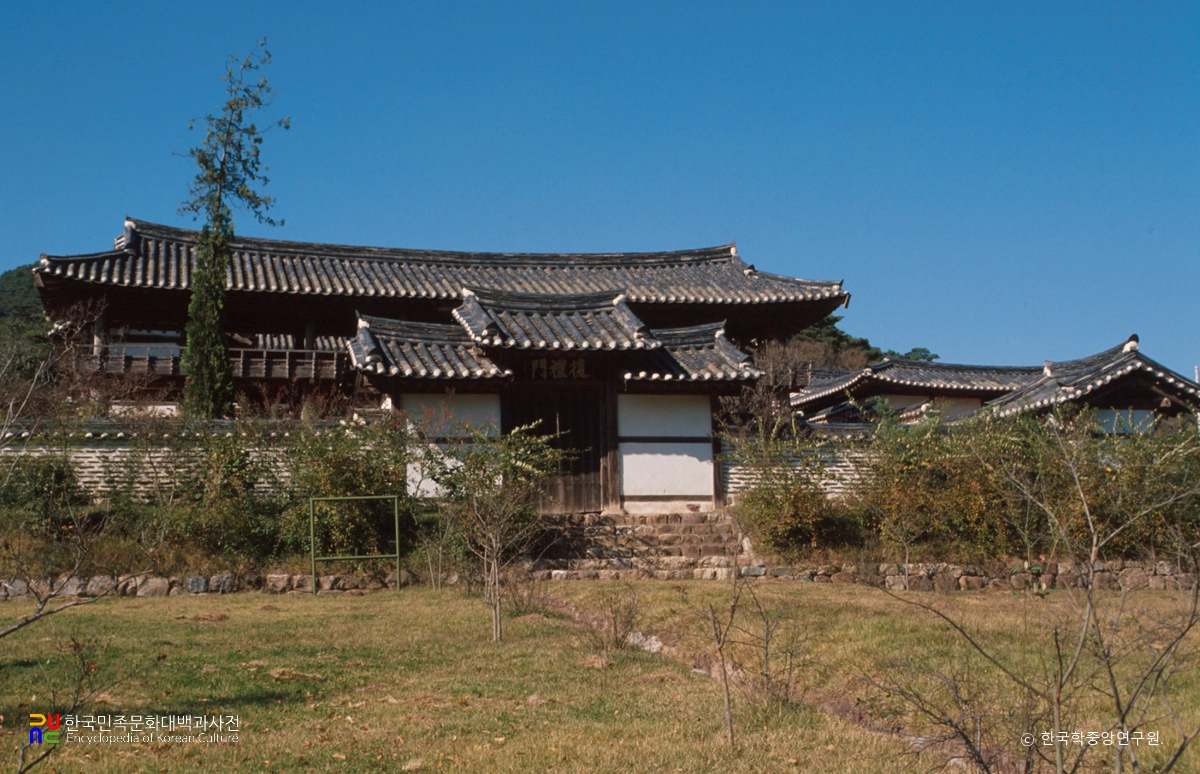
Byeongsan Seowon was promoted to seowon status in 1863 (the 14th year of King Cheoljong’s reign) after receiving the royal inscription “Byeongsan.” Because it was one of the 47 seowon that survived the destruction order issued by the Daewongun in 1868 (the 5th year of King Gojong’s reign), its educational and ancestral-rite layout remains today.
The seowon was damaged in 1592 and restored in 1605. UNESCO materials explain that the lecture hall was repaired in 1921 and the shrine in 1937. In July 2019, Byeongsan Seowon became one of the nine seowon inscribed as “Seowon, Korean Neo-Confucian Academies” at the 43rd session of the World Heritage Committee.
The Seowon Route from Boknyemun to Jondeoksa
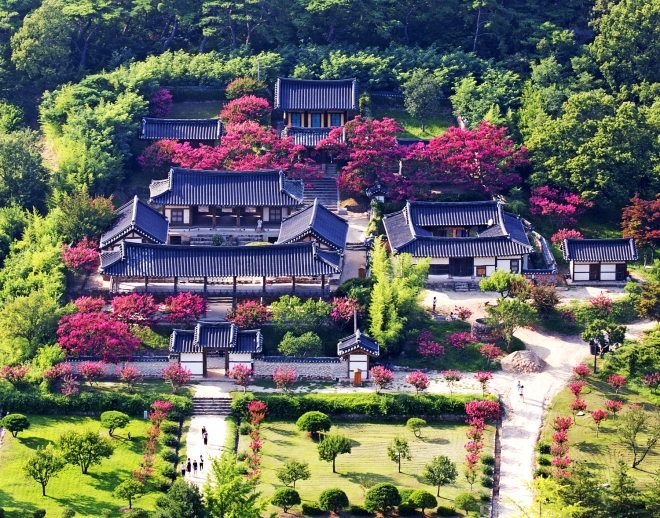
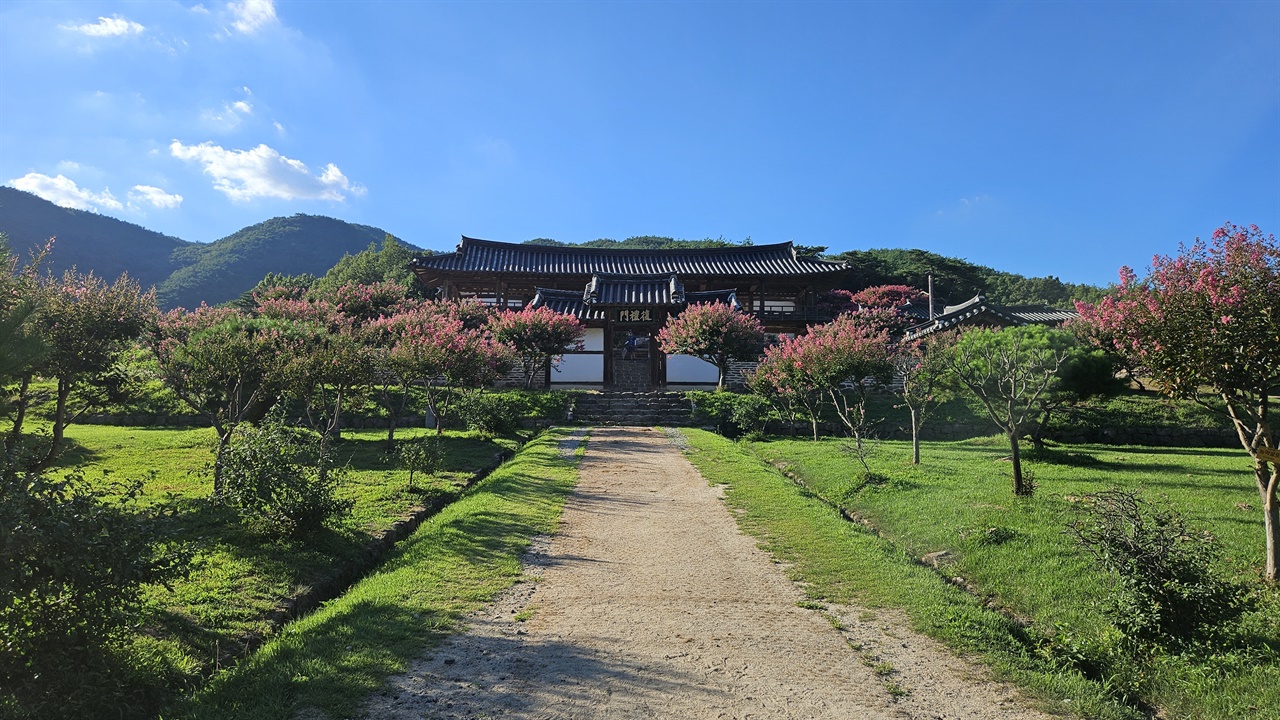
Visitors first pass through Boknyemun, the outer gate, and then go through the two-story pavilion Mandaeru. Next, the eastern and western dormitories, the lecture hall Ipgyodang, the inner gate, and the shrine Jondeoksa are arranged in sequence, allowing visitors to understand the typical seowon layout transitioning from educational space to ritual space.
The eastern and western dormitories were where Confucian students lived and studied, while Jangpangak stored woodblocks and artifacts. Because there are stone stairs along the route from Boknyemun through Mandaeru to Ipgyodang, wheelchair and stroller users may find it difficult to follow the entire route in the same manner.
How Mandaeru’s Seven Bays Divide the Nakdong River into Seven Panels
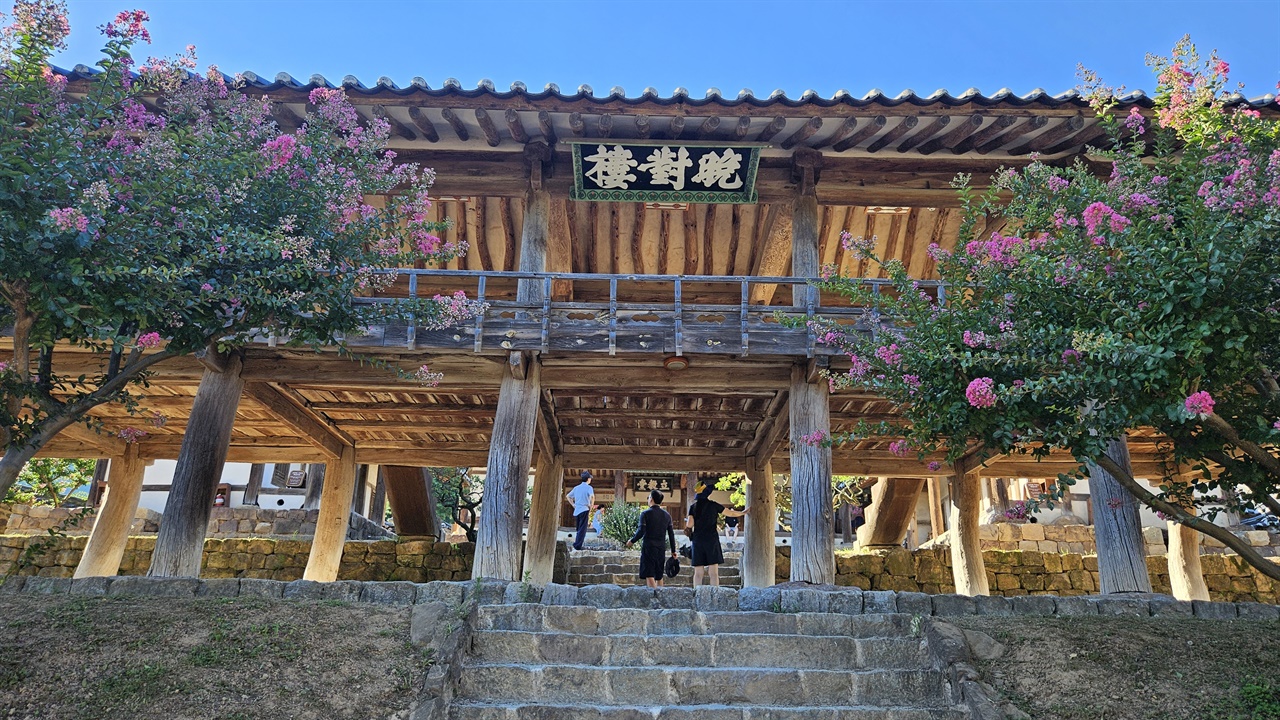
Mandaeru is a two-story hip-and-gable tiled-roof building with seven bays at the front and two bays at the sides. It is Treasure No. 2104. Standing on the open pavilion floor, visitors can see the broad sandy banks of the Nakdong River and Byeongsan across the river divided by the building’s bays.
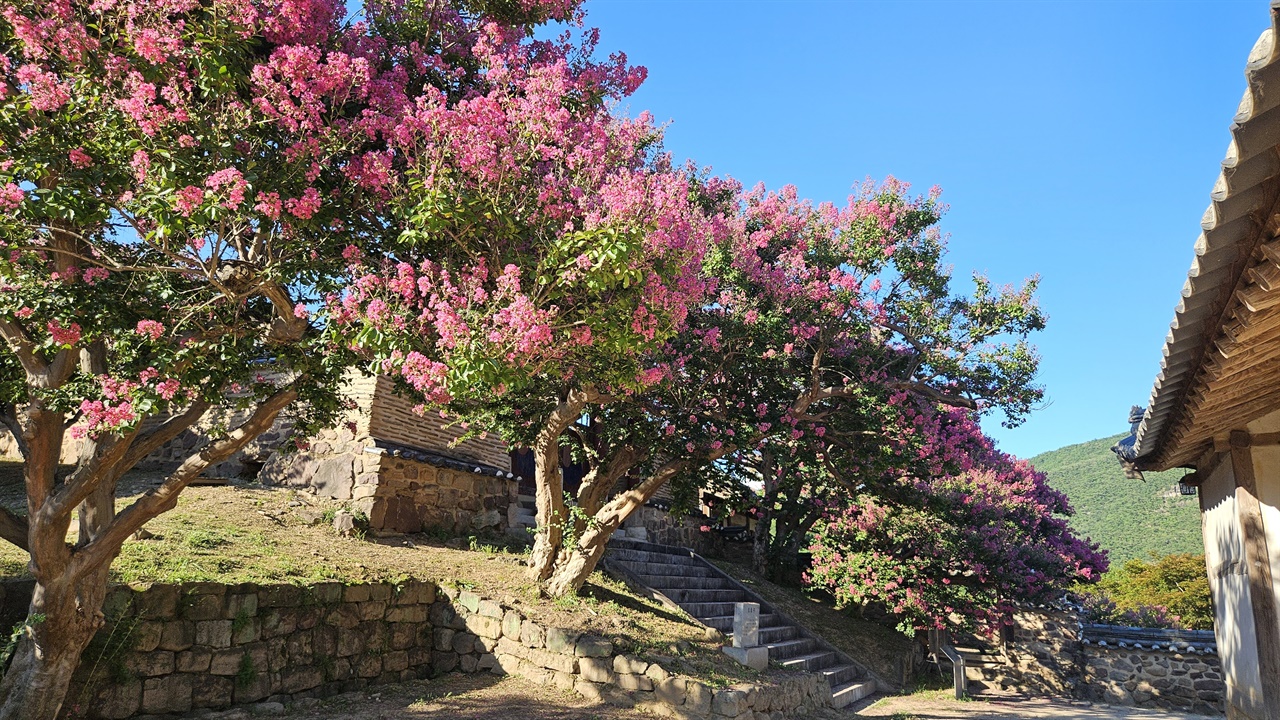
The name “Mandae” is said to have been taken from a line in a poem by Du Fu: “The mountain wrapped around like a green folding screen is worth facing at dusk (翠屛宜晩對).” Gwangyeongji Pond lies to the left between Boknyemun and Mandaeru, while the landscape is described together with the Nakdong River, white sandy banks, Byeongsan, and crape myrtle trees.
How Far Can Visitors Enter at Ipgyodang and Jondeoksa?
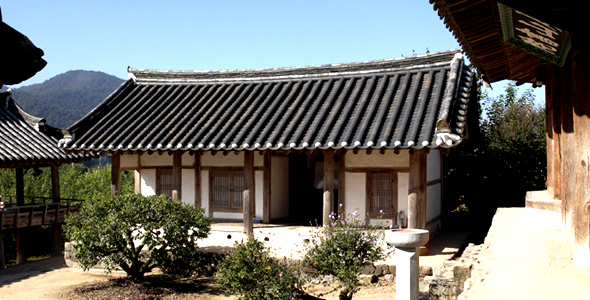
Ipgyodang is a single-story hip-and-gable tiled-roof building with five bays at the front and two bays at the sides, consisting of a central wooden hall and rooms on both sides. Jondeoksa is a single-story gable-roof tiled building with three bays at the front and two bays at the sides. Inside, Yu Jin’s spirit tablet is enshrined alongside Ryu Seong-ryong, who occupies the principal position.
Visitor reviews repeatedly mention that the inner gate in front of Jondeoksa was locked, preventing entry into the shrine and allowing visitors to photograph only the inner-gate entrance. Therefore, it is safest to consider general sightseeing centered on Boknyemun, Mandaeru, and Ipgyodang, rather than expecting entry to the interior of Jondeoksa as a guaranteed part of the tour.
Preparing for Your First Visit During Summer Hours, 09:00–18:00
Andong tourism information lists visiting hours as 09:00–18:00 in summer and 09:00–17:00 in winter. Admission is free, and no regular closing day is listed in the available information. The telephone number for Byeongsan Seowon is 054-858-5929.
The address is 386 Byeongsan-gil, Pungcheon-myeon, Andong-si, Gyeongsangbuk-do, and the official information page is the Byeongsan Seowon entry on the Korean Seowon website. A large free parking lot is reportedly available in front of the seowon, and visitor reviews suggest that sightseeing takes approximately 30 minutes to 1 hour.
- Official website: https://k-seowon.or.kr/?act=info.page&pcode=sub3_7
- Tourism Information Center: 054-840-6974
- Admission: Free
The Final Leg from Downtown Andong on Bus 210
The main route connecting downtown Andong with Byeongsan Seowon is city bus 210. Byeongsan Seowon is also shown as a stop on tourist-route information for the Hahoe Village direction, but the latest operating timetable and service intervals are not provided in the available materials. Visitors departing from the train station or downtown Andong should therefore first check whether the bus is operating.
On Andong city buses, free transfers apply within one hour after tagging the alighting terminal with a transportation card. By car, the seowon is described as approximately 15 minutes from Seo-Andong Interchange. Enter “386 Byeongsan-gil, Pungcheon-myeon, Andong-si, Gyeongsangbuk-do” as the destination address.
- Bus route: 210
- Transfer rule: Free transfer within one hour after tagging the alighting terminal
- Approximately 15 minutes by car from Seo-Andong Interchange
Before You Go
- Address
- 386 Byeongsan-gil, Pungcheon-myeon, Andong-si, Gyeongsangbuk-do
- Hours
- Summer 09:00–18:00 / Winter 09:00–17:00
- Admission
- Free
- Phone
- 054-858-5929
- Official site
- https://k-seowon.or.kr/?act=info.page&pcode=sub3_7
- Transport
- Andong city bus 210
- Parking
- Reportedly a large free parking lot in front of the seowon
- Time needed
- Approximately 30 minutes to 1 hour, based on visitor reviews
- Accessibility
- There are stone stairs from Boknyemun to Mandaeru and Ipgyodang, and visitor reviews indicate that access to the interior of Jondeoksa may be restricted
The information above is accurate as of the time of writing. Check the official information again before visiting.

Places
Nearby Attractions 3
-
 1
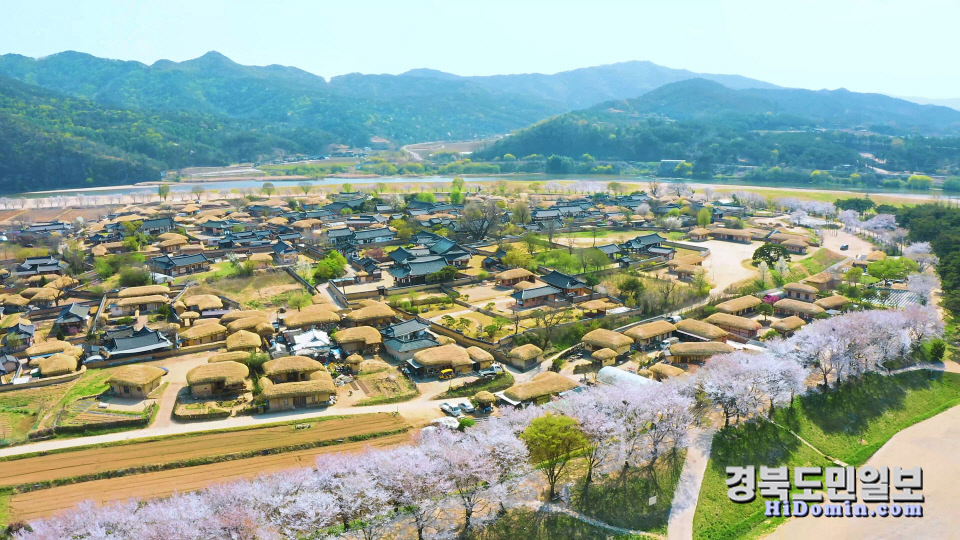
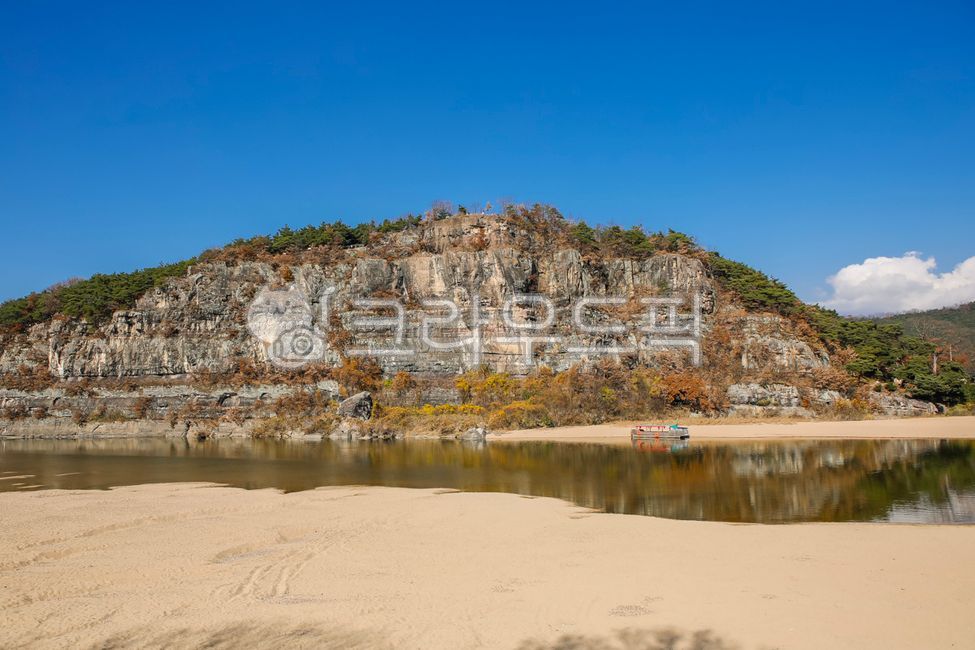
Hahoe Folk VillageA historic village where you can explore traditional houses and folk culture.
1
Hahoe Folk VillageA historic village where you can explore traditional houses and folk culture. -
 2
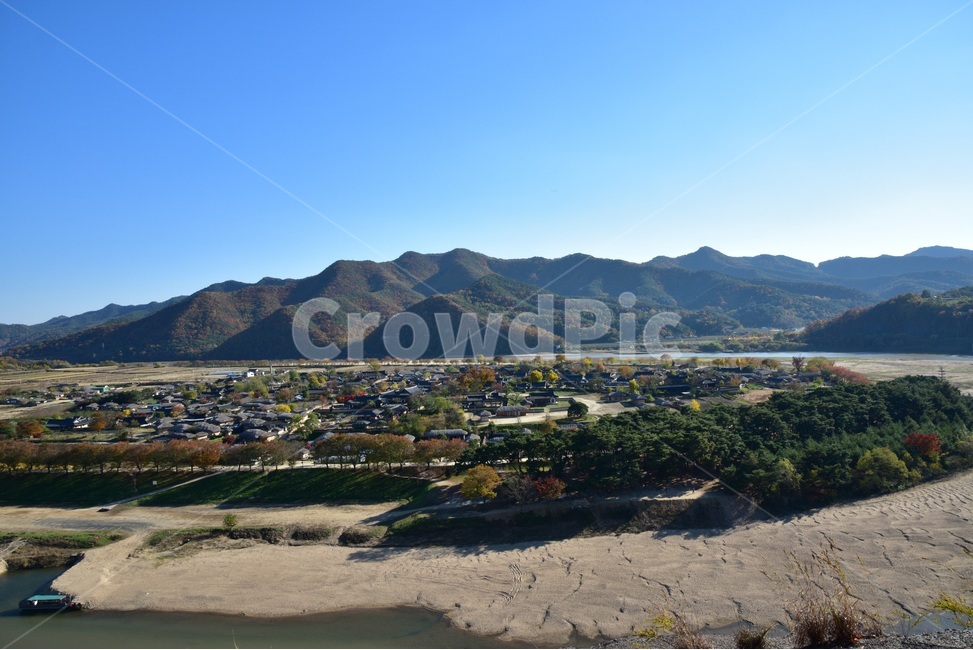
Buyongdae CliffClimb to the cliff-top observatory for panoramic views of Hahoe Village and the Nakdong River.
2
Buyongdae CliffClimb to the cliff-top observatory for panoramic views of Hahoe Village and the Nakdong River. -
 3
3
Food & Dining 3
-
 4
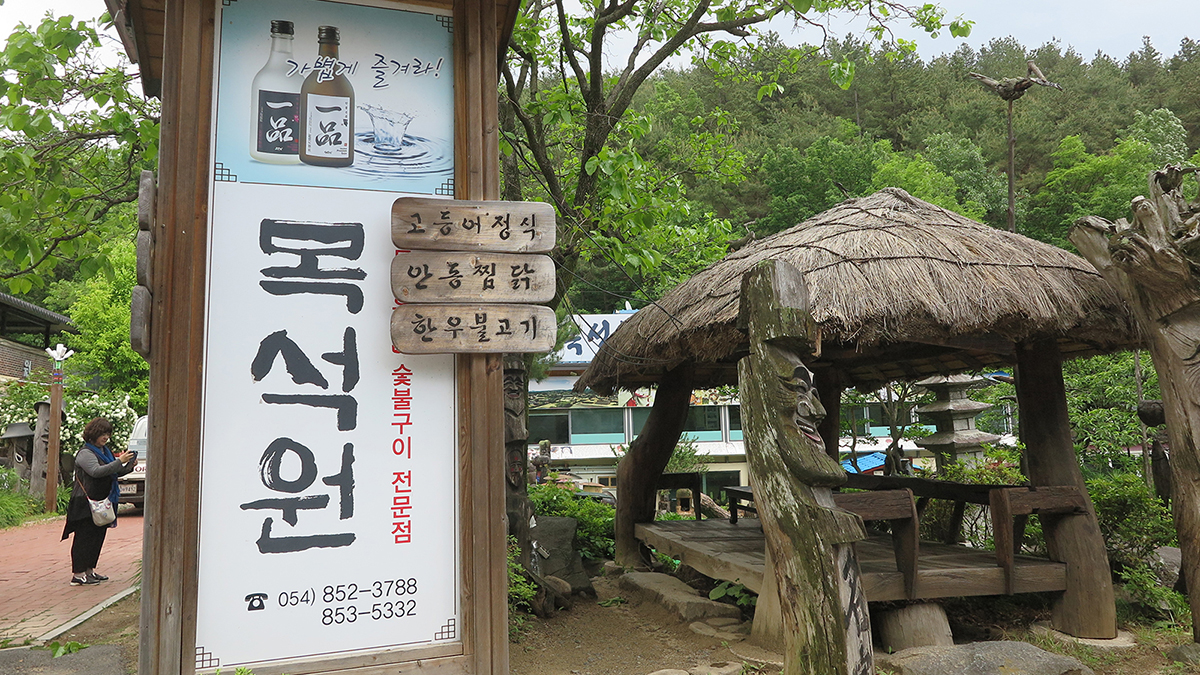
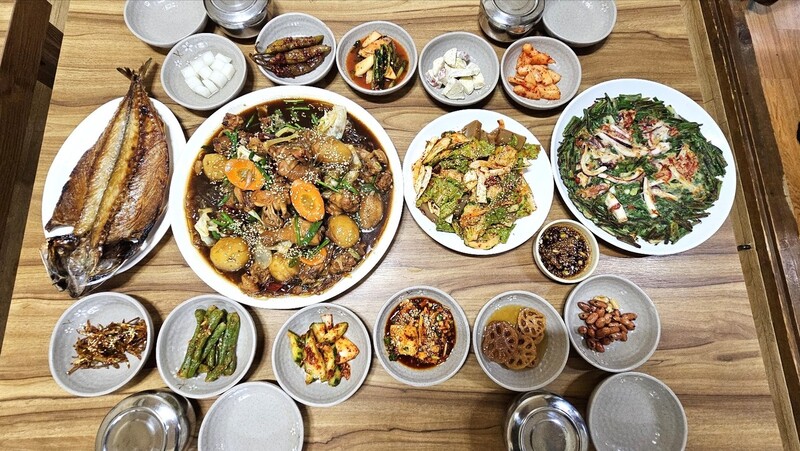
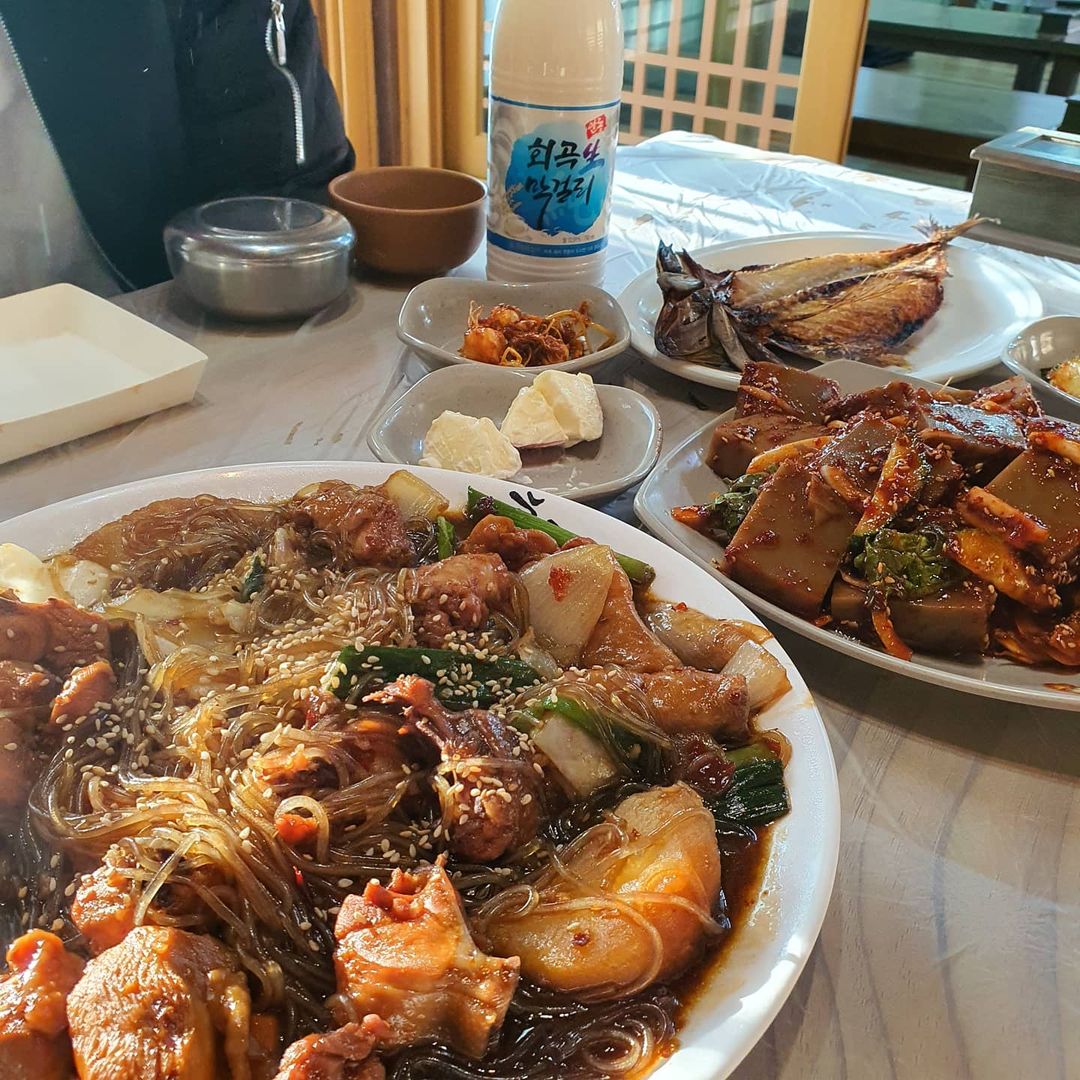
MokseokwonEnjoy Andong-style jjimdak and a set meal featuring charcoal-grilled salted mackerel.
4
MokseokwonEnjoy Andong-style jjimdak and a set meal featuring charcoal-grilled salted mackerel. -
 5
Hahoe Solbat RestaurantWe serve Andong jjimdak, set meals with salted mackerel, and Korean pancakes.
5
Hahoe Solbat RestaurantWe serve Andong jjimdak, set meals with salted mackerel, and Korean pancakes. -
 6
6
Events in This Area
Festivals in This Area
More Travel Guides in This Area
 Travel Guide
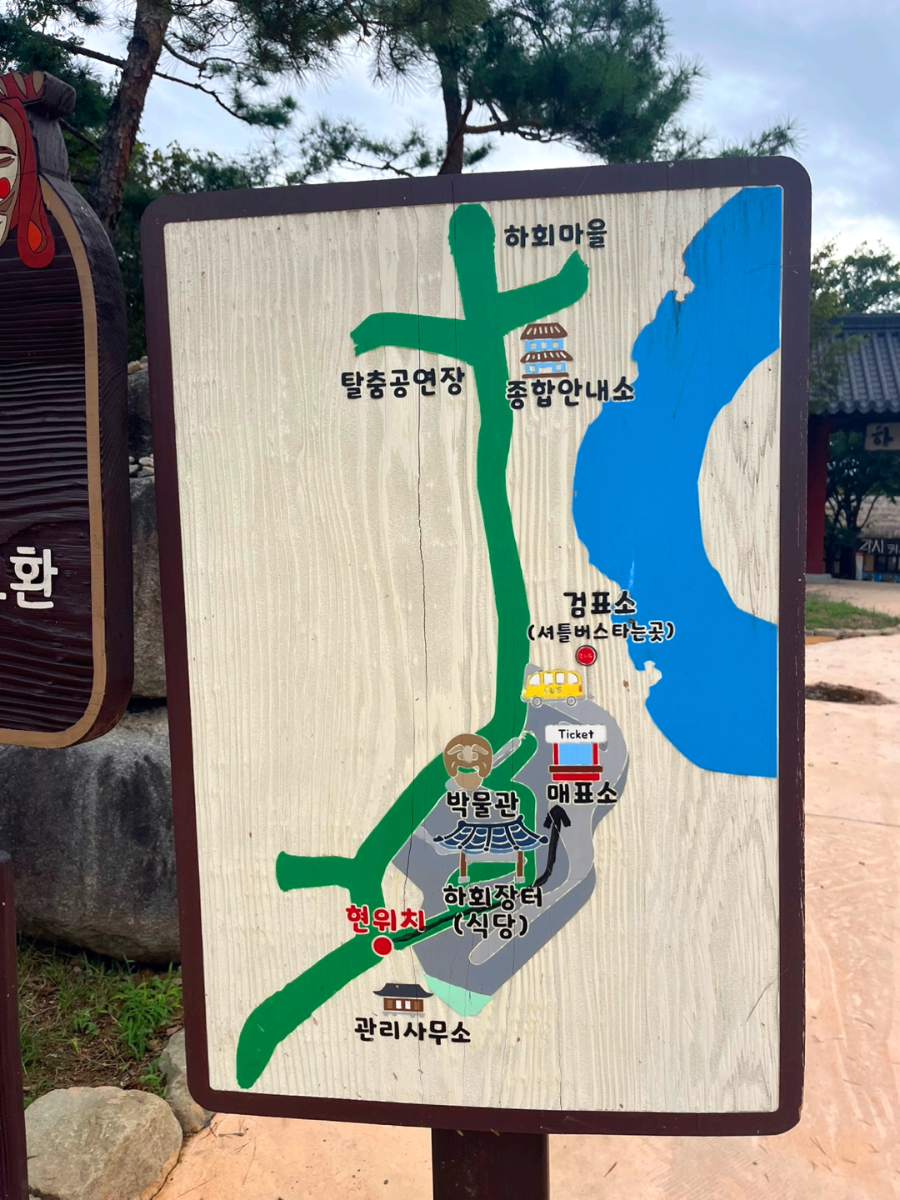
Andong Hahoe Village, the 600-Year-Old Village of the Pungsan Ryu Clan Shaped by the Nakdong River’s S-Curved Meanders
 Travel Guide
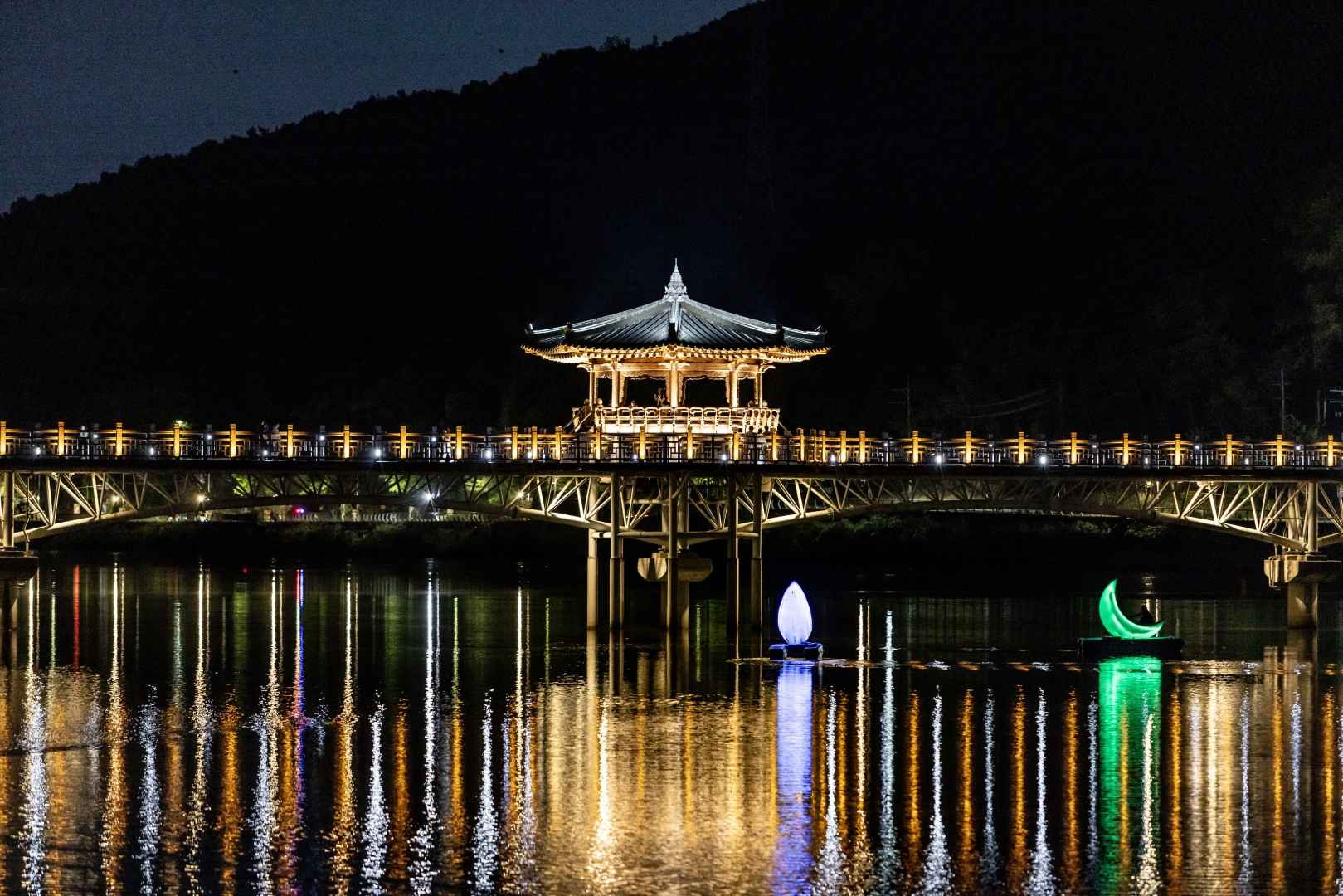
Andong Wolyeonggyo Bridge, 387 m, Connecting the Stories of Moonlight and Straw Shoes
 Travel Guide
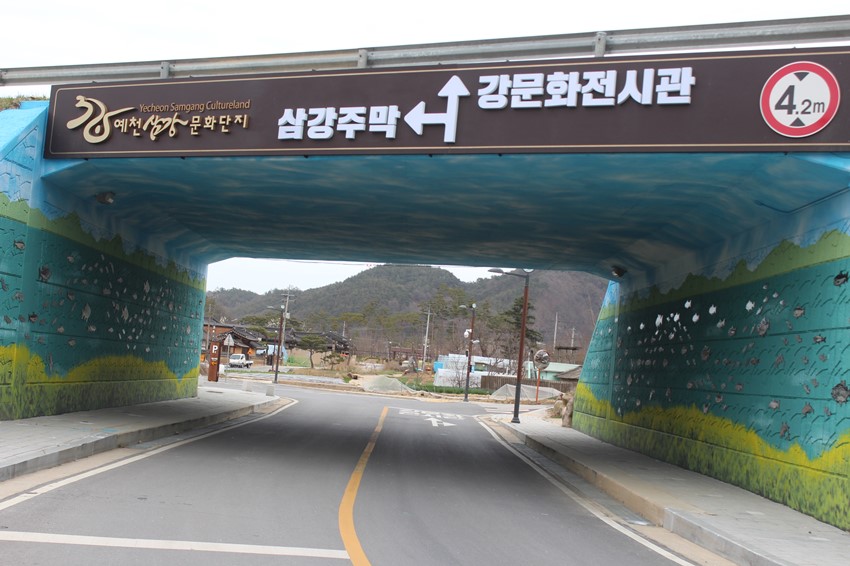
Samgang Tavern Where Three Nakdong River Waterways Meet: A Yecheon Ferry Landing Walk Starting at 10 a.m.
 Travel Guide
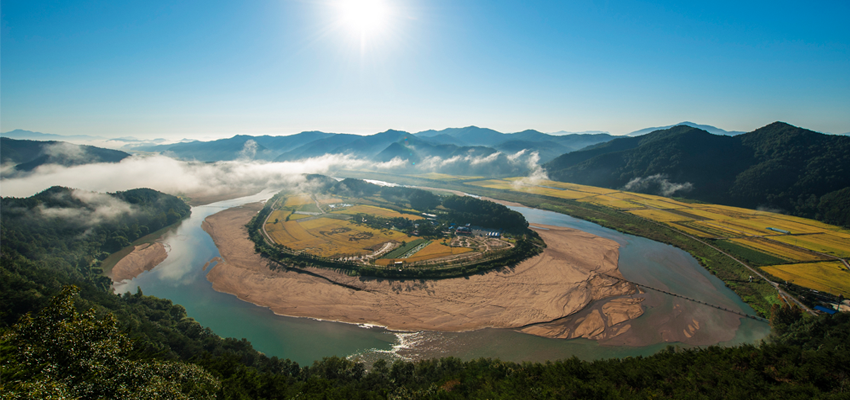
Meet Hoeryongpo Along the 350-Degree Naeseongcheon Waterway and First Ppongppong Bridge
Korea News
 News
News
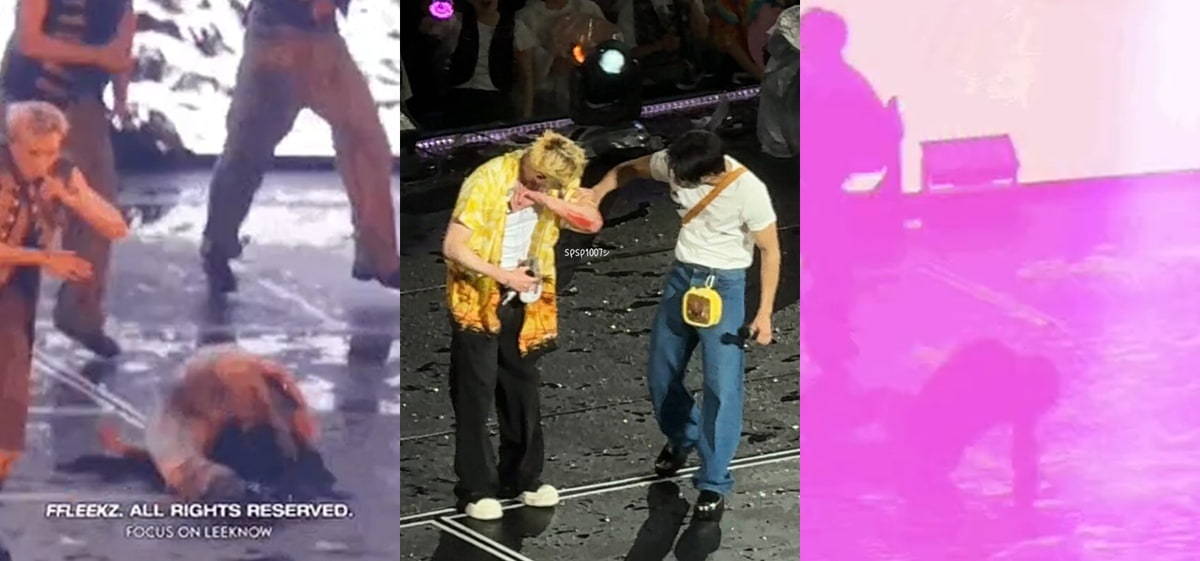
During Stray Kids’ stage, a “thud” left him bleeding… Lee Know was taken to the hospital
 News
News
'Comeback' LE SSERAFIM holds a confident and relaxed press conference
 News
News
Jang Won-young: This girl has grown so much… Shares childhood photos to celebrate her birthday
 News
News