Joseon Publishing and Woodblock Printing at the Jeonju Wanpanbon Culture Center
Located in Jeonju Hanok Village, the Wanpanbon Culture Center showcases Wanpanbon editions and woodblocks, part of Jeonju’s historical publishing heritage, and offers hands-on experiences ranging from printing to bookbinding. The center mainly operates free exhibitions. Checking the seasonal hours, Monday closure, and operating conditions for each experience program in advance makes it easier to plan your visit.

I’ve been here?
Your check-in helps the next traveler.
21 people viewed this week Be the first
One tap — no writing needed
A Complete Edition House Opened on October 18, 2011
Wanpanbon Culture Center is a cultural center in Jeonju Hanok Village that opened on October 18, 2011, to preserve the publishing heritage produced in the Jeonju area and revisit Jeonju’s history and culture as a center of publishing culture. Since January 2017, Daejanggyeong Culture School has operated the center as its new entrusted operator.
“Wanpanbon” refers to old books and their editions published in Wansan, the former name of Jeonju. Since it includes more than 60 types of Wanyeongbon published by the Jeolla Gamyeong Provincial Office, as well as Banggakbon editions published privately for sale, this is not simply a space displaying one type of antique book.
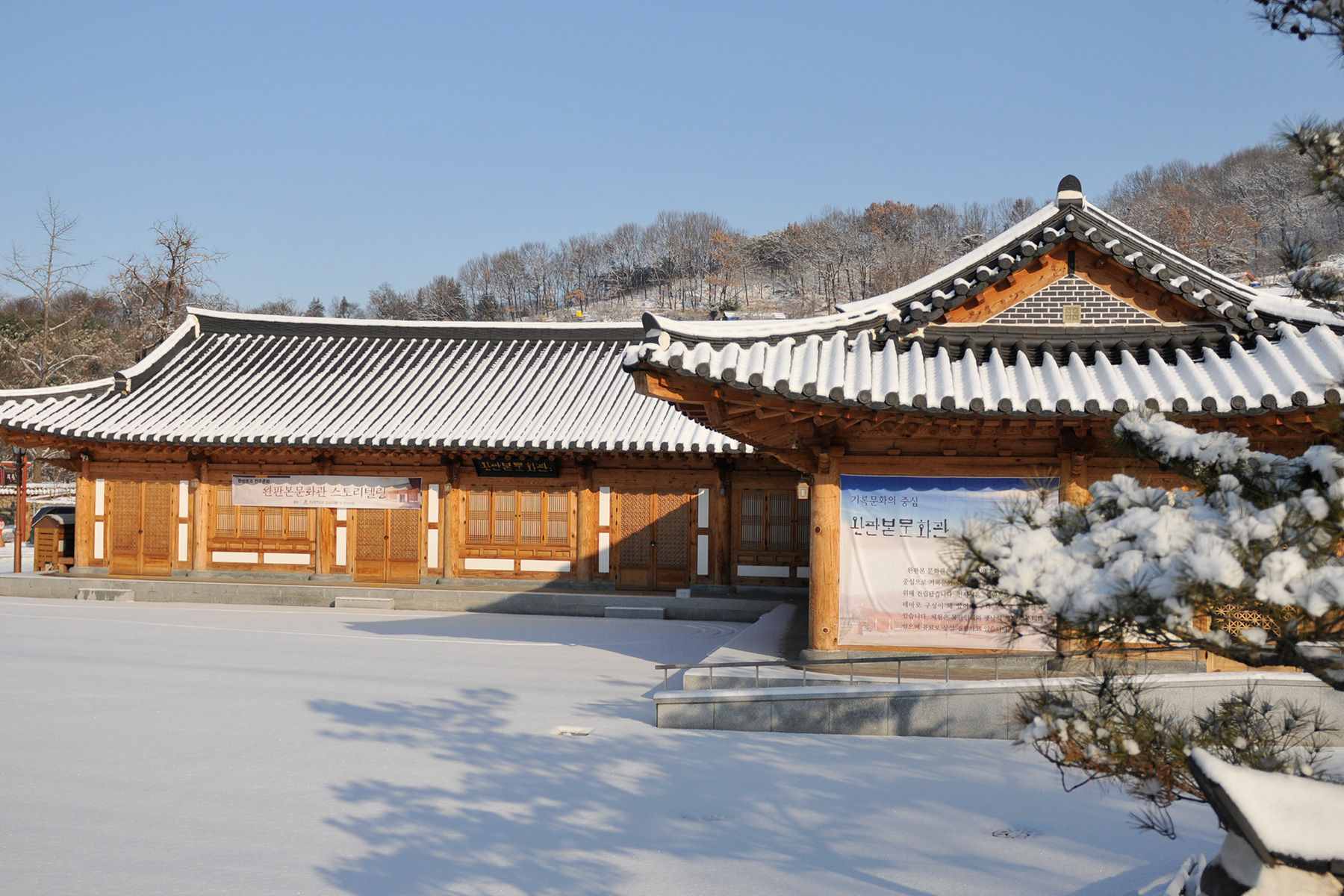
Distinguishing the Wanyeongbon of the Jeolla Gamyeong from Private Banggakbon Editions
The permanent exhibition explains the role of Wanpanbon Culture Center as a hub of Jeonju’s documentary culture and knowledge production. Jeonju City’s 2025 exhibition guide introduces the birth and structure of Joseon publishing culture, focusing on Wanyeongbon editions published by the Jeolla Gamyeong and private publishers, as well as Wanpan Banggakbon editions created in response to the public demand for reading.
In the exhibition rooms, visitors can see Wanyeongbon books of Korean classic novels, history books and literary collections published by the Jeolla Gamyeong, and the Four Books and Three Classics. The production process of Wanpanbon editions and reproduced woodblocks and books are also displayed, allowing visitors to follow the process from woodblock to book rather than viewing only completed books.
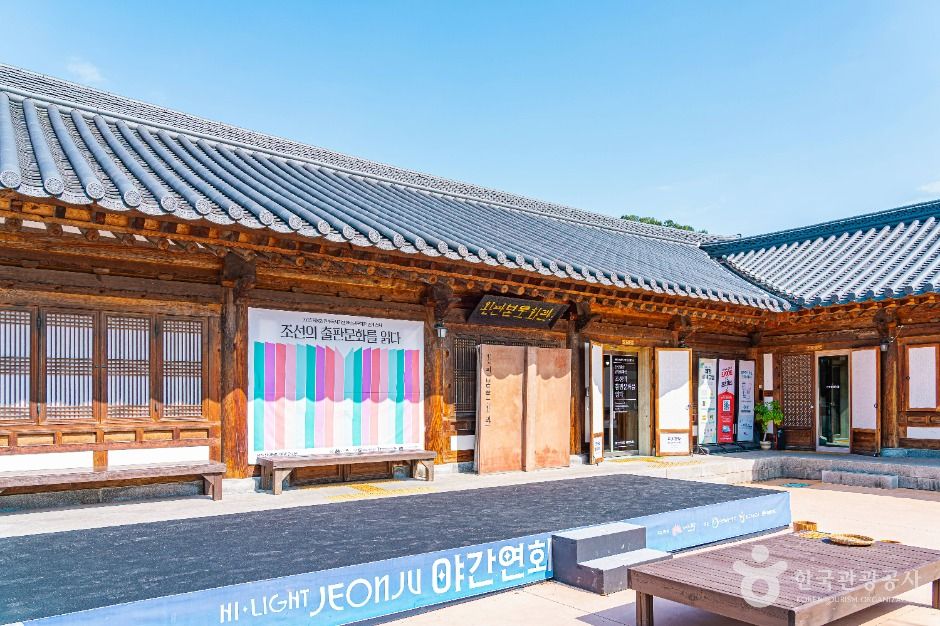
Free Exhibitions and Seasonal Opening Hours Starting at 10:00
According to tourist information, admission to Wanpanbon Culture Center is free, while experience programs may have different fees. Opening hours are 10:00–17:00 during winter from December through February, 10:00–20:00 during summer from June through October, and 10:00–18:00 from March through May and in November.
The regular closing day is every Monday. Therefore, free exhibitions and experiences should both be excluded from a Monday itinerary. Since no separate information is provided about the final admission time during summer, visiting during the day with some spare time is safer than arriving right at 20:00.
- Winter: December–February, 10:00–17:00
- Spring and autumn shoulder seasons: March–May and November, 10:00–18:00
- Summer: June–October, 10:00–20:00
- Closed: Every Monday
How to Reach 24 Jeonjucheondong-ro on Your First Visit
The address is 24 Jeonjucheondong-ro (Gyodong), Wansan-gu, Jeonju-si, Jeonbuk State, postal code 55045. The center is located inside Jeonju Hanok Village. Nearby verified distances include 0.14 km to Jang Hyeon-sik’s Historic House, 0.17 km to Jeonju Hyanggyo, and 0.22 km to the Jeonju Woodblock Calligraphy Experience Center.
Public information does not specify the names of nearby bus stops, bus route numbers, train station exit numbers, or walking times from the station. For foreign visitors coming for the first time, the clearest method is to enter the street address exactly into a map app and set 24 Jeonjucheondong-ro as the destination inside the hanok village. Jeonju Hanbyeok Culture Center is located at 20 Jeonjucheondong-ro and can be used as a nearby landmark.
For parking, the official Wanpanbon Culture Center guide recommends using the free parking lot at the National Intangible Heritage Center. However, details about available spaces and parking fees have not been confirmed in the public information, so drivers should avoid planning their itinerary on the assumption that they can park directly in front of the center.
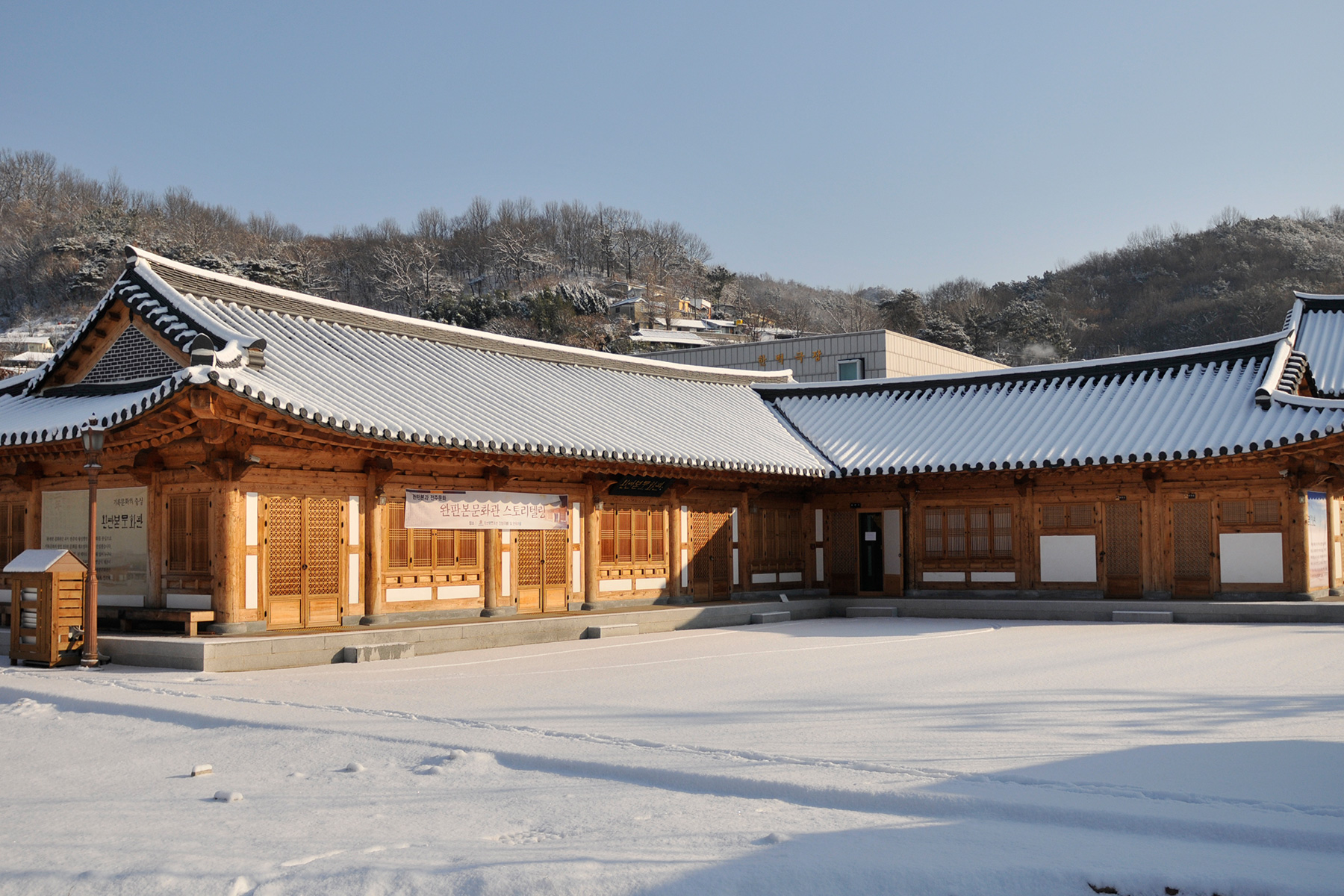
Applying Ink to a Woodblock and Pressing Hanji to Print
Jeonju City’s official guide describes the woodblock printing experience as applying ink directly to an activity woodblock owned by the center and printing on hanji. The Korea Tourism Organization also describes the process as applying ink to a woodblock, placing paper on it, and pressing to print. Visitor reviews mention that participants were able to take home the results they made themselves.
The experience list includes woodblock printing, hanji postcards, and making an old-style book. The bookbinding experience involves binding individual woodblock prints in the style used when Wanpanbon editions were popular. Making a sujinbon involves decorating a cover with traditional hanji, filling the inside, and creating a portable book.
Woodblock carving and book-stamp experiences are mainly offered to groups. It cannot be assumed that individual travelers can participate in every experience on site, and the latest fees and whether individual reservations are required have not been confirmed in the public information. Visitors whose main purpose is an experience should therefore inquire by phone.
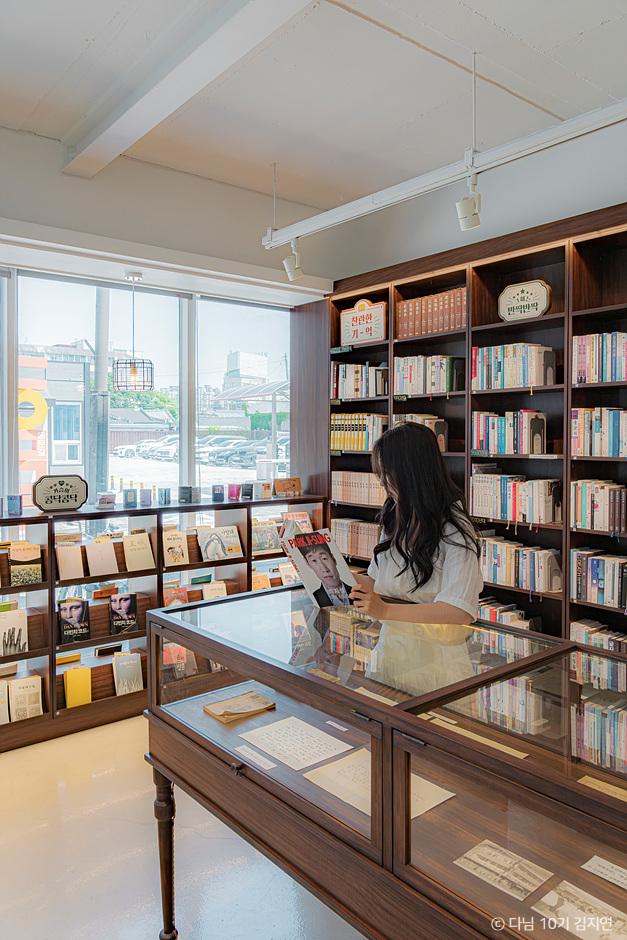
The 50-Seat Seminar Room and Exhibition Rooms Also Accommodate Group Events
Wanpanbon Culture Center has a 50-seat seminar room suitable for various cultural events. The exhibition rooms and outdoor courtyard can also be rented, so the center is used not only for general visits but also as a venue for lectures and group cultural events.
Educational programs include lectures and storytelling related to Wanpanbon editions. Jeonju City’s guide describes Wanpanbon School as a free program held every Saturday and storytelling as a free expert special lecture held twice a month. It also states that any group or individual wishing to participate may join the storytelling program.
Exhibition visits and educational or hands-on programs operate differently. In particular, woodblock carving and book-stamp experiences focus on groups, while rental inquiries are handled by phone. For independent travelers in small groups, the practical approach is to make the exhibition the core itinerary and inquire separately about program participation.
Why Choose Woodblock Postcards and Bookstands as Souvenirs
The center sells postcards made using woodblock prints. Even travelers who feel reluctant to purchase an entire book can choose a postcard featuring a woodblock-printed image, providing a small way to take Jeonju’s publishing culture home.
Products for sale also include bookstands and business-card holders featuring woodblock prints. The fact that the book blocks and printed patterns seen in the exhibition continue into practical goods distinguishes them from typical Hanok Village souvenirs.
However, product prices, stock, and payment methods are not provided in the public information. It has also not been confirmed whether only cash is accepted or whether card payments are available, so visitors who particularly want to purchase a certain item should ask about payment methods first.
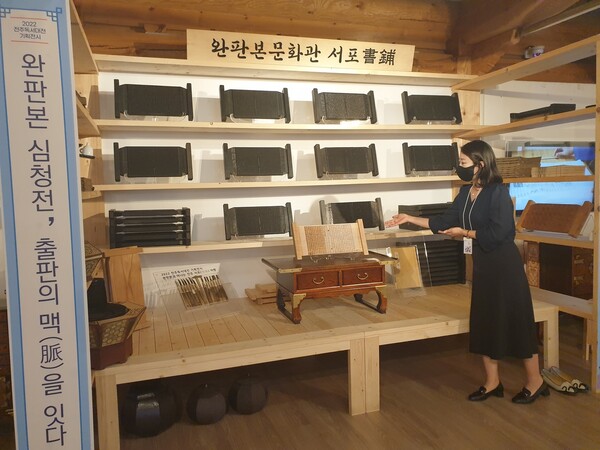
Plan Separately for a 30-Minute Visit and a One-Hour Experience
Guides based on visitor reviews state that viewing Wanpanbon Culture Center takes approximately 30 minutes to one hour. Experience programs may add another 30 minutes to one hour depending on the program, so the schedule should be calculated separately for simply viewing the exhibition and for including printing and binding.
An exhibition-only itinerary is easy to combine with Jang Hyeon-sik’s Historic House at 0.14 km, Jeonju Hyanggyo at 0.17 km, and the Jeonju Woodblock Calligraphy Experience Center at 0.22 km. Nearby Jeonju Hanbyeok Culture Center is also located around 20 Jeonjucheondong-ro, allowing visitors to link cultural facilities along Jeonjucheondong-ro in one section of their route.
Wanpanbon Culture Center has also been included as the final destination on a one-day Jeonju Library Travel course. This course operates every second and fourth Saturday from 10:00–17:00, with 17 participants per session and advance reservations required; the fee is KRW 6,000 for adults. This is the fee for the library travel program, not the center’s admission fee, so the two should not be confused.
Four Things to Ask by Phone Before Visiting
The inquiry phone numbers are listed differently: 063-231-2212 on a tourist information page and 063-231-2213 in Jeonju City’s official guide. When asking about opening hours, experience availability, current experience fees, and whether individual reservations are required, recording both numbers can reduce confusion caused by differences between information pages.
The official website is https://www.wanpanbon.kr. Public information does not confirm wheelchair or stroller access, ramps and level differences, an accessible restroom, restrictions on photography, flash, or tripods, or the availability of English information and audio guides.
For first-time foreign visitors, the key is to distinguish between the “free exhibition” and “experiences that may require payment.” Checking these four points first—Monday closure, seasonal closing times, the free parking lot at the National Intangible Heritage Center, and group-oriented experiences—can help prevent being unable to enter or missing an experience on site.
Before You Go
- Address
- 24 Jeonjucheondong-ro (Gyodong), Wansan-gu, Jeonju-si, Jeonbuk State, postal code 55045
- Hours
- Winter (December–February) 10:00–17:00 / Summer (June–October) 10:00–20:00 / March–May and November 10:00–18:00
- Closed
- Every Monday
- Admission
- Free. Fees for experience programs must be checked separately.
- Phone
- 063-231-2212 / Jeonju City official guide: 063-231-2213
- Official site
- https://www.wanpanbon.kr
- Transport
- Located in Jeonju Hanok Village. Nearby verified distances: Jang Hyeon-sik’s Historic House 0.14 km, Jeonju Hyanggyo 0.17 km, Jeonju Woodblock Calligraphy Experience Center 0.22 km
- Parking
- The free parking lot at the National Intangible Heritage Center is available.
- Time needed
- Approximately 30 minutes to one hour based on visitor reviews. Experience programs may add approximately 30 minutes to one hour depending on the program.
The information above is current as of the time of writing. Check the official information again before visiting.

Places
Nearby Attractions 3
-
 1
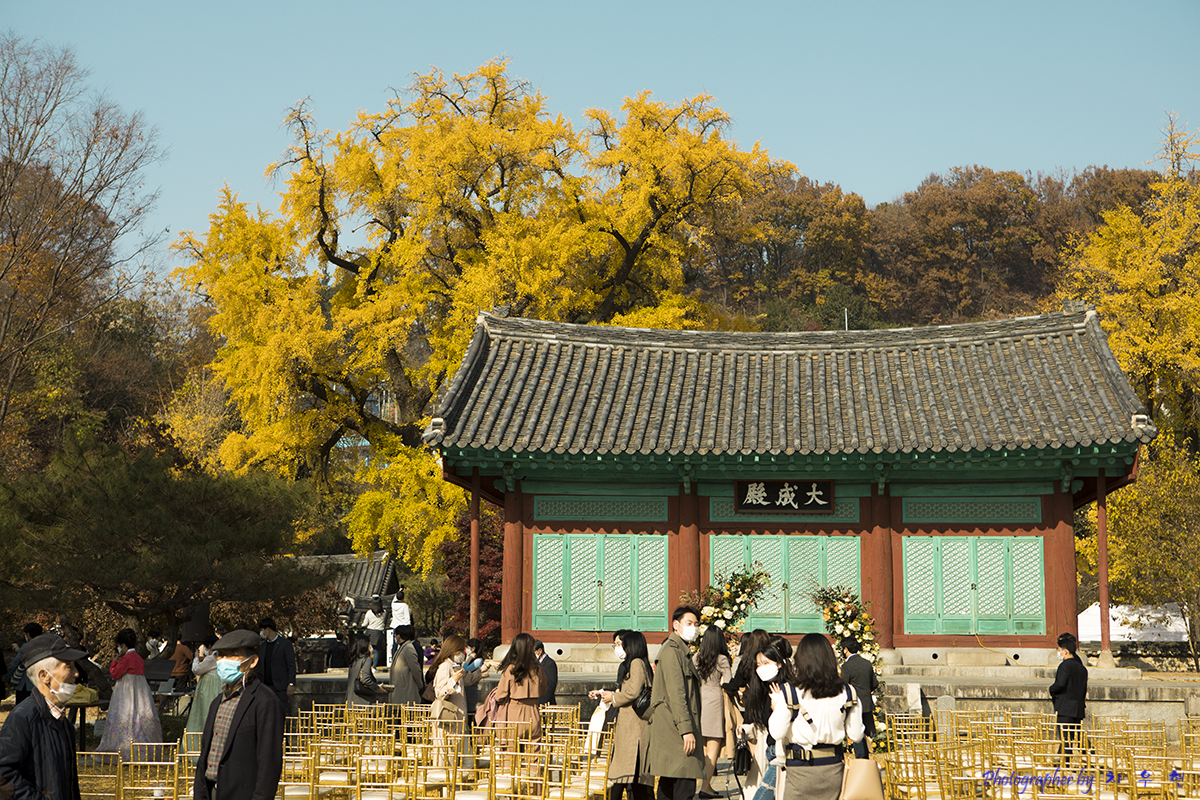
Jeonju Hyanggyo Confucian SchoolA place to explore a local educational institution from the Joseon period and learn about traditional Confucian culture.
1
Jeonju Hyanggyo Confucian SchoolA place to explore a local educational institution from the Joseon period and learn about traditional Confucian culture. -
 2
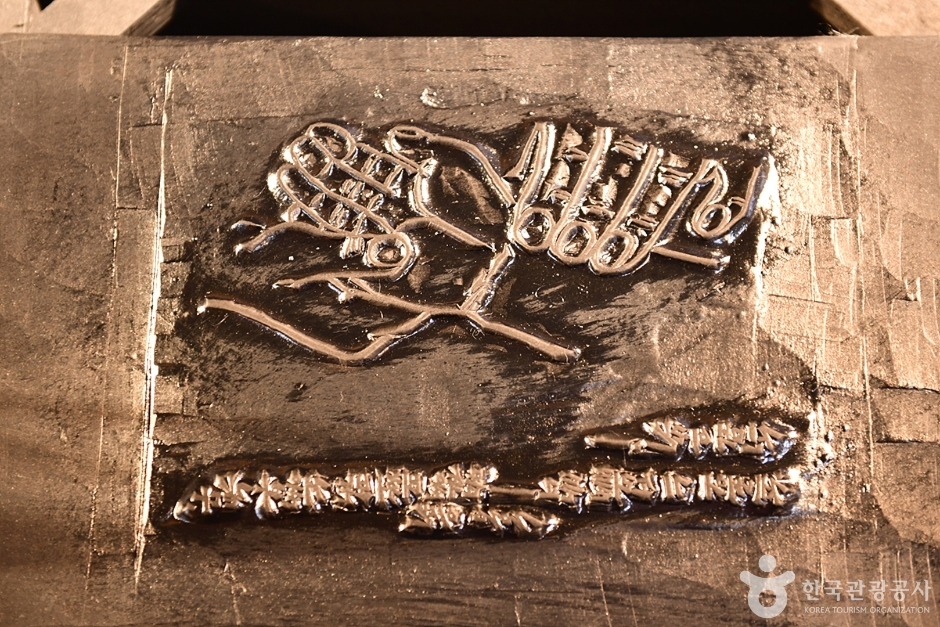
Jeonju Woodblock Printing and Calligraphy Experience CenterA place where you can view woodblock prints and calligraphy exhibitions and experience traditional printing.
2
Jeonju Woodblock Printing and Calligraphy Experience CenterA place where you can view woodblock prints and calligraphy exhibitions and experience traditional printing. -
 3
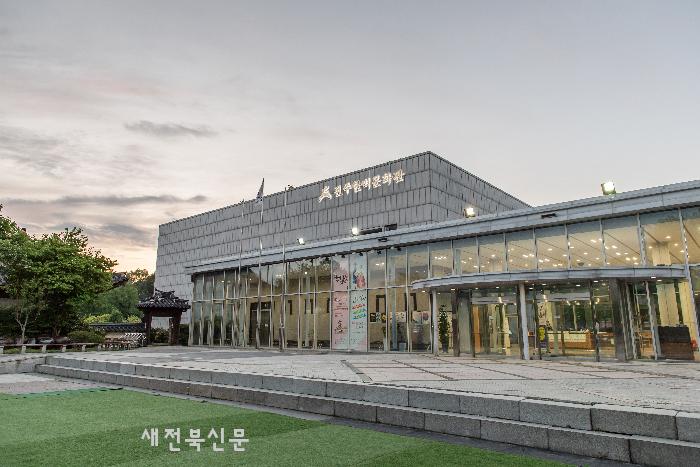
Jeonju Hanbyeok Culture CenterA cultural complex where visitors can enjoy traditional performances and a variety of traditional cultural experiences
3
Jeonju Hanbyeok Culture CenterA cultural complex where visitors can enjoy traditional performances and a variety of traditional cultural experiences
Food & Dining 2
-
 4
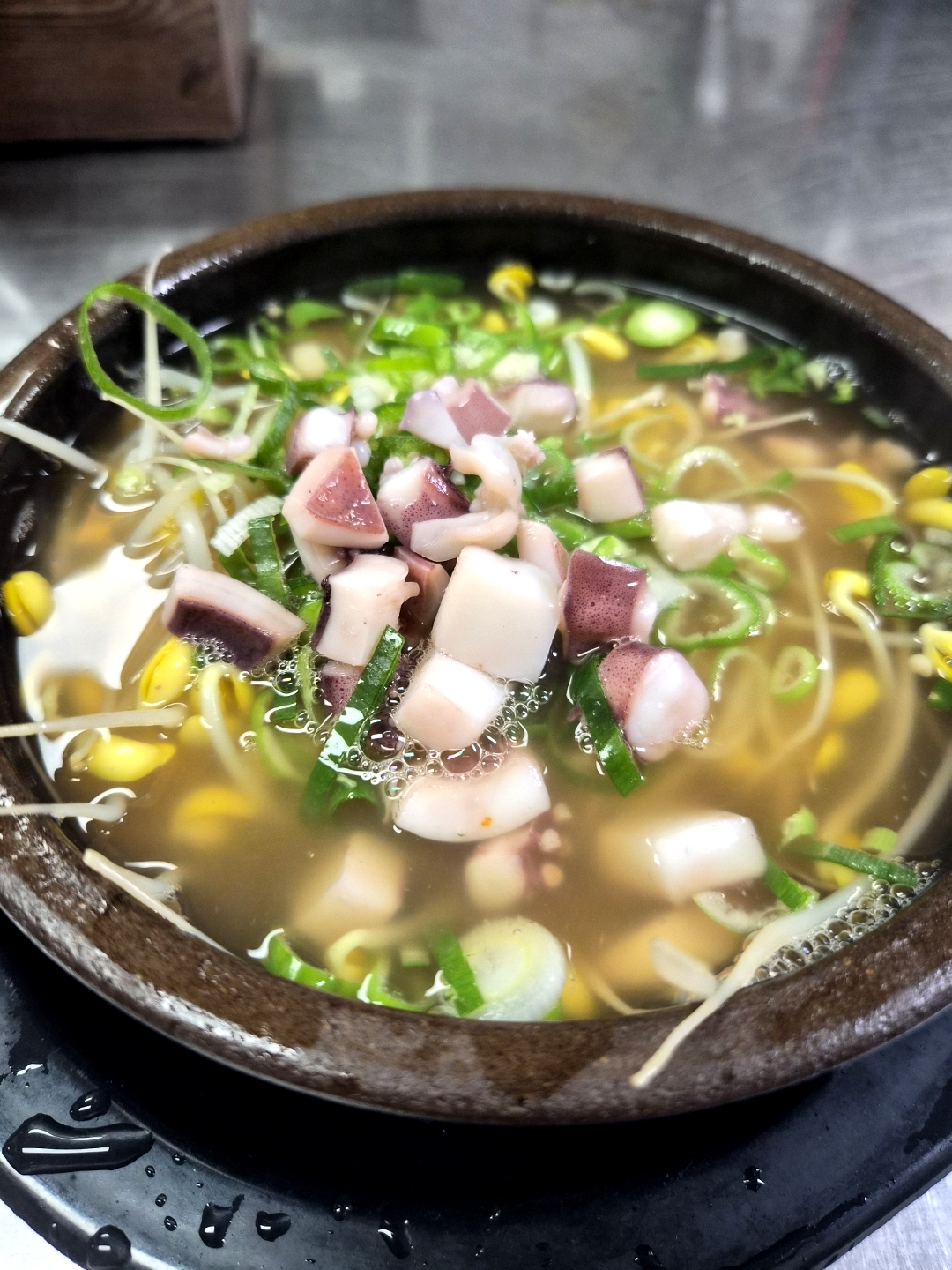
Hyundaiok Nambu Market BranchA gukbap restaurant serving Jeonju-style bean sprout soup with rice and squid toppings.
4
Hyundaiok Nambu Market BranchA gukbap restaurant serving Jeonju-style bean sprout soup with rice and squid toppings. -
 5
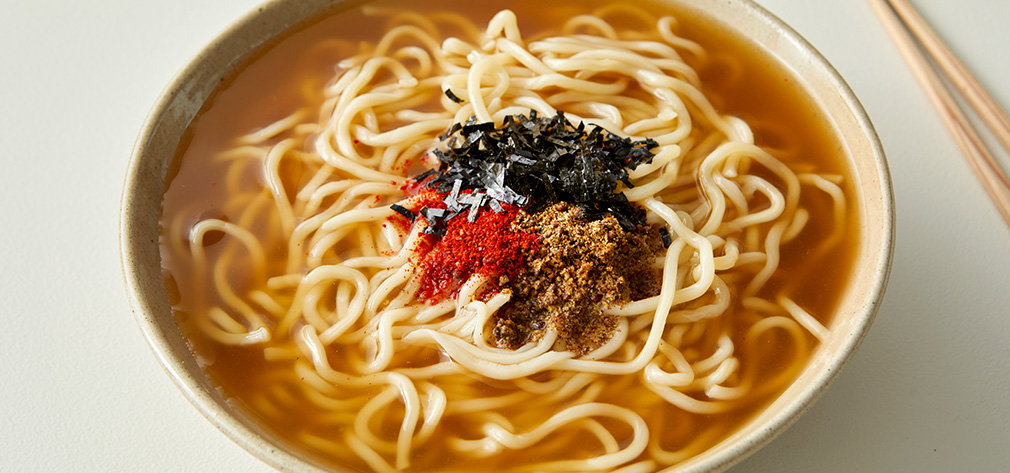
Veteran KalguksuA hanok village restaurant serving perilla-scented kalguksu (hand-cut noodle soup) and dumplings.
5
Veteran KalguksuA hanok village restaurant serving perilla-scented kalguksu (hand-cut noodle soup) and dumplings.
More Travel Guides in This Area
 Travel Guide
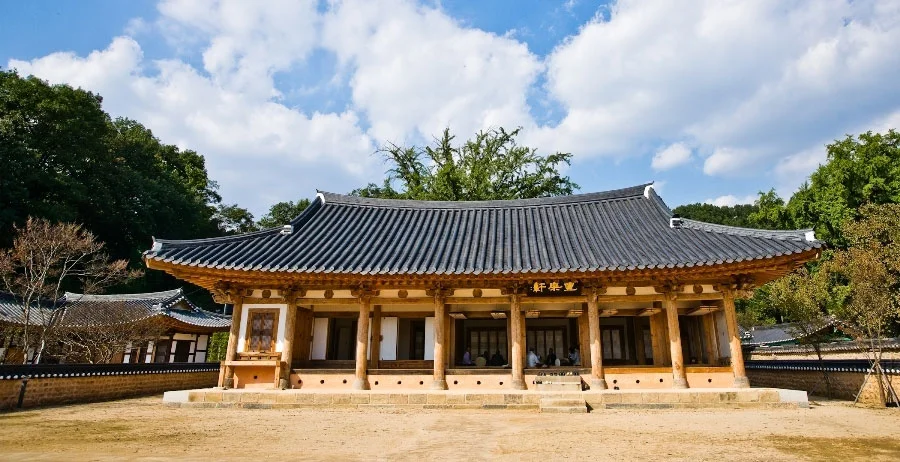
Learning Traditional Culture at Jeonju Dongheon and Five Hanok Houses
 Travel Guide
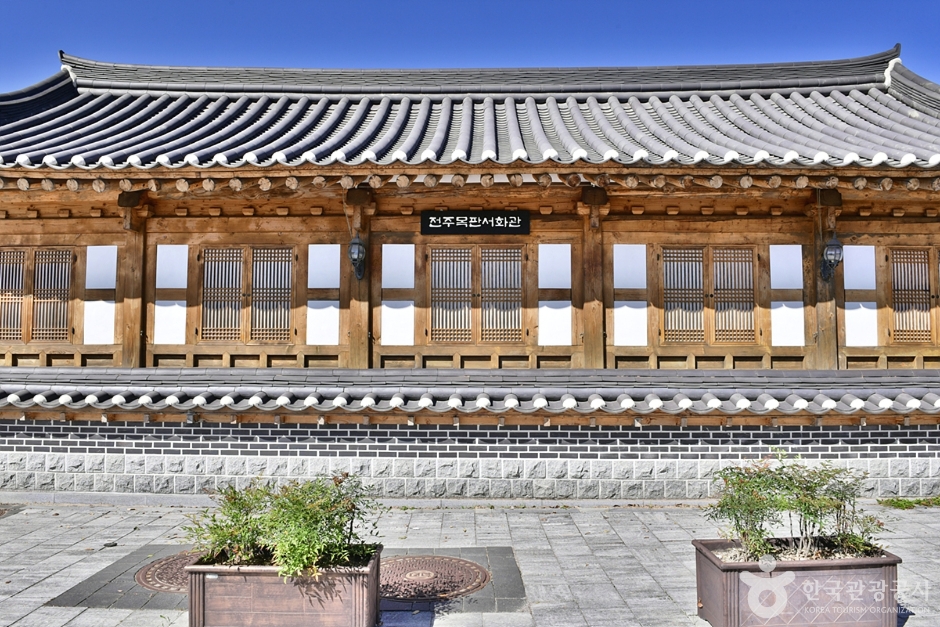
How to Make Your Own Wanpan Edition Print at the Jeonju Woodblock Printing and Calligraphy Experience Center
 Travel Guide
Discover Jeonju’s Crafts and Hanok Village Route at 15 Taejo-ro
 Travel Guide
How to Use Gyodong Foot Bath on the 2nd Floor at 61 Eunhaeng-ro
Korea News
 News
News
‘NewJeans Expulsion’ Danielle Releases Her First YouTube Video… “We Don’t Know What Will Happen Next”
![aespa’s North American Tour Has Remaining Seats Despite ‘$49’ Bargain Prices… A Stark Popularity Gap with KATSEYE [TEN Starfield]](https://kotourlive-images.s3.ap-northeast-1.amazonaws.com/news/1788485037424_a59b1932_naver_rank_thumb_0000774618_1788485037424.jpg) News
News
aespa’s North American Tour Has Remaining Seats Despite ‘$49’ Bargain Prices… A Stark Popularity Gap with KATSEYE [TEN Starfield]
![[Photo] TWICE’s Dahyun attends a film festival red carpet as an actress](https://kotourlive-images.s3.ap-northeast-1.amazonaws.com/news/1788485316508_edd43ecd_news_870a60a6-6f11-4d73-aa7c-48d91318a0f7.jpg) News
News
[Photo] TWICE’s Dahyun attends a film festival red carpet as an actress
![[On-Site Video] “We’re Departing Separately Together”… BIGBANG Begins ‘COSMOS’ World Tour](https://kotourlive-images.s3.ap-northeast-1.amazonaws.com/news/1788485226518_c5719641_news_fdd4764a-0f4e-4968-8e4e-e98a02872f88.jpg) News
News