Jeju Folk Village in Pyoseon: Experiencing 1890s Jeju in One Loop
Jeju Folk Village is an outdoor folk museum that recreates the lifestyle of Jeju in the 1890s, during the late Joseon Dynasty, across Mountain Village, Hillside Village, Fishing Village, and Shamanism Village sections. By observing the low thatched roofs, Jeongnang (gate poles), Dottongsi (pigsty-restrooms), and stone walls in sequence, you can gain a detailed understanding of Jeju's history of daily life shaped by wind, volcanic rocks, and dry-field farming.

I’ve been here?
Your check-in helps the next traveler.
No one has checked in yet Be the first
One tap — no writing needed
1890s Jeju Life Recreated Across 157,100㎡
Jeju Folk Village (Jeju Minsokchon) is a private folk museum that recreates the culture and lifestyle of Jeju in the 1890s, the late Joseon Dynasty, in an outdoor space. The site covers 157,100㎡ and displays over 100 traditional houses where actual Jeju residents once lived, divided into a Mountain Village, Hillside Village, and Fishing Village. The Jeju Tourism Organization advises that at least 1 hour is needed for a general tour, and about 2 hours if viewing detailed exhibits.
The essence of this place is not just that it is a 'collection of old houses.' It is important to note that the villages were divided according to the altitude of Hallasan Mountain and coastal living conditions. According to Korea Airport records, the Mountain Village represents the semi-agricultural and semi-pastoral life of the sub-plateau area above 300m sea level; the Hillside Village represents the agricultural life of the hilly plains between 100-300m; and the Fishing Village represents the semi-agricultural and semi-fishing life around natural springs below 100m.
Three Altitudes of Hallasan Dividing Mountain, Hillside, and Fishing Villages
For a quicker understanding, it is better to compare the 'location' before the 'house shape' starting from the entrance. The Mountain Village shows a space where livestock and farming coexisted, the Hillside Village shows the center of agriculture, culture, and administration, and the Fishing Village shows a life centered on fishing near the sea. It is helpful to use the fact that the composition and use of villages differed according to occupation and topography, even with the same basalt stone walls and thatched houses (Choga), as a guide for your tour.
In the Folk Belief Village (Tosoksinangchon), traces of Jeju's folk beliefs are shown through the Simbang-jip, Cheonyeo-dang, Poje-dan, Mireuk-dang, Haesin-dang, and Bonhyang-dang. Additionally, Jeju Yeongmun is a space that recreates the Jejumok Gwana (government office) of the Joseon Dynasty. Therefore, by starting from the thatched residential area and moving to the religious spaces and the government office, you can see how individual households, village beliefs, and administrative orders were connected in one place.
Jeongnang Logs: 1, 2, or 3 Signaling Time Away From Home
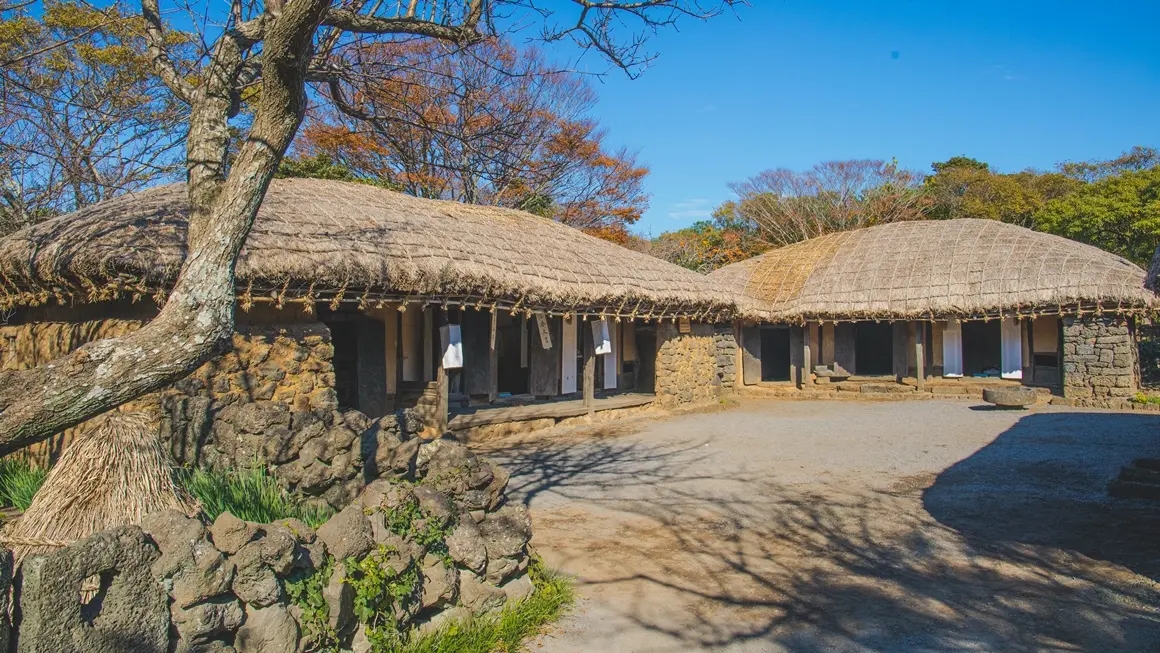
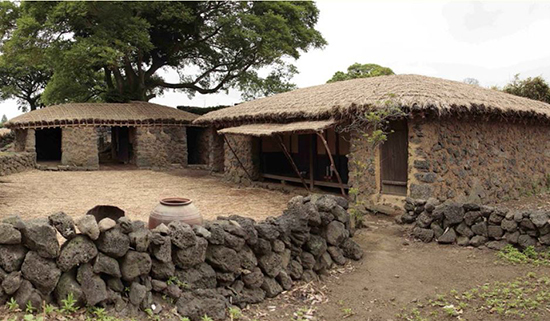
Jeju traditional thatched houses (Choga) are structured to withstand strong winds. Stones, soil, wood, and thatch (Sae) obtained from nature were used as materials, and the roofs were made low and gentle, then firmly tied down with ropes. The house walls (Jipdam) were built slightly higher than the house to block the wind. This form of Jeju thatched house was recognized for its architectural value when it was designated as Folklore Cultural Heritage No. 3 in 1978.
The layout of the Choga also differs from the distinction between the inner house (Anchae) and the detached house (Sarangchae) on the mainland. The An-geori and Bak-geori were used as living spaces for the parent and child generations, respectively, and there was a method of cooking separately even within one family. The Jeongnang at the entrance served as both a gate and a notice of absence. One Jeongnang log meant a short outing, two meant a relatively long outing, and all three meant being out for the entire day.
The Cycle of Pigs, Fertilizer, and Farming in Dottongsi
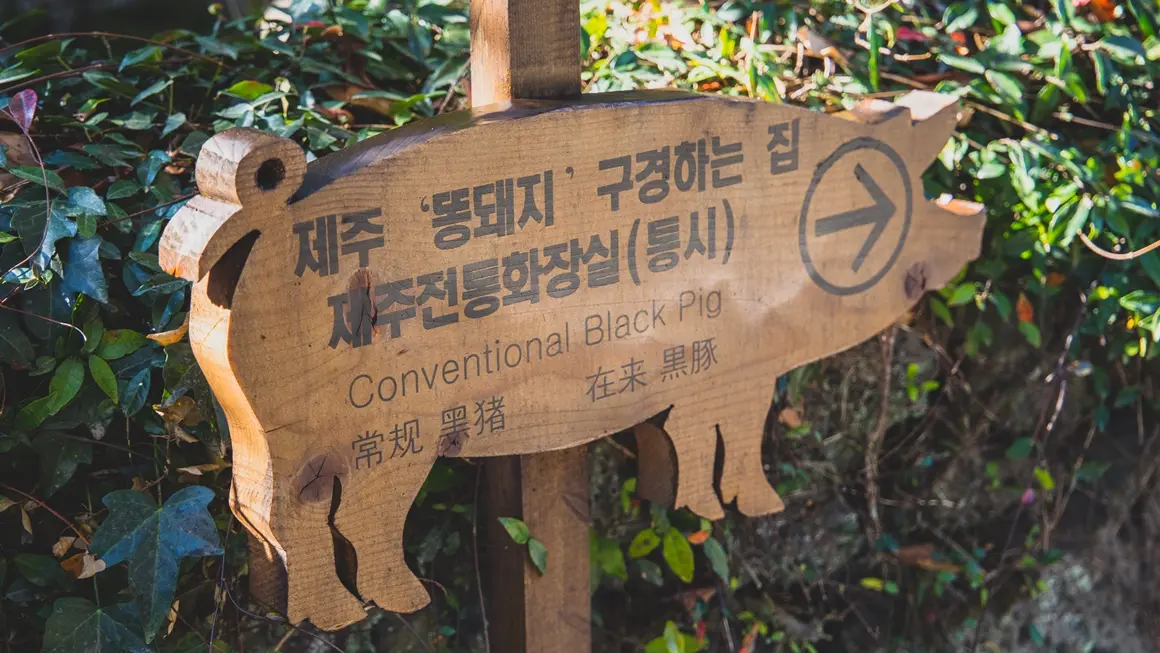
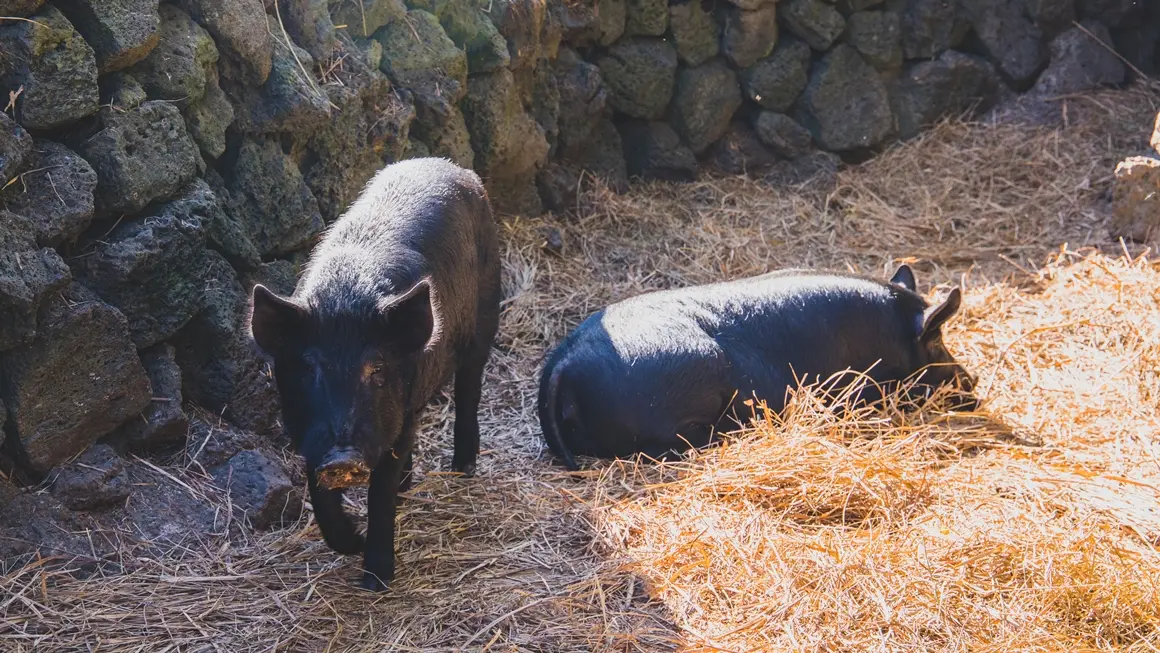
Dottongsi is a facility that combines a traditional Jeju toilet with a pigsty. It consists of the Dwitgan (a small toilet space), the Dotjib (the pig shelter below), and the Dottong (the yard where the pigs move). In the past, these were usually built about 2m deep in a corner of the yard in Jeju, with a structure where the pigs stayed below the toilet, which was bridged by two basalt stone slabs.
This facility was not just a sanitary facility, but also handled waste processing and compost production. Pigs ate leftover food and kitchen wastewater, and Dot-georeum (pig fertilizer) made by mixing straw, barley straw, ash, and livestock manure was used for field farming such as barley. Through this one small facility, you can specifically see the island's living conditions where field farming was more prominent than rice farming.
How to Distinguish Oedam, Gyeopdam, and Olledam Stone Walls
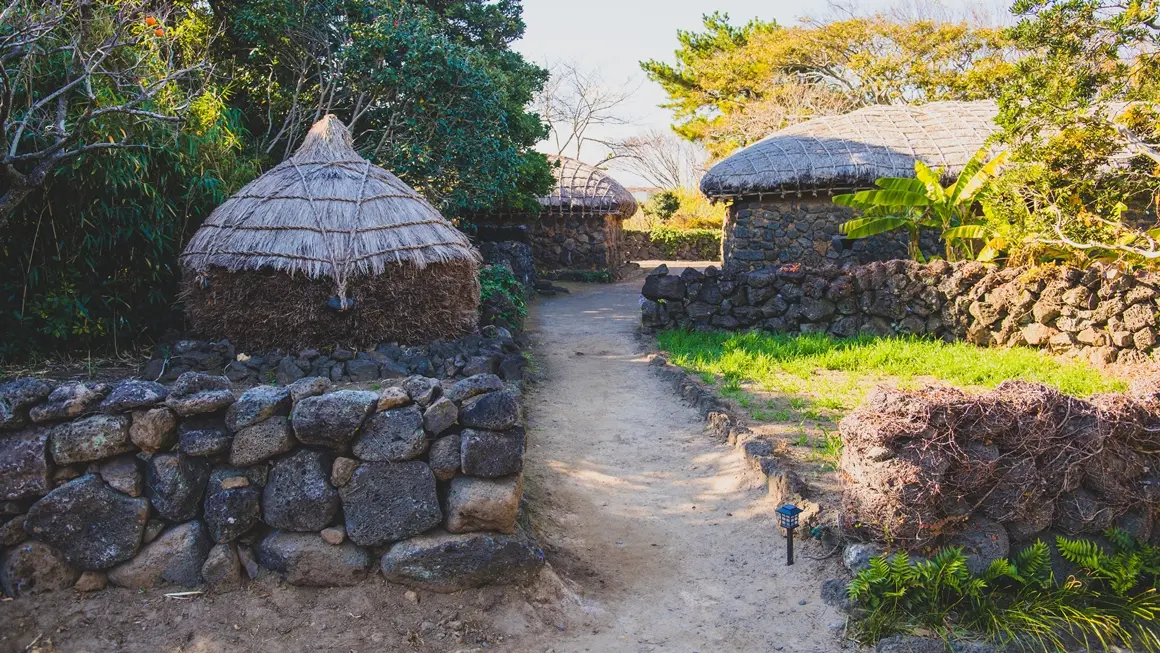
The stone walls of Jeju Folk Village show how black basalt was integrated into Jeju life. The Jipdam (house walls) that surround the boundaries of a house are divided into Oedam (single-row walls) and Gyeopdam (double-row walls), while the wall leading from the house entrance to the road is the Olledam. Here, 'Olle' originally refers to the small path leading into the house.
Batdam (field walls) are explained as walls built with stones found while cultivating fields or made to prevent horses and cattle from leaving the fields. Along the Jeju coast, there are also Wondam (stone traps) that prevent fish that entered during high tide from leaving during low tide. During your tour, it is good to view the stone walls not just as background decoration, but to compare them as boundary devices for different living spaces: houses, fields, and the sea.
08:30~18:00 Practical Info for Pyoseon Before Your Visit
According to Jeju Special Self-Governing Province public data, Jeju Folk Village is registered as operating from 08:30 to 18:00, 365 days a year. Admission fees are 11,000 KRW for adults, 8,000 KRW for youth, and 7,000 KRW for children. As this information is based on data from July 24, 2023, it is safer to reconfirm discounts, seasonal events, and closing times on the day of your visit by calling the main number at 064-787-4501. The official website is https://www.jejufolk.com.
The address is 631-34 Minsokhaean-ro, Pyoseon-myeon, Seogwipo-si, Jeju-do. Since the layout involves continuous walking between the entrance and outdoor exhibits, it is better to allow around 2 hours rather than the minimum 1 hour. Official tourism guides also suggest a route that combines Jeju Olle Course 4 and Jeju Folk Village on the same day. As up-to-date detailed information on wheelchair and stroller accessible sections, facilities for the disabled, foreign language guides, and parking conditions was not available, please inquire by phone before visiting.
- Main Phone: 064-787-4501
- Operating Hours: 08:30~18:00
- Holidays: Open year-round
- Adult Admission: 11,000 KRW
- Recommended Visit Time: Minimum 1 hour, Detailed tour approx. 2 hours
Before You Go
- Address
- 631-34 Minsokhaean-ro, Pyoseon-myeon, Seogwipo-si, Jeju-do
- Hours
- 08:30~18:00
- Closed
- Open year-round
- Admission
- Adult 11,000 KRW / Youth 8,000 KRW / Child 7,000 KRW
- Phone
- 064-787-4501
- Official site
- https://www.jejufolk.com
- Time needed
- Min. 1 hour, approx. 2 hours for detailed tour
The above information is current as of the time of writing. Please recheck official guides before visiting.

Places
Nearby Attractions 5
-
 1
1
-
 2
2
-
 3
3
-
 4
4
-
 5
5
Food & Dining 1
-
 6
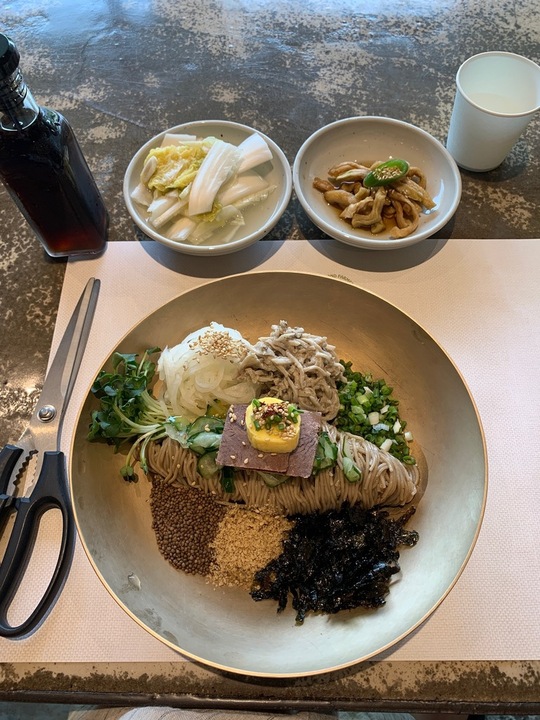
Hallasan Gup First Village Jeju Folk Village Branch
6
Hallasan Gup First Village Jeju Folk Village Branch
Events in This Area


Festivals in This Area

More Travel Guides in This Area
 Travel Guide
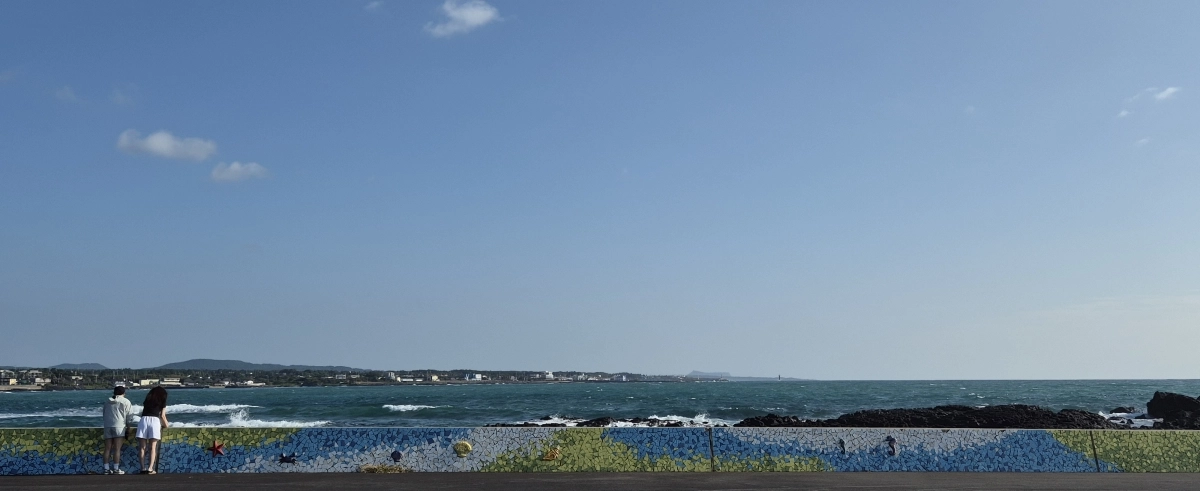
How to Experience Pyoseon Beach and Jeju Olle Trail Route 4 from Dangke Harbor
 Travel Guide
Pyoseon Jeju Herb Park: Herbs by Day and 3 Million LEDs by Night
 Travel Guide
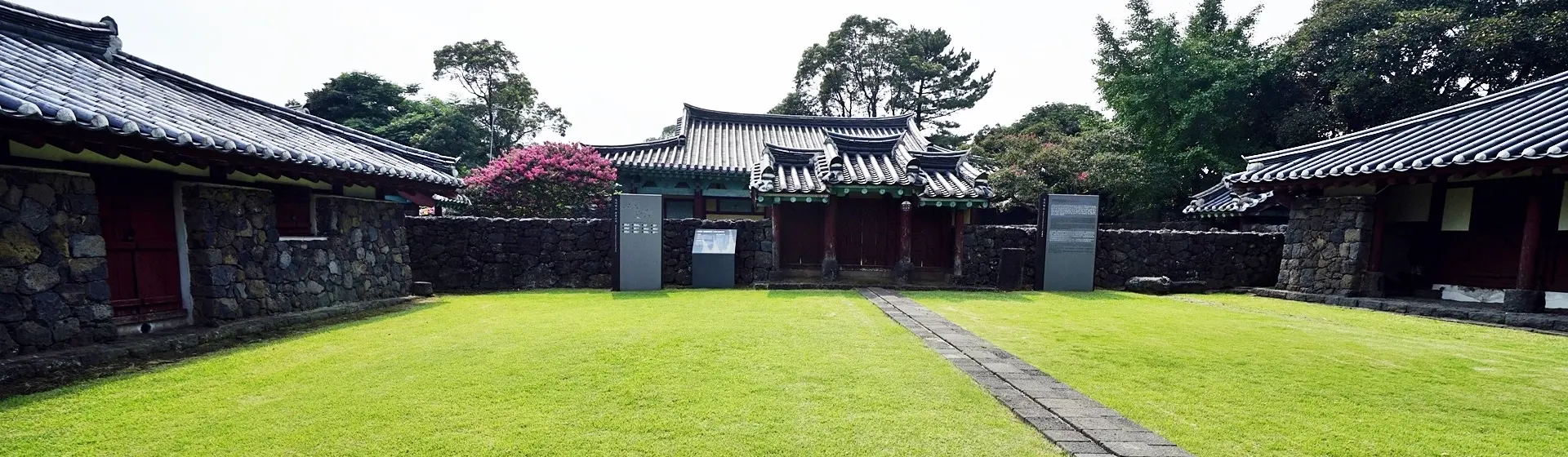
The Boundary of a 1416 Confucian Academy and Seongeup Folk Village: Jeonguihyanggyo Confucian Academy
 Travel Guide
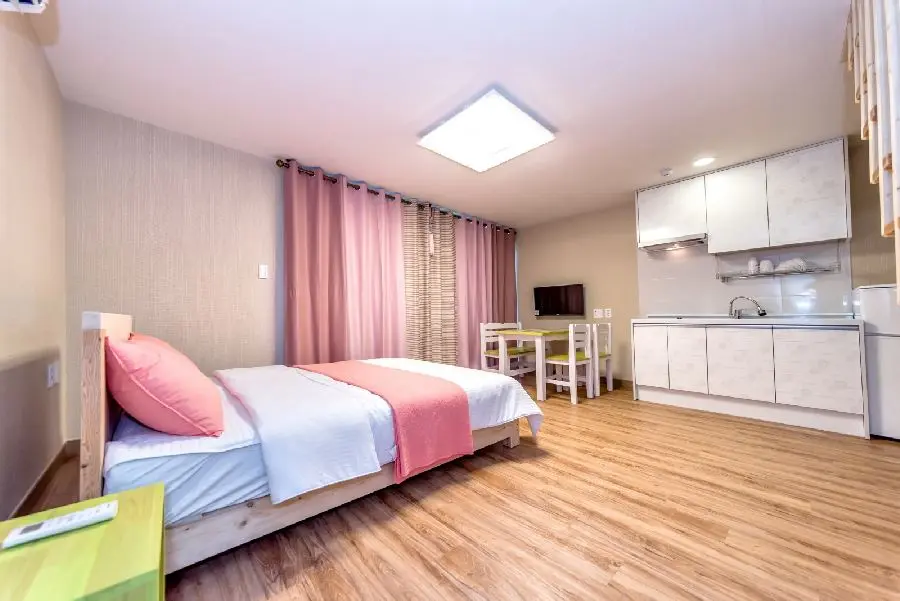
15 Room Stay Conditions to Pack for Jeju Pine Beach Pension by the Sea on Olle Route 4
Korea News
 News
News
TWS heightens comeback excitement with kitschy charm… Anticipation for “plot twist” rises
 News
News
BTS, Six Months After Its Release… ‘Arirang’ Climbs the U.S. Billboard 200
 News
News
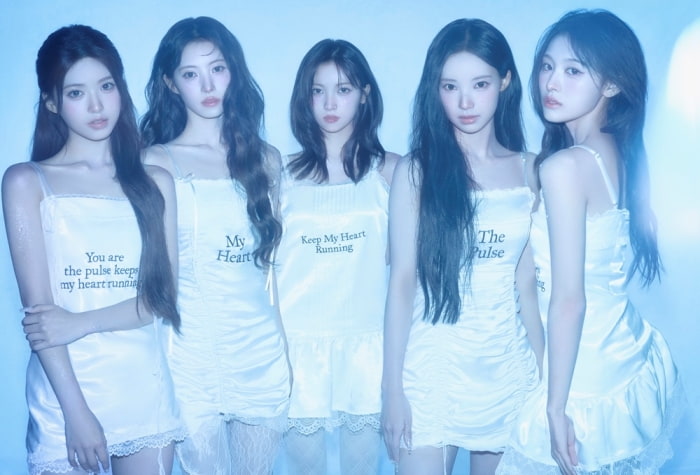
'The Nation's Girl Group' RESCENE, Five Girls Transformed into Guardians… Additional Concept Photos for Their 4th Mini Album Revealed
 News
News