18.3 km to Baekrokdam: How to Choose Between Hallasan’s Seongpanak and Gwaneumsa Trails
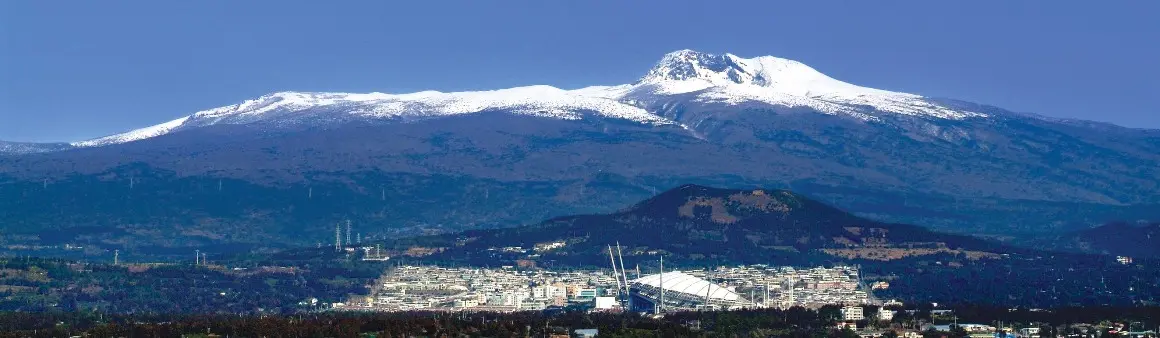
Hallasan is a mountain best understood on foot through its shield-volcano terrain at the center of Jeju and its roughly 360 oreums, or volcanic cones. Baekrokdam’s summit can be reached only via the Seongpanak and Gwaneumsa trails, so it is essential to plan ahead for reservation requirements, seasonal cutoff times, and your descent route.
I’ve been here?
Your check-in helps the next traveler.
16 people viewed this week Be the first
One tap — no writing needed
A Volcano at the Heart of Jeju, Designated a Natural Protection Area in 1966 and a National Park on March 24, 1970
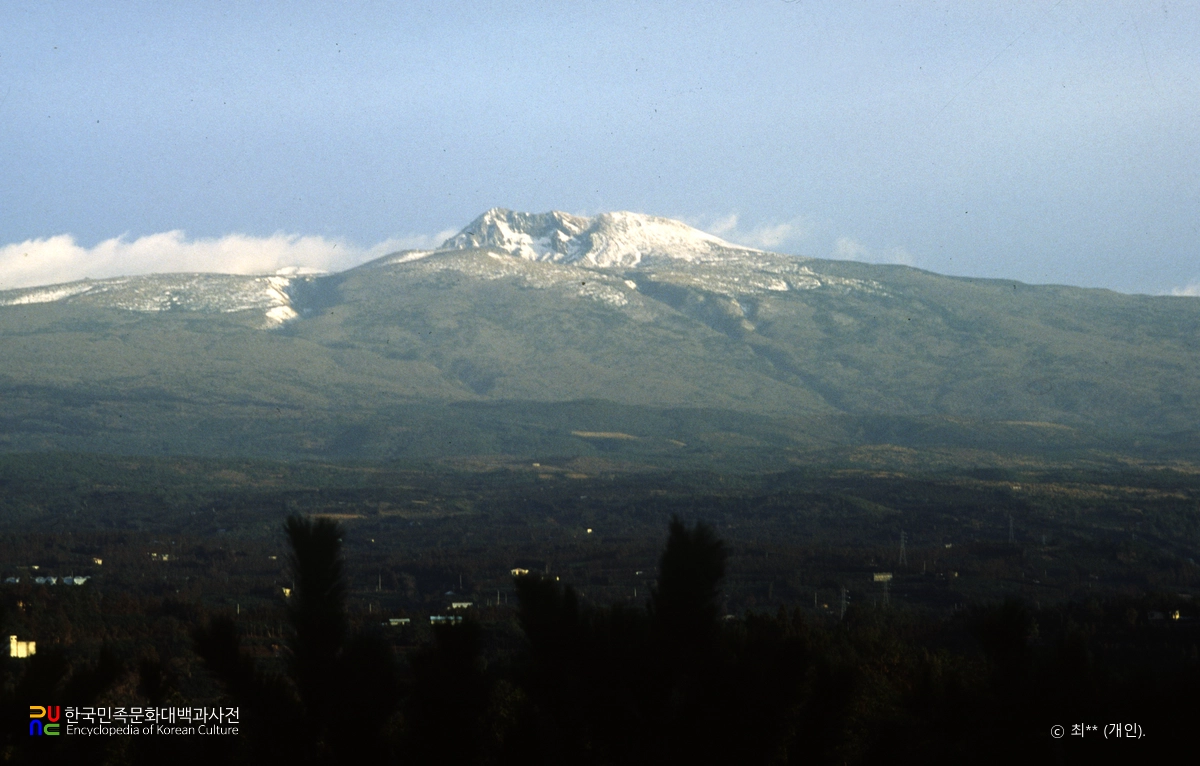
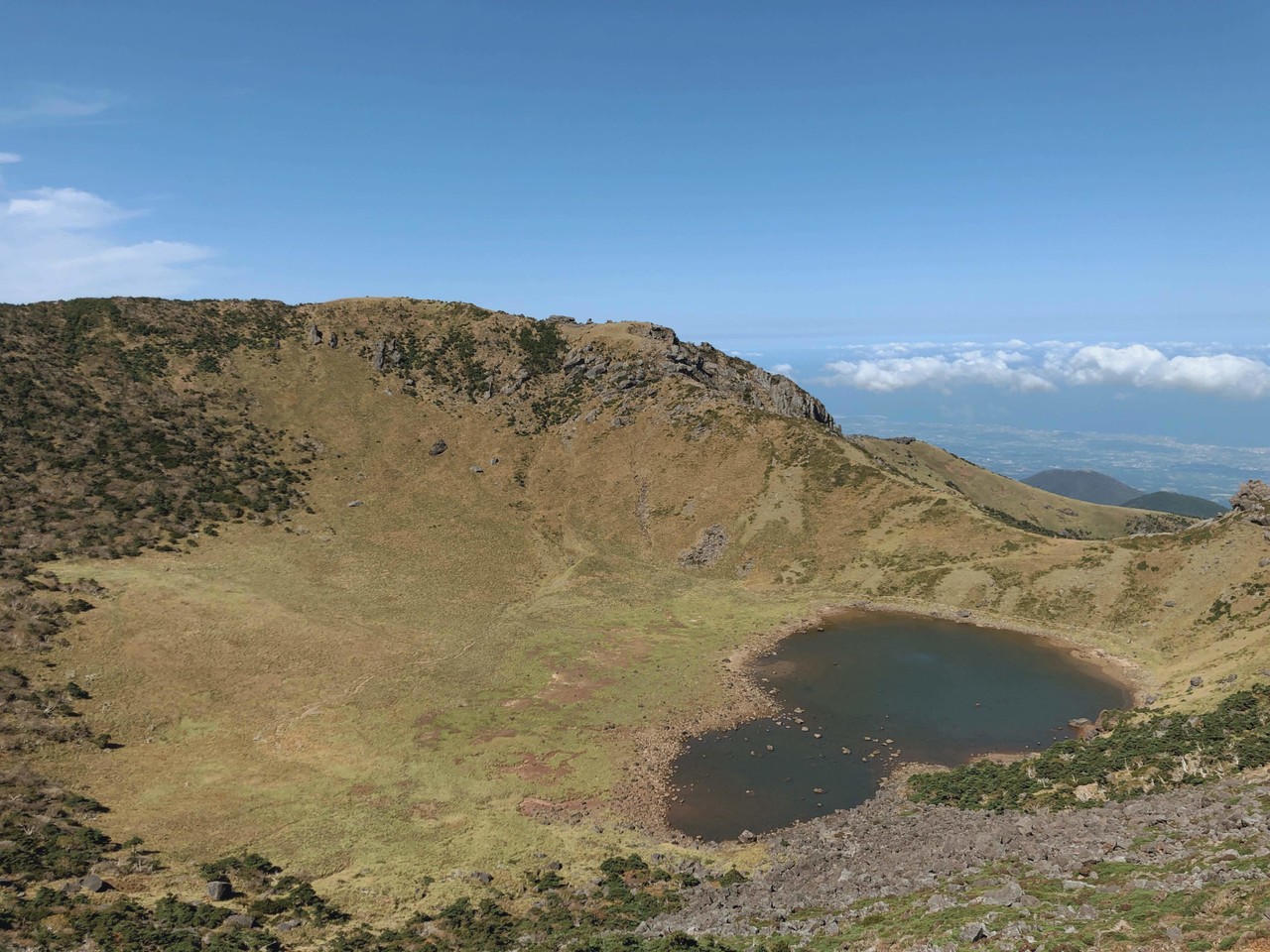
Hallasan National Park spans Jeju City and Seogwipo City and covers 153.332㎢. Hallasan was first designated as the Hallasan Natural Protection Area on October 12, 1966, and became Korea’s seventh national park on March 24, 1970. Before setting out, it is important to understand why the high-elevation area, including Baengnokdam Crater Lake at the summit, is a protected area rather than simply a hiking destination.
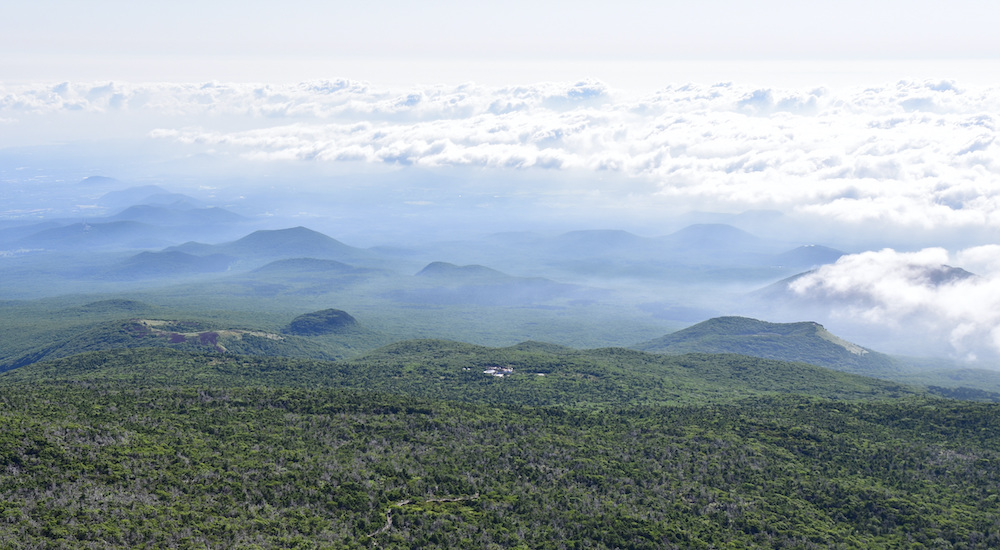
The Jeju Tourism Organization introduces Hallasan as a young volcanic-island landscape formed during the Quaternary Period of the Cenozoic Era and explains that around 360 oreum volcanic cones are distributed throughout the area. Jeju Volcanic Island and Lava Tubes were inscribed as a UNESCO World Natural Heritage Site on June 27, 2007, while Jeju Island was designated a Biosphere Reserve in December 2002 and certified as a Global Geopark on October 4, 2010.
Baengnokdam Summit Is Accessible Only via the 9.6 km Seongpanak Route or the 8.7 km Gwaneumsa Route
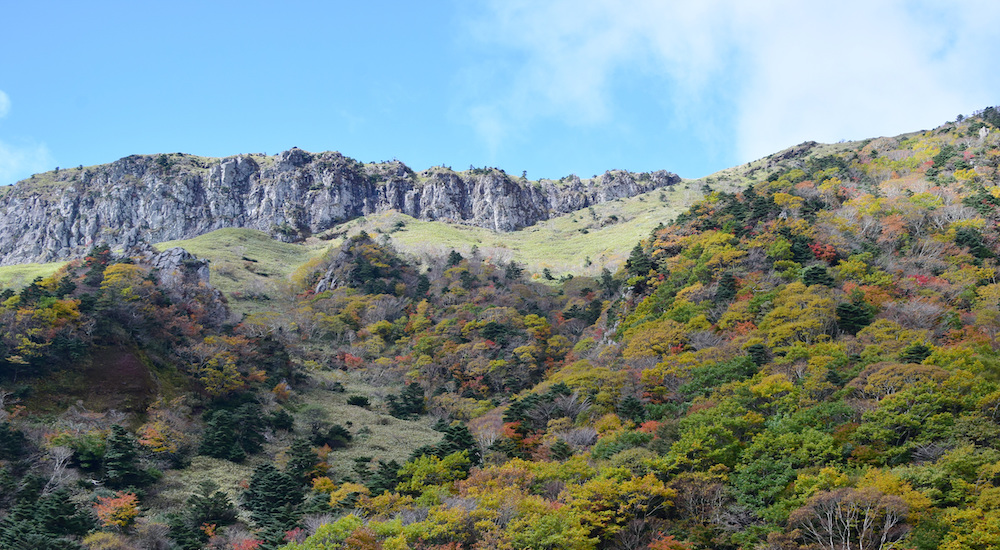
There are two routes to the summit of Baengnokdam’s eastern ridge: Seongpanak and Gwaneumsa. The Seongpanak route is 9.6 km one way and takes approximately 4 hours 30 minutes, making it the longest of Hallasan’s hiking trails. It leads from the Seongpanak entrance at 750 m through Sokbat, the entrance to Saraoreum, and Jindallaebat Shelter to the summit. Since the round trip via Seongpanak is 19.2 km, this option requires enough stamina to manage the long descent as well.
The Gwaneumsa route is 8.7 km one way and takes approximately 5 hours. Starting near Gwaneumsa Campground, it climbs through Tamna Valley, Gaemideung, Samgakbong Shelter, and Yongjingak to the summit. Official guidance describes it as a route with a large elevation difference and steep slopes. A combination that descends to Gwaneumsa after reaching the summit totals approximately 18.3 km, so first-time visitors must arrange return transportation separately even when ascending via Seongpanak and descending via Gwaneumsa.
- Seongpanak: Sokbat Shelter, Jindallaebat Shelter, and three restrooms are listed.
- Gwaneumsa: Samgakbong Shelter is available, and restrooms are located at Tamna Valley and Samgakbong Shelter.
- On both the Seongpanak and Gwaneumsa routes, the section immediately before the summit is classified as difficult.
Reservations Open on the First of Each Month, with QR Checks at Jindallaebat and Samgakbong
If Baengnokdam is your destination, you must apply for the Seongpanak or Gwaneumsa hike through the reservation system. According to the official reservation information, reservations for the following month open on the first day of each month and remain available until the end of that month. Seongpanak operates with approximately 1,000 visitors per day and Gwaneumsa with approximately 500. Reservations are made through the Hallasan Hiking Reservation System at https://visithalla.jeju.go.kr.
Since May 2025, the sections subject to reservations have been adjusted to Jindallaebat Shelter–Baengnokdam on the Seongpanak route and Samgakbong Shelter–Baengnokdam on the Gwaneumsa route. In other words, although you can walk the initial sections of both trails without a reservation, a valid reservation is required to pass the control station toward the summit. If you do not enter by your reserved time, your reservation may be treated as a no-show. Since the Seongpanak parking area is small, with space for approximately 100 vehicles, it is better not to set out relying solely on driving.
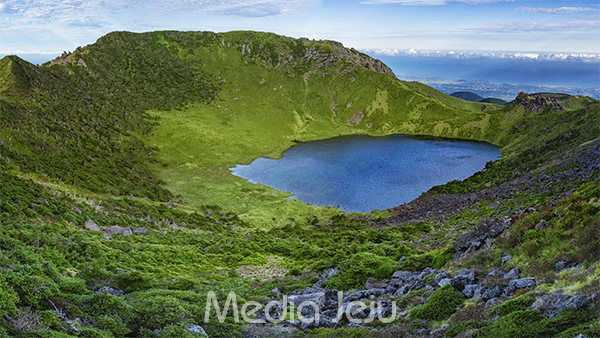
Entry Begins at 05:00, Winter Controls Start at 11:30, and Summit Descent Must Begin by 13:30
The standard opening time for Hallasan hikes is 05:00. On both the Seongpanak and Gwaneumsa routes, hikers must pass the entrance and intermediate control stations by 11:30 during the winter season from October to March and by 12:30 during the summer season from April to September. From the eastern ridge summit, descent must begin by 13:30 in winter and by 14:30 in summer.
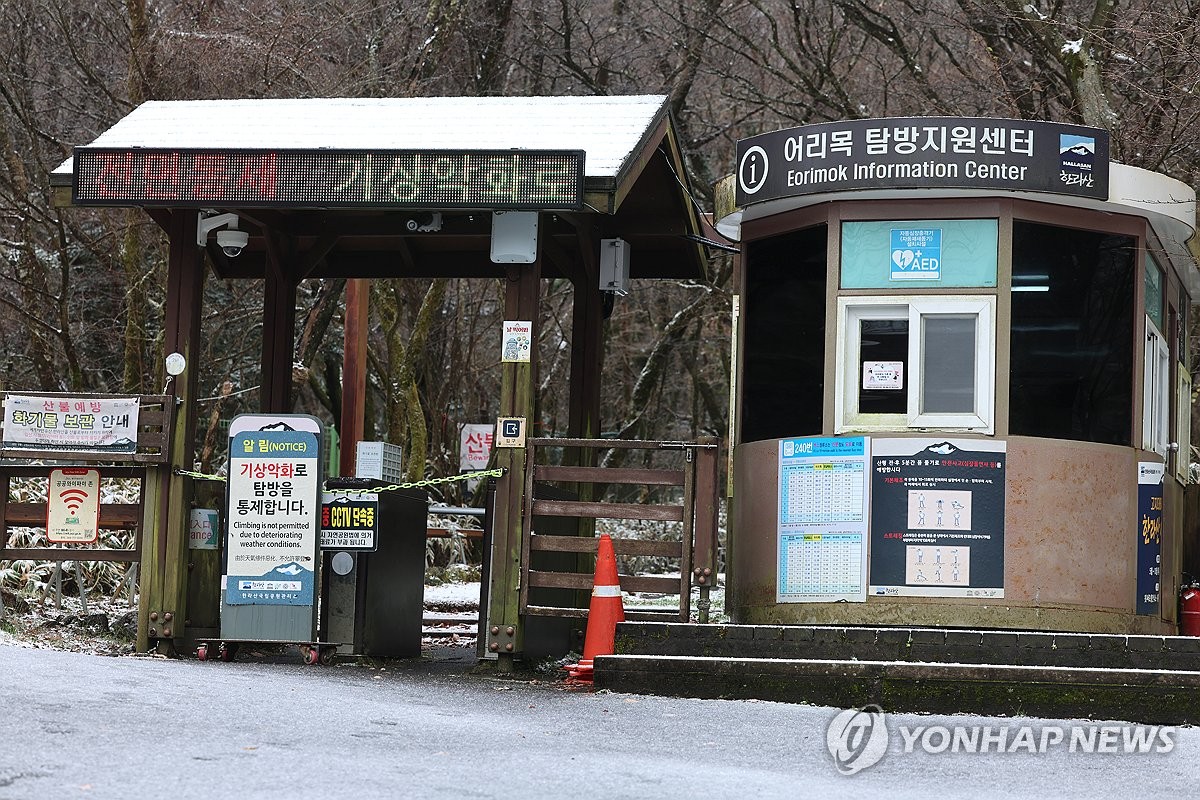
Official guidance defines April to September as summer and October to March as winter. When severe weather advisories are issued, hiking may be restricted because of heavy rain, typhoons, heavy snow, or other conditions. Even if you have a summit reservation, you must check the day’s real-time trail information and CCTV to determine whether access is restricted. From January to March 2025, Baengnokdam was also restricted for an extended period because of heavy snow and the risk of ice walls on steep sections.
- Seongpanak entrance and Jindallaebat: passage deadline of 11:30 in winter and 12:30 in summer
- Gwaneumsa entrance and Samgakbong: passage deadline of 11:30 in winter and 12:30 in summer
- Descent from the eastern ridge summit: 13:30 in winter and 14:30 in summer
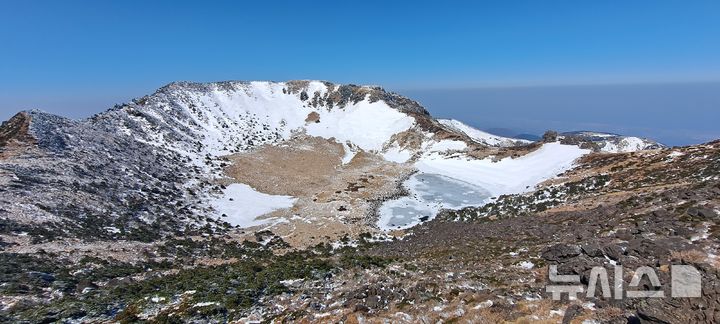
40 Minutes from Jeju Bus Terminal to Seongpanak; Transfer to Bus 475 at Jeju National University for Gwaneumsa
To reach Seongpanak, take an intercity bus bound for Seogwipo via the 5·16 Road from Jeju Bus Terminal. After approximately 40 minutes, get off at the Seongpanak entrance and walk for about 2 minutes. The timetable for express buses in the 181 series connecting Jeju Airport, downtown Jeju City, and Seogwipo also includes the Seongpanak stop, but you should reconfirm operating days and stop times through the Jeju Bus Information System before departure.
For Gwaneumsa, official guidance recommends taking a bus toward Jeju National University from Jeju Bus Terminal for approximately 20 minutes, then transferring to bus 475 at Jeju National University. Bus 475 follows Route 1117 toward the Gwaneumsa trail entrance, and the ride after the transfer is listed as approximately 5 minutes. If you climb from Seongpanak and descend to Gwaneumsa, it takes additional time to return to the parking lot at your starting point. Therefore, make a plan in advance to leave a rental car at one entrance and use a bus or taxi from the other.
The representative management office address is 2070-61, 1100-ro, Jeju City, Jeju Special Self-Governing Province, and the telephone number is 064-713-9953. Inquiries for the Seongpanak trail are handled at 064-725-9950, while inquiries for the Gwaneumsa trail are handled at 064-756-9950.
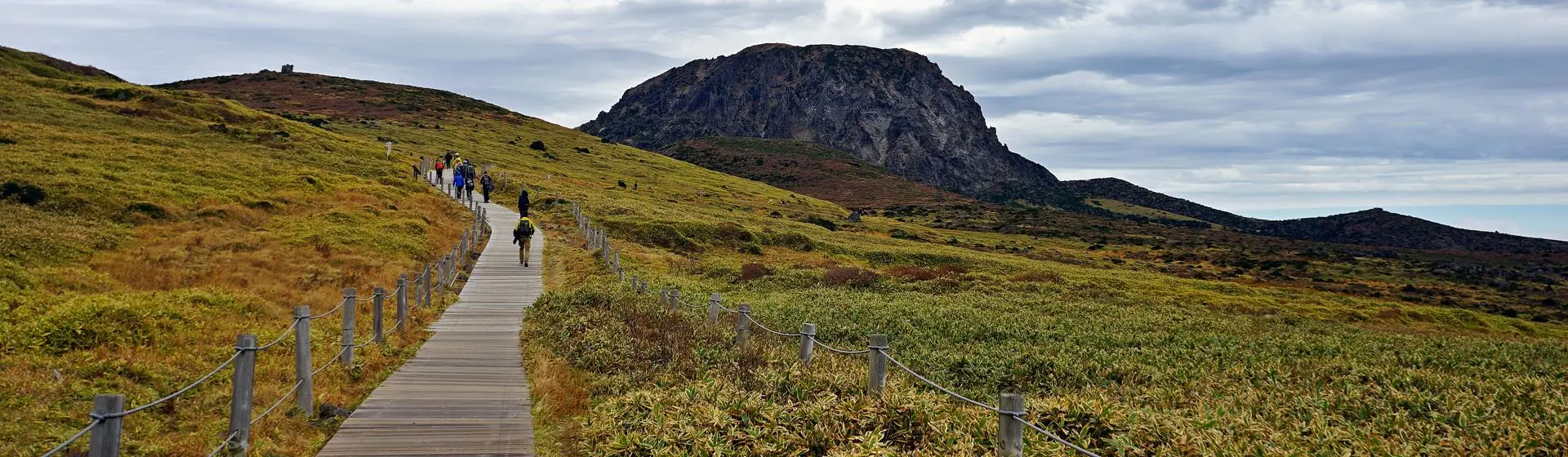
The Difference Between Seongpanak’s Store-Free Trail and the Rest Area at the Gwaneumsa Entrance
There are no shops along the Seongpanak trail. According to official information, Sokbat Shelter is unmanned, while Jindallaebat Shelter is staffed. For safety, bring water, trail food, warm layers, and rain gear from the entrance. Hallasan is described as a place where the weather changes rapidly, and visitors are advised to prepare emergency food, spare clothing, winter clothing, crampons, gloves, and warm water.
The rest area at the Gwaneumsa entrance is reported to sell some items, including kimbap, noodles, water, gloves, rain gear, and crampons, but you should not plan on replenishing supplies during the hike. Alcohol is prohibited in the park, and disposable lunch boxes are restricted. Kimbap and hamburgers are listed as exceptions, but all trash must be carried out.
- Winter hikes: crampons, insulated gloves, warm water, and a spare top are necessary.
- Summer hikes: Beware of bee stings and exhaustion, and bring plenty of water, electrolytes, and snacks.
- Emergencies: When calling 119, also provide the number on the trail location marker.
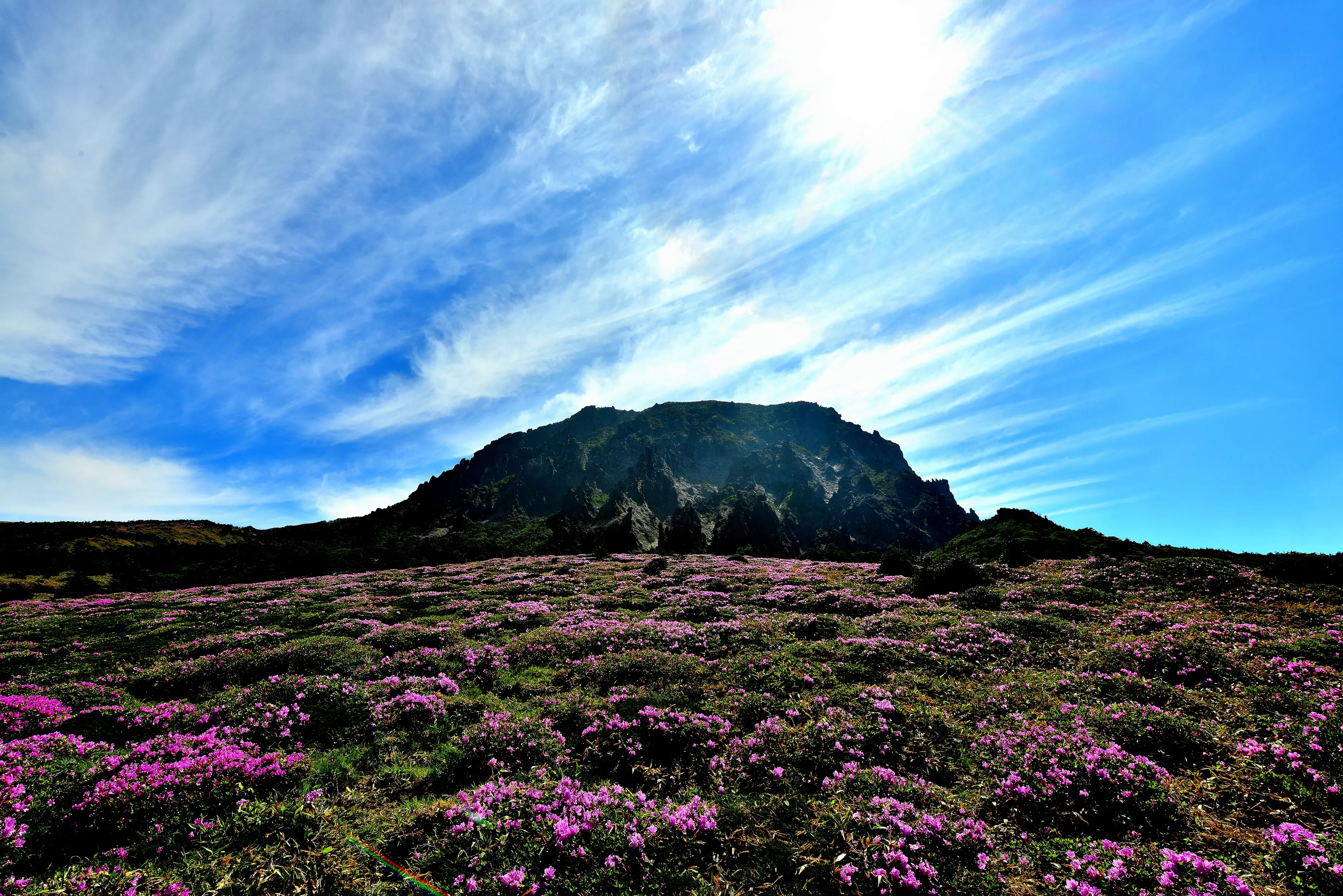
What 722 Emergency Patients in 2025 Reveal About Pacing Your Strength
According to a March 2025 article by Hallailbo citing data from Hallasan National Park, there were 722 mountain-related emergency patients on Hallasan the previous year. By route, 356 were on Seongpanak and 316 were on Gwaneumsa, while 111 cases were attributed to exhaustion. Since accidents are concentrated on the two routes leading to the summit, prioritize a pace that allows you to descend safely within the control times rather than simply reaching the summit.
Although Gwaneumsa is 0.9 km shorter than Seongpanak by distance alone, official guidance emphasizes its large elevation gain and steep slopes. Seongpanak, which is closer to a long and gradual route, requires managing 19.2 km through the round trip, while Gwaneumsa can be demanding for people unaccustomed to rocks, stairs, and steep inclines. If you do not normally have experience with hikes of four to five hours or more, or if you have knee pain, it is more realistic to consider the 6.8 km Eorimok or 5.8 km Yeongsil routes to Witsae Oreum and the Southern Wall Junction, where reservations are not required, instead of Baengnokdam.
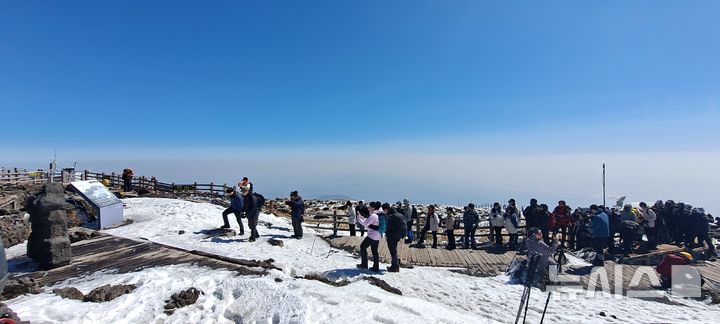
How to Hike Hallasan without Baengnokdam via the 6.8 km Eorimok or 5.8 km Yeongsil Routes
If you could not secure a Baengnokdam reservation or find a long summit hike too demanding, you can choose Eorimok, Yeongsil, or Donnaeko. Eorimok is 6.8 km one way and takes approximately 3 hours, continuing through Eorimok Valley, Saje bidongsan, Manse Dongsan, and Witsae Oreum Shelter to the Southern Wall Junction. Yeongsil is 5.8 km one way and takes approximately 2 hours 30 minutes, passing Byeongpung Rock and Witsae Oreum.
Donnaeko is a 7 km one-way route that opened in 2011 and takes approximately 3 hours 30 minutes, reaching the Southern Wall Junction via Pyeonggwe Shelter. However, the Southern Wall route from the Southern Wall Junction to Baengnokdam remains restricted because of the risk of falling rocks. These three routes also have entry and descent control times, so do not mistake the fact that they do not require summit reservations for permission to hike freely at night.
Before You Go
- Address
- 2070-61, 1100-ro, Jeju City, Jeju Special Self-Governing Province
- Hours
- Entry begins at 05:00. The deadline for passing the Seongpanak and Gwaneumsa entrances and intermediate control stations is 11:30 in winter (October–March) and 12:30 in summer (April–September). Descent from the eastern ridge summit must begin by 13:30 in winter and 14:30 in summer.
- Closed
- No regular closing days. Access may be restricted depending on severe weather advisories, including heavy rain, typhoons, and heavy snow, as well as trail safety conditions.
- Admission
- Free
- Phone
- Hallasan National Park Management Office 064-713-9953 / Seongpanak 064-725-9950 / Gwaneumsa 064-756-9950
- Official site
- https://www.jeju.go.kr/hallasan/index.htm
- Transport
- Seongpanak: Approximately 40 minutes by intercity bus toward Seogwipo via the 5·16 Road from Jeju Bus Terminal, then approximately 2 minutes on foot after getting off at the Seongpanak entrance. Gwaneumsa: Approximately 20 minutes by bus toward Jeju National University from Jeju Bus Terminal, followed by a transfer to bus 475 at Jeju National University and a stop at the Gwaneumsa trail entrance.
- Parking
- The Seongpanak parking area is small, with space for approximately 100 vehicles, so public transportation is recommended. Before departure, check on-site notices regarding parking availability and congestion in the Gwaneumsa area.
- Time needed
- Baengnokdam: Seongpanak approximately 4 hours 30 minutes one way and 19.2 km round trip; Gwaneumsa approximately 5 hours one way and 17.4 km round trip. Seongpanak to Gwaneumsa traverse: approximately 18.3 km.
- Accessibility
- The summit trails involve long hikes and steep sections and are not suitable for wheelchair or stroller access. The reservation system is available in Korean, English, Japanese, and Chinese.
The information above is current as of the time of writing. Check the official guidance again before visiting.

Places
Nearby Attractions 5
-
1
-
 2
2
-
 3
Halla Arboretum
3
Halla Arboretum -
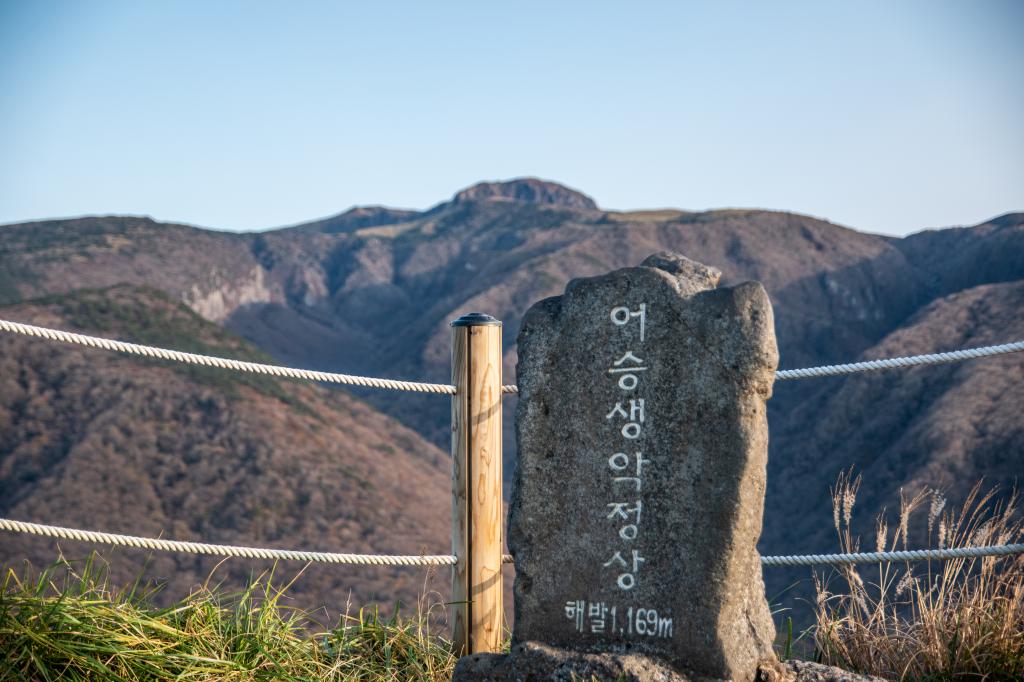 4
4
-
5
Food & Dining 5
-
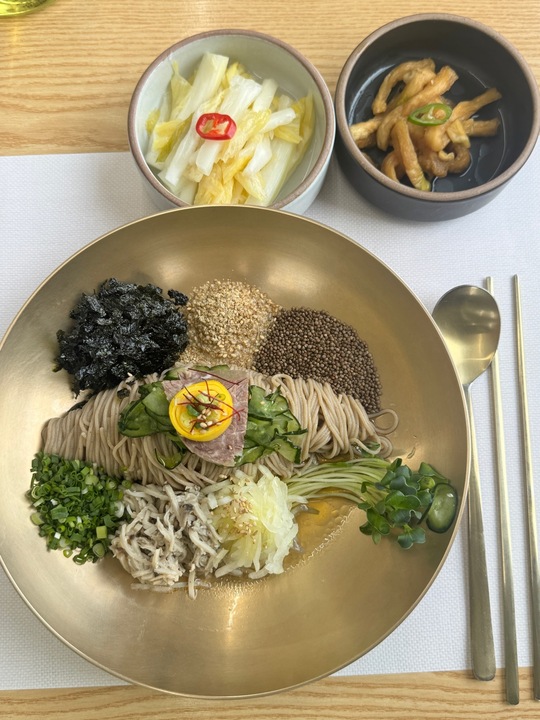 6
6
-
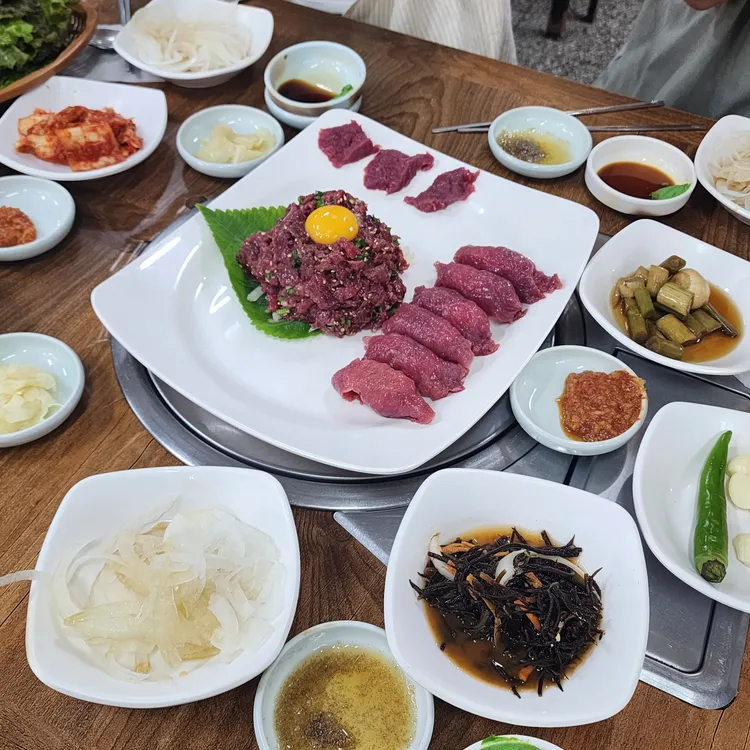 7
7
-
 8
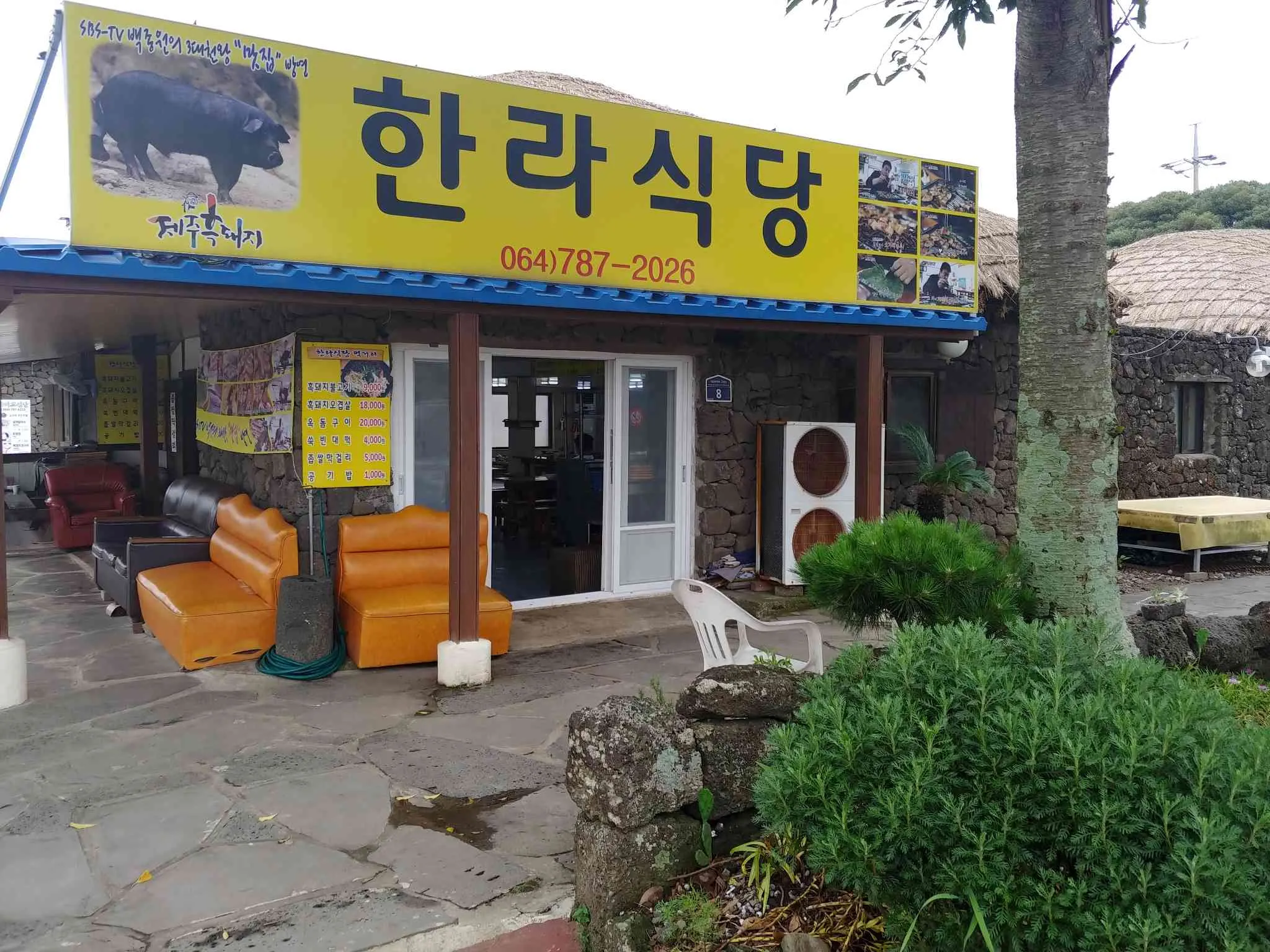
Hallasan - Jeju Restaurant
8
Hallasan - Jeju Restaurant -
 9
9
-
 10
10
Events in This Area


Festivals in This Area


More Travel Guides in This Area
 Travel Guide
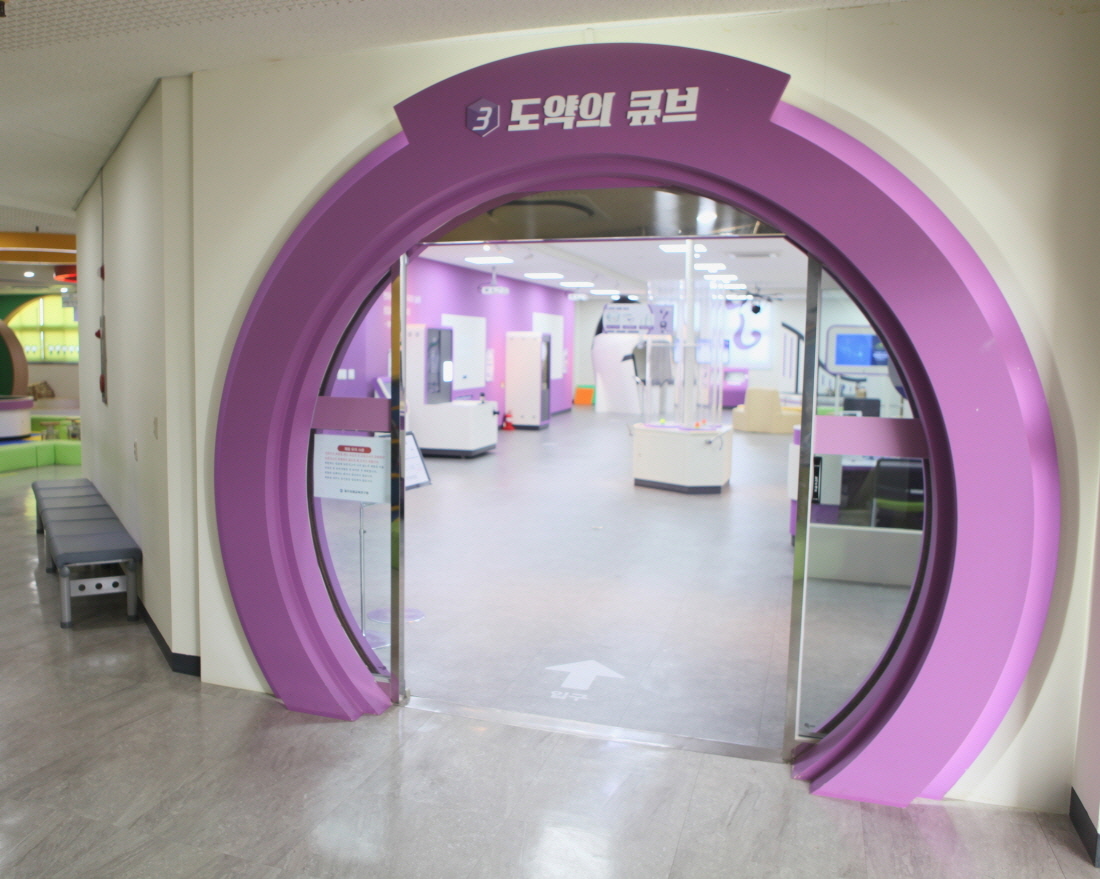
Jeju Science Exploration Experience Center: Enjoy Free Science Experiences Starting from 9:30 AM
 Travel Guide
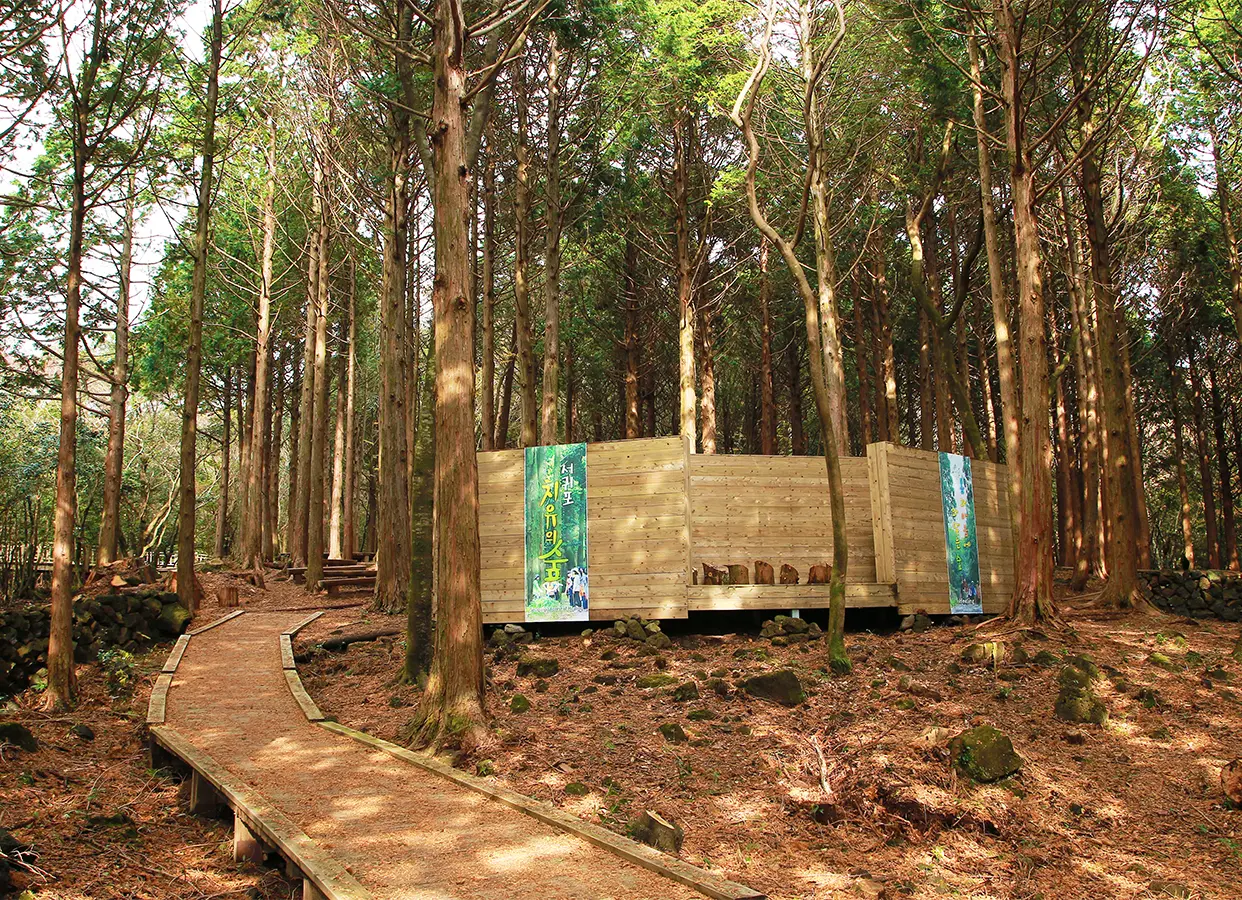
Seogwipo Healing Forest: Jeju Dialect Forest Trails and Reserved Entry Across 174 ha
 Travel Guide
90 Minutes with Water Reflections and the Foothills of Hallasan: Exploring the Jeju Museum of Art
 Travel Guide
The Actual Viewing Route and What to Bring at Camellia Forest, in Bloom from November to February
Korea News
 News
News
‘NewJeans Expulsion’ Danielle Releases Her First YouTube Video… “We Don’t Know What Will Happen Next”
![aespa’s North American Tour Has Remaining Seats Despite ‘$49’ Bargain Prices… A Stark Popularity Gap with KATSEYE [TEN Starfield]](https://kotourlive-images.s3.ap-northeast-1.amazonaws.com/news/1788485037424_a59b1932_naver_rank_thumb_0000774618_1788485037424.jpg) News
News
aespa’s North American Tour Has Remaining Seats Despite ‘$49’ Bargain Prices… A Stark Popularity Gap with KATSEYE [TEN Starfield]
![[Photo] TWICE’s Dahyun attends a film festival red carpet as an actress](https://kotourlive-images.s3.ap-northeast-1.amazonaws.com/news/1788485316508_edd43ecd_news_870a60a6-6f11-4d73-aa7c-48d91318a0f7.jpg) News
News
[Photo] TWICE’s Dahyun attends a film festival red carpet as an actress
![[On-Site Video] “We’re Departing Separately Together”… BIGBANG Begins ‘COSMOS’ World Tour](https://kotourlive-images.s3.ap-northeast-1.amazonaws.com/news/1788485226518_c5719641_news_fdd4764a-0f4e-4968-8e4e-e98a02872f88.jpg) News
News