
Gwangju Kimchi Town, Where Kimchi Became an Industry and Part of Everyday Culture
Gwangju Kimchi Town is a kimchi cultural complex that opened in October 2010. Visitors can explore a museum, a kimchi factory tour route, an educational experience center, and a fermented-food hall along one convenient course. Admission is free, while kimchi-making programs require paid reservations that vary by season and session, so it is best to plan your schedule before visiting.
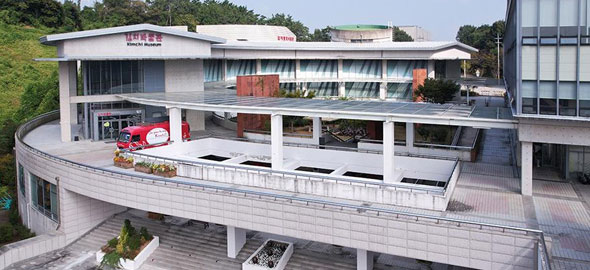

Why Gwangju Kimchi Town, which opened in October 2010, is more than just a “museum”
Gwangju Kimchi Town is a kimchi-focused complex facility that opened in October 2010. Rather than being designed solely for touring the Kimchi Museum, it connects kimchi’s history, production, hands-on experiences, and sales by placing a kimchi factory tour route in the main building, a kimchi education experience center on the second floor, a fermented kimchi foods hall, a retail area, and an earthen-cave playground together.
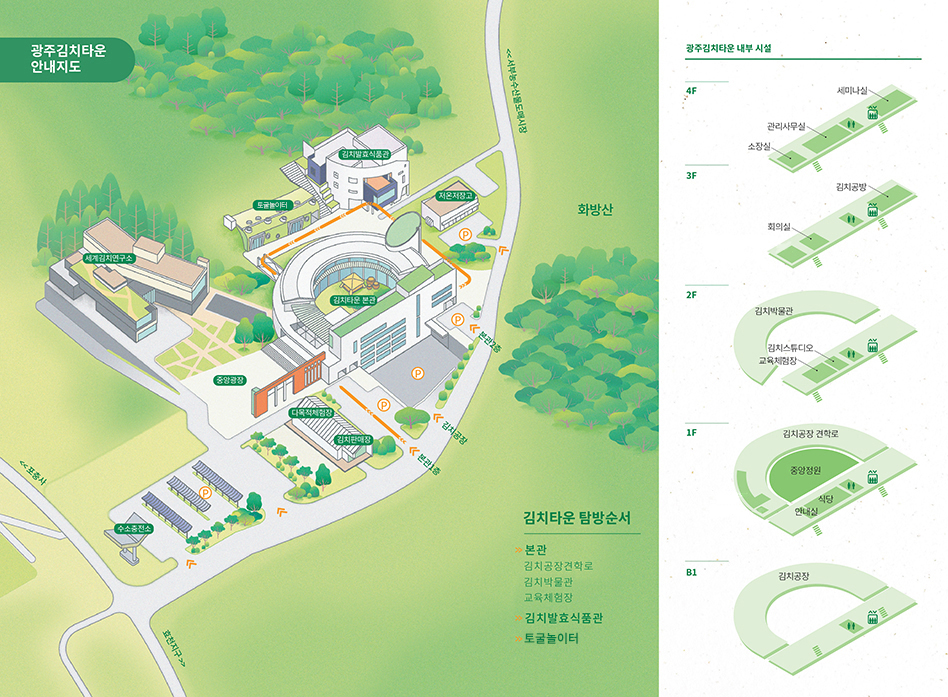
The facility has a total floor area of 8,782㎡ and consists of two basement levels and four above-ground floors. The main building’s first basement level houses the kimchi factory; the first floor has the tour route, information desk, restaurant, and garden café; and the second floor contains the Kimchi Museum, education experience center, and kimchi studio. Elevators connect the floors.
How ingredients from the sea and plains of the Yeongsan River region shaped Gwangju kimchi’s flavor
Gwangju Tourism introduces Gwangju kimchi as a food made with vegetables from Gwangju and Jeollanam-do, generously seasoned with ingredients such as anchovy fish sauce and glutinous rice paste. The Gwangju area is a place where distribution routes for mountain, plain, and coastal ingredients converge around the Yeongsan River. This makes it a good place to understand the background of Jeollanam-do-style kimchi culture, which developed by adding salted seafood, marine products, and red pepper powder to cabbage and radish.
Kimjang, the tradition of making and sharing kimchi, was added to UNESCO’s Representative List of the Intangible Cultural Heritage of Humanity in 2013. The exhibitions here focus on presenting kimchi not simply as a side dish, but as a living culture involving seasonal preservation techniques, regional differences in ingredients, and making and sharing kimchi together, providing useful context even for first-time foreign visitors.
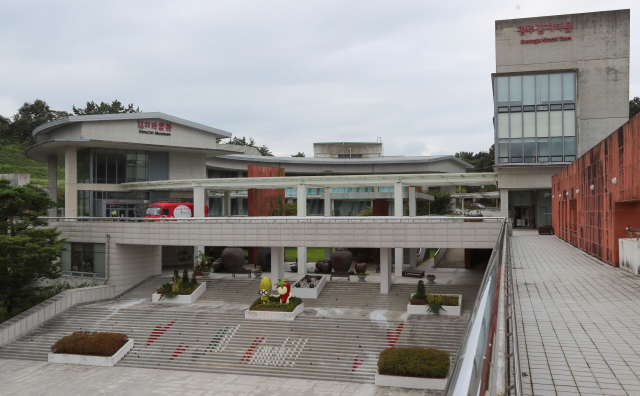
Free admission from 09:00 to 18:00, but avoid Mondays and major holiday dates
The Kimchi Museum and other visitor facilities are open from 09:00 to 18:00, with last admission at 17:30. Closing days are every Monday, January 1, Lunar New Year’s Day, and Chuseok Day, so if your itinerary falls on a Monday, it is safer to substitute another Nam-gu or downtown attraction.
General admission is free, and restrooms and free parking are available. The main telephone number is 062-613-8222, and the official website is https://www.gwangju.go.kr/kimchitown/. Operating hours may change because of temporary closures or events, so check the announcements and confirm by phone before making a long journey.
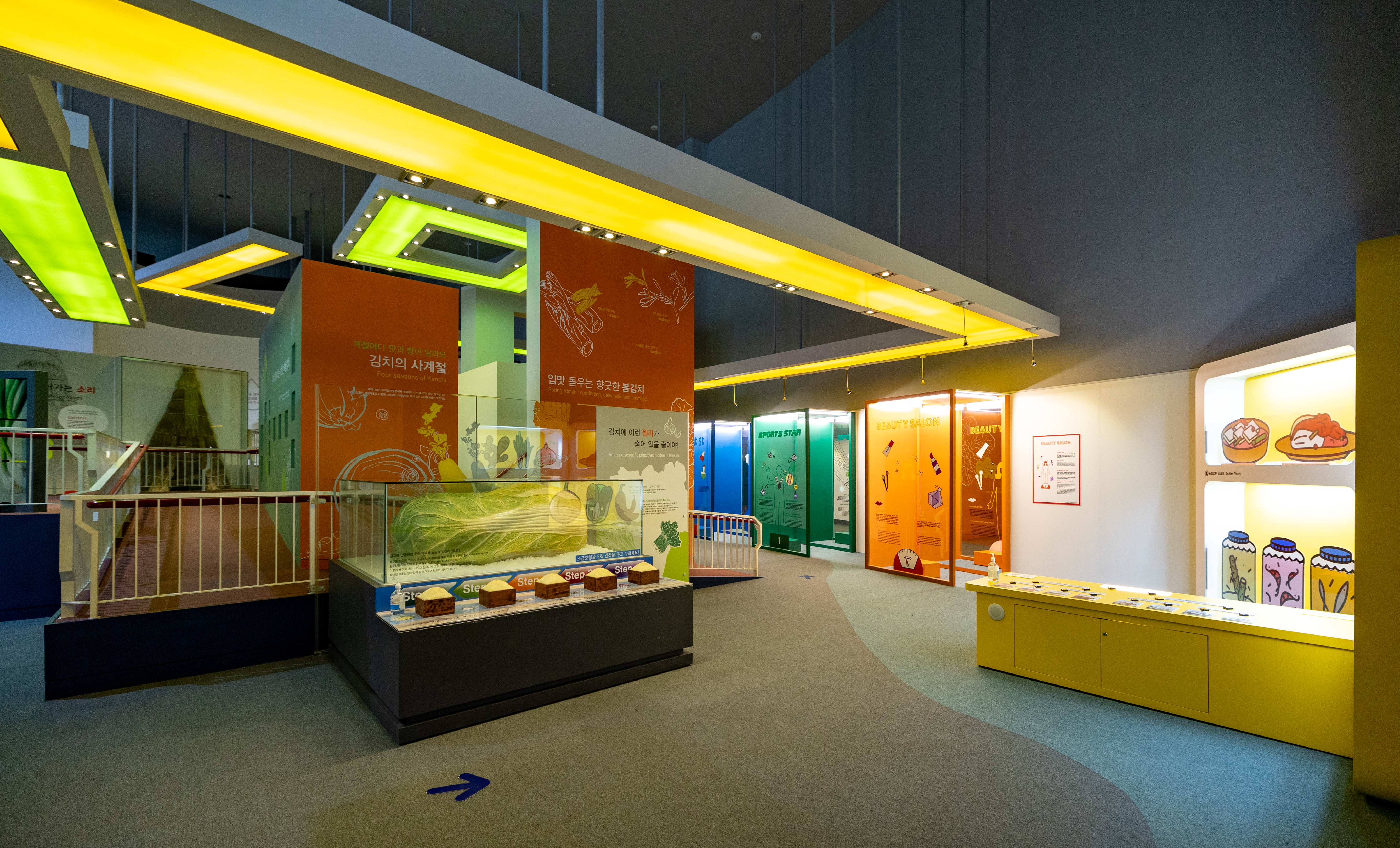
A route linking the factory tour, Kimchi Museum, and education experience center, starting on the main building’s second floor
First-time visitors should check the currently operating areas at the information desk on the first floor, tour the kimchi factory route, and then go up to the second floor to visit the Kimchi Museum and education experience center. The official guide map suggests continuing afterward to the fermented kimchi foods hall and earthen-cave playground.
The average visiting time for the exhibitions alone is listed as approximately 31 minutes, but it is better to allow 60–90 minutes if you also visit the tour route, fermented foods hall, and retail area. If you have booked a paid activity, first check the information desk location and the route to the second-floor education experience center before the class begins, and bring a bag for carrying your finished products.
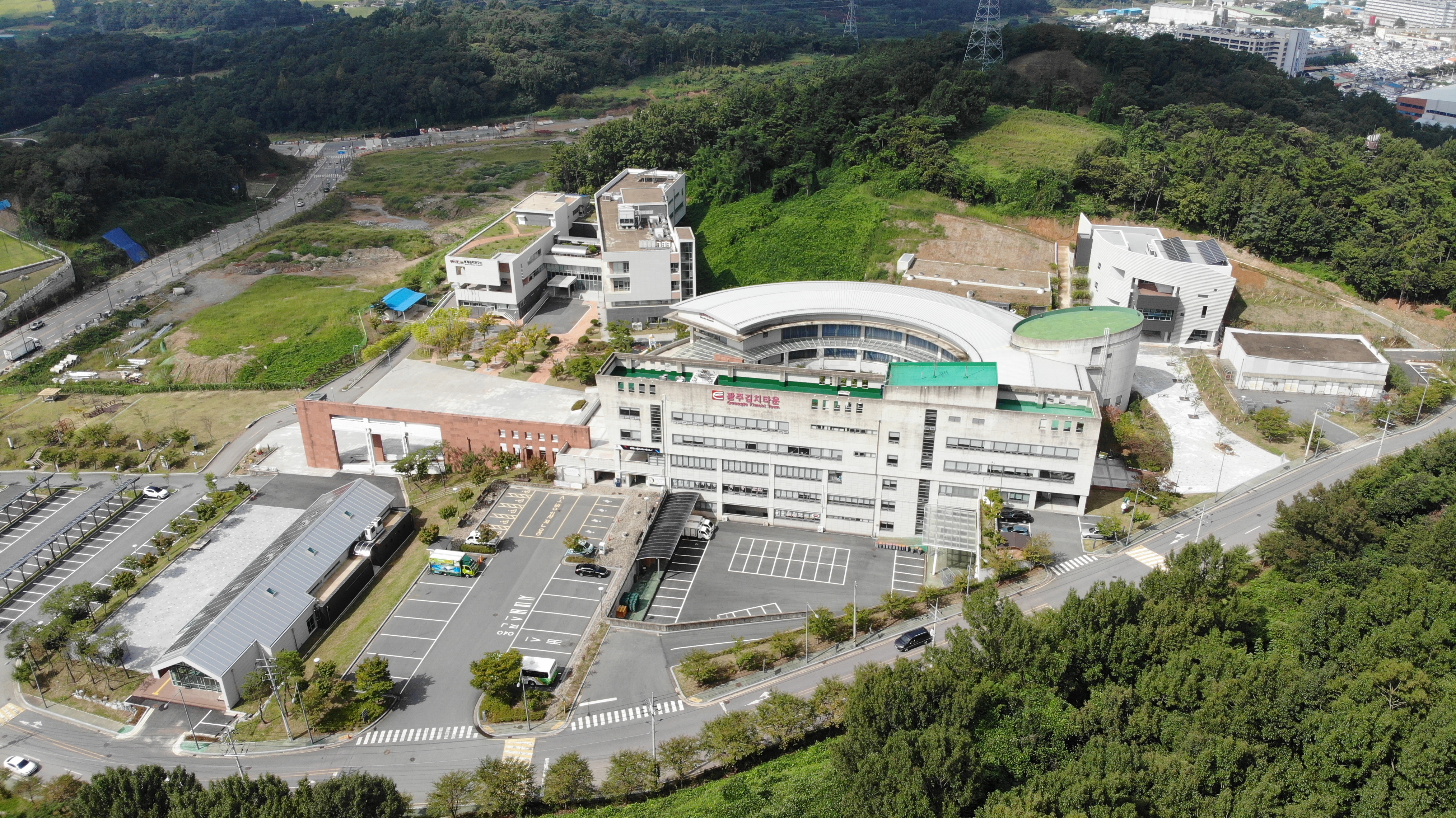
Making kimchi at 10:30 on Wednesdays in 2026: Reservation requirements for groups of 15 to 36
“Kimchi Experience Together” runs from April through November 2026, excluding public holidays, every Wednesday from 10:30 to 11:30 at the Kimchi Education Experience Center on the second floor of the main building. The maximum capacity is 36 people, and the program operates only with at least 15 participants. Solo travelers or small groups who want to confirm an activity on a specific date should first ask the staff whether it will run.
In 2026, 500g portions of radish kkakdugi and cucumber songsongi cost 8,000 won, while 1kg of napa cabbage kimchi costs 15,000 won. Mini old-kimchi gimbap and kimchi beef rice balls each cost 10,000 won, and a kimchi cheese sandwich costs 11,000 won; participants choose one activity or applied-cooking option. Cancellations and refunds are available until three days before the activity, and the inquiry number is 062-613-8226.
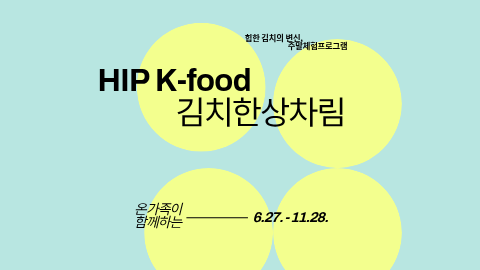
For weekend visits, check the “Kimchi Table Setting” sessions from June 27 to November 28
If the weekday Wednesday activity does not suit you, a weekend experience program held on the second and fourth Saturdays of each month from 14:00 to 16:00, from June 27 to November 28, 2026, is another option. It takes place at the education experience center on the second floor of Gwangju Kimchi Town, and applications are handled through the Gwangju Metropolitan City integrated reservation system.
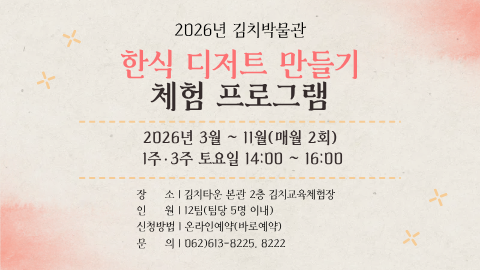
A Korean dessert-making experience is also scheduled for the first and third Saturdays of each month from 14:00 to 16:00 between March and November 2026. Programs may change depending on the season and announcements, so plan by distinguishing between free admission and paid, reservation-only activities. Also note that instructions for paying the activity fee are generally sent individually one to two weeks before the experience.
How to get off at the “Gwangju Kimchi Town” stop on Jinwol 78, Maeul 715, or Suwan 03
The street address is 60 Kimchi-ro, Nam-gu, Jeonnam Gwangju Integrated Metropolitan City (Imam-dong). By public transportation, you can take Jinwol 78, which stops at “Gwangju Kimchi Town,” or Maeul 715 and Suwan 03, which stop at “Gwangju Kimchi Town Entrance.” After getting off the bus, it is a good idea to check the main building entrance again using a map app.
Drivers can use the free parking lot on the premises, and the official guide map shows the relative locations of the parking lot, kimchi retail area, multipurpose experience center, and main building. Elevators and restrooms are marked on each floor of the main building, making indoor vertical movement possible for wheelchair and stroller users. However, public materials do not confirm whether rental equipment or on-site foreign-language assistance is available, so it is advisable to inquire at 062-613-8222 before visiting.
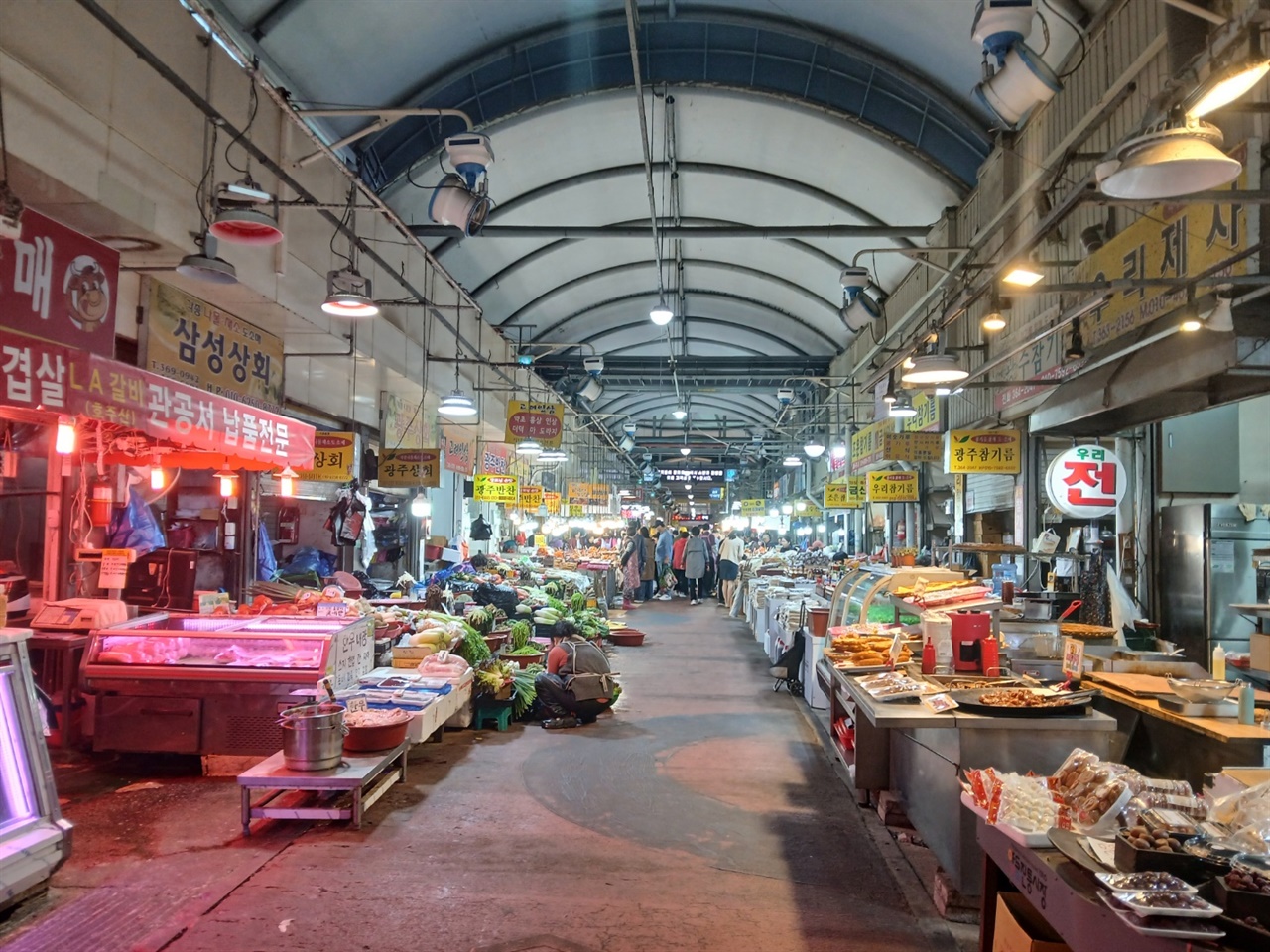
A Gwangju food itinerary combining shopping at Yangdong Market with the Yangnim History and Culture Village on the same day
Gwangju City includes Gwangju Kimchi Town, Yangdong Market, and Yangnim History and Culture Village in a food-focused course that includes a kimchi-making experience. If you have booked a kimchi-making activity, it makes sense to focus on the town’s exhibitions and experience in the morning, then explore salted seafood, dried seafood, and market meals at Yangdong Market before moving on to Yangnim-dong.
This is especially suitable for travelers who know kimchi only as a spicy food, but without a reservation, the visit may become a short exhibition- and tour-focused itinerary. Conversely, travelers interested in fermented foods and regional ingredients, families traveling with children, or visitors seeking a Korean food class will get the most out of the experience by adding a reserved activity after a 60–90-minute visit.
Before You Go
- Address
- 60 Kimchi-ro, Nam-gu, Jeonnam Gwangju Integrated Metropolitan City (Imam-dong)
- Hours
- 09:00–18:00 (last admission 17:30)
- Closed
- Every Monday, January 1, Lunar New Year’s Day, and Chuseok Day
- Admission
- Free (experience programs require payment and advance reservation)
- Phone
- 062-613-8222
- Official site
- https://www.gwangju.go.kr/kimchitown/
- Transport
- Gwangju Kimchi Town stop: Jinwol 78 / Gwangju Kimchi Town Entrance stop: Maeul 715, Suwan 03
- Parking
- Free parking available
- Time needed
- About 31 minutes for exhibitions; 60–90 minutes recommended including the tour route and fermented foods hall
- Accessibility
- Check the information on elevators and restrooms on each floor of the main building. Phone inquiries are recommended regarding wheelchair and stroller rentals and on-site foreign-language assistance.
The information above is current as of the time of writing. Check the official information again before visiting.

Places
Nearby Attractions 3
-
1
-
 2
2
-
3
Food & Dining 3
-
 4
4
-
 5
5
-
 6
6
Events in This Area

Festivals in This Area


More Travel Guides in This Area
 Travel Guide
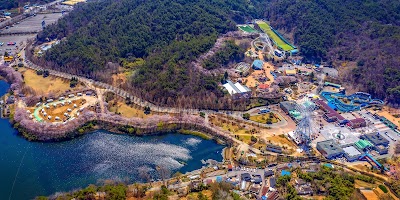
The Jisan Amusement Park Lift Car That Has Crossed the Mudeungsan Forest Since 1978: How to Reach Palgakjeong
 Travel Guide
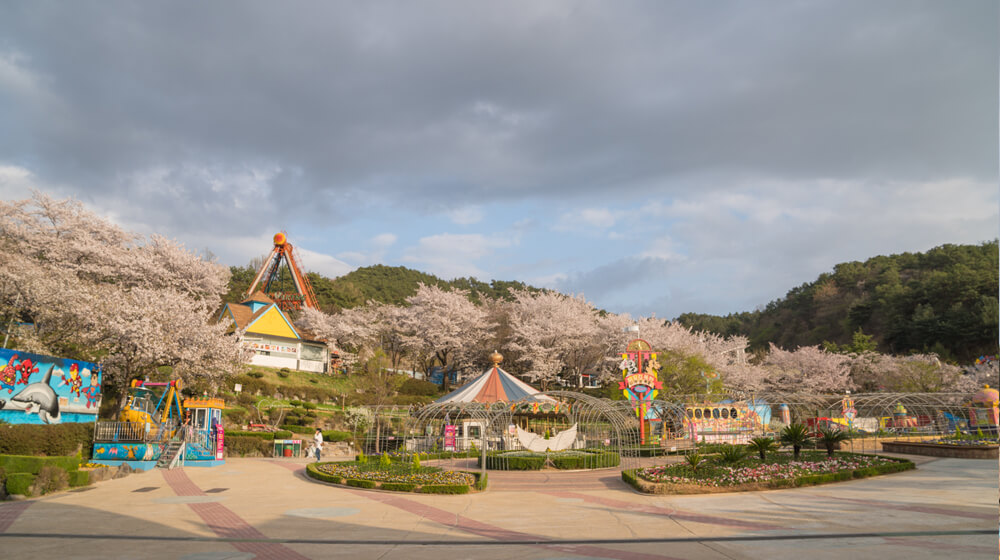
Gwangju Family Land, Where Uchi Park’s Forest Meets a 1991 Amusement Park
 Travel Guide
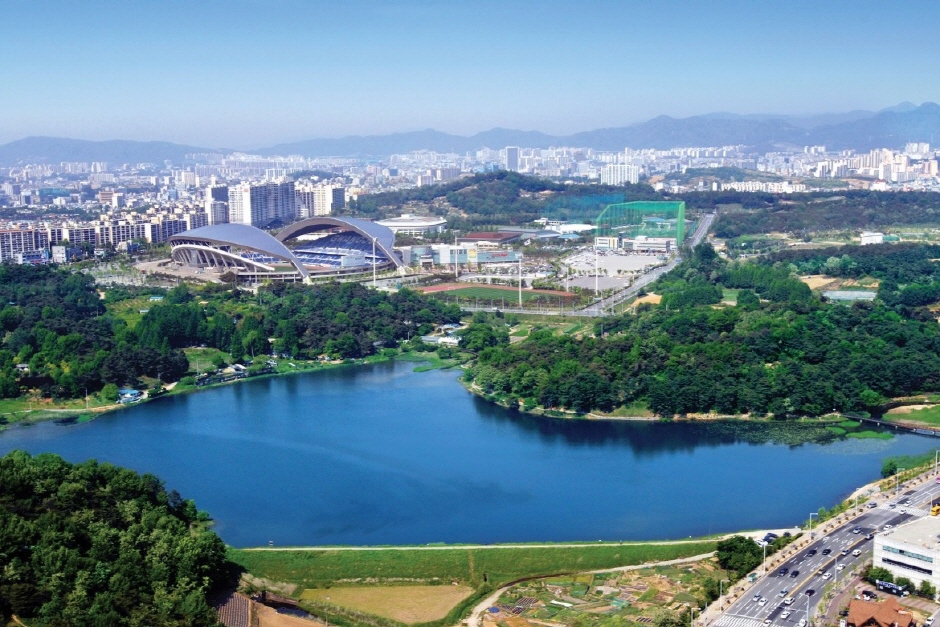
From the 1992 Zoo to the 2002 Golf Practice Range: A One-Day Route through 960,000㎡ Uchi Park
 Travel Guide
From a 1956 Reservoir to a Rose Garden with 140 Varieties: Pungam Lake Park
Korea News
![ZEROBASEONE ‘ZEROBASEONE Shining Even at Night!’ [★Video]](https://kotourlive-images.s3.ap-northeast-1.amazonaws.com/news/1786629298196_13d8a4bb_news_075face7-fb4e-402c-b833-25ccaf88cf8f.jpg) News
News
ZEROBASEONE ‘ZEROBASEONE Shining Even at Night!’ [★Video]
 News
News
Kwon Eun-bi, First Comeback Since Moving from Woollim to RBW: “Aiming for a September Release”
 News
News
“Did Jungkook’s connection continue?” Pop star Usher spotted warmly hugging BTS’s RM and J-Hope
 News
News