
From a 1956 Reservoir to a Rose Garden with 140 Varieties: Pungam Lake Park
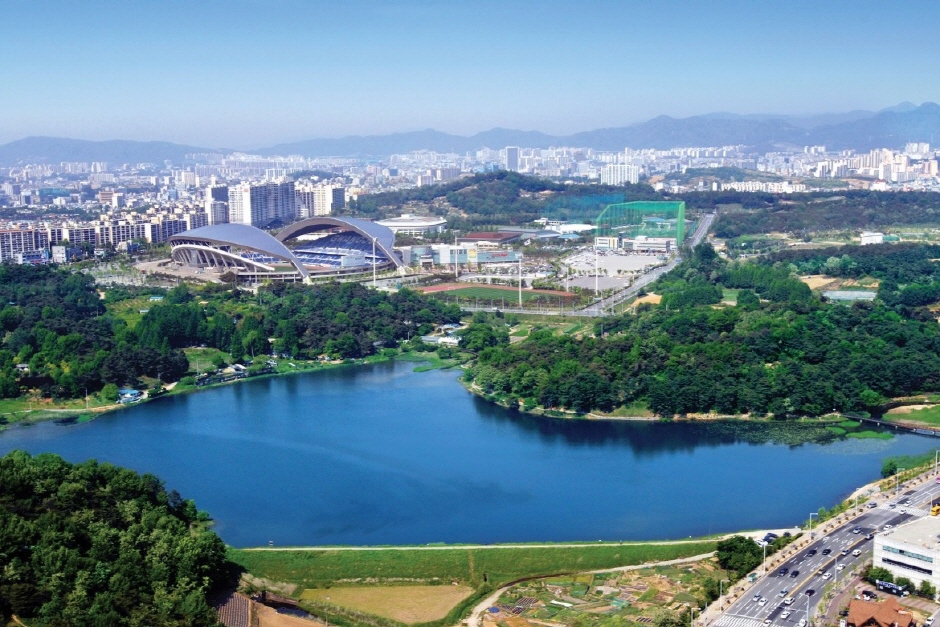
Pungam Lake Park began as Pungam Lake, a reservoir built for agricultural use in 1956. It was designated as a park in 1975 and redeveloped as an urban park alongside the Pungam residential development project in the 1990s. With around 140 varieties and 20,000 rose plants, 35 poetry artworks, an outdoor performance venue, and gently sloping walking paths, it is ideal for planning a one- to two-hour route.
From the 1956 Pungam Reservoir to the 1999 National Park Greening Pilot Project
Pungam Lake, the centerpiece of Pungam Lake Park, was constructed in 1956 to supply agricultural water. It was designated as a park in 1975 and was later developed in the 1990s alongside the Pungam residential land development project as a lake park close to residential areas.
The Gwangju Metropolitan City bicycle transportation map introduces this site as a place where a reservoir for agricultural use was created in 1956 and traditional pavilions and wooden bridges were installed as part of the national park greening pilot project launched in 1999. In other words, the current park was formed by adding walking, leisure, and cultural functions to a facility originally used to store water.
- Reservoir construction: 1956
- Park designation: 1975
- National park greening pilot project: From 1999
- Park development context: Pungam residential land development in the 1990s
Seasonal Highlights at Pungam Lake, Where Around 140 Rose Varieties and 20,000 Plants Bloom
The rose garden around the lake contains approximately 140 rose varieties and about 20,000 plants, including varieties such as ‘Louise Meilland’ and ‘Schwarze Madonna.’ During the rose-blooming season, the rose garden, lake, and evening lighting are connected along one route, so visitors coming to take photographs may find it better to start moving as the sun begins to set rather than during the daytime.
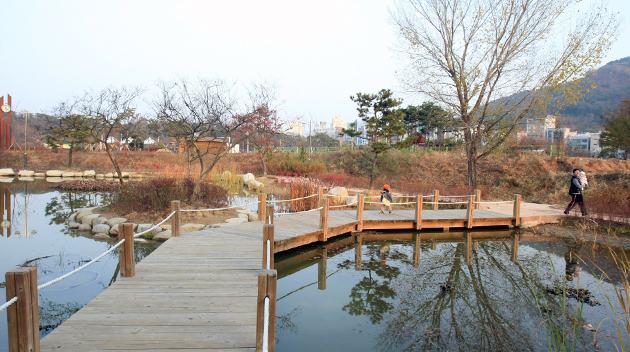
Wooden decks and dirt paths run together around the lake, and benches offer views toward Bonghwangsan Mountain in Yongdudong and Geumdangsan Mountain surrounding the Pungam district. Allow 40–60 minutes for a quick circuit of the lake, or 1–2 hours to explore the rose garden, poetry displays, and performance venue at a leisurely pace.
- Roses: Approximately 140 varieties, about 20,000 plants
- Trail surfaces: Wooden decks and dirt paths
- Views: Bonghwangsan Mountain and Geumdangsan Mountain
- Recommended stay: 1–2 hours
A Lakeside Cultural Route Created by Small Concerts Since 2007 and 35 Poetry Displays Installed in 2017
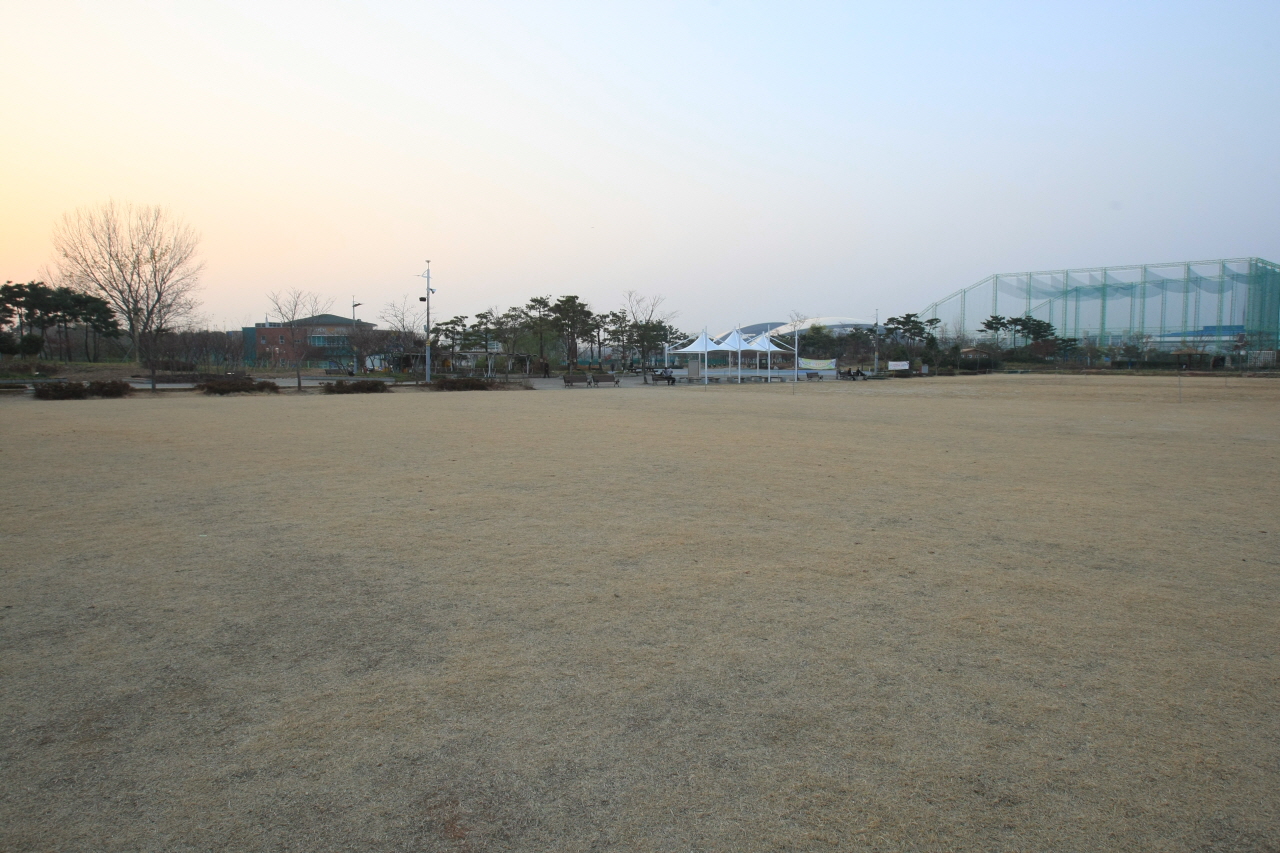
Small concerts have been held at Pungam Lake Park since 2007, and the Seo-gu Office work plans include performance schedules and participating arts organizations for Pungam Lake Park in April 2024 and May 2025 as well. Since the concerts cannot be regarded as permanent daily programs, visitors planning to come on a specific date should check the Seo-gu Office event announcements first.
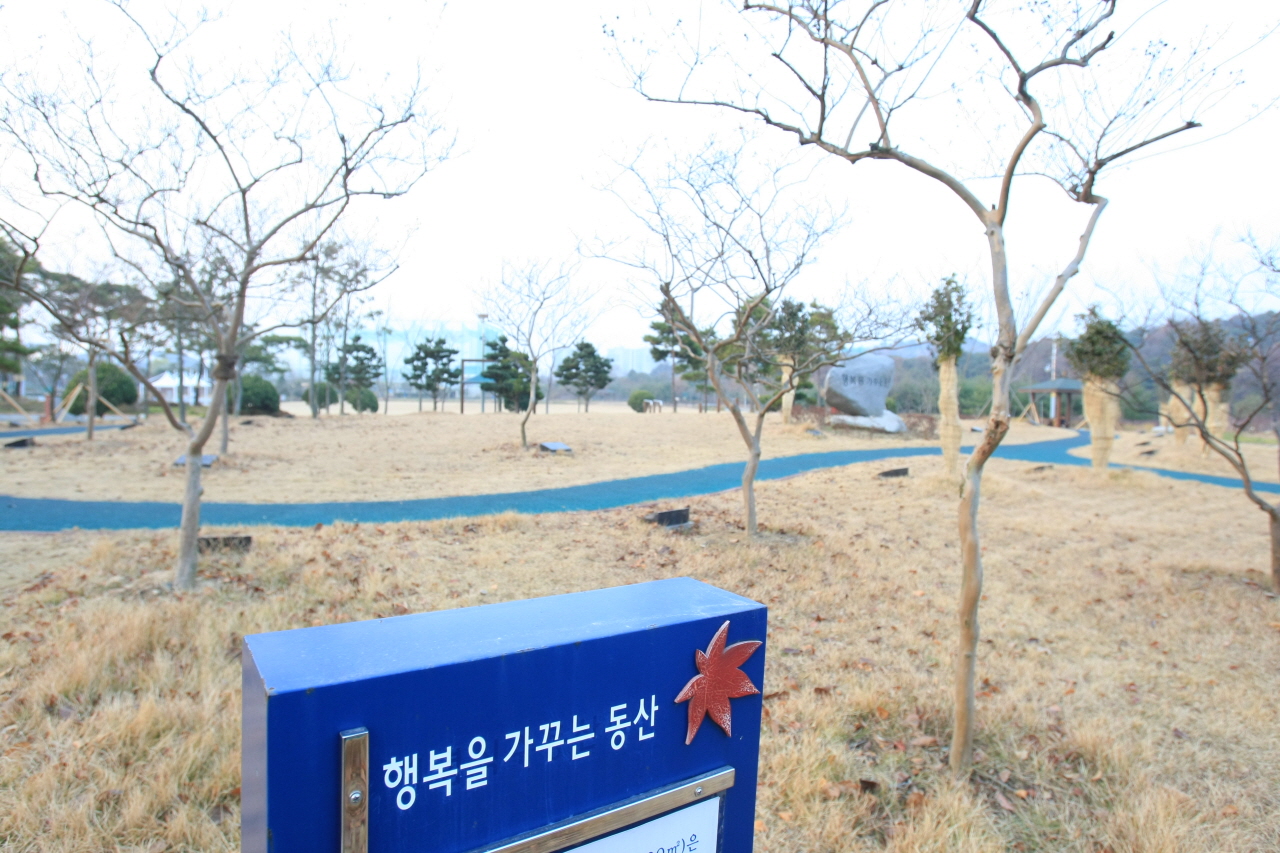
In 2017, 35 poetry displays were installed around the walking paths. Rather than turning back after seeing only the rose garden, visitors can walk slowly along a route connecting the signs bearing poems, the outdoor performance venue, and the rest areas to better understand the park’s original development purpose.
- Small concerts began: 2007
- Poetry displays installed along the walking paths: 2017
- Number of poetry displays: 35
- On-site cultural facilities: Outdoor performance venue, small library, and rest areas
A Year-Round, Free Walking Plan Starting at 970 Hoejae-ro
Pungam Lake Park is open year-round, every day, and admission is free. The inquiry telephone number is 062-360-7225, and the official tourism information website is https://tour.gwangju.go.kr. The road-name address is 970 Hoejae-ro, Seo-gu, Jeonnam Gwangju Integrated Special City (Pungam-dong), and tourism information also lists the lot-number address as 460 Pungam-dong, Seo-gu.
Because this is not a facility with ticketing or an admission closing time, no reservation is required for a visit intended for walking. However, as the lake park is an outdoor space, visitors should check rainfall, heat waves, cold waves, and any changes to access to certain areas due to events before setting out.
- Hours: Open at all times
- Closed: Open year-round
- Admission: Free
- Inquiries: 062-360-7225
- Official information: https://tour.gwangju.go.kr
3–5 m-wide Paths and Palm Mats: Practical Conditions for Wheelchair and Stroller Routes
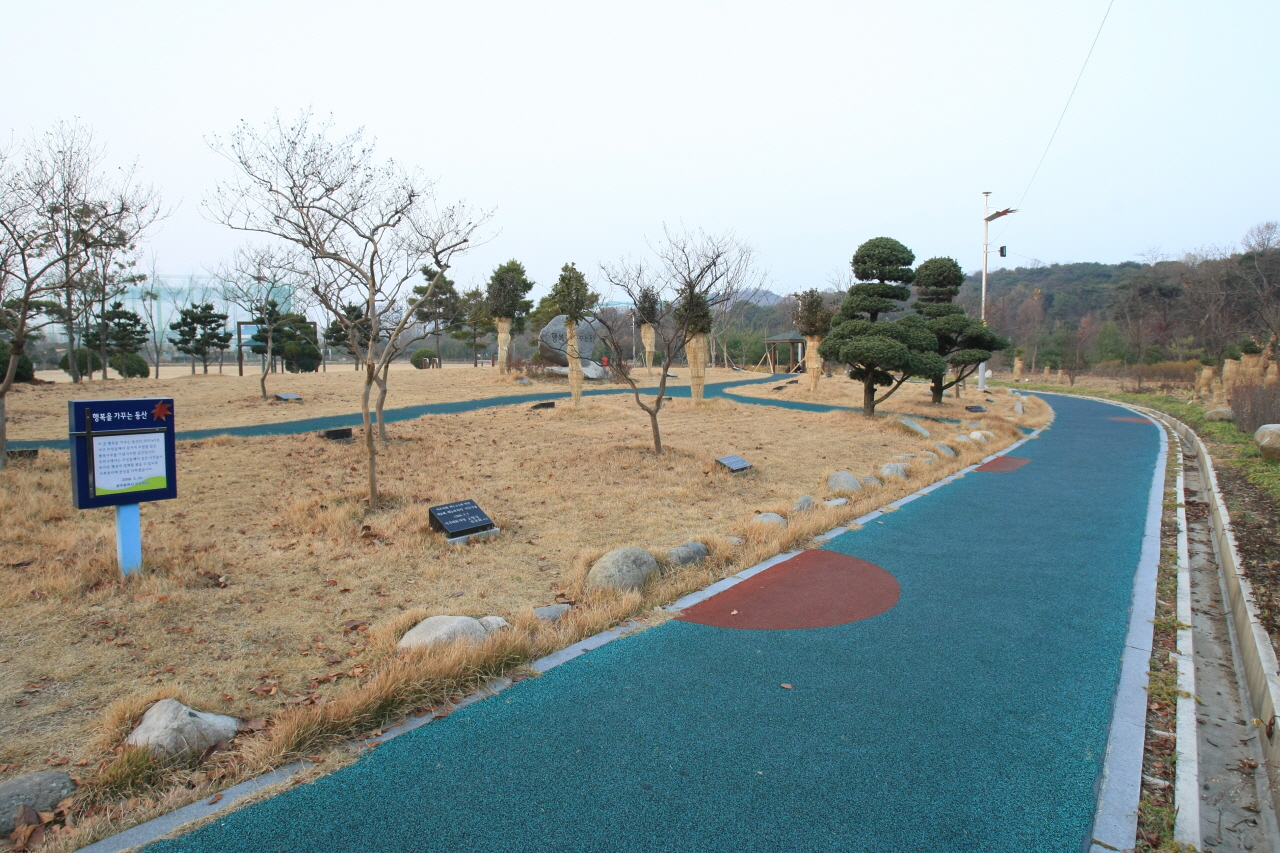
According to barrier-free tourism information, the main entrance has a level difference of no more than one step, but wheelchair access is possible, and a ramp is installed up to the entrance. The park’s walking paths are also wheelchair-accessible, and designated disabled parking spaces and an accessible restroom are available.
The walking paths are generally about 3–5 m wide. The area near Harmony Plaza is the widest, while the route around the rose garden is relatively narrow. Firm dirt paths and palm mats run side by side, so stroller and wheelchair users should slow down when passing pedestrians along the rose garden section. The restroom beside the parking lot also has separate child-sized character toilets.
- Trail width: Approximately 3–5 m
- Widest section: Near Harmony Plaza
- Relatively narrow section: Around the rose garden
- Facilities: Accessible parking, accessible restroom, and child-sized toilet
Why Check the Pungam Lake Park Public Parking Lot and Bus Stops Together
In 2025, the Seo-gu Office undertook road-lane painting and sign installation at the entrance and exit lanes of the Pungam Lake Park public parking lot. The public parking lot itself is available, but official tourism information published online does not confirm the parking fee or number of spaces, so visitors should prioritize on-site signs and payment instructions.
Bus stops serving the nearby Pungam Sports and Recreation Park area include Wonkwang University Korean Medicine Hospital, Seo-gu National Sports Center, and Pungam Umi Apartments. Buses Daechon 71, Songam 47, Circulation 01, Jinwol 78, Jiwon 45, and Jinwol 75 stop at Wonkwang University Korean Medicine Hospital; Geumnam 59 stops at Seo-gu National Sports Center; and Jinwol 75, Songam 47, Geumnam 59, Jinwol 78, Circulation 01, and Jiwon 45 stop at Pungam Umi Apartments. Actual walking time after getting off the bus varies depending on the departure stop and park entrance, so check the final walking route with a map app.
- Parking: Pungam Lake Park public parking lot available
- Fee and capacity: Not confirmed in officially published information
- Wonkwang University Korean Medicine Hospital: Daechon 71, Songam 47, Circulation 01, Jinwol 78, Jiwon 45, Jinwol 75
- Seo-gu National Sports Center: Geumnam 59
- Pungam Umi Apartments: Jinwol 75, Songam 47, Geumnam 59, Jinwol 78, Circulation 01, Jiwon 45
A Half-Day Route Linking Views of Bonghwangsan and Geumdangsan Mountains with Pungam Sports and Recreation Park
Pungam Lake Park is a lakeside walking area within Jungang Park, while nearby Pungam Sports and Recreation Park is an example of a former landfill transformed into an ecological park. The two spaces have different origins: one was a reservoir in 1956, while the other was a landfill. Walking between them with this history in mind offers a chance to compare urban development and green-space conversion in Pungam-dong.
Pungam Sports and Recreation Park is listed as open from 00:00 to 24:00, with no holidays and free use, and information about parking and bringing pets is publicly available. If you combine the lake, rose garden, and poetry displays at Pungam Lake Park with the sports and recreation park, plan for a half-day including travel and rest. For returning at night, it is advisable to check lighting and the last public transportation times separately.
- Linked destination: Pungam Sports and Recreation Park
- Sports and recreation park hours: 00:00–24:00
- Sports and recreation park holidays and admission: None and free
- Sports and recreation park: Parking available; pets allowed
Rose-Blooming Season and Outdoor Performance Days: Set Your Priorities Before the Crowds
Pungam Lake Park combines approximately 20,000 rose plants with lakeside decks, so photographers and walkers may overlap during the blooming season. If your aim is a quiet walk, avoid performance dates and the central rose garden section, and start on wider paths such as those near Harmony Plaza for easier route planning.
If performances and nighttime scenery are your priorities, check the Seo-gu Office monthly work plan for the venue and time before choosing your visit date. The April 2024 plan included a case in which a Pungam Lake Park performance was scheduled from 18:30 to 19:10, but this was that month’s schedule and cannot be generalized as the current operating hours.
- Potentially crowded section: Walking path around the rose garden
- Wide section: Near Harmony Plaza
- Example performance time: 18:30–19:10 in April 2024
- Check before visiting: Seo-gu Office event announcements, weather, and parking availability
Before You Go
- Address
- 970 Hoejae-ro, Seo-gu, Jeonnam Gwangju Integrated Special City (Pungam-dong)
- Hours
- Open at all times
- Closed
- Open year-round
- Admission
- Free
- Phone
- 062-360-7225
- Official site
- https://tour.gwangju.go.kr
- Transport
- Nearby stops: Wonkwang University Korean Medicine Hospital (Daechon 71, Songam 47, Circulation 01, Jinwol 78, Jiwon 45, Jinwol 75), Seo-gu National Sports Center (Geumnam 59), and Pungam Umi Apartments (Jinwol 75, Songam 47, Geumnam 59, Jinwol 78, Circulation 01, Jiwon 45).
- Parking
- Pungam Lake Park public parking lot available. Fee and capacity were not confirmed in officially published information.
- Time needed
- 1–2 hours recommended for a walk around the lake, rose garden, and poetry displays
- Accessibility
- Accessible parking and restroom available. The main entrance has a ramp and is wheelchair-accessible; walking paths are approximately 3–5 m wide. Foreign-language information was not confirmed.
The information above is current as of the time of writing. Check the official information again before visiting.

Places
Nearby Attractions 3
-
 1
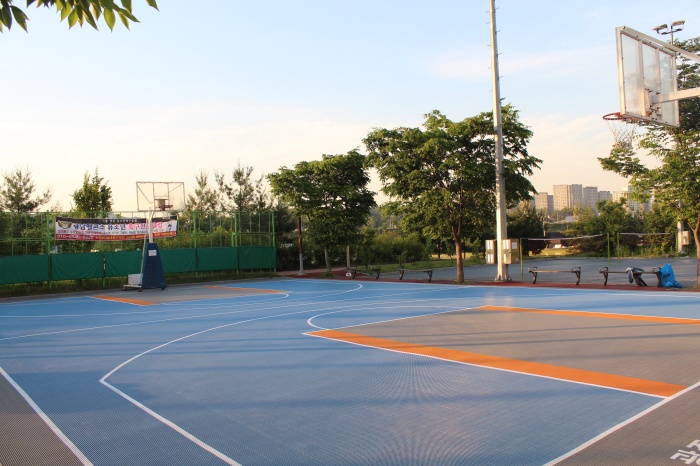
Pungam Sports ParkA place to walk along an ecological park trail and through a wildflower garden
1
Pungam Sports ParkA place to walk along an ecological park trail and through a wildflower garden -
 2
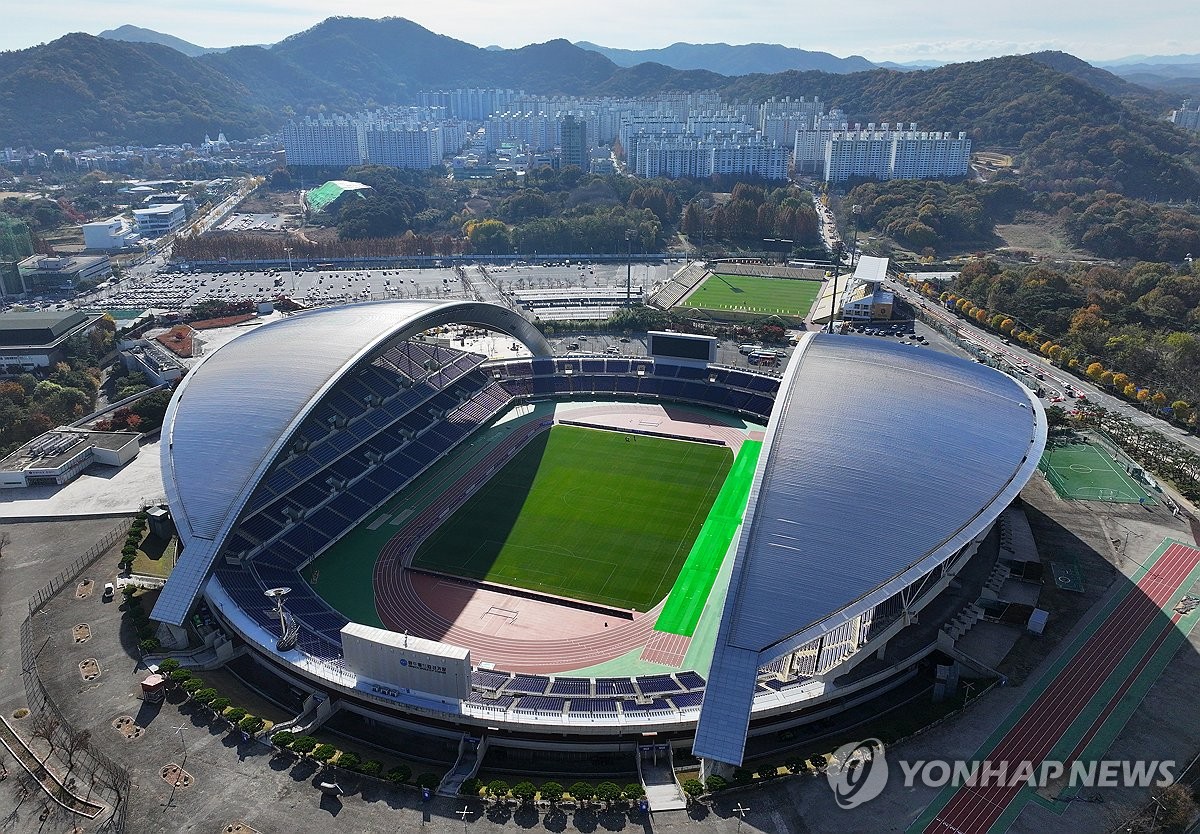
Gwangju World Cup StadiumA place to explore the stadium that hosted the 2002 World Cup semifinal
2
Gwangju World Cup StadiumA place to explore the stadium that hosted the 2002 World Cup semifinal -
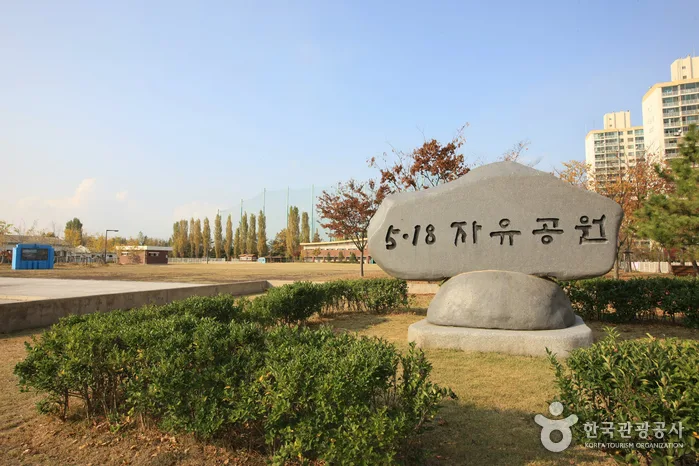 3
May 18 Freedom ParkA place to learn about the former Sangmu military base detention cells and military court, as well as the history of May 18.
3
May 18 Freedom ParkA place to learn about the former Sangmu military base detention cells and military court, as well as the history of May 18.
Food & Dining 3
-
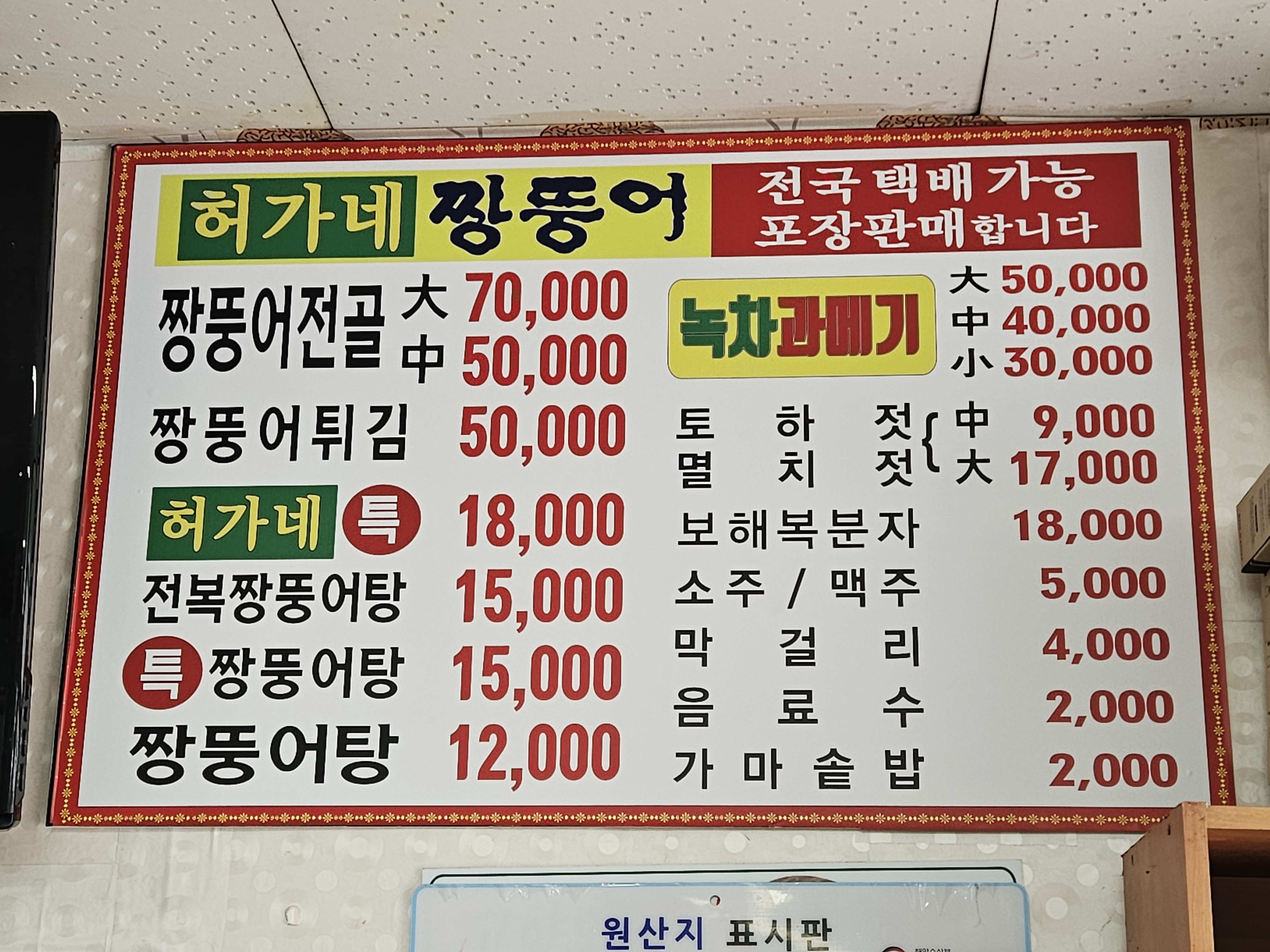 4
Heogane Jjangttungeo Specialty RestaurantA restaurant serving Namdo-style freshwater fish dishes, including jjangttungeo-tang.
4
Heogane Jjangttungeo Specialty RestaurantA restaurant serving Namdo-style freshwater fish dishes, including jjangttungeo-tang. -
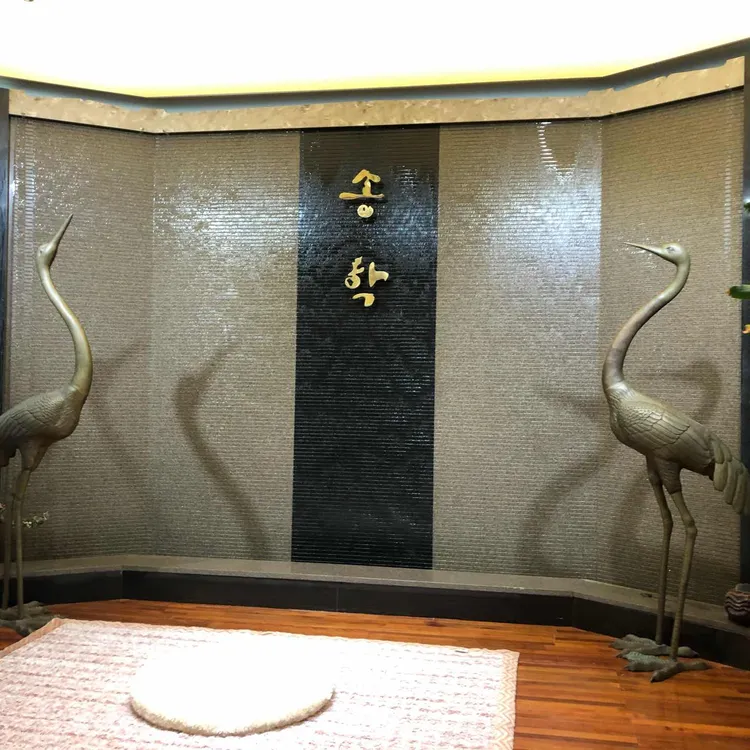 5
Songhak HanjeongsikA place to enjoy Namdo-style side dishes and a traditional Korean table setting.
5
Songhak HanjeongsikA place to enjoy Namdo-style side dishes and a traditional Korean table setting. -
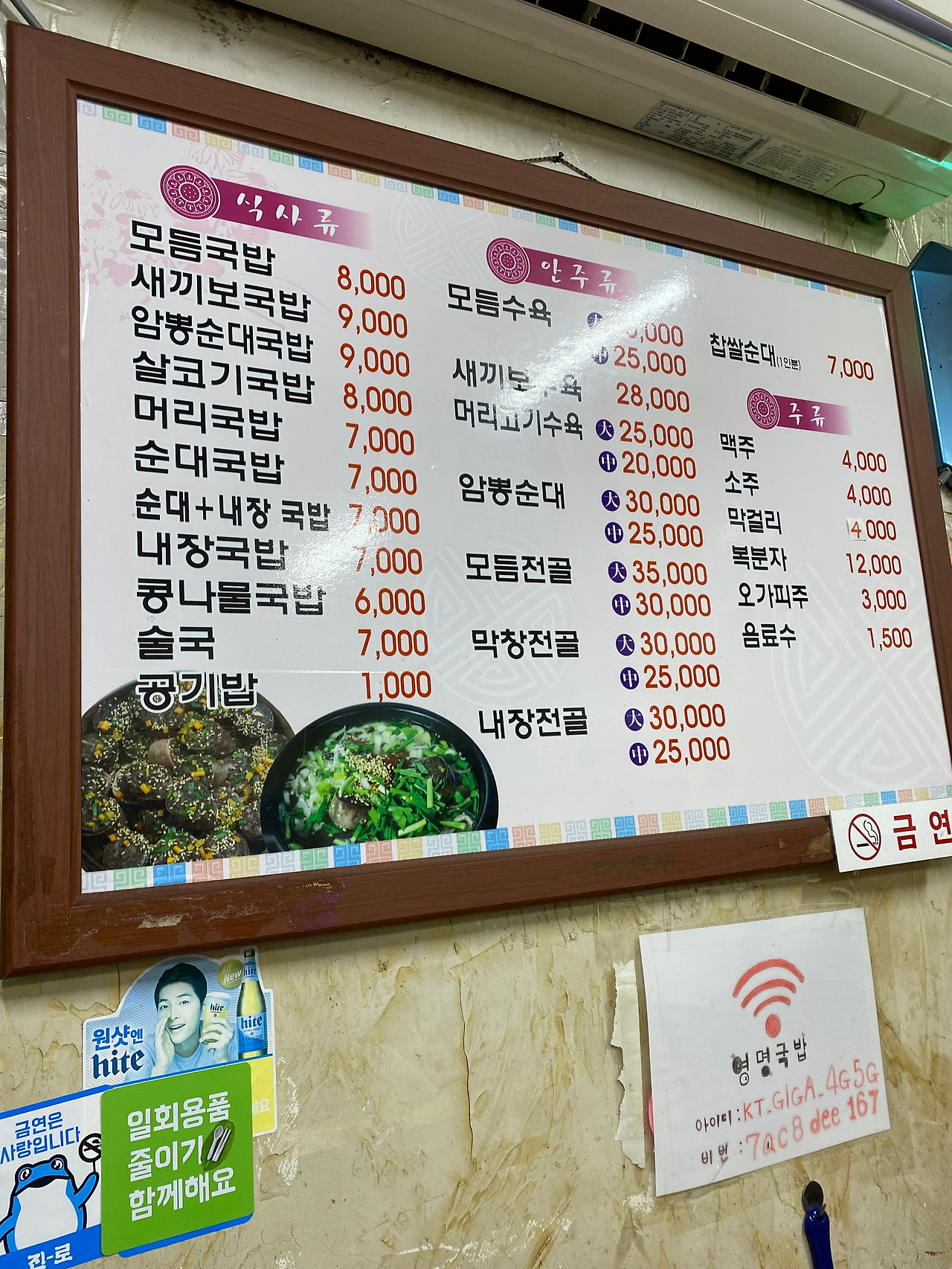 6
Yeongmyeong GukbapA place serving Gwangju-style gukbap, including amppeong sundae and assorted gukbap.
6
Yeongmyeong GukbapA place serving Gwangju-style gukbap, including amppeong sundae and assorted gukbap.
Events in This Area

Festivals in This Area


More Travel Guides in This Area
 Travel Guide
The Jisan Amusement Park Lift Car That Has Crossed the Mudeungsan Forest Since 1978: How to Reach Palgakjeong
 Travel Guide
Gwangju Family Land, Where Uchi Park’s Forest Meets a 1991 Amusement Park
 Travel Guide
From the 1992 Zoo to the 2002 Golf Practice Range: A One-Day Route through 960,000㎡ Uchi Park
 Travel Guide
Wolbong Seowon in Neobeusil, Gwangsan, Where Gobong Gi Daeseung’s Debate Lives On
Korea News
![ZEROBASEONE ‘ZEROBASEONE Shining Even at Night!’ [★Video]](https://kotourlive-images.s3.ap-northeast-1.amazonaws.com/news/1786629298196_13d8a4bb_news_075face7-fb4e-402c-b833-25ccaf88cf8f.jpg) News
News
ZEROBASEONE ‘ZEROBASEONE Shining Even at Night!’ [★Video]
 News
News
Kwon Eun-bi, First Comeback Since Moving from Woollim to RBW: “Aiming for a September Release”
 News
News
“Did Jungkook’s connection continue?” Pop star Usher spotted warmly hugging BTS’s RM and J-Hope
 News
News