Wonju Hanji Theme Park
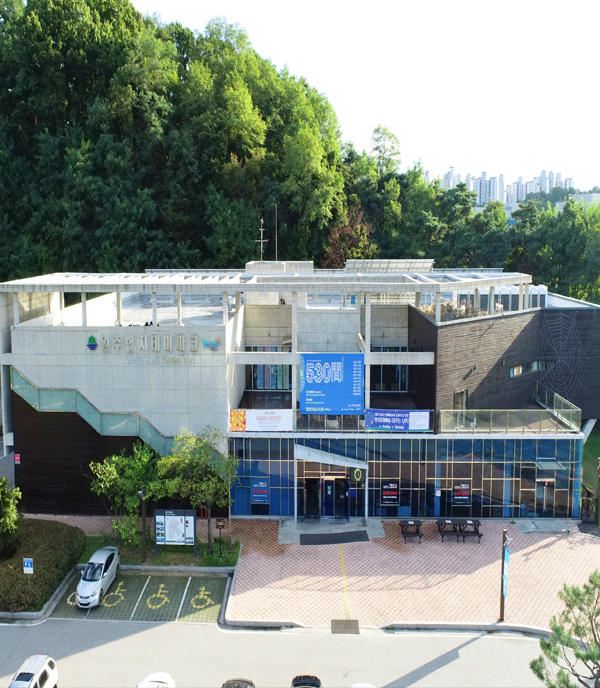
A hanji-focused cultural space at 151 Hanji Gongwon-gil, Musil-dong, Wonju-si, Gangwon-do, it opened in September 2010. It showcases the history of Wonju hanji, which was recorded in the Sejong Sillok Jiriji of the Joseon Dynasty as a production area for paper mulberry, through permanent exhibitions and hands-on programs, and the Wonju Hanji Cultural Festival is held here every May.

I’ve been here?
Your check-in helps the next traveler.
16 people viewed this week Be the first
One tap — no writing needed
Wonju paper mulberry, as recorded in the geography section of the Annals of King Sejong, and the place name Hojomyeon
The basis for Wonju being called the "city of hanji" can be found in historical records. In the Sejong Sillok Jiriji, included in the <Annals of King Sejong> published in the second year of King Danjong of Joseon (1454), paper mulberry, the raw material for hanji, is recorded as a specialty of Wonju. Even today, Hojomyeon (Haochomyeon) in northern Wonju uses the character for paper mulberry, "jeo (楮)," in its name. This place name was not originally there; it was newly created by combining characters during the administrative reorganization on March 1, 1914, under Japanese colonial rule, when Jejeondong-myeon and Homaegok-myeon, both areas with many paper mulberry fields, were merged. Combining the "ho (好)" from Homaegok-myeon and the "jeo (楮)" from Jejeondong-myeon, the name came to mean "an area favored by paper mulberry," and paper mulberry still grows naturally in this area today.
The hanji industry did not take root through paper mulberry alone. Wonju's paper mulberry grew in the climate and environment of the central inland region, and its superior quality became widely known. During the Joseon Dynasty, Gangwon Gamyeong was located in Wonju, and the presence of many historic temples also fostered the development of print culture, which is considered one factor behind the growth of the hanji industry. The Wonju hanji produced in this way obtained international quality certification from the Korea Industrial Advancement Administration in 1985.
From a civic movement in 1999 to the opening in September 2010
Before the Hanji Theme Park was established, Wonju's traditional hanji production was on the verge of disappearing. In the late 1990s, residents of Wonju became interested in the fading traditional hanji-making craft by chance. This interest led to the first "Wonju Hanji Culture Festival" in 1999 through the dedication and effort of citizens, and the festival has continued every year since. Later, in 2001, the Hanji Development Institute, a incorporated association, was established to carry out systematic archiving work on hanji and promote it domestically and internationally.
The construction of the theme park moved into full swing after basic and detailed designs were completed in June 2007 and groundbreaking took place on March 4, 2008. Through public-private cooperation, the "Wonju Hanji Theme Park," a platform for hanji culture and the arts, was created in September 2010. Since 2011, the Hanji Culture Foundation has managed the facility, continuing hanji-related cultural arts education, training of specialists, international cultural arts exchange, and the hosting of the "Wonju Hanji Culture Festival."
Hanji History Hall on the first floor of the main building and an 80-person conference room on the second floor
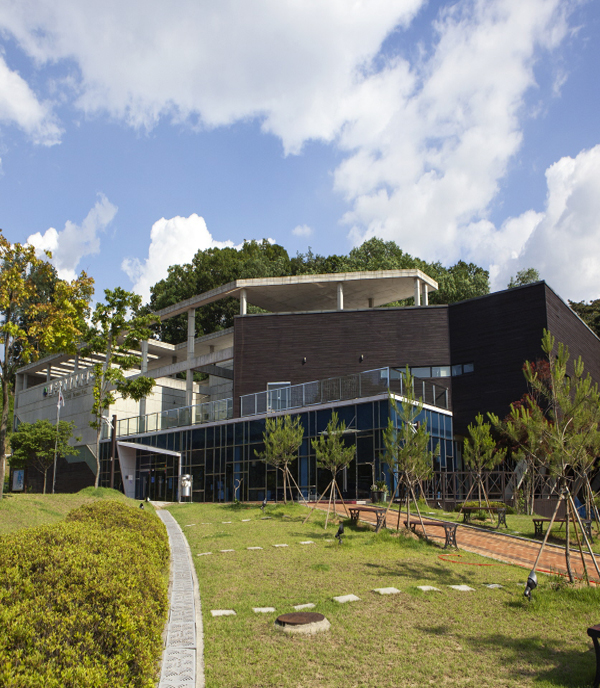
The facility is divided into the main building and an outdoor park. On the first floor of the main building are the Hanji History Hall, Hanji Experience Room, art shop, and small library; on the second floor are Exhibition Halls 1 and 2 and a conference room that can be used by up to 80 people. The first-floor Hanji History Hall is free to visit and displays the history of paper, the tools and process used to make hanji, and hanji craft works by category.
Among the exhibits are everyday artifacts made of hanji, such as sewing pouches, hat cases, and woven cloth garments, which draw attention. Award-winning works from the Korea Hanji Grand Exhibition can also be viewed. The second-floor special exhibition halls continuously rotate special exhibitions exploring the artistry of hanji, such as hanji paintings and photographs; unlike the permanent exhibition, admission fees may vary depending on the exhibition.
Why is hanji papermaking only available after 1:00 p.m. on weekends?
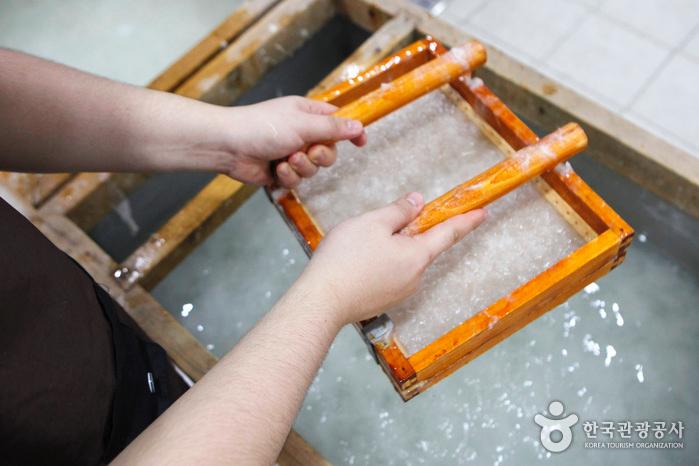
Experience programs require advance confirmation because reservations and time slots are set. Making a hanji picture canvas frame takes about 30 minutes and costs 10,000 won. The hanji papermaking experience is usually divided into pure hanji papermaking and petal hanji papermaking embroidered with flower petals; it is available only after 1:00 p.m. on weekends, takes 20 minutes, and costs 4,000 to 8,000 won.
The program "Shining stars: My story with hanji containing light," which combines cultural interpretation and hands-on experience, takes 40 to 45 minutes and costs 12,000 won. It involves touring the Hanji History Hall with a cultural interpreter before trying a hanji craft experience. The art shop sells crafts made from Wonju hanji and hanji products from local Wonju businesses.
09:00 to 18:00, closed on Mondays
The Wonju Hanji Theme Park is open from 09:00 to 18:00 and is closed on Mondays, January 1, and during the Lunar New Year and Chuseok holidays. Admission to the permanent exhibition and experience fees are basically free, but the special exhibition halls charge fees depending on the exhibition. Inquiries can be made at 033-734-4739, and the website address is www.hanjipark.com.
There are also rules to follow when viewing indoors. Food and drinks are not allowed inside, and lunch boxes or beverages may only be consumed in the outdoor park. Photography is allowed only after permission is granted, and flash use and commercial filming are prohibited. Parking is free, but parking for purposes other than visiting is prohibited.
For four days in May, 151 Hanjigongwon-gil becomes a festival site
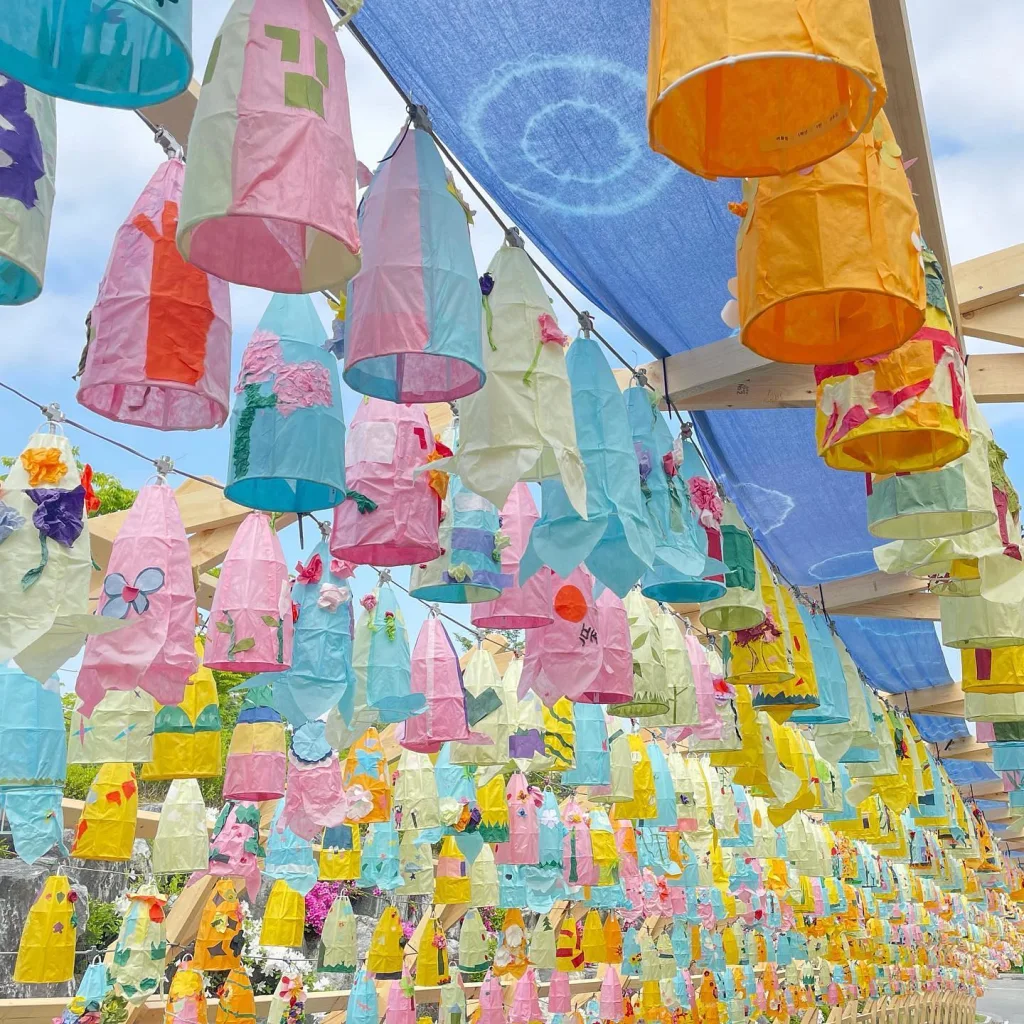
Every May, the area around the Hanji Theme Park becomes the stage for the "Wonju Hanji Festival." During the day, busking and various hands-on programs are held, and at night a spectacular lighting ceremony takes place, drawing families and couples who want to take commemorative photos at the softly lit photo spots.
The festival is hosted by the Hanji Culture Foundation, a incorporated association. In 2025, the 27th Wonju Hanji Culture Festival was held from May 22 to 25, and the 28th edition in 2026 will be held from May 1 to 5. During the festival period, more visitors than usual come, and temporary parking guidance may be announced separately.
Wonju hanji preserved by master paper maker Jang Eung-yeol, Gangwon State Intangible Cultural Heritage No. 32
A defining feature of Wonju hanji is its colorful hanji, which has been widely used in making woodblock craft works. Reasons for Wonju hanji's reputation include its being an optimal area for cultivating paper mulberry and its clean flowing water. When the raw materials are gathered and washed in water, the water quality must be excellent for the resulting hanji to be strong and durable.
This traditional technique was officially recognized in 2019 when Wonju hanji master Jang Eung-yeol was designated Gangwon State Intangible Cultural Heritage No. 32. Since 1975, master paper maker Jang Eung-yeol has passed down the entire hanji-making process in the traditional way for more than 40 years, including making pidak and baekdak, single-pole hanji papermaking, and dochim. With this designation, Wonju came to hold a total of six Gangwon State Intangible Cultural Heritage items, including Chiljeongjejang, Chiljang, Najeon Chilgi Jang, Saengchiljang, and Maeji Nongak.
151 Hanjigongwon-gil, how to get to Musil-dong
The address is 151 Hanjigongwon-gil, Wonju, Gangwon Special Self-Governing Province (Musil-dong). The parking lot is operated free of charge, and parking for purposes other than visiting is prohibited. Children under 6 must be accompanied by a guardian, wheelchairs can be rented on site, and pets are restricted.
If using public transportation, the exact city bus route numbers have not been confirmed, so it is safer to take a taxi from Wonju Intercity Bus Terminal or Wonju Station, or check real-time routes at the Wonju City Transportation Information Center (033-737-4773).
Suitable for these travelers, but may be disappointing for others
For a short free visit, about 30 minutes is enough, and if you include cultural interpretation and an experience program, it takes about 40 to 45 minutes. Since it is mainly an indoor permanent exhibition, visitors who come only to see the exhibition without an experience program may find the facility too small to fill half a day.
If you visit hoping to do the hanji papermaking experience before 1:00 p.m., you will not be able to participate, so be careful. During the Wonju Hanji Culture Festival every May, it is busier than usual and you can also see the night lighting ceremony, making this period ideal for those who want to take photos. On the other hand, if you want a quiet visit or want to avoid festival crowds, it is better to visit on a weekday morning outside the festival period.
Before You Go
- Address
- 151 Hanjigongwon-gil, Wonju, Gangwon Special Self-Governing Province
- Hours
- 09:00~18:00
- Closed
- Every Monday, January 1, Lunar New Year and Chuseok holidays
- Admission
- Permanent exhibition free (special exhibition halls vary by exhibition) / Experience programs separately charged: making a hanji picture canvas frame 10,000 won, hanji papermaking 4,000~8,000 won, Shining stars 12,000 won
- Phone
- 033-734-4739
- Official site
- https://www.hanjipark.com
- Transport
- Located in Musil-dong. Exact city bus route numbers have not been confirmed; taxi from Wonju Intercity Bus Terminal or Wonju Station, or check with Wonju City Transportation Information Center (033-737-4773) recommended
- Parking
- Free (parking for purposes other than visiting prohibited)
- Time needed
- About 30 minutes for the permanent exhibition, 40 to 45 minutes including cultural interpretation and experience programs
- Accessibility
- Wheelchair rental available, foreign-language guidance not confirmed
The information above is current as of the time of writing. Please check official guidance again before visiting.

Places
Nearby Attractions 4
-
 1
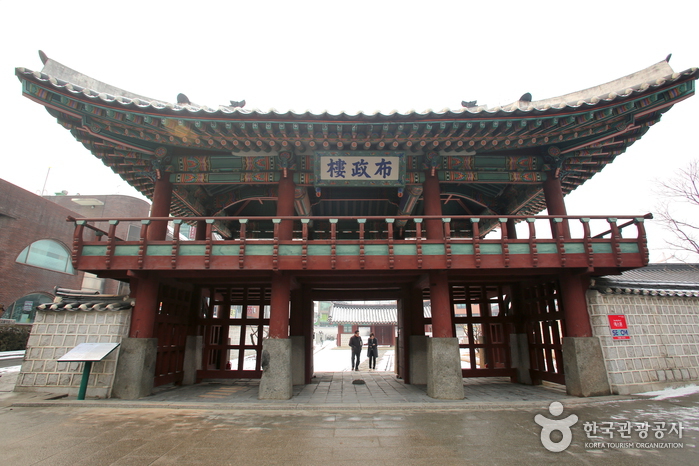
Gangwon GamyeongA historical park restoring the government office of the governor of Wonju during the Joseon Dynasty
1
Gangwon GamyeongA historical park restoring the government office of the governor of Wonju during the Joseon Dynasty -
 2
2
-
 3
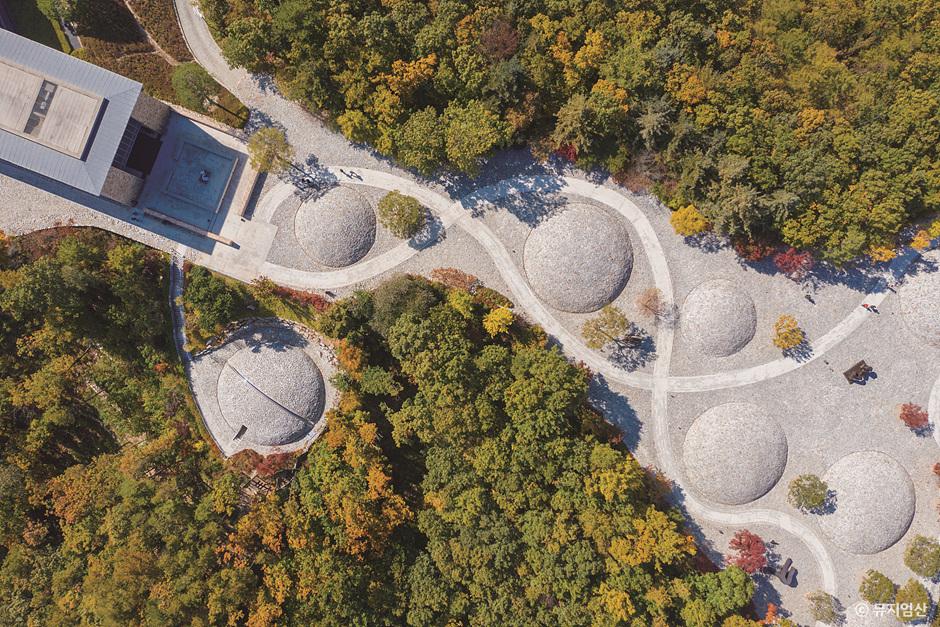
Park Kyung-ni Literature ParkA literary park commemorating the life and works of novelist Park Kyung-ni
3
Park Kyung-ni Literature ParkA literary park commemorating the life and works of novelist Park Kyung-ni -
 4
4
Food & Dining 1
-
 5
5
Events in This Area


Festivals in This Area

![Gyecchon [休] Book & Music Festival](https://kotourlive-images.s3.ap-northeast-1.amazonaws.com/festivals/1785034475211_b0405b05_ecc6a367-4861-4f67-91c1-fd73c11e0052_4.jpg)
More Travel Guides in This Area
 Travel Guide
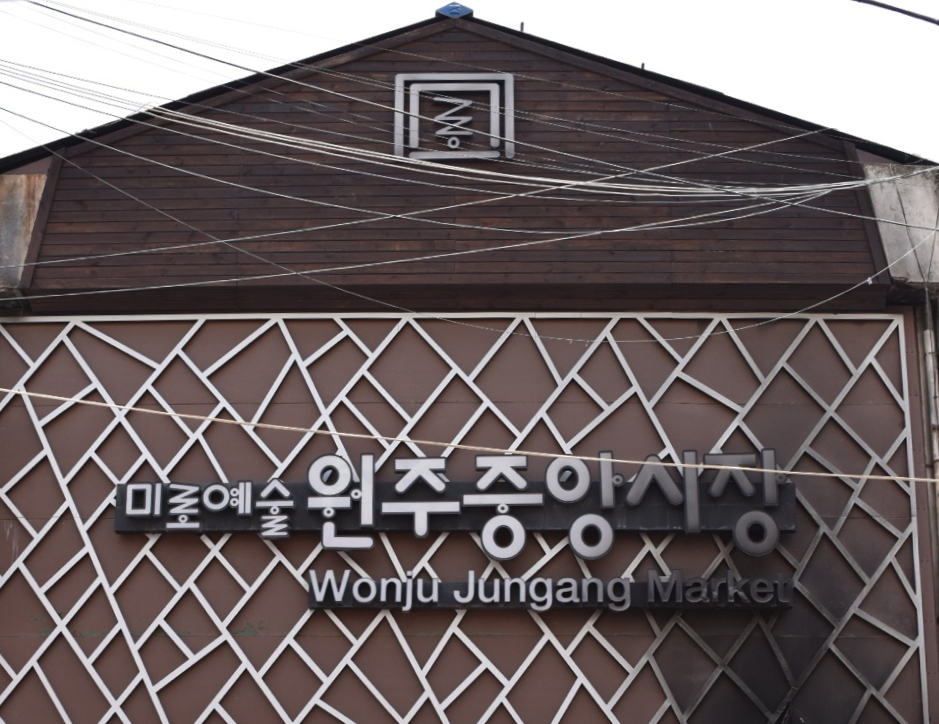
Wonju Miro Art Central Market: From a 1950s Market to Four Art Alleys
 Travel Guide
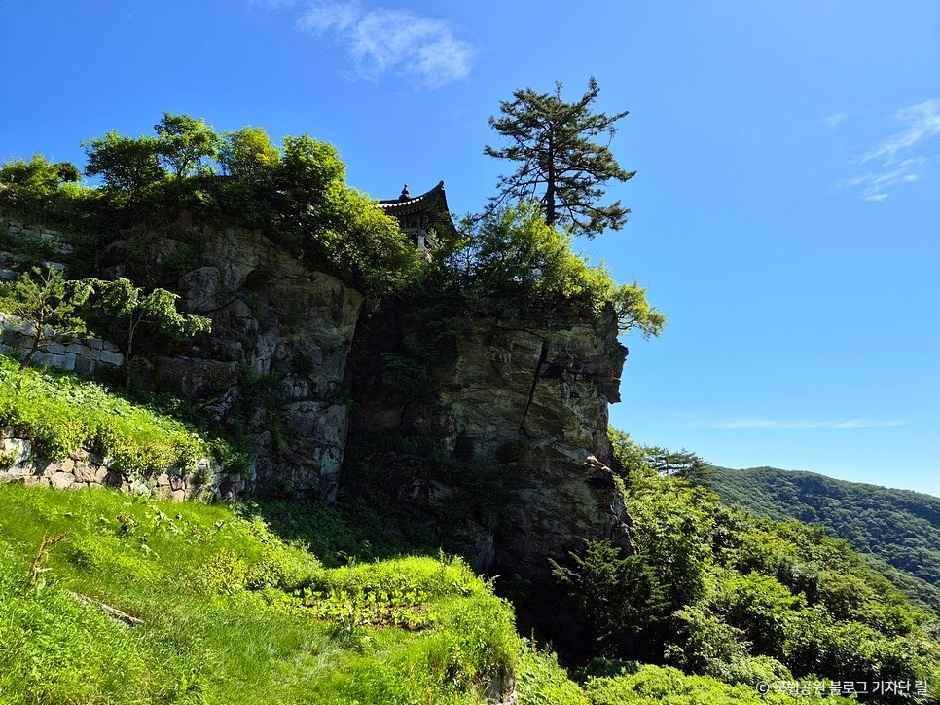
A Day on Wonju’s Chiaksan, Connecting Birobong at 1,288 m with 668-Year-Old Guryongsa Temple
 Travel Guide
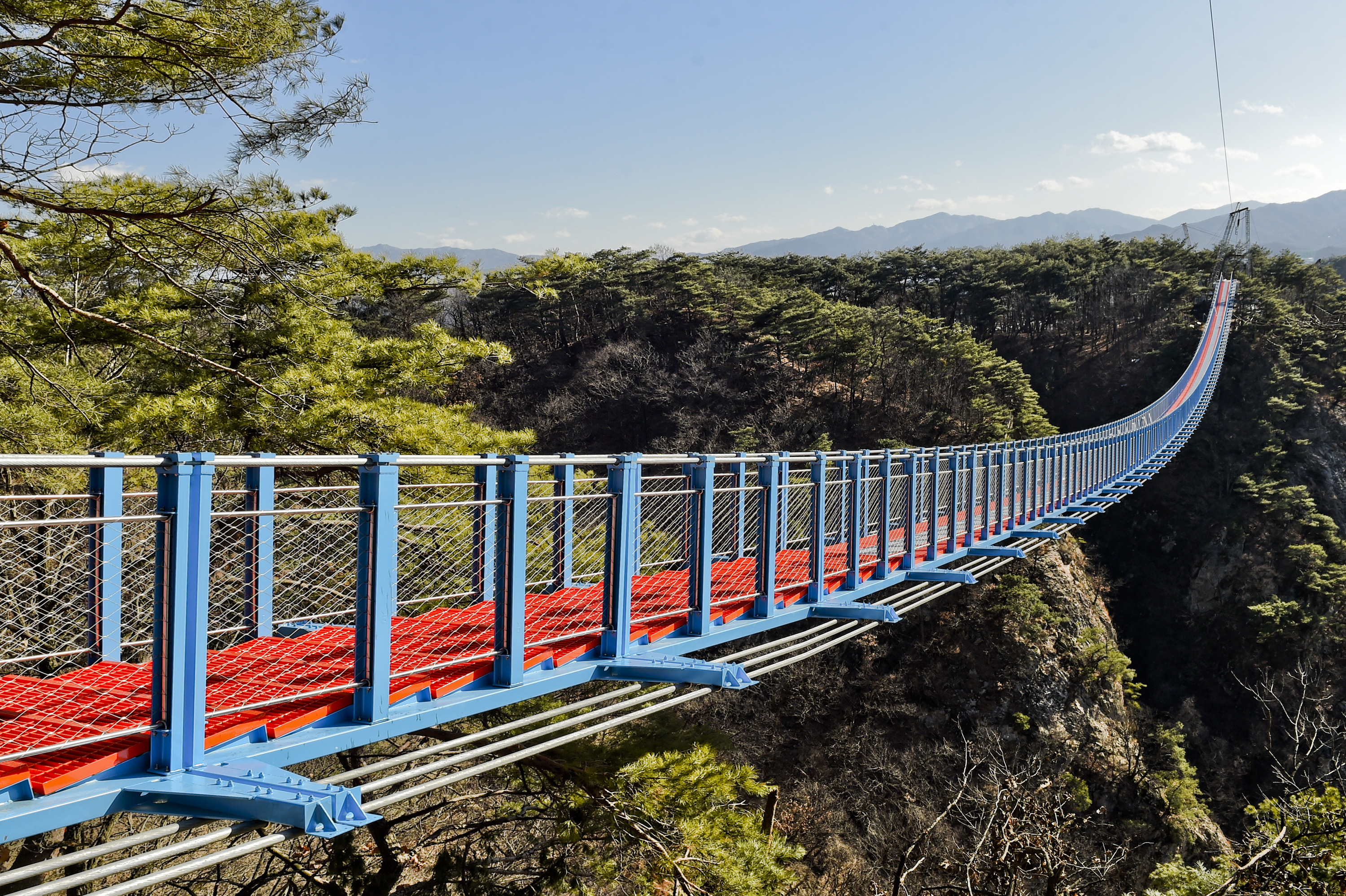
5.3 km Above the Seomgang Cliffs: The Walking Route Through Sogeumsan Grand Valley
 Travel Guide
![Han So-hee, Radiant Beauty After Going Blonde… Unmatched Aura [N Shot]](https://kotourlive-images.s3.ap-northeast-1.amazonaws.com/news/1788056981544_83c8b0b3_news_66e33b45-cf84-4724-87d9-d1340820437d.jpg)
![BOYNEXTDOOR’s Sungho selected as the new MC of ‘Show! Music Core’ [Official Statement]](https://kotourlive-images.s3.ap-northeast-1.amazonaws.com/news/1787908108799_a3cc378e_news_9a3cd086-931c-4b58-b977-4a5ac371238a.jpg)
![[Photo] KISS OF LIFE’s Natty Shows Off Her Glamorous Figure](https://kotourlive-images.s3.ap-northeast-1.amazonaws.com/news/1787908133694_557864f4_news_016e92e2-55c1-4838-9702-eb03b2ad56ec.jpg)
![Hyeri “Cute Wink” [★Photo]](https://kotourlive-images.s3.ap-northeast-1.amazonaws.com/news/1787908093800_c9b7529f_news_9274613b-0b8f-4076-a430-25a1545a679d.jpg)