From the Name of the Odong Flower to the 33m Great Buddha: A Donghwasa Route in Palgongsan
Donghwasa is the main temple of Jogye Order District 9 on the southern slope of Palgongsan, with origin stories tied to its founding in 493 and reconstruction in 832. Open from sunrise to sunset, it is possible to walk around the Daeungjeon Hall, the Unification Medicine Buddha Great Buddha, and the Biroam cultural heritage sites in 2 to 3 hours, with adult admission based on KRW 3,000.
I’ve been here?
Your check-in helps the next traveler.
No one has checked in yet Be the first
One tap — no writing needed
The story of the Paulownia tree that changed from Yugasa in 493 to 'Donghwasa' in 832
Donghwasa is the head temple of the 9th District of the Jogye Order of Korean Buddhism, located on the southern slope of Palgongsan Mountain, about 22km northeast of downtown Daegu. Daegu tourism authorities introduce it as having been founded by Monk Geukdal in 493, the 15th year of King Soji of Silla, under the name Yugasa.
The name of the temple is linked to its reconstruction in 832. Records show that when Monk Simji rebuilt the temple in the 7th year of King Heungdeok, it was renamed Donghwasa (meaning 'Paulownia Flower') because Paulownia trees bloomed within the temple grounds despite it being winter. Currently, the starting point for visitors is 1, Donghwasa 1-gil, Dong-gu, Daegu. Since the address 6-1, Palgongsan-ro 9-gil provided by the user is a nearby building, it is more correct to enter '1, Donghwasa 1-gil' as the destination.
Reconstruction of Daeungjeon in 1727 and the Imjin War told by the 'Yeongnam Chiyoung Amun' Plaque
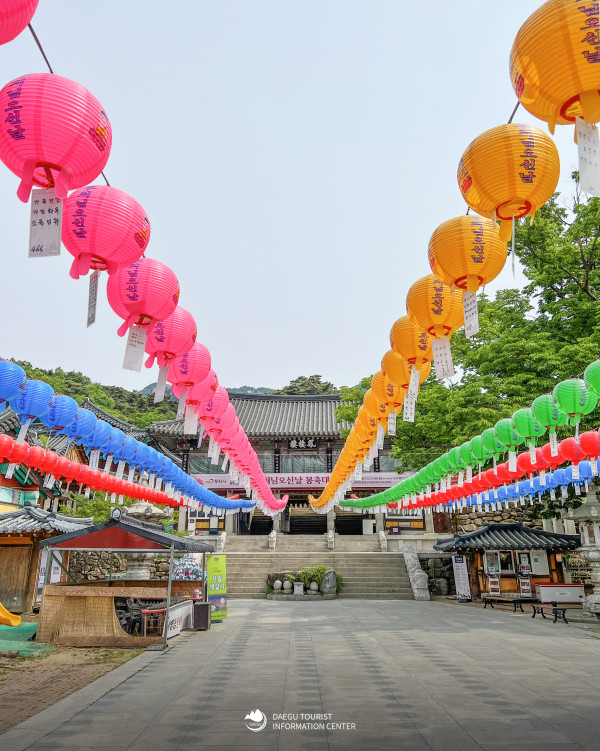
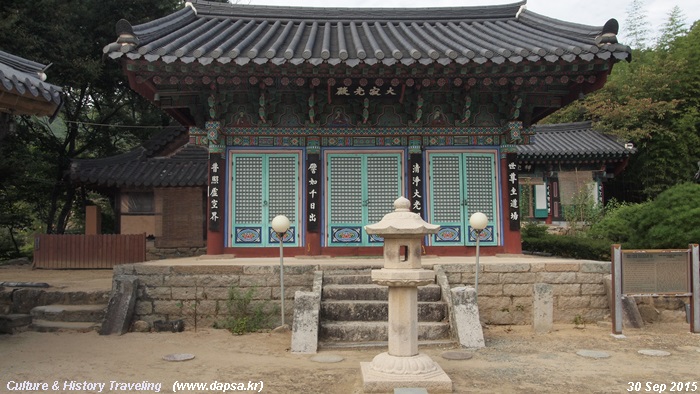
The current Daeungjeon is a building reconstructed in 1727. A plaque reading 'Yeongnam Chiyoung Amun' remains on the pavilion in front of Daeungjeon. Daegu tourism authorities explain this as a trace showing that Donghwasa was the headquarters where Master Samyeong led the Buddhist army during the Imjin War.
Therefore, this is not just a place to see mountain temple architecture, but a space where Silla's founding legend, Joseon Dynasty's late reconstruction, and Buddhist army activities during the Imjin War overlap. If you view the Daeungjeon area first and then continue to the Tongil Yaksa Yeorae Daebul and Biroam Hermitage, you can compare heritage sites with significant age differences in a single route.
- Daeungjeon: Reconstructed in 1727
- Clue related to Master Samyeong: 'Yeongnam Chiyoung Amun' plaque on the pavilion in front of Daeungjeon
- Temple status: Head temple of the 9th District of the Jogye Order of Korean Buddhism
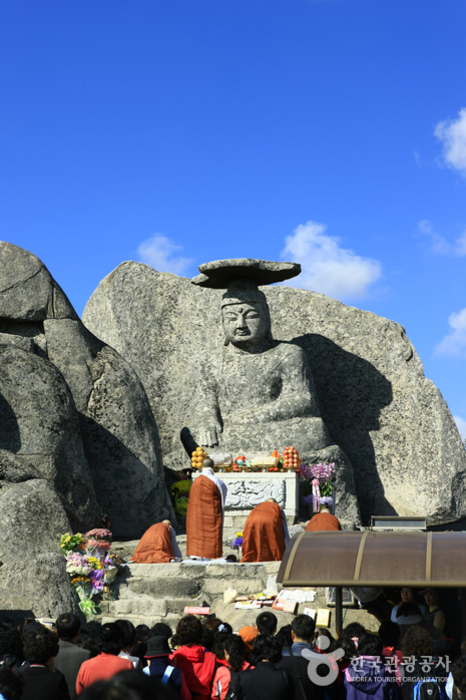
Tongil Yaksa Yeorae Daebul completed in 1992, the scale of 5,000 tons of granite
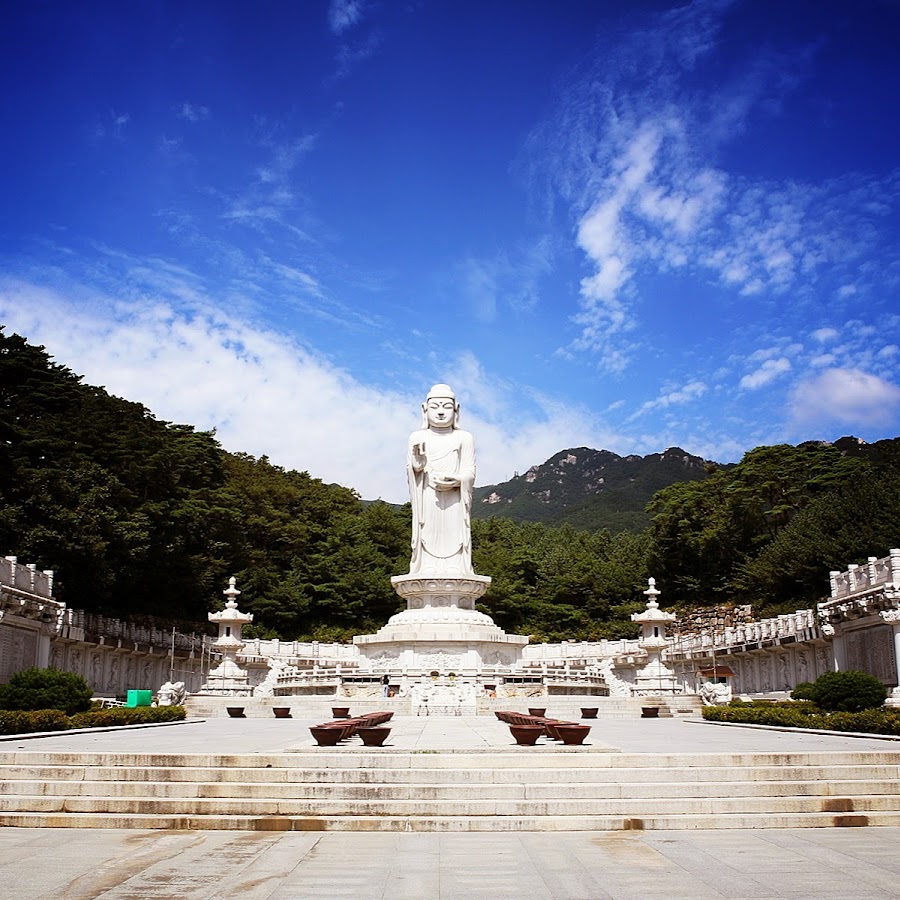
The most distinct point of scale at Donghwasa is the Tongil Yaksa Yeorae Daebul (Unification Medicine Buddha). Construction began in November 1990 and was completed with a consecration ceremony on November 27, 1992, after about two years of work. Its total height is introduced as 33m, with the statue itself being 30m, and the pedestal being 13m.
About 5,000 tons of granite from Iksan were used for the Great Buddha, with 2,000 tons for the statue and 3,000 tons for the pedestal. Daegu tourism authorities explain this Great Buddha as a stone statue created to heal conflicts and pray for national harmony and unification. This is why you should set aside separate time to travel to the Great Buddha rather than just seeing the center of the grounds from the entrance.
The Seokjo Birojana Buljwasang of Biroam from around 863 and the two pagodas of Geumdangam
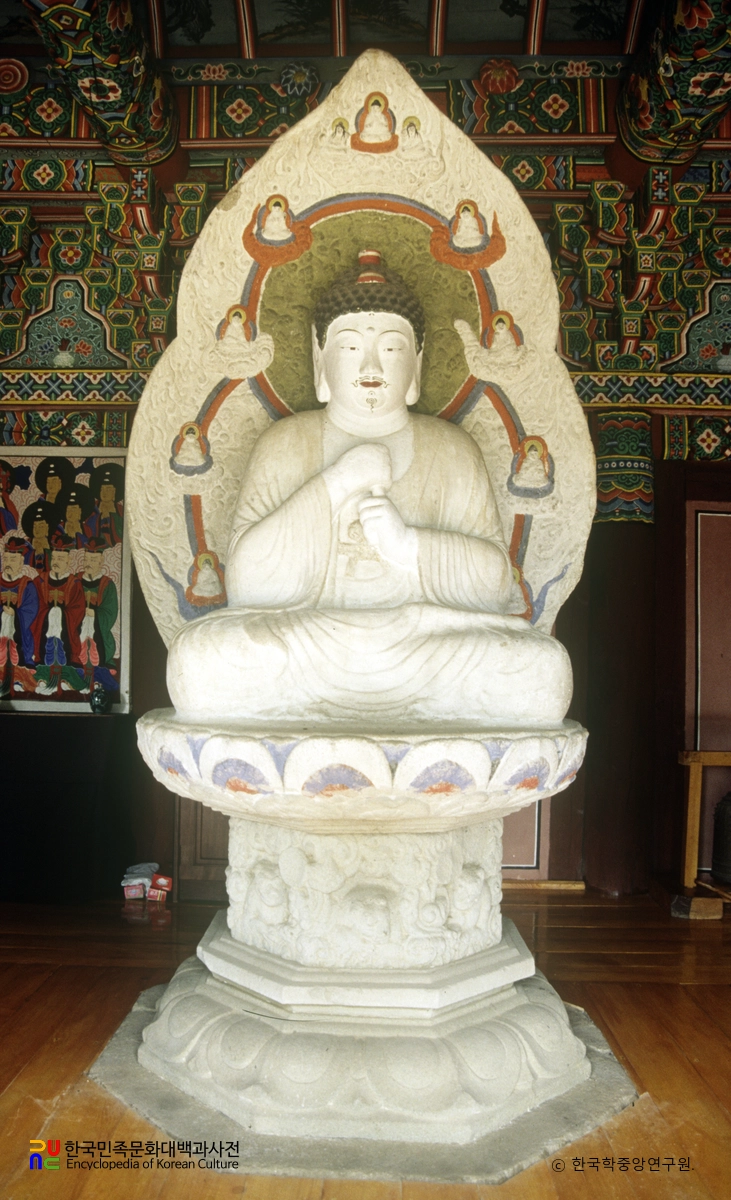
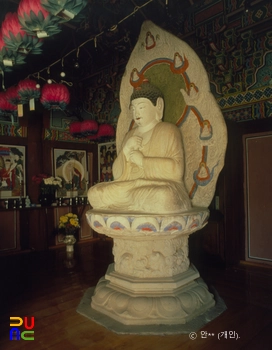
The Seokjo Birojana Buljwasang (Stone Seated Vairocana Buddha) of Biroam Hermitage within the grounds is a stone Buddha from the Unified Silla period. The Encyclopedia of Korean Culture suggests its production date to be around 863. The lotus patterns on the three-tiered octagonal pedestal and the inscription on the sarira jar from the Biroam Three-story Stone Pagoda are used as important evidence for researching the dates of Buddhist sculpture in the late Silla period.
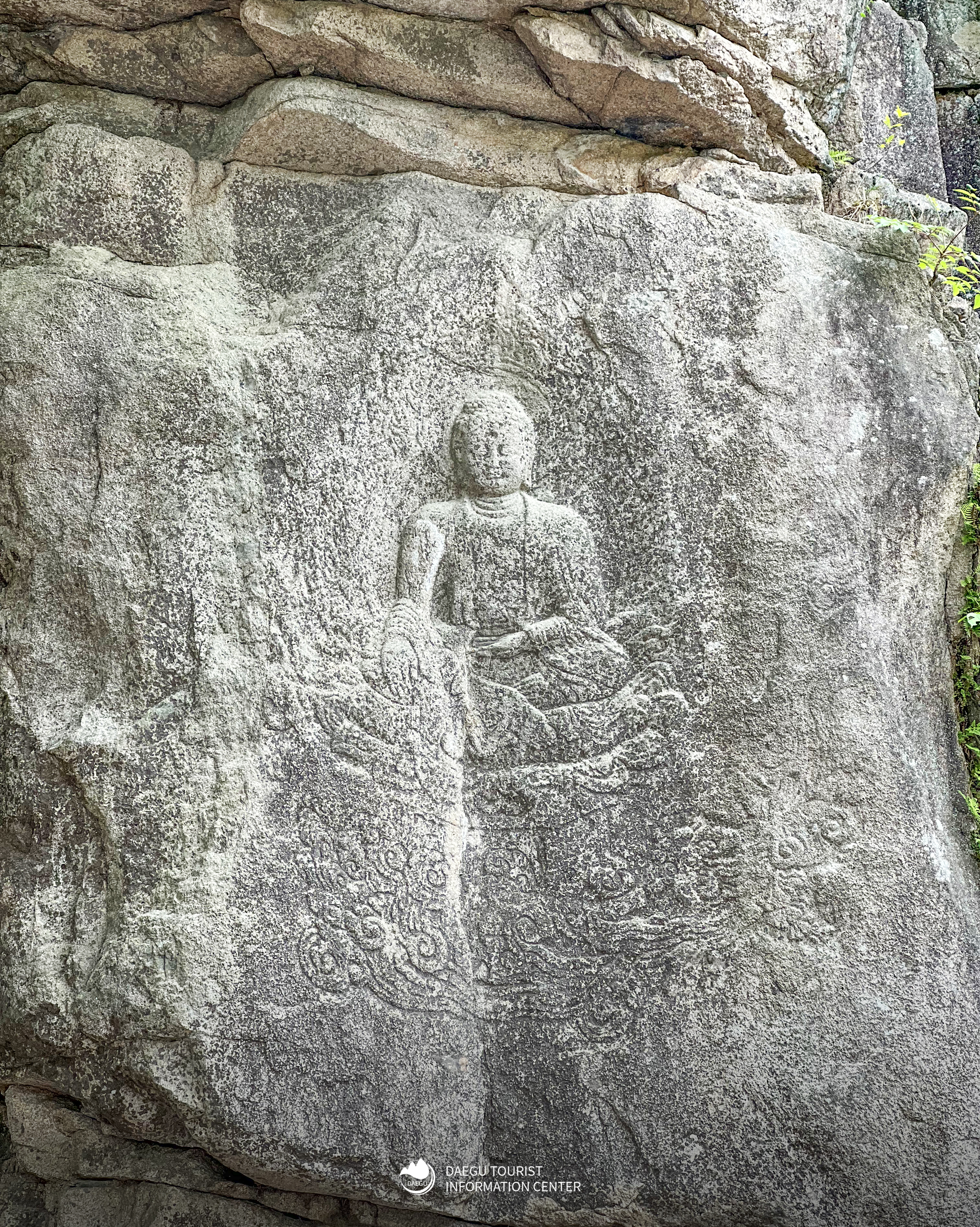
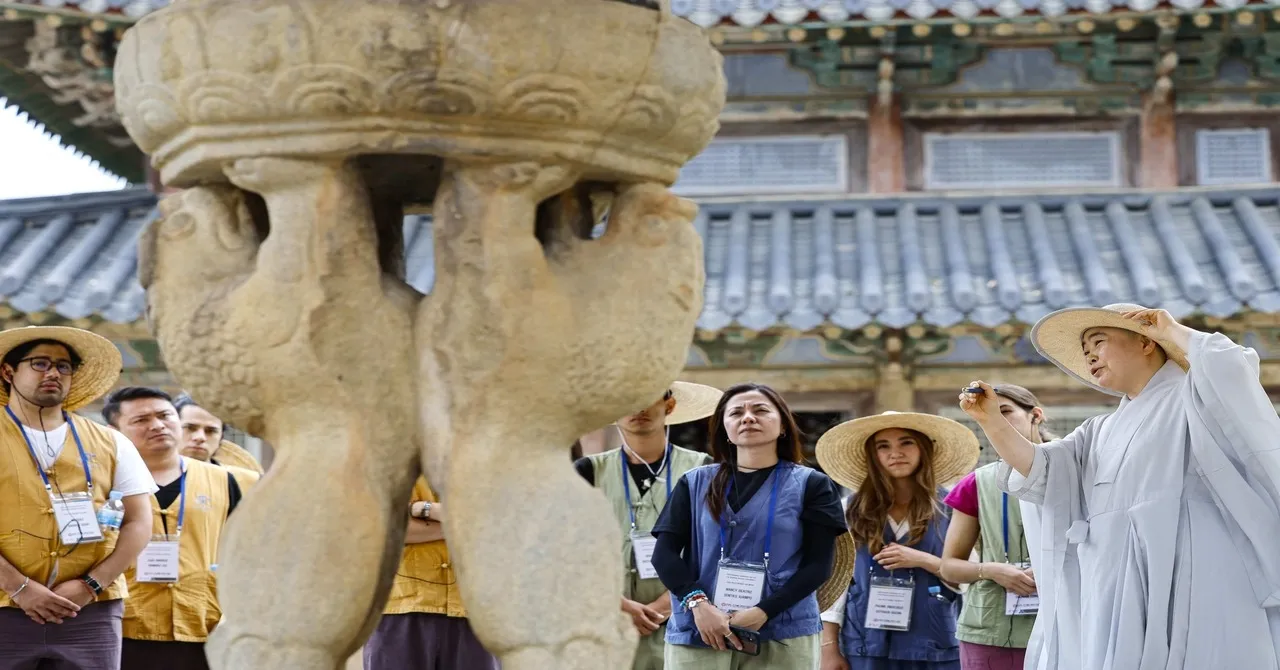
The East and West Three-story Stone Pagodas of Geumdangam are also hard to miss. According to National Heritage Knowledge Link data, the East Pagoda is considered to have been built during the Unified Silla period, and there is a record that a copper box containing sarira was found during its relocation to Geumdangam in 1544, the 39th year of King Jungjong. Other cultural heritages such as the Maeyeorae Jwasang (Rock-carved Seated Buddha), Biroam Three-story Stone Pagoda, and Danggan지주 (Flagpole Supports) are distributed throughout Donghwasa, so at least 2 hours are needed for a culture-focused visit.
Sunrise to Sunset · Adults 3,000 KRW: Visiting standards to know before ticketing
According to official Daegu tourism information, Donghwasa's operating hours are from sunrise to sunset. Admission fees are 3,000 KRW for adults, 2,000 KRW for teenagers and soldiers, 1,500 KRW for children, and free for those aged 70 and over. Since sunset times vary by season, it is safer to re-confirm the entry and temple movement times on-site for late afternoon visits.
The representative phone number is 053-980-7900. The official temple guide address provided in Daegu city materials is http://www.donghwasa.net, and templestay reservations and program checks can be done at https://donghwasa.templestay.com/. Templestay office hours are 09:00~17:00, and the inquiry phone number is 010-3534-8079.
- Visiting hours: Sunrise to Sunset
- Adult admission: 3,000 KRW
- Teenagers/Soldiers: 2,000 KRW
- Children: 1,500 KRW
- 70 years and older: Free
- Representative phone: 053-980-7900
Express 1 or Palgong 1 from Ayanggyo Station Exit 2, Get off at ‘Donghwasa (Entrance)’
For public transportation, official Daegu city information suggests taking the Express 1 or Palgong 1 bus toward Donghwasa from the stop in front of Exit 2 of Ayanggyo Station on Daegu Metro Line 1 and getting off at the 'Donghwasa (Entrance)' stop. When returning after walking the Palgongsan Olle Trail Course 7 in the opposite direction, you can use the 'Donghwagyo' stop.
Palgong 1 is specified in the Daegu city guide as having a dispatch interval of once per hour, so travelers with time constraints should check the operation times before departure. The Express 1 route passes Ayanggyo Station Exit 2, Dongdaegu Terminal, and the entrance to Donghwasa. Arriving early is advantageous on Buddha's Birthday or weekends when parking near the temple can be very crowded, but since official materials on parking fees and operating conditions are lacking, it is better to inquire with the temple before departure.
09:00~17:00 Templestay Inquiries vs. 2~3 Hour Temple Visit
At Donghwasa, you should plan general visits and stay-type experiences separately. For general visits, 2~3 hours is recommended to see Daeungjeon, the Great Buddha, and Biroam based on sunrise to sunset hours. Since there are stairs and inclined sections, prior inquiry is needed for wheelchair and stroller routes.
Templestay is introduced as a specialized temple for foreigners, and the temple address is 1, Donghwasa 1-gil, Dong-gu, Daegu. Programs include relaxation types, making 108-bead prayer beads, Zen meditation, and making temple food, but since schedules, participation fees, and reservation availability vary by program, you must check by specifying a date on the reservation page. Since official detailed information on foreign language guidance and the range of barrier-free facilities is not sufficient, it is more accurate to inquire first at 010-3534-8079 or 053-980-7900 if there are specific requirements.
When combining with Palgongsan Olle Trail Course 7, those only seeing the temple should avoid the 3-hour mountain path
If you plan to see Donghwasa along with mountain paths, you can refer to Palgongsan Olle Trail Course 7. Daegu City guides the path from Tapgol Climbing Trail leading into the Donghwasa grounds, and it is known as the path to Yangjinam and Naewonam, which are nunneries for practice around Donghwasa. It is introduced as a summer walking route due to many tree-shaded areas and dirt paths.
However, adding a mountain path schedule may not be suitable for those who only want to visit the temple. The public transportation for Palgongsan Olle Trail Course 7 suggested by Daegu City also relies on Express 1 and Palgong 1. Considering the long dispatch interval of Palgong 1, you should allow plenty of time for returning home. If you want to focus on the Great Buddha and cultural heritage, it is realistic to only complete the tour within the grounds after getting off at Donghwasa (Entrance), and combine the Olle Trail only if you have hiking shoes, water, and a plan to return before sunset.
- Recommended time for general visit: 2-3 hours
- Templestay inquiry business hours: 09:00-17:00
- Metro connection: Line 1 Ayanggyo Station Exit 2
- Bus: Express 1, Palgong 1
- Palgong 1 interval: Guided as approximately 1 hour interval
Before You Go
- Address
- 1, Donghwasa 1-gil, Dong-gu, Daegu
- Hours
- Sunrise ~ Sunset
- Admission
- Adult 3,000 KRW, Youth/Soldier 2,000 KRW, Child 1,500 KRW, Free for age 70 and over
- Phone
- 053-980-7900
- Official site
- http://www.donghwasa.net
- Transport
- Take Express 1 or Palgong 1 (toward Donghwasa) from the stop in front of Exit 2 of Ayanggyo Station, Daegu Metro Line 1, and get off at Donghwasa (Entrance). Palgong 1 is guided as having an approximately 1 hour interval.
- Parking
- Recommended to inquire on-site/at temple for parking availability
- Time needed
- 2-3 hours recommended for general visit
- Accessibility
- Prior inquiry recommended for wheelchair/stroller movement and foreign language guidance range
The above information is based on the time of writing. Please re-check official guides before visiting.

Places
Nearby Attractions 5
-
 1
Donghwasa Temple (Headquarters of the 9th Diocese of the Jogye Order of Korean Buddhism)Buddhist temple
1
Donghwasa Temple (Headquarters of the 9th Diocese of the Jogye Order of Korean Buddhism)Buddhist temple -
 2
2
-
 3
3
-
 4
4
-
 5
5
Food & Dining 5
-
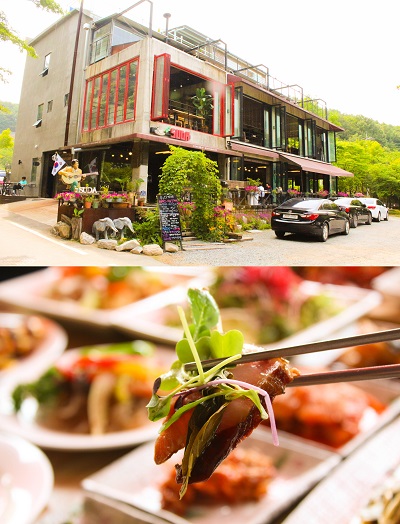 6
Tapgol Sikdang
6
Tapgol Sikdang -
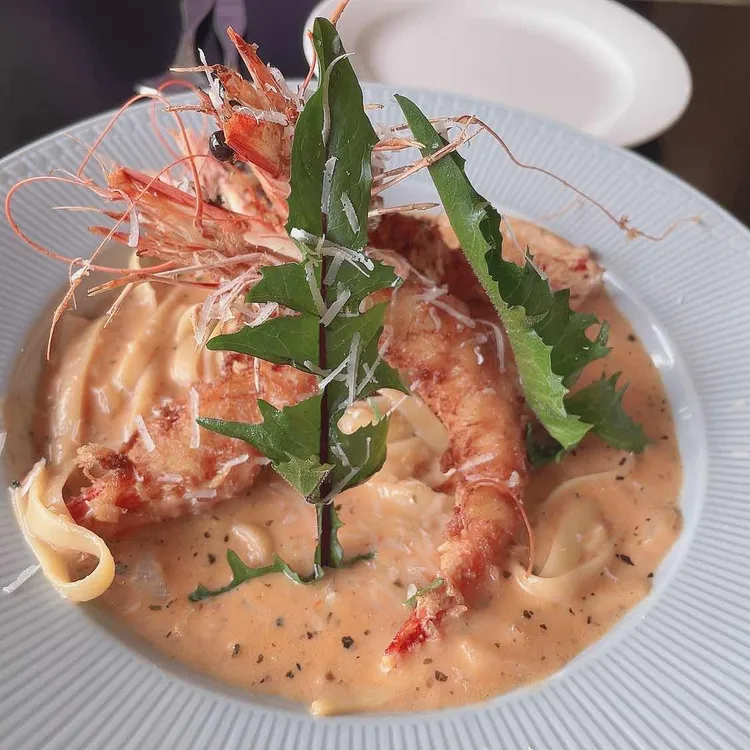 7
7
-
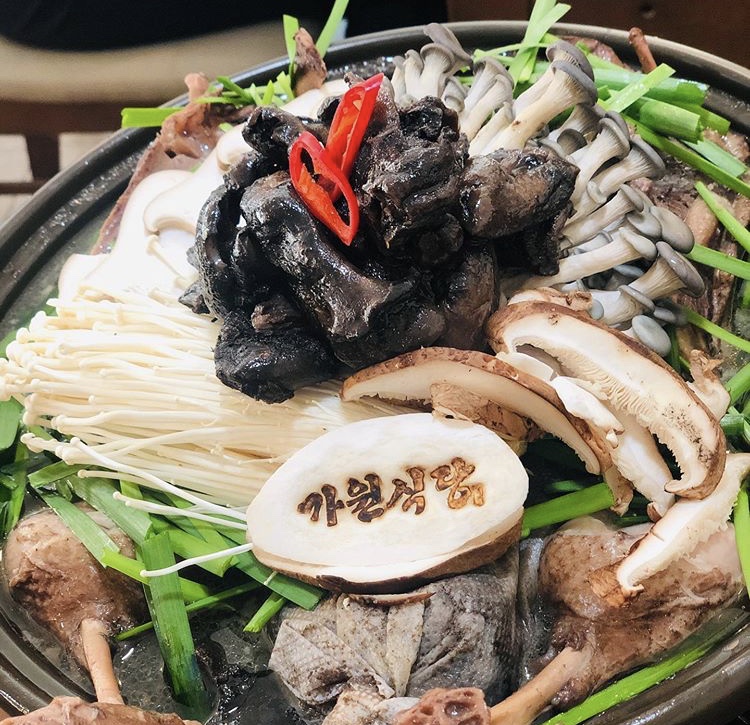 8
8
-
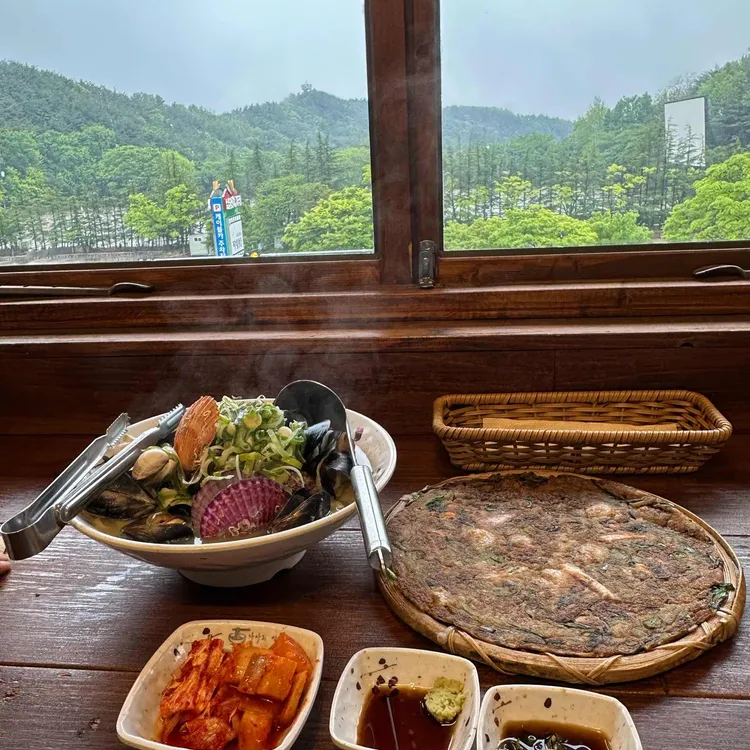 9
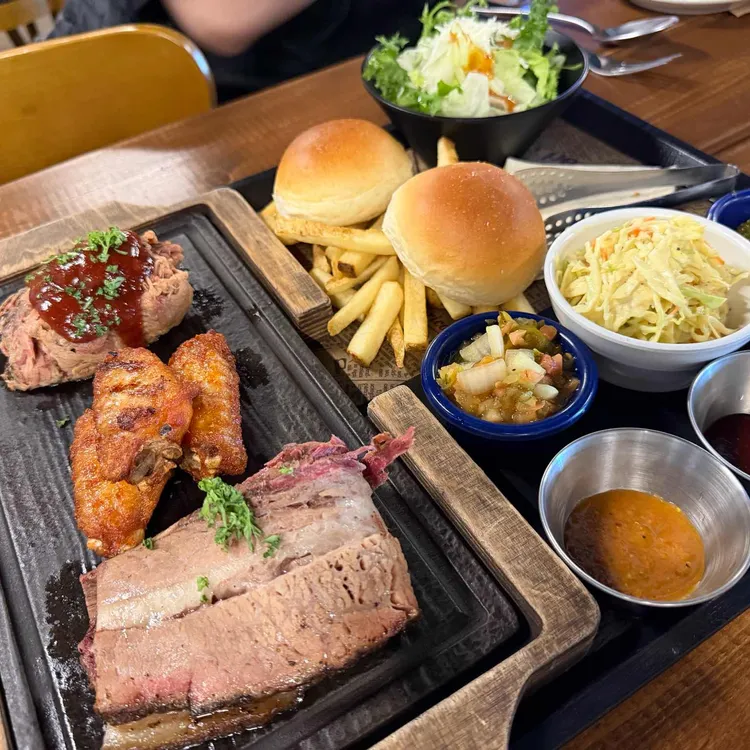
Olbari NasaRi Restaurant
9
Olbari NasaRi Restaurant -
 10
10
More Travel Guides in This Area
 Travel Guide
The Road Up to Pagyesa, Kobab Serves a Table of Beolgyo Cockles
 Travel Guide
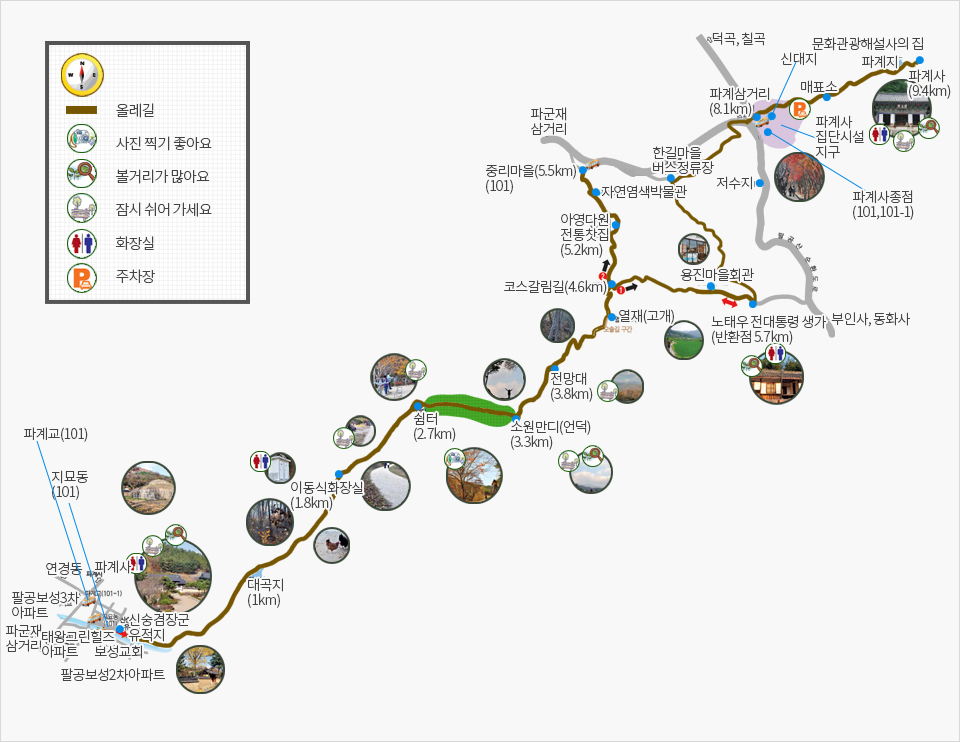
From the Remnants of the Battle of Gongsan in 927 to Pagyesa, Hansilgol 9.4 km
 Travel Guide
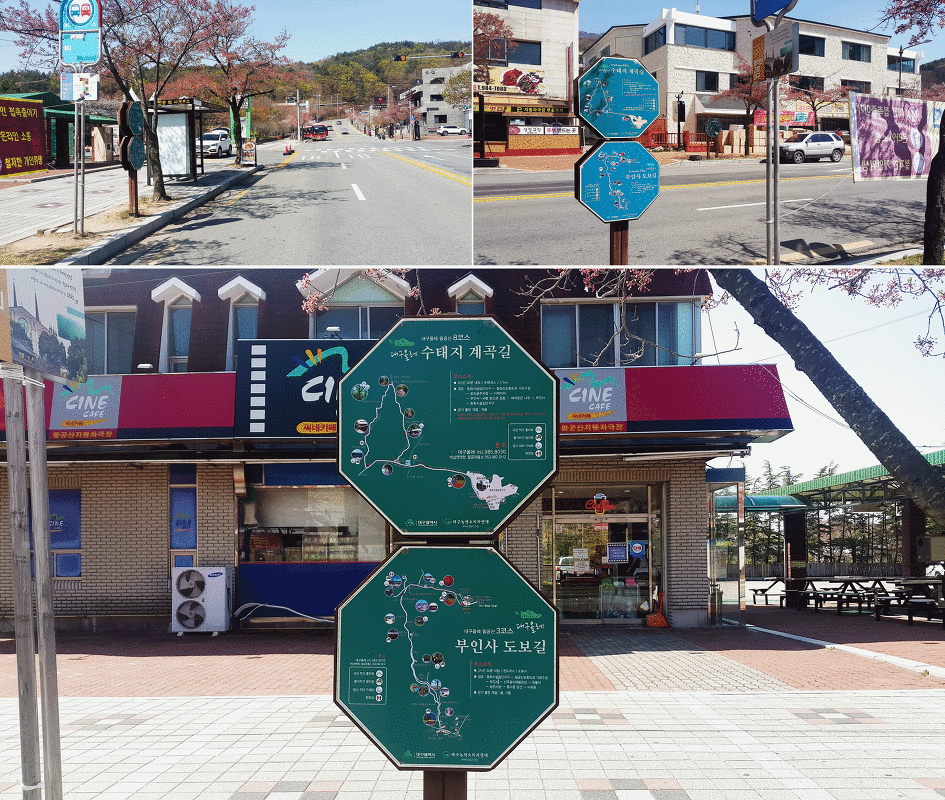
7.1 km Connecting the Sutaeji Valley on Palgongsan, from Donghwasa Terminus to Buinsa
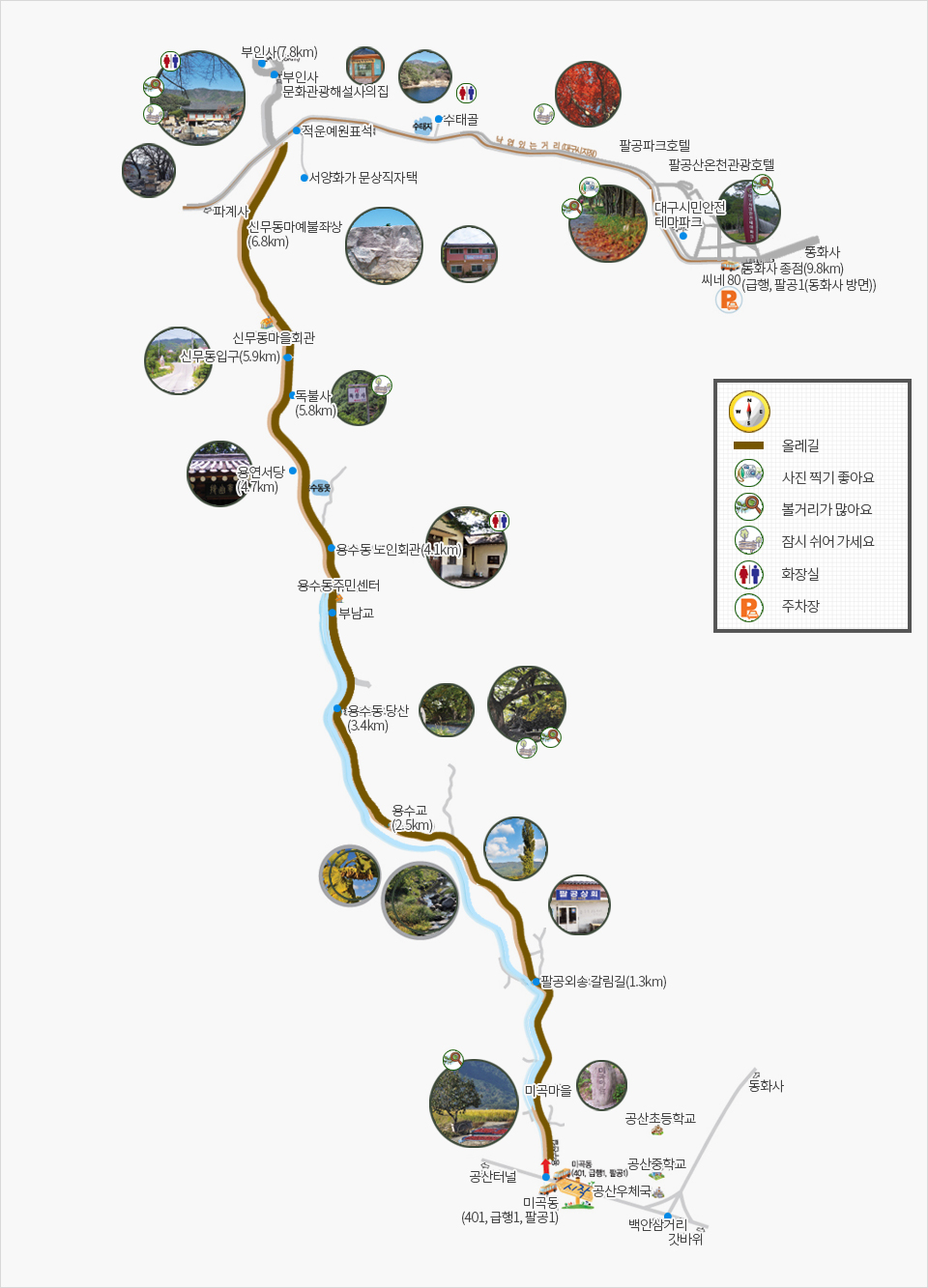 Travel Guide
The 9.8 km Path Where Leaves Are Not Swept, Palgongsan Buiinsa Walking Trail
Korea News
![BLACKPINK’s Lisa Dominates the VMA Red Carpet in a Sheer Corset Dress and Red Fur [Star Issue]](https://kotourlive-images.s3.ap-northeast-1.amazonaws.com/news/1790557894714_010e956a_news_94409db1-fab6-40bf-bc7b-4b985b1fbac7.jpg) News
News
BLACKPINK’s Lisa Dominates the VMA Red Carpet in a Sheer Corset Dress and Red Fur [Star Issue]
![BLACKPINK’s Jisoo Spotted by Surprise with BIGBANG in London… Their Special Loyalty as Labelmates [IS High Cut]](https://kotourlive-images.s3.ap-northeast-1.amazonaws.com/news/1790557854683_6ea979f5_news_caab62e5-8462-43c8-8622-da794f3df9de.png) News
News
BLACKPINK’s Jisoo Spotted by Surprise with BIGBANG in London… Their Special Loyalty as Labelmates [IS High Cut]
 News
News
Tattoos All Over Her Body… AOA’s Jimin Draws Shocked Attention After Kwon Mina’s ‘Bullying’ Allegations
![You’ll Have to Look Twice… Choi Min-a-soo Perfectly Pulls Off Everything from a Daring Illusion Dress at the Awards Ceremony to Long Braided Hair [RE:STAR]](https://kotourlive-images.s3.ap-northeast-1.amazonaws.com/news/1790492384850_1f293dad_news_d834c50e-0685-43ef-9aa5-6995cd6d8848.jpg) News
News