How to Walk from Bongmujeong, the 'Village Hall' of Bongmudong Since 1875, to Dokjwam and Bongmutoseong
Bongmujeong is a pavilion with a public character, built in 1875 by Choi Sang-ryong of Bongchon for village rules, education, and meetings in Bongmudong. Though it is a small building right beside Paldong-ro, connecting it with Dokjwam, Bongmutoseong, and Daegu Olle Route 6 lets you read both late Joseon village administration and the area’s ancient landscape together.

I’ve been here?
Your check-in helps the next traveler.
No one has checked in yet Be the first
One tap — no writing needed
The role of Bongmujeong, where Choi Sang-ryong replaced the straw-thatched office in 1875
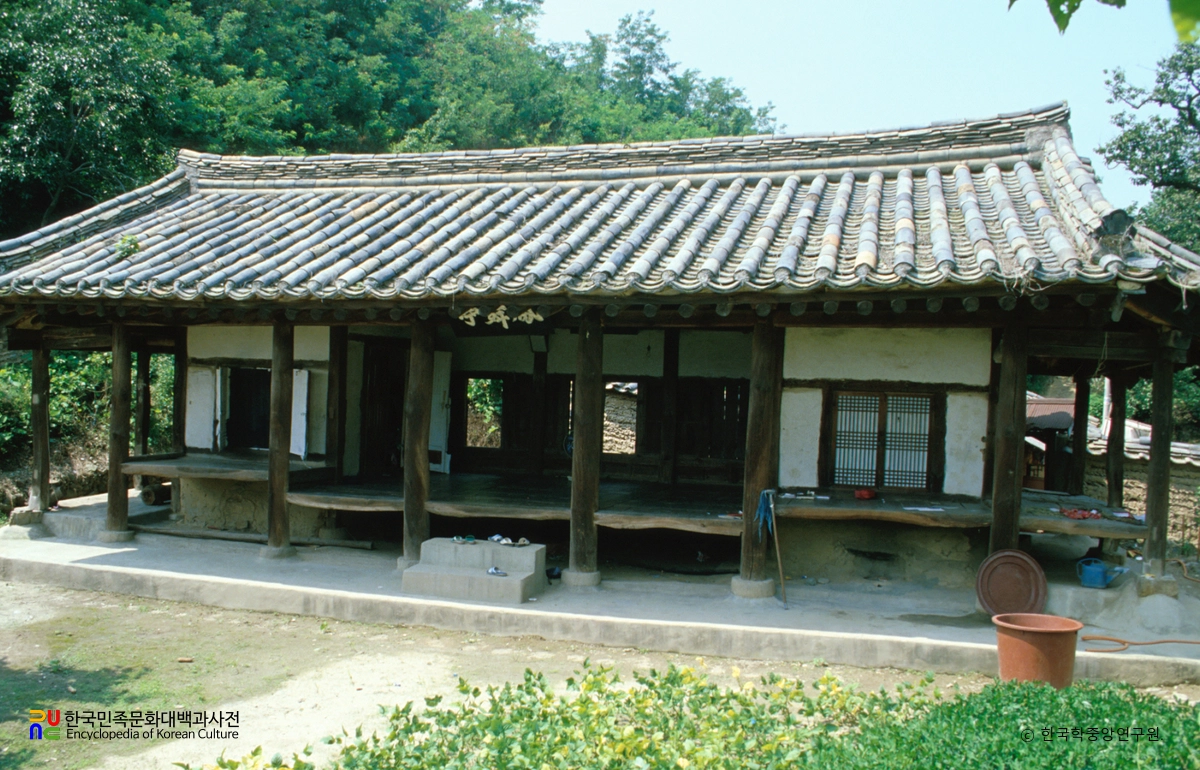
Bongmujeong (鳳舞亭) is a public-style building provided by Bongchon Choi Sang-ryong (崔象龍, 1786~1849), a local landowner and Confucian scholar of the Dalseong area, together with the residents of Bongmudong so they could discuss village affairs and hold literary gatherings. Dong-gu Office explains it as a public building erected in 1875, the 12th year of King Gojong, for administrative convenience, and the ridge-beam record also points to February 16, 1875.
Before that, a straw-thatched office used by the four villages of Gangdong, Dokjwa, Winam, and Dansan stood on this site, and after the administrative district was consolidated into Bongmudong, it was demolished and Bongmujeong was built. After passing the state examination for jinsa in 1822, Choi Sang-ryong founded Dokam Seodang to teach younger students, and he also set the Bongmudong village rules (donggyu) in an effort to address village customs and issues.
- Choi Sang-ryong's life dates: 1786~1849
- Passed the jinsa examination: 1822 (the 22nd year of King Sunjo)
- Current building ridge-beam completion: February 16, 1875
- Designation as a Local Cultural Heritage of Daegu Metropolitan City: July 25, 1984
- Repair history: three times between 1988 and 2001
The lecture hall and two annex rooms within a 13.2 m front and 4.8 m side plan
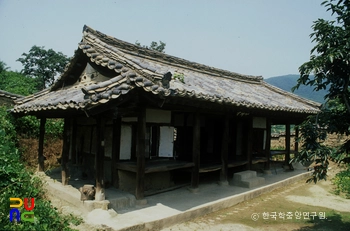
The building is a pavilion with a gabled roof and single eaves, measuring 13.2 m front to back, 4.8 m on the side, and 5 m high. It has a seven-bay front and two-bay side plan, and was built as a simple timber-framed house with round columns set on round granite foundation stones.
The central three bays form a raised wooden floor hall with a well-floor, serving as both a main hall and lecture room. On both sides there is a one-bay ondol room each. The east room was called Deokgyojae (德敎齋), and the west room Yeyongjae (禮用齋); these were spaces where residents gathered to discuss the implementation of the village rules and village affairs. It is said that inscriptions such as Bongmujeonggi, Sangryangmun, and Bongseodaegi are hung in the main hall.
- Front composition: 7 bays
- Side composition: 2 bays
- Central hall: 3 bays
- Ondol rooms: 1 bay each on the east and west
- Roof structure: 5-purlin structure
- Entrances: installed on the east and north sides
The old view from the slopes of Geumho River and Palgongsan shown in Bongmujeong Sipgyeong
Choi Sang-ryong's "Bongmujeong Sipgyeong" includes Dokam Goerim, Suya Nongga, Geumho Beomju, Gongsan Pyeonun, Geomni Joyeon, Dansan Nakjo, Donghwa Gwiseung, Hwadam Jogan, Haechang Jeokro, and Nojeong Myeongan. The titles preserve the landscapes and everyday scenes that could be seen in or around Bongmudong at the time, such as boating on the Geumho River, clouds toward Palgongsan, the sunset over Dansan, and monks returning from Donghwasa Temple.
This was not merely a pavilion for viewing scenery, but a place where village rules were taught and resident meetings were held. Therefore, when looking at the main hall and the two annex rooms, it is best to also consider how education, administration, and community fellowship overlapped within a single building in late Joseon rural society.
- First item in the ten scenic views: Dokam Goerim
- River appearing in the ten scenic views: Geumho River
- Mountain appearing in the ten scenic views: Gongsan (the Palgongsan area)
- Temple appearing in the ten scenic views: Donghwasa Temple
- Collected work preserving the record: "Bongchon Seonsaeng Munjip"
How to access it from Bongmu Leports Park stop on Palgong-ro 327-7
The road-name address of Bongmujeong is 327-7 Palgong-ro, Dong-gu, Daegu Metropolitan City, and the lot number address is 939, Bongmudong. The contact number for the Culture and Tourism Division of Dong-gu Office, Daegu, is 053-662-4103. As it is an outdoor heritage site rather than a separate exhibition facility, official fixed opening hours or closing days are difficult to confirm from published information.
The nearest guiding stops are 'Bongmu Leports Park Front' and 'Bongmu Leports Park Across'. Routes 101, 101-1, and 401 stop at both stops, and Palgong 1, Palgong 2, and Express 1 also stop at the stop across the road. Since this is a section of Palgong-ro with fast-moving traffic, it is safer to check where to cross first after getting off and avoid taking photos for a long time at the roadside.
- Road-name address: 327-7 Palgong-ro, Dong-gu, Daegu Metropolitan City
- Lot number address: 939, Bongmudong, Dong-gu, Daegu Metropolitan City
- Inquiry: Culture and Tourism Division, Dong-gu Office, Daegu, 053-662-4103
- Main bus routes: 101, 101-1, 401
- Branch routes: Palgong 1, Palgong 2
- Express route: Express 1
Why it should not be described simply as 'open all the time' even though admission is free
Bongmujeong is an outdoor cultural heritage site with no confirmed ticket booth or reservation procedure, and admission is free. However, there is no confirmed information on opening hours set by the institution, closing days, or operation of a dedicated parking lot, so it cannot be stated as being open 24 hours a day. Whether entry to the building interior is possible, and any access restrictions due to repairs or events, should be checked with the Dong-gu Office Culture and Tourism Division on the day of visit.
For a short itinerary focused on the building and information plaques, 20 to 30 minutes is reasonable; if you also include the rear Bongmuto Fortress and Dokjwaam, allow 40 to 60 minutes. Wheelchair and stroller users should separately consider the pavement condition around Palgong-ro and the slope of the footpath leading up to Bongmuto Fortress. In particular, the fortress side includes dirt paths and inclines, so it may not be suitable for mobility aids.
- Admission: free
- Reservation: no confirmed reservation procedure
- Fixed opening hours: official published information unavailable
- Closing days: official published information unavailable
- Recommended stay: 20 to 30 minutes for Bongmujeong only
- Including Dokjwaam and Bongmuto Fortress: 40 to 60 minutes
40 to 60 minutes to see Dokjwaam and the Bongmuto Fortress footpath together
At the foot of the mountain near Bongmujeong is Dokjwaam (獨座巖). The Korean National Culture Encyclopedia introduces it as a rock linked to the story that King Taejo Wang Geon of Goryeo once sat alone there to rest. The tradition itself and historical fact should be distinguished, but it serves as a clue for reading the local memory that Bongmujeong sits within the southern gateway to Palgongsan and the legend sphere of the Gongsan battle.
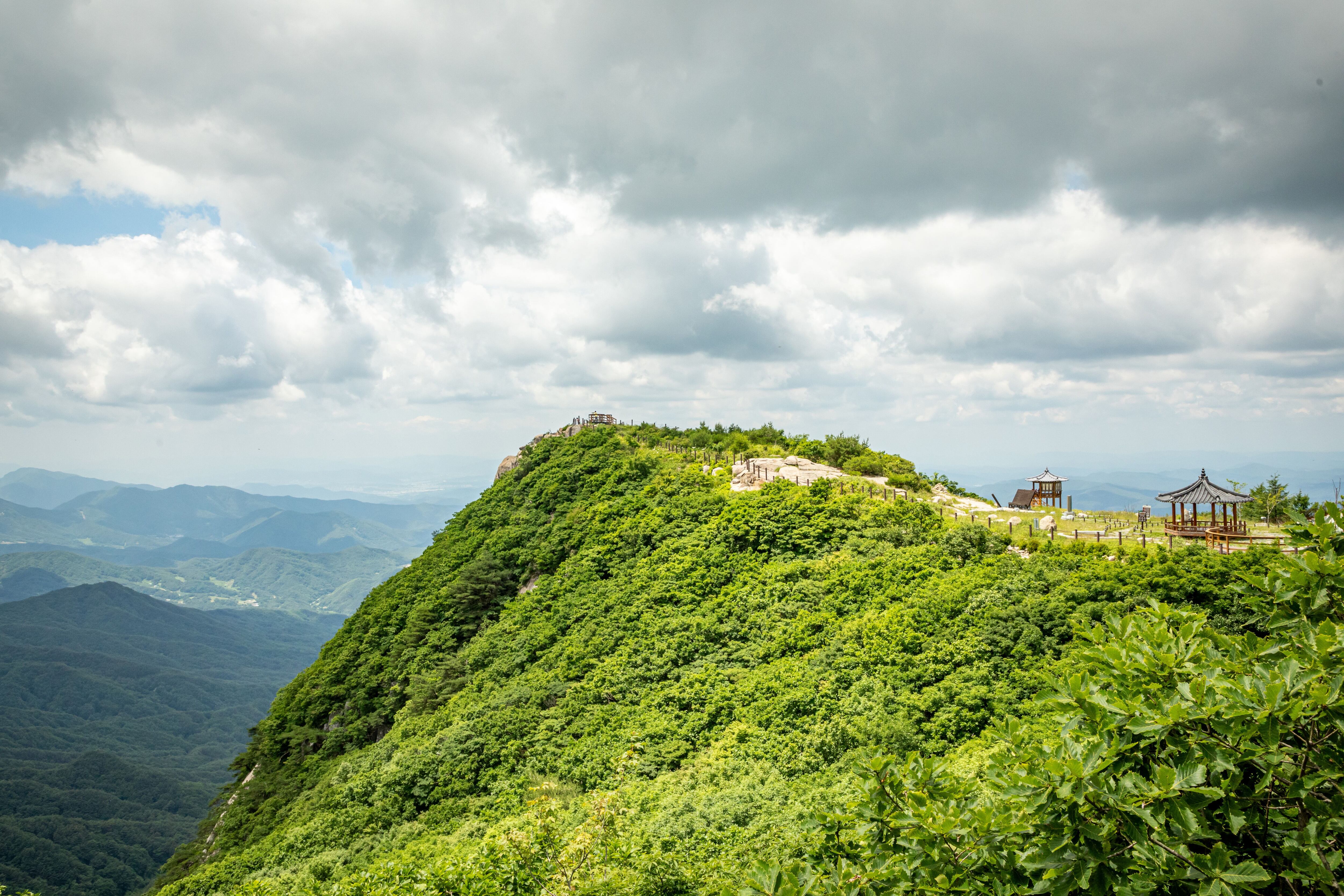
When you climb the small footpath behind Bongmujeong, it leads to Bongmuto Fortress. Korea Tourism Organization materials explain that artifacts dating from the Iron Age through the Three Kingdoms period were excavated from this earthen fortress. Rather than viewing only one pavilion and leaving, extending the walk to the low-hill fortress makes it clear that an ancient defensive stronghold and a 19th-century village public building shared the same terrain.
- Dokjwaam location: the mountain foot and stream area near Bongmujeong
- Access to Bongmuto Fortress: the footpath behind Bongmujeong
- Excavation period related to the fortress: Iron Age to Three Kingdoms period
- Recommended route: Bongmujeong → Dokjwaam → Bongmuto Fortress
- Additional time needed: about 20 to 30 minutes
How to arrive at the end point of the 7.2 km Daegu Olle Route 6
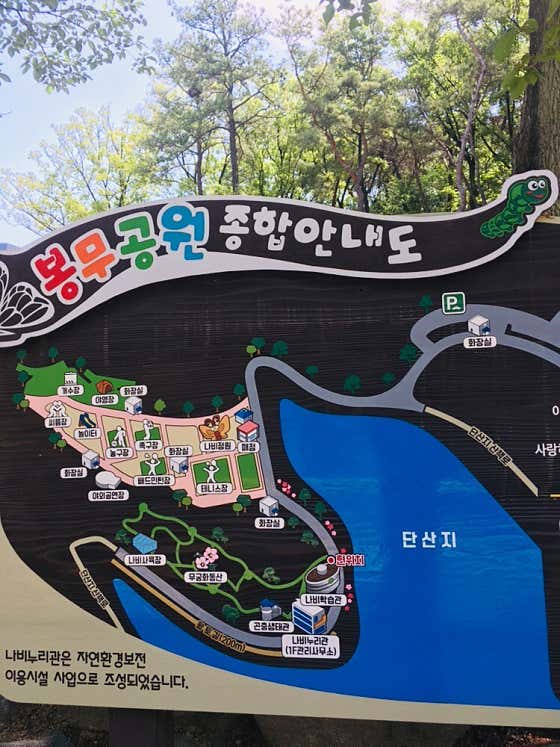
For walking purposes, Bongmujeong is the endpoint of Daegu Olle Palgongsan Route 6, "The Road to Dansanji." It is a one-way 7.2 km course that passes by the Bullo-dong Tomb Cluster public parking lot, the tomb cluster, the Gyeongbu Expressway underpass, Yeongsin Elementary, Middle, and High Schools, Bongmu Park, Dansanji, Manbo Walking Trail, and Dansan-gul before reaching Bongmujeong and Bongmuto Fortress, and the Korea Tourism Organization lists the walking time as about 2 hours and 30 minutes.
There is guidance that it is easy to miss the signpost leading from the middle of Dansanji to Manbo Walking Trail, so when walking the longer stretch, it is best to check both a map app and the Olle markers. If you start from the Bullo-dong Tomb Cluster and finish at Bongmujeong, you can connect tombs, a reservoir, a Japanese colonial-era cave, and the fortress in one trip; conversely, if you start at Bongmujeong, you can also plan to end at the tomb cluster around sunset.
- Route name: Daegu Olle Palgongsan Route 6, "The Road to Dansanji"
- Distance: one-way 7.2 km
- Officially guided duration: about 2 hours 30 minutes
- Starting point: Bullo-dong Tomb Cluster public parking lot
- Via points: Bongmu Park, Dansanji, Manbo Walking Trail, Dansan-gul
- Endpoint: Bongmujeong, Bongmuto Fortress
Before You Go
- Address
- 327-7 Palgong-ro, Dong-gu, Daegu Metropolitan City
- Admission
- Free
- Phone
- 053-662-4103
- Official site
- https://dong.daegu.kr/tour/travel/view.do?idx=29&mid=0302000000&page=2&searchTxt=&searchType=title
- Transport
- Use the Bongmu Leports Park Front and Bongmu Leports Park Across stops. Routes 101, 101-1, and 401 stop there, and Palgong 1, Palgong 2, and Express 1 also stop at Bongmu Leports Park Across.
- Time needed
- 20 to 30 minutes for Bongmujeong only, 40 to 60 minutes including Dokjwaam and Bongmuto Fortress, and about 2 hours 30 minutes for the full Daegu Olle Palgongsan Route 6 (7.2 km).
- Accessibility
- The area around the building is accessible from the roadside, but the footpath leading up to Bongmuto Fortress has dirt surfaces and a slope, so it may not be suitable for wheelchairs or strollers. No foreign-language guide information has been confirmed.
The above information is current as of the time of writing. Please check the official guidance again before visiting.

Places
Nearby Attractions 5
-
 1
1
-
 2
2
-
 3
3
-
 4
Bongmu Park
4
Bongmu Park -
 5
5
Food & Dining 5
-
 6
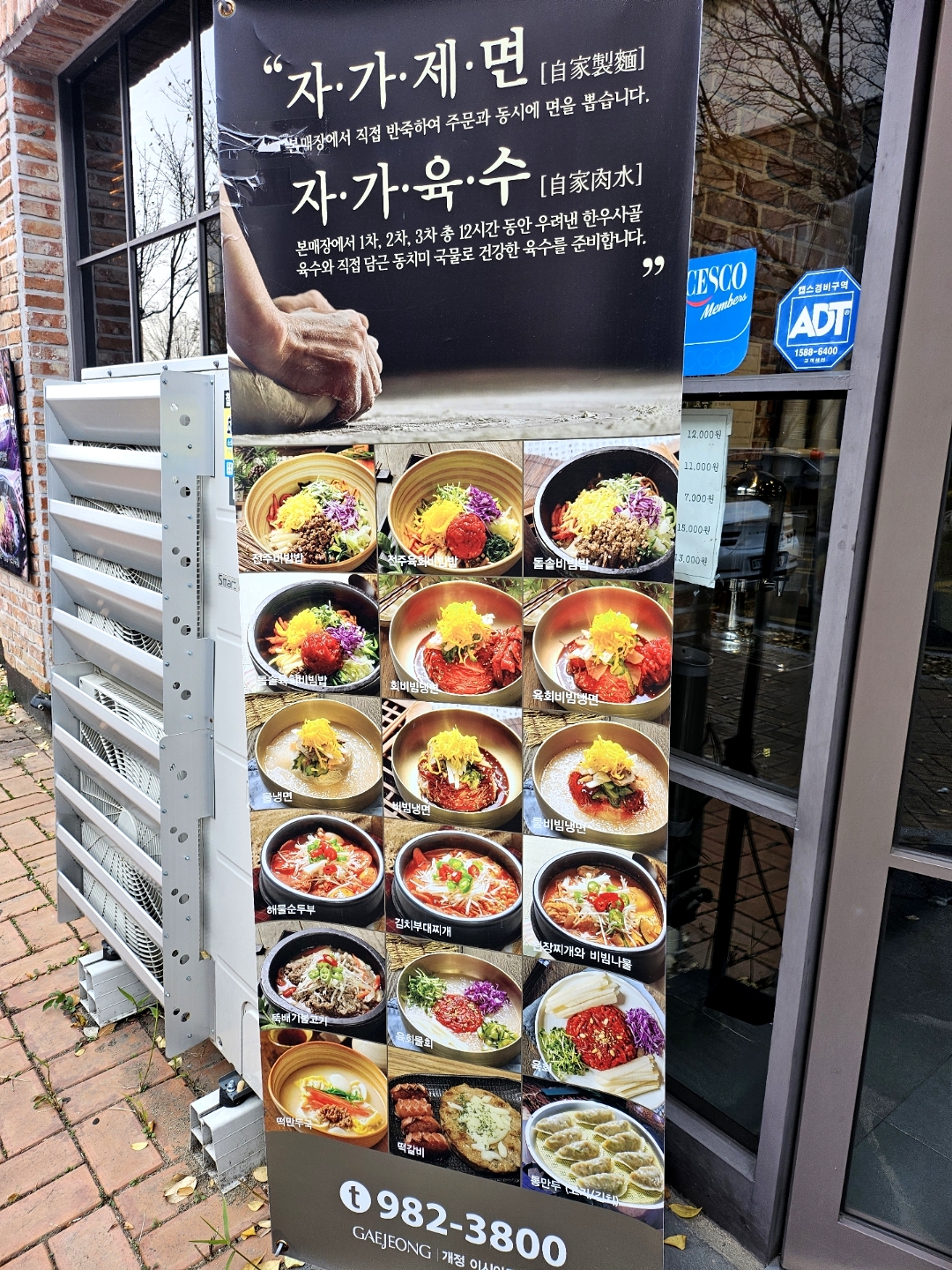
Jeongsikdang
6
Jeongsikdang -
 7
7
-
 8
8
-
 9
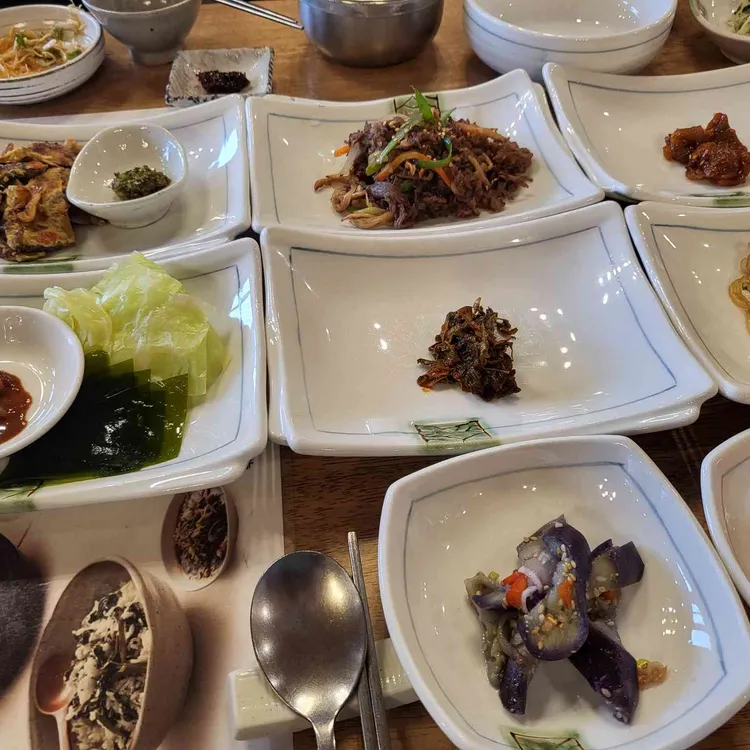
Myeongsan-ga
9
Myeongsan-ga -
 10
10
More Travel Guides in This Area
 Travel Guide
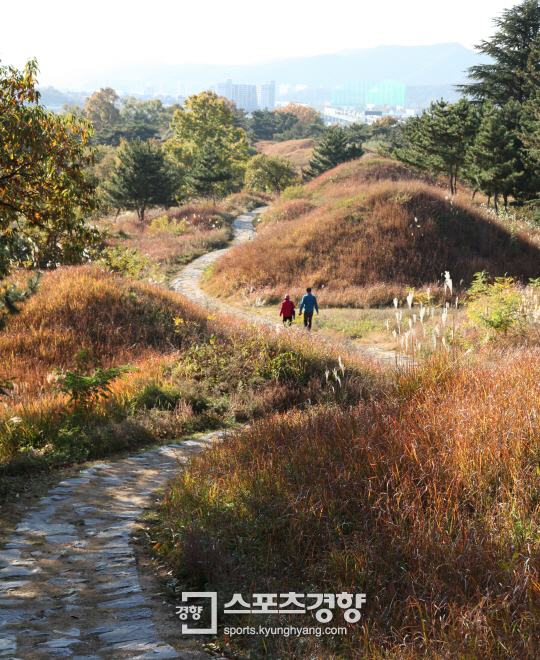
The Trail Connecting Bulo-dong Tomb Group No. 213 to Bongmujung, a 7.2 km Route to Dansanji
 Travel Guide
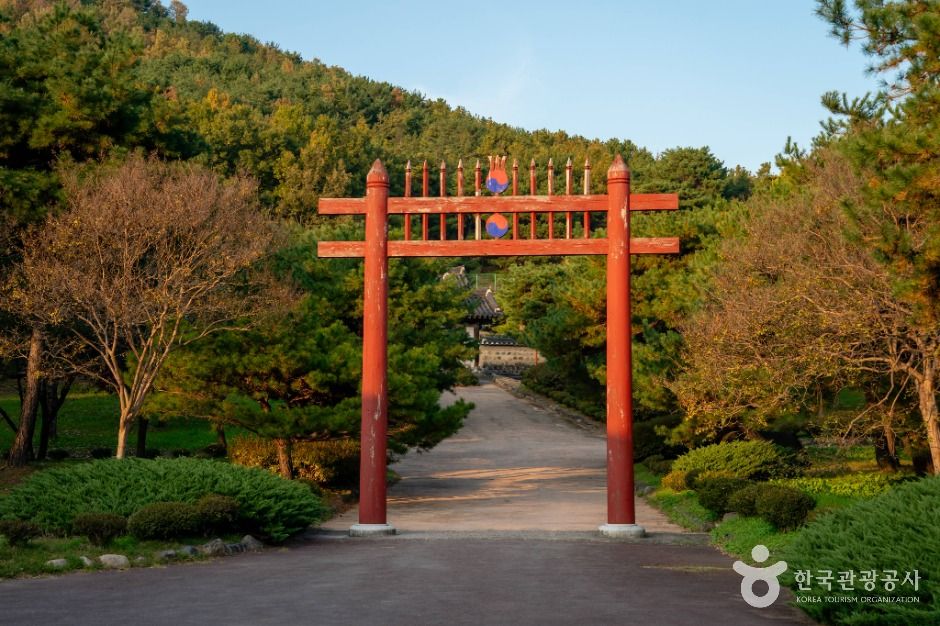
Shin Sung-gyeom General Historic Site: Walking in the Memory of the Battle of Gongsan in 927
 Travel Guide
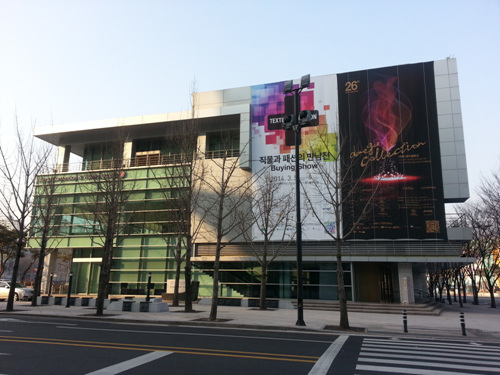
Discover the backstage of Daegu’s fashion industry at the Fashion Design Development Support Center
 Travel Guide
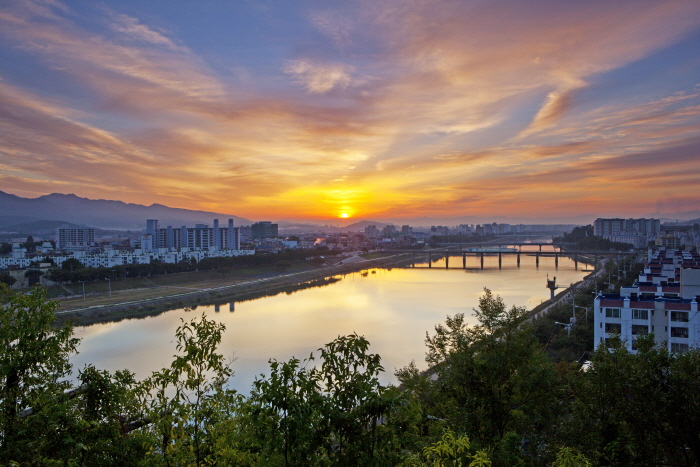
Crossing the Geumho River on the 277 m Ayang Railroad Trail, a Former Railway Bridge
Korea News
![BLACKPINK’s Lisa Dominates the VMA Red Carpet in a Sheer Corset Dress and Red Fur [Star Issue]](https://kotourlive-images.s3.ap-northeast-1.amazonaws.com/news/1790557894714_010e956a_news_94409db1-fab6-40bf-bc7b-4b985b1fbac7.jpg) News
News
BLACKPINK’s Lisa Dominates the VMA Red Carpet in a Sheer Corset Dress and Red Fur [Star Issue]
![BLACKPINK’s Jisoo Spotted by Surprise with BIGBANG in London… Their Special Loyalty as Labelmates [IS High Cut]](https://kotourlive-images.s3.ap-northeast-1.amazonaws.com/news/1790557854683_6ea979f5_news_caab62e5-8462-43c8-8622-da794f3df9de.png) News
News
BLACKPINK’s Jisoo Spotted by Surprise with BIGBANG in London… Their Special Loyalty as Labelmates [IS High Cut]
 News
News
Tattoos All Over Her Body… AOA’s Jimin Draws Shocked Attention After Kwon Mina’s ‘Bullying’ Allegations
![You’ll Have to Look Twice… Choi Min-a-soo Perfectly Pulls Off Everything from a Daring Illusion Dress at the Awards Ceremony to Long Braided Hair [RE:STAR]](https://kotourlive-images.s3.ap-northeast-1.amazonaws.com/news/1790492384850_1f293dad_news_d834c50e-0685-43ef-9aa5-6995cd6d8848.jpg) News
News